Rare Inventions from the Victorian Industrial Age
The Victorian era was a time when inventors seemed to believe anything was possible. Steam-powered contraptions, elaborate mechanical devices, and peculiar solutions to everyday problems filled patent offices across the industrial world.
While we remember the era’s great achievements — the telephone, the light bulb, the automobile — countless other inventions emerged from workshops and drawing boards, ranging from brilliantly practical to delightfully absurd.
Many of these forgotten creations reveal as much about Victorian society as they do about mechanical ingenuity. Some addressed real problems with overly complex solutions, while others solved problems that didn’t really exist.
The inventors behind these devices shared an optimistic faith in technology’s ability to improve human life, no matter how small the improvement or how elaborate the mechanism required.
Pneumatic Postal Systems
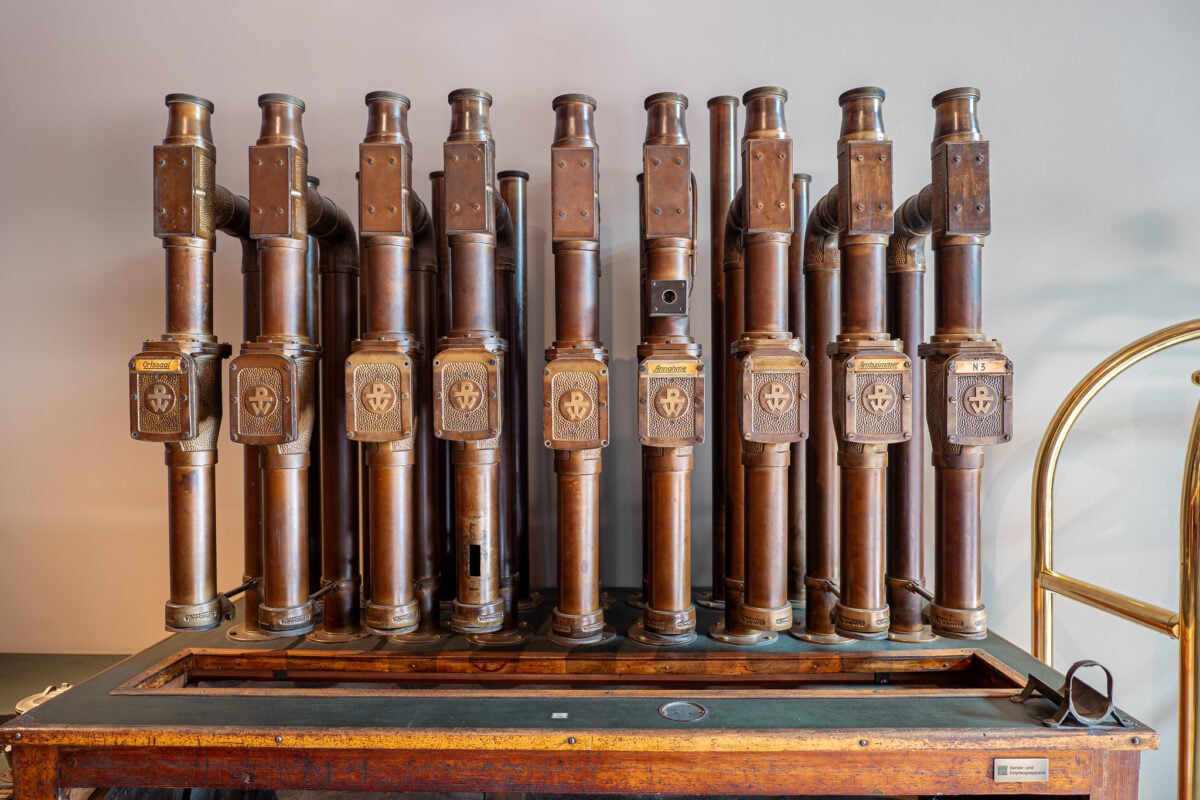
Underground tubes carrying messages at breakneck speed through major cities. Victorian London, Paris, and New York all built networks of these pressurized delivery systems.
Letters and small packages shot through pipes like bullets, arriving faster than any messenger could manage on crowded streets above.
The Automated Restaurant
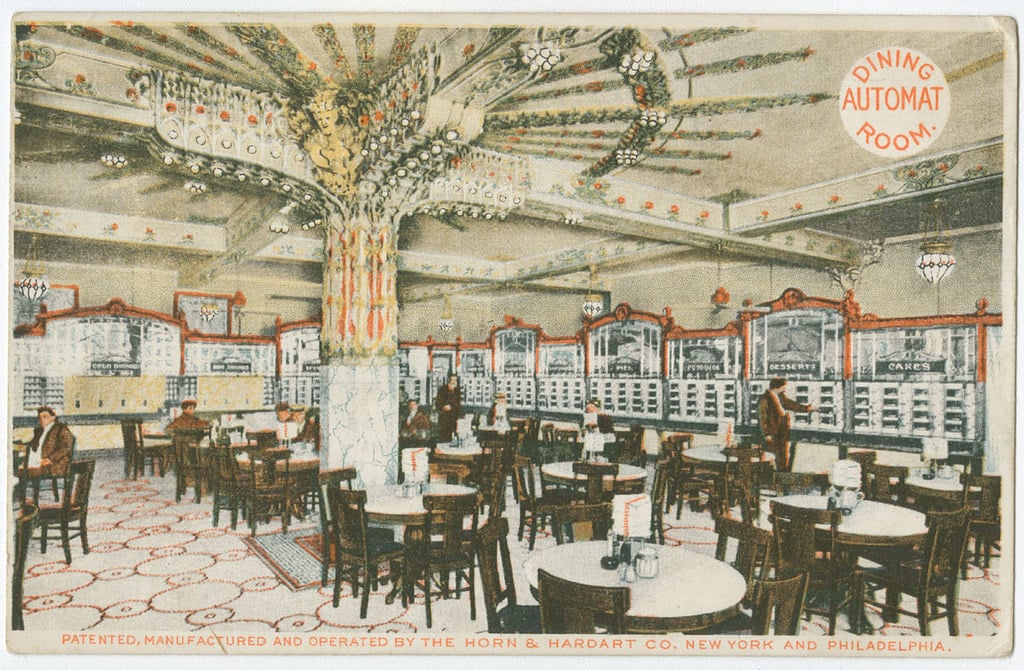
Joseph Horn and Frank Hardart didn’t just open restaurants — they eliminated waiters entirely. Their automat concept used walls of small glass doors, each hiding a different dish.
Drop in your coins, turn the handle, and retrieve your meal.
The system combined the efficiency of vending machines with the ambition of full-service dining, creating something that felt both futuristic and oddly impersonal.
Mechanical Thinking Machines
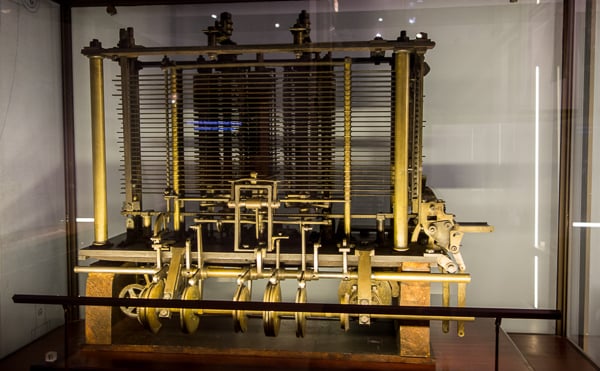
Before computers existed as a concept, inventors pursued mechanical calculation with the devotion of alchemists chasing gold, building devices that could (they believed) replicate the processes of human thought through nothing more than gears, springs, and carefully calibrated movements. Charles Babbage spent decades perfecting his Analytical Engine — a room-sized calculator that promised to solve mathematical problems too complex for human minds, though he never quite managed to build a working version.
And there were others: inventors who created mechanical chess players, fortune-telling machines, and devices that claimed to predict the weather based on atmospheric pressure and gear ratios.
The faith these men placed in brass and steel feels touching now. They believed deeply that consciousness itself was just another mechanical process — complex, certainly, but ultimately reducible to the predictable movement of precisely engineered parts.
Velocipede Improvements
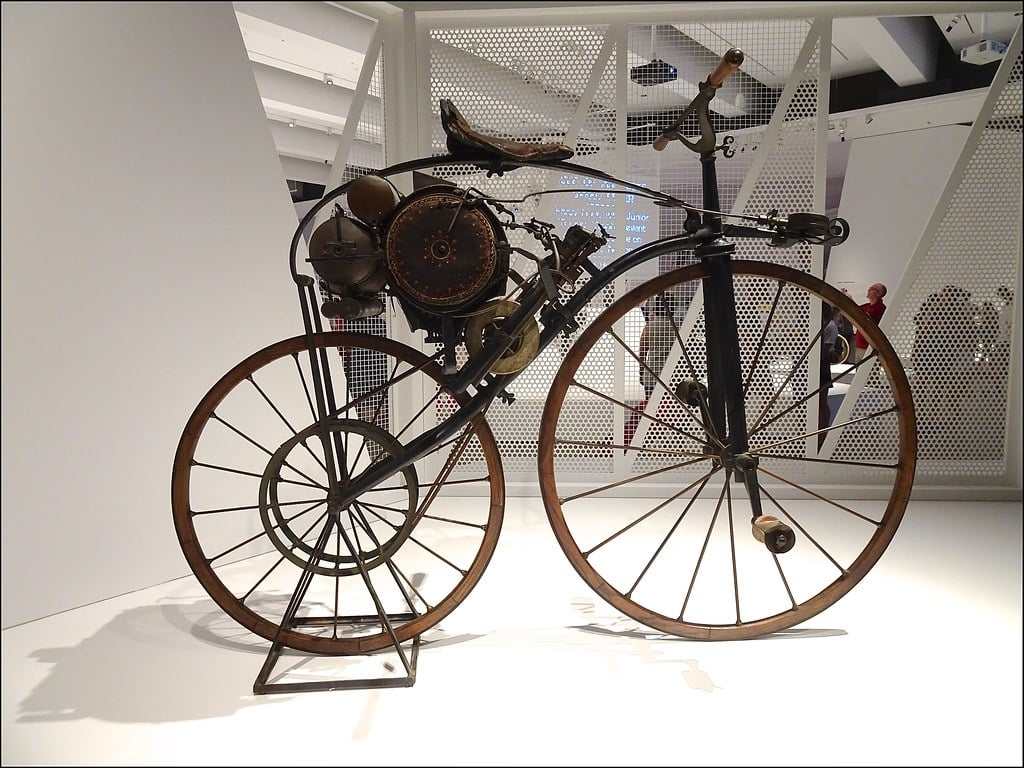
The bicycle was still finding its form during the Victorian era, and inventors treated it like an unsolved puzzle. Some models featured square wheels — the idea being that they’d provide a more stable ride over rough terrain.
Others eliminated wheels entirely, using mechanical legs that mimicked a horse’s gait.
One particularly ambitious design included a built-in writing desk, allowing businessmen to compose letters while pedaling to work. Another featured a passenger compartment where a second person could ride while reading the newspaper aloud to the cyclist.
Steam-Powered Household Items
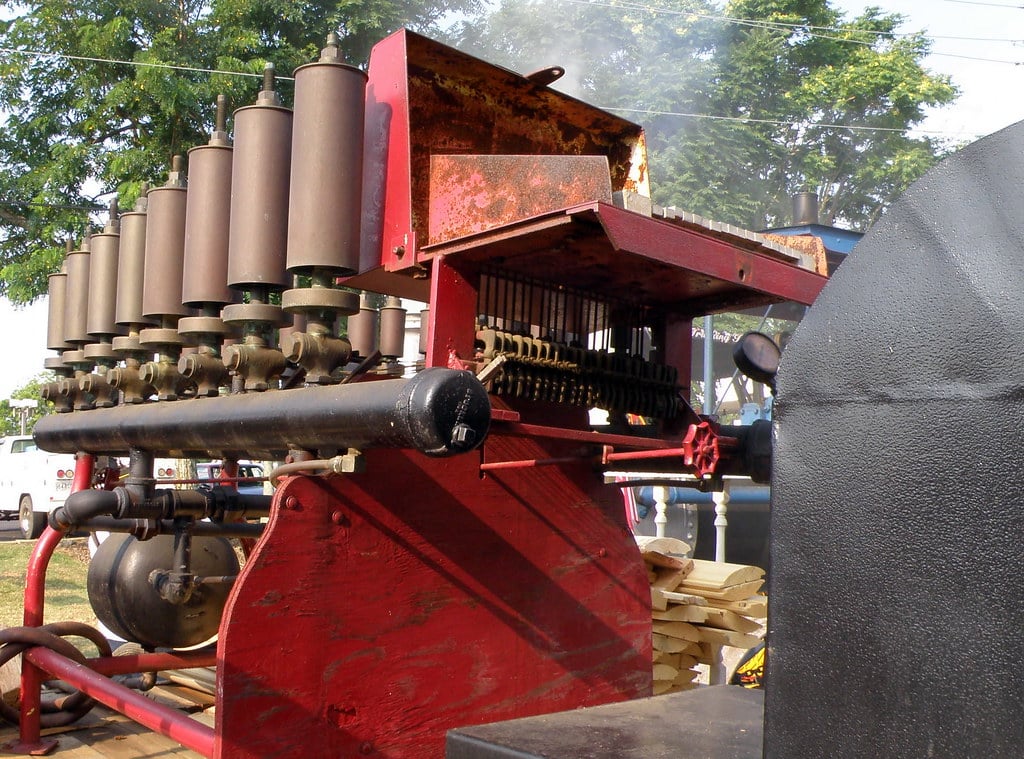
Steam engines had transformed industry and transportation, so Victorian inventors naturally assumed they could revolutionize domestic life as well. Patent offices received designs for steam-powered butter churns, automated laundry systems, and even steam-driven lawn mowers that required a full-time operator and took longer to start than it would take to cut the grass by hand.
The most elaborate was probably the steam-powered organ: a massive musical instrument that used pressurized steam to play complex melodies (while filling the parlor with scalding vapor and coal smoke, which somehow didn’t discourage its inventor from promoting it as ideal for intimate gatherings).
Steam-powered personal transportation reached its logical extreme with the steam-powered shoes — yes, actual footwear with tiny boilers strapped to each heel, promising to propel the wearer forward at unprecedented speeds, assuming they could maintain their balance while essentially strapping small explosives to their feet.
Photographic Novelties
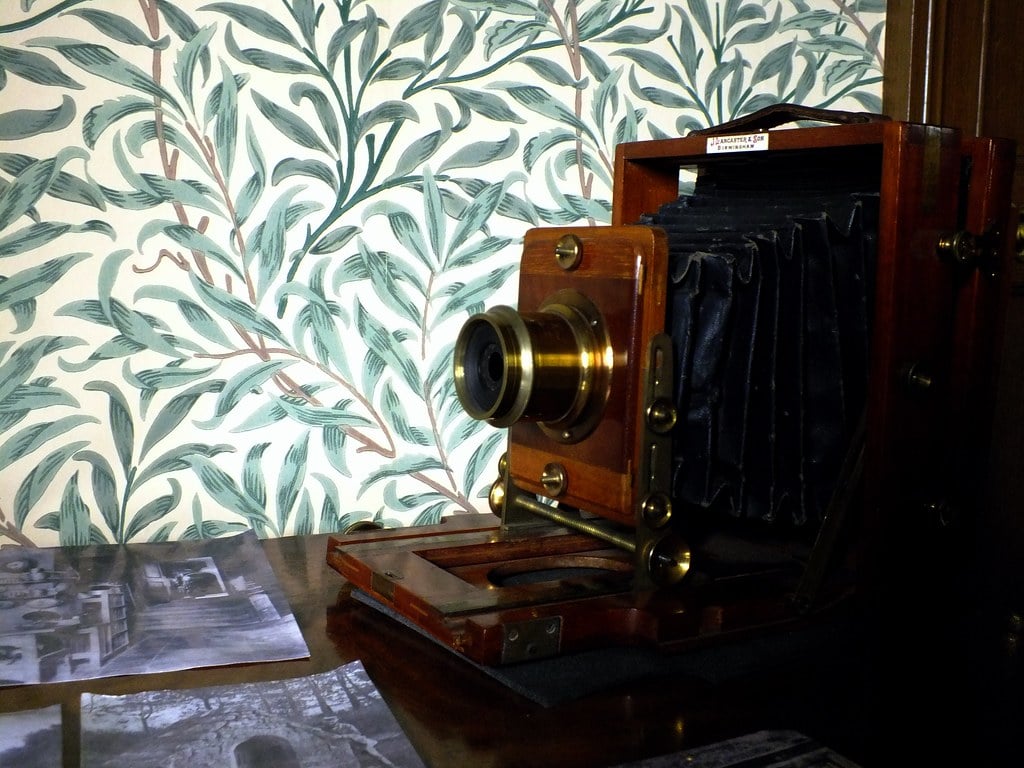
Photography was still new enough that inventors treated it like an unexplored frontier, developing cameras that served purposes far beyond simple portraiture. One device promised to capture the human soul at the moment of death — a camera triggered by the subject’s final heartbeat, designed to photograph whatever spiritual essence might be departing the body.
Another contraption automatically photographed anyone who opened a door without permission, creating what might have been the world’s first security camera system (though the intruder would be long gone by the time the photograph was developed and examined).
The most optimistic was probably the camera designed to photograph thoughts: point it at someone’s forehead, and the resulting image would supposedly reveal their mental state. The inventor never explained how silver nitrate and glass plates might accomplish this feat.
Electric Beauty Treatments
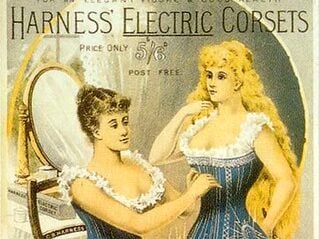
Once electricity became available, Victorian entrepreneurs immediately saw its cosmetic potential. Electric face masks promised to tighten skin and reduce wrinkles through mild electrical currents.
Electric hairbrushes claimed to prevent baldness by stimulating the scalp. One ambitious device delivered controlled electrical shocks to specific facial muscles, supposedly allowing users to sculpt their features through repeated electrical contractions.
The most elaborate was the electric corset — a undergarment fitted with battery-powered wires that promised to improve posture through gentle electrical reminders whenever the wearer slouched. It probably worked, considering that wearing a battery-powered undergarment would make anyone extremely conscious of their posture.
Mechanical Music Makers
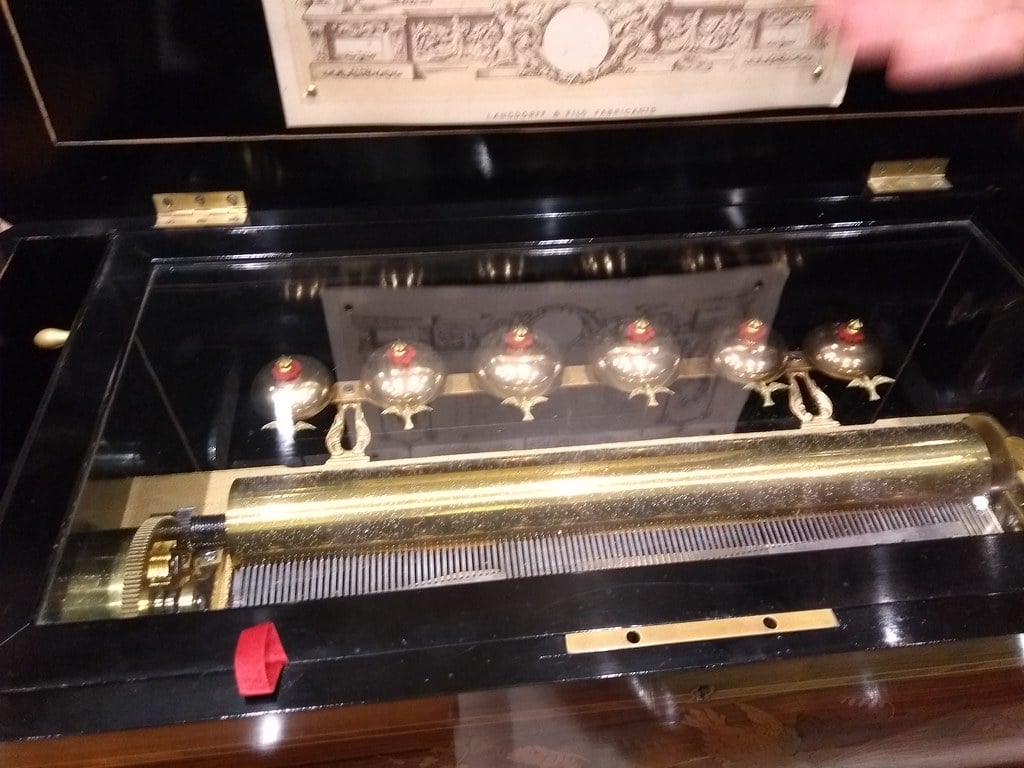
Music boxes evolved into elaborate mechanical orchestras during the Victorian era, some featuring hundreds of moving parts that could replicate entire symphonies. One inventor created a mechanical violin player — a device that held a real violin and drew the bow across the strings with mechanical precision, though it never quite managed to match the expression of a human musician.
Another built a mechanical band featuring drums, horns, and string instruments, all synchronized to play complex compositions without human intervention.
The most ambitious was probably the mechanical opera singer: a life-sized figure with mechanical lungs, vocal cords, and mouth movements that could perform entire arias. The sound was reportedly haunting — not because it was beautiful, but because it occupied an uncanny valley between human and machine that audiences found deeply unsettling.
Automated Servants
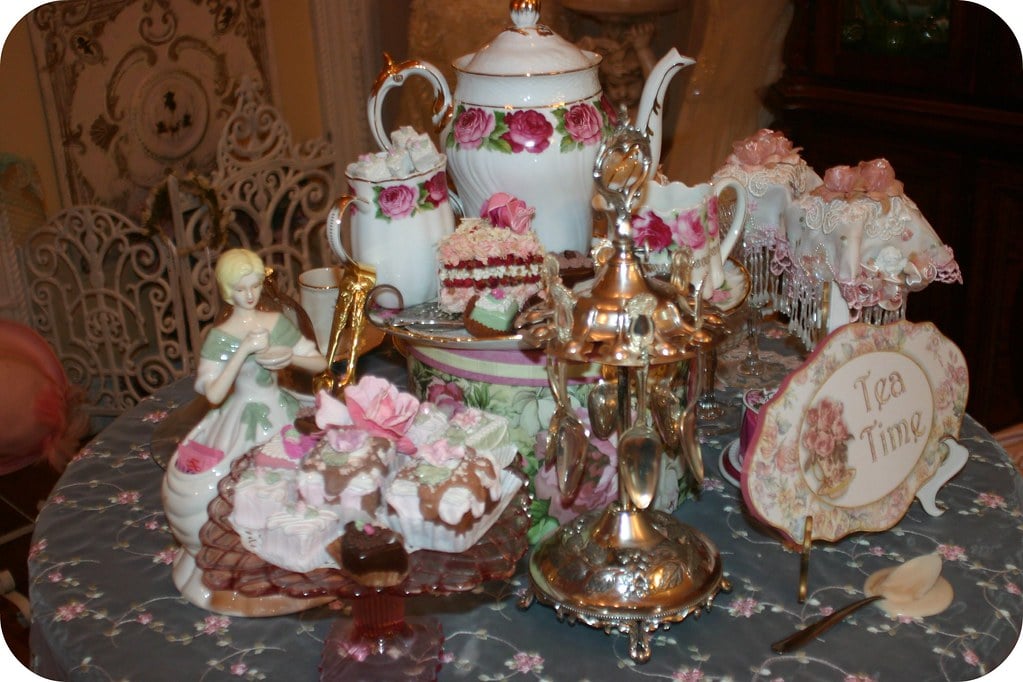
Victorian inventors were obsessed with creating mechanical servants that could perform household tasks without wages, rest, or complaints, producing designs that ranged from the merely impractical to the genuinely dangerous (since safety regulations didn’t exist yet, and inventors seemed to assume that mechanical servants would naturally understand appropriate behavior around humans, children, and fragile household items).
One device automatically served tea by detecting when cups were empty and refilling them from a central reservoir — it worked perfectly until it malfunctioned and continued pouring tea regardless of cup capacity or presence.
But the mechanical butler took automation to its logical extreme: a wheeled figure that could answer doors, take coats, and announce visitors using a pre-recorded voice system, though it had no ability to distinguish between welcome guests and potential burglars, treating everyone with the same mechanical courtesy.
Transportation Oddities
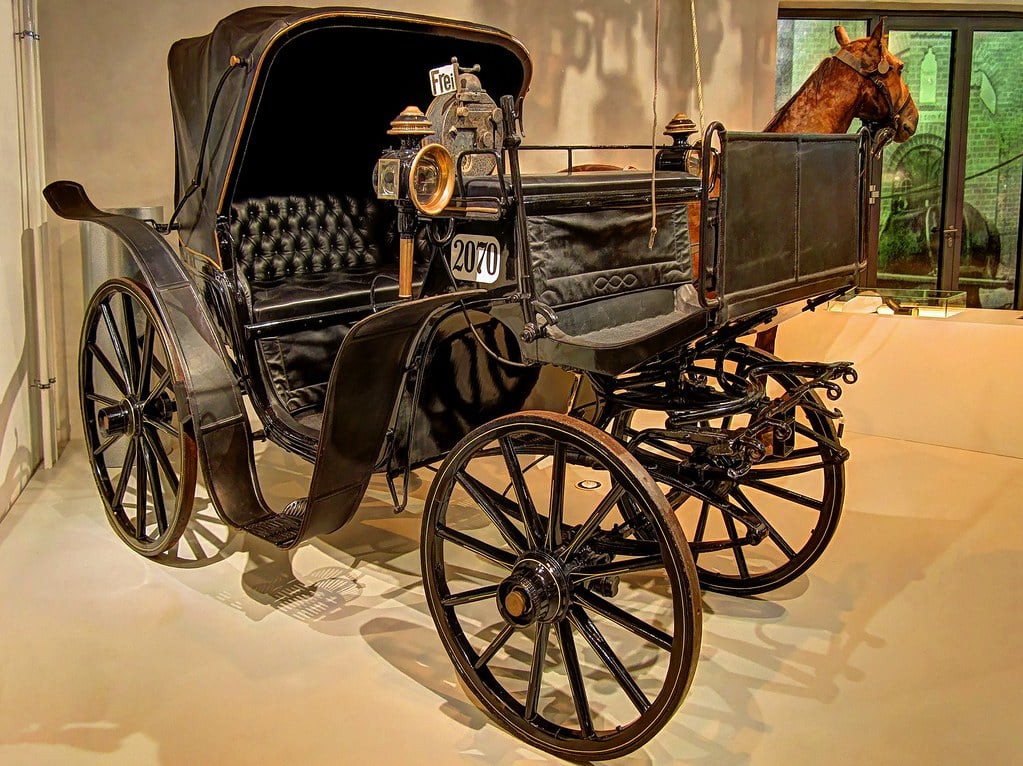
Victorian inventors refused to accept that horses and carriages represented the final word in personal transportation. Some designed human-powered flying machines with elaborate wing mechanisms that passengers could operate through pedaling and arm movements.
Others created amphibious carriages that could transition seamlessly from road to water travel — assuming you could find roads that led directly to navigable rivers.
One particularly optimistic inventor designed a personal subway system: individual capsules that traveled through underground tubes, propelled by compressed air. Each passenger would have their own capsule and could theoretically travel across the city faster than any surface transportation.
The system required miles of underground construction and perfect air pressure regulation, but the inventor was convinced it represented the future of urban mobility.
Weather Prediction Devices

Before meteorology became a science, Victorian inventors created elaborate mechanical devices that promised to predict weather through pure mechanical calculation. These weren’t simple barometers — they were room-sized contraptions with hundreds of moving parts that supposedly analyzed atmospheric conditions, wind patterns, and celestial movements to forecast weather weeks in advance.
One device featured rotating globes, pendulum systems, and mechanical calculators that worked continuously to produce weather predictions printed on small cards.
The most elaborate was the mechanical weather prophet: a figure that changed clothes, expressions, and poses based on atmospheric readings, supposedly providing weather forecasts through its mechanical body language. Sunny weather made it smile and wear light clothing, while approaching storms caused it to frown and don rain gear.
Communication Innovations
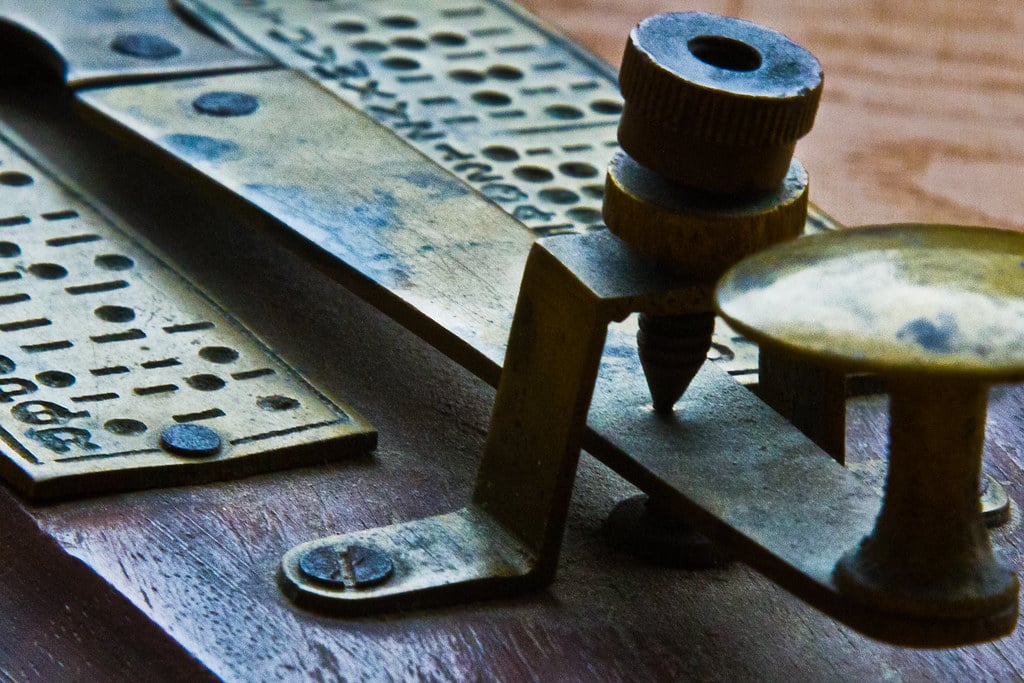
Telegraph technology inspired inventors to imagine communication systems that went far beyond simple message transmission. One device promised to transmit not just words but emotional states — users could supposedly send feelings of happiness, sadness, or excitement along with their messages through mechanical manipulation of the electrical signals.
Another system claimed to transmit images by converting photographs into electrical pulses that could be reassembled at the receiving end.
The most ambitious was probably the mechanical translator: a device that could receive messages in one language and automatically translate them into another through mechanical processing. The inventor claimed it could handle dozens of languages simultaneously, though it never progressed beyond translating simple phrases with mixed results.
Domestic Automation
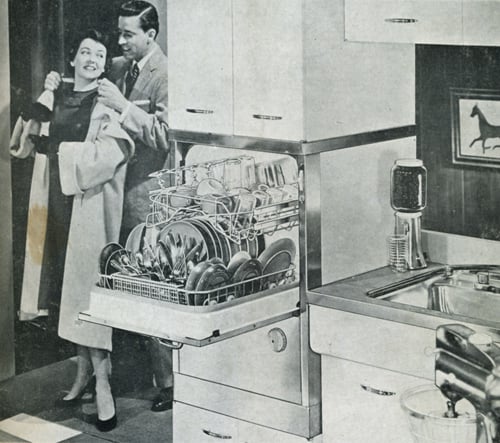
Victorian households generated endless opportunities for mechanical improvement, and inventors responded with devices that promised to automate every conceivable household task. Mechanical dishwashing systems used elaborate combinations of brushes, soap dispensers, and rotating platforms to clean entire place settings without human intervention.
Automated cooking devices could supposedly prepare complete meals through clockwork timing and mechanical food manipulation.
The most elaborate was the automatic house: a complete domestic system where mechanical devices handled cleaning, cooking, laundry, and maintenance through interconnected clockwork mechanisms. The house would theoretically run itself, requiring only periodic winding and mechanical maintenance.
The inventor claimed families could live in perfect comfort while mechanical servants handled every domestic responsibility.
Looking Back at Tomorrow’s Past
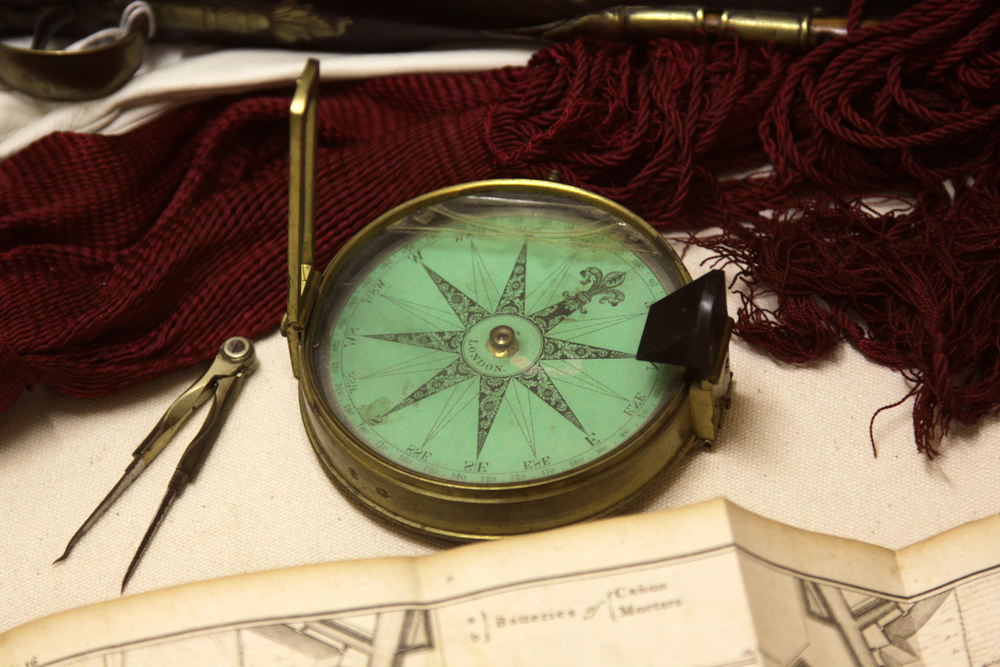
These Victorian inventions feel like messages from an alternate timeline where mechanical ingenuity could solve any problem, no matter how small or how complex the required solution. Their creators possessed an unshakeable faith that the right combination of gears, springs, and steam pressure could improve any aspect of human existence.
Some of their ideas eventually evolved into technologies we use today, while others remain delightful curiosities that reveal as much about Victorian optimism as they do about mechanical possibility.
The inventors themselves would probably be amazed by what we actually achieved — and perhaps a little disappointed that we abandoned steam power for electricity, or that our robots are digital rather than mechanical. They dreamed in brass and steel, building tomorrow with the materials they understood best.
More from Go2Tutors!

- The Romanov Crown Jewels and Their Tragic Fate
- 13 Historical Mysteries That Science Still Can’t Solve
- Famous Hoaxes That Fooled the World for Years
- 15 Child Stars with Tragic Adult Lives
- 16 Famous Jewelry Pieces in History
Like Go2Tutors’s content? Follow us on MSN.