Rare Stamps and Bills That Sold High
Collectors have been willing to pay eye-watering sums for tiny pieces of paper throughout history. Whether it’s a postage stamp with a printing error or a banknote from a bygone era, these miniature artifacts can fetch millions at auction.
The world of philately and currency collecting might seem niche, but the prices these items command tell a different story—one of obsession, rarity, and historical significance that transcends their original face value. Here is a list of rare stamps and bills that sold for astronomical amounts.
British Guiana 1c Magenta
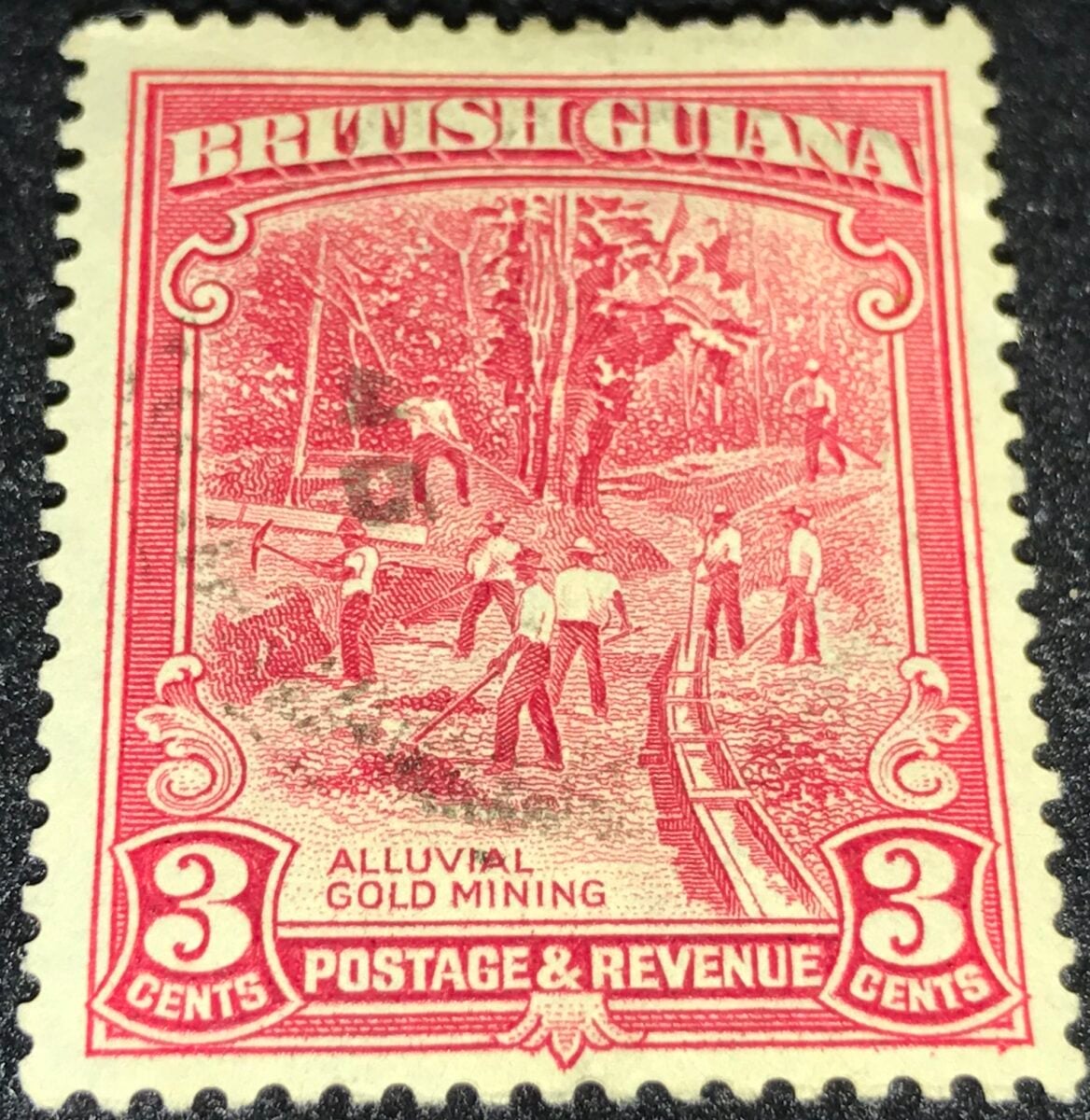
This single stamp holds the record as the most expensive individual stamp ever sold at auction. The British Guiana 1c magenta fetched a staggering $9.48 million when it changed hands, making it the holy grail of stamp collecting.
Only one example exists in the world, and it was printed in 1856 as an emergency issue when regular stamps from England didn’t arrive on time in the British colony.
Benjamin Franklin Z-Grill
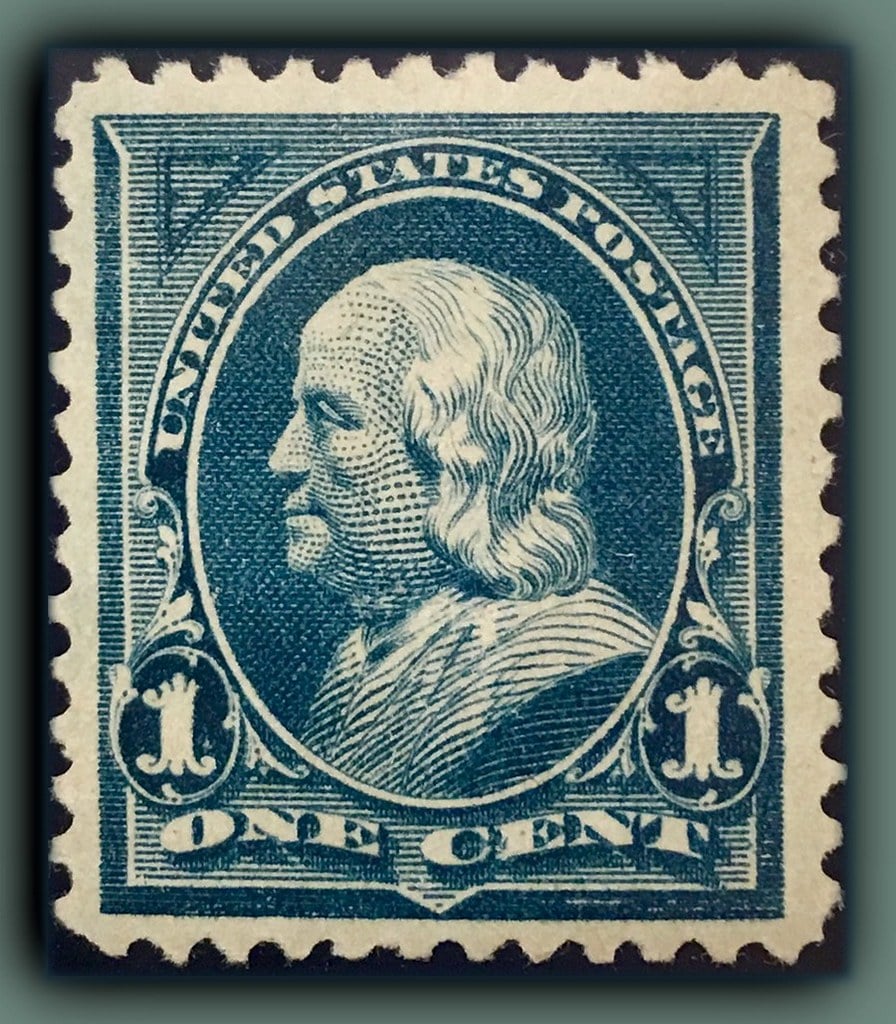
The one-cent Z-Grill stamp featuring Benjamin Franklin’s image sold for a record $4.4 million, establishing a new benchmark for United States stamps at public auction. The stamp gets its name from the embossed grill pattern pressed into the paper to prevent stamp reuse, and only two examples are known to exist.
The other Z-Grill is permanently housed at the New York Public Library’s collection, meaning the one that sold is the only example available to private collectors.
Mauritius Post Office Stamps
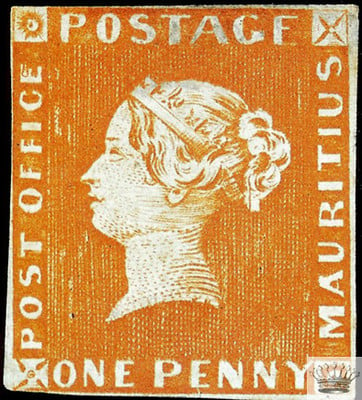
The tiny island nation of Mauritius produced some of the world’s most valuable stamps back in 1847. A cover bearing two Mauritius stamps sold for approximately $12 million in 2021, setting an all-time record for any philatelic item.
These stamps were among the first issued in the British Empire outside Great Britain, and their value comes from both rarity and historical significance. The stamps feature the words ‘Post Office’ instead of ‘Post Paid’, which was supposedly an engraver’s error that makes them incredibly scarce today.
Treskilling Yellow
Sweden’s most famous stamp is actually a mistake that turned into a fortune. The Treskilling Yellow from 1855 is unique because it was printed in yellow instead of the intended green color, and this sole surviving example was sold for $2.2 million in 1996.
A schoolboy discovered this gem in his grandmother’s attic back in 1885 and sold it for a pittance, not knowing he’d found what would become one of the world’s most sought-after stamps. The stamp has changed hands several times since then, with its value climbing steadily over the decades.
Inverted Jenny
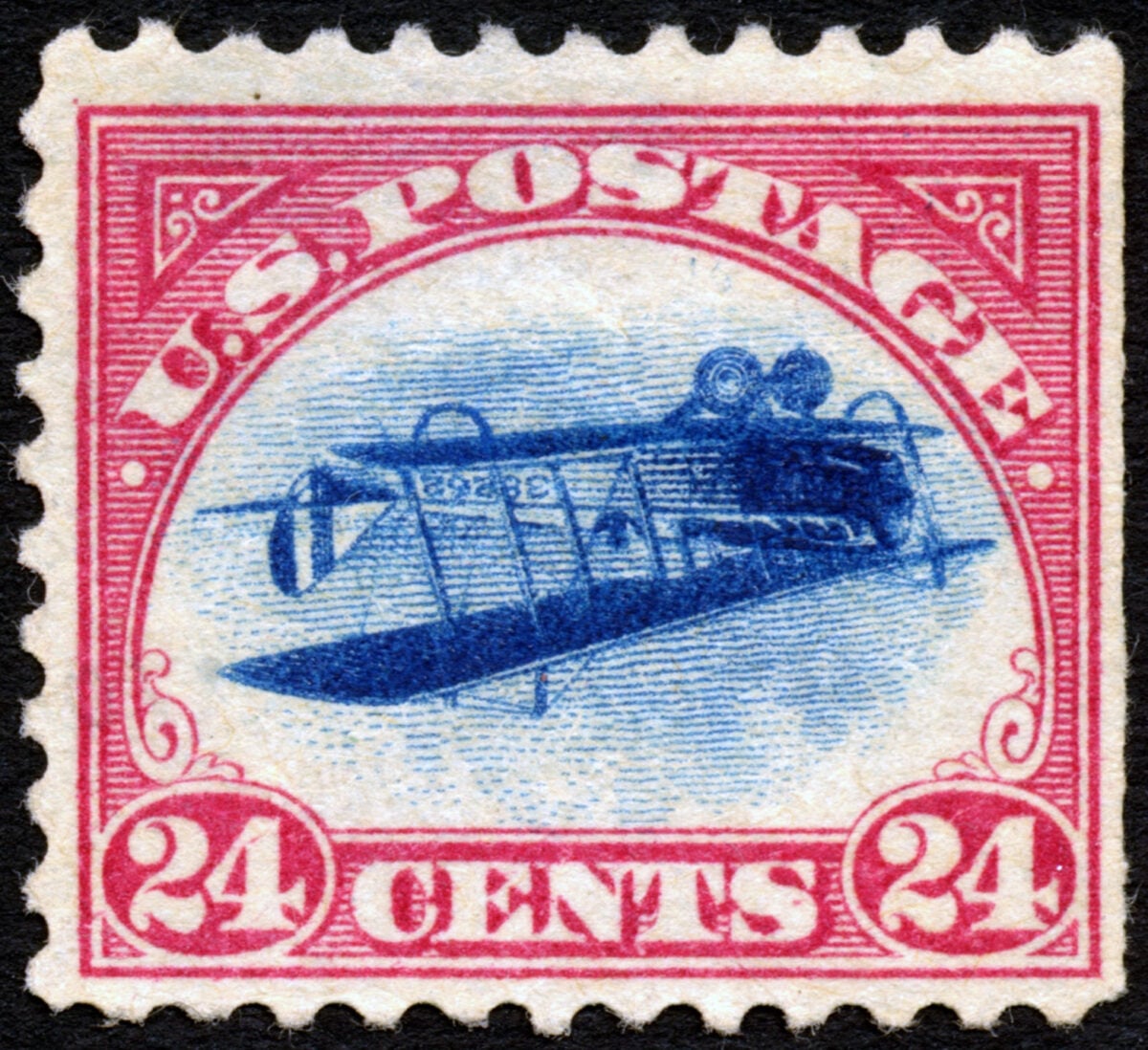
The Inverted Jenny is probably the most famous error in American philately. This 1918 airmail stamp features an upside-down Curtiss JN-4 airplane, and individual examples have sold for nearly $2 million.
Only one sheet of 100 stamps was printed with the error before it was caught, and that sheet was purchased by a collector who happened to visit the post office at just the right time. The stamps were then split up and sold individually, creating a scattered treasure hunt that continues to fascinate collectors.
Japan 500 Mon Inverted Center
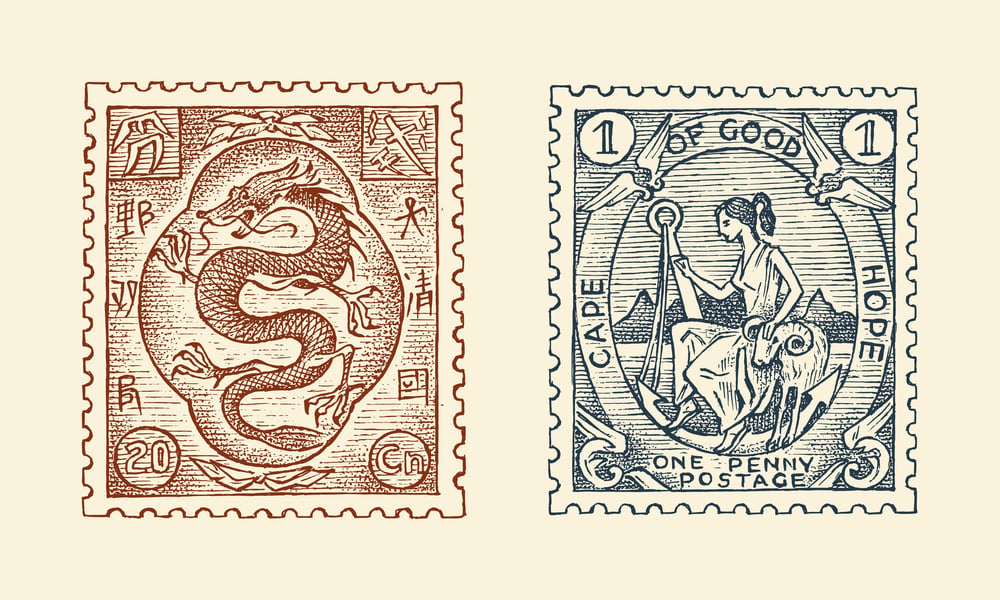
Asian philately got its moment in the spotlight with this remarkable Japanese rarity. The 1871 Japan 500 mon stamp with an inverted center sold for approximately $5.4 million at a 2023 auction.
This stamp features a dragon design with the denomination in the middle, but in this particular example, the center was printed upside down. The error went unnoticed for over a century until an American collector discovered it in 1973, and it had never been offered at public auction before 2023.
Chinese Red Revenue
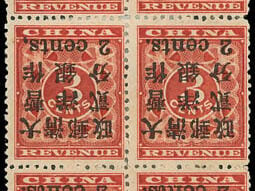
China’s currency reform in the late 1800s produced one of the country’s most valuable stamps. The Red Revenue stamp with a large dollar surcharge sold for approximately $879,000 at auction.
These stamps were created when China’s Qing Dynasty switched the country’s currency to dollars, and they feature a distinctive red color with Chinese characters. Only 32 examples of the Red Revenue with narrow characters were ever released, and remarkably, all of them have survived to the present day.
Sicily Error of Color
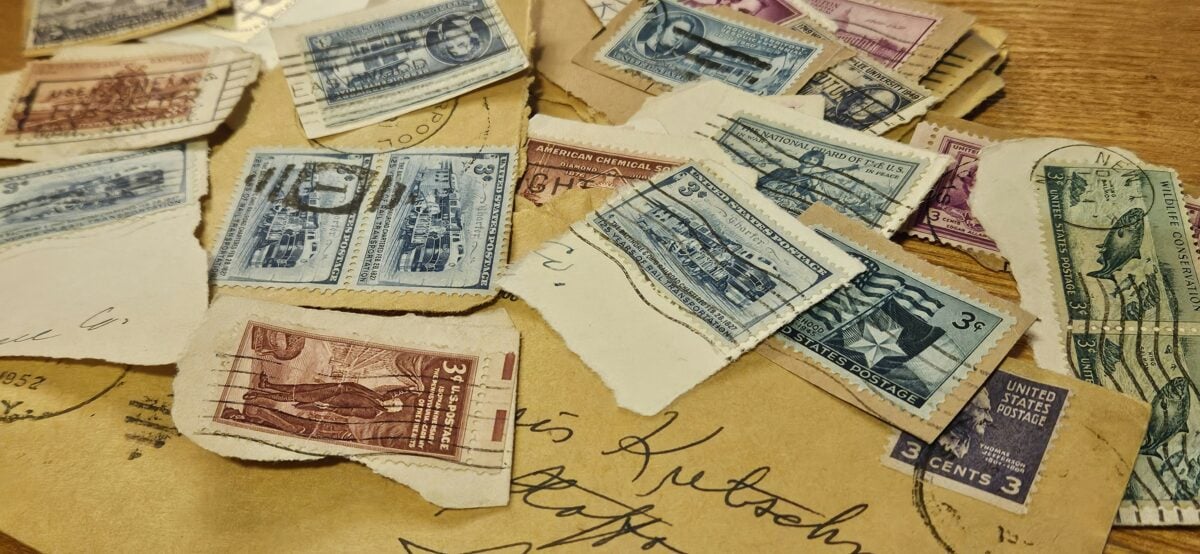
This Italian rarity combines beauty with scarcity in a way few stamps can match. The Sicilian stamp that was supposed to be yellow but was accidentally printed in blue sold for about $2.6 million at a Swiss auction.
The Kingdom of Sicily issued only one series of seven stamps in 1859 before being absorbed into unified Italy the following year, making the entire series scarce. The color error makes this particular stamp one of only two known examples, and both came from the same envelope.
Grand Watermelon Note
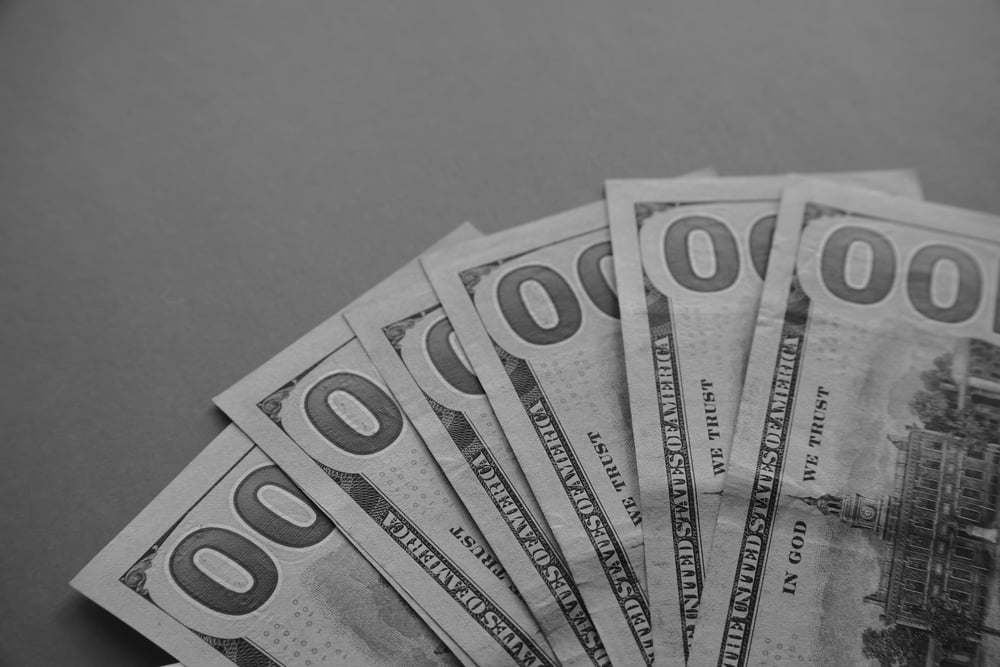
Switching to currency, the 1890 Grand Watermelon takes its quirky name from the large green zeros on its reverse side. This United States $1,000 Treasury Note sold for $3.29 million at Heritage Auctions in 2014, making it the most expensive banknote ever sold at auction.
The note earned its nickname from the three prominent zeros on the back that resemble watermelons. Only a handful of these notes survive today, and they were originally used for large bank-to-bank transactions rather than everyday purchases.
1891 Red Seal $1,000 Note
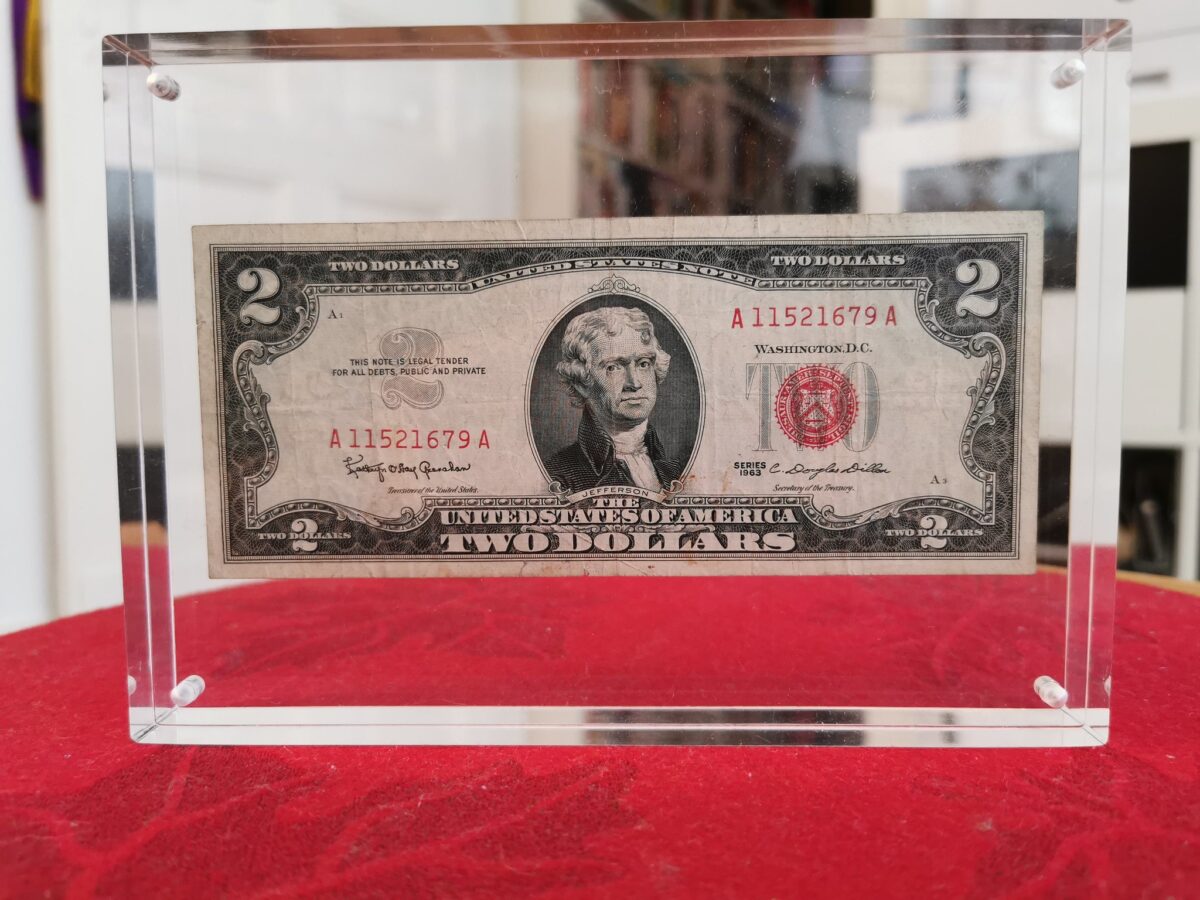
Another American thousand-dollar note commands impressive prices at auction. The 1891 Red Seal $1,000 Treasury Note, which features a portrait of Union General George Meade, sold for $2.585 million in 2013. This note is particularly significant because it’s the only U.S. currency to feature General Meade, making it a favorite among both currency collectors and Civil War history enthusiasts.
The same note had previously sold for just $1,300 back in 1944, showing how dramatically values can appreciate over time.
1928 Gold Certificate
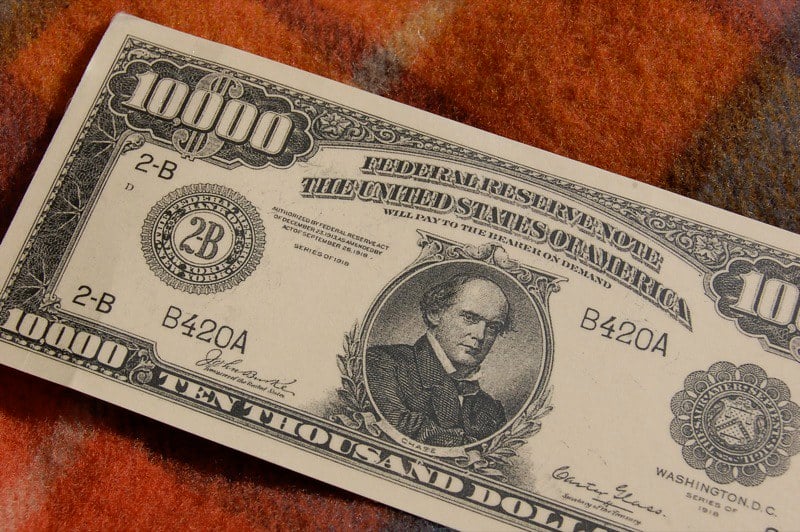
The $10,000 Gold Certificate represents the pinnacle of high-denomination American currency. This 1928 Federal Reserve gold certificate sold for $2.3 million at auction, and it’s one of only two known to exist outside of the Smithsonian Institution.
Gold certificates were issued by the U.S. government and could be exchanged for actual gold, though this practice ended in 1933 when gold ownership was restricted. The note’s discovery came from a banker’s will, leading to the uncovering of a pristine collection that had been hidden for decades.
Australian £1,000 Note
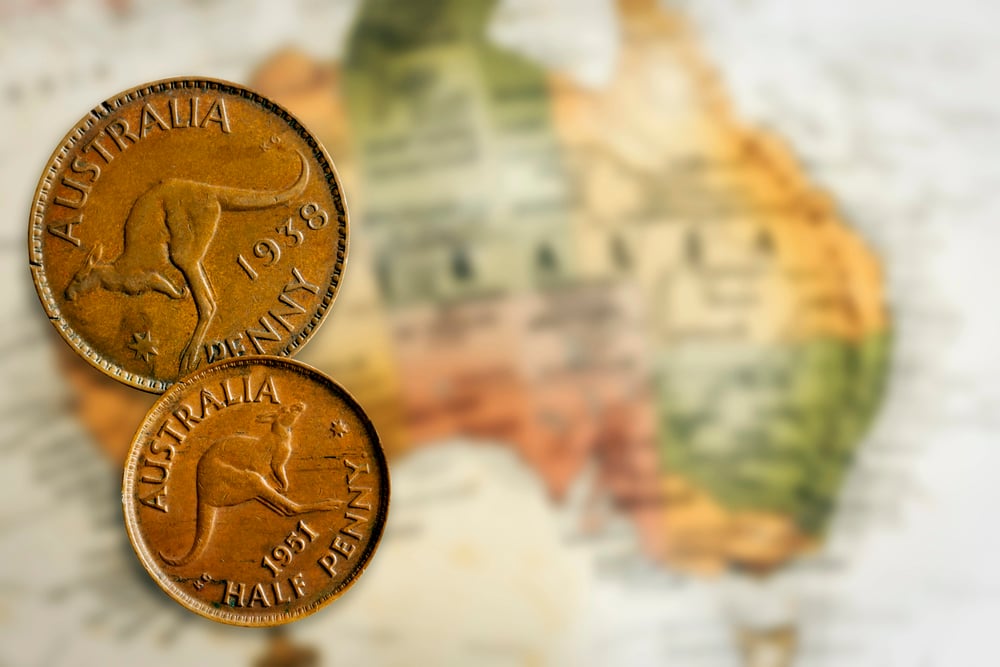
Down under produced its own currency marvel with the 1924 £1,000 note. Australia’s 1924 £1,000 note sold for $1.2 million in 2008, making it the country’s most expensive banknote at auction.
These notes had an incredibly brief circulation period and were restricted shortly after release for internal bank transfers only, which is why so few survived. The rarity combined with the note’s importance in Australian banking history makes it a prized piece for collectors.
1817 Ten Shilling Note
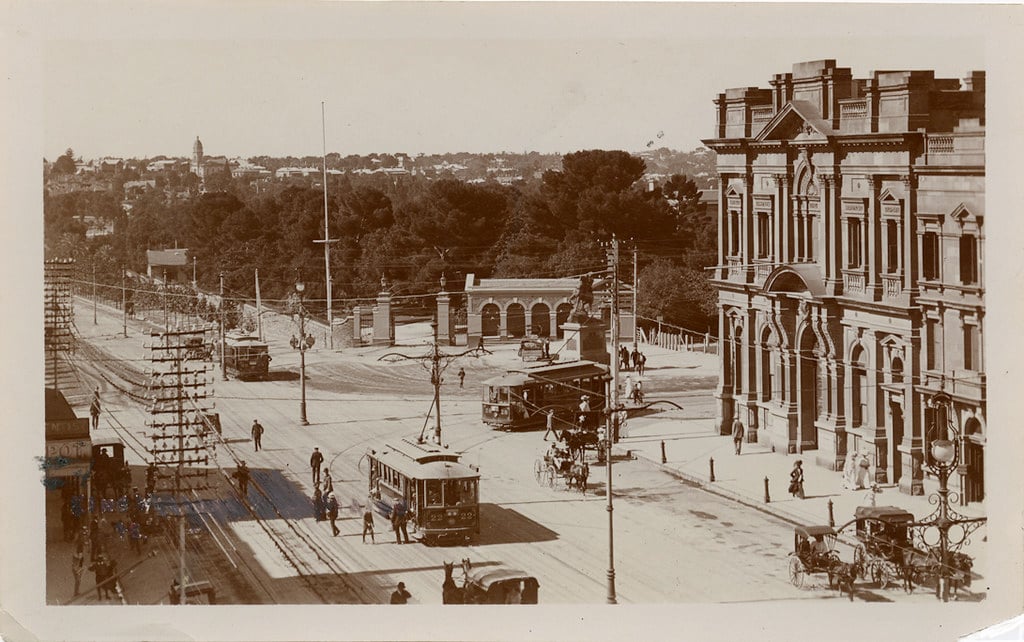
The Bank of New South Wales issued its first currency on opening day in 1817. A hundred ten-shilling notes were printed on the bank’s first day, with the inaugural note bearing serial number M000001.
While the exact auction price for this specific note isn’t publicly disclosed, early Australian currency from this era regularly fetches hundreds of thousands at auction. These notes represent the beginning of formal banking in Australia and are considered foundational pieces of the nation’s economic history.
1908 Zanzibar 20 Rupee Note
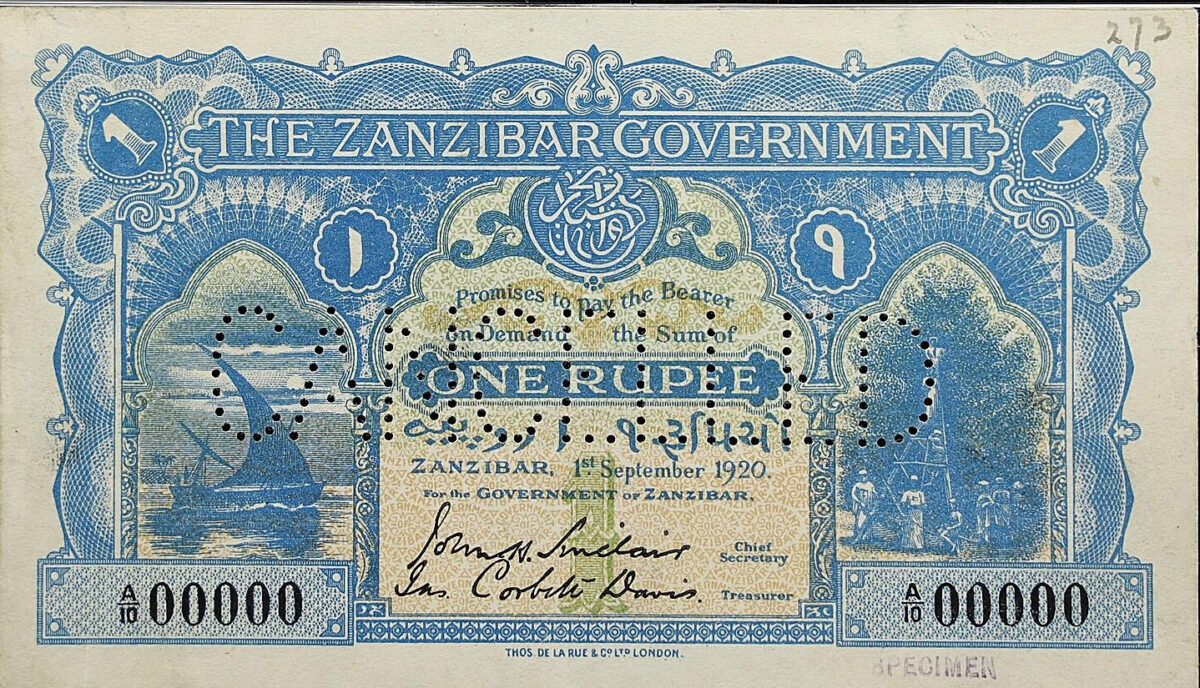
African currency makes the list with this stunning rarity from the Indian Ocean island. The 1908 Zanzibar 20 rupee note sold for $225,000 at public auction in 2011, earning recognition as the world’s most expensive African banknote. With only a handful of specimens remaining after more than a century, this note stands out for its intricate design and historical importance.
Zanzibar used the rupee when it was a British protectorate, and these notes reflect a fascinating period of East African colonial history.
1948 One Million Pound Note
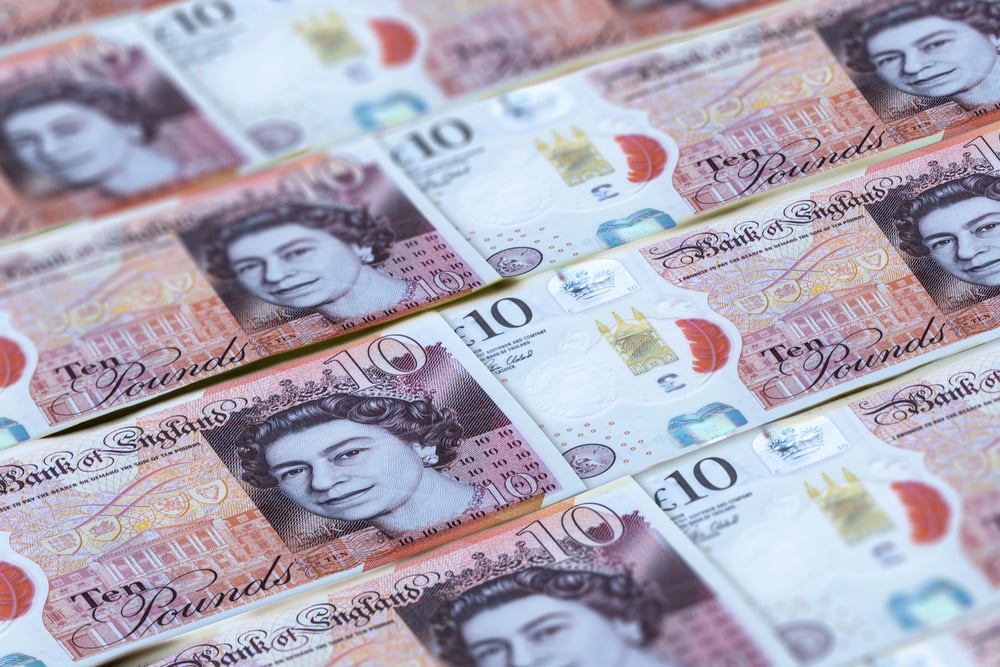
Britain created some unusual currency for the Marshall Plan after World War II. The Bank of England issued £1 million notes in 1948, and one of only nine ever created sold for $150,000 at auction in 2011. These enormous denominations weren’t meant for regular circulation but were used for intergovernmental transfers as part of the economic recovery program.
The sheer absurdity of a million-pound note makes it a conversation piece, though its relatively modest auction price reflects that several examples still exist.
Ming Dynasty Banknote
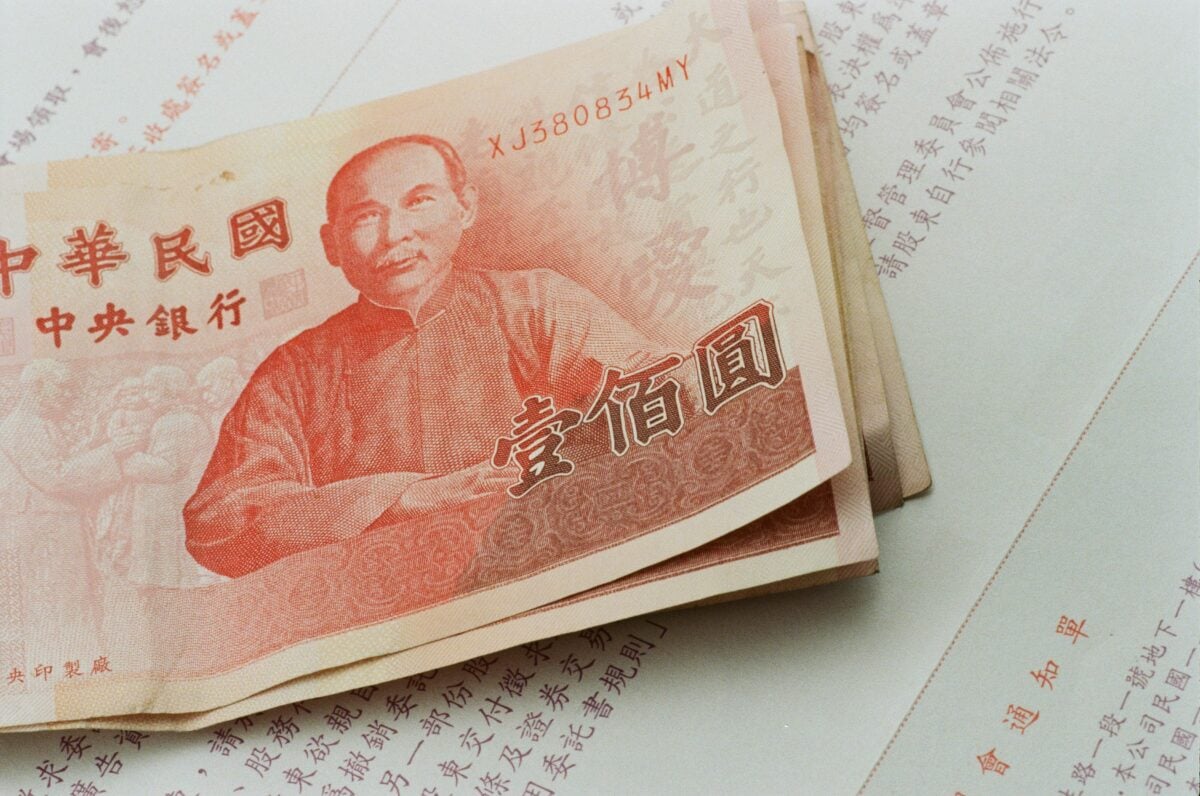
Ancient Chinese paper money proves that currency collecting spans centuries. A Ming Dynasty note from approximately 1350 AD was discovered inside a 13th-century wooden sculpture, and the note with the sculpture sold together for $35,806.
The note includes a stern warning printed on it: ‘This banknote has the same function as coins, those who counterfeit banknotes will be beheaded, the whistle-blower will be rewarded 250 Liang silvers plus all the properties of the criminal’. The Ming Dynasty was one of the first governments to use paper currency extensively, making these notes important artifacts of economic history.
1918 Alexander Hamilton $1,000 Bill
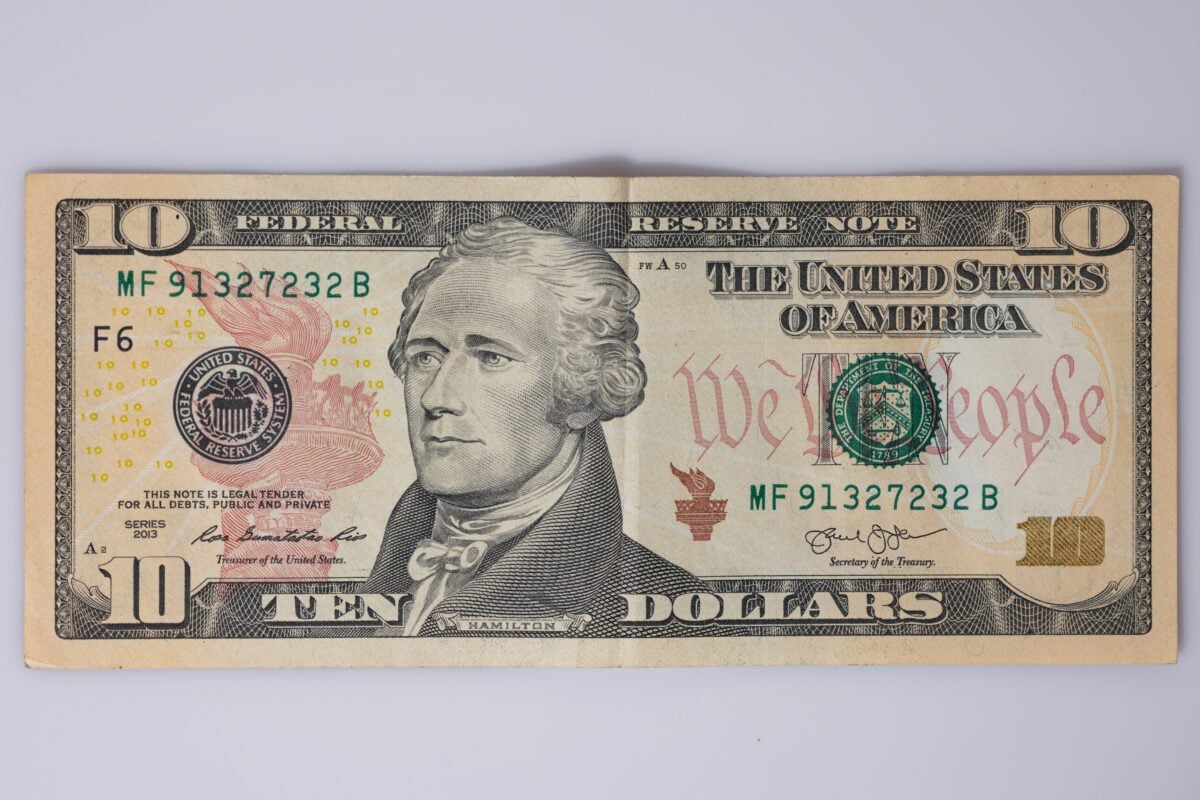
The father of the American financial system appears on this valuable piece of currency. The 1918 Alexander Hamilton $1,000 note typically sells for between $7,500 and $10,000 at auction, with only about 150 examples known to exist. Hamilton’s role in establishing the U.S. Treasury and the nation’s banking system makes his appearance on high-denomination currency particularly fitting.
The note is distinctive because it includes a dollar sign, a feature not found on many other bills from this era.
The Legacy on Paper
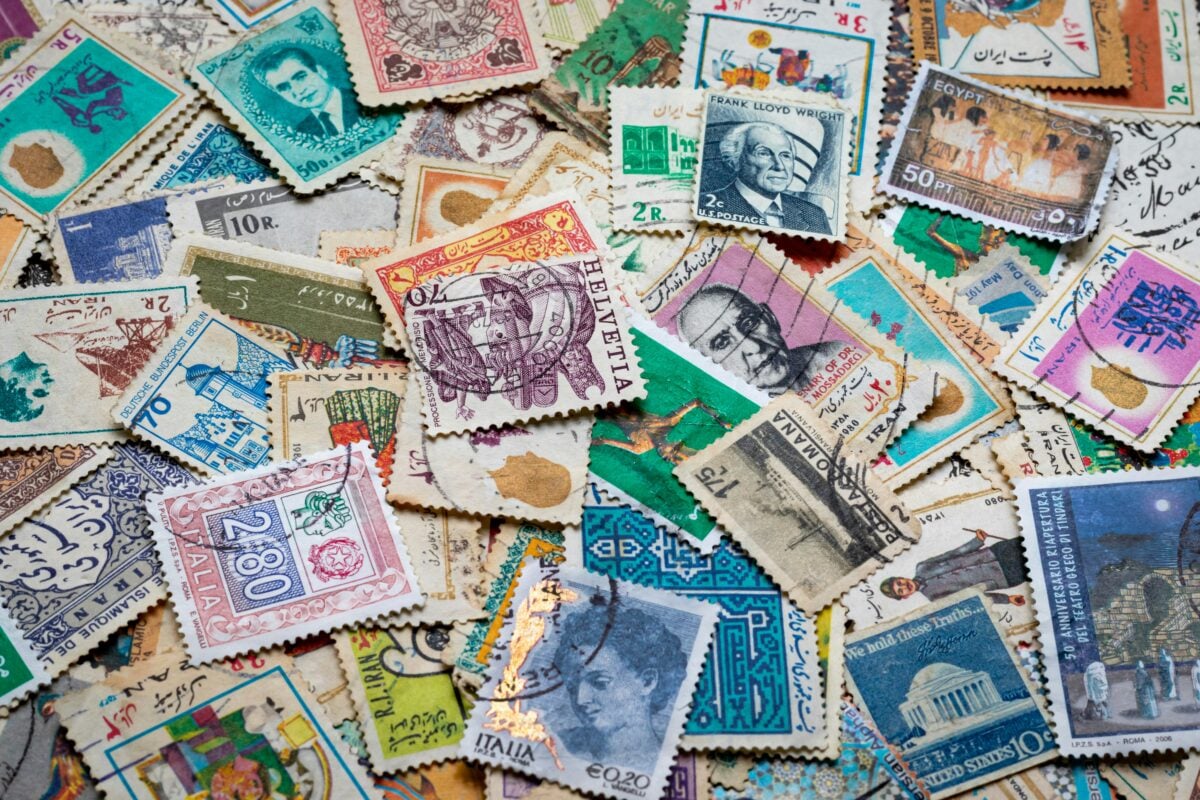
The astronomical prices these stamps and bills command tell us something interesting about human nature and value. A piece of paper that once cost a penny or facilitated a transaction now sells for millions, not because of what it can buy but because of what it represents.
These items survived wars, economic collapses, fires, and simple carelessness to reach us today, and their scarcity is matched only by the passion of those who seek them. Whether it’s an upside-down airplane or a watermelon-inspired design, each piece carries stories that transcend its monetary worth, reminding us that sometimes the smallest things can hold the greatest significance.
More from Go2Tutors!

- The Romanov Crown Jewels and Their Tragic Fate
- 13 Historical Mysteries That Science Still Can’t Solve
- Famous Hoaxes That Fooled the World for Years
- 15 Child Stars with Tragic Adult Lives
- 16 Famous Jewelry Pieces in History
Like Go2Tutors’s content? Follow us on M