Oldest Living Trees On Every Continent
Some things make time feel real in a way calendars never do. Standing near a tree that was already old when Rome was still being built does something to your sense of scale.
These aren’t just ancient organisms — they’re witnesses. They grew through ice ages, mass migrations, the rise and fall of entire civilisations, and they’re still here, still adding rings.
Every continent has its own version of this story. Here’s what those trees are, where they live, and what makes them extraordinary.
North America: Methuselah And The Bristlecone Pines

The oldest confirmed living tree in the world grows somewhere in the White Mountains of California. It’s a Great Basin bristlecone pine called Methuselah, and it’s roughly 4,855 years old — which means it was already a mature tree when the ancient Egyptians were building the pyramids.
Its exact location is kept secret by the U.S. Forest Service. Too many visitors in the past damaged other ancient trees, so Methuselah’s precise coordinates aren’t shared publicly.
You can walk through the Ancient Bristlecone Pine Forest and be near it without knowing exactly which gnarled, wind-twisted trunk it is. There’s something fitting about that.
Bristlecone pines aren’t large or impressive-looking. They grow slowly in high-altitude, nutrient-poor soil, their dense wood resisting rot and insects in ways that faster-growing trees simply can’t.
The harsh conditions that seem like they should kill them are actually what keep them alive so long.
How Tree Age Gets Determined

Before going further, it’s worth understanding how scientists actually know how old a tree is. The standard method is dendrochronology — counting tree rings.
Each ring typically represents one year of growth. A thin ring means a hard year: drought, cold, disease.
A thick ring means good conditions. Core samples extracted with a long hollow drill let researchers count rings without cutting the tree down.
For trees so old that their cores have rotted out — which happens with many ancient specimens. Scientists cross-reference the outer rings with patterns from other dated trees.
It’s a kind of overlapping timeline that pushes the record back further than any single living tree can tell on its own.
Some ages remain contested. The older the tree, the harder the verification.
Europe: The Yews That Refused To Die
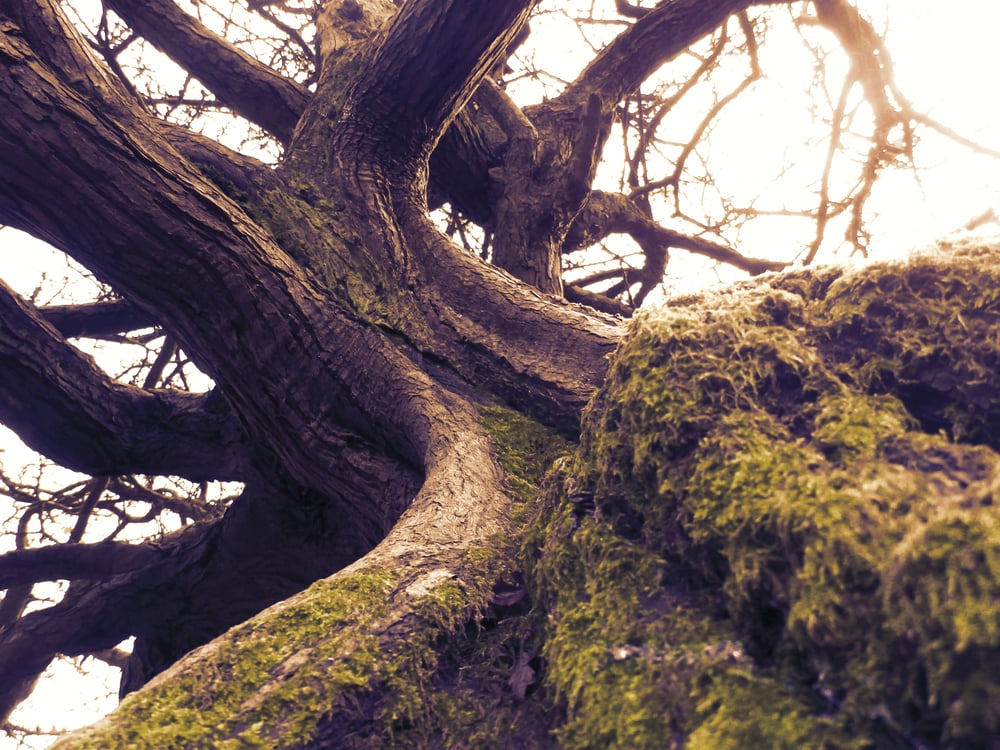
Britain has an unusual number of ancient yew trees, and the Llangernyw Yew in North Wales is one of the oldest. Estimates put it between 4,000 and 5,000 years old, growing in a churchyard in a small village in Conwy.
Churches in Britain were often built on sites already considered sacred. And many of those sacred sites were already home to ancient yews.
The Fortingall Yew in Perthshire, Scotland, is another contender, with some estimates reaching 5,000 years. It’s been dramatically reduced in size over the centuries — locals used to break off branches for wood — but it still stands.
Yews have a strange relationship with death and regeneration. They’re toxic, they grow in graveyards, and yet they also regrow from their own fallen branches.
Some old yews have become hollow, with new trunks growing from the inside of the original. They don’t age the way other trees do.
Asia: The Zoroastrian Sarv Of Iran
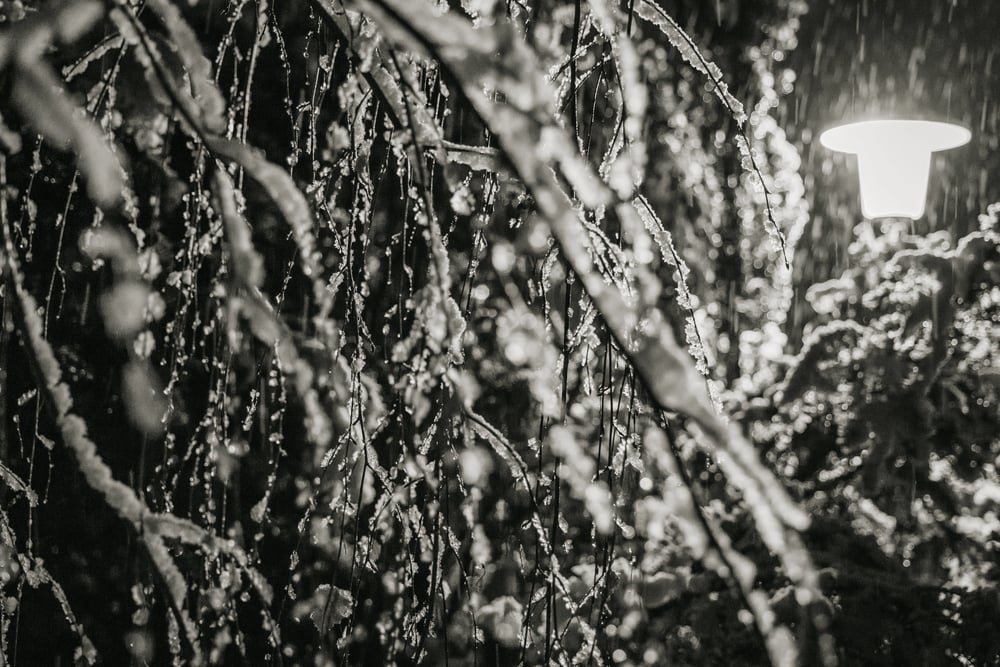
In the Yazd province of Iran stands a cypress tree known as the Sarv-e Abarqu, or the Zoroastrian Sarv. It’s estimated to be between 4,000 and 5,000 years old and is one of the oldest living organisms in Asia.
The tree is protected as a national monument. It rises around 25 metres high and has a trunk circumference that takes multiple people to wrap their arms around.
Local tradition associates it with the Zoroastrian prophet Zoroaster himself. Though whether he actually planted it is obviously impossible to verify.
Japan also has a strong candidate in the Jōmon Sugi, a massive Japanese cedar on Yakushima Island. Its age is debated — estimates range from around 2,170 to over 7,200 years — but even at the lower end, it’s one of the oldest trees in Asia.
The island itself is a UNESCO World Heritage Site. Partly because of trees like this one.
Why Some Trees Outlast Everything Else
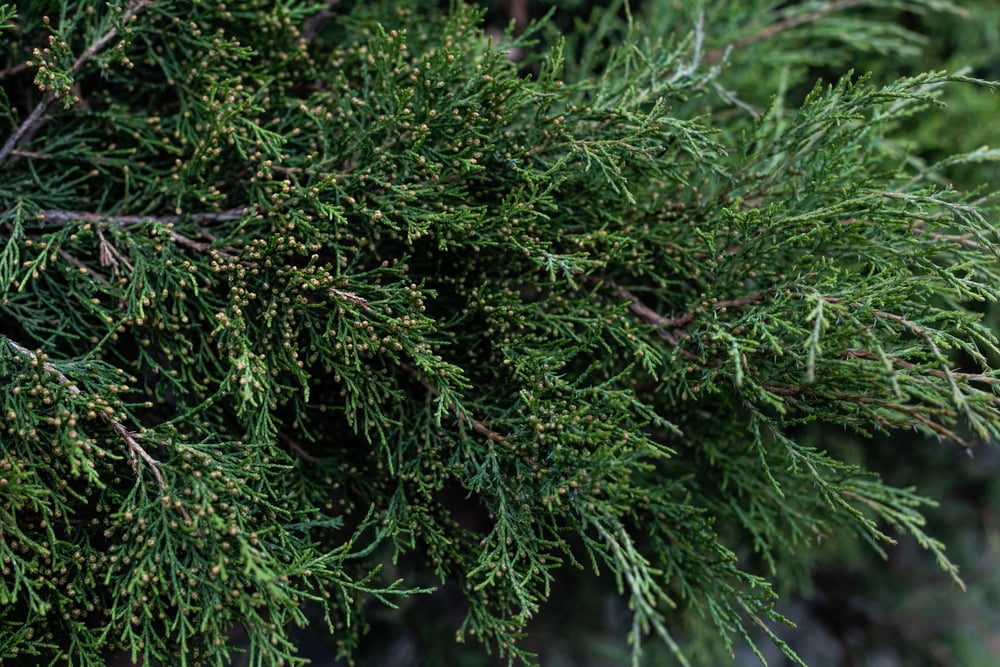
It’s not random that certain species dominate the list of ancient trees. There are patterns.
Slow growth is one factor. Trees that grow quickly put energy into production rather than defence, and their wood tends to be less dense and more vulnerable to decay and insects.
Bristlecone pines, yews, and alerce trees all grow slowly in difficult environments. Their wood becomes almost stone-like over centuries.
High altitude and dry climates also help. Pathogens and insects that destroy trees thrive in warmer, wetter conditions.
Trees growing at high elevation or in arid regions face fewer of these threats.
And some trees simply have biological defences that others lack. Yews produce toxic compounds.
Bristlecone pines have resins that repel insects. The Huon pine produces an oil — methyl eugenol — that makes it essentially rot-proof.
Africa: The Ancient Baobabs
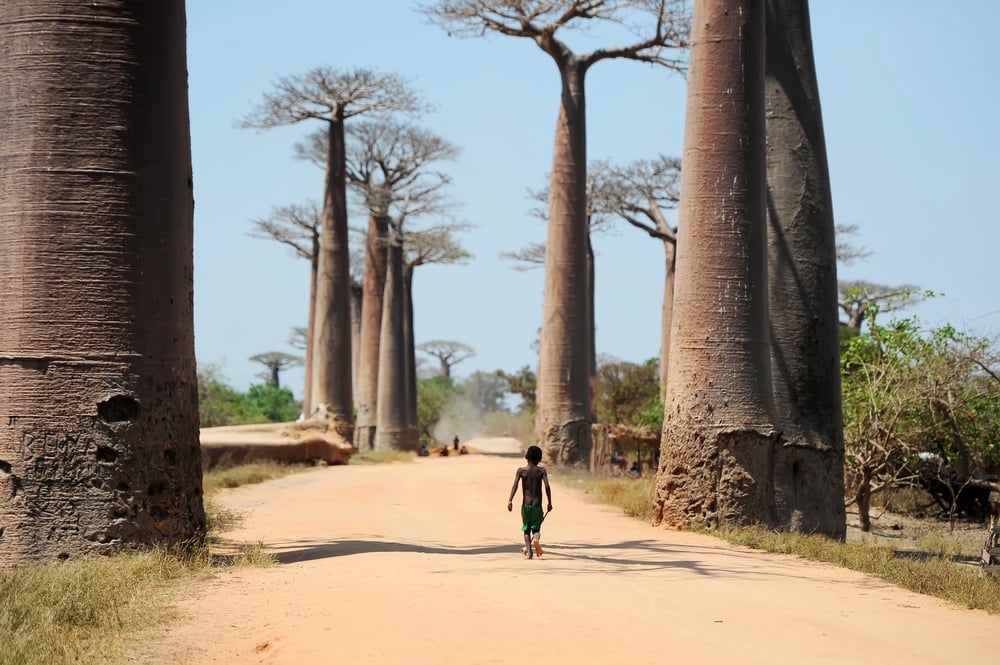
Africa’s oldest trees are baobabs, and they look the part. Their enormous, swollen trunks — sometimes hollow enough to shelter people inside — can store thousands of litres of water.
A survival mechanism for dry seasons that can last months.
The Panke Baobab in Zimbabwe held the record for a long time, dated to around 2,450 years old through radiocarbon methods. But several of Africa’s oldest and largest baobabs have died in recent decades.
And climate scientists have linked the die-offs to rising temperatures and prolonged drought.
The Sunland Baobab in South Africa, which had been used as a bar inside its hollow trunk. Collapsed and died in 2017.
It was estimated to be around 1,700 years old. Others have followed.
What makes baobab longevity especially hard to measure is that they don’t form clear annual rings the way most trees do. Age estimates rely heavily on radiocarbon dating, which has a margin of error.
Some researchers believe certain baobabs are far older than current estimates suggest.
South America: The Alerce Of Patagonia
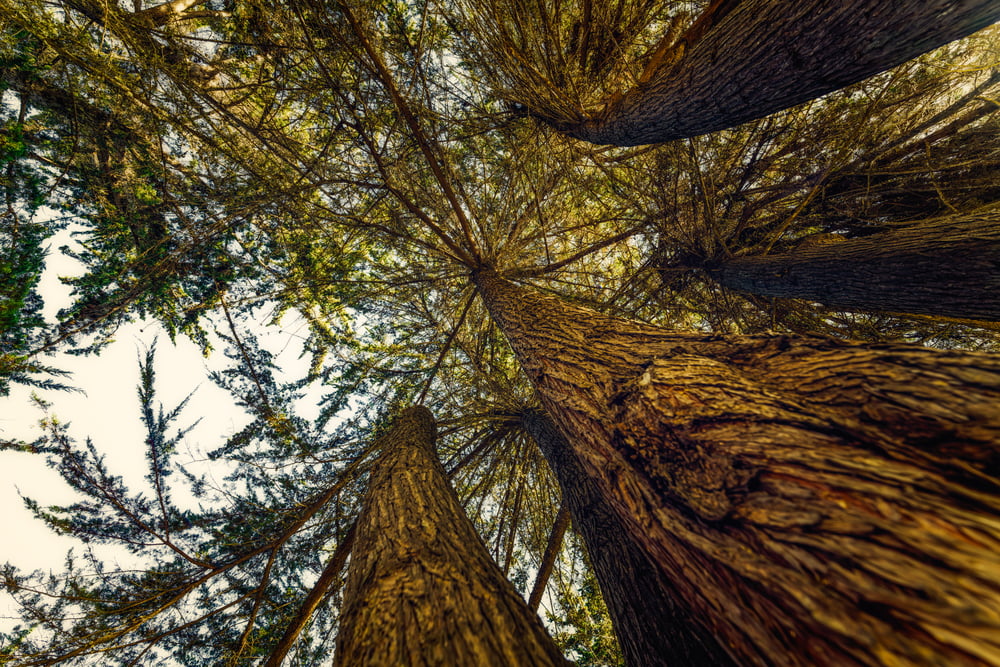
The alerce tree — Fitzroya cupressoides — grows in the temperate rainforests of southern Chile and a small part of Argentina. It’s one of the longest-lived trees in the world and one of the tallest in South America.
A tree called Gran Abuelo (Great Grandfather) in Alerce Costero National Park in Chile has been dated to around 3,600 years old through ring counting. Though some researchers have suggested it could be significantly older.
Possibly over 5,000 years — based on statistical modelling of its innermost rings, which are no longer accessible without destroying the tree.
Alerce were heavily logged throughout the 19th and 20th centuries. The wood is extraordinarily durable and was used for everything from roof tiles to ships.
What remains of old-growth alerce forest is now protected. But the damage from centuries of cutting means truly ancient specimens are rare.
Australia: Huon Pines And Deep Time

The Huon pine, which grows in the remote wilderness of Tasmania, is one of the most unusual trees on Earth. Individual trees live for thousands of years — some specimens are estimated to be over 2,000 years old.
But the species also reproduces clonally, with one stand on the slopes of Mount Read believed to be around 10,500 years old as a single genetic individual.
Even the wood of long-dead Huon pines resists decay almost indefinitely. Logs that fell thousands of years ago are still found perfectly preserved in riverbeds and peat bogs.
And some of this subfossil timber is still used by woodworkers today.
Australia also has ancient grass trees (Xanthorrhoea), which grow so slowly that a two-metre-tall specimen can be hundreds of years old. And Wollemi pines — a species thought extinct until a small population was discovered in a canyon west of Sydney in 1994.
Their lineage stretches back millions of years. Though individual living trees aren’t as old as the species itself.
Antarctica: Where Trees No Longer Exist

Antarctica has no living trees. The continent is too cold, too dry in terms of liquid water, and covered in ice that makes soil — and therefore root systems — essentially impossible.
But Antarctica had forests once. Around 250 million years ago, before the continent drifted to its current position, it was covered in trees.
Fossilised wood and leaves have been found in the Transantarctic Mountains. More recently, around 90 million years ago during a warm period, Antarctica had temperate rainforests not unlike those in New Zealand today.
There are no candidates for “oldest living tree in Antarctica” because there simply are no living trees. It’s a notable absence — the one continent where the story of ancient trees is entirely past tense.
Clonal Colonies: A Different Kind Of Old
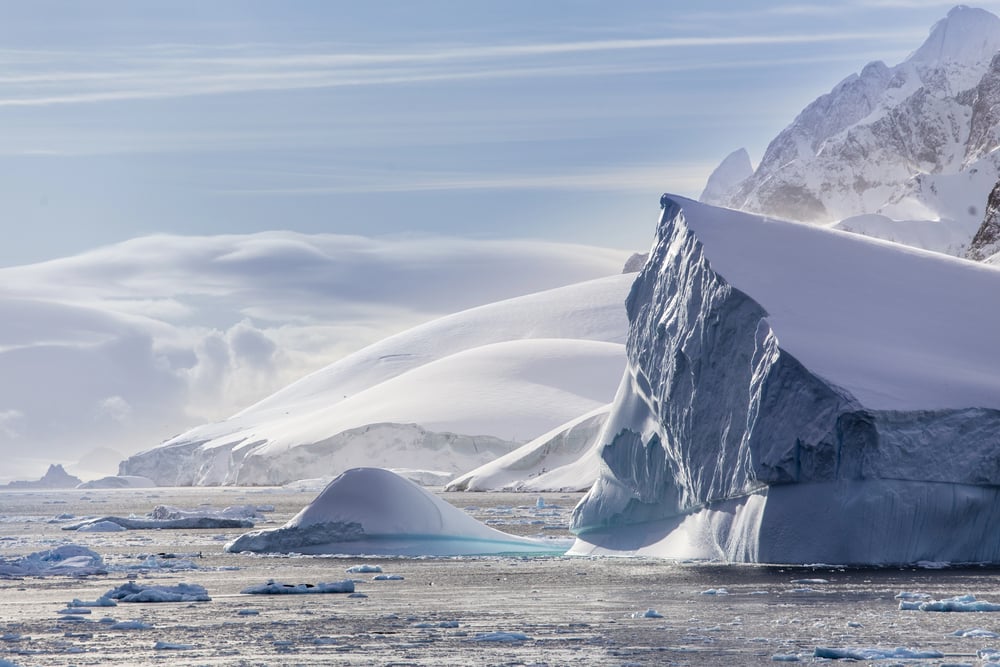
Individual trees are one thing, but some of the oldest living organisms on Earth aren’t single trunks at all — they’re clonal colonies, where multiple stems share a single root system.
Pando, in Utah, is a quaking aspen colony covering over 40 hectares. All 47,000 or so trees share identical DNA and a single massive root network.
The colony is estimated to be anywhere from 80,000 to over a million years old. Though the surface trees themselves are much younger.
Whether Pando counts as “one tree” depends on your definition. The individual stems live and die like any other aspen.
But the root system, and the genetic lineage it carries, has been alive — continuously — for an almost incomprehensible span of time.
The Trees That Didn’t Make It
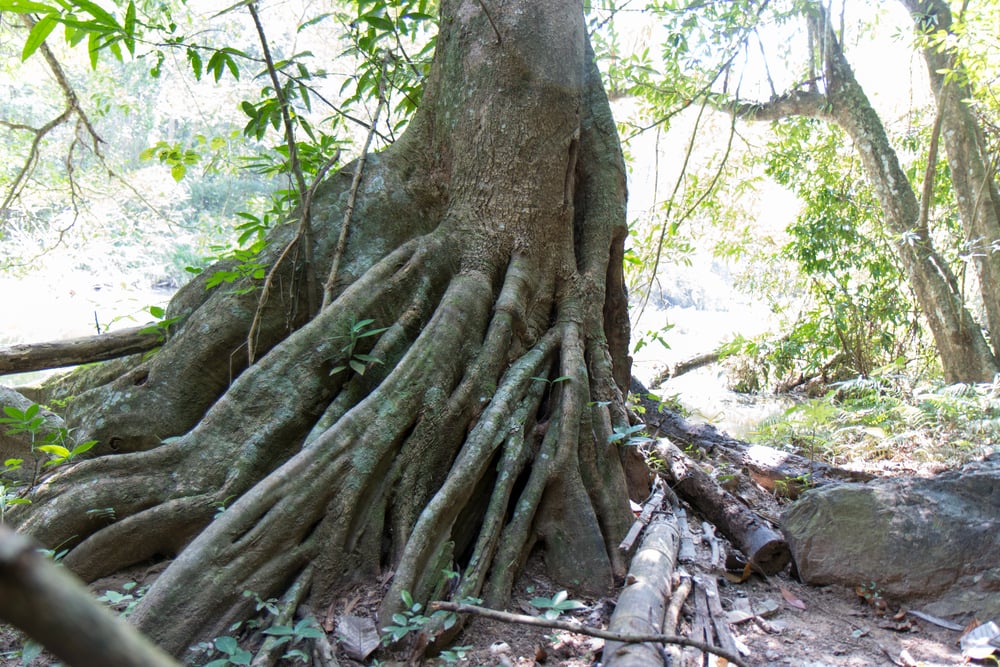
Not every ancient tree is still standing. Some have died recently, and the losses matter beyond sentiment.
The Platão Baobab in Zimbabwe, at an estimated 2,000 years old, was still alive as of the early 2000s but has since died. The Dorslandboom in Namibia, a baobab that guided early travellers across the desert, collapsed in 2004.
The Hoole Oak in Chester, England, which was at least several hundred years old and tied to local history. Was felled by storms.
Climate change, disease, drought, and direct human interference have all contributed to the death of ancient trees. Several of Africa’s oldest baobabs died within a decade of each other.
Which is statistically unusual and widely regarded as a sign of environmental stress rather than coincidence.
The Names People Give Them
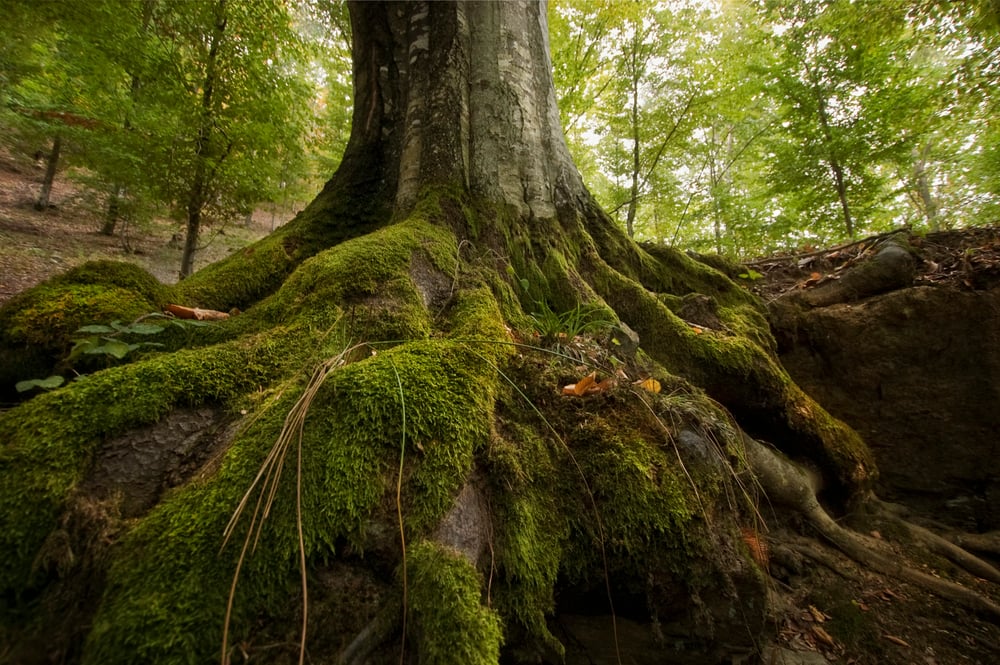
One thing you notice about ancient trees is that humans almost always name them. Methuselah.
Gran Abuelo. The Zoroastrian Sarv.
The Llangernyw Yew. Pando.
Naming is a way of acknowledging that something matters — that it deserves individual recognition rather than being categorised and forgotten. The oldest trees in the world have outlived hundreds of human generations.
And somewhere along the way, people started treating them less like vegetation and more like elders.
There’s a logic to that. A tree that has been alive for 4,000 years has absorbed more sunlight.
Produced more oxygen, sheltered more animals, and absorbed more carbon than any human institution has existed long enough to accomplish.
Whatever human civilisations have risen and collapsed, these trees were photosynthesising through all of it.
Still Growing

What’s easy to forget is that these trees aren’t finished. Methuselah is still adding rings.
Gran Abuelo is still growing taller. The Huon pines of Tasmania are still producing seeds.
Ancient doesn’t mean static.
The oldest trees in the world aren’t relics. They’re ongoing.
Every year adds another layer, another record of whatever the climate did, whatever insects or storms passed through.
Whatever the world looked like that particular season.
The ring being added right now to the oldest bristlecone pine in California will still be there — readable, dateable — long after everyone alive today is gone.
That’s not a morbid thought. It’s just what 5,000 years of perspective looks like.
More from Go2Tutors!

- The Romanov Crown Jewels and Their Tragic Fate
- 13 Historical Mysteries That Science Still Can’t Solve
- Famous Hoaxes That Fooled the World for Years
- 15 Child Stars with Tragic Adult Lives
- 16 Famous Jewelry Pieces in History
Like Go2Tutors’s content? Follow us on MSN.



