15 Foods That Naturally Glow in the Dark
Ever wonder why some foods seem to shine with an otherworldly glow? While most of your groceries won’t light up your kitchen, a surprising number of natural foods can glow in the dark—thanks to everything from bioluminescence and UV fluorescence to microbial magic. Some create their own light through chemical reactions, while others reflect or emit light under certain conditions, like a biological party trick.
Here are 15 real foods that can literally light up your dinner plate—or at least put on a show in the right lighting.
Foxfire Mushrooms
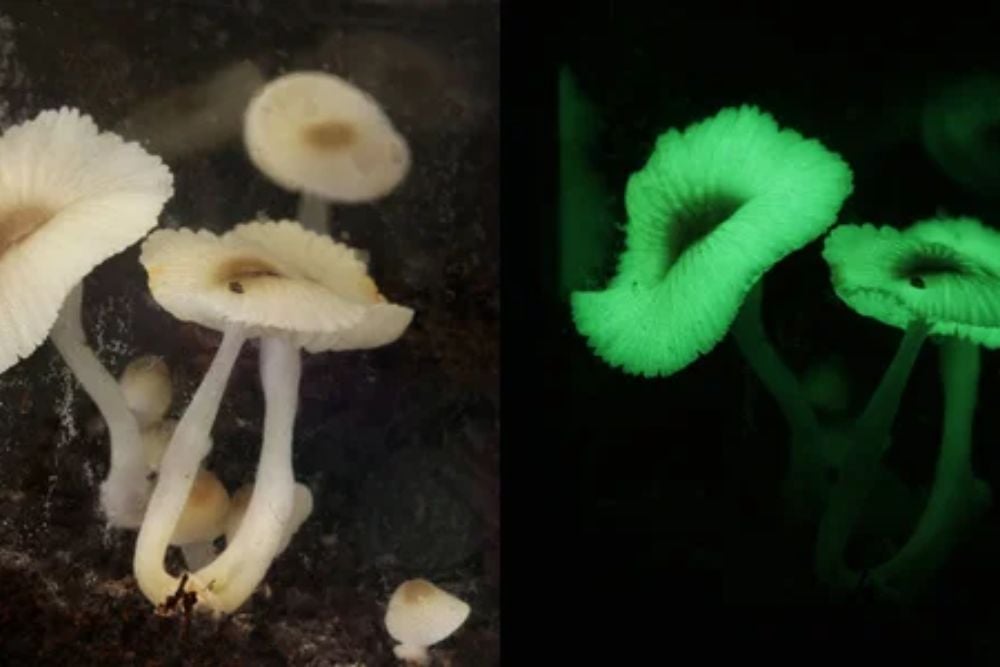
Several mushroom species create an eerie green glow that’s been spooking forest walkers for centuries. The honey mushroom and jack-o’-lantern mushroom are probably the most famous glowing fungi you might encounter.
This bioluminescence happens when enzymes called luciferases react with a compound called luciferin—the same basic chemistry that makes fireflies twinkle. The glow is nature’s way of attracting insects that help spread the mushroom’s spores, like a biological billboard advertising “free rides to new locations.”
Eel Skin

In parts of East Asia, some freshwater eels are consumed fresh, and interestingly, the skin of certain species can show faint luminescence when recently caught. This is due to light-reflecting proteins and trace bioluminescent compounds in their scales.
While the glow disappears after cooking, the sight of a gently glowing eel on a fishmonger’s table is both eerie and captivating.
Like Go2Tutors’s content? Follow us on MSN.
Glowing Jellyfish
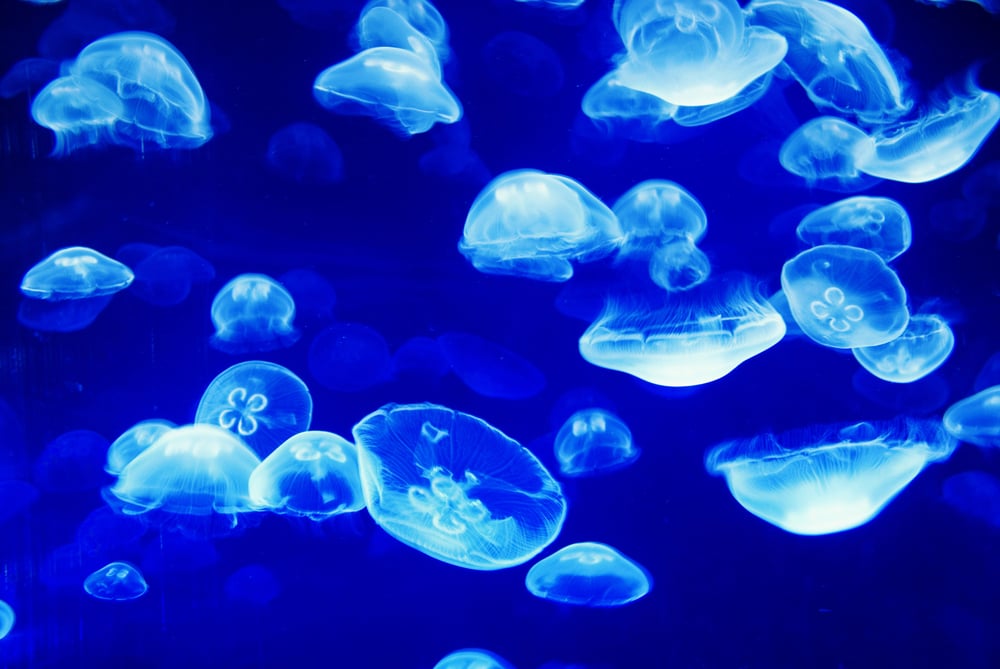
Many jellyfish species produce their own light, and yes, jellyfish are considered a delicacy in several cuisines, particularly in Asia. The crystal jelly, for example, creates a beautiful blue-green glow when threatened.
The bioluminescent proteins from these jellyfish have actually revolutionized medical research—scientists extracted green fluorescent protein (GFP) from them to create glowing markers for studying diseases.
Firefly Squid
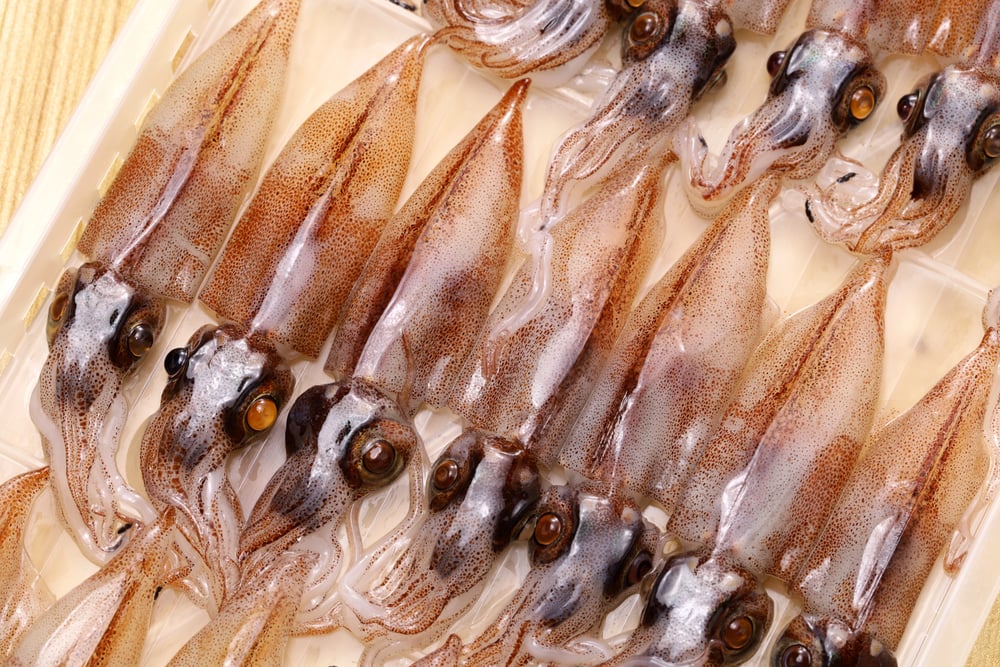
Found in the deep waters around Japan, these small squid light up like underwater Christmas trees during mating season. Each firefly squid has thousands of tiny light-producing organs called photophores scattered across its body.
They’re considered a springtime delicacy in Japan, where they’re often served as sashimi or tempura. The bioluminescence helps them communicate with potential mates in the dark ocean depths—nature’s version of sending romantic text messages with light.
Lanternfish
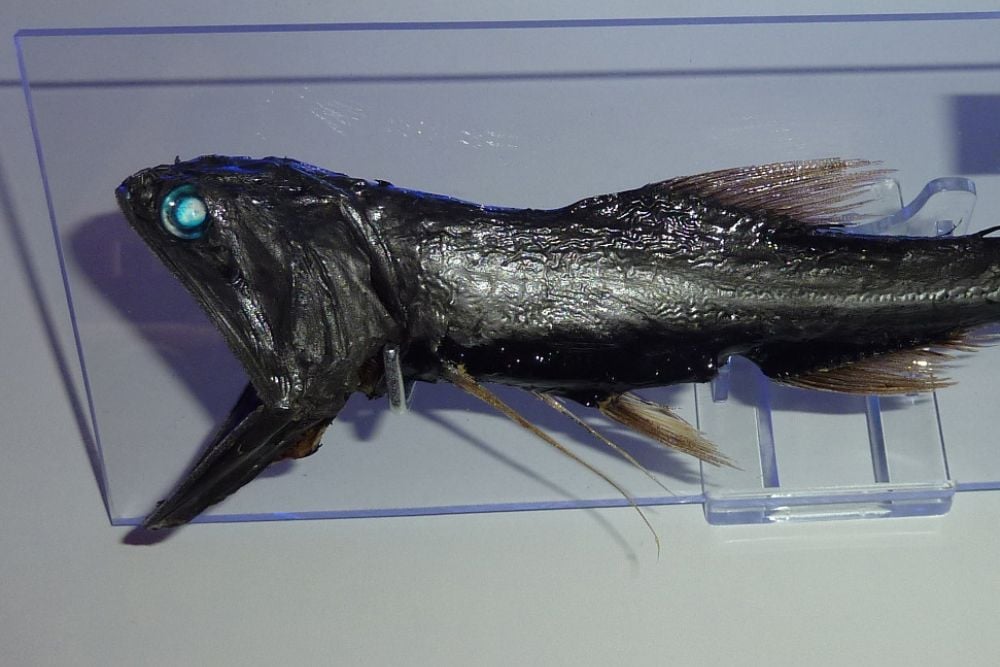
Lanternfish aren’t just cool to look at—they’re on the menu in some coastal cuisines, especially in Asia. These small, deep-sea fish have rows of photophores along their sides that help them camouflage or attract mates in the ocean depths.
When caught fresh, they still carry a hint of that glow, especially if exposed to UV light. In places where they’re dried or cooked whole, some cultures even report a soft shimmer in dark markets.
Like Go2Tutors’s content? Follow us on MSN.
Glowing Algae
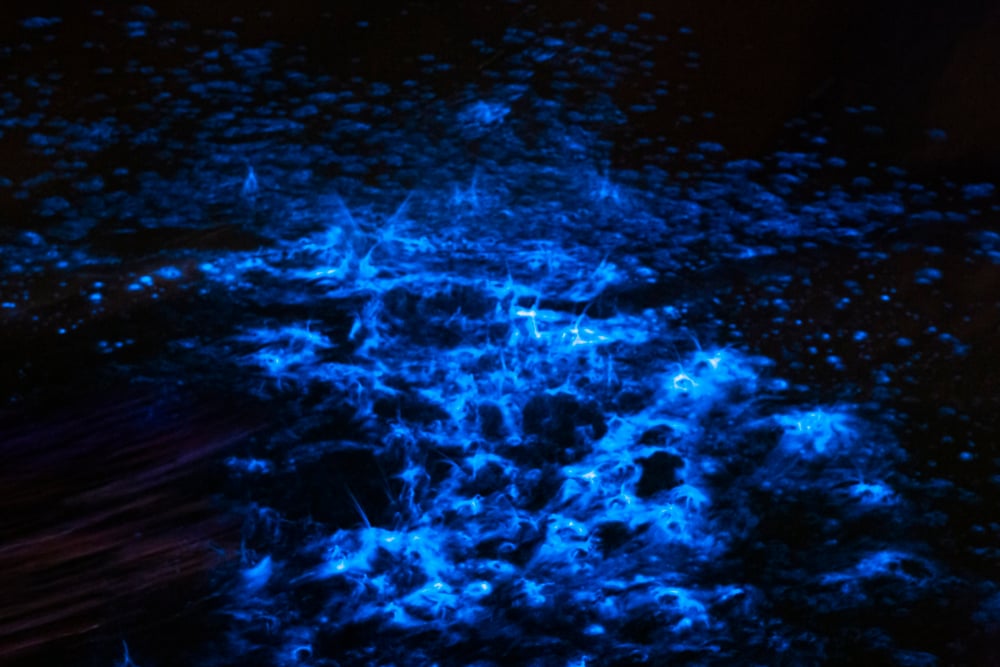
Certain types of marine algae create spectacular light shows when the water is disturbed. While not typically eaten directly by people, these algae form the base of marine food webs and can sometimes make shellfish and fish glow indirectly.
The light production helps protect them from predators—imagine if you could flash bright lights whenever someone tried to bother you. These algae blooms can make entire coastlines glow at night, turning the ocean into what looks like a giant lava lamp.
Bioluminescent Clams
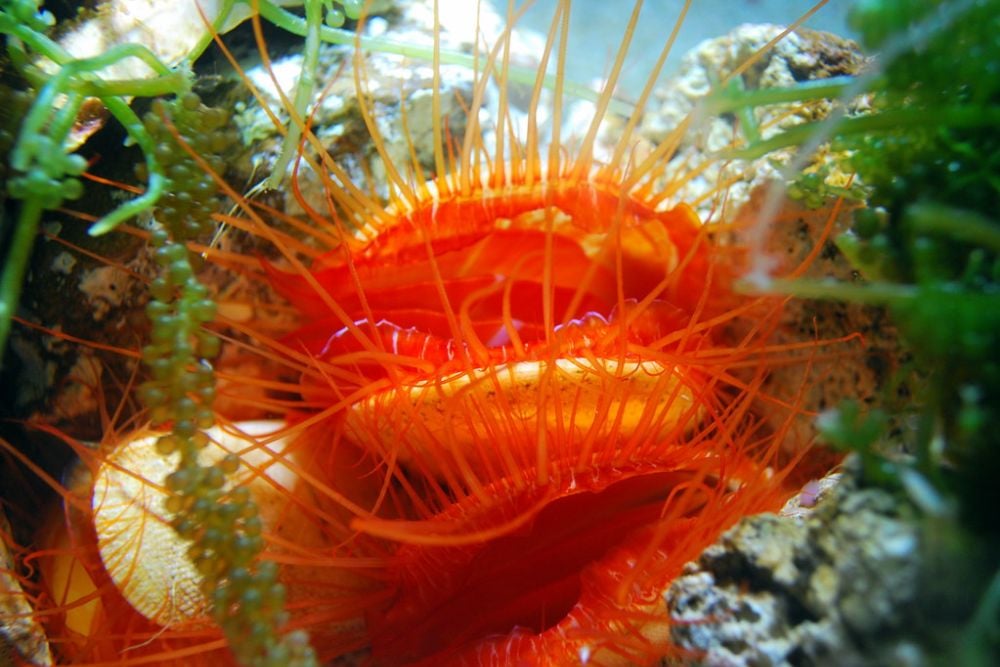
Some clam species produce their own light, particularly certain deep-sea varieties. The light often appears as a blue or green glow emanating from inside the shell when the clam is disturbed.
This serves as a defense mechanism, potentially startling predators or attracting larger predators to eat whatever is threatening the clam. It’s basically the underwater equivalent of pulling a fire alarm when you’re in trouble—creating enough commotion that help might arrive.
Glowing Worms
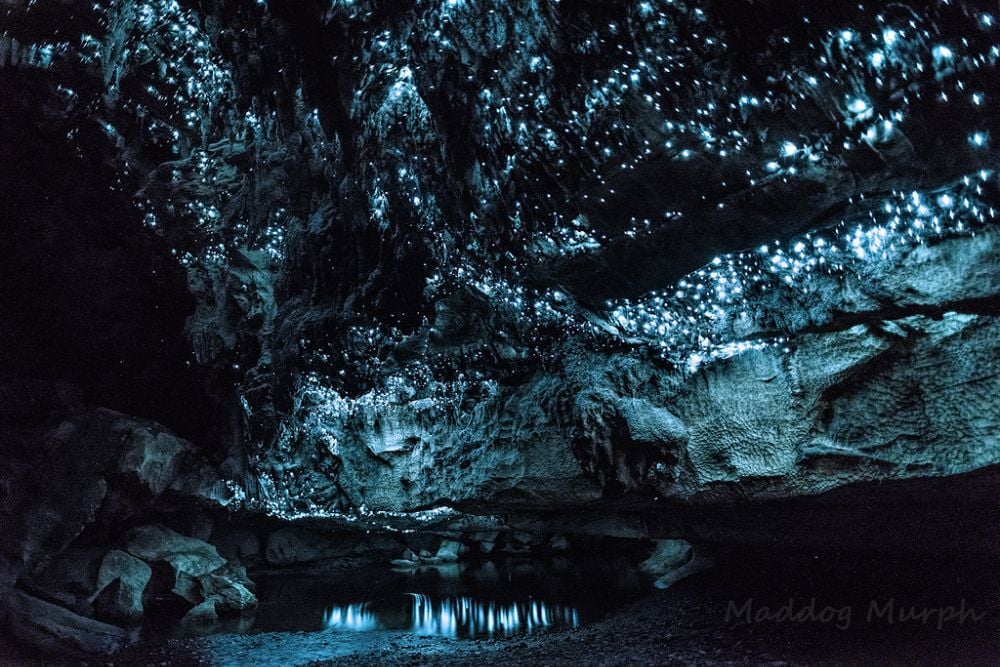
Marine bristleworms and some terrestrial species can produce light through bioluminescence. While not common in most cuisines, some cultures do consume certain worm species. The light production often occurs when the worms are threatened or during reproductive activities.
These creatures essentially turn themselves into living glow sticks when they need to communicate or defend themselves, proving that even the humblest creatures have some spectacular survival tricks.
Like Go2Tutors’s content? Follow us on MSN.
Phosphorescent Shrimp
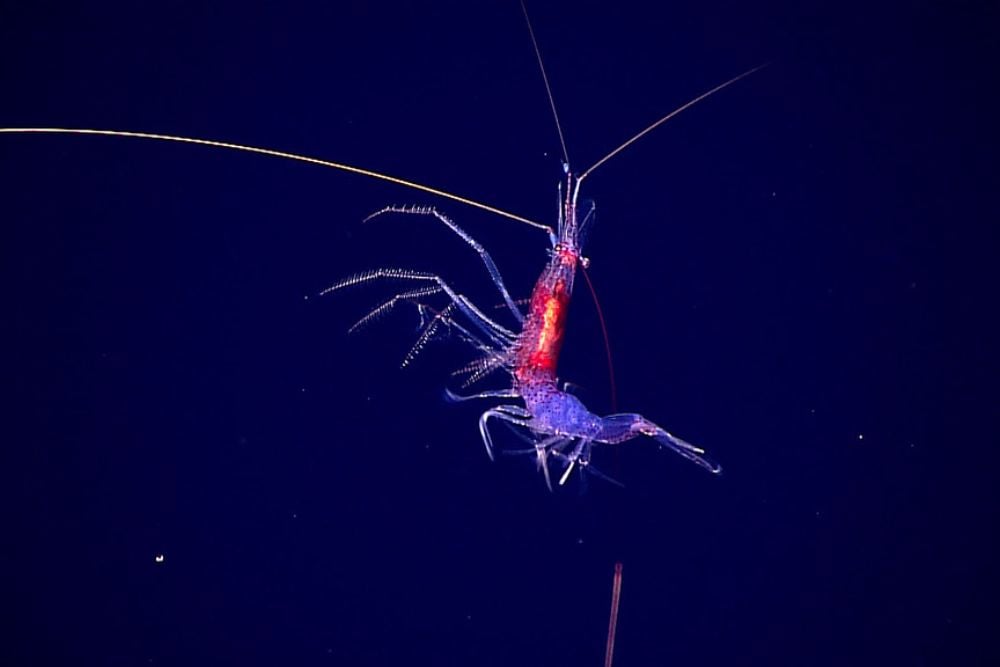
Certain deep-sea shrimp species create their own light through specialized organs. The light helps them communicate in the pitch-black depths of the ocean where sunlight never reaches.
Some species can even control the intensity and timing of their light production, like having a dimmer switch for their built-in lighting system. When cooked, the bioluminescent properties are destroyed, but the raw specimens can put on quite a light show in dark aquarium conditions.
Glowing Millipedes
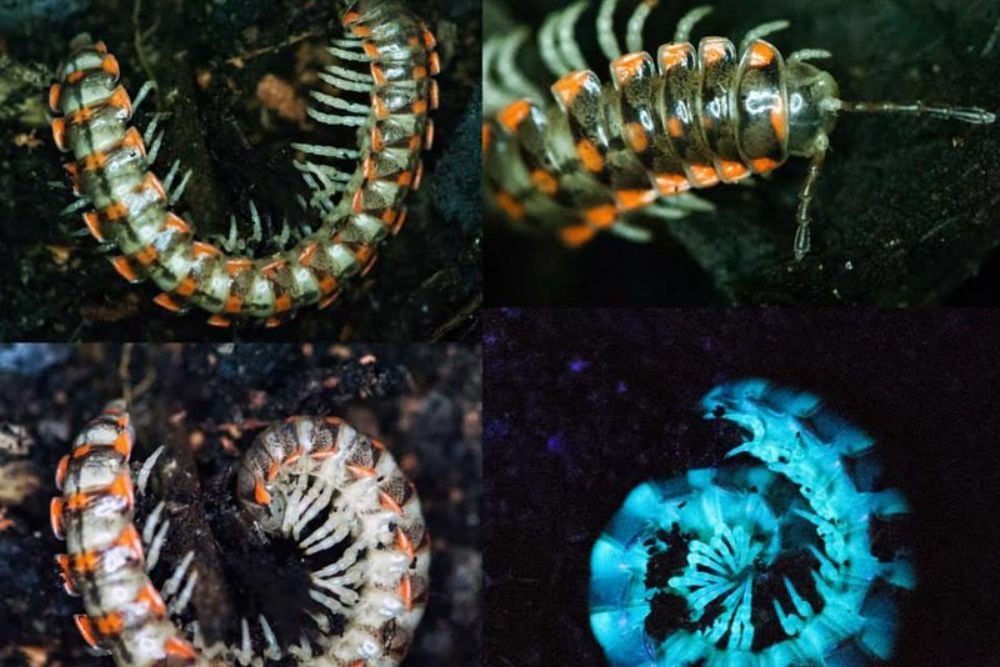
Some millipede species produce a greenish glow when threatened or disturbed. While millipedes aren’t typically part of most people’s diets, they are consumed in some parts of the world.
The bioluminescence serves as a warning signal to potential predators, essentially saying “I’m toxic, don’t eat me” in the universal language of bright, unnatural colors.
Luminescent Fish Scales
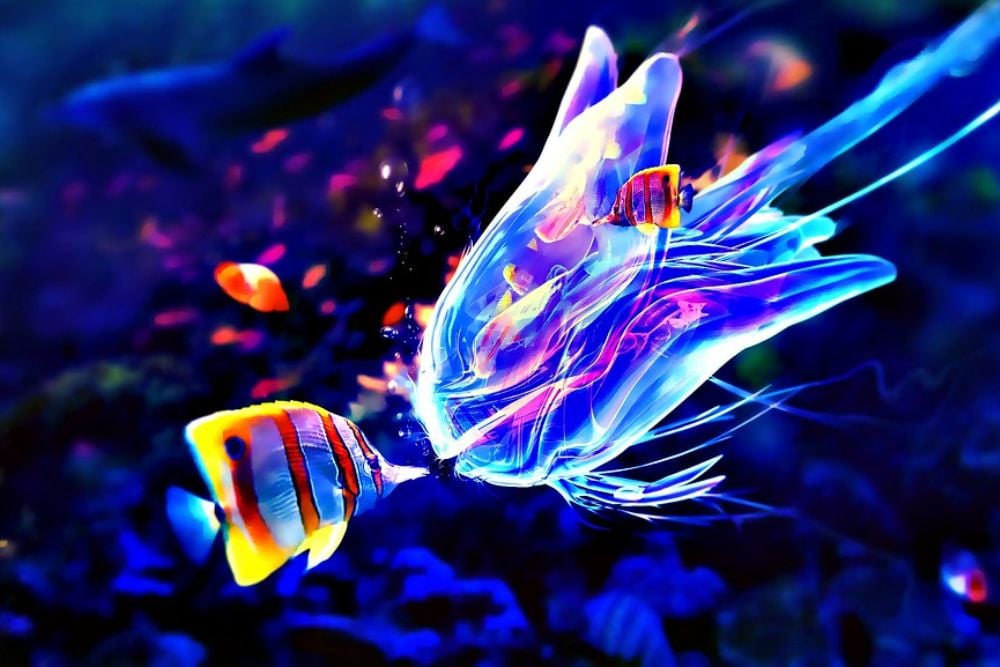
Certain deep-sea fish have scales that can produce or reflect light in ways that create a glowing appearance. The lanternfish family is particularly famous for this, with rows of light-producing organs along their bodies.
These fish use their lights for everything from finding food to attracting mates to confusing predators.
Like Go2Tutors’s content? Follow us on MSN.
Chlorophyll-Rich Vegetables

Dark leafy greens like spinach and kale contain so much chlorophyll that they’ll glow red under certain types of light. When you shine a UV light on fresh spinach leaves, the chlorophyll absorbs the UV and re-emits it as red light—basically turning your salad into a light show.
It’s the same reason plants look different under grow lights. Your healthy smoothie ingredients are secretly more colorful than you thought.
Certain Aged Cheeses

Some aged cheeses, particularly blue cheeses and certain cheddars, can glow under UV light due to the bacteria and molds used in their aging process. The same microorganisms that create those complex flavors also produce compounds that fluoresce.
It’s a glowing reminder of just how much science is behind that bold, tangy bite.
Enset Fruit Skin

Enset, also known as “false banana,” is a staple food in parts of Ethiopia. While its starchy pulp is fermented and cooked, its fruit skin sometimes glows faintly in the dark due to microbial interactions during fermentation.
Although the glow isn’t always easy to see, in low-light environments, this fermentation process can create a dim light.
Like Go2Tutors’s content? Follow us on MSN.
Radioluminescent Honey

In rare cases, honey can appear to glow due to the presence of certain minerals or bacteria, though this isn’t true bioluminescence. Some honeys from specific regions have natural properties that can create a slight luminescent effect under certain conditions.
This happens when the bees collect nectar from plants growing in areas with specific mineral compositions or when certain harmless bacteria are present.
Nature’s Original Light Show
Whether it’s deep-sea creatures lighting up the ocean or leafy greens glowing under UV light, these naturally radiant foods show just how inventive nature can be. Some produce their own light, others reflect it in unexpected ways, and a few owe their glow to microbes or minerals.
While most of that shine fades after cooking, these glowing effects serve real purposes in the wild—from scaring off predators to attracting mates. It’s a glowing reminder that nature has more tricks up its sleeve than we often realize—all you need is the right light to see them.
More from Go2Tutors!

- 16 Restaurant Chains That Went Too Fast
- 12 Things Sold in the 80s That Are Now Illegal
- 15 Strange Things People Have Tried to Ban (And Failed)
- 16 Collectibles People Tossed Out Too Soon
- 17 Myths from Your Childhood That Were Actually Based on Real Things
Like Go2Tutors’s content? Follow us on MSN.