The Worst Rated Dishes in the World
Food is one of the most personal things there is. What one culture celebrates, another can barely look at.
But across the internet, food critics, travel blogs, and anyone brave enough to try certain dishes tend to land in the same place — a mix of regret, confusion, and the kind of story you tell at dinner parties for years. Some foods are divisive. These ones are something else entirely.
Hákarl — Iceland’s Fermented Shark

Hákarl is a Greenlandic shark that’s been buried underground for several months, then hung to dry for another few months after that. The process removes toxins from the flesh that would otherwise make it inedible.
What you’re left with is a pale, rubbery cube that smells intensely of ammonia. Anthony Bourdain once called it the single worst thing he’d ever put in his mouth.
Gordon Ramsay gagged on camera. Icelanders eat it mostly at midwinter festivals, often chased quickly with a shot of local schnapps — which tells you everything you need to know about how it tastes on its own.
Surströmming — Sweden’s Fermented Herring
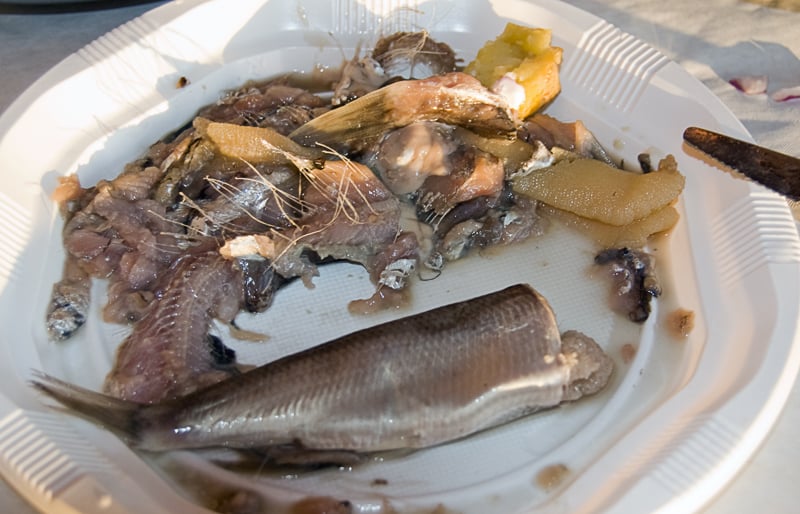
Before you even open a can of surströmming, you can smell it. This Swedish fermented Baltic herring is so pungent that many airlines have banned it from checked luggage, and some apartment buildings in Sweden prohibit residents from opening cans indoors.
The fish ferments inside the sealed tin for months, producing gases that cause the can to bulge outward. When you finally crack it open — ideally outside and downwind of anyone you’d like to remain friends with — the smell hits first.
The taste, by most accounts, is sharp, sour, and salty in a way that takes some serious commitment to appreciate.
Balut — The Philippines’ Fertilised Duck Egg
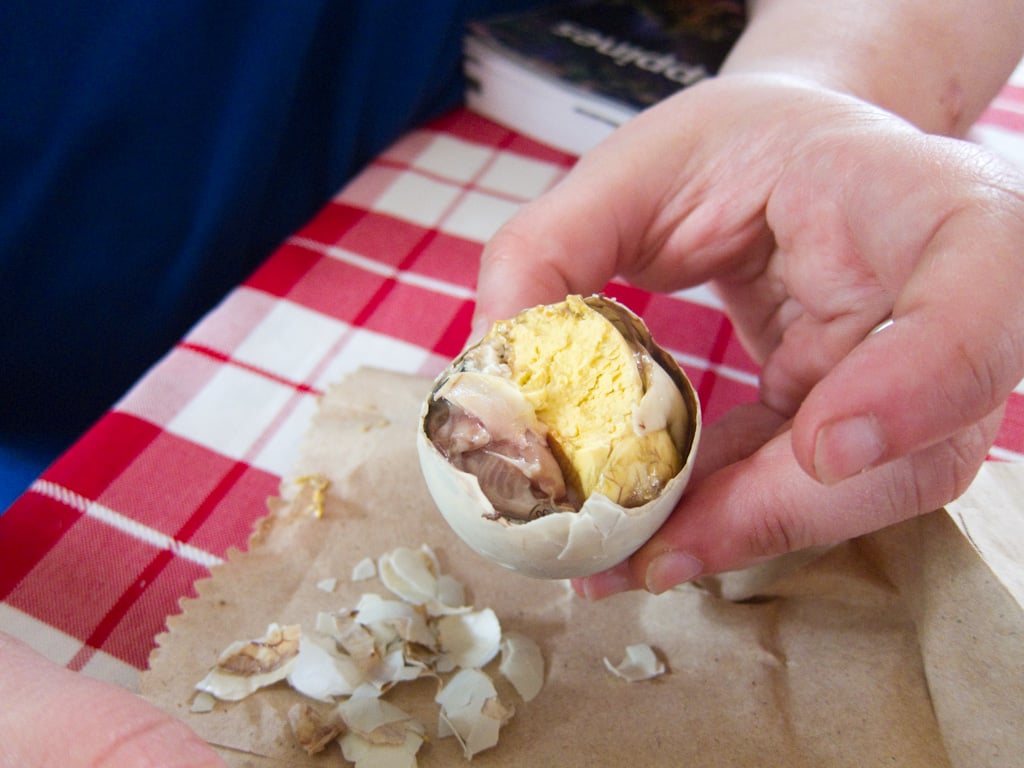
Balut is a fertilised duck egg that’s been incubated for around 16 to 18 days, then boiled and eaten directly from the shell. Inside, you’ll find partially developed embryo, broth, and yolk — all in one mouthful.
It’s widely eaten as street food across Southeast Asia and is considered a genuine delicacy by millions of people.
But for first-timers, particularly those from Western countries, the visual alone is often enough to end the experience before it begins. Those who push through tend to describe a rich, savoury flavour. Many don’t push through.
Casu Marzu — Sardinia’s Living Cheese
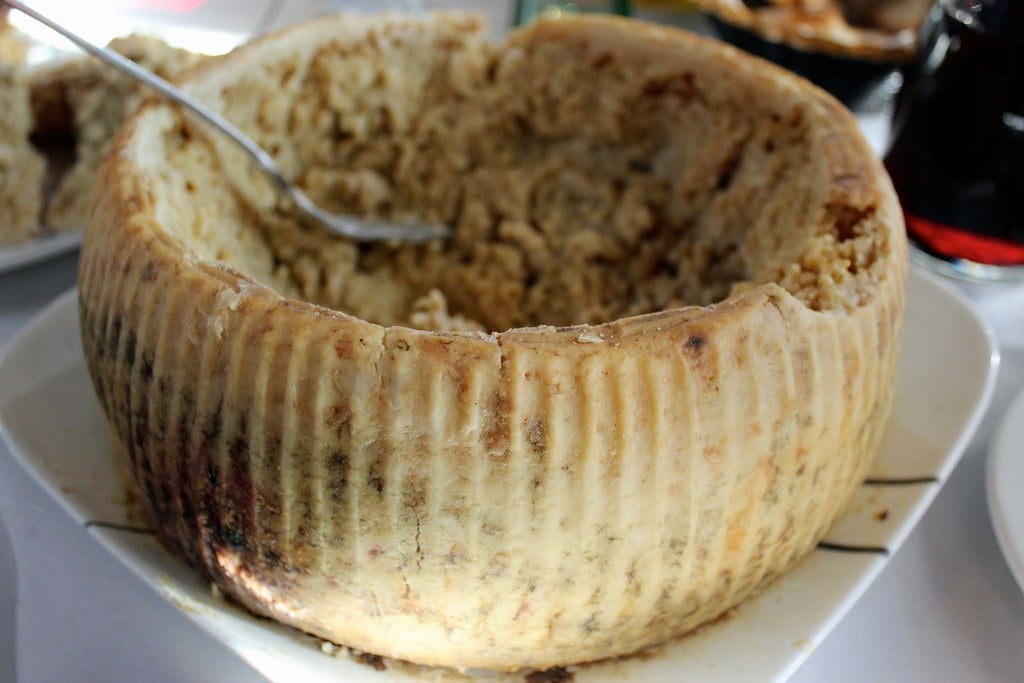
Casu marzu is a traditional Sardinian sheep milk cheese that’s taken a step beyond typical fermentation. The cheese is intentionally left out so that cheese flies can lay eggs inside it.
The larvae that hatch then break down the fats in the cheese, producing a soft, almost liquid texture with an intense flavour. The larvae are still alive when you eat it.
Some people remove them first. Others don’t.
The cheese has been banned by the European Union on food safety grounds, which makes it technically illegal to sell — though it still circulates locally as a kind of underground delicacy. The fact that you have to source it on the black market doesn’t seem to put everyone off.
Durian — Southeast Asia’s Most Controversial Fruit
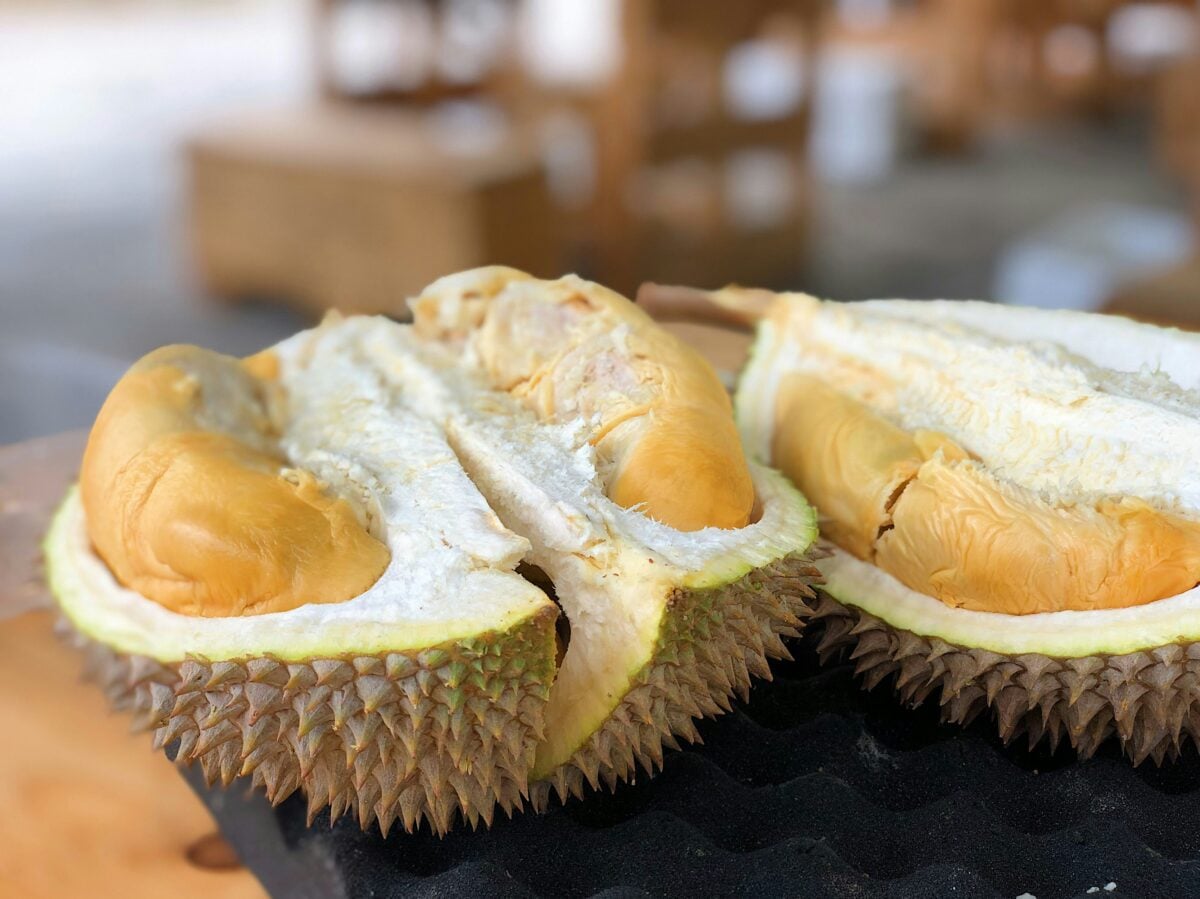
Durian gets its own category. It’s not fermented, not decomposed, not prepared in any unusual way. It’s just a fruit. But the smell it produces has led to bans in hotels, public transport systems, and airports across Southeast Asia.
The exterior is covered in sharp spikes. The interior is a creamy, custard-like flesh that devotees describe as rich and complex.
Detractors compare the odour to gym socks, raw sewage, and turpentine, sometimes all at once. It’s one of the most polarising foods on earth — people who love it really love it, and people who hate it often refuse to be in the same room with one.
Century Egg — China’s Preserved Delicacy
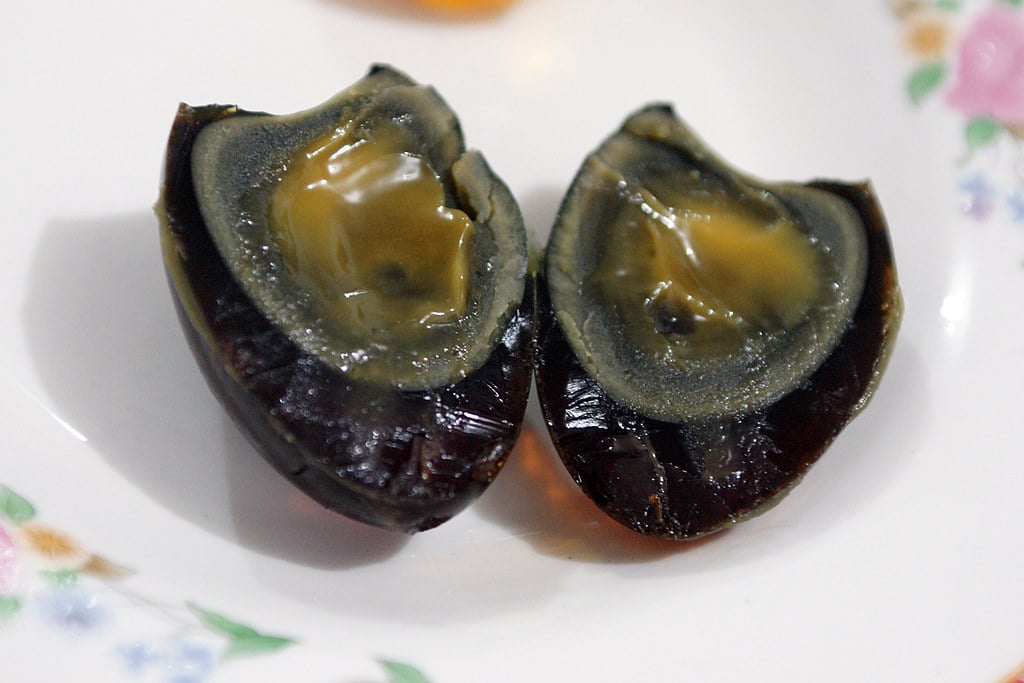
Despite the name, century eggs are preserved for weeks or months, not a century. Duck, chicken, or quail eggs are coated in a mixture of clay, ash, salt, quicklime, and rice hulls, then left to cure.
The result is an egg with a dark, gelatinous white and a grey-green yolk with a creamy, pungent centre. The flavour is intense — deeply savoury, sulphuric, with a strong ammonia note.
In China, it’s eaten as a straightforward snack or appetiser, often sliced and served with pickled ginger. Outside China, it’s one of the foods that consistently appears on “I dared myself to try it” lists online, frequently without a happy ending.
Lutefisk — Scandinavia’s Lye-Soaked Fish

Lutefisk starts as dried whitefish — usually cod — that’s been rehydrated by soaking in water and then lye, which is a strongly alkaline solution. The lye turns the fish into a gelatinous, wobbly mass with a slippery texture and a sharp chemical smell that lingers long after the meal.
It’s a traditional dish in Norway, Sweden, and parts of the American Midwest with Scandinavian heritage, typically served around Christmas. Even within those communities, opinions are split.
Some people eat it out of tradition while freely admitting they don’t enjoy it. That’s a specific kind of food loyalty.
Stargazy Pie — Cornwall’s Fish-Head Pastry

Stargazy pie is a Cornish dish where whole pilchards are baked inside a pastry crust with their heads poking out through the top, eyes pointed upward toward the sky. The heads aren’t just decorative — they let the fish oils drain back into the filling during baking.
The dish has roots in a local legend about a fisherman who braved a storm to bring in a catch, and the pie was made in his honour. The flavour is actually fairly mild by the standards of other dishes on this list.
But the presentation — multiple fish heads staring up at you from your dinner — makes it one of the most visually confronting meals in British cuisine.
Kiviak — Greenland’s Fermented Bird Feast

Kiviak is a traditional Greenlandic dish made by stuffing hundreds of small seabirds called little auks inside a hollowed-out seal carcass. The seal is then sewn shut, weighed down with rocks, and left to ferment for anywhere between 18 months and two years.
The birds are eaten whole, bones and all, by biting off the head and sucking out the fermented contents. It’s served at important celebrations, including weddings and birthdays.
The smell is described as extreme even by people who grew up eating fermented foods. Outside Greenland, it’s almost impossible to find — and most people who hear about it aren’t looking.
Natto — Japan’s Fermented Soybean Staple
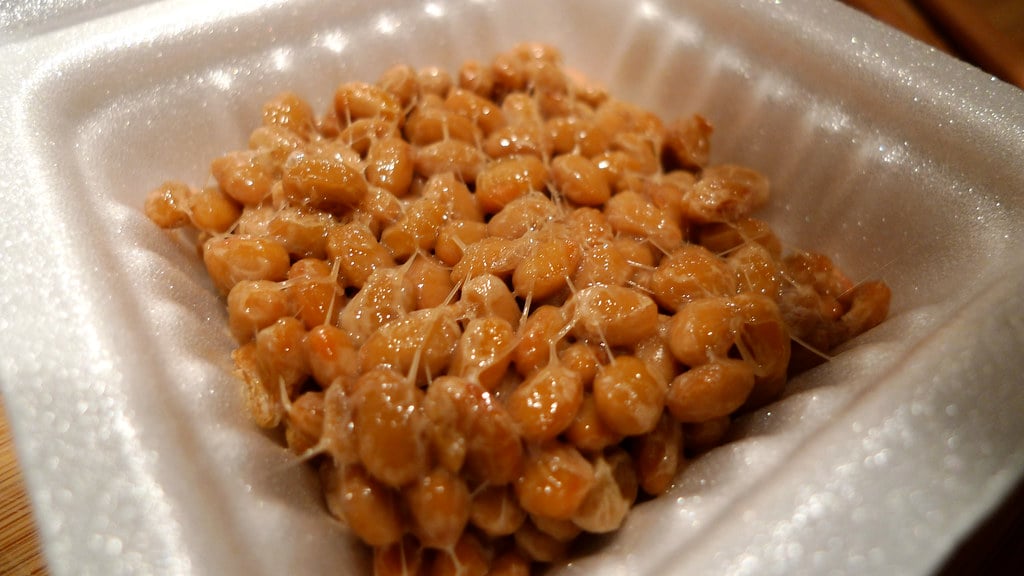
Natto is one of those foods that Japan eats at breakfast without a second thought, and that most foreign visitors can’t get through without making a face. Fermented soybeans, natto has a sticky, stringy texture that stretches dramatically when you stir it, a pungent earthy smell, and a strong, bitter aftertaste.
It’s loaded with nutrients and considered genuinely good for you — high in protein, vitamin K2, and probiotics. Health benefits aside, natto consistently ranks near the top of “foods tourists refuse to finish” lists.
Even within Japan, opinions divide sharply along regional lines.
Khash — The Bone Broth That Takes Days to Make
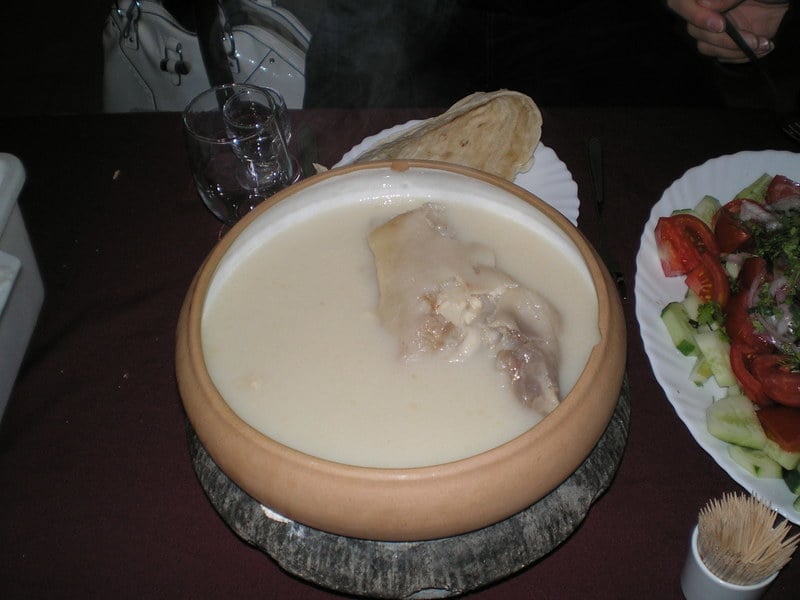
Khash is a dish eaten across the Middle East, the Caucasus, and parts of Central Asia, made by boiling cow or sheep feet and head for hours — sometimes overnight — until everything softens into a thick, fatty broth. It’s typically eaten early in the morning, often with bread, raw garlic, and salt.
The smell during cooking is powerful. The flavour is intensely gelatinous and fatty.
It’s considered a hangover cure in some countries and a celebratory dish in others. Preparing it is a long process — the feet need to be cleaned, singed, and soaked before cooking even begins.
First-timers outside the region often find the texture and the smell a combination too far.
Fried Tarantulas — Cambodia’s Crunchy Street Food
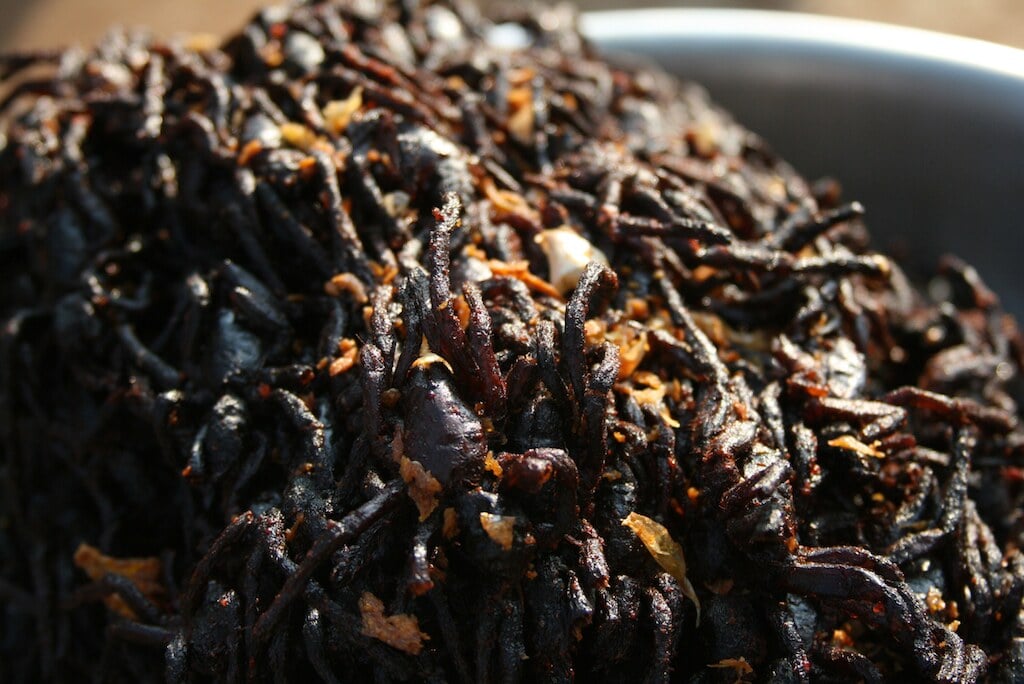
In Skuon, a town in Cambodia, fried tarantulas are sold on the roadside as a snack. The spiders — typically about the size of a human palm — are seasoned with salt, sugar, and garlic, then fried in oil until the legs go crispy.
The legs and body supposedly taste something like soft-shell crab. The abdomen is another matter — it contains a brown paste made up of organs, eggs, and excrement, which has a stronger, more bitter flavour that most people describe as deeply unpleasant.
People eat around it, mostly. The dish emerged partly out of necessity during the Khmer Rouge era when food was scarce, and it stuck around as both tradition and tourist spectacle.
Tripe — The Cut That Divides Every Table

Tripe is the stomach lining of cattle, and it appears in cuisines all over the world — from Italian trippa alla romana to Mexican menudo to British tripe and onions. Depending on how it’s prepared, it can be soft and yielding or chewy in a way that seems to go on forever.
The smell during cooking is distinctive and, for many people, impossible to separate from the eating experience. The texture, rubbery and slightly honeycombed, is the part that turns most people away.
But tripe has its loyal following, particularly among older generations who grew up eating it as an affordable, nourishing meal. For every person who can’t stand it, there’s someone who insists you haven’t had it cooked properly.
When the Table Turns

The majority of the items we discuss aren’t outright disasters. Instead, the dishes come from cultures with long histories, each of which evolved in accordance with the local environment, methods of food preservation, and traditions – all of which were totally reasonable in the original setting. People living in cold climates survived the long winters thanks to fermented foods.
The availability of spice was limited; so, intense flavors had a greater meaning. A lot of time the least liked dishes are those which have been simply misinterpreted.
This doesn’t mean that you have to consume maggot cheese, but understanding the reasons why someone somewhere really gets enjoyment from it is a good idea.
More from Go2Tutors!

- The Romanov Crown Jewels and Their Tragic Fate
- 13 Historical Mysteries That Science Still Can’t Solve
- Famous Hoaxes That Fooled the World for Years
- 15 Child Stars with Tragic Adult Lives
- 16 Famous Jewelry Pieces in History
Like Go2Tutors’s content? Follow us on MSN.