Reasons Why Artisan Chocolate is Superior
You’ve probably walked past those expensive chocolate bars at the fancy grocery store and wondered if they’re actually worth it or just another overpriced trend. The short answer? They’re worth it.
Artisan chocolate isn’t just about paying more for a prettier wrapper—it’s a completely different product from the mass-produced stuff you grew up with. Here’s why artisan chocolate deserves its spot on the top shelf:
The ingredients are actually real
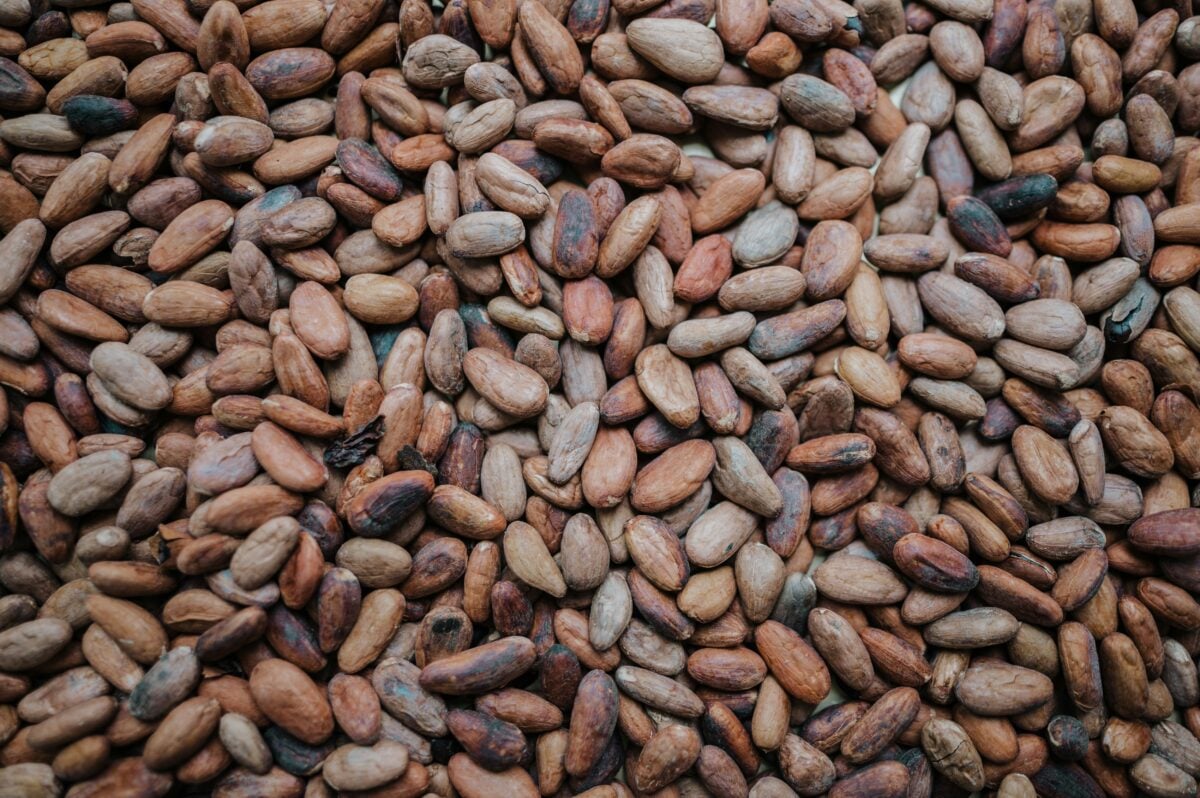
Artisan chocolate makers use real cocoa butter. That’s it.
Mass-produced chocolate often swaps this out for cheaper vegetable oils and other fillers that shouldn’t be anywhere near chocolate. When you read an artisan chocolate label, you’ll see maybe five ingredients: cacao beans, cane sugar, cocoa butter, maybe some vanilla and lecithin.
Compare that to the paragraph of unpronounceable chemicals on a typical candy bar.
Bean-to-bar means total control

Most chocolate companies don’t actually make chocolate—they buy pre-made chocolate liquor from huge suppliers and just melt it down and remold it. Bean-to-bar makers control every single step, from sourcing the beans to the final bar.
They’re roasting, winnowing, grinding, conching, and tempering everything themselves. This level of control means they can bring out specific flavor notes and create chocolate that actually tastes like something other than just “chocolate.”
Single-origin beans tell a story
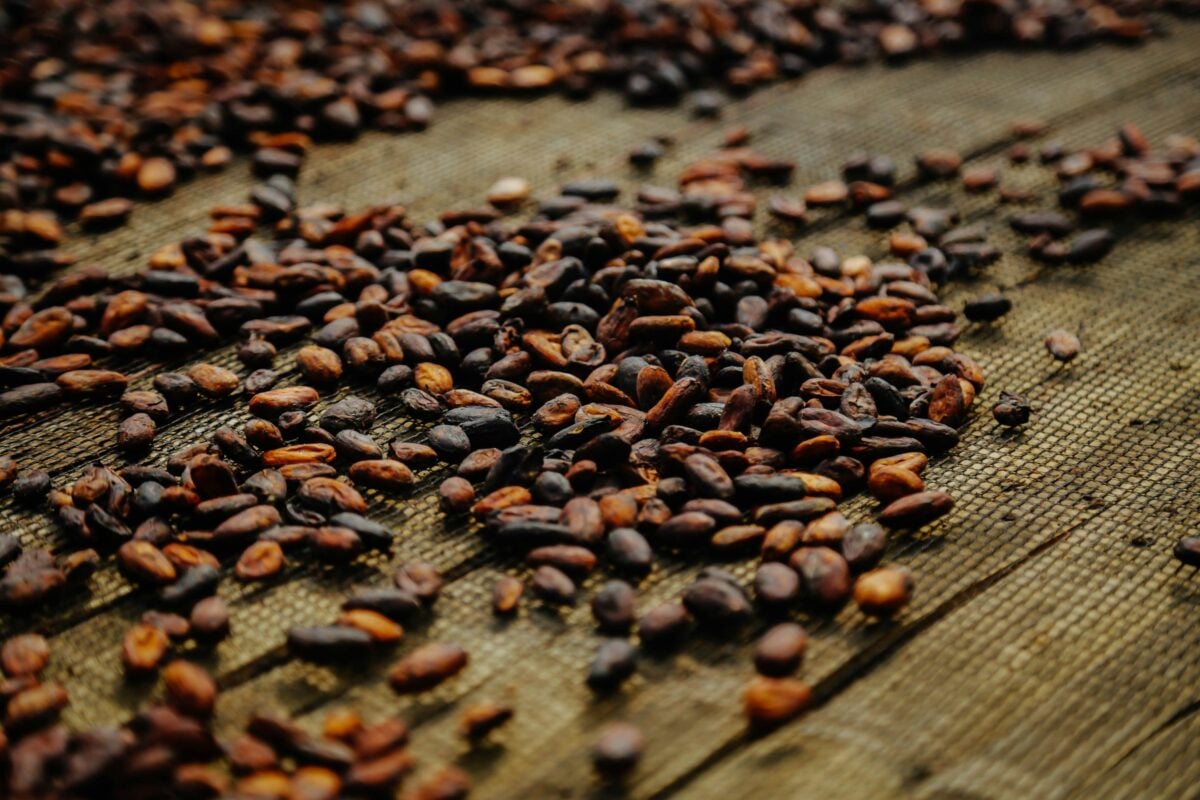
The beans matter. A lot.
Artisan makers often use single-origin cacao, which means all the beans come from one specific region (sometimes even one farm). And yes, you can actually taste the difference between Ecuadorian beans and Madagascan ones.
It’s like wine—the terroir shows up in the final product. Madagascan chocolate tends to have these bright, fruity notes while Venezuelan chocolate might be more nutty and earthy.
They’re supporting actual farmers
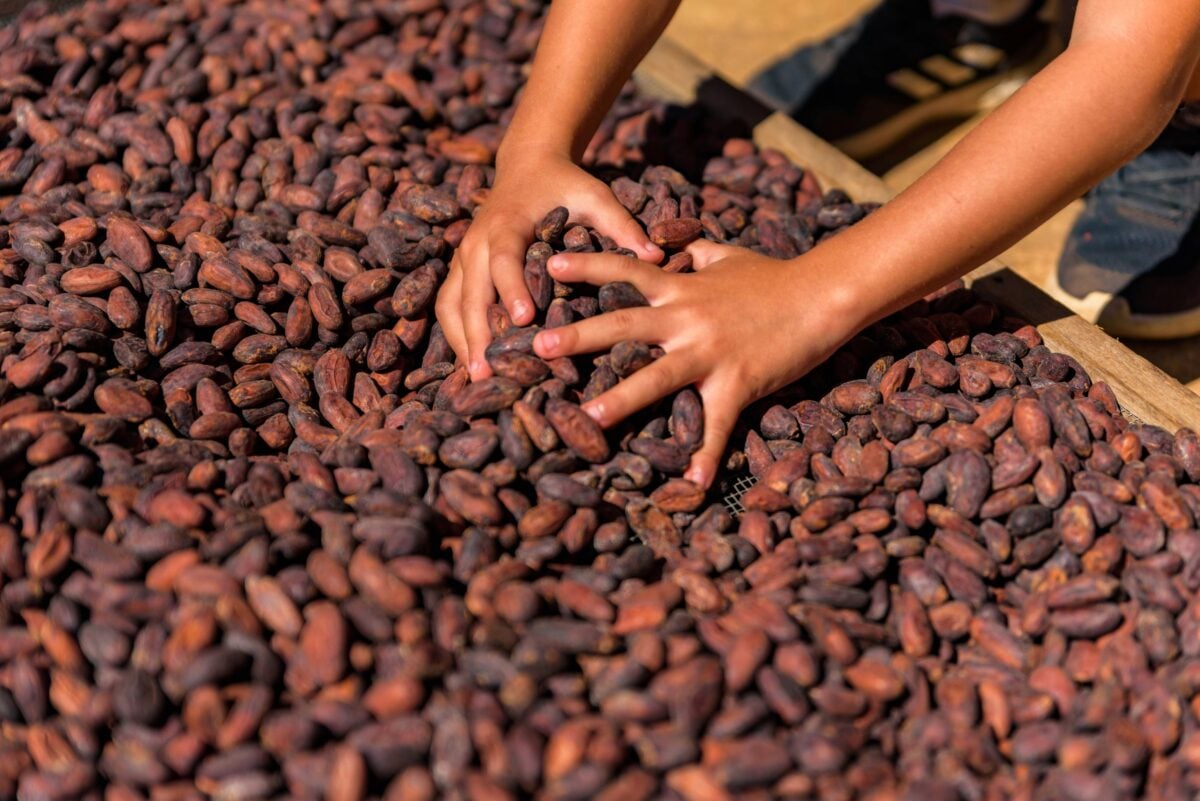
Here’s something that matters: artisan chocolate makers typically work through direct trade relationships with cacao farmers. They’re paying fair prices (usually way above fair trade minimums) and often visiting the farms themselves.
The big chocolate corporations? They’re buying through commodity markets where farmers get pennies and have no idea where their beans end up.
When you buy artisan, more of your money goes to the people actually growing the cacao.
The flavor complexity is unmatched

Mass-produced chocolate tastes like chocolate. Artisan chocolate tastes like cherries, honey, coffee, nuts, flowers, earth, spices—sometimes all in one bar.
The flavor development happens because makers are carefully controlling fermentation and roasting to bring out specific notes from high-quality beans (rather than just roasting everything to death to cover up defects and create a uniform flavor). You’ll find yourself actually tasting the chocolate instead of just eating it.
No weird additives or artificial flavoring

Check the ingredients on a Hershey’s bar sometime. Then check an artisan bar.
The difference is pretty stark. Artisan makers don’t need PGPR (polyglycerol polyricinoleate, if you’re wondering) or artificial vanilla or soy lecithin overload because they’re using quality ingredients that don’t need masking.
What you taste is what’s actually there.
Small batch production means attention to detail

When you’re making 50 bars instead of 50,000, you notice things. Each batch gets attention.
The tempering is monitored closely. The conching time is adjusted based on how the beans taste that day.
It’s craftsmanship, not manufacturing. Does every bar come out perfect?
No, but that’s kind of the point—you’re getting something made by humans, not a machine optimized for consistency above all else.
Higher cacao percentages (usually)
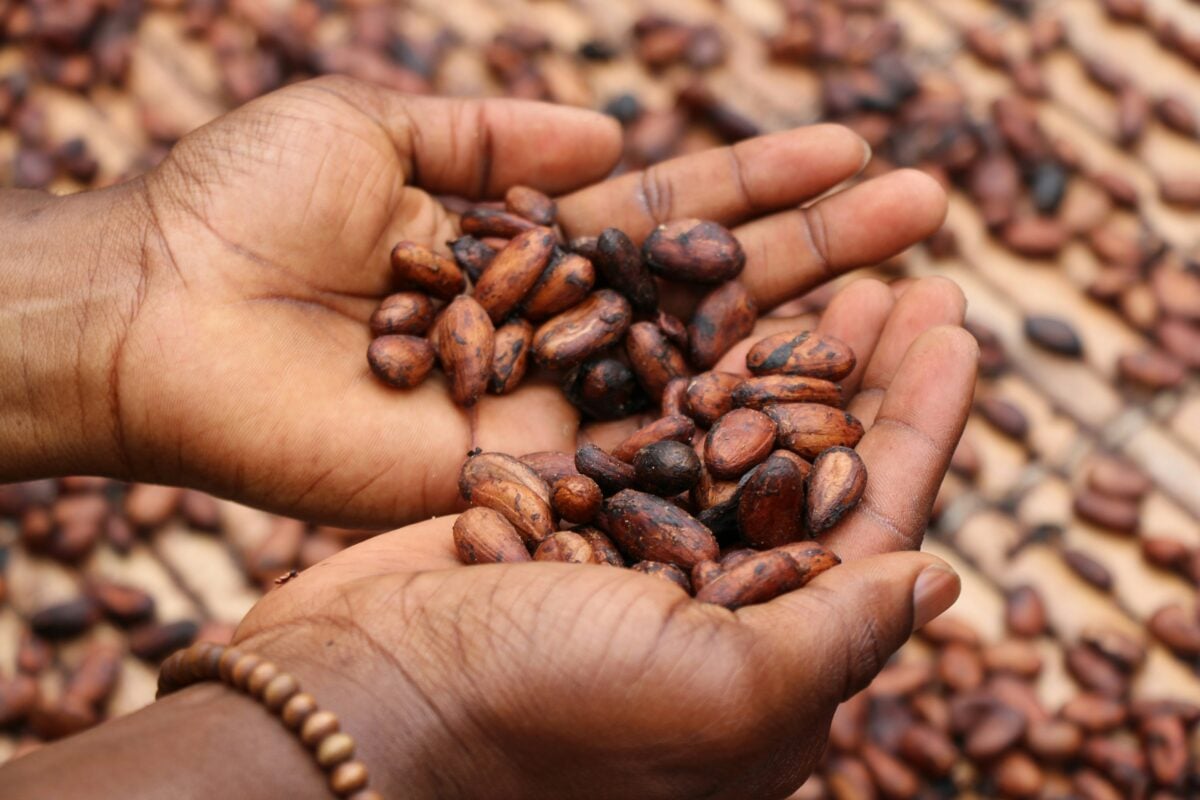
Most artisan bars sit in the 70-85% cacao range, though some go higher or lower depending on the maker’s vision. More cacao means more antioxidants, less sugar, and more actual chocolate flavor.
The mass-market milk chocolate you’re used to is typically around 10-15% cacao and mostly sugar and milk powder. Even artisan milk chocolate uses way more cacao than the commercial stuff.
The ethical sourcing actually checks out
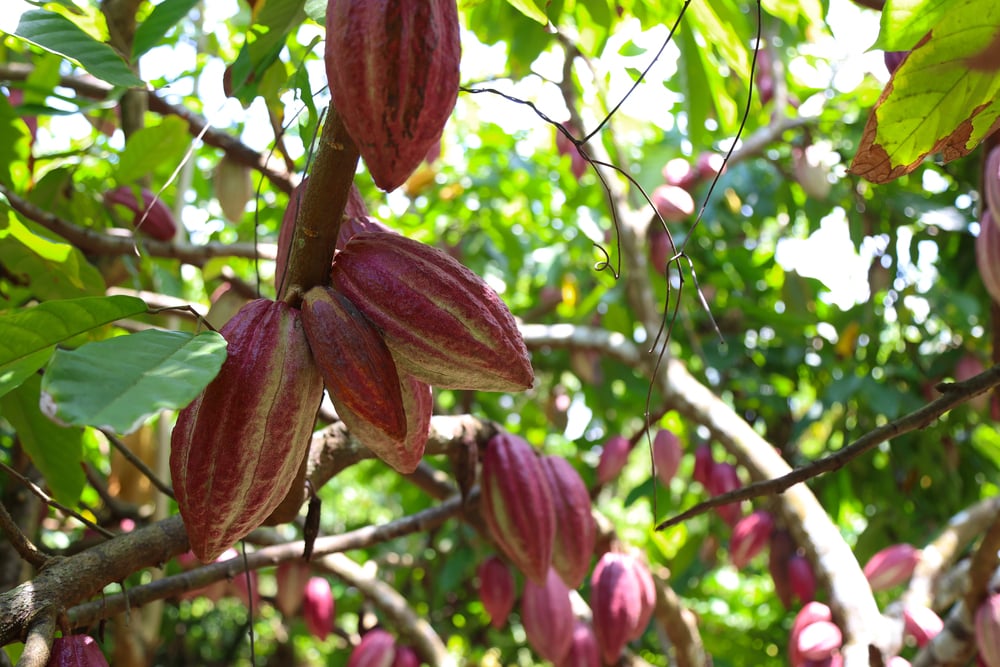
Big chocolate has a child labor problem. It’s been documented extensively in West Africa where most of the world’s cacao grows.
Artisan makers are usually small enough that they can actually verify their supply chains and ensure no exploitation is happening. They often publish exactly where their beans come from and who they’re working with. It’s transparent that the big guys can’t (or won’t) match.
Fermentation and roasting profiles are optimized
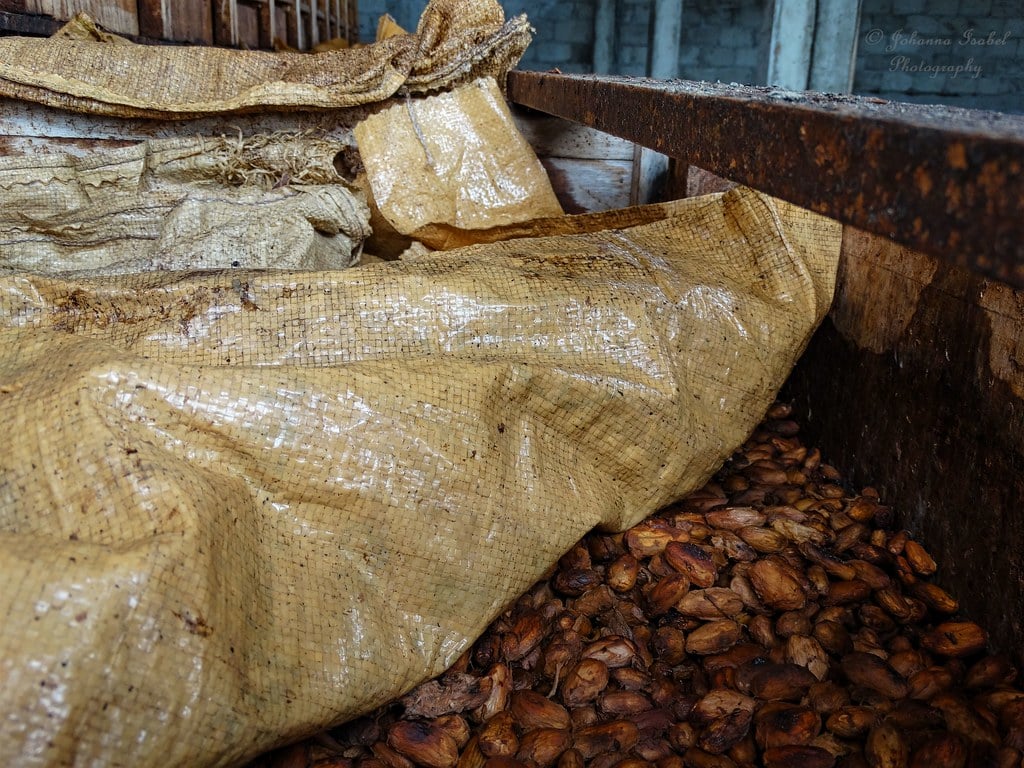
Cacao fermentation is basically alchemy—it’s where most of the flavor precursors develop. Artisan makers either work with farmers who know how to ferment properly or they’re selecting beans that were fermented well.
Then they’re roasting to enhance those flavors rather than obliterate them. The big manufacturers roast hot and fast to create consistency across thousands of tons of beans from different origins.
Artisan makers roast low and slow, adjusting for each origin.
You’re tasting the maker’s vision

Each artisan chocolate maker has a style, a philosophy, an approach (kind of like chefs or winemakers). Some go for super fruity and bright, others want deep and earthy, some are all about showcasing the bean’s natural character with minimal intervention.
When you eat their chocolate, you’re experiencing their interpretation of what chocolate can be. It’s more like art than commodity.
The texture is smoother

Good tempering and proper conching (grinding the chocolate for hours or days) creates a texture that melts perfectly on your tongue. Artisan makers have the time to conche their chocolate until it’s silky smooth.
The cheap stuff? It can be grainy, waxy, or just kind of… off. The mouthfeel matters as much as the taste.
They’re pushing chocolate forward

Innovation in chocolate is happening at the artisan level. People are experimenting with different fermentation methods, aging chocolate like whiskey, using heritage cacao varieties that were almost extinct, incorporating unusual inclusions that actually work.
The big companies are still making the same bars they’ve been making for decades because why mess with the formula when you’re moving millions of units?
It’s an actual experience, not just a snack

Look, you can mindlessly eat a Snickers while scrolling your phone. That’s fine.
But artisan chocolate demands attention (in a good way). You slow down, you notice the snap when you break it, the aroma, how the flavors evolve as it melts, the finish.
It’s a whole thing. Some people find this pretentious but honestly it’s just about being present for a few minutes.
Why your taste buds will thank you
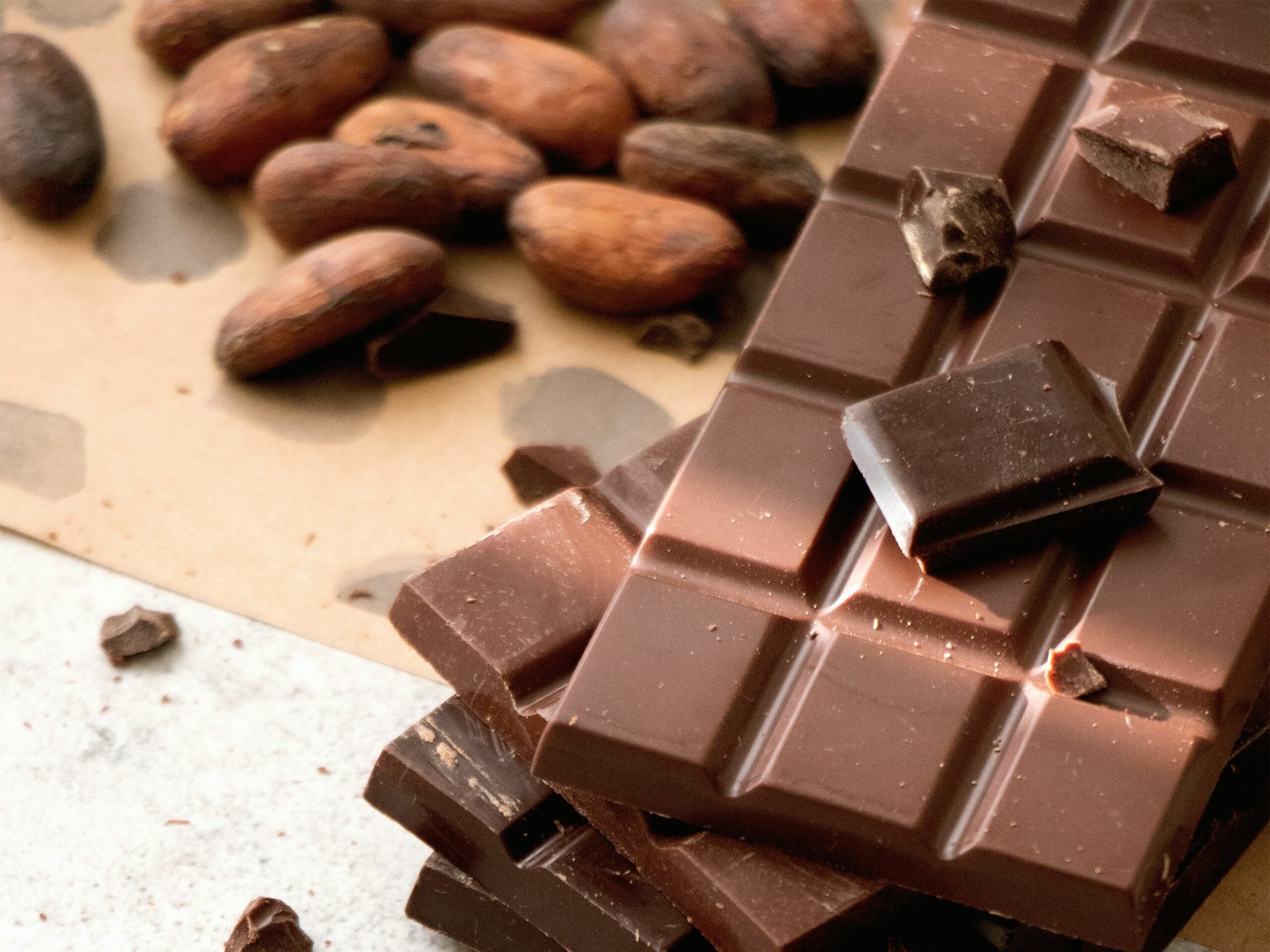
After trying real quality chocolate, store-bought kinds feel off. Maybe not awful – memories can trick you – but clearly not the same. You start picking up on the sugar hit, the flat flavor, that odd film it leaves behind.
Taste changes over time. So now you’re the one telling pals why a bar costs twelve bucks. It’s kind of ridiculous, sure, though the fall leads straight to tastier bites.
More from Go2Tutors!

- The Romanov Crown Jewels and Their Tragic Fate
- 13 Historical Mysteries That Science Still Can’t Solve
- Famous Hoaxes That Fooled the World for Years
- 15 Child Stars with Tragic Adult Lives
- 16 Famous Jewelry Pieces in History
Like Go2Tutors’s content? Follow us on MSN.