Record Breakers Who Pushed Their Bodies to Extremes
The human body is capable of incredible things when determination meets discipline. Throughout history, people have tested the limits of what seems physically possible, often defying logic and common sense.
These athletes and adventurers didn’t just break records—they redefined what the human body can endure when someone refuses to quit. Let’s take a look at some of the most jaw-dropping examples of people who took their bodies to places most of us couldn’t even imagine.
Dean Karnazes ran 350 miles without stopping

Dean Karnazes decided that regular marathons were too easy, so he ran for three days straight without sleep. He covered 350 miles through California, fueling himself with pizza and cheesecake delivered to him while he was still moving.
His body processes lactic acid differently than most people, which means his muscles don’t get tired the same way. Still, running for 80 hours straight tested every part of his mental and physical endurance.
He’s completed fifty marathons in fifty states on fifty consecutive days, proving that some people are built differently.
Wim Hof swims under ice and climbs mountains in shorts

Known as “The Iceman,” Wim Hof has spent decades proving that extreme cold doesn’t have to be deadly. He’s run a half marathon above the Arctic Circle barefoot, climbed Mount Kilimanjaro wearing only shorts, and stayed submerged in ice for over an hour.
His secret involves a breathing technique that allows him to control his body temperature and immune response. Scientists have studied him extensively and found that his methods actually work.
What makes him remarkable isn’t just surviving the cold—it’s teaching others to do the same thing.
Like Go2Tutors’s content? Follow us on MSN.
Alex Honnold climbed El Capitan without any ropes

In 2017, Alex Honnold did what most climbers thought was impossible: he scaled the 3,000-foot vertical rock face of El Capitan with nothing but his hands and climbing shoes. One mistake would have meant instant death, yet he remained perfectly calm throughout the four-hour climb.
Brain scans show that his amygdala, the part of the brain that processes fear, barely responds to dangerous situations. He spent years preparing every single move before attempting the climb.
The achievement redefined what’s possible in rock climbing.
Alain Robert has climbed over 150 skyscrapers with bare hands
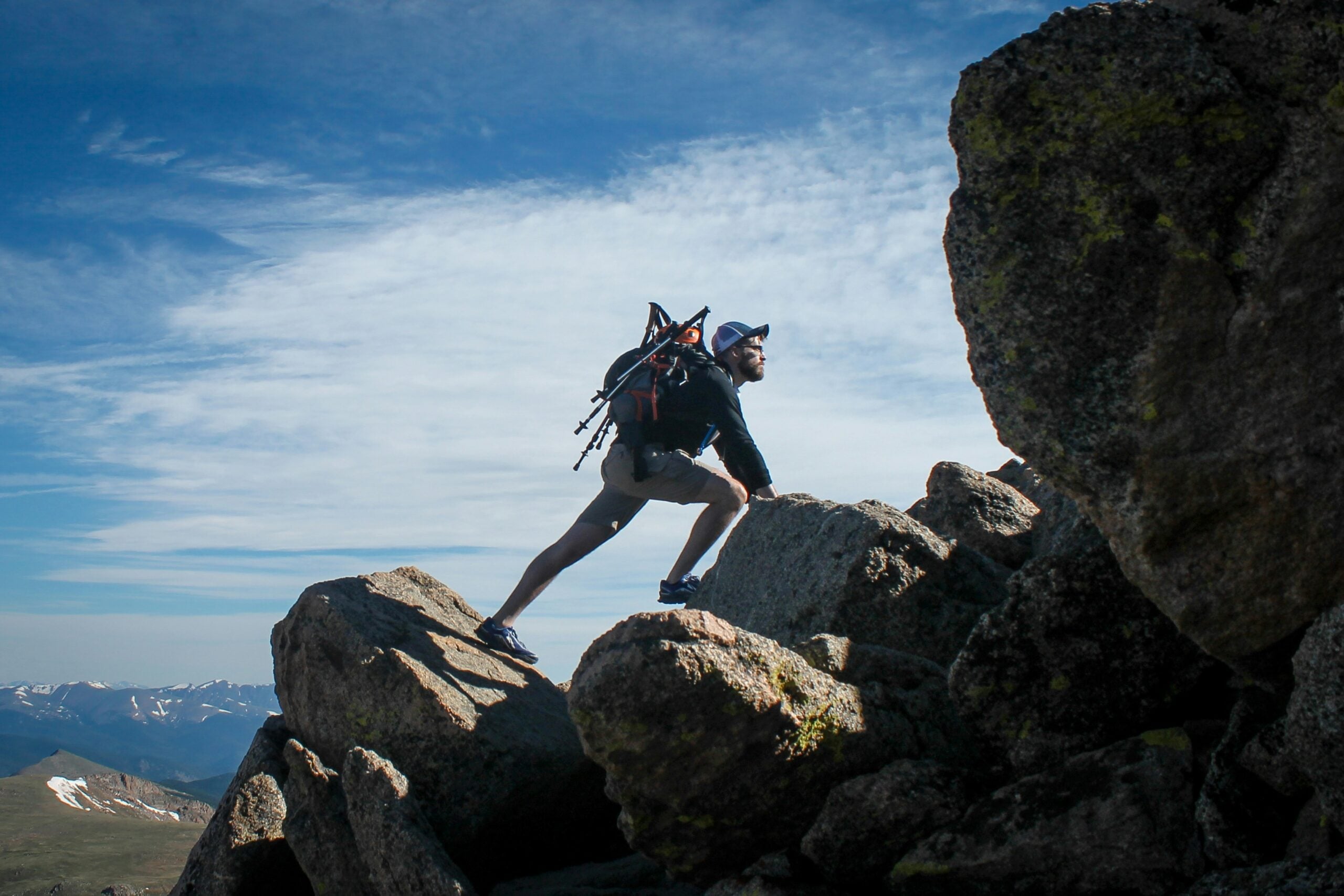
This French climber has scaled some of the world’s tallest buildings without permission, safety equipment, or apparent fear of death. He’s climbed the Burj Khalifa, the Eiffel Tower, and the Empire State Building using only his hands and climbing shoes.
Robert has a condition that causes severe vertigo and makes him 60 percent disabled, yet he continues to climb. He’s been arrested numerous times but says the feeling of climbing keeps him alive.
Each climb takes hours of intense concentration where one slip means certain death.
David Goggins lost 106 pounds in three months to become a Navy SEAL

David Goggins weighed 297 pounds and worked as a pest control worker when he decided to join the Navy SEALs. He had just three months to lose over 100 pounds to meet the weight requirement.
Through brutal training sessions twice a day and a strict diet, he transformed his body completely. He went on to complete Navy SEAL training, Army Ranger School, and Air Force Tactical Air Controller training.
Later, he became an ultra-endurance athlete who regularly runs 100-mile races just to prove mental toughness matters more than natural ability.
Like Go2Tutors’s content? Follow us on MSN.
Ashrita Furman holds over 600 Guinness World Records

This health food store manager from New York has broken more records than anyone else on Earth. He jumped rope underwater, pogo-sticked up Mount Fuji, and walked with a milk bottle balanced on his head for 80 miles.
Furman follows the teachings of a spiritual guru who emphasizes meditation and physical challenges. He’s currently in his 60s and shows no signs of slowing down.
His philosophy is simple: the body can do anything if the mind stays strong enough.
Chrissie Wellington dominated Ironman racing despite starting late

Chrissie Wellington didn’t compete in her first triathlon until age 27, yet she became the greatest female Ironman athlete ever. An Ironman involves a 2.4-mile swim, a 112-mile bike ride, and a full marathon run—all completed back-to-back.
She won the Ironman World Championship four times and never lost an Ironman race she finished. Her training involved 30 to 40 hours per week of swimming, cycling, and running.
She pushed through injuries and exhaustion that would have ended most athletic careers.
Matthias Steiner lifted weights while grieving his wife’s death

German weightlifter Matthias Steiner lost his wife in a car accident just months before the 2008 Olympics. Instead of withdrawing, he competed and won the gold medal by lifting 258 kilograms in his final attempt.
He held up a photo of his late wife on the podium, tears streaming down his face. The physical achievement was remarkable, but the mental strength required was beyond measure.
He later said the grief nearly destroyed him, but honoring her memory gave him purpose.
Like Go2Tutors’s content? Follow us on MSN.
Ranulph Fiennes completed seven marathons on seven continents in seven days
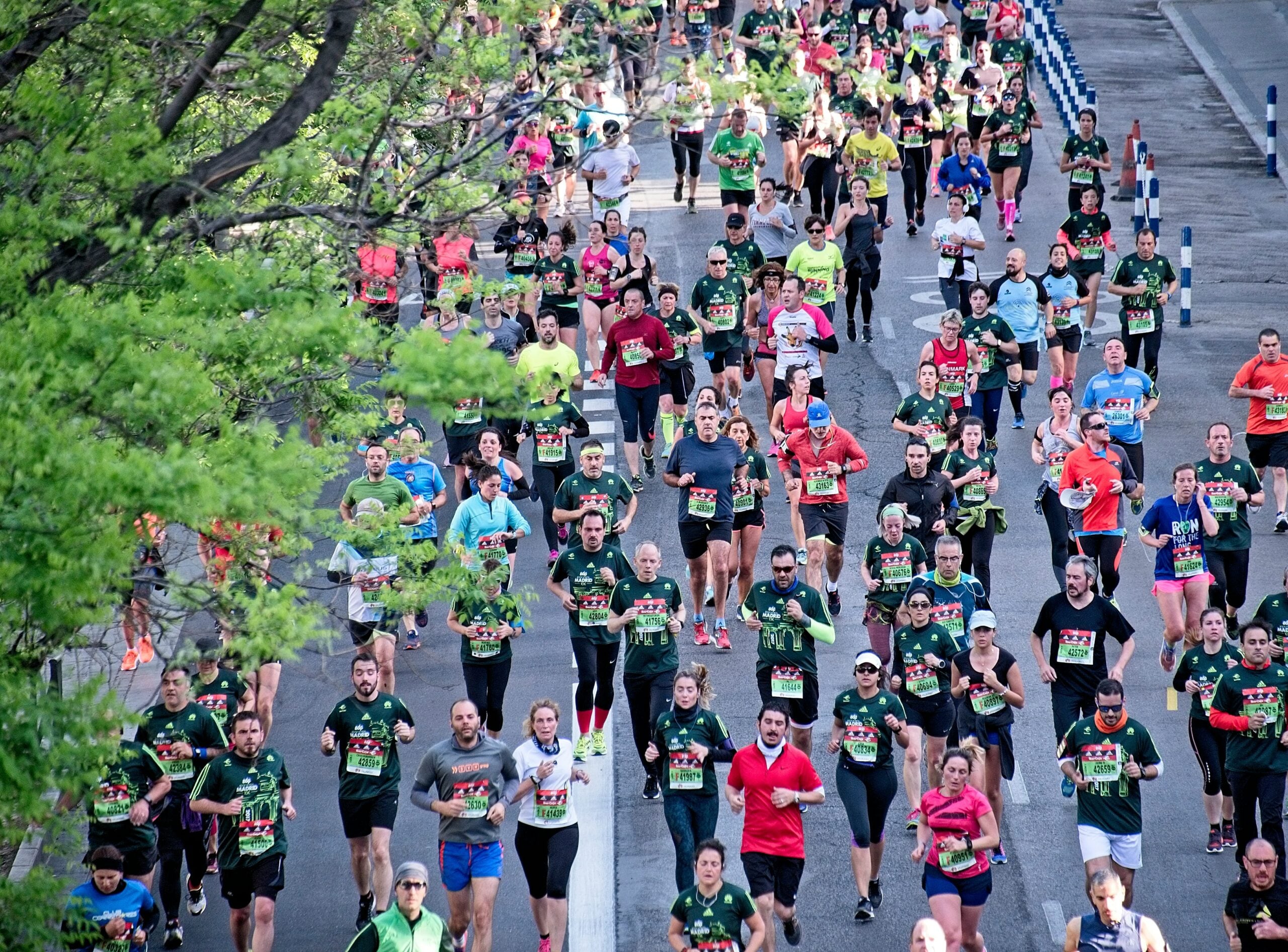
Explorer Ranulph Fiennes did this challenge just four months after suffering a massive heart attack and having double bypass surgery. He was 59 years old at the time and had previously suffered severe frostbite that required him to amputate his own fingers.
The marathons took him from Antarctica to Asia to Europe, battling jet lag, extreme temperatures, and his recovering body. Doctors told him the attempt could trigger another heart attack.
He finished anyway, proving that age and medical history don’t have to define limits.
Yiannis Kouros ran 188 miles in 24 hours
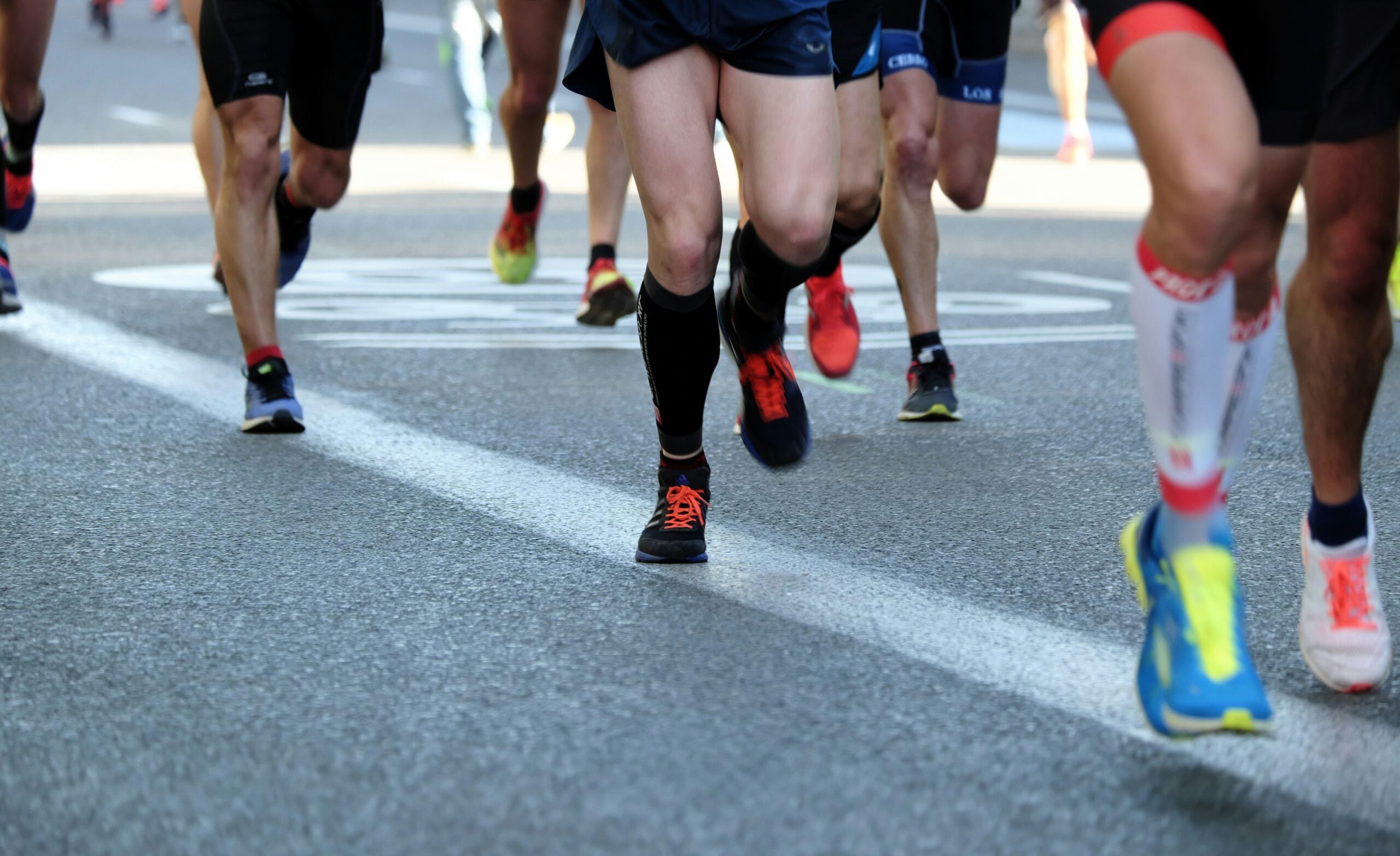
Greek ultramarathon runner Yiannis Kouros set a world record that still stands today by covering 188 miles in a single day. That’s more than seven marathons completed back-to-back without stopping for sleep.
His body entered a state where pain signals seemed to shut off, allowing him to continue running. He’s set multiple world records at various distances, all requiring extreme physical and mental endurance.
Scientists have studied his ability to maintain pace despite complete exhaustion.
Lizzy Hawker ran around Mont Blanc faster than any woman ever had

British runner Lizzy Hawker completed the Ultra-Trail du Mont-Blanc, a 103-mile mountain race with 32,000 feet of elevation gain, in record time. The race takes runners through France, Italy, and Switzerland over some of the most challenging terrain in the Alps.
She won the race five times, often beating most of the male competitors. The physical demands include running uphill for hours, then descending steep trails that destroy the leg muscles.
She trained by running up to 150 miles per week in the mountains.
Like Go2Tutors’s content? Follow us on MSN.
Ross Edgley swam around Great Britain without leaving the water
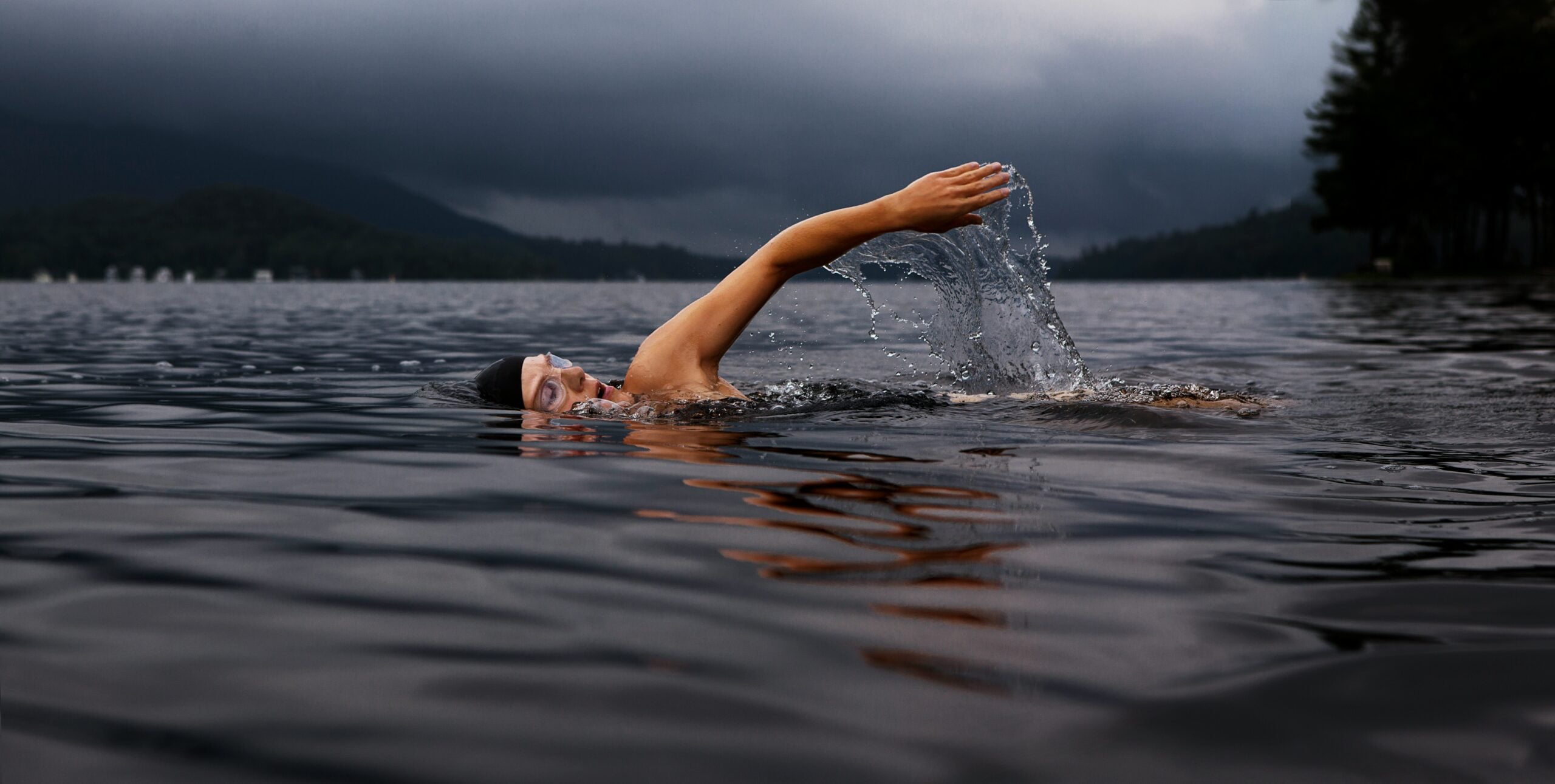
In 2018, Ross Edgley became the first person to swim around the entire coast of Great Britain. The journey took 157 days and covered 1,780 miles through jellyfish, storms, and freezing water.
His tongue started to fall apart from the constant saltwater exposure, and his neck developed painful wounds from the wetsuit. He never once set foot on land until the swim was complete.
The mental challenge of swimming eight hours a day for five months tested him more than the physical pain.
Courtney Dauwalter won a 240-mile race by 10 hours
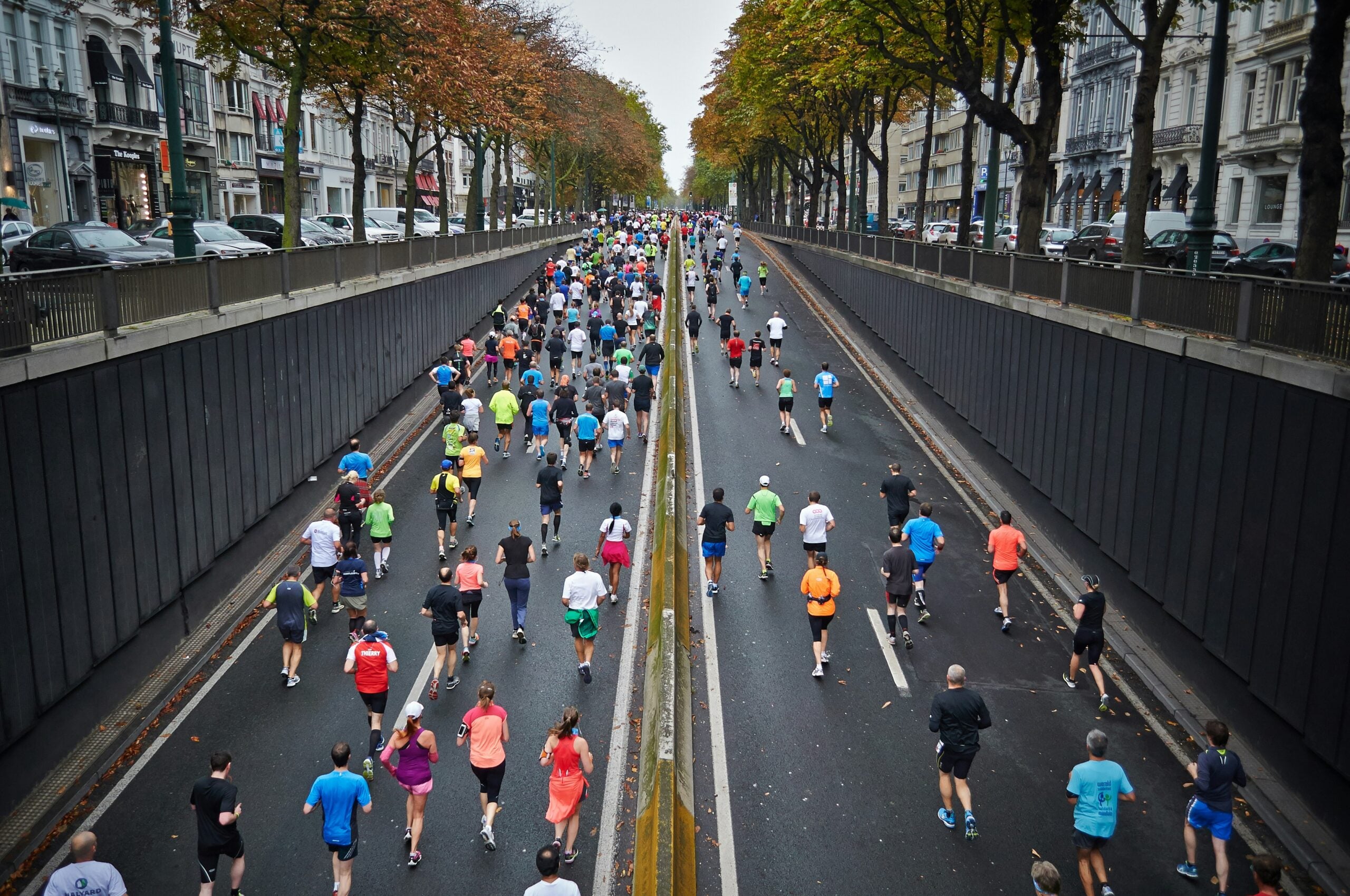
Ultra-runner Courtney Dauwalter not only won the Moab 240 Endurance Run—she finished 10 hours ahead of the second-place runner. The race covers 240 miles through the Utah desert with 28,000 feet of climbing.
She hallucinated from exhaustion, seeing nonexistent aid stations and ghostly figures on the trail. Despite temporary blindness during the race from swelling around her optic nerves, she kept running. Her approach involves ignoring pain signals and embracing discomfort as a normal part of racing.
Killian Jornet climbed Mount Everest twice in one week without oxygen

Spanish mountain runner Killian Jornet summited Everest twice within six days, both times without supplemental oxygen or fixed ropes. Most people take weeks to acclimatize and use oxygen tanks to survive at extreme altitude.
He ran up the mountain in a fraction of the time normal climbers need. His body has adapted to process oxygen more efficiently than average humans.
The attempts were incredibly dangerous, with weather conditions and altitude sickness posing constant threats.
Like Go2Tutors’s content? Follow us on MSN.
Diana Nyad swam from Cuba to Florida at age 64
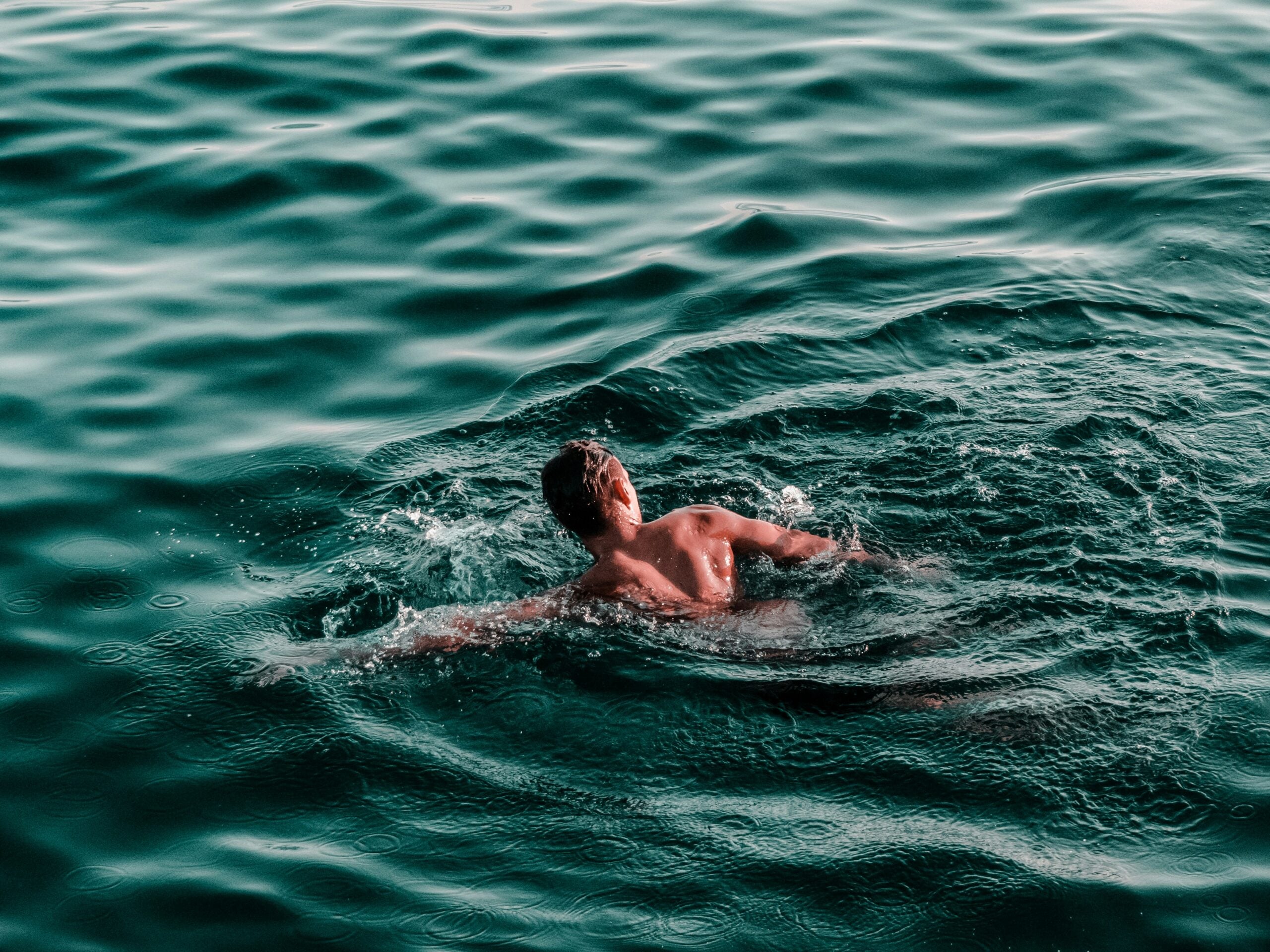
After four failed attempts, Diana Nyad finally completed the 110-mile swim from Cuba to Florida without a shark cage. The journey took 53 hours of continuous swimming through dangerous waters filled with jellyfish and sharks.
She was stung repeatedly by box jellyfish, which can be deadly, but continued anyway. Most people can’t swim for more than an hour without exhaustion setting in.
She became the first person to complete this swim without protection, proving age doesn’t have to mean limitation.
Yuki Kawauchi ran 80 marathons in one year while working full time
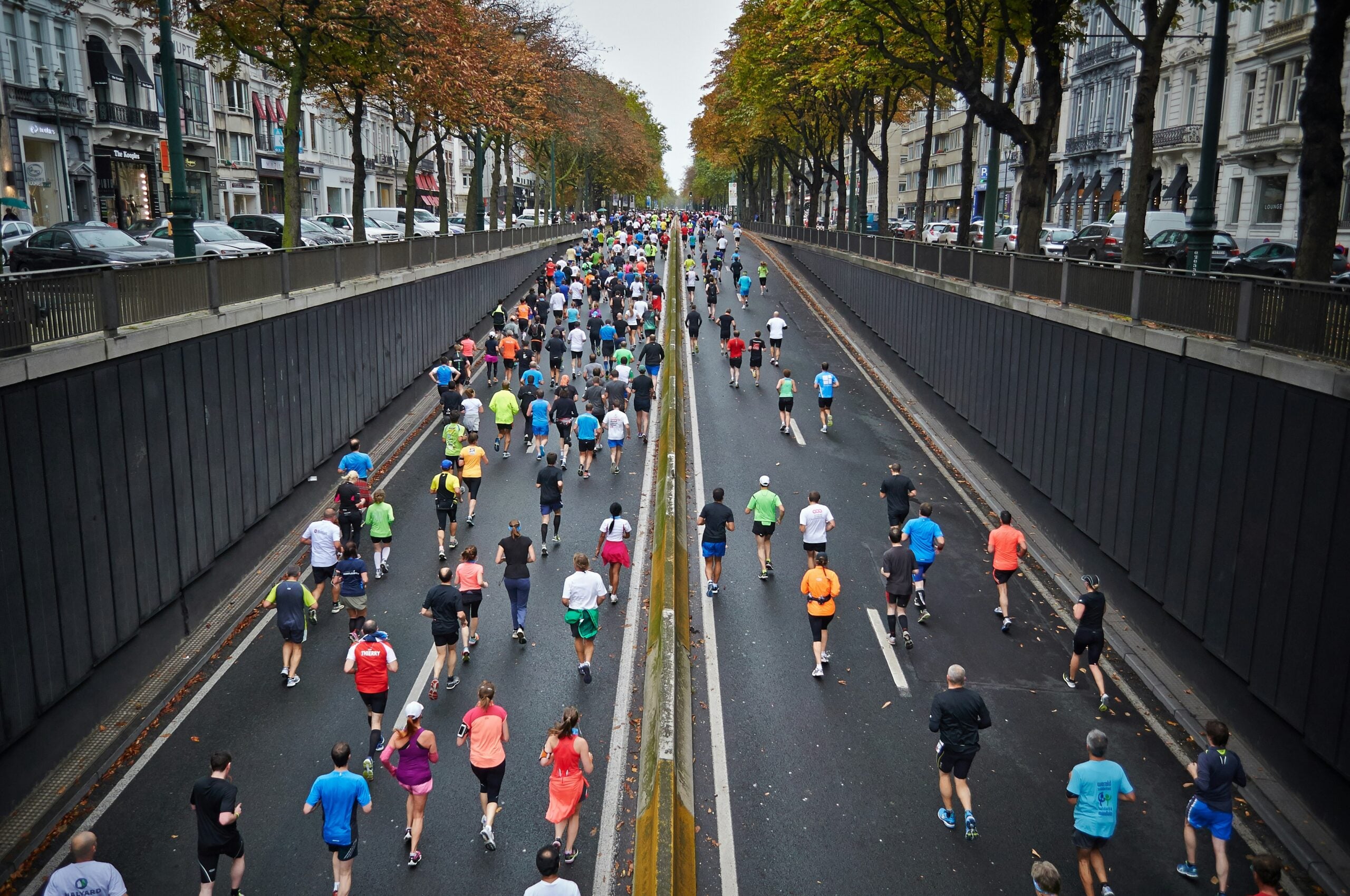
Japanese runner Yuki Kawauchi held down a full-time government job while running approximately 1.5 marathons per week. He won the Boston Marathon in 2018 despite brutal weather conditions that caused many elite runners to drop out.
His training happened before and after work, with races nearly every weekend. Medical experts warned that running this many marathons could cause permanent damage, but his body adapted.
He proved that professional athletic support isn’t necessary for world-class achievement.
Reinhold Messner climbed all 14 peaks over 8,000 meters
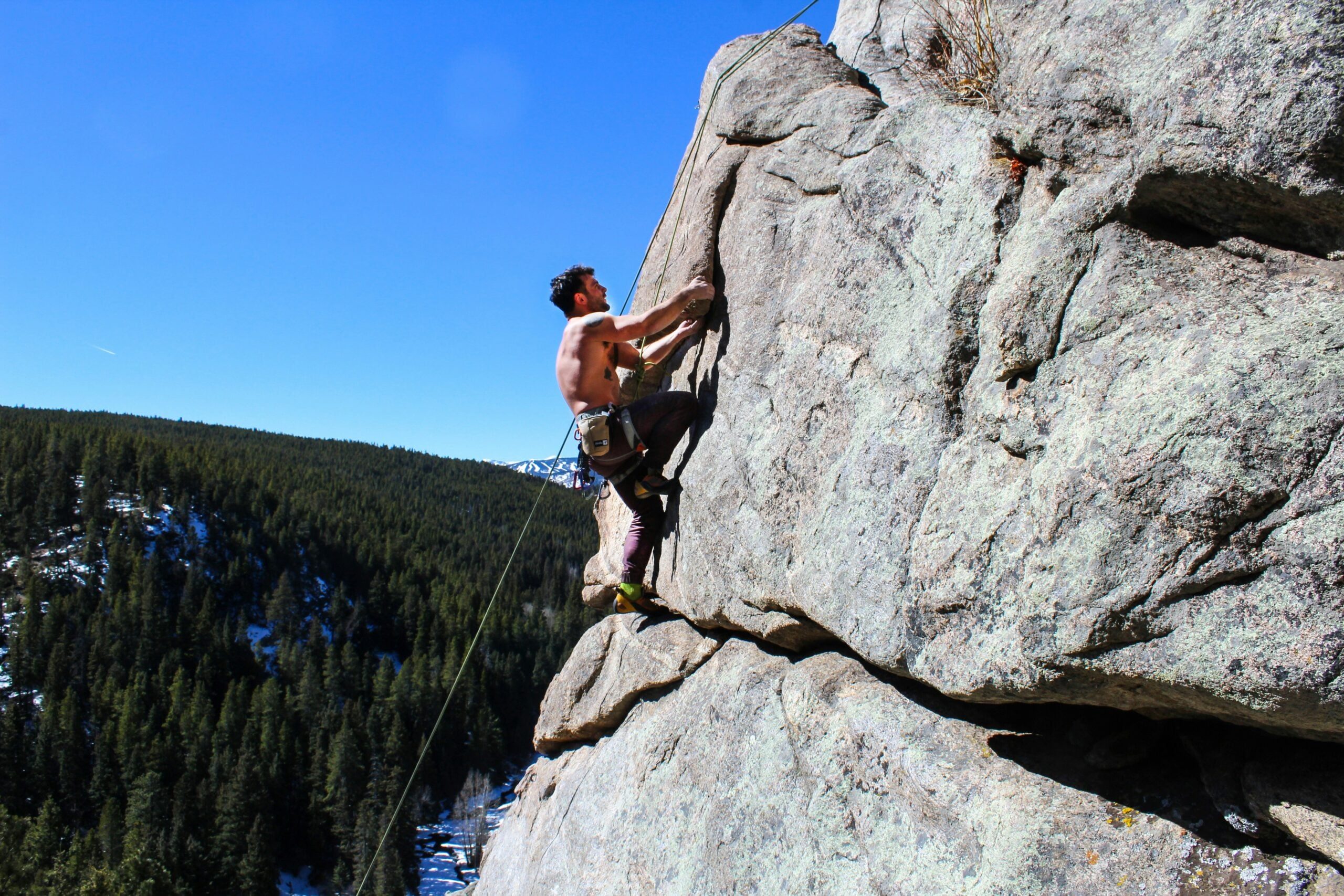
Italian mountaineer Reinhold Messner became the first person to climb all fourteen of the world’s highest mountains, all of them over 8,000 meters. He did this without supplemental oxygen, which most climbers consider essential for survival at extreme altitude.
Many of these peaks had never been climbed without oxygen before his attempts. He lost seven toes to frostbite and his brother died during one expedition, yet he continued.
His achievements required two decades of pushing his body to the edge of what’s survivable.
Like Go2Tutors’s content? Follow us on MSN.
Cameron Hanes runs a marathon every single day

Bowhunter and ultra-runner Cameron Hanes maintains a training schedule that includes running a full marathon distance every day of the year. He does this while also completing heavy weightlifting sessions and preparing for ultra-marathons.
His body has adapted to constant stress through years of gradual increases in training volume. He’s completed 100-mile races multiple times and shows no signs of the injuries that would plague most athletes.
His philosophy centers on never taking rest days because mental toughness requires constant testing.
From extraordinary to everyday inspiration

These record breakers show us that human potential stretches far beyond what most people ever attempt. Their achievements weren’t about superhuman abilities—they came from refusing to accept normal limits.
While most of us won’t climb Everest or swim across oceans, their stories remind us that comfort zones are meant to be challenged. The body can endure almost anything when the mind decides it’s worth the effort.
More from Go2Tutors!

- 16 Historical Figures Who Were Nothing Like You Think
- 12 Things Sold in the 80s That Are Now Illegal
- 15 VHS Tapes That Could Be Worth Thousands
- 17 Historical “What Ifs” That Would Have Changed Everything
- 18 TV Shows That Vanished Without a Finale
Like Go2Tutors’s content? Follow us on MSN.