14 Animals That Survived Mass Extinction Events
Throughout Earth’s turbulent history, our planet has experienced five major mass extinction events that wiped out the majority of living species. While many iconic creatures vanished forever, some remarkable animals managed to weather these apocalyptic storms.
These resilient survivors adapted, evolved, and carried on despite conditions that doomed countless other species. Here is a list of 14 amazing animals that successfully survived when most others could not endure the mass extinction events.
Horseshoe Crabs

Horseshoe crabs have remained virtually unchanged for more than 450 million years, surviving all five major mass extinctions that have rocked our planet. These living fossils predate the dinosaurs by over 200 million years and were already ancient when the first fish with jaws appeared.
Their distinctive horseshoe-shaped shells and primitive immune systems have proven to be remarkably effective survival adaptations through countless global catastrophes. The blue blood of horseshoe crabs contains a substance called LAL that’s still used in modern medicine to test for bacterial contamination.
Nautilus
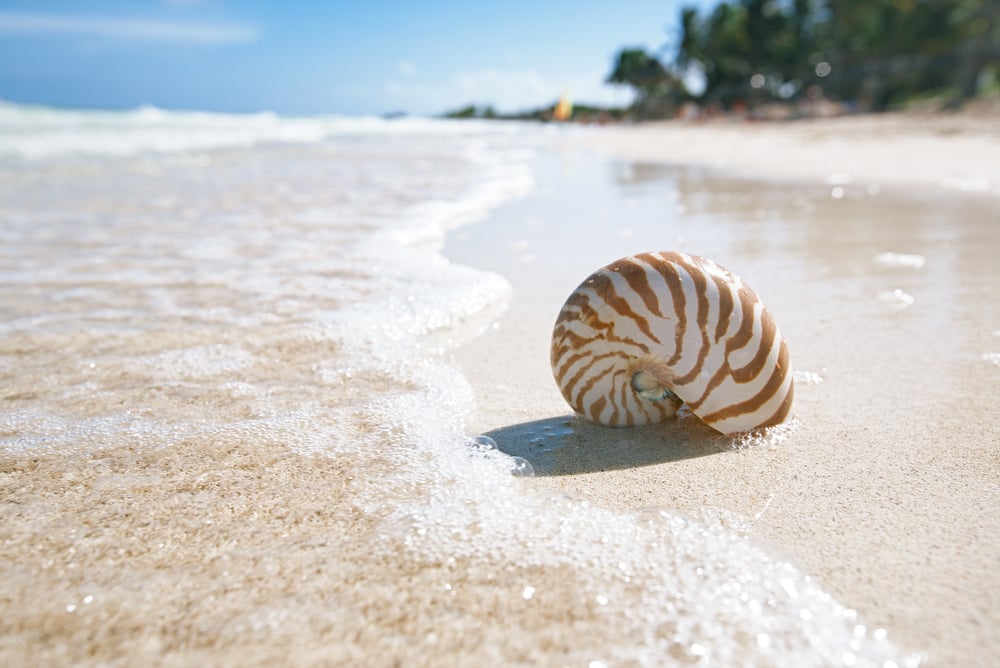
The nautilus has been drifting through Earth’s oceans since before the age of dinosaurs, surviving the Permian-Triassic extinction that wiped out 96% of marine species. With its distinctive spiral shell divided into chambers that control buoyancy, this cephalopod cousin of squid and octopus has remained largely unchanged for nearly 500 million years.
Nautiluses typically live at depths between 1,000 and 2,000 feet during the day, and rise to about 300 feet at night to feed—a behavior pattern that may have helped them survive when more surface-dwelling creatures perished. Their extraordinary longevity as a species has earned them the nickname ‘living fossils’ among scientists.
Tardigrades

Tardigrades, often called water bears or moss piglets, are microscopic animals renowned for their incredible survival abilities through multiple extinction events. These tiny eight-legged creatures can survive being frozen, boiled, crushed, dried out, and even exposed to the vacuum of space through an incredible ability called cryptobiosis—essentially suspending their metabolism almost completely.
Some species can survive in this state for several decades, awakening when conditions improve. Their extreme resilience likely helped them survive the catastrophic conditions of mass extinctions that killed off most other animals.
Leatherback Sea Turtles
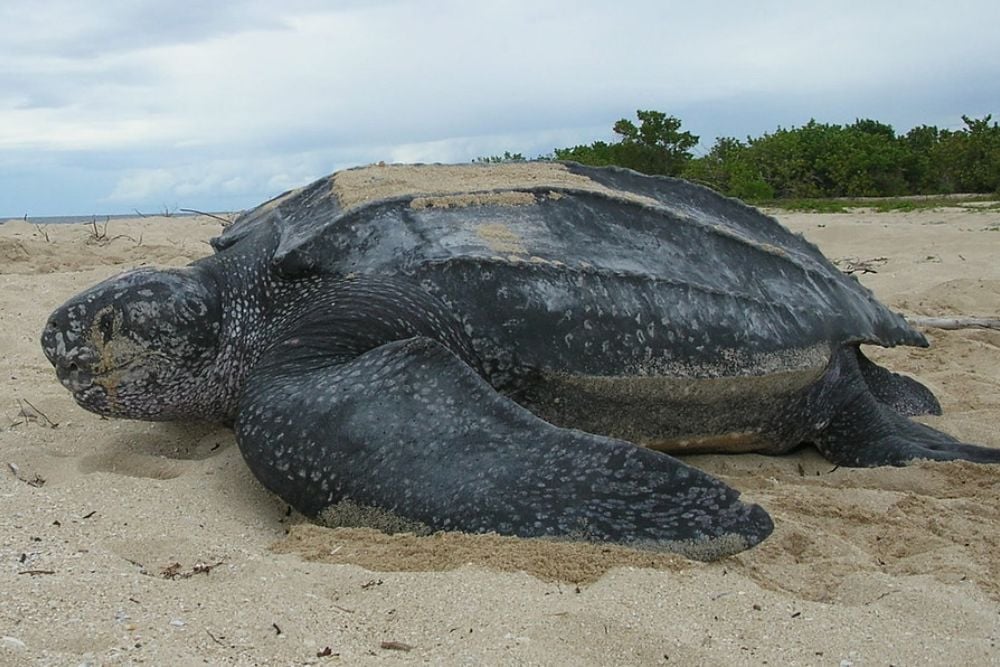
The ancestors of modern leatherback sea turtles survived the Cretaceous-Paleogene extinction event that killed the dinosaurs 66 million years ago. Unlike other sea turtles, leatherbacks don’t have a hard shell but rather a leathery skin over a matrix of tiny bone plates, an adaptation that’s served them well for over 100 million years.
They can dive deeper than any other turtle species—up to 4,000 feet—and maintain warm body temperatures in frigid waters thanks to their large size and special blood vessel arrangements. These adaptations may have helped them survive the asteroid impact that caused massive climate disruption and killed off so many other reptiles.
Crocodilians
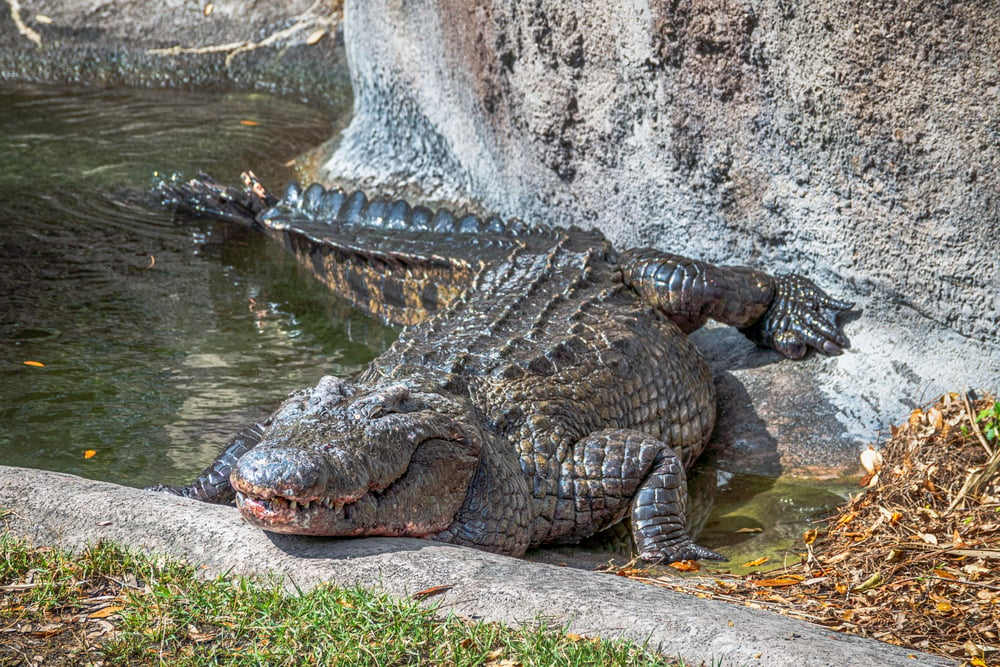
Crocodiles, alligators, and their relatives have been around for about 200 million years, surviving the extinction event that killed the dinosaurs despite being large predatory reptiles themselves. Their semi-aquatic lifestyle, powerful bodies, and impressive stamina helped them weather planetary disasters that eliminated most large land animals.
Crocodilians can survive long periods without food, dive for up to an hour underwater, and their armored bodies provide protection in harsh environments. These adaptations, coupled with their ability to live in swamps and rivers that may have served as refuge habitats, helped ensure their survival while other reptiles disappeared.
Opossums
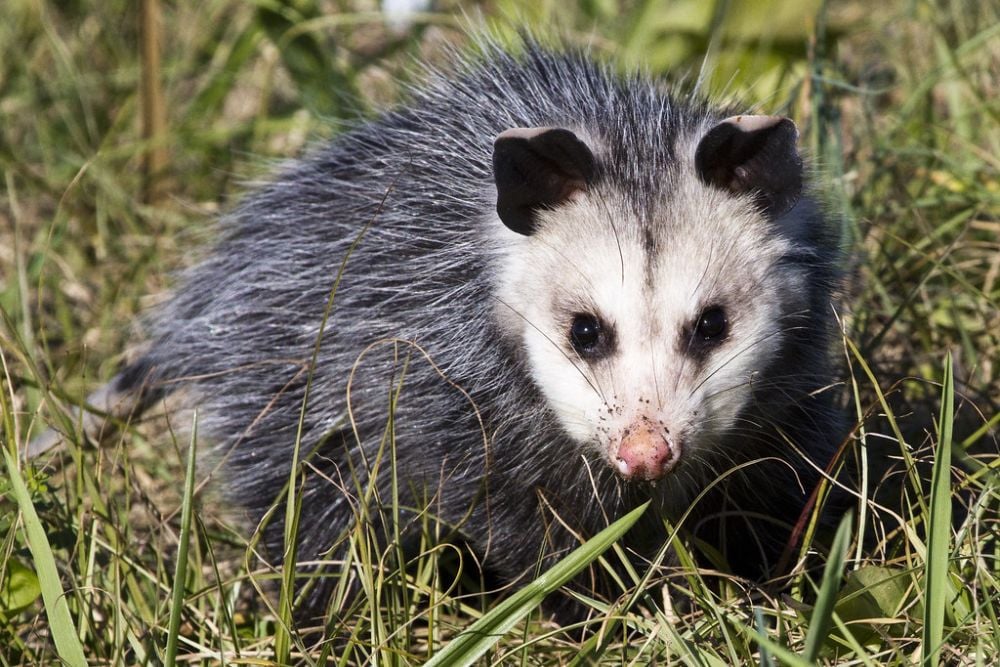
The humble opossum belongs to one of Earth’s oldest surviving mammal lineages, with fossil evidence showing opossum-like ancestors survived the mass extinction that killed the dinosaurs. These adaptable marsupials evolved in the late Cretaceous period and managed to survive the asteroid impact and its aftermath when many other mammals perished.
Opossums are famous for their ability to eat almost anything, reproduce quickly, and play dead when threatened—simple but effective survival strategies that have stood the test of time. Their adaptability and omnivorous diet likely helped them find food when more specialized species starved.
Brachiopods
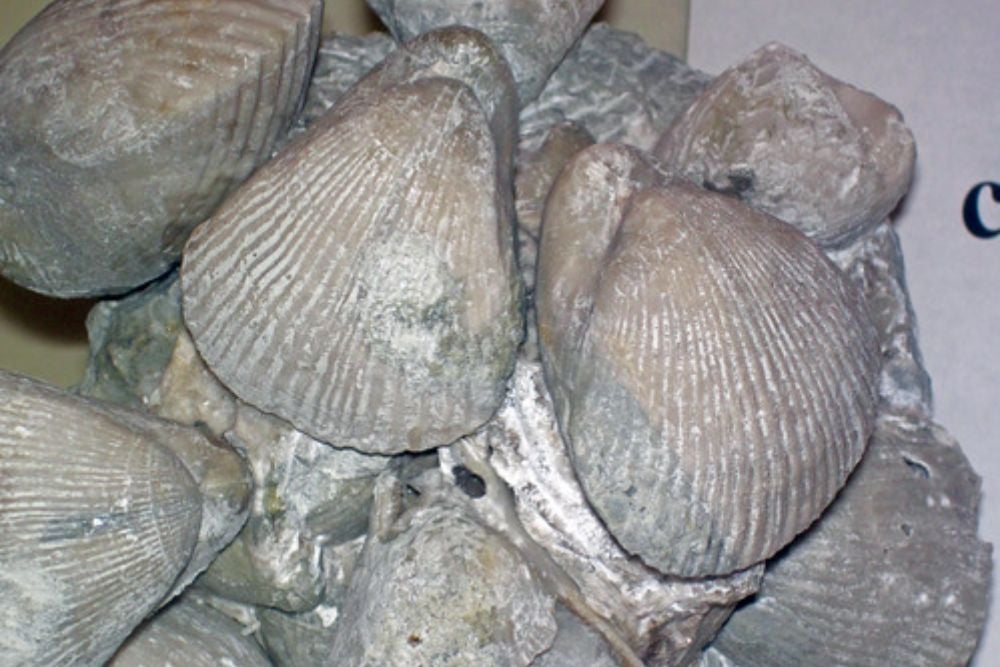
These marine shellfish first appeared over 500 million years ago and managed to survive all five major mass extinctions. Brachiopods look somewhat like clams but are actually a completely different type of animal with a unique internal anatomy and feeding structure.
While they were once among the most abundant and diverse marine animals on Earth, with thousands of species, today only about 450 species remain. Their ability to attach firmly to seafloor rocks and filter feed may have helped some species survive when more mobile or specialized creatures died out during extinction events.
Tuatara
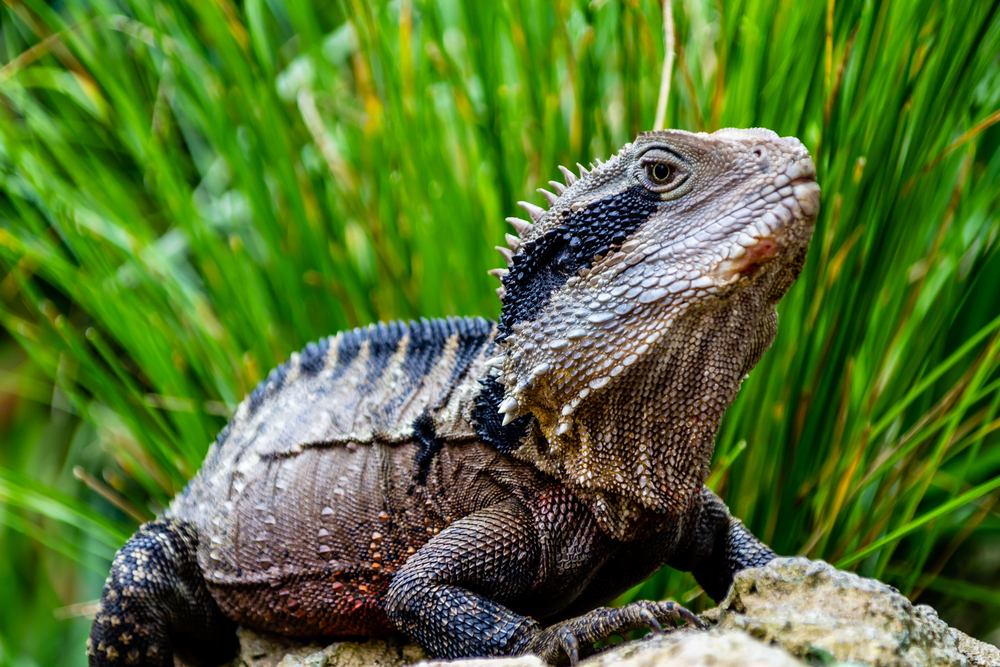
The tuatara of New Zealand looks like an ordinary lizard but is the last surviving member of an entire order of reptiles called Rhynchocephalia that thrived during the age of dinosaurs. These living fossils have remained largely unchanged for about 200 million years, surviving the Cretaceous-Paleogene extinction that wiped out the dinosaurs.
Tuataras possess several unique features, including a primitive third eye on top of their head (covered by scales in adults) and teeth fused directly to their jawbone instead of sitting in sockets. Their slow metabolism allows them to thrive in cool temperatures and live extraordinarily long lives, with some individuals reaching ages of over 100 years.
Platypus
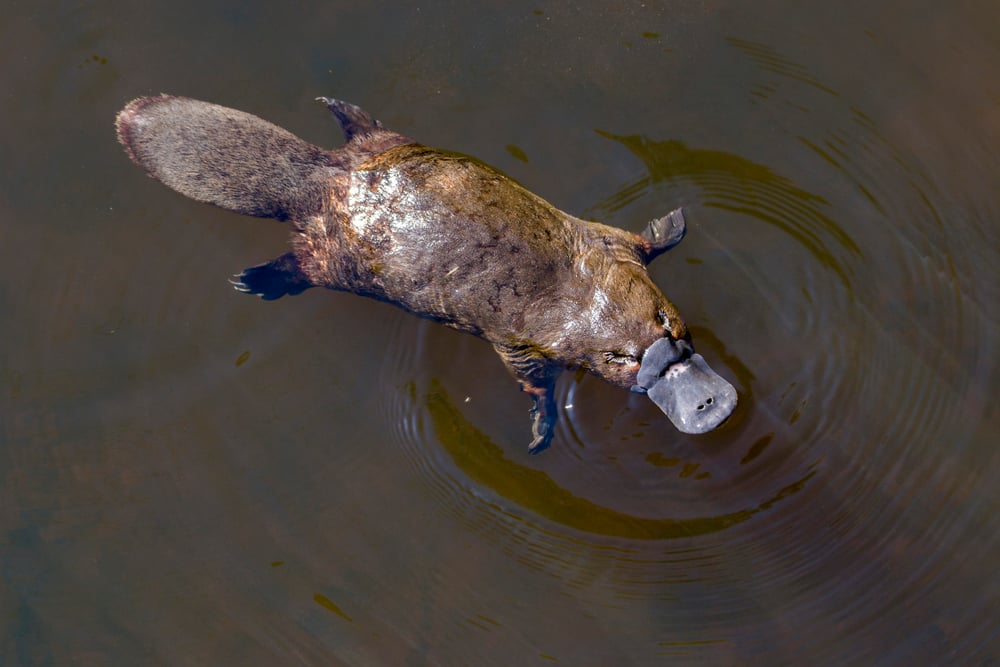
The duck-billed platypus belongs to an ancient mammal lineage that split from other mammals around 166 million years ago and lived through the asteroid impact that wiped out the dinosaurs. These bizarre creatures lay eggs like reptiles yet produce milk for their young, represent one of the world’s few venomous mammals, and use electroreception to locate prey underwater with their eyes closed.
Platypuses and their close relatives, echidnas, are the only surviving members of the monotreme order, an early branch in mammalian evolution that retained reptilian characteristics while developing mammalian traits. Their survival through the K-Pg extinction event that eliminated 75% of species on Earth demonstrates exceptional evolutionary resilience.
Velvet Worms
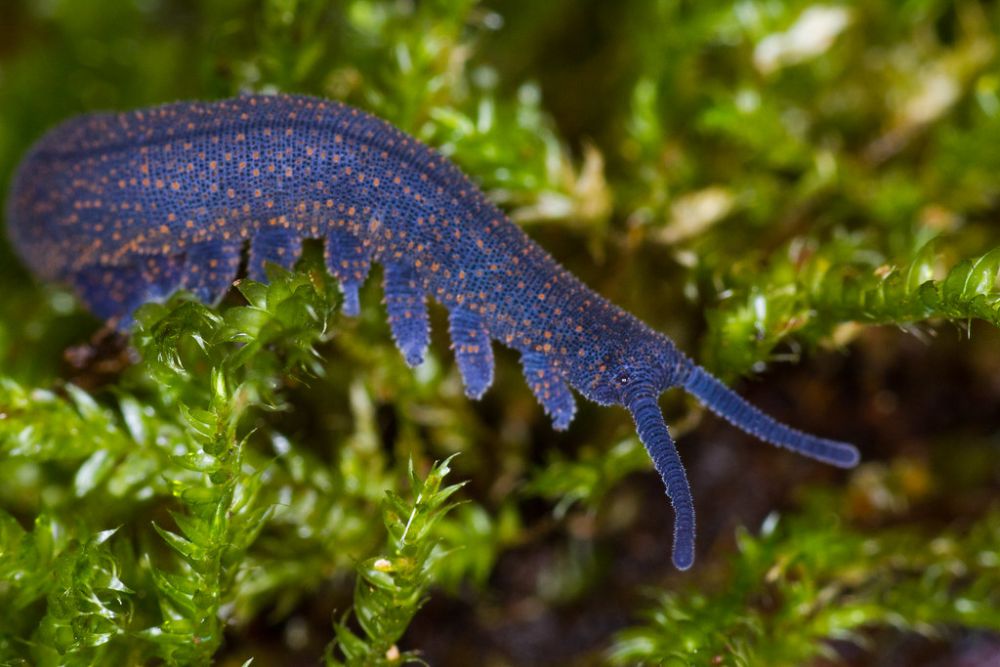
With soft, velvety bodies, multiple pairs of stubby legs, and the ability to shoot sticky slime at prey, velvet worms look like creatures from another planet. These strange invertebrates have been around for at least 500 million years, surviving all five major mass extinctions that have occurred since the Cambrian period.
Velvet worms represent an important evolutionary link between arthropods (like insects and spiders) and annelids (like earthworms), preserving characteristics of some of the earliest land-dwelling animals. Their preference for dark, humid habitats in tropical and southern temperate forests may have helped shield them from the worst effects of extinction events.
Lamprey
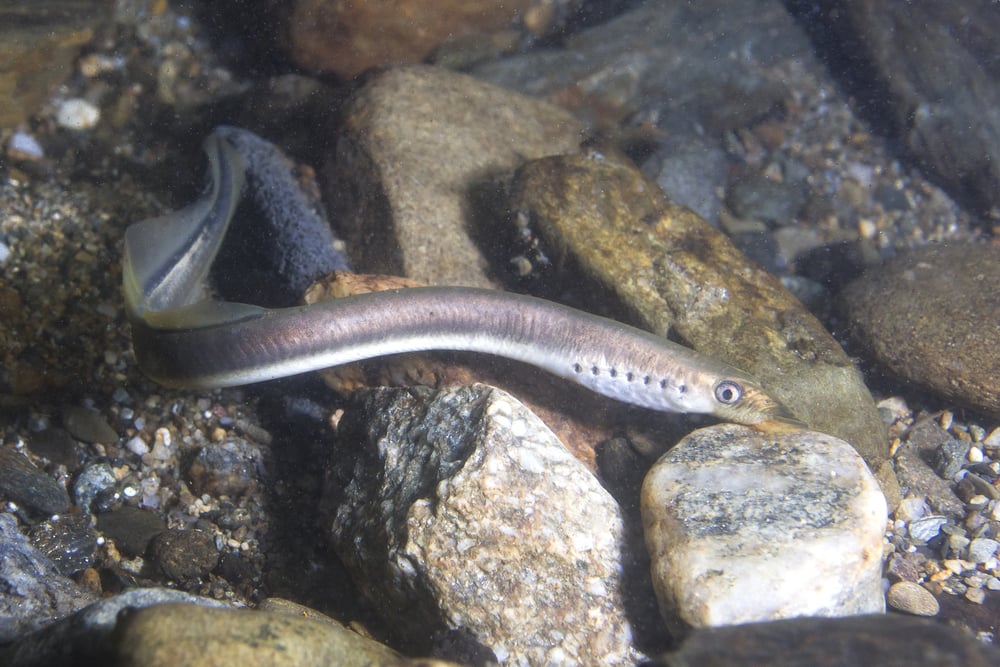
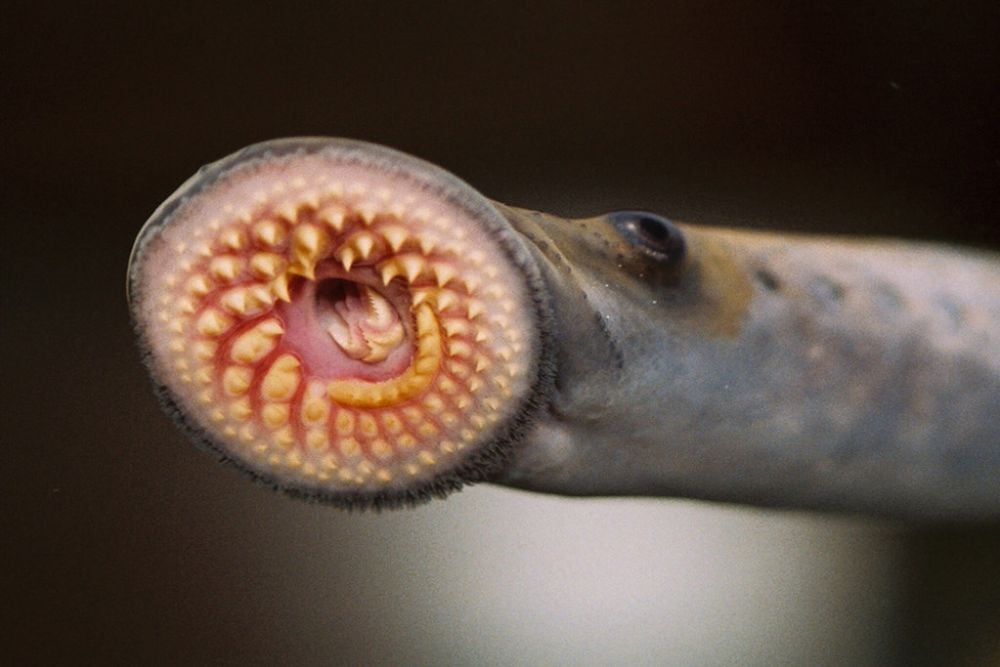
Lampreys are jawless, eel-like creatures that have been swimming in Earth’s waters for over 360 million years, surviving multiple mass extinctions with their body plan essentially unchanged. These strange fish have circular, tooth-lined mouths that they use to attach to other fish and feed on their blood, a parasitic lifestyle that has served them well through hundreds of millions of years.
Lacking jaws, scales, and paired fins, lampreys represent one of the most primitive vertebrate groups still living today. Their simple yet effective design and ability to thrive in various aquatic environments helped them survive when countless other aquatic species disappeared.
Chickens and Other Birds
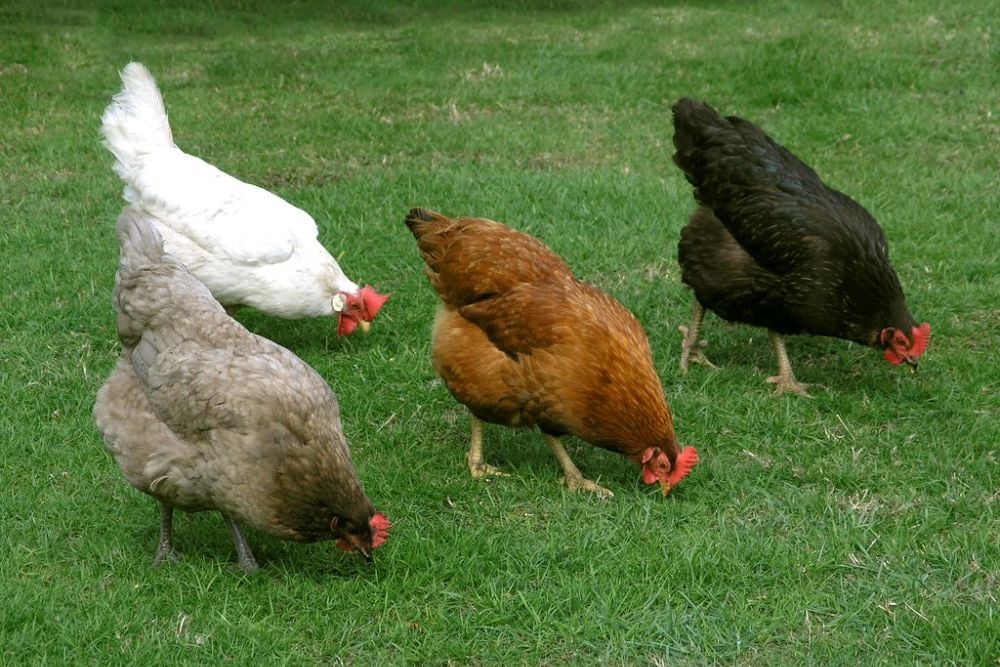
Modern birds are the direct descendants of dinosaurs that survived the Cretaceous-Paleogene extinction event 66 million years ago. Fossil evidence suggests that ground-dwelling, omnivorous birds similar to today’s chickens were among the few dinosaur lineages that made it through this catastrophic period.
Their relatively small size, ability to scratch for seeds and insects, and adaptable diet likely helped them survive when larger, more specialized dinosaurs perished. Every chicken, penguin, and eagle alive today represents an unbroken evolutionary line stretching back to the few dinosaur species resilient enough to weather a global catastrophe.
Sturgeon
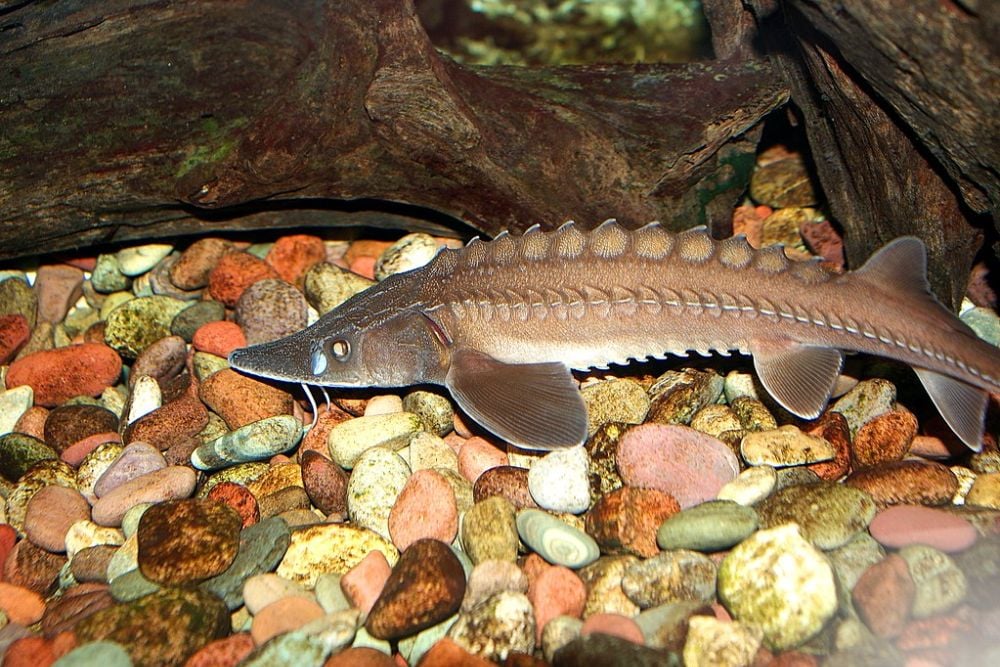
Sturgeon have been swimming in Earth’s waters for more than 200 million years, surviving the mass extinction event that wiped out most dinosaurs. These large, armored fish with shark-like tails and rows of bony plates instead of scales have changed little over millions of years.
Sturgeon are exceptionally long-lived, with some individuals reaching ages of over 100 years and weights exceeding 1,000 pounds. Unfortunately, despite surviving multiple mass extinctions, many sturgeon species now face extinction due to human activities like overfishing, habitat destruction, and pollution.
Crinoids
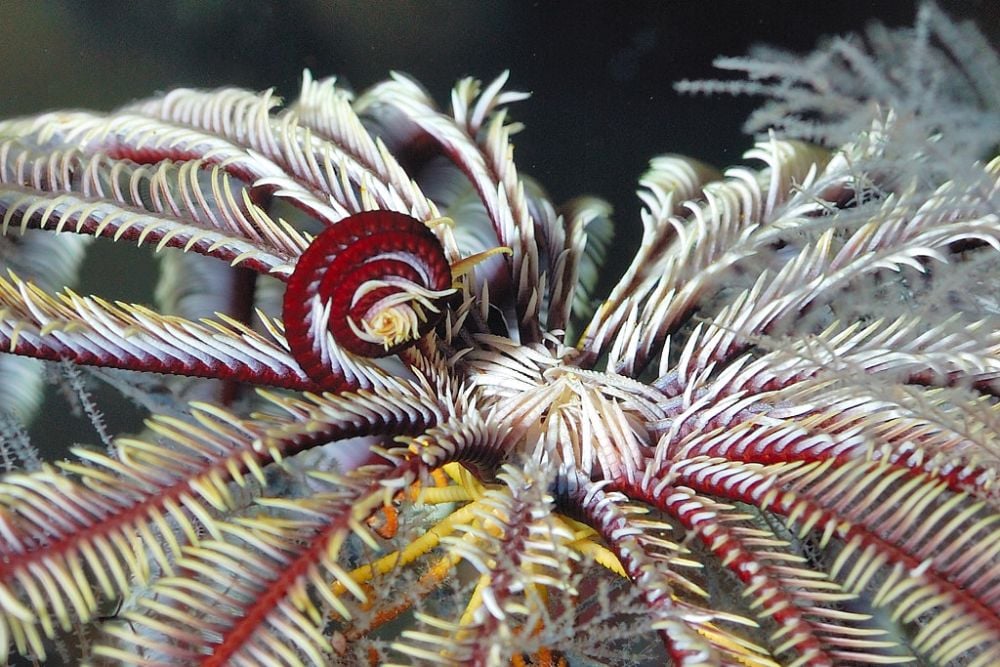
Often called sea lilies or feather stars, crinoids are marine animals related to starfish and sea urchins that have existed for at least 480 million years. These flower-like creatures with feathery arms survived all five major mass extinctions despite significant losses in species diversity.
Modern crinoids look remarkably similar to their ancient ancestors, with a cup-shaped body containing their vital organs and multiple feathery arms used for capturing food particles from the water. While many ancient crinoids were attached to the seafloor by stalks, most modern species can move freely, an adaptation that may have contributed to their survival through multiple planetary disasters.
Nature’s Greatest Survivors
These resilient creatures represent some of nature’s greatest success stories, witnessing the rise and fall of countless species while somehow finding ways to endure. They survived asteroid impacts, massive volcanic eruptions, rapid climate shifts, and dramatic changes in Earth’s atmosphere that wiped out most of their contemporaries.
Many of these living fossils now face their greatest challenge yet—human activity threatens species that weathered all of Earth’s natural catastrophes. Their extraordinary ability to persist through five mass extinctions makes their current decline especially concerning. By studying and protecting these incredible survivors, we gain not just scientific knowledge but a deeper appreciation for life’s remarkable tenacity in the face of planetary upheaval.
More from Go2Tutors!

- The Romanov Crown Jewels and Their Tragic Fate
- 13 Historical Mysteries That Science Still Can’t Solve
- Famous Hoaxes That Fooled the World for Years
- 15 Child Stars with Tragic Adult Lives
- 16 Famous Jewelry Pieces in History
Like Go2Tutors’s content? Follow us on MSN.