Royal feuds that rewrote history
When kings and queens clash, it’s rarely just a family issue—it often shapes the world around them. Some of history’s biggest changes started because two royals just couldn’t get along.
Here are some royal feuds that didn’t just make headlines—they helped rewrite the story of entire nations.
Henry II vs. Thomas Becket
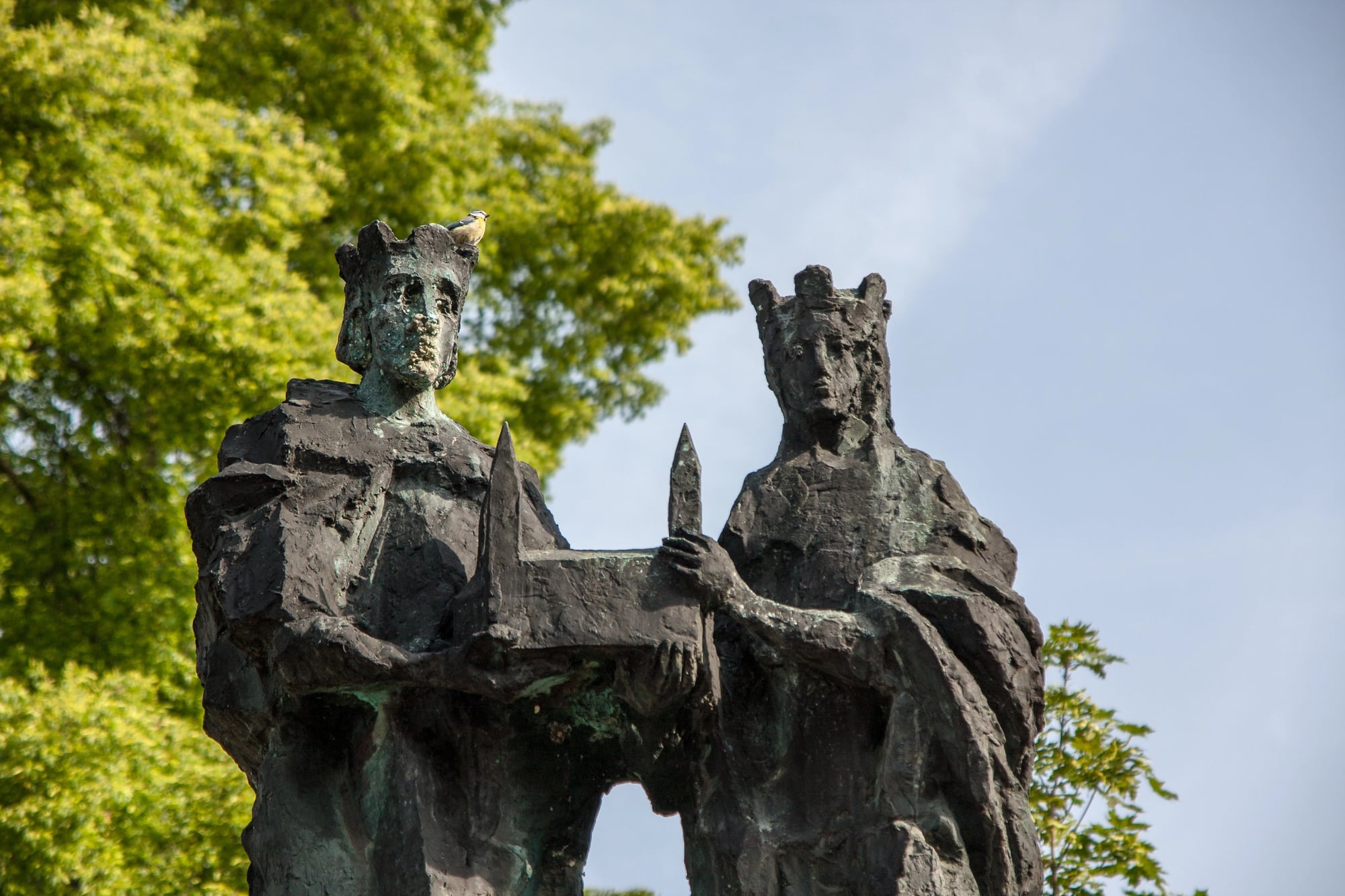
This feud between a king and his archbishop turned deadly. Henry II wanted more control over the church in England.
Thomas Becket, once his friend, stood in the way. After years of tension, four knights took the king’s angry words too seriously and killed Becket inside a church.
It caused a public outcry and forced Henry to back down.
Elizabeth I vs. Mary, Queen of Scots

Cousins by blood, enemies by politics. Elizabeth ruled England while Mary had a claim to her throne.
Mary fled Scotland and sought Elizabeth’s help—but was instead locked up for nearly 20 years. Eventually, Elizabeth ordered her execution.
It removed a threat but made enemies across Europe.
Like Go2Tutors’s content? Follow us on MSN.
Richard the Lionheart vs. King John
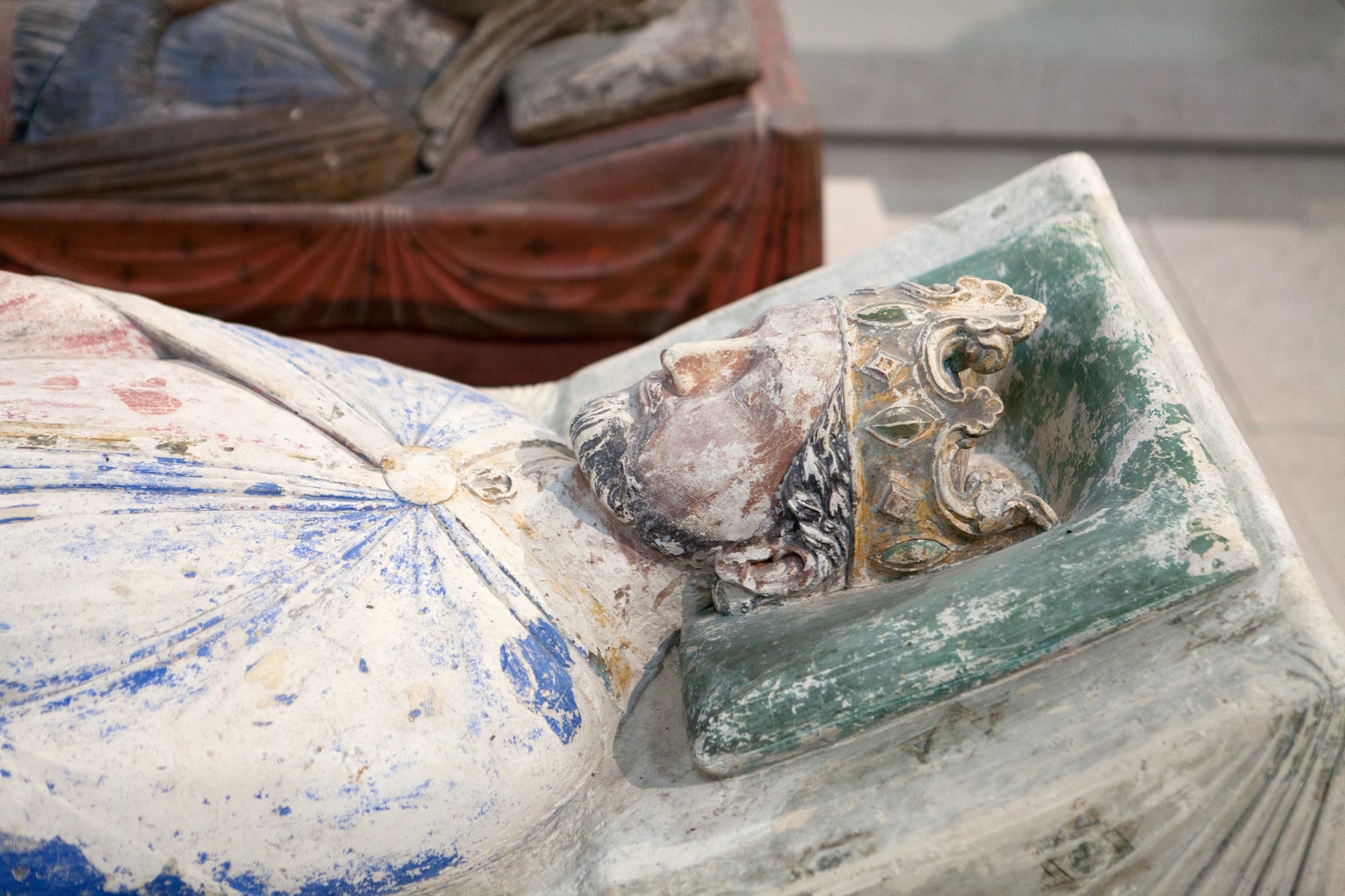
These brothers couldn’t have been more different. Richard was the warrior king, always off fighting.
John stayed behind and built resentment. After Richard’s death, John took the throne, but his poor leadership led to rebellion and the Magna Carta.
Their rivalry showed how a family fight can shape the law.
Louis XIV vs. the nobles of France

Louis XIV didn’t trust the French nobility. They had rebelled when he was a child, and he never forgot it.
Once king, he weakened their power by making them live at Versailles under his eye. He turned court life into a daily performance.
The feud gave France a strong central government, but also planted seeds of future unrest.
Peter the Great vs. his son Alexei
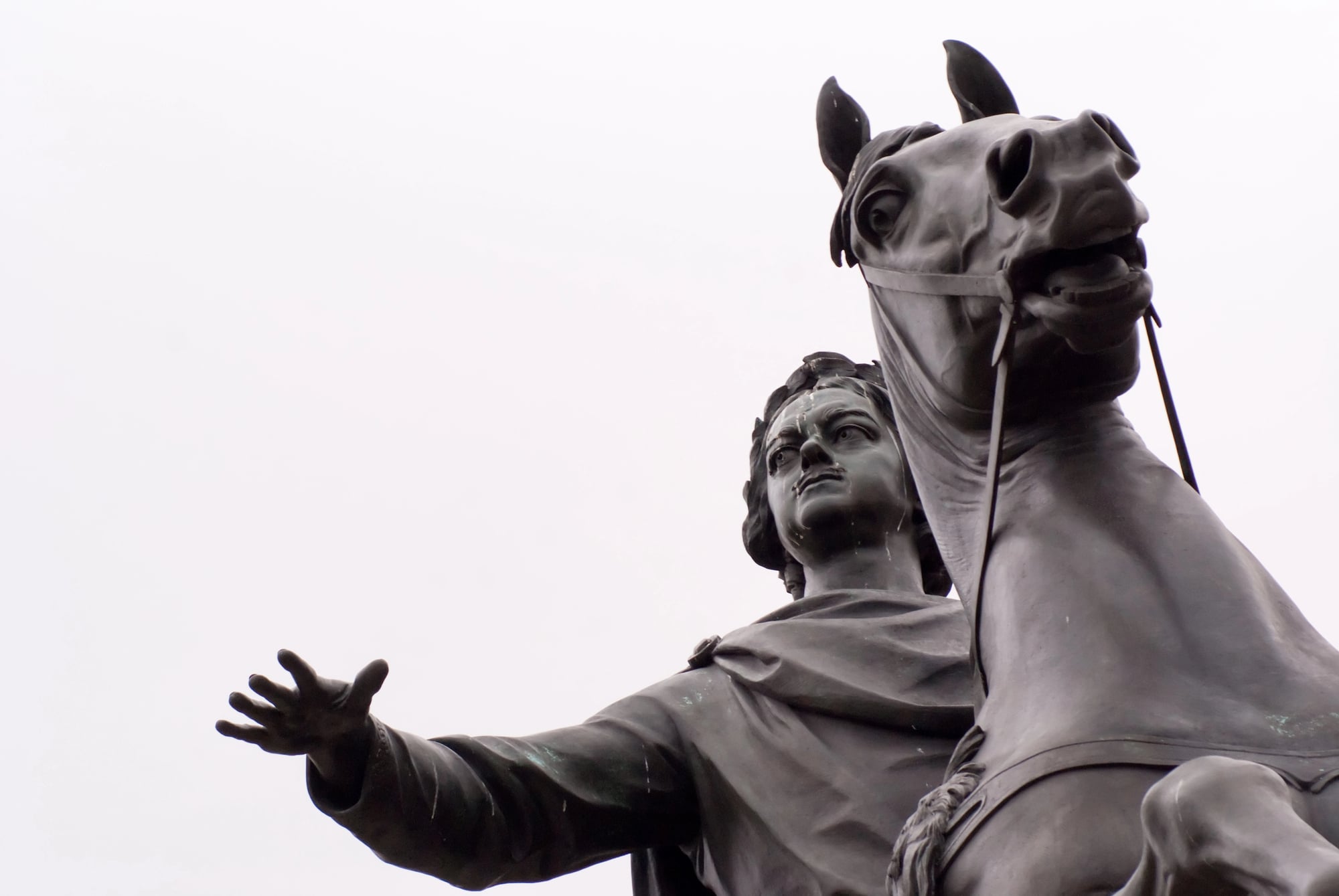
Peter was all about modernizing Russia. His son, Alexei, hated everything about it.
Their relationship was cold, tense, and full of fear. Alexei tried to escape but was dragged back and died after being tortured.
Peter may have built a new Russia, but it cost him his heir.
Like Go2Tutors’s content? Follow us on MSN.
Catherine de’ Medici vs. the Huguenots
DepositPhotos
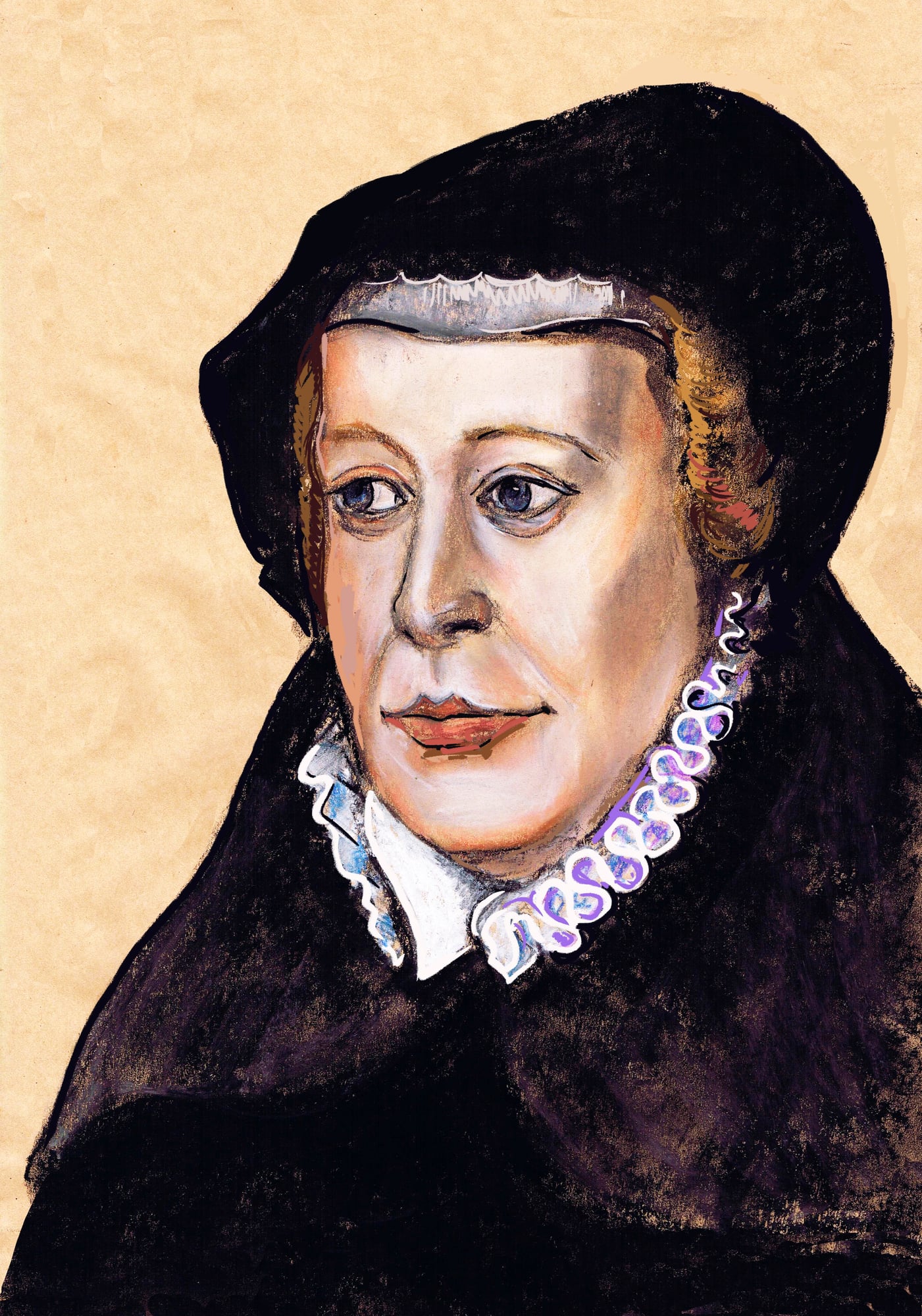
Catherine ruled France during a time of deep religious conflict. As a Catholic queen, she clashed hard with the Protestant Huguenots.
Her feud with them led to the St. Bartholomew’s Day Massacre—thousands were killed in one night. It left deep scars across the country for generations.
Edward IV vs. the Earl of Warwick

DepositPhotos
The Earl of Warwick helped Edward become king, but they didn’t stay allies for long. Warwick wanted more power than Edward would allow.
So he switched sides and tried to put a different king on the throne. It led to years of fighting during the Wars of the Roses.
Loyalty meant nothing once ambition got in the way.
Queen Victoria vs. her son Edward VII

Victoria didn’t think much of her son. She blamed him for his father’s early death and often treated him like a failure.
Edward had to wait longer than any British heir before becoming king. Their strained bond affected the royal household and politics for decades.
When Victoria finally died, Edward ruled in a very different style.
Like Go2Tutors’s content? Follow us on MSN.
James II vs. Parliament

James II tried to bring Catholicism back to Protestant England. Parliament wasn’t having it.
Their struggle ended with the “Glorious Revolution,” where James fled the country and Parliament brought in a new king and queen. It was a royal feud with almost no bloodshed—but huge consequences.
It helped give Parliament more power than ever before.
Napoleon vs. the Bourbon monarchy

Napoleon overthrew the French monarchy and took over as emperor. When he fell, the Bourbons returned—but the feud didn’t die.
Napoleon came back for one last shot during the “Hundred Days.” After losing at Waterloo, the monarchy returned again, but France was never the same.
The back-and-forth broke royal power for good.
Isabella I vs. Joanna of Castile

Isabella ruled Castile, but her daughter Joanna had a claim too. Joanna’s mental health was questioned, and many say Isabella kept her from ruling to protect her legacy.
Even after Isabella died, Joanna was locked away. The fight over power led Spain toward central rule under the Habsburgs.
Like Go2Tutors’s content? Follow us on MSN.
Frederick the Great vs. his father
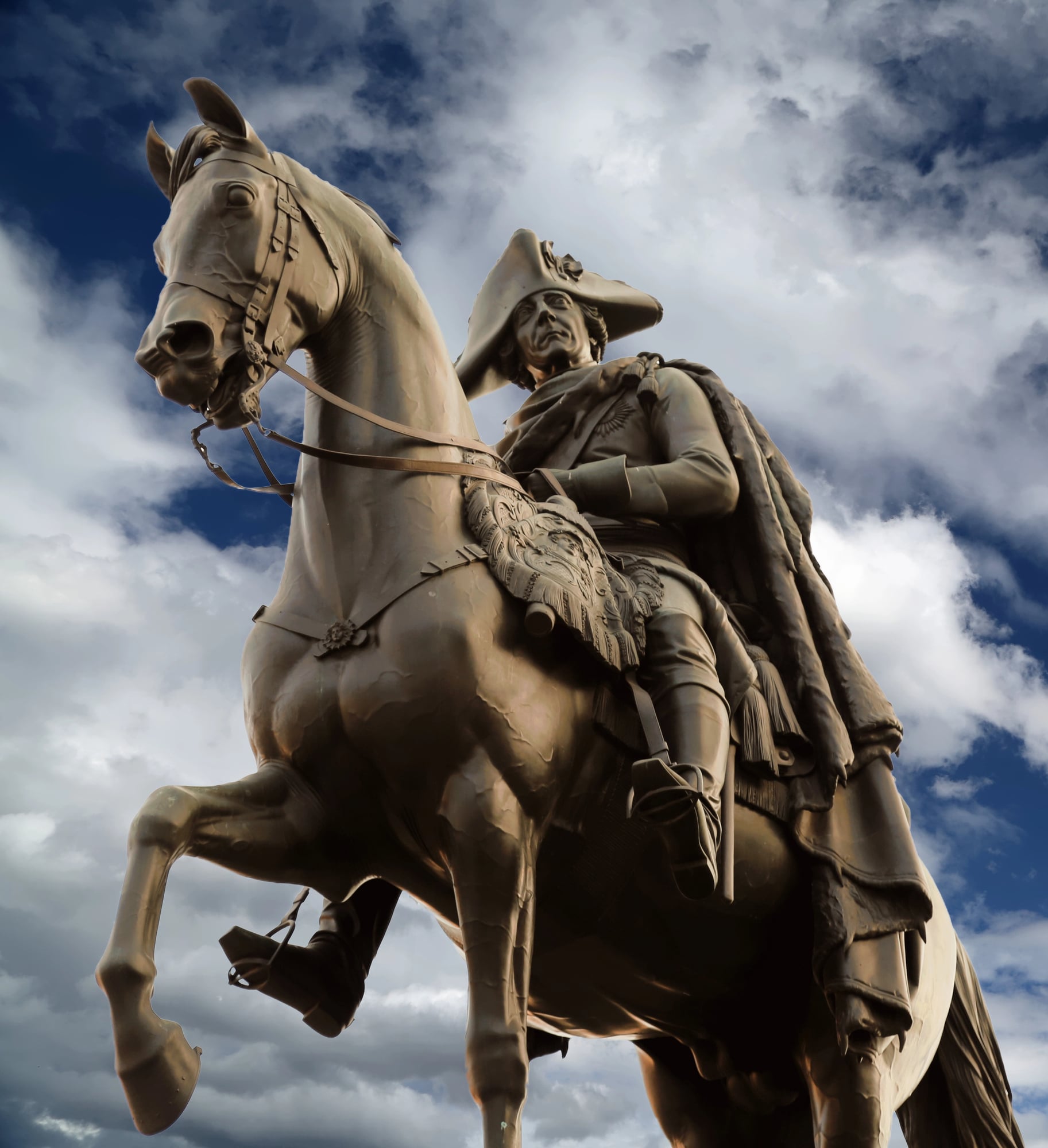
Frederick’s father was harsh and expected him to be a soldier. Frederick wanted to play music and read philosophy.
Their conflict was intense. At one point, the father even made Frederick watch his friend’s execution.
Later, Frederick became a tough but smart ruler—shaped by years of pressure.
Maria Theresa vs. Frederick the Great

Two strong rulers, one disputed throne. When Maria Theresa took power in Austria, Frederick grabbed land and started a war.
They battled on and off for decades in the War of Austrian Succession and the Seven Years’ War. It was about more than borders—it was a clash of ambition.
Their fight changed the map of Europe.
Charles I vs. Oliver Cromwell

Charles I believed in royal power. Parliament and Cromwell didn’t.
Civil war broke out, and Charles lost. He was tried and executed—unheard of for a king.
The monarchy was removed for a time, and it showed that even kings had limits.
Like Go2Tutors’s content? Follow us on MSN.
Anne Boleyn vs. Catherine of Aragon
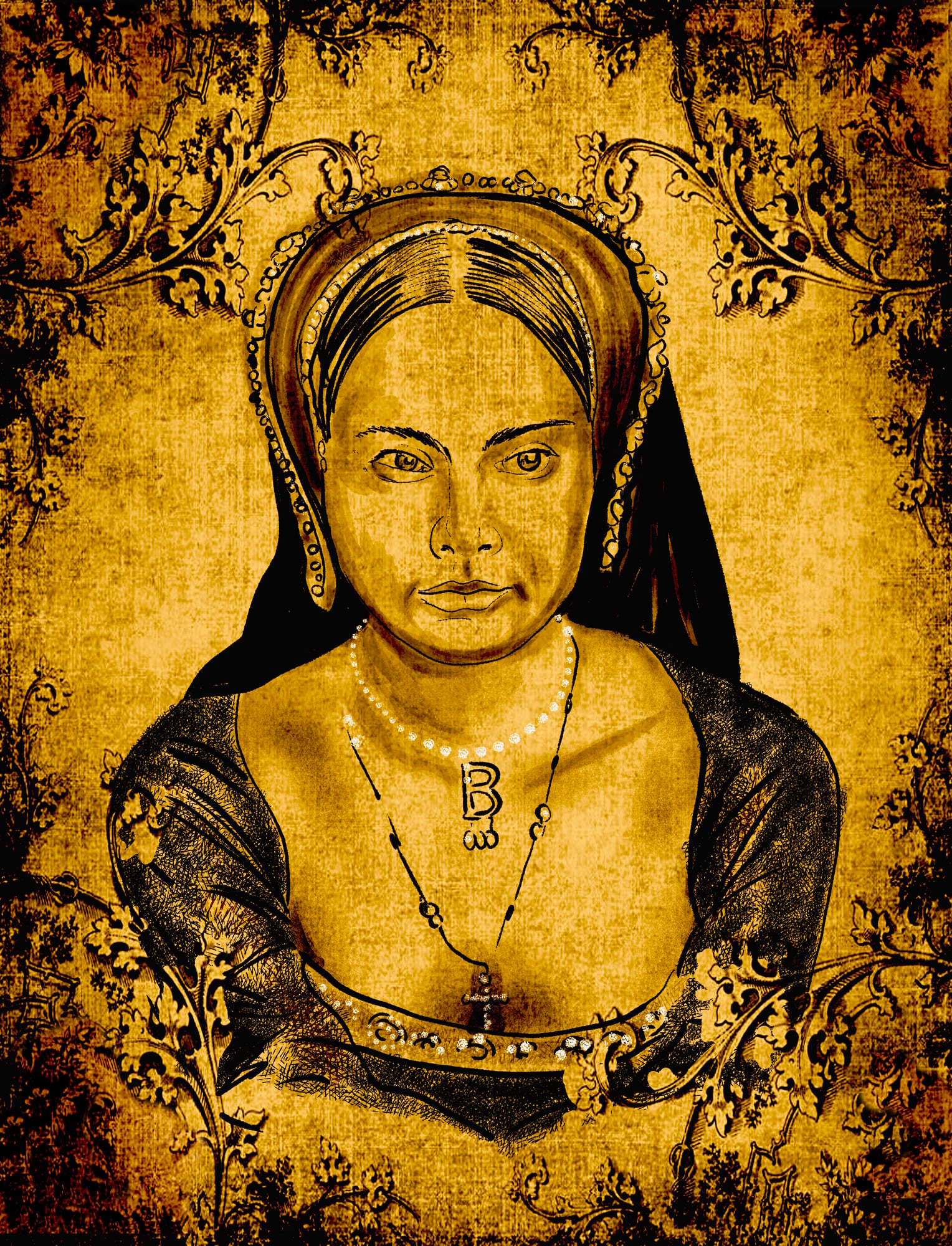
Henry VIII’s two wives never had a chance to get along. Catherine was the queen; Anne was the rising favorite.
Their rivalry split the country, ended Henry’s marriage, and led to the English Reformation. One feud led to the creation of an entirely new church.
Anne won the crown—but lost her head.
Queen Anne vs. Sarah Churchill

They started as best friends. Sarah Churchill, Duchess of Marlborough, was Queen Anne’s closest advisor.
But Sarah’s pushy style wore Anne down. Their friendship fell apart, and politics shifted fast.
The fallout changed court alliances and helped end the power of the Whigs.
Wilhelm II vs. the British royals

Kaiser Wilhelm II of Germany was the grandson of Queen Victoria. He admired Britain but also wanted to outshine it.
His actions helped spark World War I, putting family members on opposite sides. His rivalry with Britain didn’t just damage relations—it helped tear Europe apart.
Like Go2Tutors’s content? Follow us on MSN.
Feuds that changed more than family ties

These weren’t just personal disagreements. Every one of these royal clashes had real-world effects—on laws, wars, religion, and entire countries.
Behind the crowns and castles were deep rivalries that helped shape the modern world. Power always comes with pressure, and when family is involved, the stakes get even higher.
History looks different when seen through the lens of royal fights that never stayed private.
More from Go2Tutors!

- 16 Historical Figures Who Were Nothing Like You Think
- 12 Things Sold in the 80s That Are Now Illegal
- 15 VHS Tapes That Could Be Worth Thousands
- 17 Historical “What Ifs” That Would Have Changed Everything
- 18 TV Shows That Vanished Without a Finale
Like Go2Tutors’s content? Follow us on MSN.