Safest Countries to Be in If a World War Breaks Out
Nobody wants to think seriously about this. But geopolitical analysts, emergency planners, and a growing number of ordinary people have started asking the question: if the world’s major powers went to war again, where would be the safest place to be?
The answer isn’t as simple as picking somewhere remote. Safety in a major conflict depends on a combination of geography, political neutrality, food and water independence, military alliances — or the deliberate absence of them — and the degree to which a country can function without relying on global supply chains that would fracture within weeks of a serious conflict beginning.
New Zealand
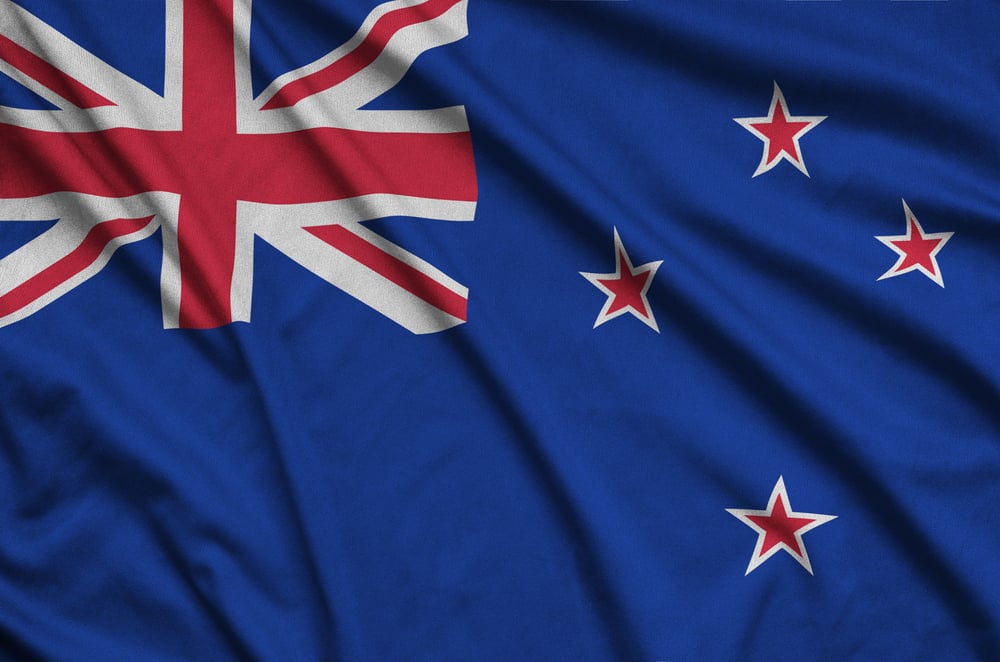
New Zealand appears near the top of almost every analyst’s list, and the reasons are straightforward. It sits at the bottom of the Pacific, far from every major military power, with no territorial disputes, no history of military aggression, and no strategic resources that would make it a target.
The country produces far more food than its population of five million requires, has clean fresh water in abundance, and generates a significant portion of its electricity from renewable sources. Its isolation — which is sometimes a disadvantage in peacetime — becomes a profound strategic asset in wartime.
Getting to New Zealand from a conflict zone is difficult. Getting to New Zealand with a hostile military force would be extraordinarily costly for any conceivable aggressor.
Iceland

Iceland has no standing army. It has a coast guard, a small police force, and a defence agreement with NATO — but no military forces of its own to speak of. Its strategic position in the North Atlantic has made it geopolitically interesting, particularly for submarine warfare considerations, but it has no land borders, no territorial conflicts, and a population of under 400,000 spread across a remote volcanic island.
Geothermal energy provides most of its electricity and heating. The fishing industry means food from the sea is never far away.
Iceland has stayed out of every major conflict in modern history despite being technically inside the NATO alliance, and its remoteness makes it a difficult target for anything short of a very deliberate decision to strike it.
Switzerland

Switzerland’s neutrality is not accidental — it’s constitutional, centuries old, and built into the country’s international legal status. Switzerland has not participated in a foreign war since 1815.
It maintains a militia-based military for defensive purposes, has an extensive network of civilian nuclear bunkers (enough for the entire population), stores national food reserves by law, and sits in the middle of Europe without belonging to any military alliance. Its financial importance means that destroying it would harm almost every major power simultaneously, which is a different kind of deterrence from military strength.
The mountain geography makes large-scale invasion genuinely difficult. The combination of legal neutrality, physical preparedness, and geographic defensibility makes it one of the most consistently cited safe havens in serious conflict analysis.
Ireland

Ireland is militarily neutral and has been since its founding. It is not a member of NATO, maintains a small defence force, and has avoided involvement in every major conflict of the twentieth and twenty-first centuries.
The island geography provides natural separation from mainland European conflict zones. Ireland produces substantial amounts of food domestically — dairy and beef in particular — and has significant renewable energy capacity. Its close relationship with both the European Union and the United Kingdom, combined with its strong ties to the United States through a large diaspora, means it occupies a unique diplomatic position.
No major power has a territorial or strategic interest in taking Ireland, and the political cost of attacking a neutral nation with strong ties to three of the world’s most powerful blocs would be enormous.
Uruguay

Uruguay sits in the Southern Cone of South America, far from the main axes of any plausible global conflict. It has no territorial disputes with its neighbours, a stable democratic government, strong agricultural output, and a relatively small population of around 3.5 million that its land can easily support.
The country is self-sufficient in energy — nearly all its electricity comes from wind, solar, and hydroelectric sources — and produces large food surpluses for export. Its military maintains a peacekeeping tradition rather than a warfighting one, and the country lacks any resources or strategic position that would make it a meaningful target in a large-scale conflict.
South America as a whole would be difficult to reach for any military force focused on the major conflict theatres.
Bhutan

Bhutan is landlocked in the Himalayas, surrounded by India and China — which sounds alarming until you consider the details. It has a security arrangement with India that effectively guarantees its protection without requiring Bhutan to join any conflict. Its mountain terrain makes military invasion practically suicidal.
It has no strategic resources that either of its giant neighbours covets, and its diplomatic posture — measured, non-confrontational, focused on domestic wellbeing — has kept it out of every major regional dispute. The population of under a million lives largely on sustainable agriculture.
The physical difficulty of reaching Bhutan by military force, combined with the absence of any reason to try, keeps it on the safer end of most conflict analyses.
Norway (Northern Regions)

Norway’s membership in NATO complicates its safety profile in a general war, but its northern regions — particularly Svalbard — occupy a unique status. Svalbard is governed by a treaty signed in 1920 that grants Norway sovereignty while requiring it to remain demilitarised and open to citizens of all signatory nations.
The archipelago sits in the Arctic, far from any conflict zone, and its treaty status gives it a layer of international legal protection that most territories lack. Norway itself has significant oil wealth, but its remote northern communities, sustainable fishing economies, and dispersed population make the country generally more resilient to the disruptions of large-scale conflict than more centralised, urbanised nations.
Costa Rica

Costa Rica abolished its military in 1948 and has not had one since. The decision was written into the constitution, and the country has maintained strict neutrality through every regional conflict in Central America.
It has invested the money that other countries spend on armed forces into healthcare, education, and environmental protection instead. Costa Rica generates nearly all its electricity from renewables, has a diverse agricultural sector, and occupies a geographical position that places it outside any plausible primary conflict zone.
Its lack of military infrastructure — no bases, no weapons stockpiles, no strategic targets — means there is very little for an aggressor to strike even if one were interested, which no plausible adversary is.
Fiji

Fiji sits in the South Pacific, removed from every major military theatre and lacking the strategic significance that would make it a target in any foreseeable conflict. It has a warm climate that supports year-round agriculture, abundant fresh water, ocean resources, and a small enough population — under a million — that the islands can sustain themselves without significant imports.
It has no territorial disputes with major powers, no military alliances that would drag it into a conflict, and no resources that any great power is competing to control. The distance from every major conflict axis — Europe, the Middle East, the South China Sea, the Korean Peninsula — is simply enormous, and that distance is its primary strategic asset.
Chile

Chile runs the length of South America’s western coast, backed by the Andes on one side and the Pacific on the other. It has long coastlines, extensive agricultural land, significant renewable energy development, and one of the more stable political environments on the continent.
Its copper production makes it economically significant globally, but copper mines are not the kind of targets that draw military aggression — they’re targets for economic leverage, not destruction. Chile’s remoteness from any major conflict theatre, its established democratic institutions, and its self-sufficiency in food and energy place it well in any comparison of wartime safety among populated, functional countries.
The physical barriers around it — mountain range and ocean — are among the most formidable natural boundaries anywhere in the world.
Malta
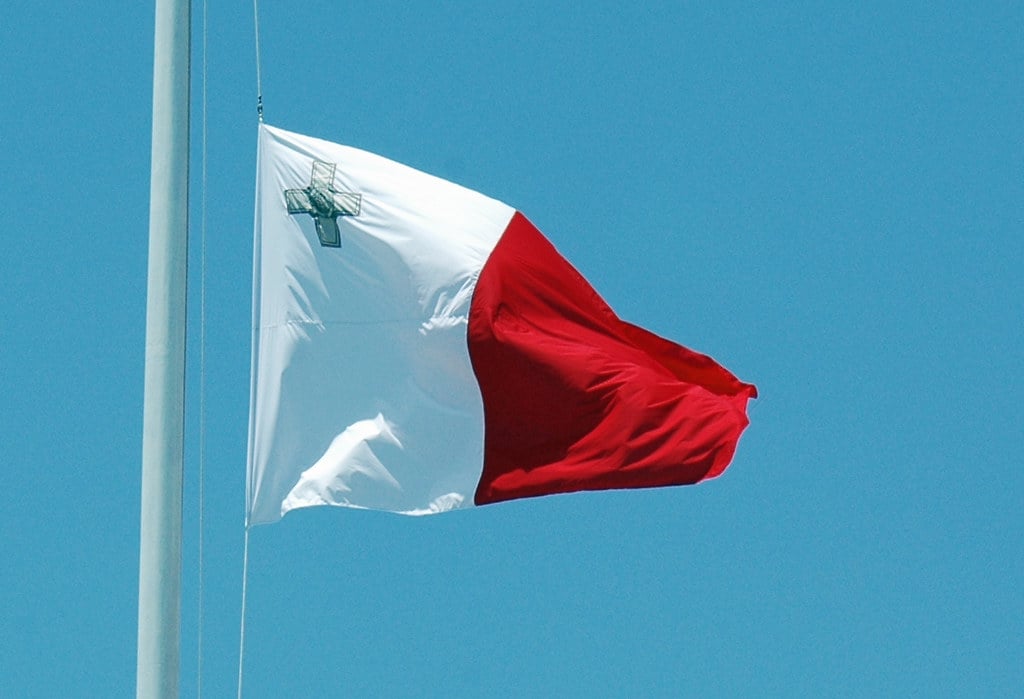
Malta’s safety case is different from the others on this list. It’s tiny — barely 316 square kilometres — and sits in the middle of the Mediterranean, which is historically a contested waterway. But Malta is a European Union member without NATO membership, has no military forces beyond a small armed forces unit, and presents no strategic value that would make it worth the cost of attacking.
Its small size means it can import what it needs quickly and store reserves efficiently. What Malta offers is stability, legal neutrality within the EU framework, and a position close enough to Europe to maintain connections while small enough to escape the attention of anyone planning operations on a continental scale.
Paraguay

Paraguay sits landlocked in the centre of South America, which insulates it from any maritime conflict and places it at maximum distance from every primary global conflict axis. It has significant agricultural output — particularly in soy and beef — a growing renewable energy sector anchored by the enormous Itaipu hydroelectric dam, and a population of around seven million.
Its political history has been turbulent, but it maintains no military alliances that would draw it into external conflicts, and its geographic position makes it practically invisible to the strategic calculations of any major power focused on Europe, Asia, or the Middle East.
Greenland

Greenland’s vast size and tiny population — under 60,000 people spread across the world’s largest island — make it a place where conventional warfare would be practically impossible to sustain. The climate is extreme, infrastructure is minimal outside a few coastal settlements, and the logistical demands of maintaining any kind of military operation there would exhaust even the largest armed forces.
Greenland’s political status — an autonomous territory within the Kingdom of Denmark — gives it a degree of international legal protection, though its strategic Arctic position has attracted geopolitical attention in recent years. For anyone already living there, the combination of remoteness, small population, and sustainable fishing economy provides real resilience against the disruptions that a major global conflict would generate elsewhere.
Mauritius
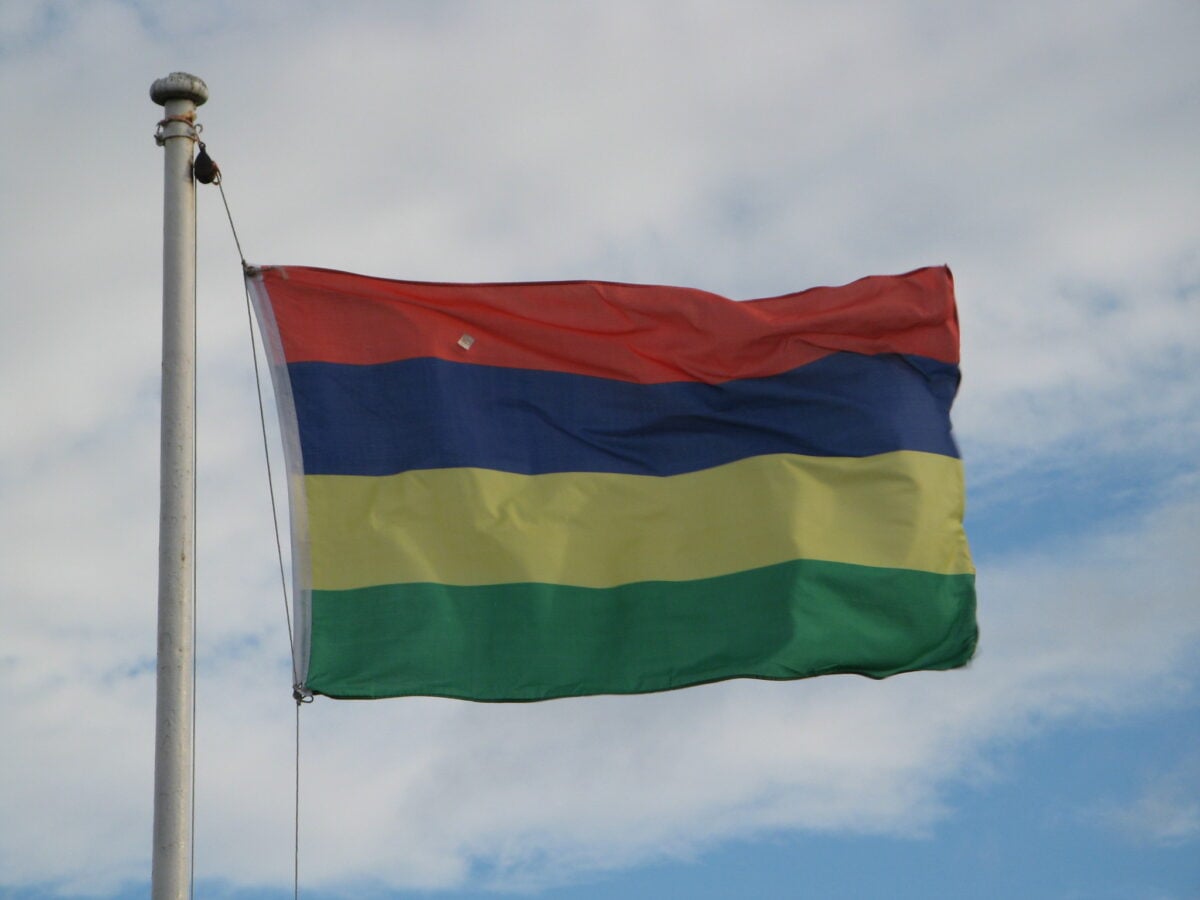
Mauritius is a small island nation in the Indian Ocean, east of Madagascar and well clear of any plausible conflict zone. It has no military forces, a functioning democracy, and a diversified economy. Its distance from every major power’s strategic interests means it simply doesn’t appear in any conflict planner’s calculations.
The island produces a significant portion of its own food, has clean water infrastructure, and has developed a stable, educated society in the decades since independence. Its size limits how many people it can absorb, but for those already there, the combination of tropical agricultural abundance, geographic isolation, and complete absence of strategic significance makes it one of the quieter corners of a hypothetically burning world.
What Makes a Country Truly Safe

Safety in times of international warfare is often hidden in places that very few can think of. These countries are not based on wealth or power, but rather on what they do not have, connections to warring groups, and conflicts over rare minerals, borders, or old grudges brought into present day politics.
They are so unnoticed that nothing really attracts the violence to them. Nowadays, with the disruption of the supply chains, some people manage to survive simply by growing their food, generating electricity without imports, and living within the bounds set by the locality.
Their resilience is due to their land, which acts like a protective shield, their decisions to stay separate, and their structure to withstand even situations when others disintegrate. When you add all of these together, such situations hardly happen; there are even fewer places that have all three than one may think.
More from Go2Tutors!

- The Romanov Crown Jewels and Their Tragic Fate
- 13 Historical Mysteries That Science Still Can’t Solve
- Famous Hoaxes That Fooled the World for Years
- 15 Child Stars with Tragic Adult Lives
- 16 Famous Jewelry Pieces in History
Like Go2Tutors’s content? Follow us on MSN.



