School Book Fair Items Kids Begged For
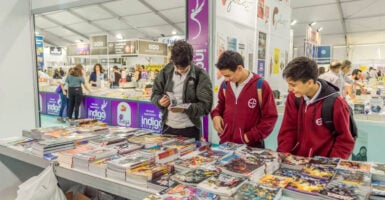
The folding tables arrived in the gym or library, the lights hummed, and for one week a school felt like a shopping mall with a reading list. Kids showed up with crumpled permission slips and a crisp envelope of cash, already negotiating.
Parents learned to brace for the pitch. Some of it was about books, and some of it was about a pencil that smelled like grape soda, and both campaigns were run with equal intensity.
Goosebumps
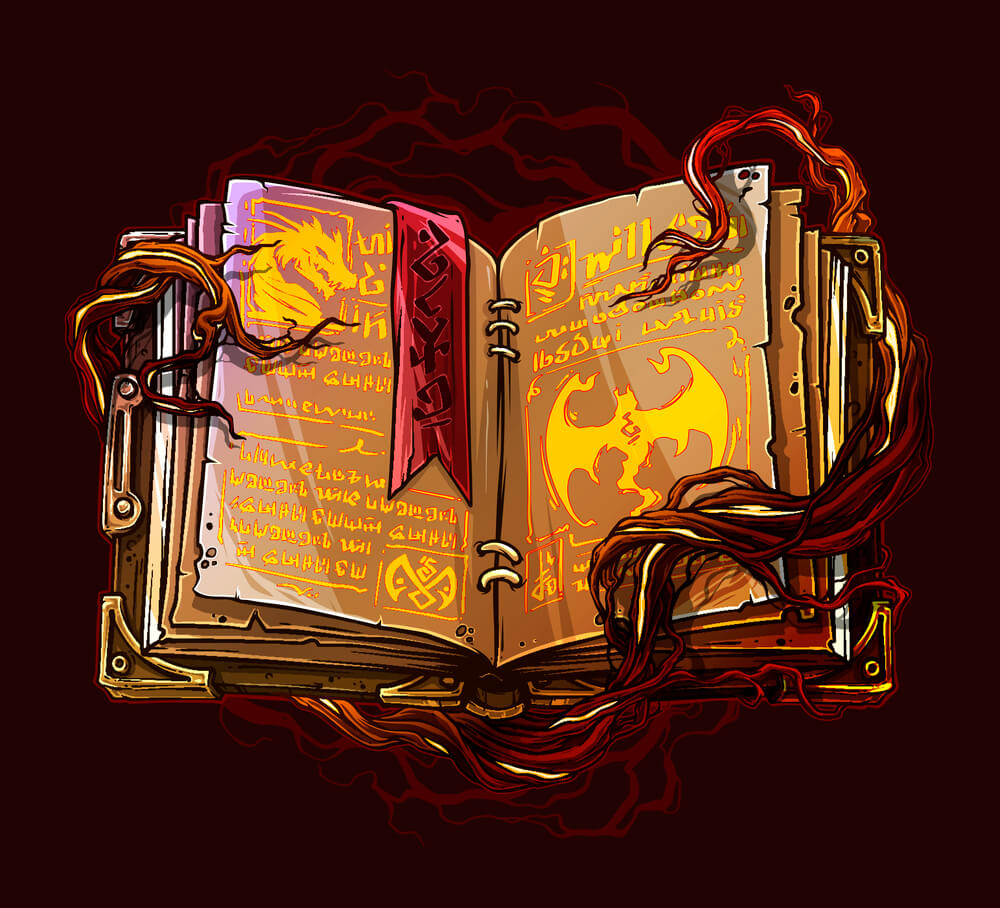
Goosebumps arrived in 1992 and quickly became the series that made scary books a playground status symbol. Each cover promised a new shiver, and the slim paperbacks were cheap enough to justify a begging campaign at the checkout table.
The twist endings gave kids something to spoil for each other in the lunch line. Scholastic has since marked the series with anniversary celebrations, a sign of how firmly it settled into childhood memory.
The Baby-Sitters Club
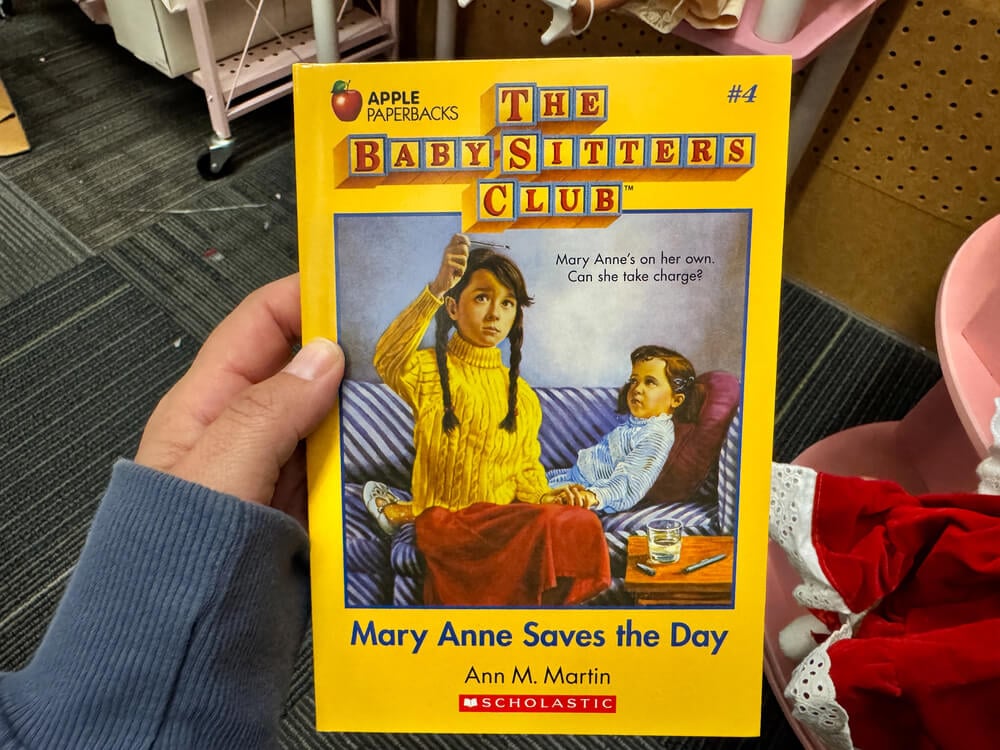
This long-running series followed a group of middle school friends who ran a neighborhood child care business. The steady release of new volumes meant there was always another spine to hunt for on the shelf.
Readers sorted themselves by favorite sitter, much as other kids sorted themselves by favorite sports team. Adults still describe the fair as a feeling they are chasing, and this series is a common example.
The Adventures of Captain Underpants
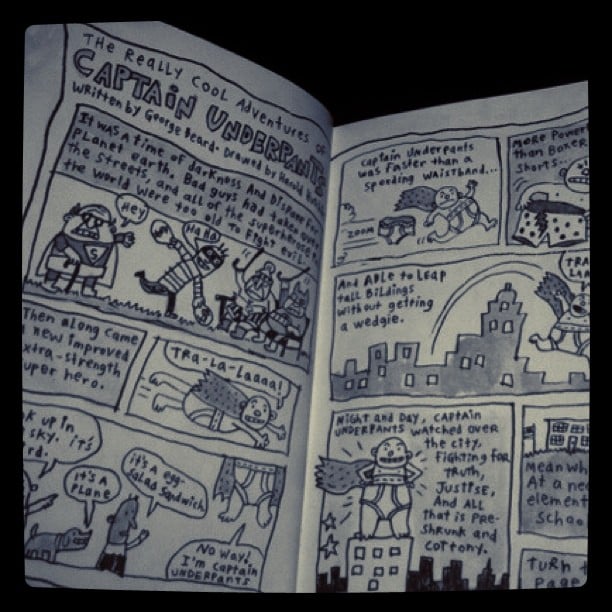
This book follows two fourth graders who hypnotize their principal into believing he is a cape-wearing superhero. The art is deliberately scrappy, drawn in a cartoon style that looks like something a clever kid might produce at the back of the classroom.
A flip-style page lets readers animate a scene with their thumbs. Teachers sometimes winced, but kids treated each volume like contraband.
Choose Your Own Adventure Books
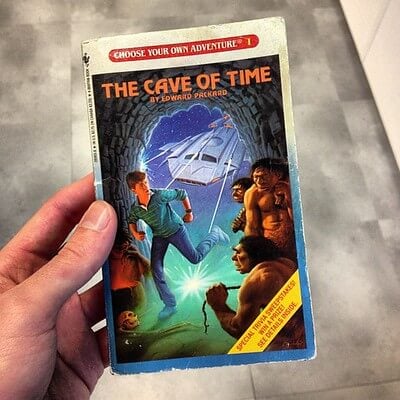
These paperbacks were written in the second person, and the reader decided what happened next by turning to a numbered page. Kids kept a finger in the previous page as insurance, then flipped back when a choice ended badly.
A story that could be read a dozen different ways made a compelling case to parents about value. Endings ranged from triumphant to disastrous, and the disasters were often the most popular.
Where’s Waldo?
These oversized search-and-find books packed hundreds of tiny figures into a beach, castle, or train station, with a striped hero hidden somewhere in the chaos. The books gave kids a reason to pore over a page for twenty minutes and then shove it in a friend’s face.
Fans swapped tips about the hero’s red-and-white outfit and the decoys scattered around him. Used copies are common, but condition matters, since a copy with the hero already circled has little value to collectors.
Magic Eye Books
Magic Eye: A New Way of Looking at the World filled its pages with busy, colorful patterns that hid three-dimensional images. The trick was to relax the eyes and look through the page rather than at it.
Kids crossed their eyes, held pages to their noses, and argued over who could really see the hidden shape. A copy with bent corners or creased pages is worth less than a clean one, so collectors prize condition.
Scary Stories to Tell in the Dark
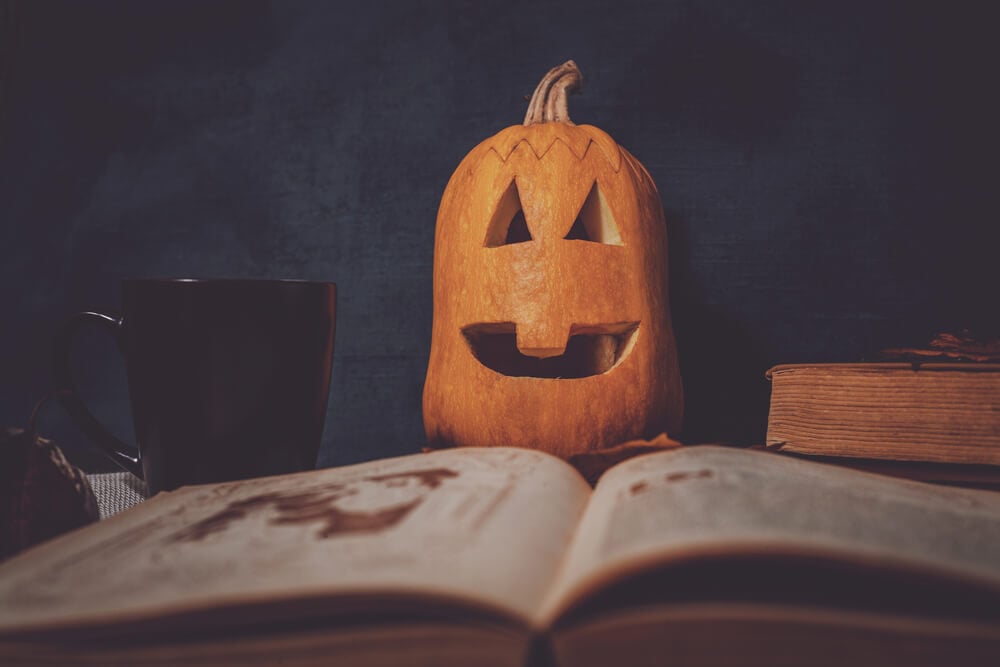
This collection gathered folktales and urban legends into short, spooky pieces, and the smeared, nightmarish drawings did much of the damage. Kids passed it around like a dare.
The tales were brief, which made them ideal for reading aloud at sleepovers. Its illustrations gave many readers their first real taste of dread on paper.
Junie B. Jones and the Stupid Smelly Bus
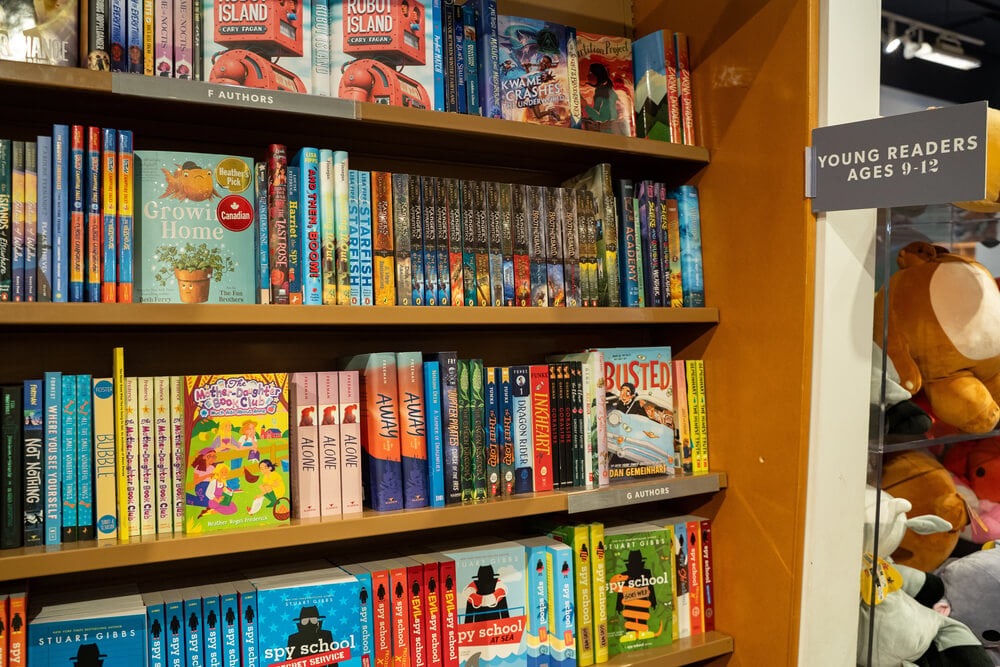
Junie B. Jones and the Stupid Smelly Bus launched a series about a kindergartner who narrates in a blunt, mangled voice. Kids found that voice hilarious, and some grown-ups found it alarming.
Young readers saw a character who said the thing out loud. The series grew into many books, and a boxed set tucked into a fair display was a lot of reading for one trip.
The Magic School Bus
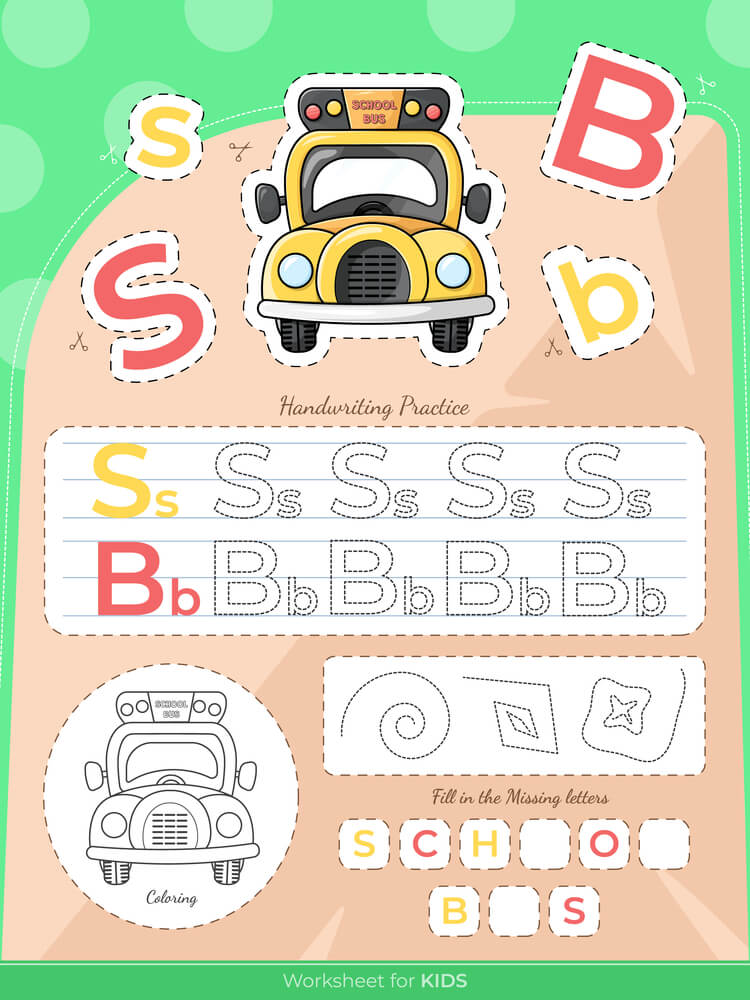
Ms. Frizzle drove her class through pipes, bodies, and storms in a bus that could shrink or fly on demand. The pages carried student reports and speech bubbles, so the margins were as entertaining as the main text.
Kids pored over the cluttered illustrations for jokes the main story never mentioned. Parents tended to approve, since it was science disguised as a field trip.
Animorphs
This series followed a group of teenagers who gain the power to turn into animals. The covers used a morphing effect, with a flip of the page changing a human face into a beast, which made them irresistible on a crowded table.
The books grew darker than the packaging suggested, with real costs for the heroes. Kids who picked up the first volume on a fair day often spent months hunting down the remaining ones.
Dear America Diaries
Dear America presented historical fiction as the fictional diaries of young girls living through different periods of American history. One volume, A Journey to the New World, followed Remember Patience Whipple on a voyage across the ocean.
Hardcover editions with period-style covers felt like keepsakes rather than assignments. They also gave teachers an easy sell, since the history came wrapped in diary entries.
Clifford the Big Red Dog
Clifford is an oversized red puppy, and Scholastic became the publisher most associated with him. His owner Emily Elizabeth was a perfectly ordinary girl with an enormously inconvenient pet.
The picture books were short and bright, which made them popular with the youngest shoppers. Generations of children met Clifford at a school fair before they met him on television.
Amelia Bedelia
Amelia Bedelia is a housekeeper who takes every instruction literally, so that dressing the chicken means putting clothes on it. The cheerful illustrations set the tone for the early books.
The books are aimed at beginning readers, so they fit comfortably on the lower shelves of a fair. For kids learning idioms, the jokes worked as a quiet lesson in how strangely English behaves.
Scholastic Book of World Records
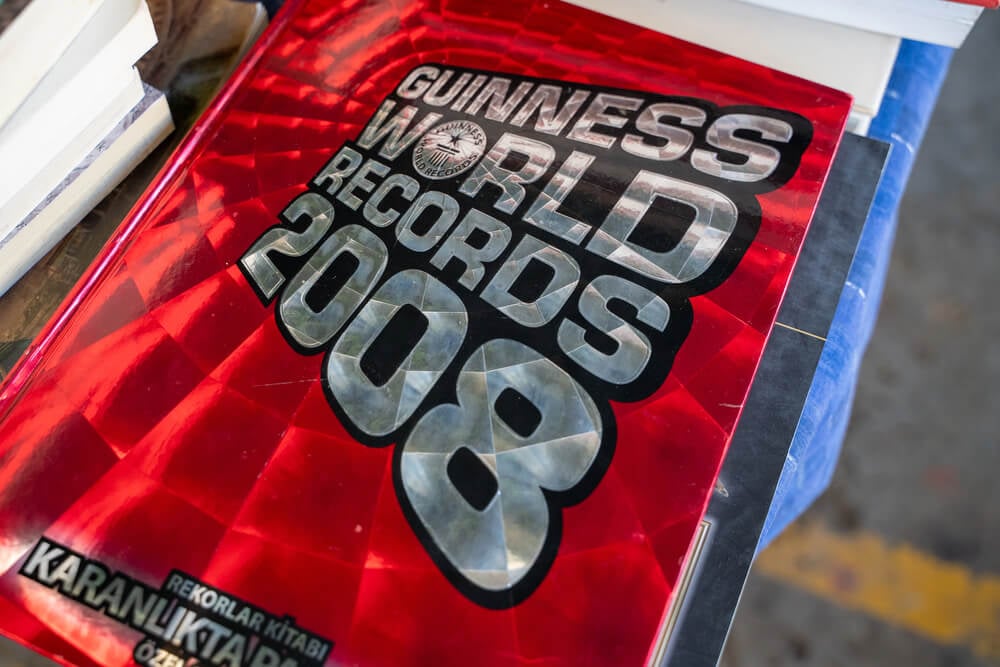
Record books let kids prove that the world was weirder than their teachers admitted. Scholastic has published its own Book of World Records in annual editions, listing the tallest, fastest, and most improbable feats in a format designed for young readers.
The format rewarded browsing, and a page about the longest fingernails could hold a table of fourth graders hostage. Annual editions also offered a built-in reason to ask for a newer copy.
Scented Pencils and Erasers
Scents were a currency at the fair, with pencils and erasers promising fruit, candy, and soda aromas that no ordinary writing tool could match. Kids sniffed them in the aisle and compared notes before buying.
Writers recalling primary school nostalgia describe scrambling for scented pencils as a shared ritual. The scent faded, but the ranking system among classmates lasted much longer.
Pencil Toppers
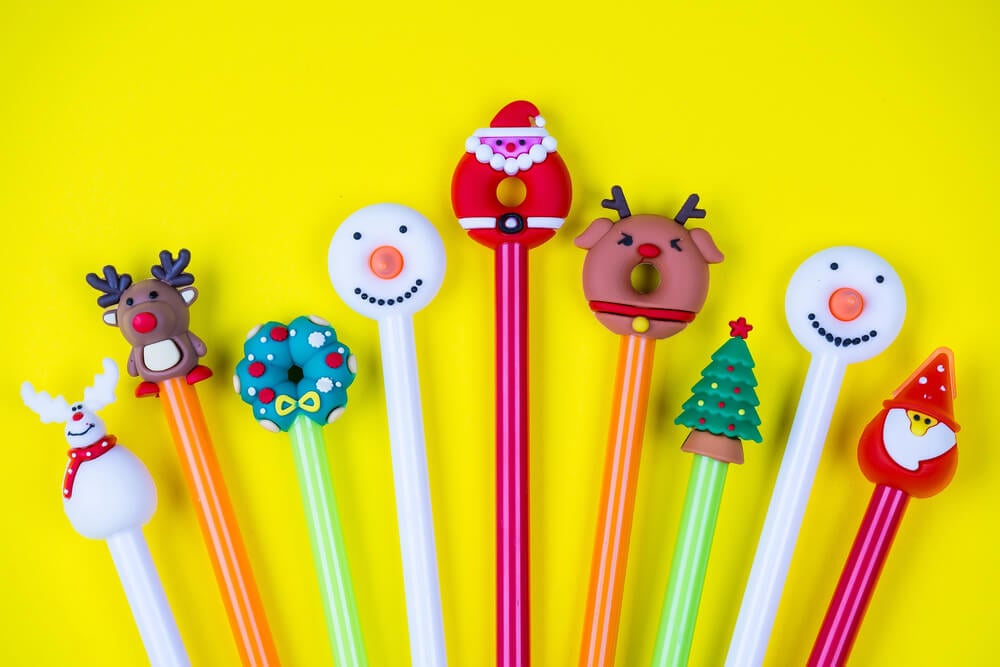
A small figure on top of a pencil turned a basic school supply into a collectible. Toppers came in characters, animals, and monsters, and a pencil with an eraser-sized creature on top drew attention that a plain yellow one never could.
They broke off easily, which created a steady demand for replacements. Parents often called them clutter, but kids called them a collection.
Posters for the Bedroom Wall
Posters of animals, cartoon heroes, and puzzle scenes hung on racks near the entrance, rolled into tubes or pinned flat for inspection. A single poster cost less than most books, which made it a favorite compromise for parents who wanted to say yes to something.
Kids chose them with the seriousness of interior designers. Many ended up taped above a bed, curling at the corners for years.
Bookmarks Worth Collecting
Bookmarks were an easy way to leave the fair with something in hand, and they sat in bins near the registers where small change could be spent. Tassels, glitter, and cartoon faces turned a strip of card into a status object.
Some kids bought them for books they had not yet read, which counted as a kind of optimism. A good bookmark could outlast the paperback it was bought to hold.
Locking Diaries and Mini Notebooks
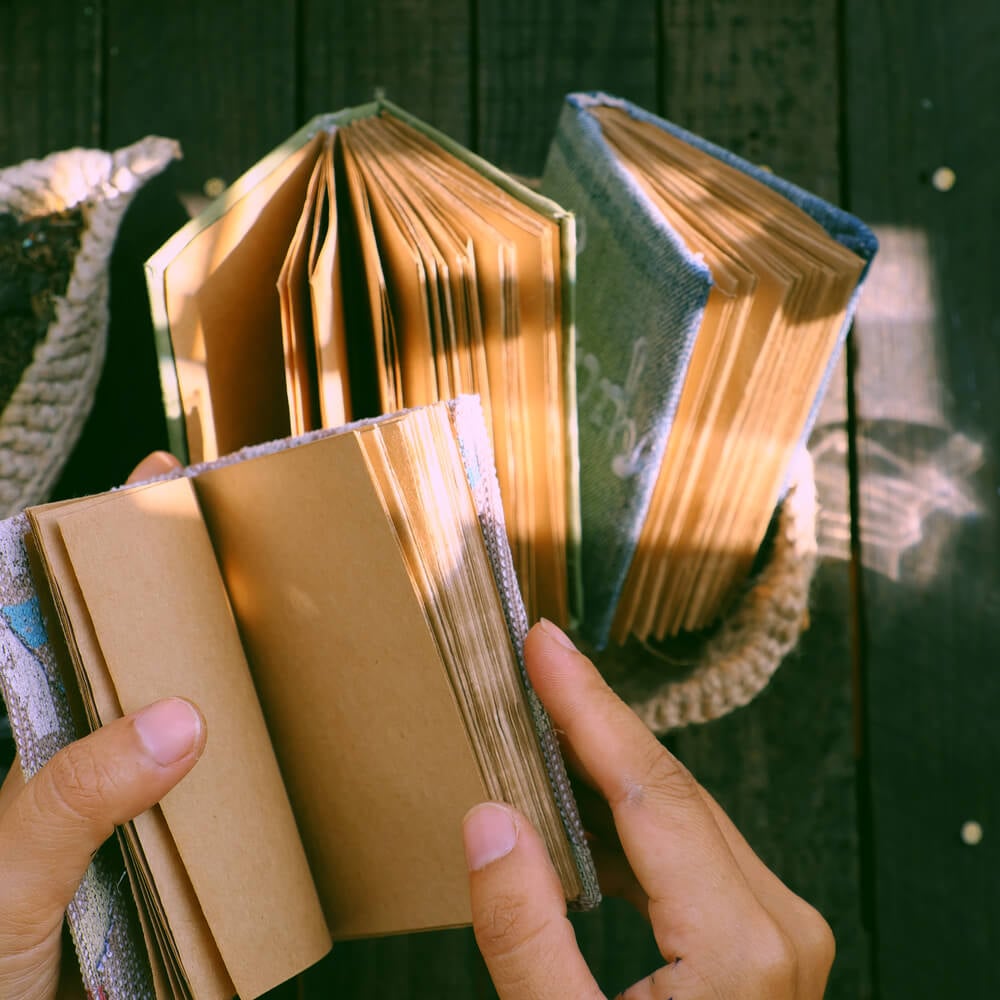
Diaries with tiny brass locks, along with pocket notebooks sized for secrets, sold the idea of privacy to kids who shared a room with a sibling. The key was usually a flimsy thing that could be lost within a week, but the promise mattered more than the security.
Pairing a diary with a scented pen felt like a complete set. Fair tables stocked them near the registers, where an impulse buy needed only a moment of weakness.
Joke and Riddle Books
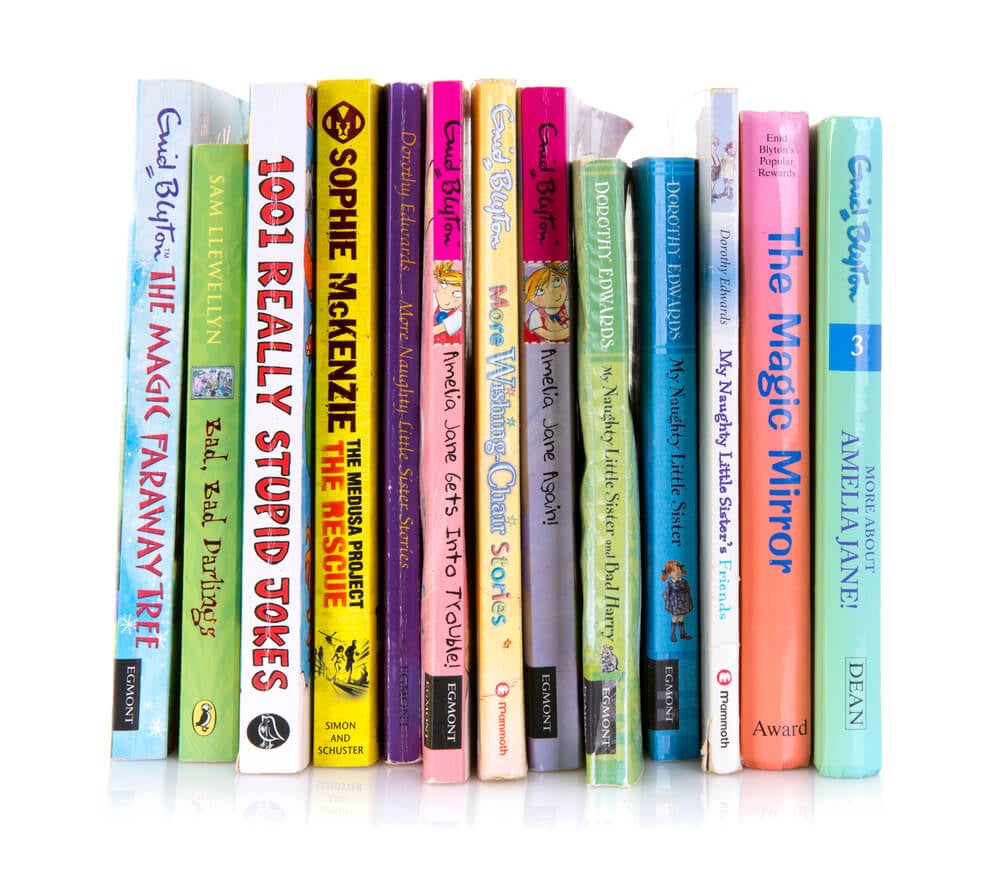
Joke books were the cheapest way to get an audience. A fourth grader armed with a fresh batch of riddles could dominate a lunch table for days.
The format suited the fair well, since a thin paperback fit in a backpack and a single page could be performed on the bus. Parents suffered through the same knock-knock joke repeated until it was no longer funny.
What the Table Was Really Selling
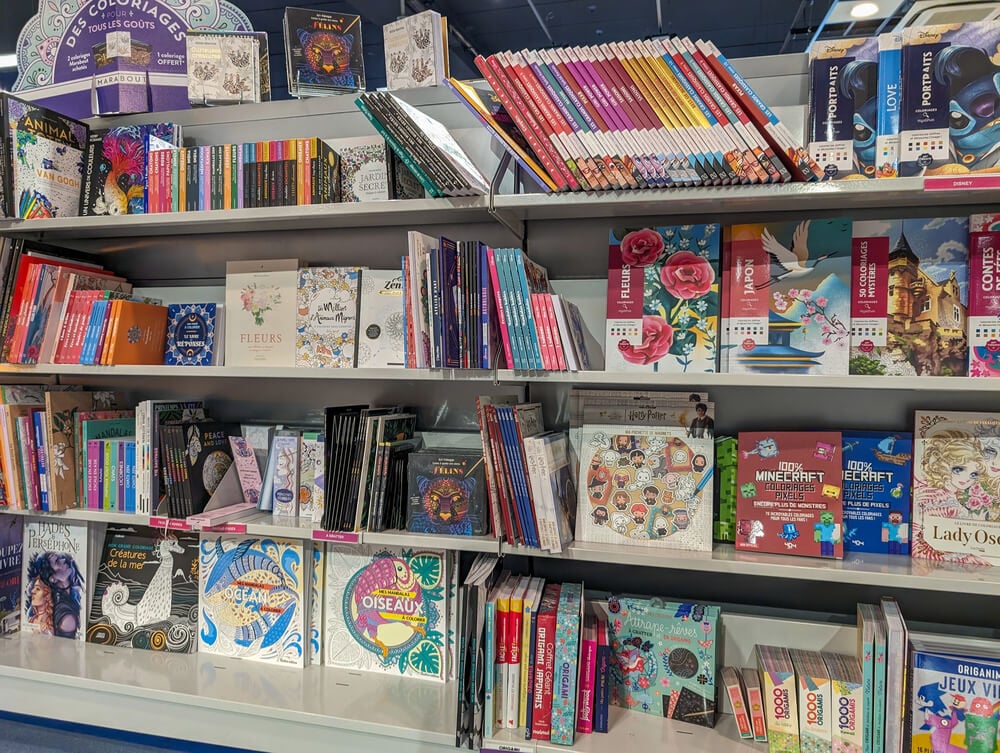
Looking back, the best items at a book fair were rarely the most practical ones. A scented eraser did nothing a plain one could not, and a poster cost more than it was worth in wall space.
What the table sold was a feeling of choosing something for oneself, with a week of anticipation built in. That feeling explains why the books mattered most.
A kid who spent a few dollars on a Goosebumps paperback or a Baby-Sitters Club volume was practicing taste, one impulse at a time. The pencil toppers eventually disappeared into junk drawers, but the habit of picking a story and carrying it home tended to stay.
More from Go2Tutors!

- The Romanov Crown Jewels and Their Tragic Fate
- 13 Historical Mysteries That Science Still Can’t Solve
- Famous Hoaxes That Fooled the World for Years
- 15 Child Stars with Tragic Adult Lives
- 16 Famous Jewelry Pieces in History
Like Go2Tutors’s content? Follow us on MSN.