School Facts Gen Z Will Never Need to Know
Most people are unaware of how quickly education is changing. Twenty years later, something that seemed necessary now seems archaic or out of date.
In a world where asking Siri is preferable to learning state capitals, card catalogs are museum pieces, and cursive writing is optional, Gen Z students must navigate. The gap between the knowledge of previous generations and the actual needs of today’s students continues to grow.
Some of these antiquated teachings are endearing relics from a bygone era. Even after being taught, others were dubious.
The Dewey Decimal System
The Dewey Decimal System was taught to generations of students so they could navigate libraries. You knew that books were arranged by subject using numbers, so you would look up the call number in the card catalog, write it down on a piece of paper, and then sort through the stacks to locate your book.
You now enter keywords into a computer. The system provides you with the precise location of the book, frequently accompanied by a map.
RFID chips that take you straight to the shelf are used by some libraries. Many libraries still use the Dewey Decimal System, but students don’t need to know how to use it by hand.
The work is done by the computer. Even the idea of “going to the library for research” has undergone significant transformation.
These days, the majority of sources are digital. At two in the morning, students access academic databases from their bedrooms.
Although the physical library is still helpful, the skills needed to use it are no longer as fundamental as they once were.
Cursive Writing Requirements

Schools spent weeks teaching students to connect their letters in flowing script. Teachers emphasized that you’d need cursive for everything—signing checks, writing letters, taking notes in college.
The implication was that printing was for children and cursive was for adults. The trajectory has been inconsistent.
Many schools dropped cursive requirements in the 2000s, leading to a generation that primarily prints or types. But several states—including Texas, Tennessee, and California—reinstated mandatory cursive instruction in the 2010s and 2020s.
Some Gen Z students learned it, while others didn’t, depending on where and when they attended school. The practical need has diminished significantly.
Digital signatures are legally binding. Note-taking happens on laptops.
Formal correspondence is typed. Many Gen Z students can’t read cursive fluently, which occasionally creates problems with historical documents.
The debate continues about whether cursive is essential or merely traditional.
Overhead Projector Etiquette

Teachers would write on transparent sheets with special markers, projecting their notes onto a screen. Students learned not to walk between the projector and the screen.
You’d dim the lights, and someone would inevitably complain they couldn’t see well enough to take notes. The ritual of changing transparencies mid-lesson, the teacher’s handwriting magnified to reveal every quirk, the occasional upside-down sheet that had to be repositioned—all of this was standard classroom procedure.
Schools invested in transparency supplies and special markers that wouldn’t smear. Most Gen Z students encounter interactive whiteboards and direct screen sharing instead.
Teachers project their laptop screens or tablets. Everything is digital, easily editable, and doesn’t require special transparencies.
Some schools still use overhead projectors, but they’re increasingly rare and no longer the standard teaching tool they once were.
Memorizing Encyclopedia Volumes

Before Wikipedia, students relied on encyclopedia sets. Families invested hundreds of dollars in these multi-volume collections.
You’d pull Volume K-L to learn about Lincoln or Volume S-T for information about sharks. The information was fixed—once printed, it couldn’t be updated until the next edition.
Research papers required physically transporting these heavy volumes or taking handwritten notes at the library. You couldn’t search the entire set at once.
You had to know which volume contained your topic. Cross-referencing meant checking multiple volumes and the index.
Now information updates in real time. Students fact-check claims instantly on their phones.
The idea of information being locked into expensive books that become outdated seems increasingly impractical. Encyclopedia Britannica stopped printing physical editions in 2012, though some publishers like World Book still produce annual physical sets.
The model has largely been replaced by free, constantly updated digital sources.
Using a Card Catalog

The card catalog was a massive wooden cabinet with dozens of tiny drawers. Each drawer contained hundreds of index cards alphabetized by author, title, or subject.
Finding a book meant rifling through these cards, writing down the call number, then locating the book in the stacks. The system required understanding alphabetization beyond basic ABC order.
You needed to know that “Mc” filed as “Mac” and that “Saint” could be abbreviated. Cross-referencing meant checking multiple drawers.
If someone misfiled a card, that book was effectively lost. Digital catalogs eliminated this entirely.
You search keywords, filter by date or format, and see availability in real time. The computer handles the filing.
Students never develop the muscle memory of pulling those small wooden drawers or the frustration of reaching the end of a drawer and realizing you were in the wrong section.
Diagramming Sentences
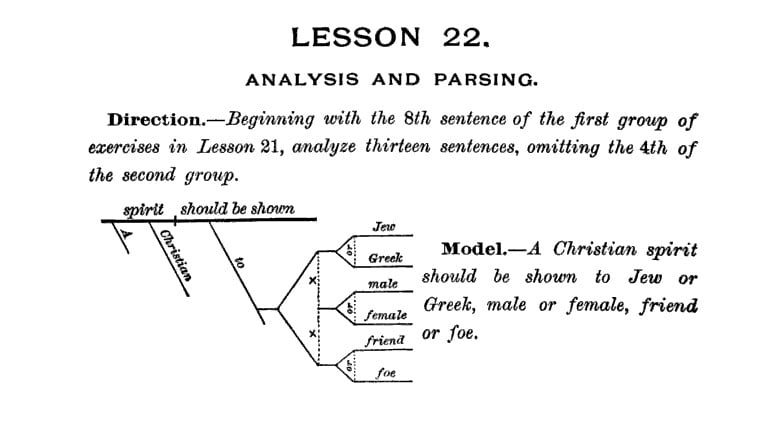
In many English classes, students would draw complex trees showing how each word functioned in a sentence. You’d identify subjects, predicates, direct objects, indirect objects, prepositional phrases, and subordinate clauses.
The diagrams could stretch across entire pages for complicated sentences. This practice was never universal—it was common in some regions and school districts but absent in others.
Where it was taught, teachers insisted it would improve your writing and help you understand grammar. The reality is most native speakers already intuitively understand sentence structure.
Explicitly diagramming them helped some students but confused others. Gen Z’s experience with sentence diagramming varies widely depending on location and curriculum.
Many learn grammar through writing and feedback rather than diagramming exercises. Grammar checkers catch many errors automatically.
Where sentence diagramming is still taught, it’s increasingly seen as one pedagogical approach rather than an essential universal skill.
The Proper Format for Business Letters
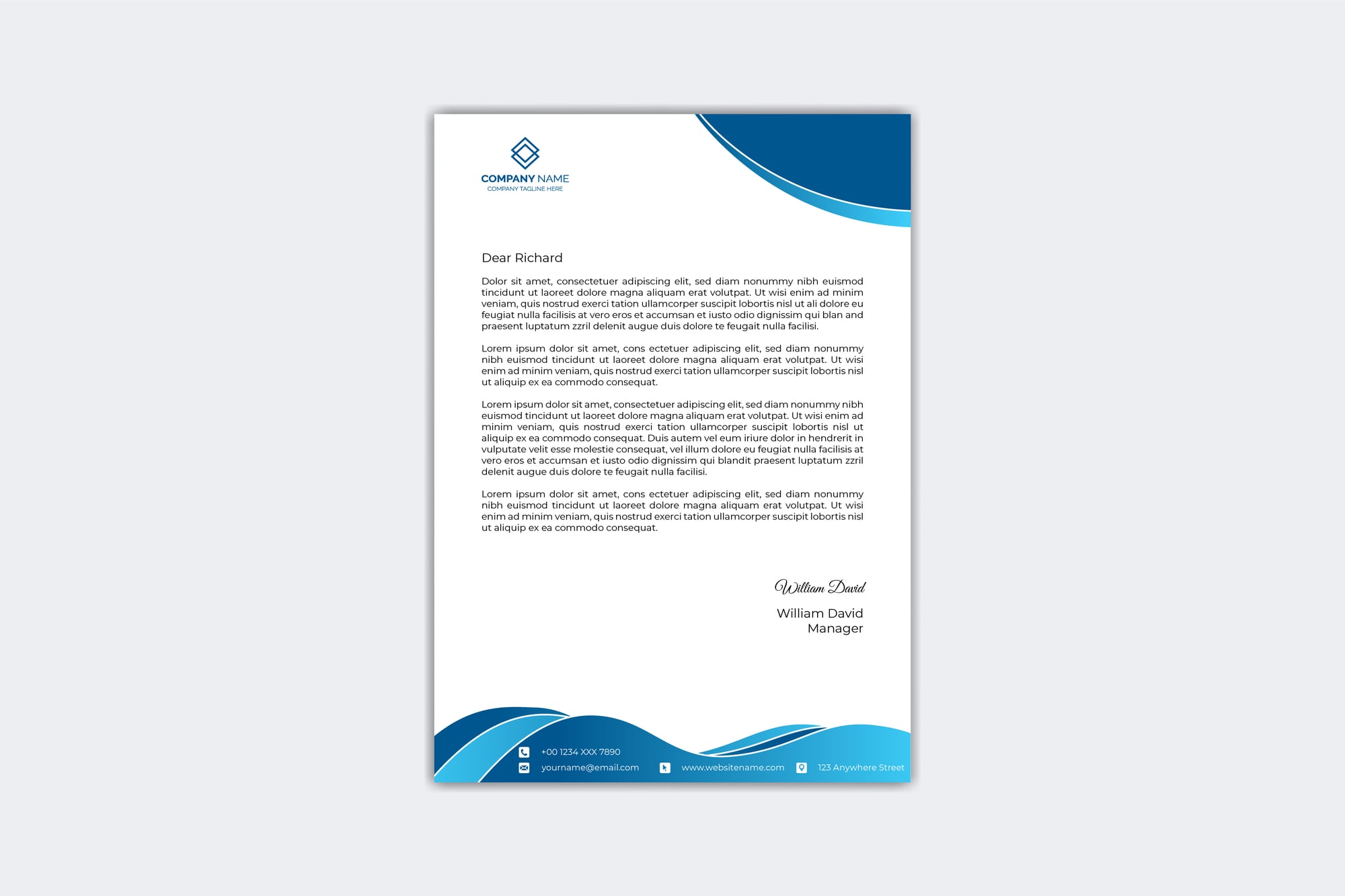
Students learned the exact spacing requirements for business correspondence. The return address goes in the top left.
The date goes two lines below. The recipient’s address starts four lines down.
“To whom it may concern” was standard if you didn’t know the recipient’s name. You’d sign above your typed name, leaving exactly four lines for the signature.
These rigid formatting rules mattered when letters were the primary form of professional communication. Deviation signaled carelessness or ignorance.
Secretaries would retype entire letters if the spacing was wrong. Email obliterated most of this.
Professional communication still requires courtesy and clarity, but the physical formatting rules are irrelevant. Gen Z sends emails, Slack messages, and texts.
They understand tone and professionalism contextually rather than through memorized spacing rules. The concept of “business letter format” is increasingly meaningless.
Phone Book Navigation

The phone book was a massive directory of everyone’s name, address, and phone number. It arrived annually at your doorstep, containing thousands of pages.
Students learned to search alphabetically and decipher the abbreviations. Businesses paid for bold listings or display ads.
You’d look up pizza places or plumbers by category in the Yellow Pages. Residential numbers went in the White Pages.
If someone wasn’t listed, you had no way to contact them unless you knew their address. Unlisted numbers cost extra money for those who valued privacy.
Gen Z rarely needs to navigate a phone book. They search online for businesses, read reviews, and contact them directly through apps.
Phone books still exist in some regions, but they’re rarely used. Contact information for friends comes through social media or is already saved in phones.
The physical phone book as a necessary reference tool has become largely obsolete for most people.
Adjusting TV Antennas for Reception
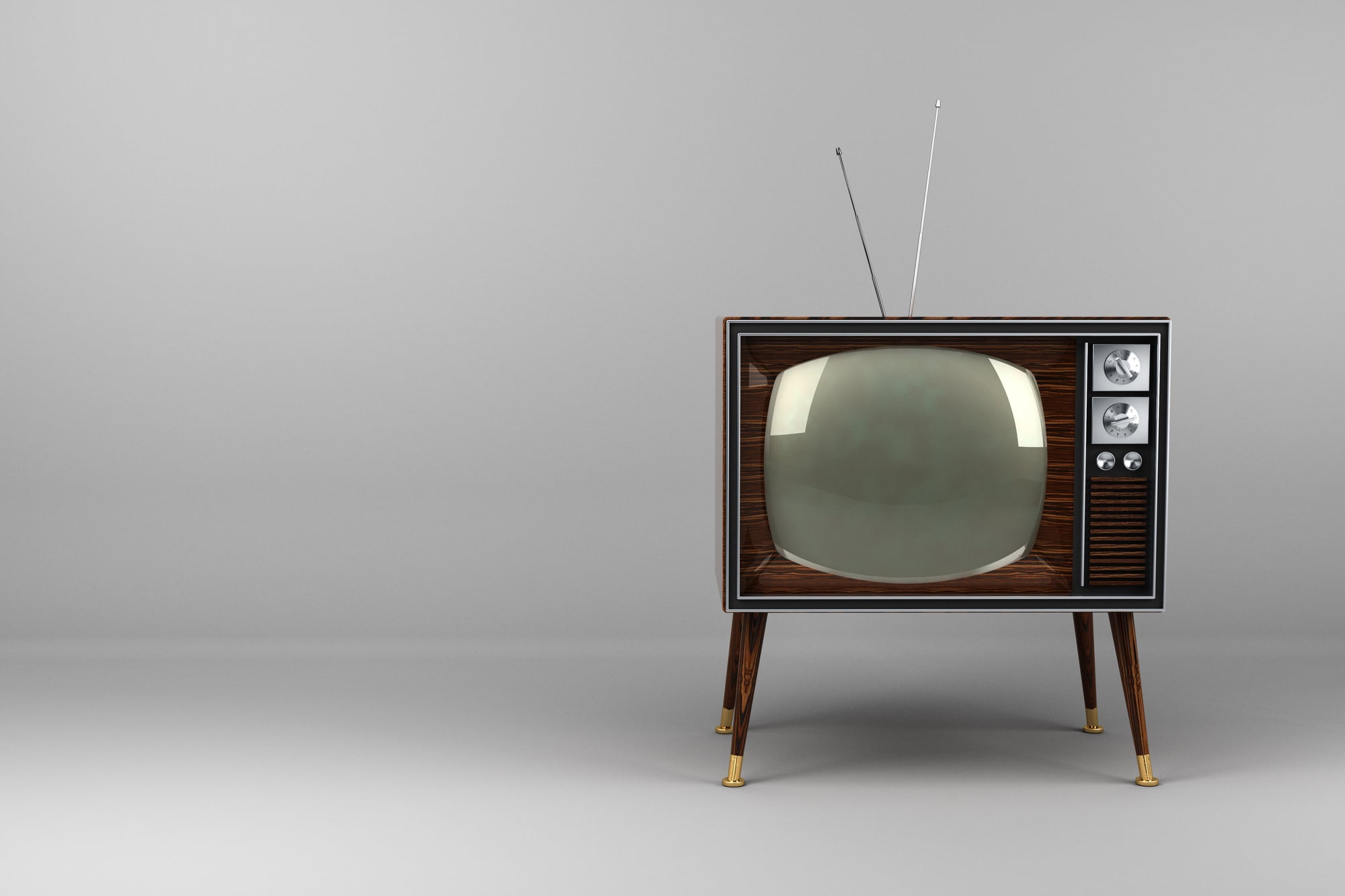
Before cable became widespread, television came through antennas. Getting a clear picture often required adjusting the antenna position.
You’d turn it slightly, then walk back to see if the picture improved. Someone had to hold the antenna in an awkward position while others watched the screen.
The rabbit ear antennas on top of TVs required constant tweaking. Weather affected reception.
Certain channels came in clearly while others remained fuzzy. You learned which position worked for which channel and accepted that you couldn’t watch everything perfectly.
Modern over-the-air digital broadcasts still use antennas, but the experience is different. Digital signals either work or they don’t—there’s no partial, fuzzy reception that improves with adjustment.
Gen Z who stream content exclusively never experience the analog adjustment ritual, though some households still use digital antennas for free broadcast television. The constant physical tweaking for better reception is what’s become obsolete, not antenna use itself.
The Social Norm of Rewinding Videotapes

Video rental stores posted signs: “Be kind, rewind.” Watching a movie meant first rewinding whatever the previous renter had watched.
Rewinding took time—sometimes several minutes for a full tape. You’d start the rewind, go do something else, then come back.
This was social etiquette rather than something formally taught in schools. It was basic courtesy.
Fast-forwarding and rewinding wore out the tape over time. The tracking would go bad, creating distorted images.
You’d adjust the tracking with buttons on the VCR, trying to get a clear picture. Gen Z streams everything.
The concept of physical media that needs rewinding is foreign to their experience. They don’t understand the degradation of repeated use or why anyone would need to wait for content to rewind.
The entire framework of VHS—from tracking to rewinding to tape degradation—exists only as cultural memory for them.
Using a Physical Dictionary
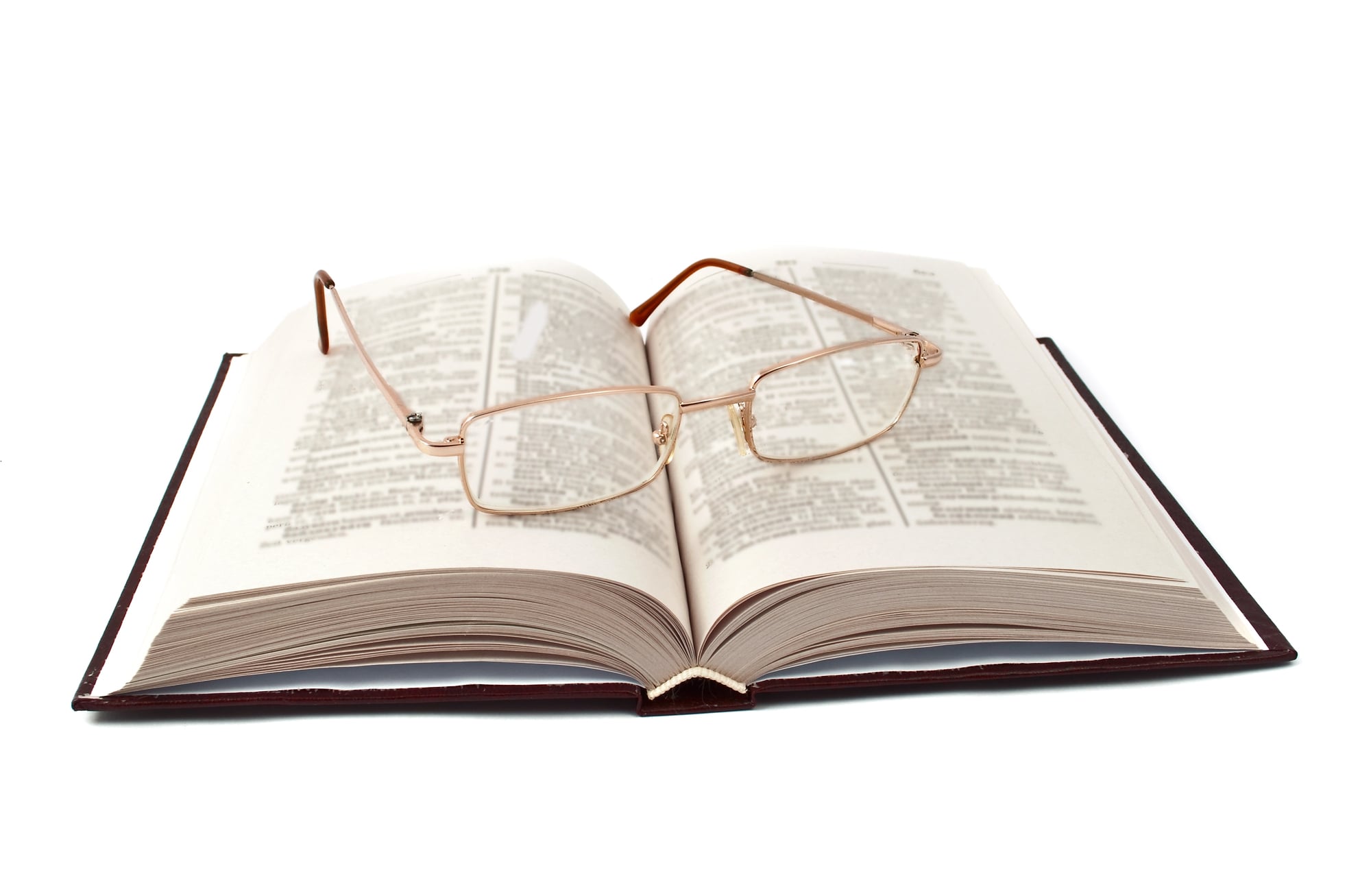
Teachers wouldn’t answer vocabulary questions directly. They’d say “look it up in the dictionary.”
You’d learn to use guide words at the top of each page to navigate efficiently. Understanding alphabetical order beyond the first letter was essential.
You’d read the definition, often encountering more words you didn’t know, requiring additional lookups. The dictionary was always on the quiz—questions would ask for the third definition of a word or what part of speech it functioned as.
You’d copy definitions word-for-word into notebooks. The physical act of page-turning and searching was part of the learning process, teachers insisted.
Many classrooms and standardized tests still require physical dictionary use, particularly internationally. But Gen Z also has instant digital access—they can highlight an unknown word and see a definition immediately, hear proper pronunciation, and see the word used in example sentences.
The skill of navigating a physical dictionary remains taught in many places, though its necessity outside of formal educational settings has diminished significantly.
Map Reading and Cardinal Directions
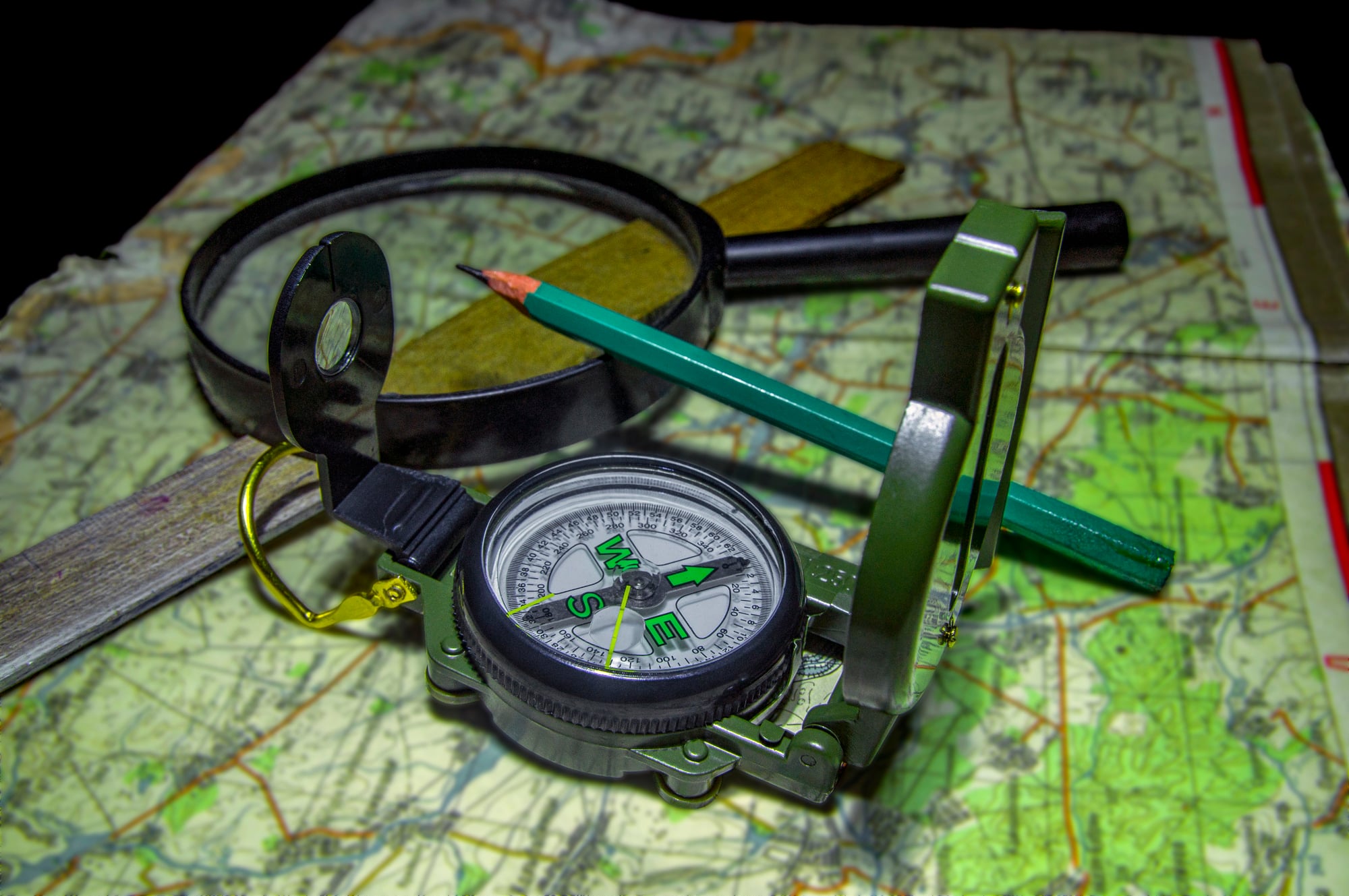
Geography class emphasized identifying north, south, east, and west on paper maps. You’d learn that north is up, and you’d use the legend to understand scale.
Reading a road atlas required planning routes in advance, marking them with highlighter, and following them carefully because you couldn’t easily recalculate. Getting lost was common and serious.
You’d pull over, unfold a massive map across the dashboard, and try to figure out where you went wrong. Reading street signs and comparing them to the map required focus.
Giving directions meant landmarks and street names, not just following a blue line on a screen. GPS has transformed navigation for most people.
Many Gen Z students navigate primarily by following voice commands and don’t develop the spatial reasoning that comes from translating two-dimensional maps to three-dimensional space. Some state curricula still require teaching physical map skills, recognizing their continued value.
But the everyday necessity of paper map reading has diminished dramatically for most people.
Memorizing Multiplication Tables Through Twelve

Math classes drilled times tables relentlessly. You’d recite them aloud: “Seven times seven is forty-nine, seven times eight is fifty-six.”
Tests would time how quickly you could complete multiplication grids. The goal was instant recall without thinking.
Teachers wouldn’t allow calculators because “you won’t always have one available.” The irony is obvious now—everyone always has a calculator available on their phone.
Yet multiplication table memorization through 12 remains a requirement in many U.S. states and in most countries internationally. The skill of rapid mental multiplication remains genuinely useful, particularly for estimation and number sense.
What’s changed is the context, not the requirement. Gen Z learns multiplication tables in many schools, but they also have constant calculator access outside the classroom.
The old insistence that you’d need instant recall because calculators wouldn’t be available has proven false, even as the educational value of memorization is still recognized in many curricula.
Where Paper and Pencil Went
There are commonalities among these outdated school lessons. The majority used tangible instruments that were superseded by digital technology.
Some taught navigation systems that databases and GPS eliminated, such as those for libraries, phone books, and maps. Others stressed rote memorization of information that is now readily available online.
The change isn’t totally favorable. When you never learn how to navigate a physical library or read a map, something is lost.
Beyond efficiency, there is value in the tactile experience of leafing through a card catalog or the joy of discovering a book in the stacks. However, nostalgia doesn’t alter the fact that Gen Z actually doesn’t require these abilities as much as earlier generations did.
Some schools continue to teach out-of-date material because education changes slowly. However, curricula are increasingly emphasizing technology fluency, digital literacy, and critical analysis of online sources.
The knowledge that Gen Z will never require is being replaced by abilities that earlier generations never thought they would need.
More from Go2Tutors!

- The Romanov Crown Jewels and Their Tragic Fate
- 13 Historical Mysteries That Science Still Can’t Solve
- Famous Hoaxes That Fooled the World for Years
- 15 Child Stars with Tragic Adult Lives
- 16 Famous Jewelry Pieces in History
Like Go2Tutors’s content? Follow us on MSN.