Secret Tunnels Under Major Cities
There’s something about tunnels that sparks curiosity. Hidden under streets and buildings, these quiet paths carry the weight of old secrets, forgotten plans, and sometimes, complete surprises.
They weren’t always built for mystery though. Many served real purposes—moving people, water, or even money—before being sealed off or forgotten.
Some cities have them mapped. Others pretend they don’t exist.
But they’re there, waiting underfoot. So let’s dig into the real stories of these secret tunnels and what lies beneath some of the world’s busiest cities.
New York City’s whispering subway secrets

Beneath the busy streets of New York lies an abandoned subway station known as City Hall Station. It’s stunning, with arched ceilings, skylights, and chandeliers.
It opened in 1904 but was closed in 1945 because its curved platform couldn’t fit longer trains. Today, it’s mostly hidden from the public eye.
Some people catch a glimpse by staying on the 6 train past the last stop.
Chicago’s forgotten freight tunnels

Under Chicago is a 60-mile network of narrow freight tunnels that once carried coal, mail, and telegraph wires. They were built in the early 1900s, mostly unknown to the public at the time.
These tunnels were shut down after a flood in 1992 that filled parts of downtown with water. They’re still there, but most are sealed off. Some rumors say they’ve been used secretly by government agencies.
Like Go2Tutors’s content? Follow us on MSN.
Paris and its catacomb maze

Paris is known for its beauty above ground, but beneath it is a maze of tunnels filled with human bones. The catacombs were created in the late 1700s to solve the city’s cemetery overflow.
Today, only a small part is open to tourists. The rest stretches for miles, and people still sneak into the restricted areas. Some have even built secret movie theaters down there.
Los Angeles and the old crime tunnels
In the 1920s and 30s, Los Angeles had a secret tunnel system used for moving money and, allegedly, criminals. These tunnels connected banks, courthouses, and jails.
During Prohibition, some say bootleggers used them to move alcohol without being seen. Now, parts of the system are used for tours or left empty.
Others are completely sealed and hidden behind walls.
Seattle’s buried sidewalks
Seattle rebuilt itself after a fire in 1889 by raising the street level, leaving some sidewalks and building entrances underground. What used to be the main roads are now hidden passageways.
These tunnels were once filled with shops and businesses. Over time, they were closed off and forgotten.
.Today, a few parts are open for guided tours.
Like Go2Tutors’s content? Follow us on MSN.
London’s underground post office railway

London has a deep tunnel system called the Mail Rail, built in 1927 to carry letters and parcels across the city. It ran for nearly 80 years before closing in 2003.
Trains moved without drivers, zipping through narrow tracks below the city. A small portion now operates as a museum ride.
Most Londoners never knew it existed until it shut down.
Beijing’s emergency tunnel grid

Beijing has a secret network called the Underground City, built during the Cold War. It was meant to house millions of people in case of an attack.
The tunnels stretch for dozens of miles and include bunkers, hospitals, and sleeping areas. Most entrances are hidden behind buildings or closed off.
While parts were once open to tourists, they’ve been shut again for “renovations.”
Toronto’s hidden underground rivers
Toronto has several creeks and rivers that were buried to make room for development. These waterways still flow beneath parking lots and shopping malls.
Some tunnels are wide enough to walk through, while others are narrow and cramped. Urban explorers often crawl into these dark spaces, chasing the sound of rushing water.
It’s a quiet world that most residents never notice.
Like Go2Tutors’s content? Follow us on MSN.
Washington D.C.’s restricted passageways

The U.S. capital is full of tunnels under government buildings. Some connect the Capitol to the Library of Congress, while others link Senate offices and bunkers.
Many were designed for safety and movement between buildings without public exposure. A few areas are open to staff or on special tours. But much of the system remains off-limits and carefully guarded.
Edinburgh’s underground vaults

Scotland’s capital has a series of vaults hidden beneath the South Bridge. These stone rooms were built in the 1700s and used as workshops, storage, and later, slums.
Over time, they were sealed and forgotten. Rediscovered in the 1980s, they’ve become a popular spot for ghost tours. The damp walls and narrow paths still carry a heavy, eerie silence.
Las Vegas’s storm drain shelters
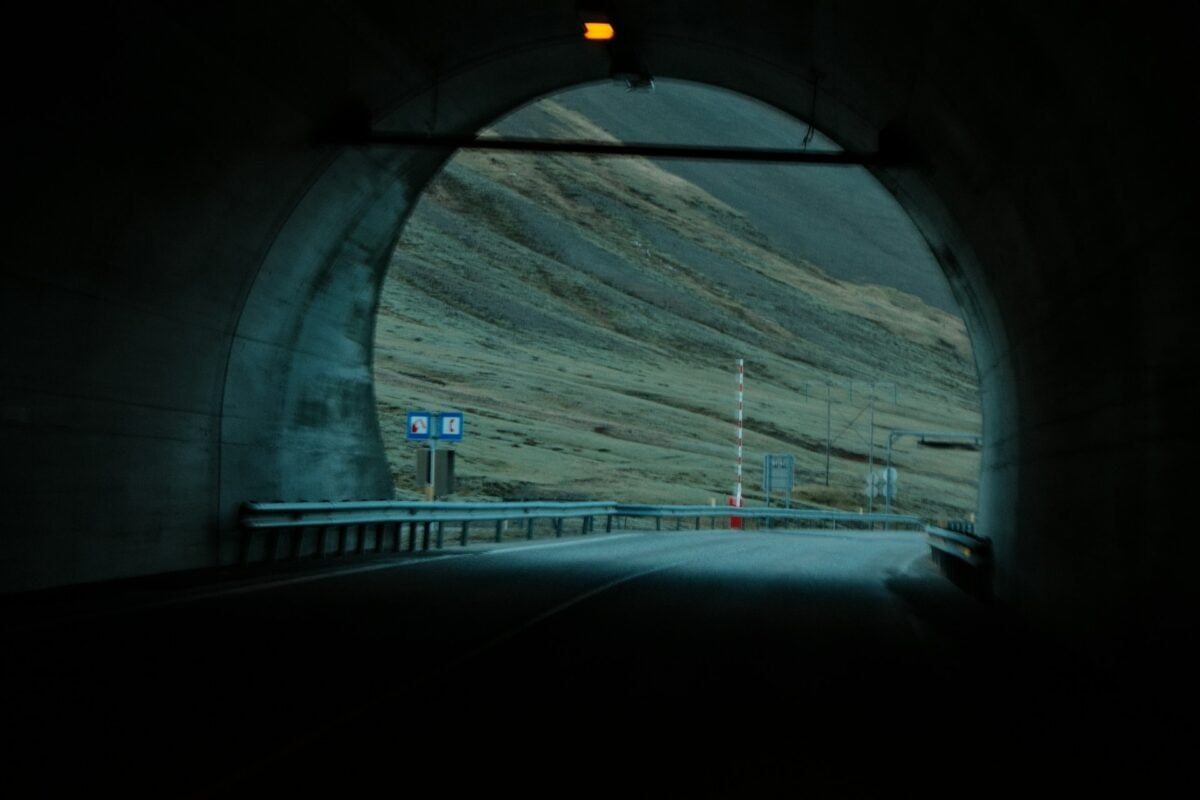
Beneath the bright lights of Las Vegas is a network of storm drains. Built to control flash floods, these tunnels now shelter hundreds of people.
Some have lived there for years, making small homes in the shadows. The city rarely talks about it, but documentaries have shown how deep the tunnels go.
When it rains, the water rushes fast, and it becomes dangerous.
Like Go2Tutors’s content? Follow us on MSN.
Melbourne’s secret military bunker
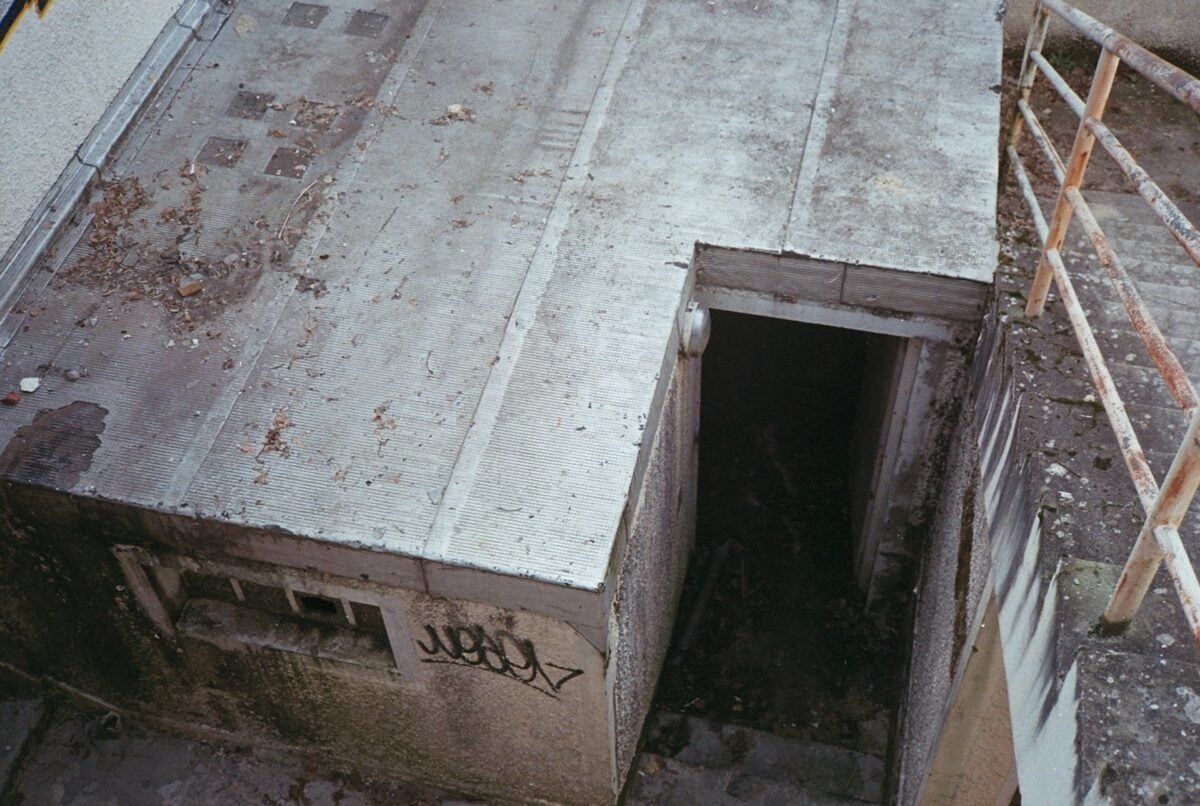
Under Melbourne sits a hidden military bunker known as the “Secret Tunnels of the Domain.” Built during World War II, these tunnels were used for defense planning.
They were sealed after the war and stayed off the record for decades. Some parts were opened briefly to the public in the 1990s.
Now, access is restricted again due to safety concerns.
Portland’s mysterious Shanghai Tunnels

Portland, Oregon, has tunnels that run beneath the city’s oldest parts. Local stories say they were used to move goods—and sometimes people—without being seen.
These tales include sailors being kidnapped and forced to work on ships, a practice called “shanghaiing.” Historians debate the truth of these claims.
Still, the tunnels exist and can be toured today.
Montreal’s underground city

Montreal has a planned network of tunnels called RÉSO. It links malls, hotels, offices, and metro stations across 20 miles.
It’s not exactly a secret, but many visitors have no idea it’s there. During the cold winter, thousands use it to move around the city without stepping outside.
It’s a tunnel system built for comfort, not mystery.
Like Go2Tutors’s content? Follow us on MSN.
Naples and its ancient aqueducts

Below Naples, Italy, lies a system of Greek and Roman aqueducts carved thousands of years ago. They once supplied water to the whole city.
During World War II, they became shelters from bombing. Today, guided tours show just how far they stretch.
The mix of history and survival lives quietly beneath the modern city.
Berlin’s Cold War escape tunnels
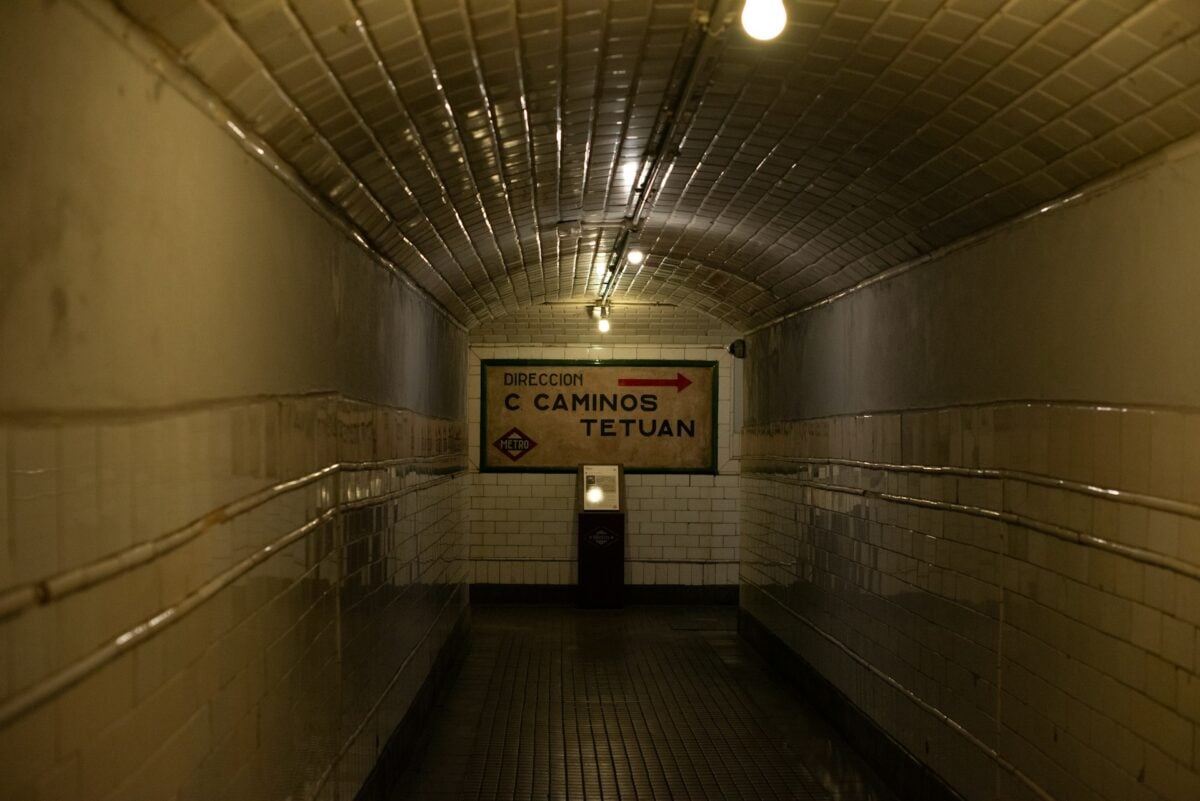
In divided Berlin, people dug tunnels under the wall to escape from East to West. Some were short and simple.
Others were long, deep, and dangerous to build. A few helped dozens of people find freedom.
Many collapsed or were discovered by guards. Parts of these tunnels are now preserved in museums.
Istanbul’s underground cisterns
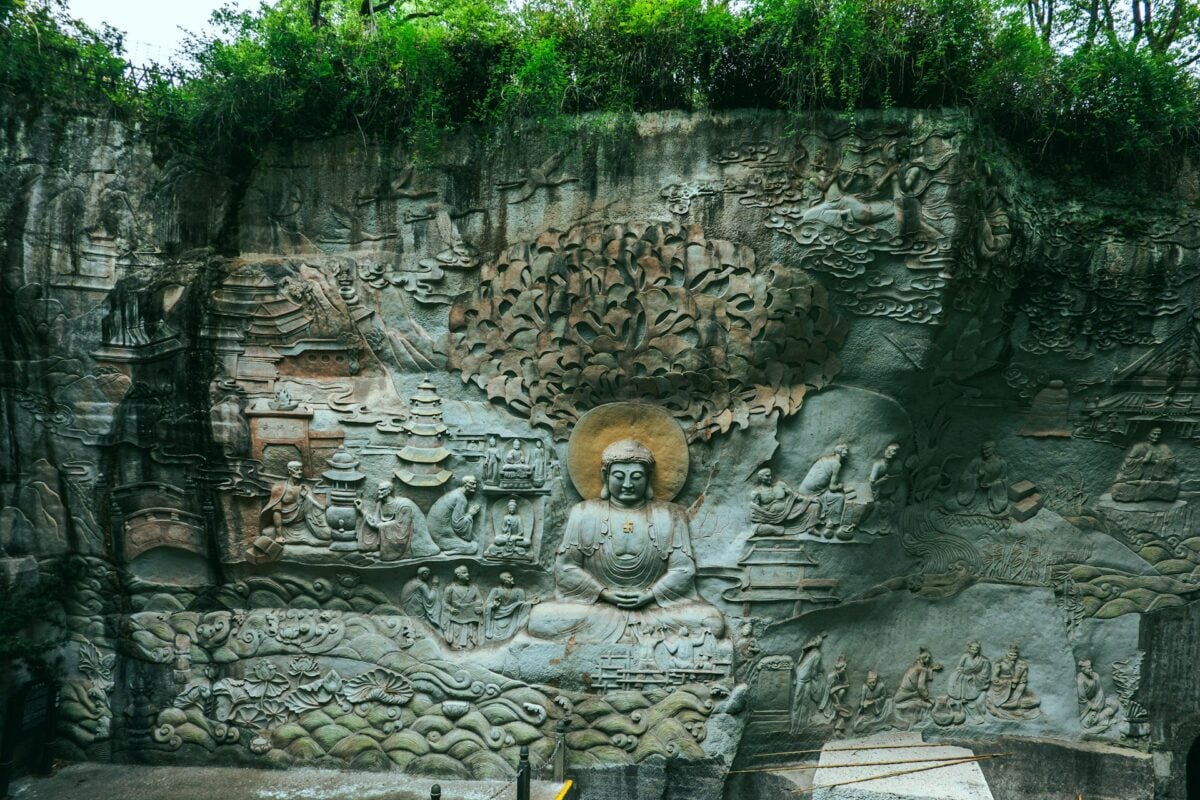
Istanbul has large underground cisterns once used to store water for the city. The most famous, Basilica Cistern, looks like a sunken palace.
It was built in the 6th century and forgotten for a time. Locals rediscovered it when people complained about water dripping through their basement floors.
Now, it’s a tourist site, but many smaller cisterns still sit in silence.
Like Go2Tutors’s content? Follow us on MSN.
Buenos Aires and its buried past
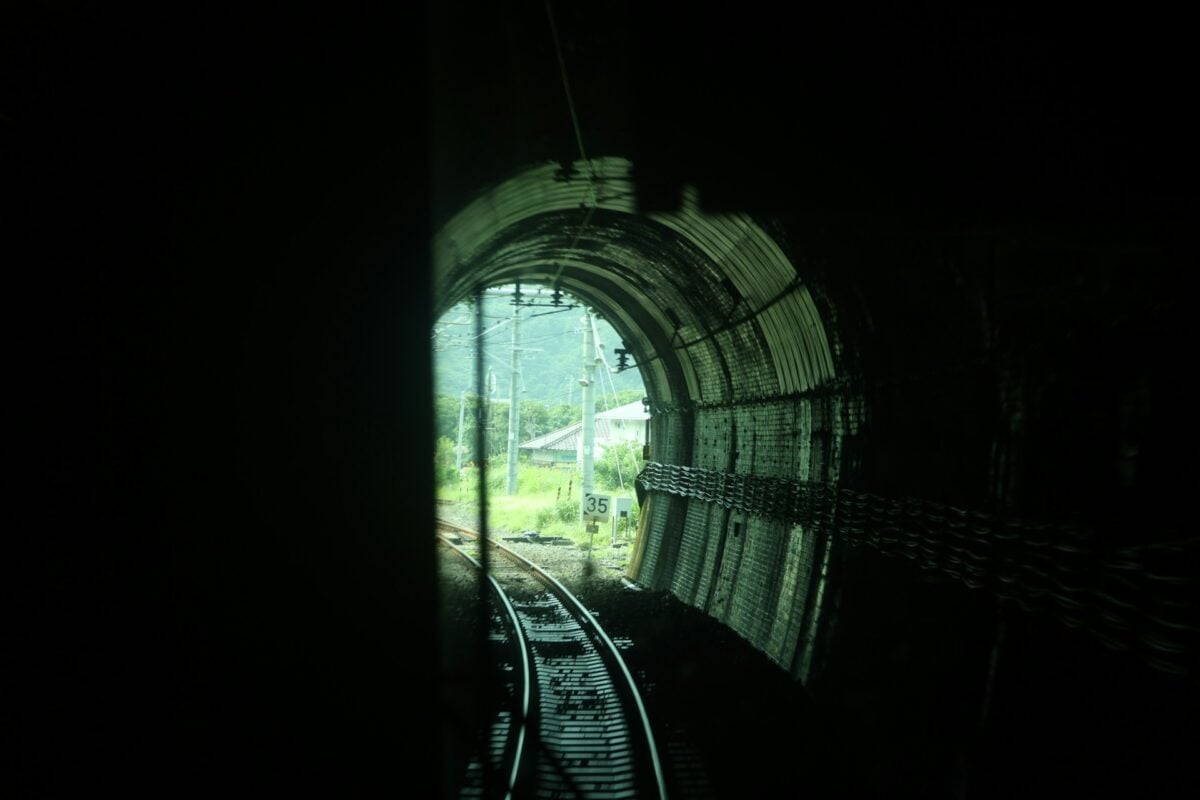
In Buenos Aires, old tunnels were found under the San Telmo neighborhood. They were built in colonial times, maybe for water drainage or secret travel.
Some homes were built right on top of them without knowing. Now, a few sections have been turned into museum spaces.
But most of the network remains closed and unexplored.
Tying the past beneath our feet to the cities we live in now

These tunnels, once full of life or purpose, now sit in silence under busy cities. They remind us how much we build, forget, and sometimes rediscover.
From ancient aqueducts to Cold War bunkers, each tells a different story about survival, power, and daily life. What once connected cities in secret now connects us to history in unexpected ways.
The ground may look ordinary, but what lies below has shaped the world above.
More from Go2Tutors!

- 16 Historical Figures Who Were Nothing Like You Think
- 12 Things Sold in the 80s That Are Now Illegal
- 15 VHS Tapes That Could Be Worth Thousands
- 17 Historical “What Ifs” That Would Have Changed Everything
- 18 TV Shows That Vanished Without a Finale
Like Go2Tutors’s content? Follow us on MSN.