Most Remote Research Stations On the Planet
There’s a particular kind of person who signs up to spend months — sometimes a full year — completely cut off from the rest of the world. No quick trip to the supermarket.
No driving to a friend’s place. Just ice, wind, or open ocean, and a small group of colleagues who become the entirety of your social world.
Remote research stations are where some of the most important science on Earth happens, and they sit in places so isolated that even getting there requires serious planning. Here are the stations that push the definition of “far away” to its absolute limit.
Amundsen-Scott South Pole Station, Antarctica
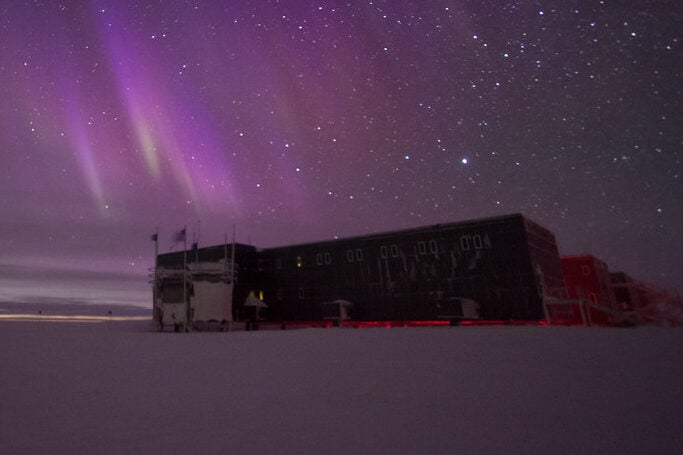
This one sits at the bottom of the world — literally. The Amundsen-Scott South Pole Station is operated by the United States and sits at 90 degrees south latitude.
In winter, temperatures drop below -70°C, and flights in or out become impossible for roughly eight months of the year. The crew that overwinters there, usually around 40 to 50 people, is completely stranded from February to October.
The station has been continuously occupied since 1956, making it one of the longest-running year-round research outposts in Antarctica. Scientists there study everything from glaciology to astrophysics, and the IceCube Neutrino Observatory — buried deep under the ice — uses the entire South Pole ice sheet as a detector for subatomic particles.
Concordia Station, Dome C, Antarctica
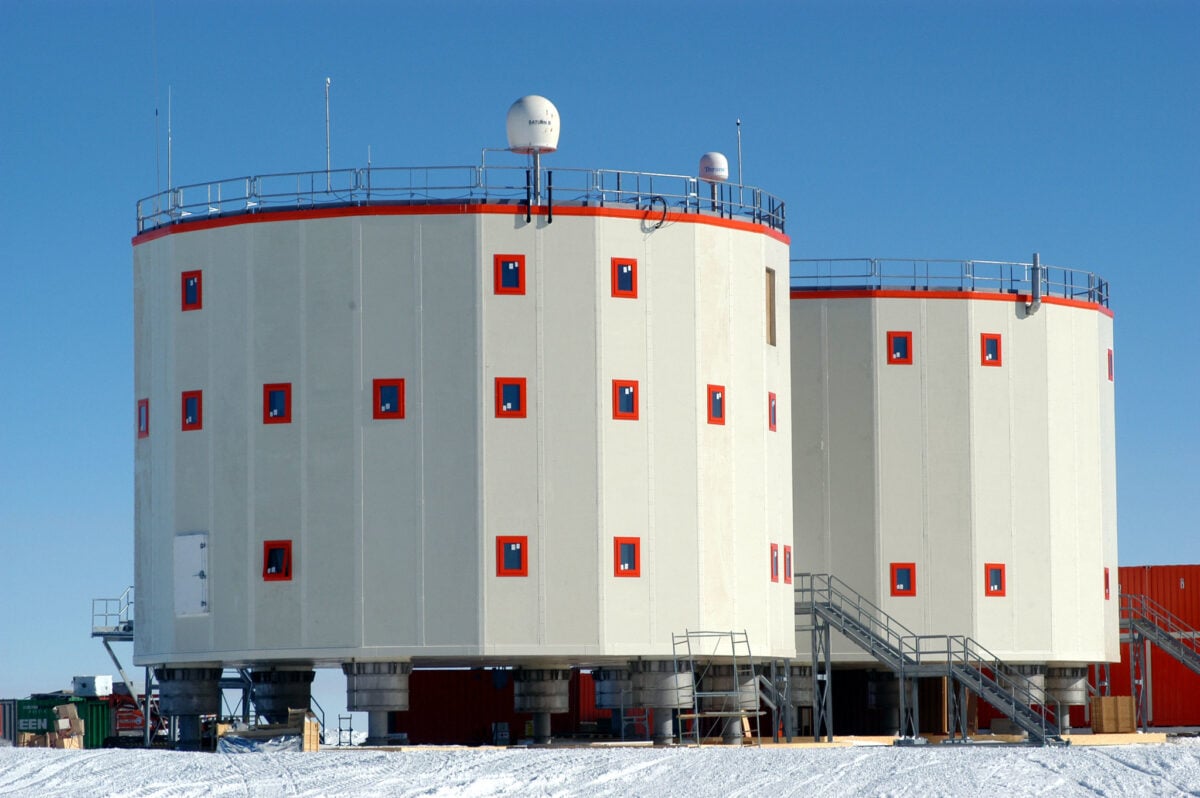
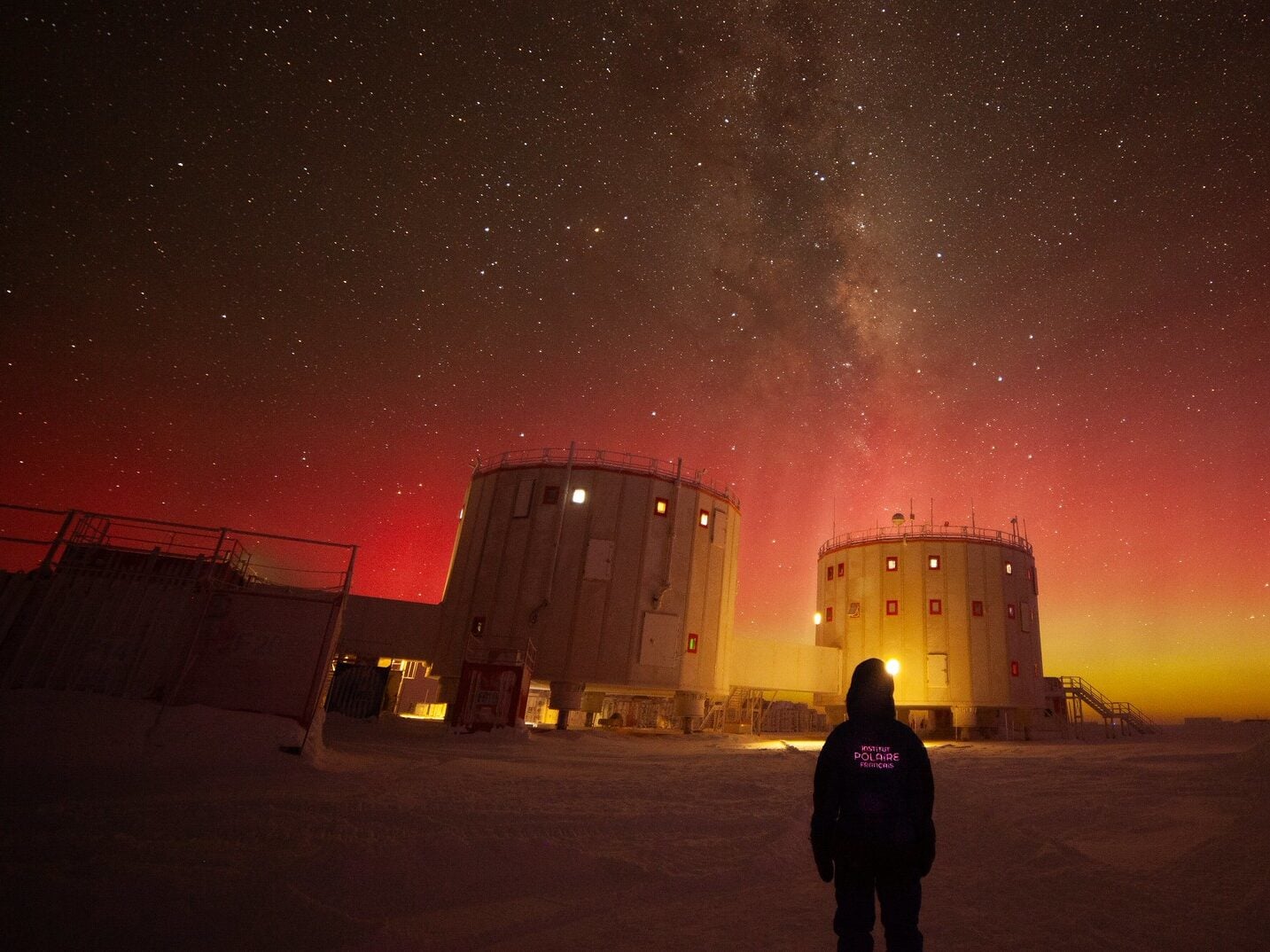
Concordia is a joint French-Italian station perched on a high plateau in the interior of Antarctica, at an elevation of about 3,233 meters. It’s one of the coldest places on Earth where humans regularly live and work.
Winter temperatures average around -60°C, and the station is even more isolated than the South Pole in terms of access — the nearest coast is over 1,000 kilometers away. What makes Concordia especially interesting is that the European Space Agency uses it as an analog for long-duration space missions.
The combination of extreme cold, high altitude, complete darkness in winter, and months of isolation makes it a useful proxy for what astronauts on a mission to Mars would experience psychologically and physically.
Vostok Station, Antarctica
Russia’s Vostok Station holds the record for the lowest naturally occurring temperature ever recorded on Earth: -89.2°C, logged in 1983. It sits on a thick section of Antarctic ice, and beneath it lies Lake Vostok — a massive subglacial lake that has been sealed off from the atmosphere for millions of years.
Scientists drilled down to the lake in 2012 in search of microbial life, with results that are still being analyzed. The station has operated on and off since 1957.
In winter, a skeleton crew stays behind. Supply runs from other Antarctic stations can take weeks by overland traverse.
Kunlun Station, Dome A, Antarctica
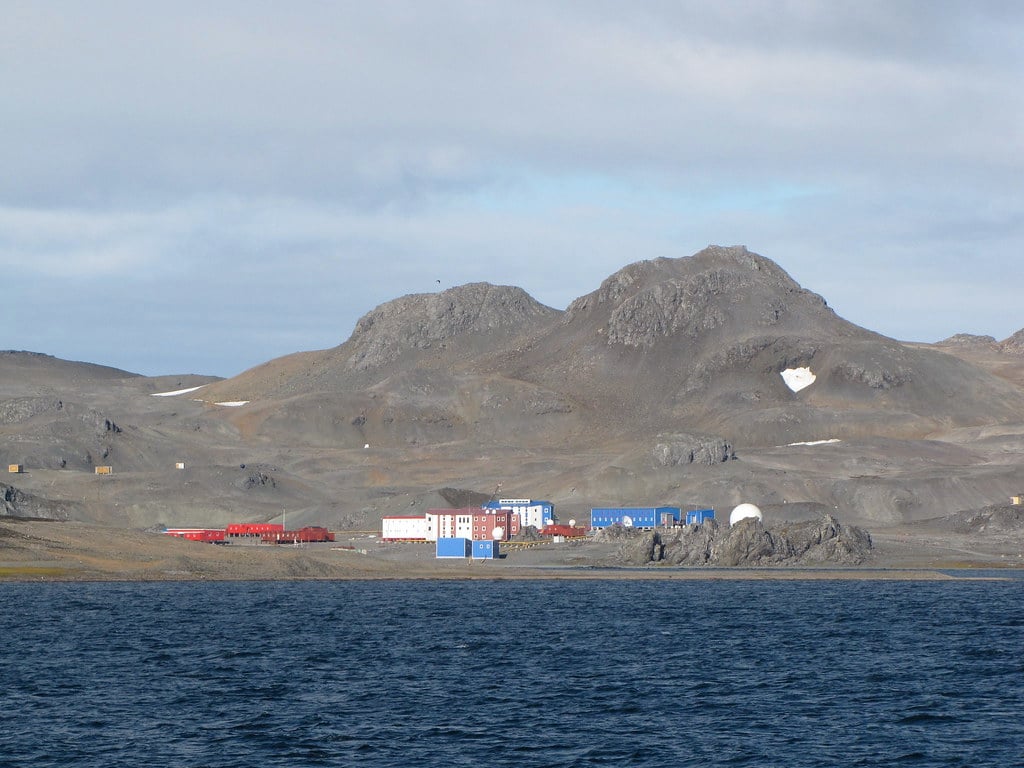
China built Kunlun Station at Dome A — the highest point on the Antarctic plateau, at 4,093 meters above sea level. It’s one of the most remote spots on the entire continent, over 1,200 kilometers from the coast.
The altitude alone makes it hostile. At that elevation, the air pressure is low enough that breathing becomes labored, and the cold is unforgiving year-round.
So far, Kunlun has only been staffed during summer expeditions. China has long-term plans to make it a year-round station, which would be an extraordinary logistical achievement given how difficult it is to even reach.
Alert, Nunavut, Canada
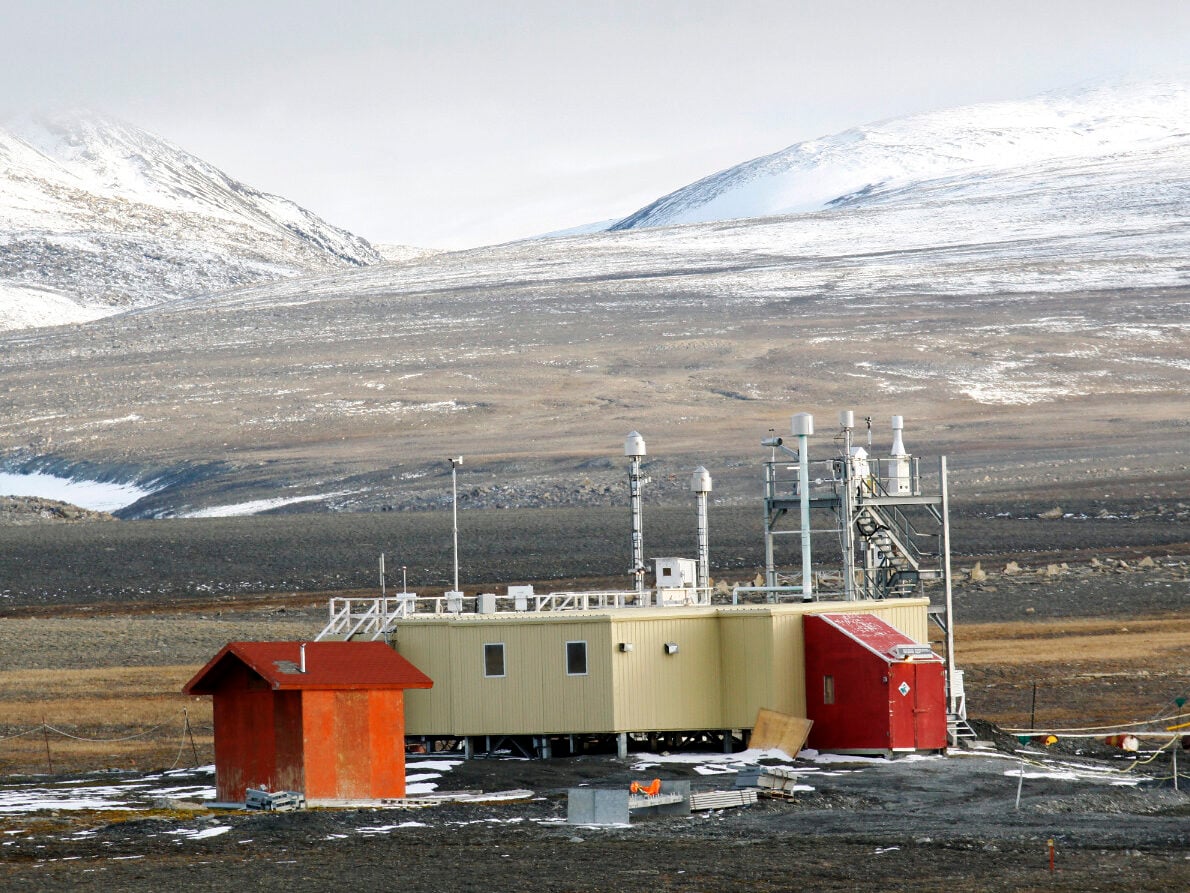
Alert is not an Antarctic station — it’s in the Canadian Arctic, on Ellesmere Island. But its position at 82.5 degrees north makes it the northernmost permanently inhabited place on Earth.
It sits just 817 kilometers from the North Pole. The facility is primarily a signals intelligence and weather station operated by the Canadian Armed Forces, but it also supports scientific research.
Temperatures drop below -40°C in winter. The nearest town is Grise Fiord, about 700 kilometers away, and even that is only accessible by small aircraft when weather permits.
Halley VI Research Station, Antarctica
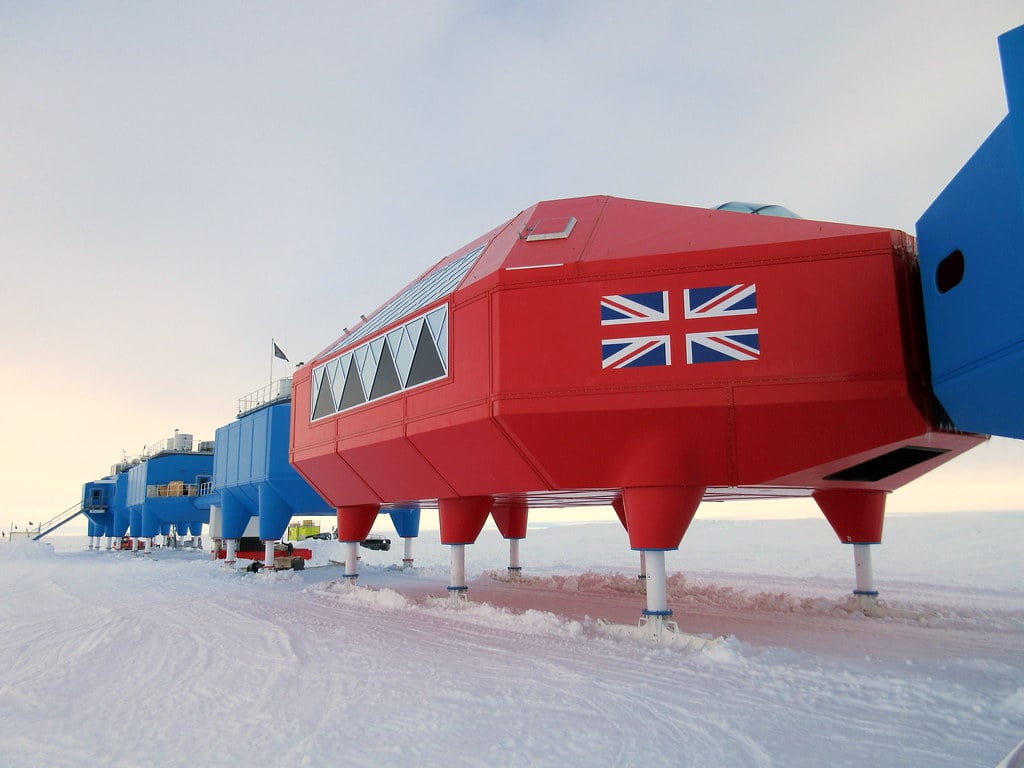
The British Antarctic Survey operates Halley VI on the Brunt Ice Shelf, a floating platform of ice on the edge of the Weddell Sea. What makes this station unusual is that it’s modular and mounted on hydraulic legs, so it can be raised as the ice accumulates below it and relocated if necessary — which has actually happened.
In 2016, a massive crack appeared in the ice shelf nearby. The BAS temporarily evacuated the station during winter out of caution.
Research resumed, but the ice continues to shift. Halley is best known for the discovery of the Antarctic ozone pit, made there in 1985, which remains one of the most significant atmospheric findings of the 20th century.
Mawson Station, Antarctica
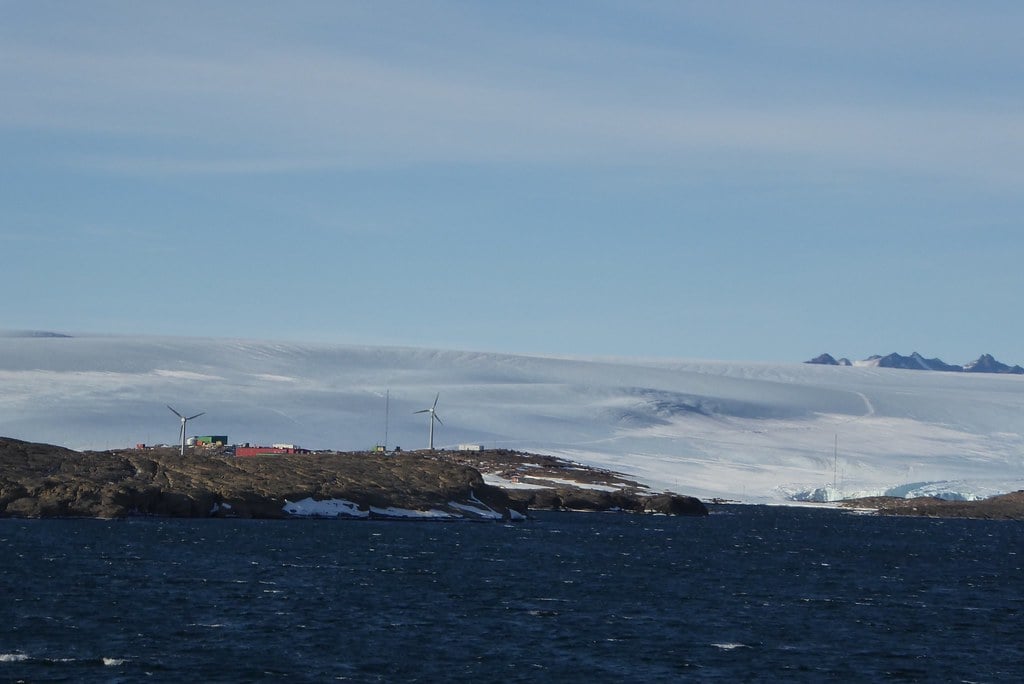
Australia’s Mawson Station is the longest continuously operated research station in Antarctica outside of the US and UK programs. It opened in 1954 on a rocky outcrop of the Mac.
Robertson Land coast. Getting there from Australia takes around a week by ship, and the sea ice around it makes access difficult for much of the year.
Mawson supports year-round research in geophysics, meteorology, and glaciology. The people who overwinter there — usually under 20 in number — live in one of the most windswept environments anywhere on Earth.
Ny-Ålesund Research Station, Svalbard
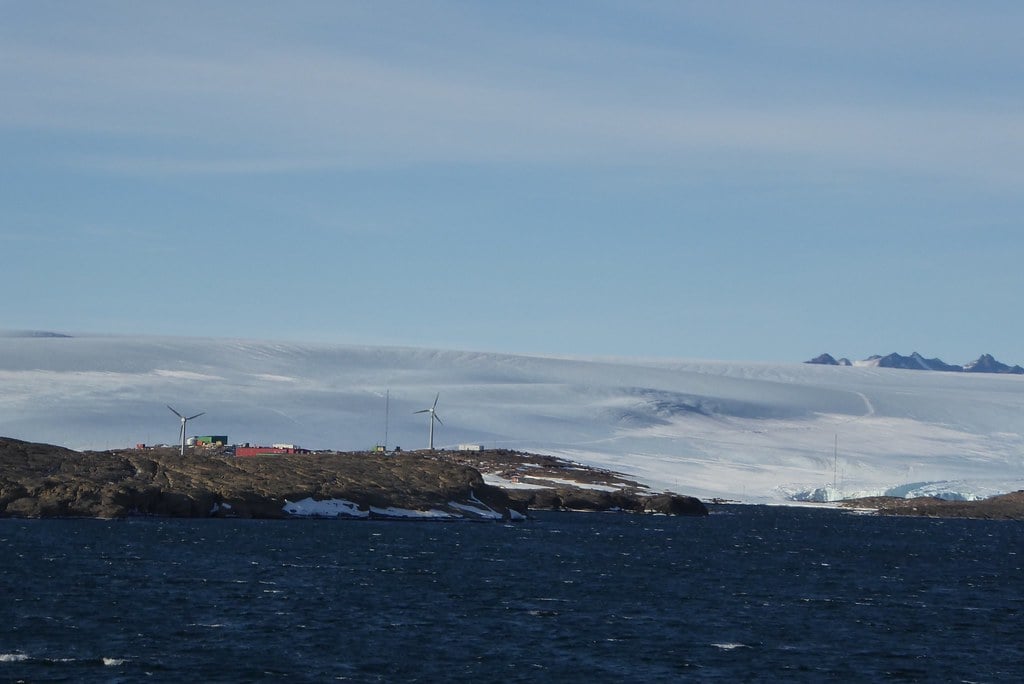
Ny-Ålesund sits on the Norwegian archipelago of Svalbard, above the 78th parallel. It’s often called the world’s northernmost civilian research settlement.
Countries including Norway, Germany, France, India, South Korea, Japan, and China all operate research bases there, making it an unusual international science hub in the high Arctic. The environment is harsh, but Ny-Ålesund is not fully isolated — supply ships reach it regularly during summer, and a small airport provides some connectivity.
Still, in winter, polar night descends for months, and the nearest city, Longyearbyen, is about 120 kilometers away by sea.
Kerguelen Islands Research Station, French Southern Territories
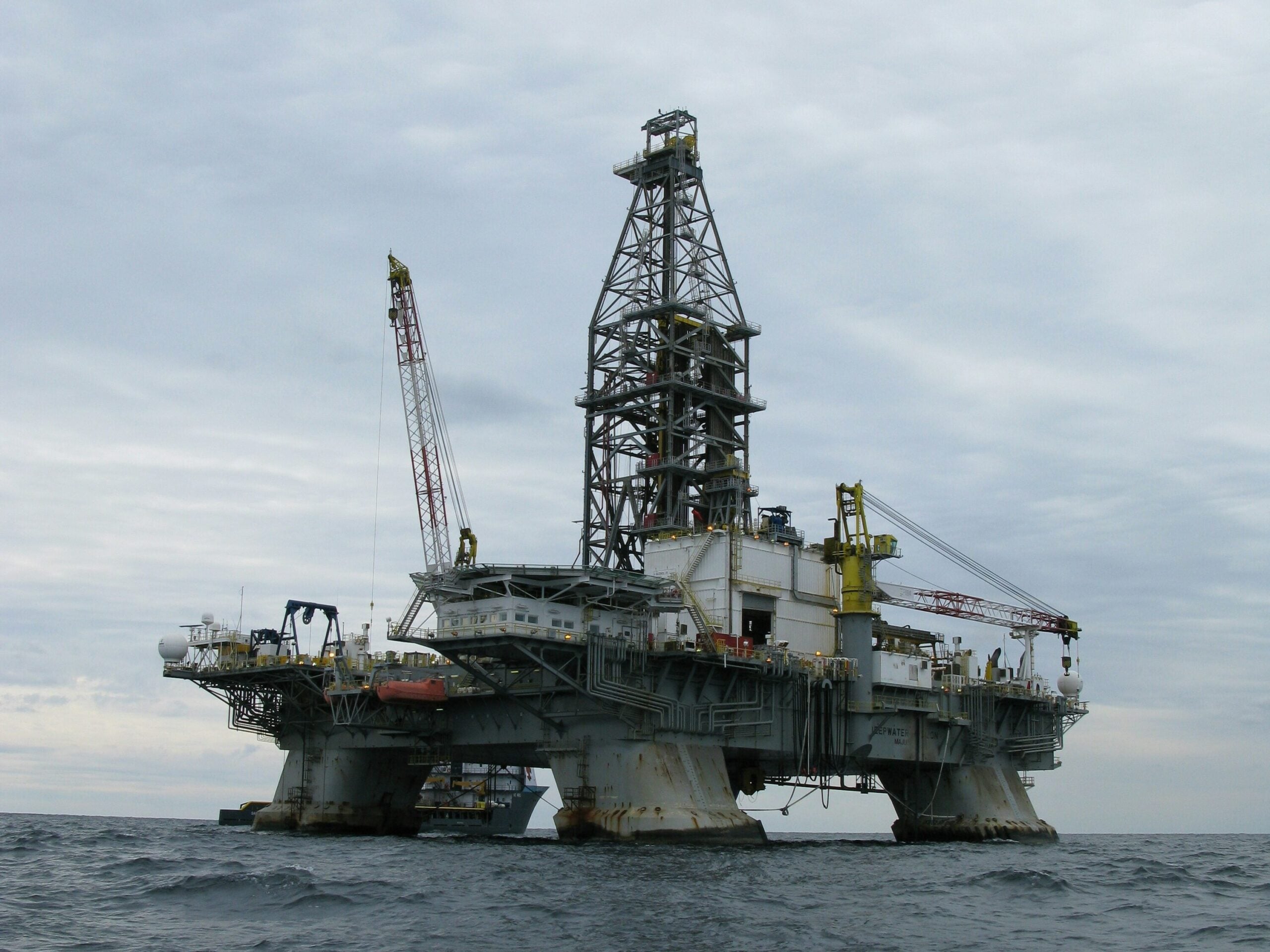
The Kerguelen Islands lie in the southern Indian Ocean, roughly equidistant between Africa, Antarctica, and Australia. There’s no airstrip.
The only way in or out is by supply ship, which calls four times a year. The trip from La Réunion takes about six days each way.
The main station, Port-aux-Français, houses around 70 to 100 people in summer and drops to around 30 in winter. Research covers biology, geophysics, and atmospheric science.
The islands themselves are windswept, rocky, and devoid of trees. If the ship schedule doesn’t work out, you wait.
Crozet Islands Research Station, French Southern Territories
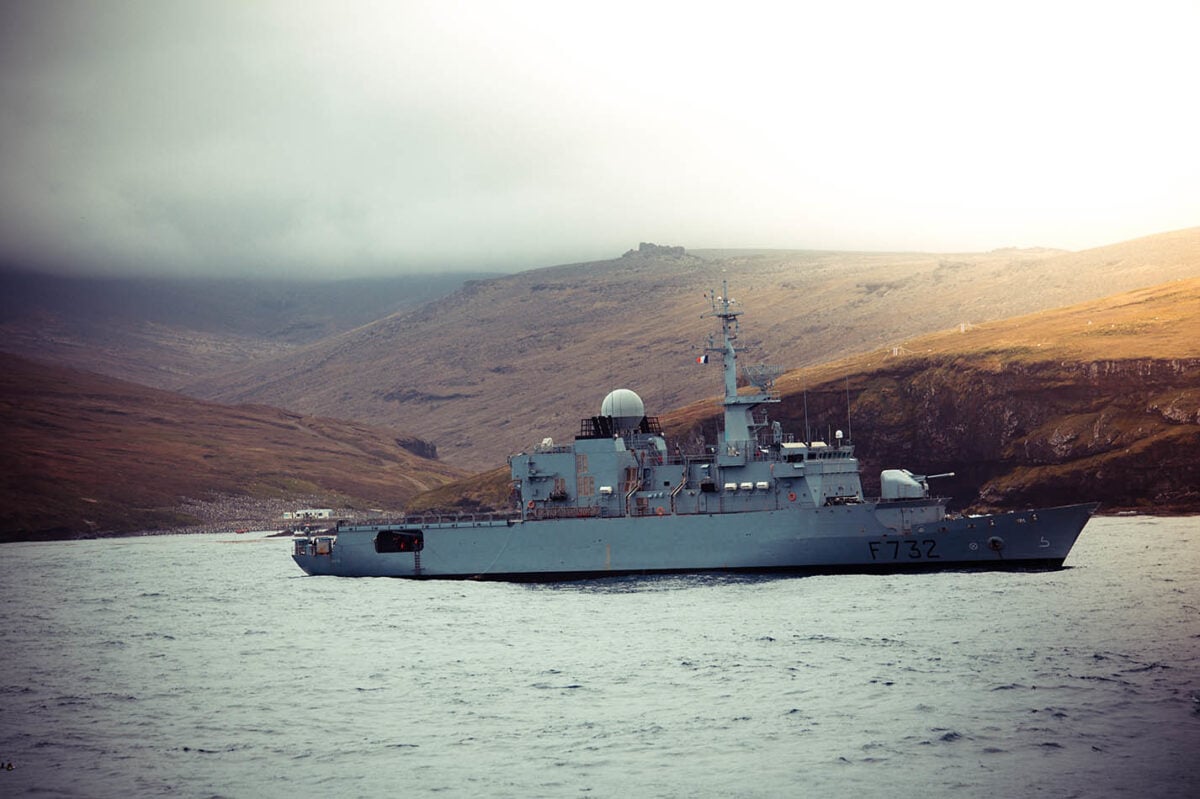
Even harder to reach than Kerguelen, the Crozet Islands are a volcanic archipelago in the deep sub-Antarctic. The research station there, Alfred Faure, is staffed year-round by a small team — usually around 20 to 25 people.
Supply ships visit roughly twice a year, and there’s no other way in or out. The islands are home to vast colonies of king penguins and elephant seals, which makes them interesting for wildlife biologists.
For everyone else, it’s just a long, quiet stretch of Southern Ocean and sky.
Tristan da Cunha, South Atlantic

Tristan da Cunha is technically a British territory with a permanent civilian population, not just a research outpost. But the science conducted there — particularly in marine biology, meteorology, and volcanology — makes it worth including.
It’s widely considered the most remote permanently inhabited island on Earth. The nearest land is Saint Helena, about 2,400 kilometers away.
There’s no airport. The supply ship from Cape Town takes about a week.
A small meteorological station has operated there for decades. The island has a population of around 250 people, who form one of the most self-contained communities anywhere.
Palmer Station, Antarctic Peninsula

Down near the tip of Antarctica, Palmer Station runs smaller than the other two American bases. Resting on Anvers Island along the peninsula, access here comes easier – ships arrive fairly regularly from South America.
Still, despite that link, isolation holds strong; the closest people live far beyond empty stretches of sea. Yet life thrives below the surface.
Waters nearby teem with creatures, drawing scientists eager to study what few places else offer. Scientists at the station spend most of their time studying ocean life and seawater patterns.
Because they have tracked penguins and frozen sea surfaces for years, clear signs about changing polar climates began showing up early. What started as routine observation turned into key evidence over time.
While conditions shift slowly, the data does not lie. Patterns seen here often appear nowhere else so clearly.
After decades of quiet recording, the story told by numbers grows harder to ignore.
Macquarie Island Research Station Subantarctic Australia
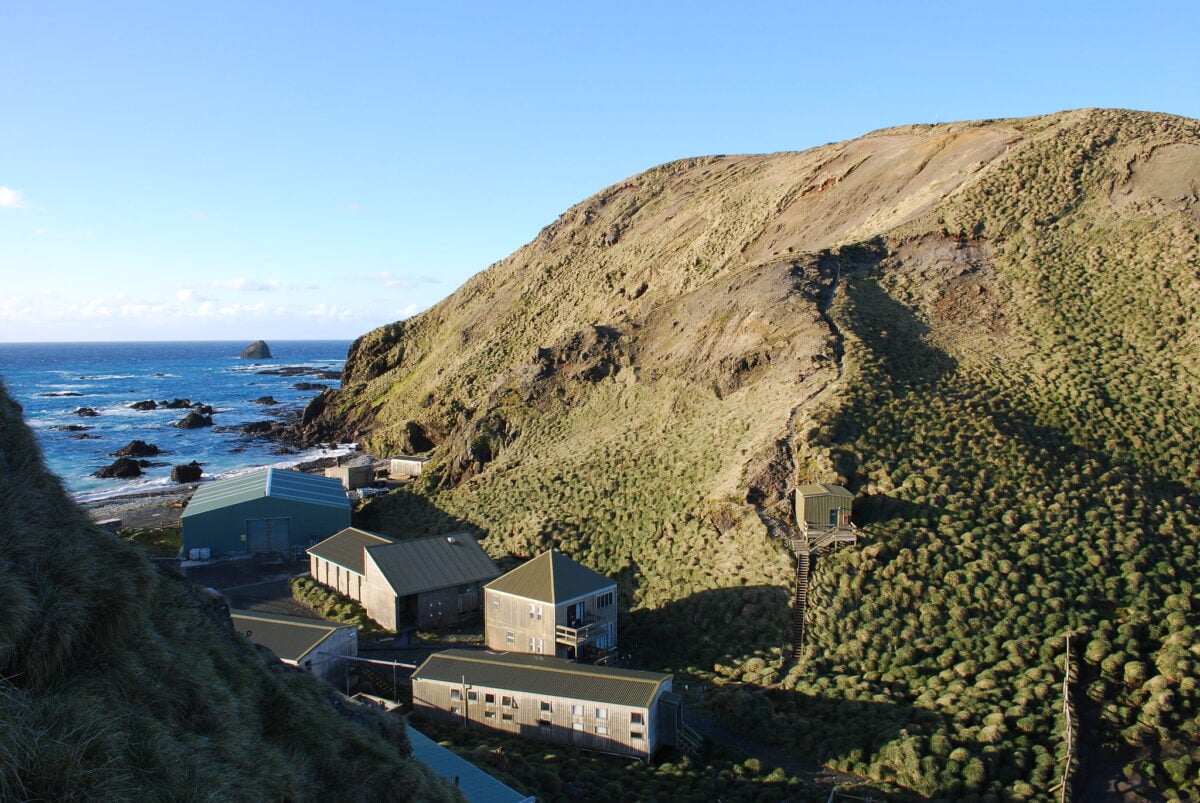
A tiny stretch of rock sits deep in the Southern Ocean, caught between Tasmania and the Antarctic edge. All through the year, Australia runs a base on this sliver called Macquarie Island.
It holds special status under UNESCO, marked for its global value. Life bursts here in wild abundance.
Royal penguins crowd the shores, while elephant seals haul onto beaches. Albatrosses circle above, returning season after season to nest.
Numbers swell beyond count when breeding time arrives. Since 1948, people have lived at the research station without pause.
Ships bring new workers while others leave, life going on despite skies that rarely clear – wind howling daily, clouds hanging low. Sitting where the cold deep south meets milder waters, Macquarie holds a spot perfect for tracking sea and air patterns.
Monitoring here gives steady data, year after year, thanks to its unique place on Earth.
Neumayer Station III Queen Maud Land Antarctica

On Antarctica’s shore, Germany runs Neumayer Station III atop the Ekström Ice Shelf. Built like Halley VI, it sits on ice that floats, drifting little by little toward open water.
Raised off the ground, the structure stays clear of buried snow over time. As layers pile up underneath, its height adjusts upward to match.
Around nine folks keep the place going through winter, every single year. Research happens here – weather, earth physics, air makeup – all studied steadily.
Run by the Alfred Wegener Institute, it fits into Germany’s ongoing polar work.
At the edge where things happen

It stands out how each station embraces solitude by design, not accident. At the far southern tip of Earth lies a spot picked on purpose for watching space particles and old frozen layers deep below.
Far off in the Southern Ocean, one rocky outpost holds value since waters around it shape weather patterns worldwide. A tiny island hosts people and researchers alike simply because being so cut off preserves natural states busier places have lost.
Out here, far beyond familiar towns, some stay not because it is easy but because what they do matters deeply. Their efforts uncover secrets you cannot find in city labs or warm offices.
From deep ice samples to invisible bits floating in air, their findings shift how humanity sees Earth. Time spent watching silent seas or tracking high-energy specks from space adds up to something rare.
This knowledge flows from remote spots where few dare to remain through endless dark and cold. Hidden behind frozen windows, real discoveries take shape without fanfare.
Few hands handle such tasks. Those who remain become part of the landscape, almost like stone or snow.
What emerges changes textbooks, quietly.
More from Go2Tutors!

- The Romanov Crown Jewels and Their Tragic Fate
- 13 Historical Mysteries That Science Still Can’t Solve
- Famous Hoaxes That Fooled the World for Years
- 15 Child Stars with Tragic Adult Lives
- 16 Famous Jewelry Pieces in History
Like Go2Tutors’s content? Follow us on MSN.