Shortest Reigns of Rulers in History
History books usually celebrate the long reigns—the monarchs who ruled for decades, the emperors who shaped entire eras. But some rulers barely had time to sit on their thrones before everything changed.
Their stories reveal just as much about power, politics, and human nature as those who held onto it for years. These brief moments at the top of the world tell us something about how fragile authority really is.
The Twenty-Minute King

Louis XIX technically holds the record for the shortest reign in French history. On August 2, 1830, his father Charles X abdicated during the July Revolution.
Louis inherited the throne, then abdicated himself twenty minutes later in favor of his nephew. Some historians debate whether he was ever truly king at all, since he never went through a coronation.
But those twenty minutes still count. He spent them signing a document that ended his family’s grip on power forever.
A Pope Who Never Saw His Second Week
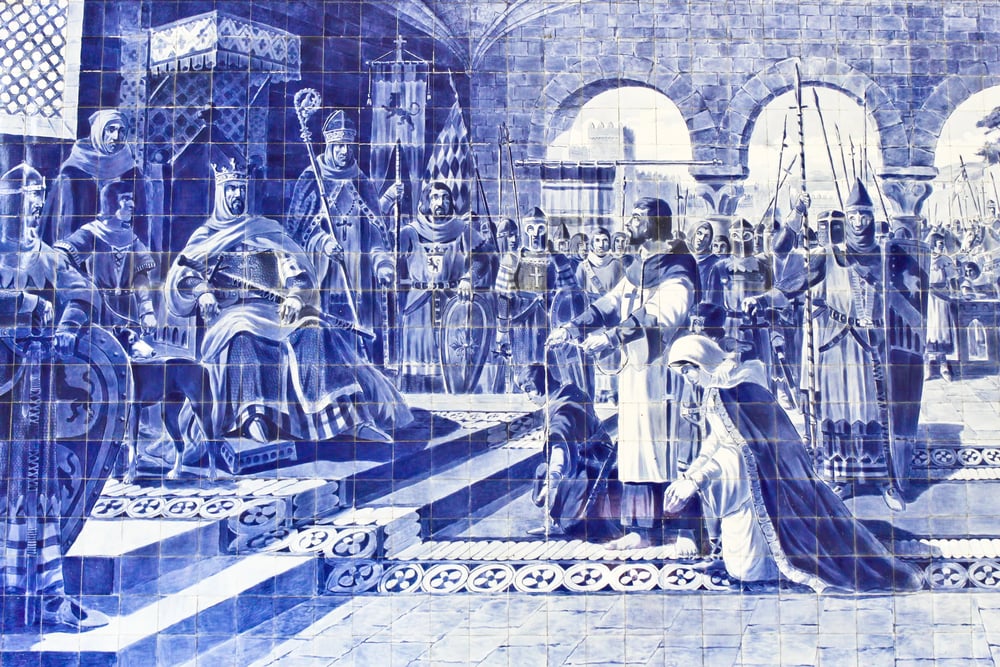
Urban VII became pope on September 15, 1590. Thirteen days later, he died from malaria.
He never even had a formal coronation ceremony. During those thirteen days, he managed to issue one decree—banning the use of snuff in churches.
That rule stayed in effect for centuries after him. His body lies in the Vatican, and historians remember him mostly for what he didn’t have time to do.
The Nine-Day Queen

Lady Jane Grey was sixteen when the Duke of Northumberland convinced her to take the English throne in 1553. She didn’t want it.
Her reign lasted nine days before Mary Tudor gathered enough support to claim what was rightfully hers. Jane spent the rest of her short life imprisoned in the Tower of London.
Mary had her executed the following year. Jane’s story isn’t really about ruling—it’s about being a pawn in someone else’s game.
When a Crown Prince Became King by Accident

Nepal’s King Dipendra shot and killed most of his family during a dinner in 2001, then turned the gun on himself. He survived initially, though in a coma.
According to the rules of succession, he technically became king while unconscious. He died three days later, never having woken up.
Those three days marked one of the strangest transitions of power in modern history. His uncle Gyanendra took over after him.
The Puppet Emperor’s Last Act

Puyi, China’s last emperor, first took the throne at age two in 1908. He abdicated in 1912 when the revolution ended the Qing Dynasty.
But that wasn’t his shortest reign. In 1917, a warlord briefly restored him to power.
This second reign lasted just twelve days before other military leaders forced him out again. Later, the Japanese made him emperor of Manchukuo, their puppet state.
That lasted longer, but his legitimacy was always questionable.
An Emperor Chosen by Soldiers
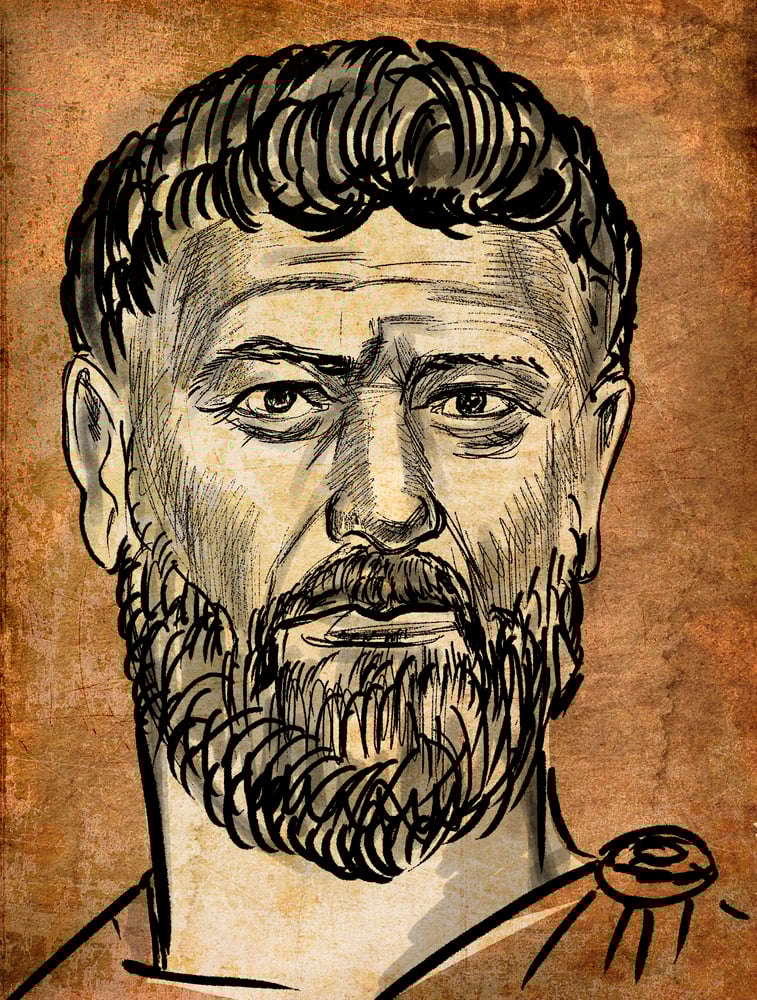
Marcus Didius Julianus bought the Roman Empire at auction in 193 CE. The Praetorian Guard literally auctioned off the throne after assassinating the previous emperor.
Didius paid 25,000 sesterces per soldier—more than any other bidder. His reign lasted sixty-six days before Septimius Severus marched on Rome with his legions.
The Senate condemned Didius, and a soldier beheaded him in the palace. You can’t buy loyalty with money alone.
The Boy King Who Disappeared

Edward V of England was twelve when he became king in 1483. His reign lasted seventy-seven days.
His uncle Richard, Duke of Gloucester, declared Edward and his brother illegitimate and took the throne himself as Richard III. The two boys were locked in the Tower of London and never seen again.
Their fate remains one of history’s great mysteries. Most historians believe Richard had them killed, though nothing was ever proven.
A French Monarch Measured in Hours

Jean I of France holds a different kind of record. He was king for five days—his entire life.
Born in November 1316, he died five days later. His father Louis X had died before he was born, making Jean king from the moment of his birth.
Some suspected poison, others blamed natural causes. His death created a succession crisis that changed French law forever.
After Jean, France decided daughters couldn’t inherit the throne.
The King Who Refused

In 1808, Joseph Bonaparte became King of Spain because his brother Napoleon conquered the country. But before Joseph, there was Ferdinand VII, who technically reigned for two months before Napoleon forced him to abdicate.
Ferdinand spent years imprisoned in France while Joseph ruled. The Spanish people never accepted Joseph.
He fled in 1813 when Napoleon’s empire started crumbling. Ferdinand returned to reclaim his throne.
A Crown Rejected Before It Was Worn
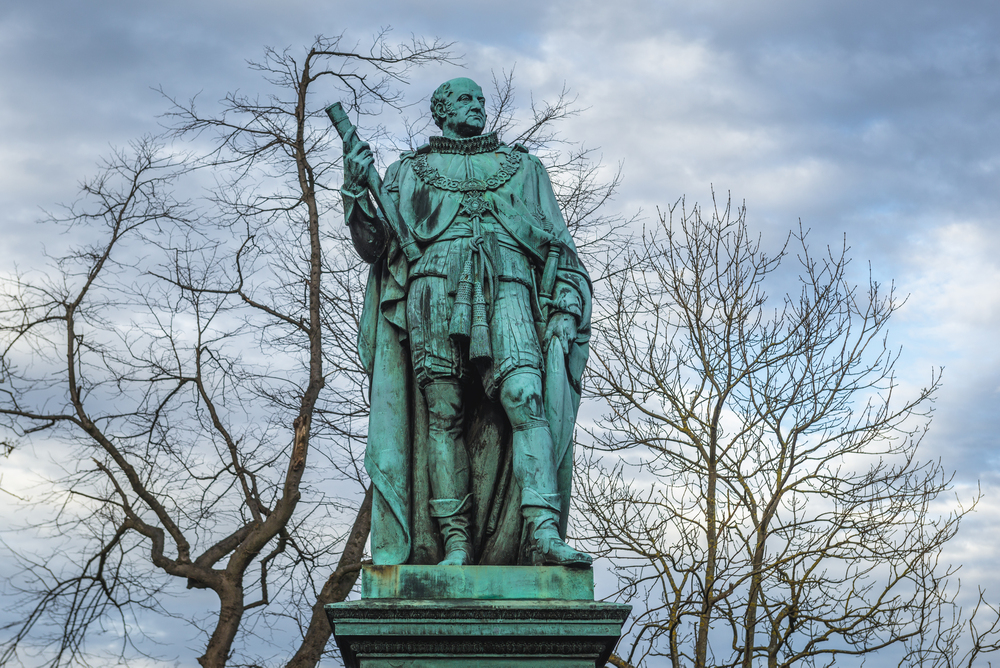
Leopold, Duke of Albany, was chosen to be King of Greece in 1830. He accepted, then changed his mind and turned it down after just a few weeks.
Technically he never ruled, but the Greeks had proclaimed him king. The whole affair embarrassed everyone involved.
Greece eventually found another king—Otto of Bavaria, who lasted longer but faced his own problems. Leopold went back to Britain and lived quietly.
When Revolution Moved Faster Than Ceremony
A bullet ended his father’s life, leaving Manuel II on the throne at just eighteen. Power shifted fast when rebellion erupted two years later.
Across the sea in England, he settled, staying there until death took him. Never once did he set foot back home again.
The clock ran longer for some rulers than it did for him. Still, nothing proves change comes quicker than guns and crowds.
A new flag rose over Lisbon – no monarch since.
The Sultan Who Lost His Kingdom in One Night
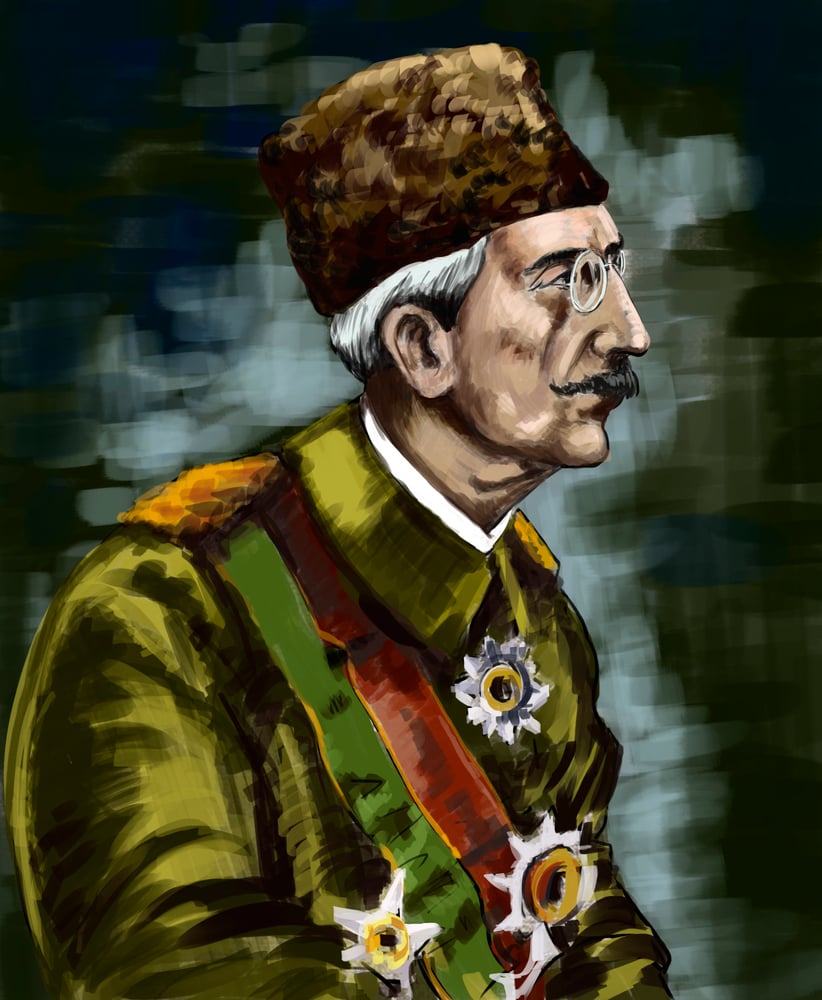
One morning, Turkey still had a sultan. By the next, the role was gone – wiped out without warning.
Mehmed VI ruled as sultan for just under five years before that moment came. Then Abdulmejid II took up the caliph title, lasting nearly two full turns of the seasons.
Power shifted quicker than anyone expected, leaving little trace behind. A whistle blew as Mehmed stepped onto the deck of a British ship.
Gone was the empire – six hundred years erased by a slip of paper for a seat on a rail line and passage on water.
An Emperor’s Final Days

Eighty-three days – that is how long Yuan Shikai held on to his dream of being emperor. Once president of the Republic of China, he reached beyond what power he already had.
A crown is louder than an office. Provinces rose up fast; people saw it as betrayal.
Not even weeks passed before resistance cracked open across the country. Faced with revolt, he dropped the title, stepping back into the role of president.
Trust had bled out too far. By June the following year, death took him – weak, defeated, alone.
Power’s Fleeting Touch

Power cracks easier than most admit. Sitting high changes nothing if the ground shifts.
Revolutions swept some away, kin turned on others, while fate just waited for its moment with a few. What took generations to claim might vanish before sunset.
What sticks in memory isn’t their victories, instead it’s how fast they vanished. Not tales of winning – rather, that instant when certainty cracks like thin ice.
Power sat there only until someone blinked. Some just saw the truth before others did.
More from Go2Tutors!

- The Romanov Crown Jewels and Their Tragic Fate
- 13 Historical Mysteries That Science Still Can’t Solve
- Famous Hoaxes That Fooled the World for Years
- 15 Child Stars with Tragic Adult Lives
- 16 Famous Jewelry Pieces in History
Like Go2Tutors’s content? Follow us on MSN.



