2016 Trends Making a Comeback This Year
Fashion moves in cycles. What felt fresh ten years ago eventually starts looking dated, then suddenly vintage, and before you know it, everyone wants it back.
The gap between trend cycles keeps shrinking too. Things that defined 2016 are showing up again in stores, on social media, and in how people choose to spend their time.
Some of these comebacks make sense. Others feel a bit random.
But that’s how trends work.
Chokers Are Back on Necks Everywhere
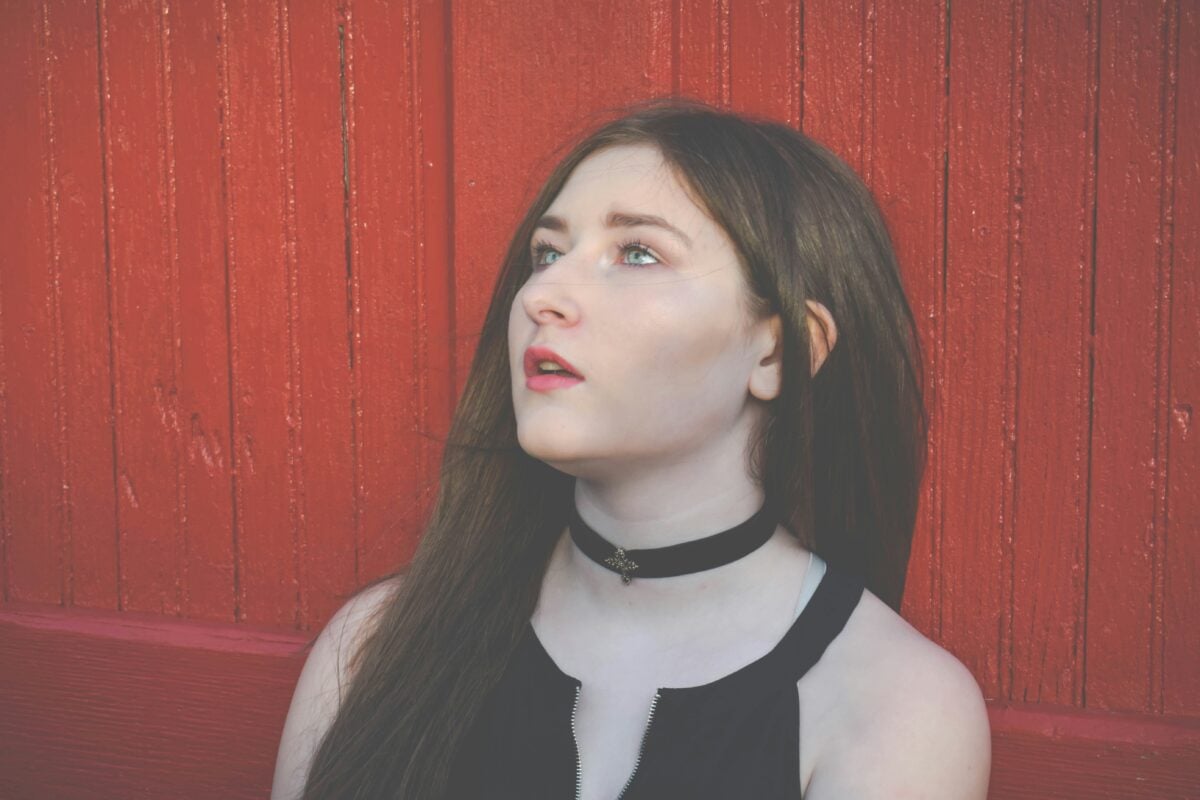
Walk through any shopping district and you’ll see them in store windows again. The thin black velvet ones.
The plastic tattoo chokers look like springs. Even the more elaborate versions with pendants or charms.
They dominated accessory sections in 2016, disappeared for a few years, and now they’re claiming neck space once more. The appeal holds up. Chokers add something to an outfit without requiring much thought.
You can throw one on with a plain t-shirt and suddenly look like you tried. Gen Z discovered them through photos of their older siblings and decided they wanted in.
Fashion brands noticed and started producing them again. The cycle completes itself.
Slip Dresses Over T-Shirts
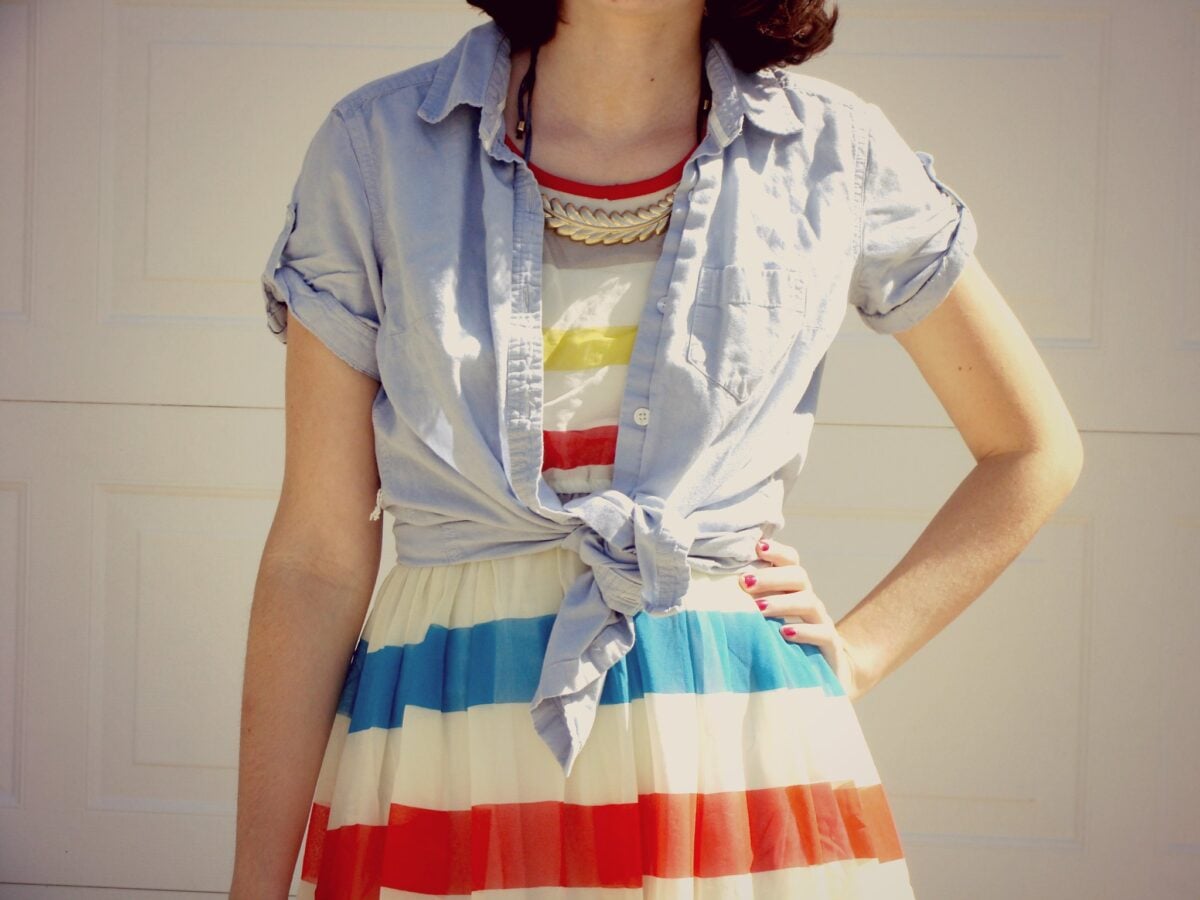
This layering trick defined casual-fancy dressing in 2016. The combination shouldn’t work on paper—a delicate silk or satin dress worn over a plain cotton shirt—but it does.
The contrast between textures creates visual interest. The t-shirt makes the dress wearable for daytime.
The dress makes the t-shirt look intentional. You’re seeing this pairing show up at brunches and casual gatherings again.
Vintage and thrift stores can barely keep slip dresses in stock. The look works for multiple body types and doesn’t require perfect proportions.
Plus it solves the eternal question of what to wear when you can’t decide between comfortable and put-together.
Athleisure as Actual Fashion
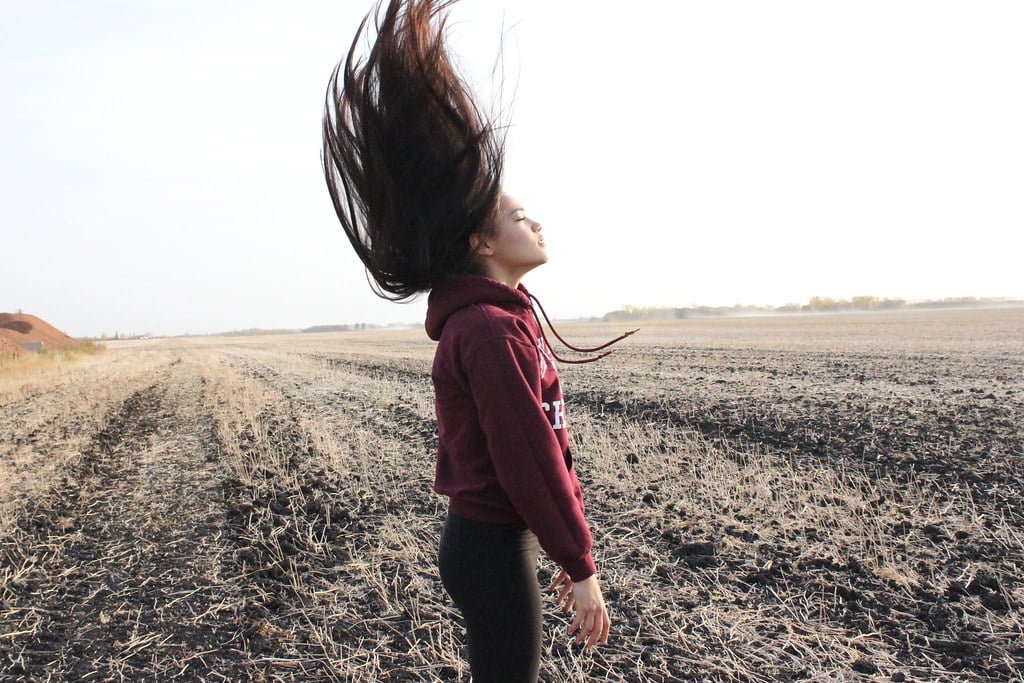
The yoga pants and hoodie combination existed before 2016, but that year it stopped being gym clothes and became a legitimate outfit. People started wearing athletic gear to coffee shops, to work on casual Fridays, and to dinner.
The boundary between activewear and streetwear got blurry. After a brief period where people tried to dress “up” again, athleisure has returned with even more confidence.
The fabrics improved. The cuts got more sophisticated.
Brands figured out how to make sweatpants that look deliberate instead of lazy. You can now attend most events in some version of athletic-inspired clothing and no one blinks.
The comfort factor sealed its fate. Once people experienced moving through their day in stretchy, breathable fabrics, going back to restrictive clothing felt like a punishment.
Fashion adapted instead of fighting it.
Pokémon GO Walking Culture
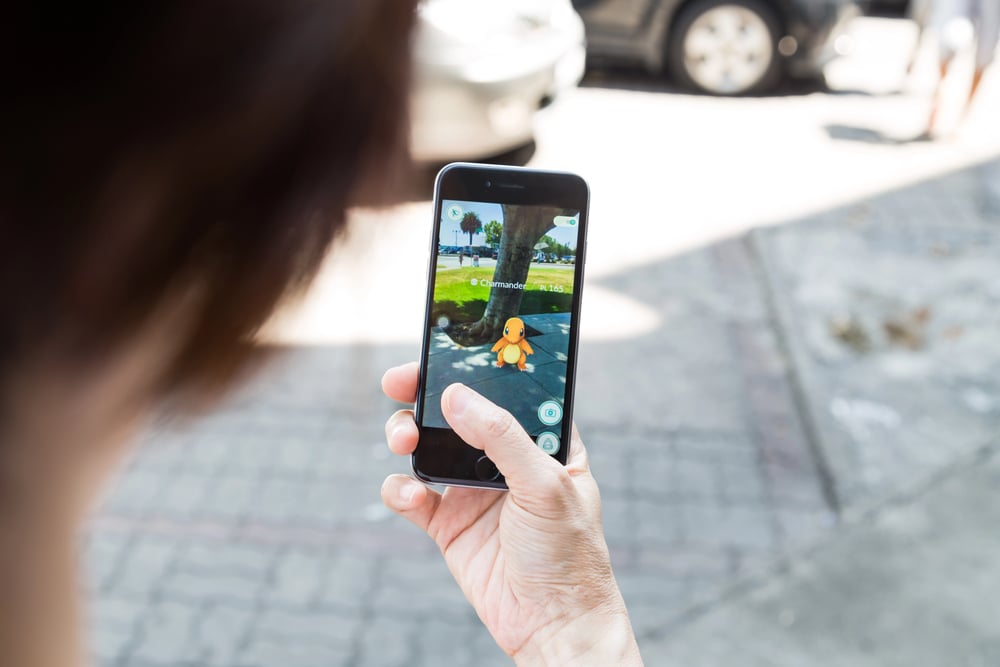
Remember when people wandered neighborhoods staring at their phones, stopping randomly at landmarks? That summer of 2016 felt briefly magical.
Then it faded as quickly as it appeared. But location-based mobile games learned from Pokémon GO’s success, and the walking-while-gaming culture is back.
New apps refined the formula. They added better social features, more compelling rewards, and integration with fitness tracking.
People rediscovered that exploring their surroundings through game mechanics makes exercise feel less like work. Parks see clusters of people gathered at specific spots again.
Local businesses offer perks to players who visit. The appeal goes beyond the games themselves.
Walking with purpose, even digital purpose, beats walking on a treadmill or doing another mindless cardio session. The social aspect matters too.
You run into other players. You chat about strategies.
It creates small communities in neighborhoods.
Mom Jeans and High Waists
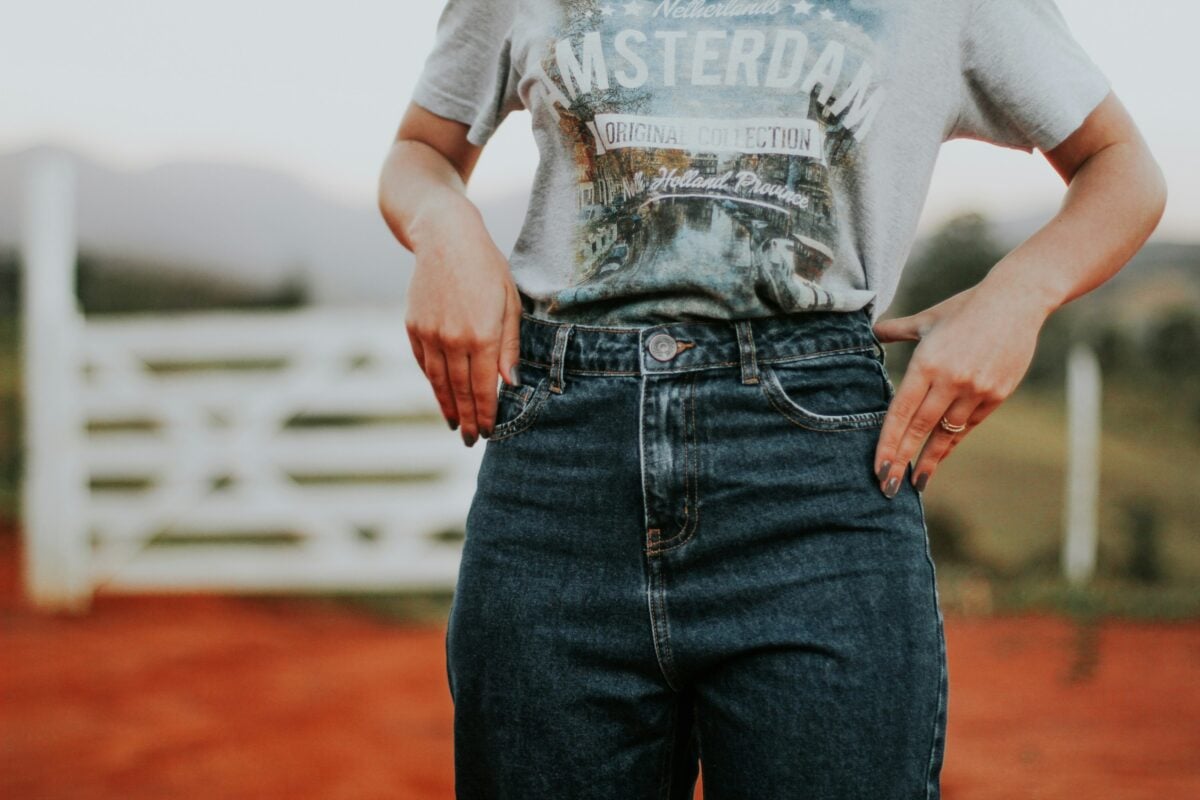
Skinny jeans ruled the early 2010s with an iron fist. Then 2016 brought back the high-waisted, straight-leg jeans that moms wore in the 80s and 90s.
The fashion world collectively decided that super-tight ankles were out and relaxed fits were in. This trend never fully left, but it’s having another moment.
The silhouette flatters more body types than the skinny jeans ever did. It pairs well with crop tops and tucked-in shirts.
It feels comfortable without looking sloppy. Even people who swore they’d never abandon their skinny jeans have at least one pair of mom jeans in their closet now.
Denim brands expanded their offerings. Finding the right fit matters more than following a single trend.
But the high-waisted, straight-leg cut remains the default starting point for most jean shopping trips.
Fidget Tools as Desk Essentials
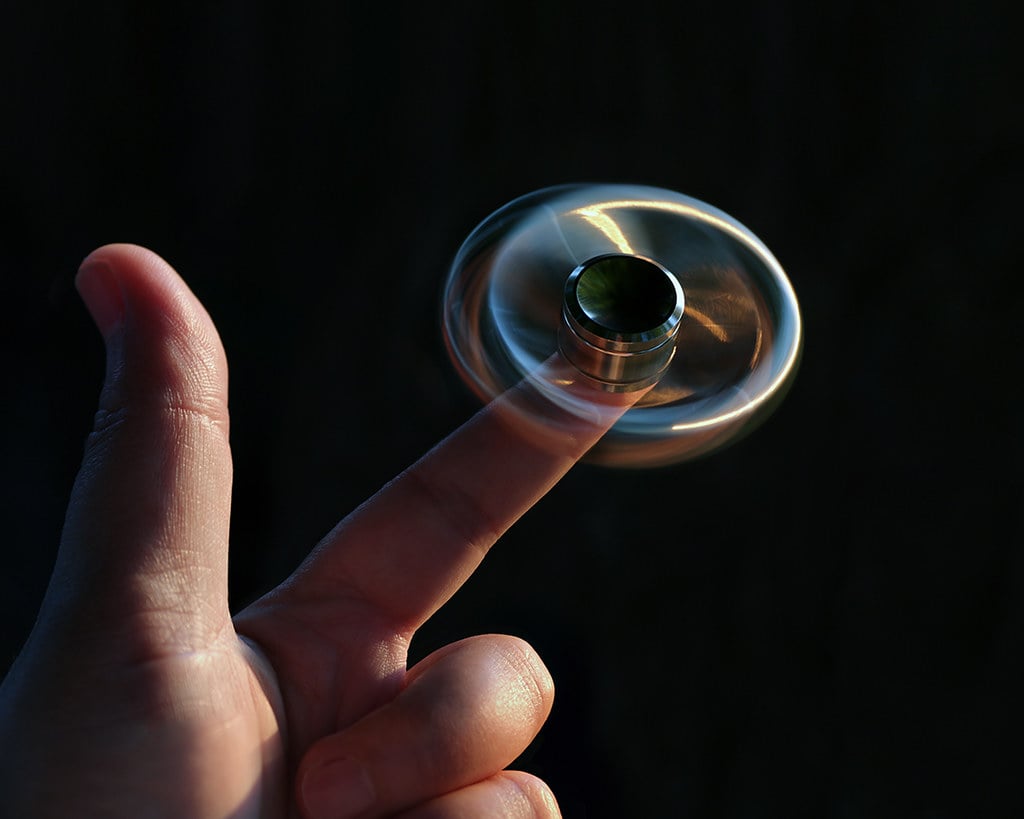
Fidget spinners took over schools and offices in 2016 and 2017. They got banned in classrooms.
They were everywhere and then nowhere. But the core idea—having something to occupy your hands during focus work—never went away.
The tools got more sophisticated. Fidget cubes, infinity cubes, magnetic rings, and silent desk toys fill the space that spinners once occupied.
Companies market them for productivity and stress relief instead of just calling them toys. They show up in LinkedIn posts about focus techniques and in productivity blogs.
People who need to move their hands while thinking finally have socially acceptable options. The stigma around fidgeting decreased as more research showed its benefits for concentration.
Remote work normalized having random objects on your desk that help you think.
Minimalist Home Aesthetics
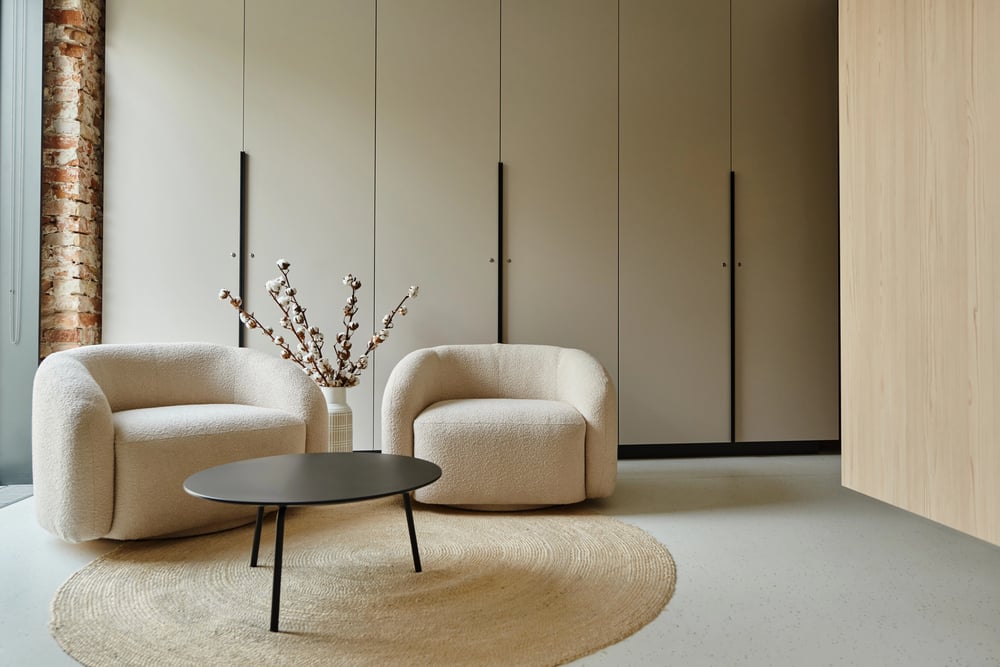
Marie Kondo’s book came out in 2014, but the minimalist home trend peaked around 2016. White walls, clean lines, plants as the only decoration, and owning as little as possible defined aspirational living spaces.
Then maximalism tried to make a comeback with bold colors and cluttered shelves. The pendulum swung back.
People are decluttering again. They’re choosing neutral color palettes.
They’re donating items that don’t serve a clear purpose. The minimalist aesthetic returned partly because housing costs keep rising and smaller spaces require less stuff.
But it also came back because the simple look photographs well for social media. The current version feels less extreme than 2016’s approach.
You don’t need to own exactly 30 items or have completely bare countertops. But the general philosophy of “less is more” dominates interior design again.
Clean spaces feel calmer. And in a noisy world, calm sells.
Adult Coloring Books
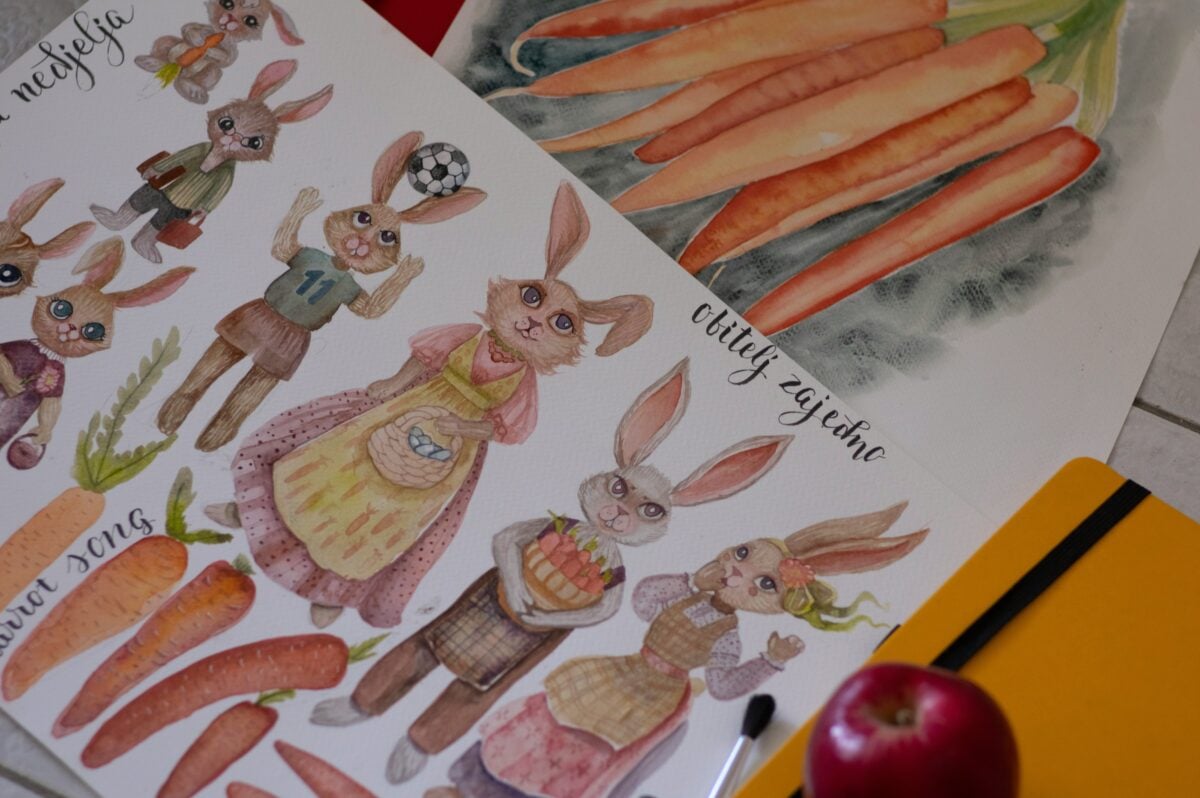
This trend seemed silly even when it was happening. Coloring books designed for adults filled bookstore displays in 2016.
They promised stress relief and mindfulness. Some were intricate mandalas.
Others featured sweary phrases or wine bottles. Then they vanished almost completely.
They’re back, but with a twist. The marketing changed.
Instead of positioning them as stress relief tools, brands now call them digital detox activities or screen-free hobbies. The designs got more sophisticated.
Artists known for their illustration work create limited edition coloring books. Some are printed on better quality paper with perforated pages for framing.
The appeal makes sense. Coloring requires just enough concentration to quiet your mind but not so much that it feels like work.
It’s creative without the pressure of creating something from scratch. And it gives you something to do with your hands that isn’t scrolling.
Dewy Skin Over Matte
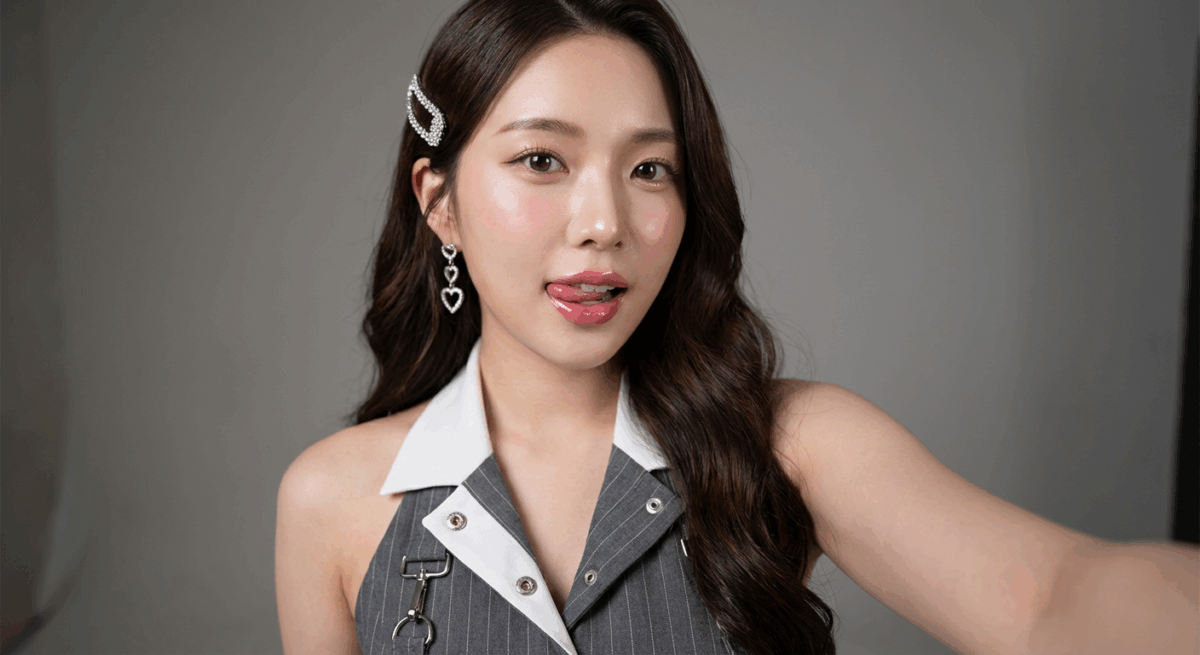
The contouring craze of the mid-2010s led to heavily matte foundation and powder everywhere. Then 2016 saw a shift toward “glass skin” and dewy finishes.
The goal became looking like you naturally glowed instead of looking like you were wearing a ton of makeup. This aesthetic fully dominates now. Makeup counters stock more illuminating products than matte ones.
Primers promise radiance. Highlighters moved from cheekbones to being mixed into foundation for all-over shine.
Even people who prefer matte makeup own at least one dewy product. The trend works because it looks more natural in photos.
Heavy matte makeup can appear mask-like in flash photography or harsh lighting. Dewy skin catches light in flattering ways.
Plus, as skincare became a bigger focus in beauty, people wanted their makeup to look like an extension of healthy skin rather than a covering.
Kombucha as a Standard Beverage
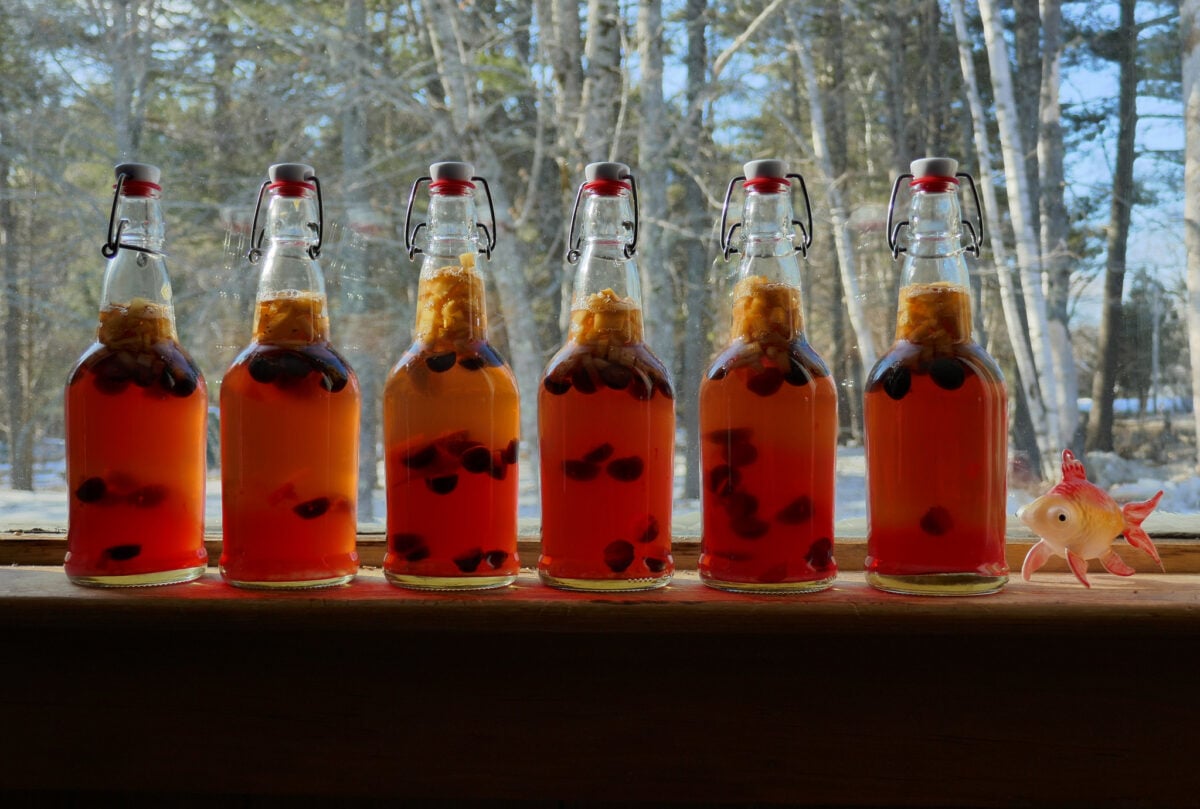
Grocery stores in 2016 started giving kombucha its own refrigerated section. The fermented tea drink went from health food stores to mainstream availability.
It still tasted weird to most people, but enough early adopters created demand. Now it’s everywhere.
Gas stations stock it. Vending machines offer it.
New brands launch constantly with less vinegary flavors that appeal to broader audiences. The probiotic and gut health messaging found its audience just as awareness about the microbiome went mainstream.
You don’t have to be particularly health-conscious to drink kombucha anymore. It’s just another beverage option.
The exotic factor wore off. It normalized.
That’s when you know a trend successfully integrated into regular culture instead of remaining a temporary fad.
Bomber Jackets as the Default Outer Layer
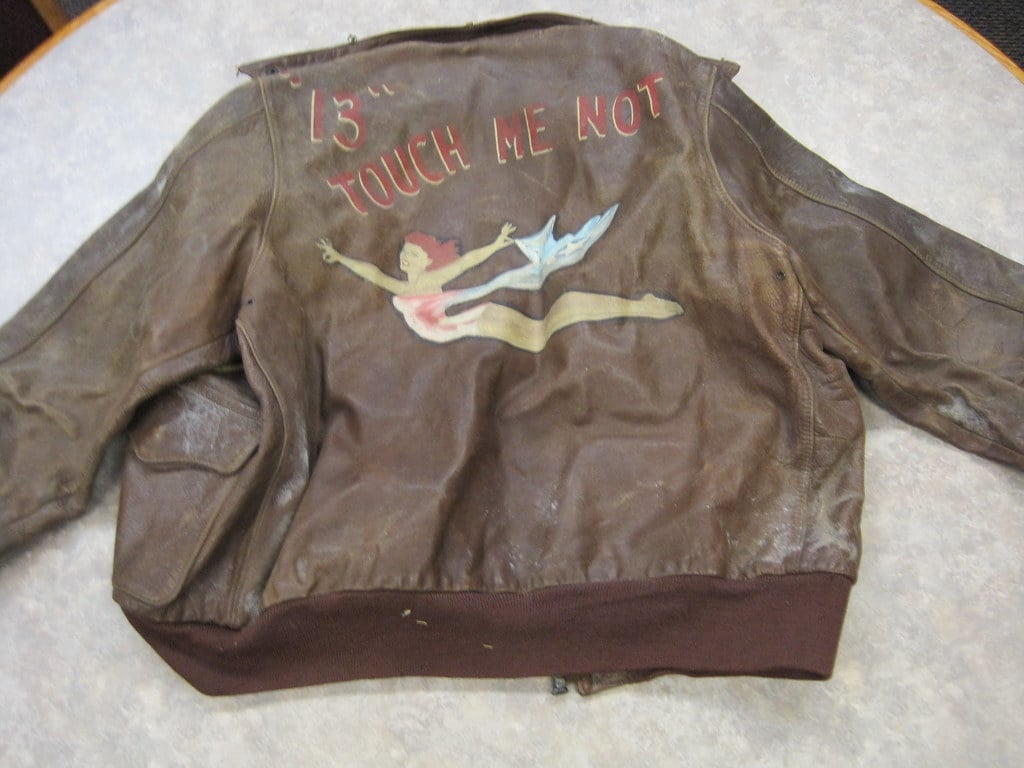
Bomber jackets appeared everywhere in 2016. The athletic-inspired silhouette worked for multiple seasons and looked good with most outfits.
They came in satin, leather, cotton, and denim. They had patches, embroidery, or stayed plain.
Every retailer sold some version. The style retreated for a couple of years as oversized denim jackets and long coats took over.
But bombers are back on racks and shoulders. They hit at the right length—not too cropped, not too long.
They work for people of different heights and builds. They’re warmer than they look but not so heavy that you can’t layer them.
The versatility matters most. You can dress them up or down.
They work with jeans or dresses. They fit into most aesthetics without looking out of place.
That flexibility gives them staying power beyond typical trend cycles.
Instagram Stories Instead of Feed Posts
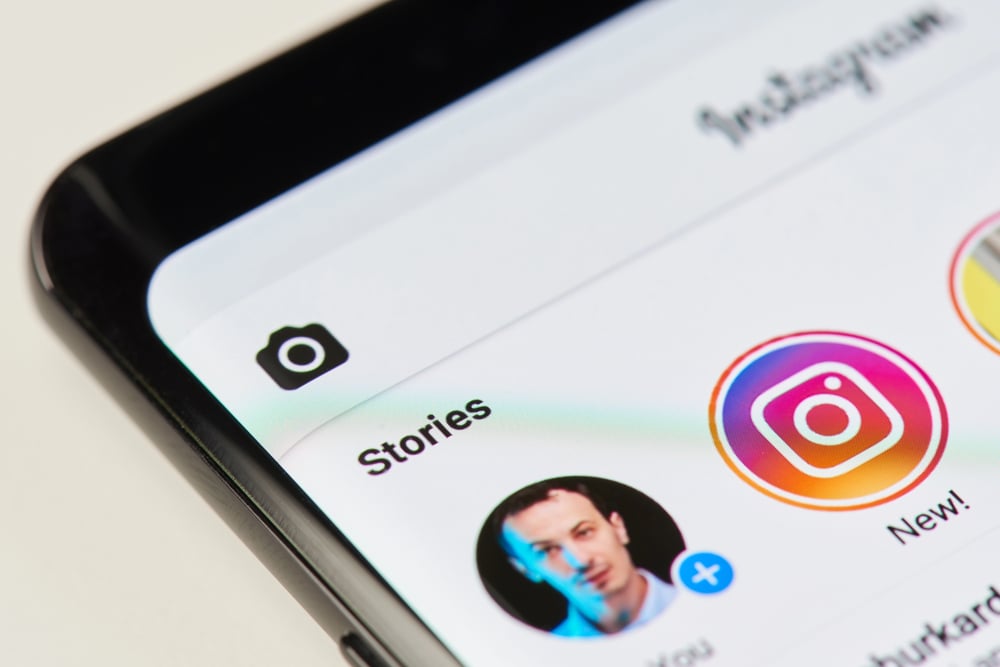
Instagram Stories launched in August 2016, copying Snapchat’s most popular feature. It changed how people used Instagram.
Instead of carefully curating their main feed, people could post casual, temporary content that disappeared after 24 hours. Stories now dominate how most people share content on Instagram.
The main feed became more polished and less frequent while Stories show real-time updates and daily life. Brands shifted their strategies.
Influencers post multiple Stories per day but only a couple of feed posts per week. The temporary nature removes pressure.
You don’t worry as much about posting something that isn’t perfect because it’ll be gone tomorrow. That casualness made Instagram feel less intimidating.
The comeback isn’t really a comeback—Stories never left. But the way people prioritize them over the main feed is more pronounced than ever.
Rose Gold Everything
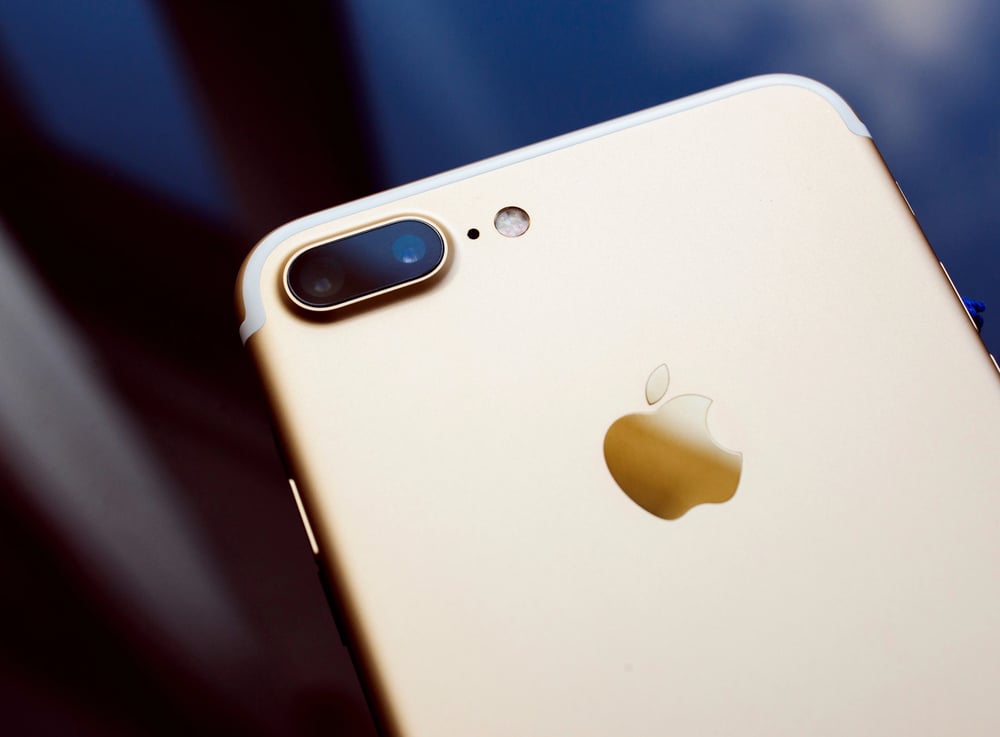
This metallic pink shade covered phones, laptops, watches, jewelry, and home decor in 2016. It offered a feminine alternative to silver and gold that felt modern.
Then it became so oversaturated that people got tired of it. Everything looked the same.
Rose gold is showing up again, but more selectively. Instead of every possible item coming in that finish, it’s back as an accent color. A rose gold lamp instead of an entire rose gold bedroom.
Rose gold jewelry instead of rose gold everything. The restraint makes it work better this time.
The color photographs well, which helps its case in a visual culture. It adds warmth without being too bold.
And enough time passed that people who avoided it during its saturation point are willing to give it another chance.
The Comfort of Known Territory

A decade between fashion loops now seems quick. Back then, people waited twice or three times as long for old looks to return. Social platforms speed up how fast things move.
Now you see trends grow, hit their height, then drop while it’s happening. With time squeezed like that, revivals show up sooner.
Back in 2016, certain choices stuck because they actually helped. They fixed real things – outfit worries, routine hiccups, awkward pauses mid-conversation.
If a detail makes mornings smoother, however briefly, it leaves a mark. Once that memory spreads widely, companies start paying attention instead of ignoring.
When things feel shaky, old styles come back quietly. Pulling out looks or routines from ten years past brings something steady. It is known.
It has been tested. A world spinning fast finds pause in a choker, in high-waisted denim.
These pieces tie us to moments we’ve already lived. Distance shrinks when memory fits around your neck.
More from Go2Tutors!

- The Romanov Crown Jewels and Their Tragic Fate
- 13 Historical Mysteries That Science Still Can’t Solve
- Famous Hoaxes That Fooled the World for Years
- 15 Child Stars with Tragic Adult Lives
- 16 Famous Jewelry Pieces in History
Like Go2Tutors’s content? Follow us on MSN.