Snacks Sold at Corner Stores That Kids Rode Bikes Across Town For
Before the centralization of retail and the dominance of grocery store chains, corner stores held a specific cultural position as the source of snacks unavailable elsewhere. The corner store was close enough that bikes made it a reachable destination, distinct enough that it felt like an actual trip rather than mere proximity, and specific enough in its inventory that particular items were reason enough to make the journey.
Some snacks were available at grocery stores but felt more authentic, more exciting, when purchased at the corner store. Others were corner-store exclusives or seemed that way, lending them an aura that subsequent availability in supermarkets couldn’t replicate.
The corner store snack run was a ritual that created a sense of autonomy and adventure, providing a reason to leave home unsupervised and spend saved allowance money on items chosen entirely according to personal preference. The snacks mattered less than the act of selection, the transaction, and the sense of small-scale consumption choice.
Planters PB Crisps
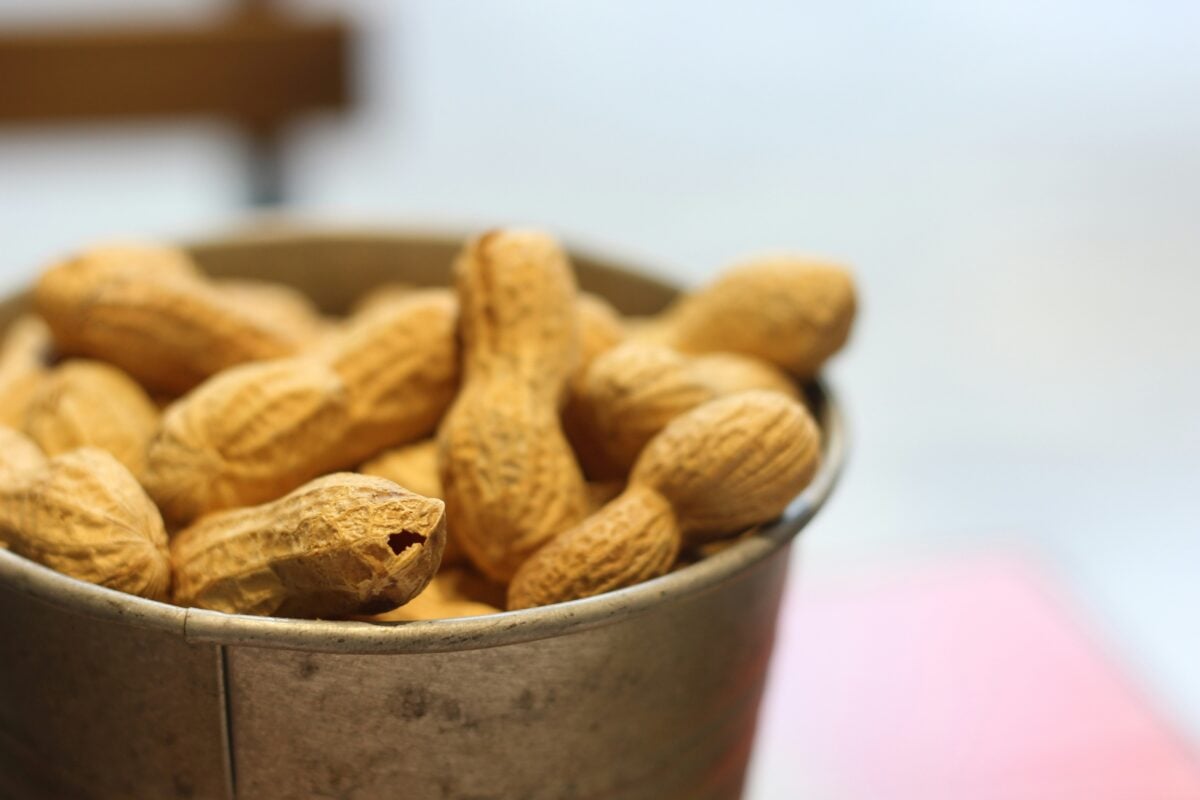
Planters PB Crisps consisted of peanut-shaped cookies with peanut butter centers, launched in 1992 and offering a crunch that regular chocolate bars couldn’t match. The snack became iconic enough that dedicated websites were eventually created to campaign for its return after discontinuation.
Butterfinger BBs
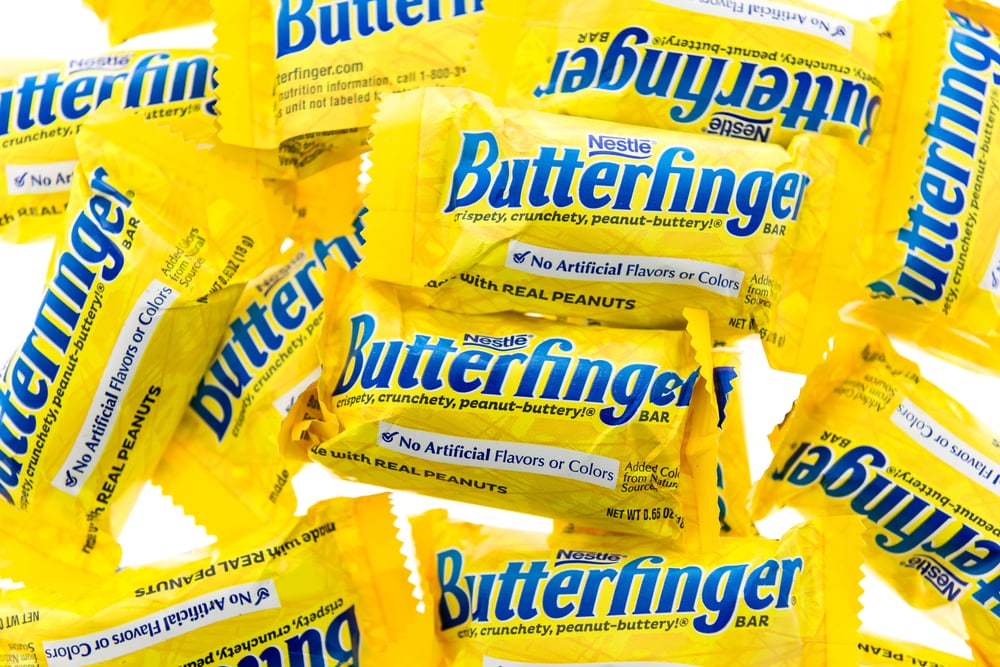
These bite-sized versions of Butterfinger bars capitalized on the early ’90s trend toward mini candies while The Simpsons’ marketing made them culturally relevant. The size meant multiple pieces in a single package, extending the snacking experience.
Pop Rocks
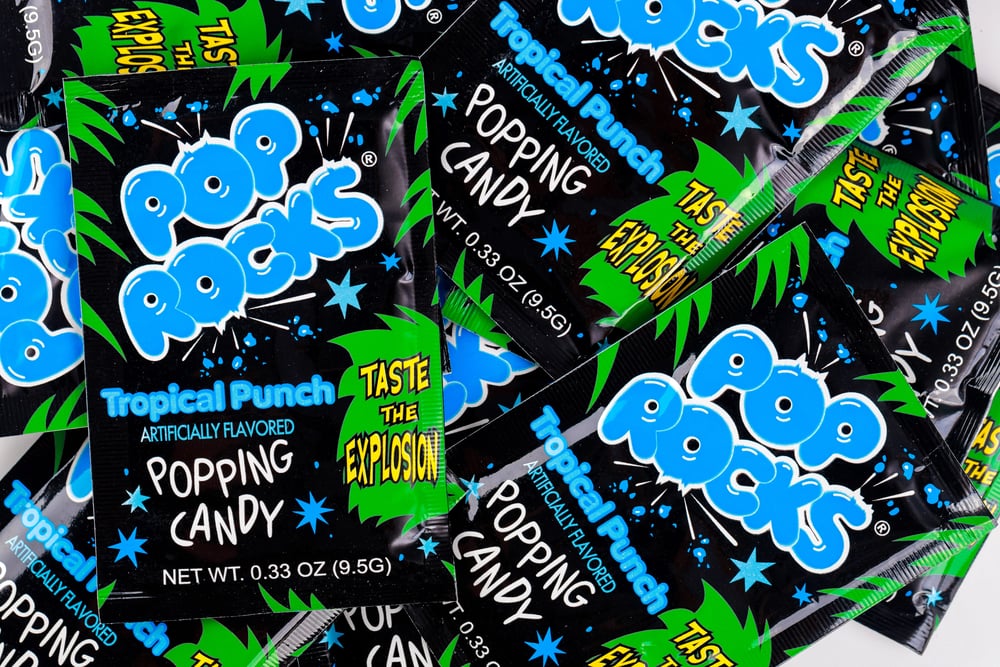
Pop Rocks created a literal fizzing sensation in the mouth, generating rumors that they were dangerous despite no scientific basis. The novelty of the experience mattered as much as the taste, creating memorable corner-store purchases.
Nerds
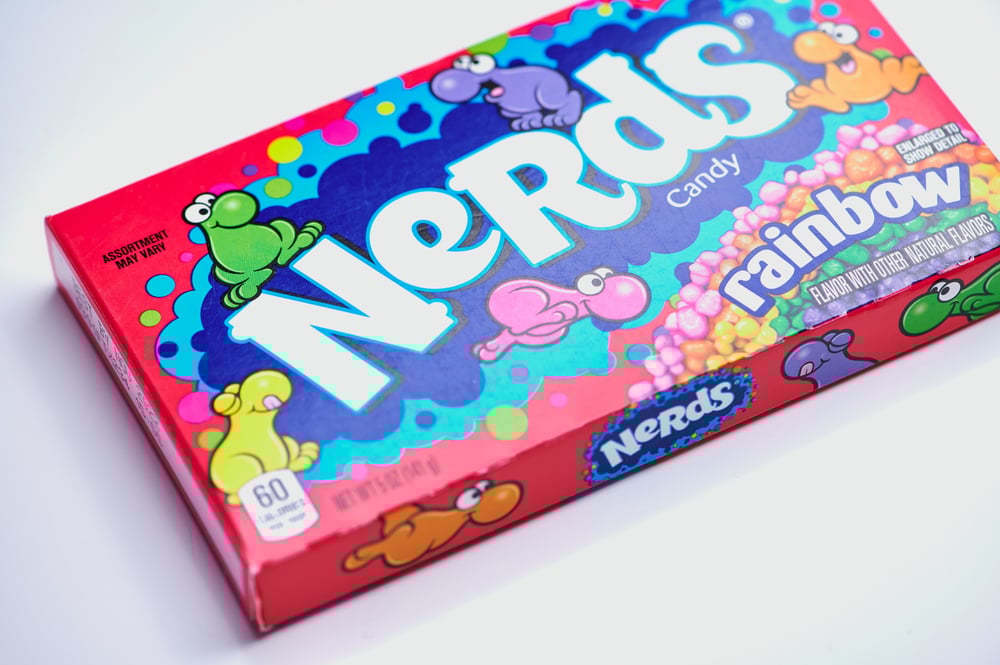
Nerds candy came in separate-flavored compartments within single boxes, allowing consumers to eat flavors separately or mix them. The divided packaging made the product feel more complex than simple candy.
Candy Cigarettes
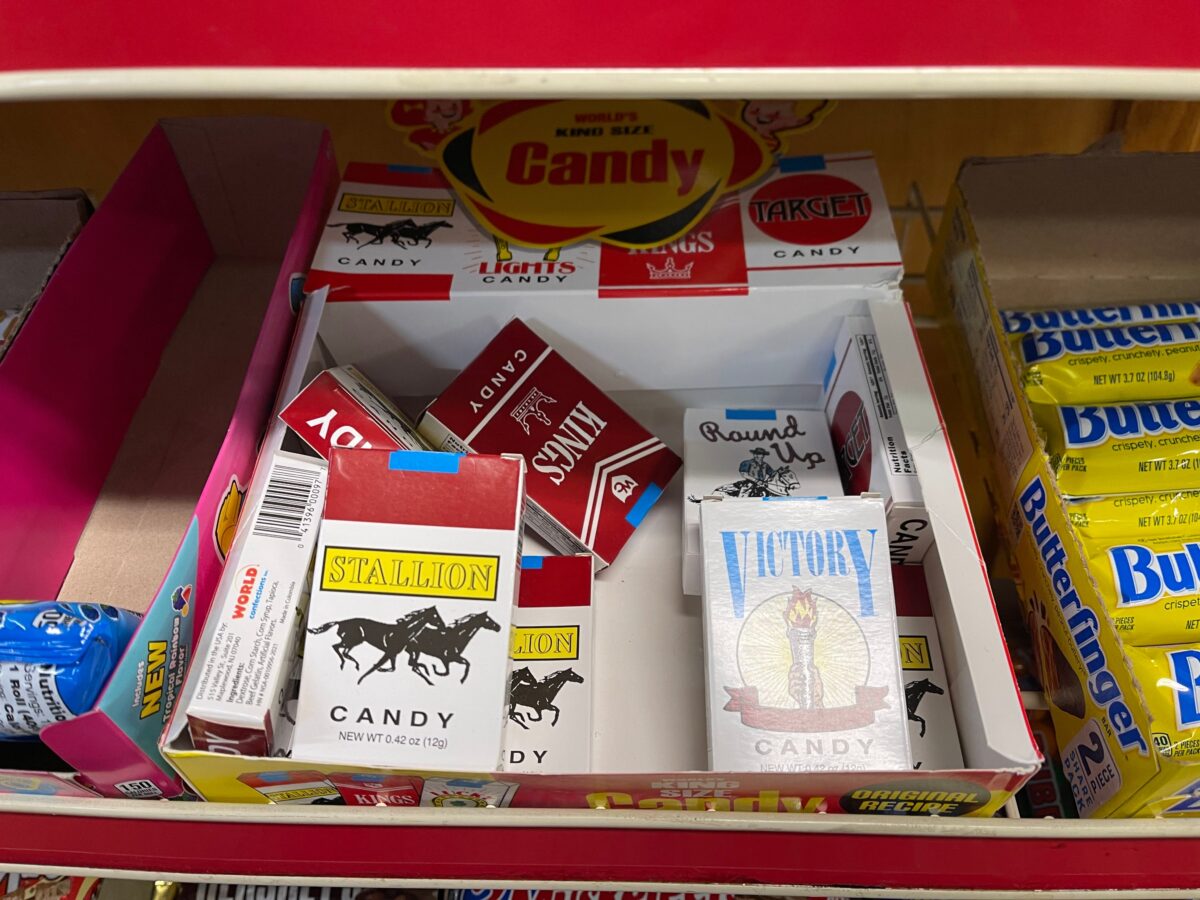
Chalk-like cylindrical candies made to resemble actual cigarettes offered the novelty of mimicking adult behavior without actual risk, sold openly in corner stores to children. The product’s packaging often featured warnings that were clearly tongue-in-cheek.
Wax Bottles
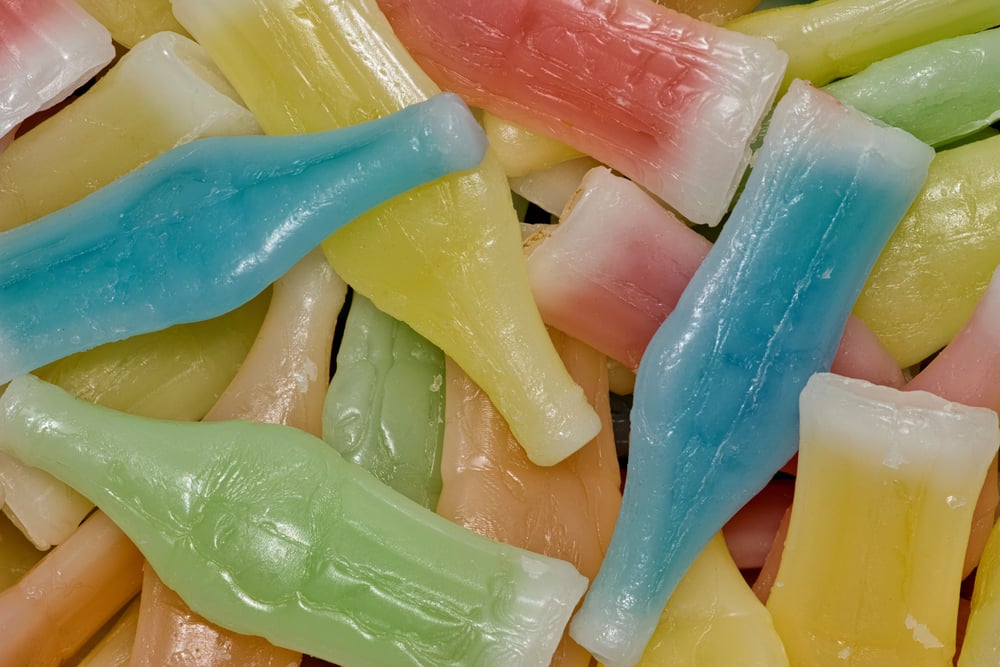
Small wax bottles filled with colored sugar liquid provided a novelty factor beyond the actual liquid inside. The waxy texture and the experience of chewing the bottle after drinking the liquid created a multi-step consumption.
Keebler Magic Middles
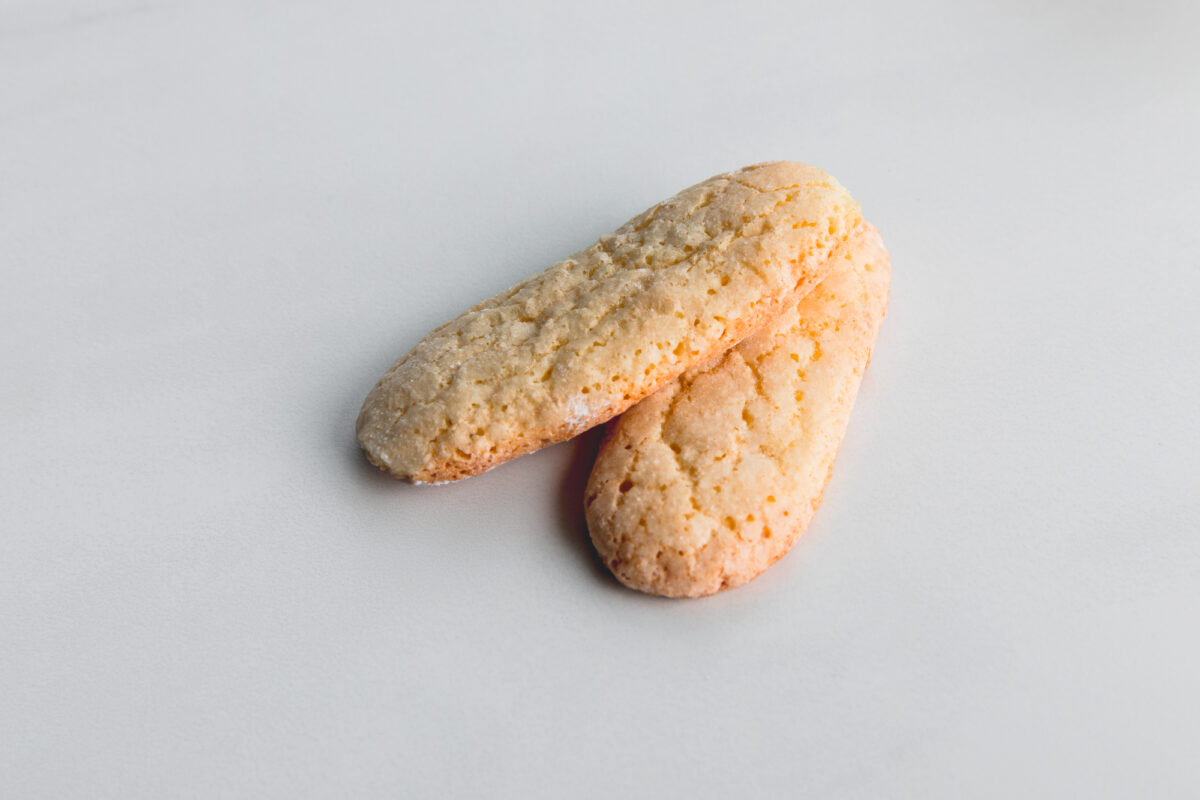
Shortbread cookies hid rich, gooey fillings like fudge and peanut butter, representing an early version of the hidden-filling cookie concept. The surprise of biting through shortbread to encounter gooey interior created appeal.
Fruit Roll-Ups
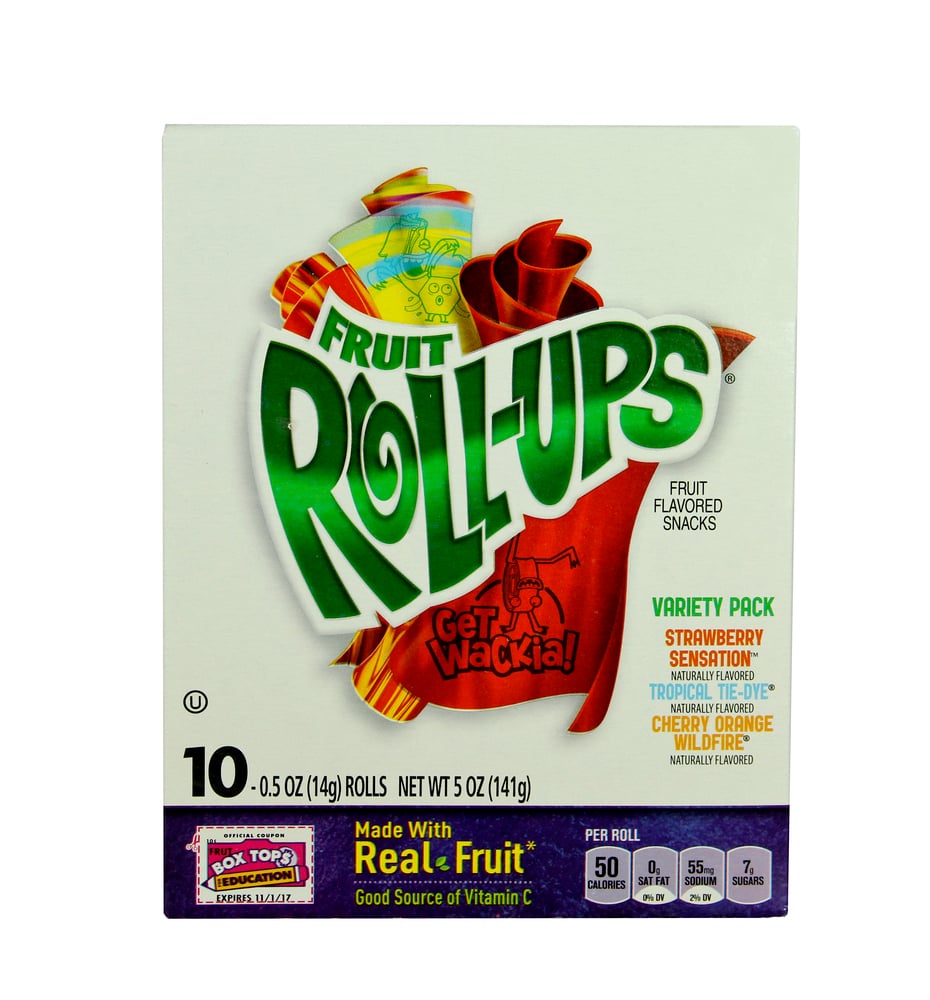
Fruit-flavored sheets that could be eaten flat, rolled, or shaped created interactive snacking possibilities. The novelty versions with embedded designs or unusual flavors made repeated purchases feel justified.
Bubble Tape
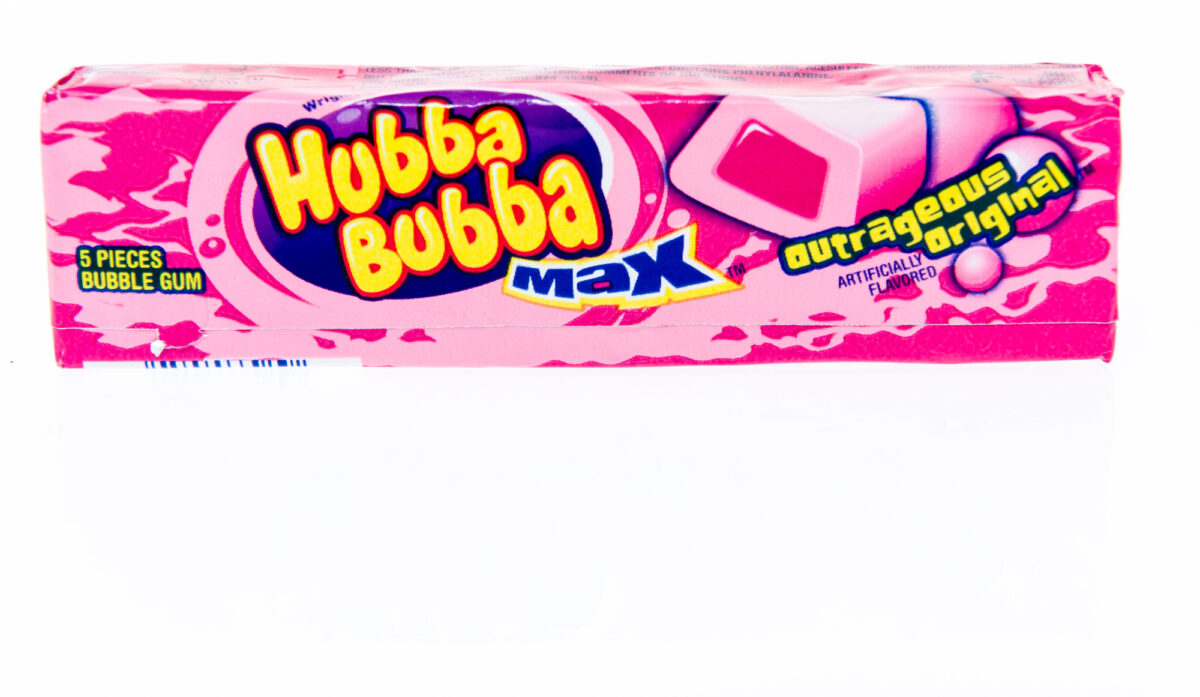
Bubble gum dispensed from a roll in a compact plastic container created both a snack and a visual novelty. The substantial packaging made the product feel more sophisticated than standard stick gum.
Cosmic Brownies
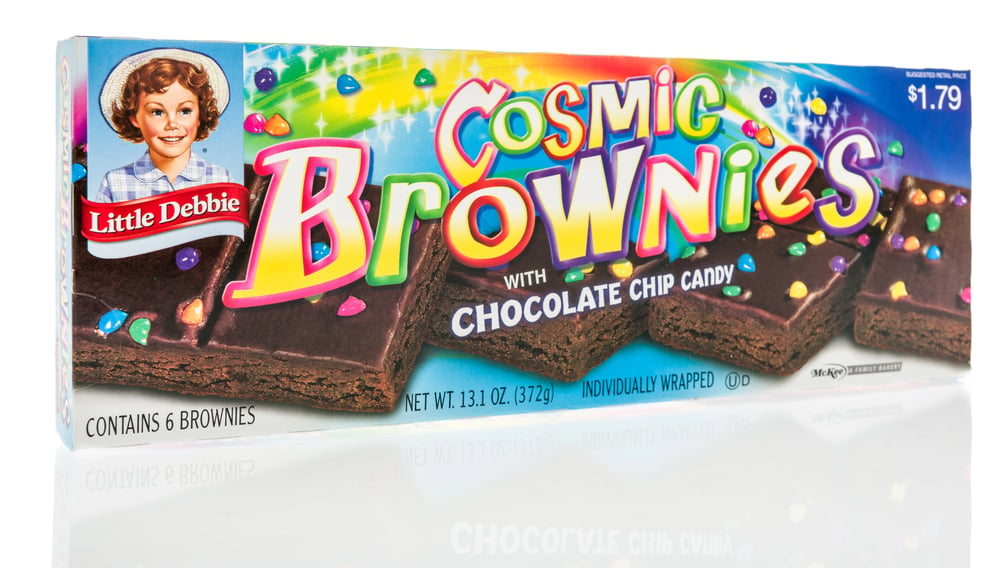
Little Debbie’s fudge brownies topped with rainbow-colored, candy-coated chocolate chips offered neon-era aesthetics combined with actual chocolate. The distinctiveness of the appearance made them recognizable in corner stores.
Zebra Cakes
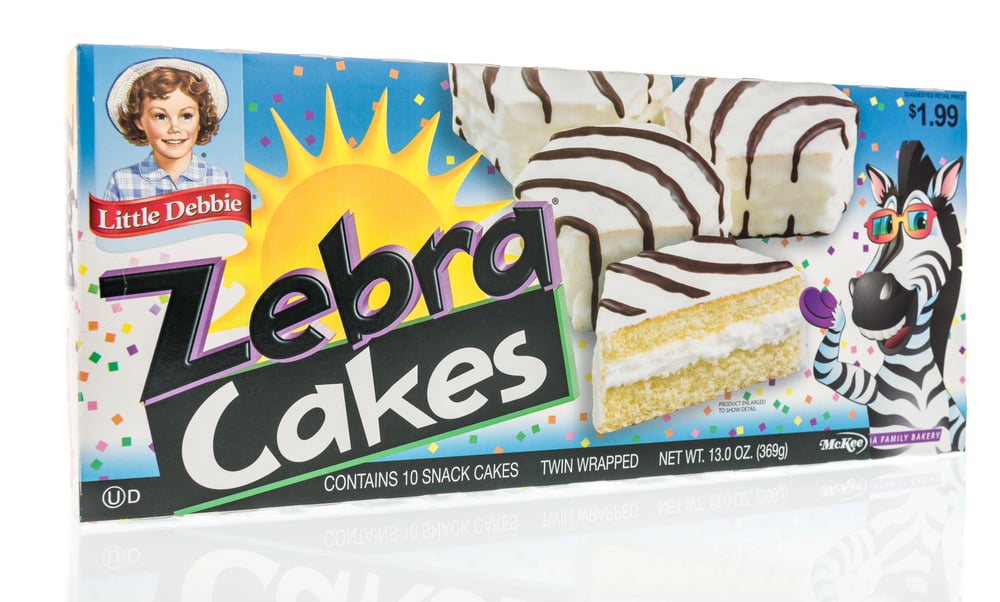
Little Debbie’s vanilla cake with dark stripes and white frosting created a visually distinctive treat that stood out in snack displays. The zebra pattern made them immediately recognizable.
Honey Buns
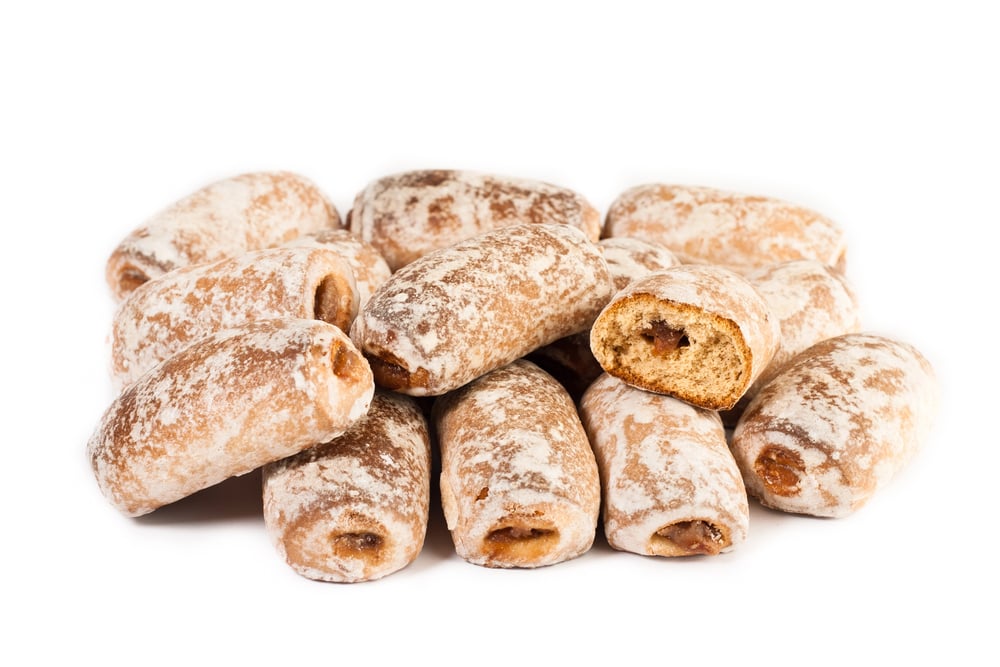
Spiral cakes with honey coating offered a sweet, sticky experience that made eating them feel indulgent. The stickiness required napkins, extending the snacking ritual.
Marathon Bars
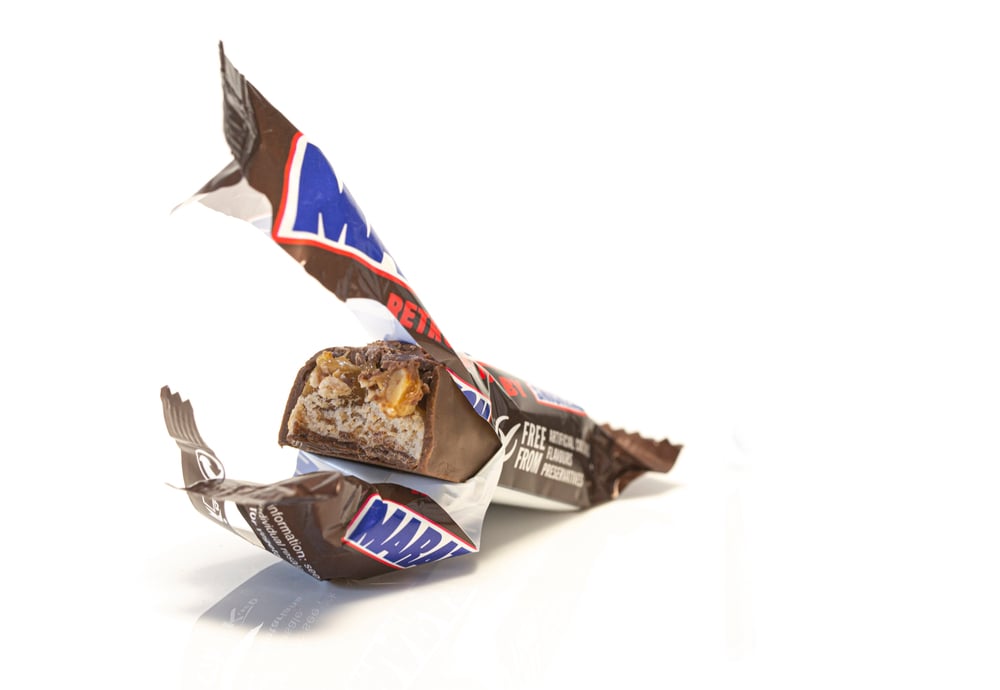
Braided chocolate-covered caramel bars that stretched to eight inches promised a “lasting chew,” with a ruler printed on the wrapper to demonstrate their length. The unique shape and challenge of consuming them created memorability.
PB Max
Peanut-shaped snacks combined crunchy cookies, creamy peanut butter, and thick milk chocolate coating into a single product. The complexity of textures made the snack feel more substantial than simple candy.
Push Pops
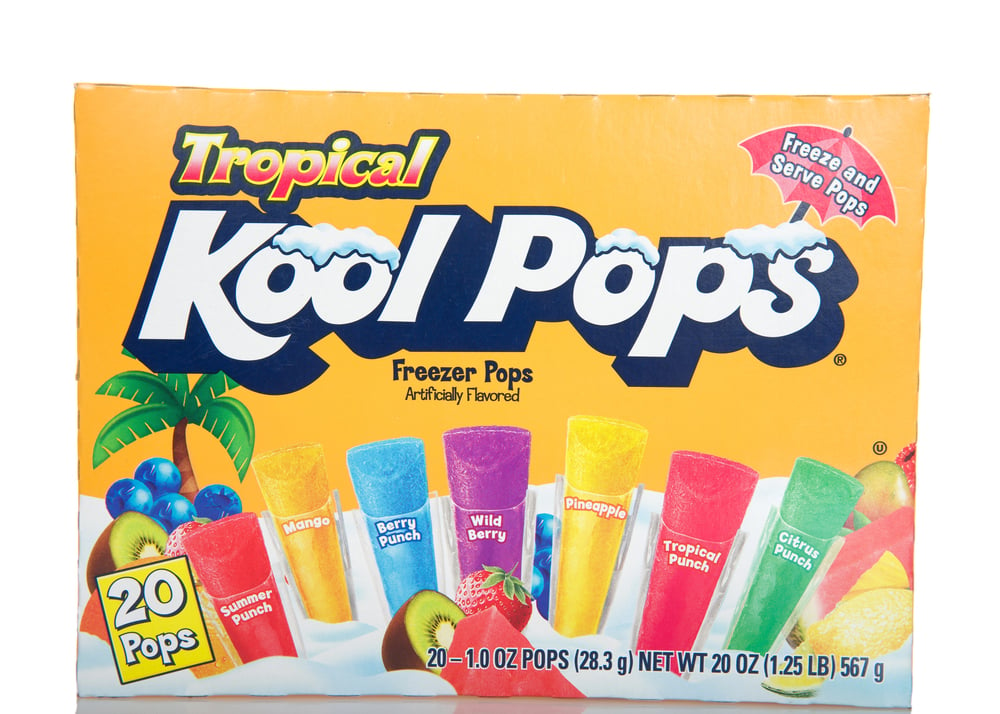
Cylindrical lollipops that pushed upward from their packaging created both a snack and a toy-like novelty. The mechanism of the push-pop created engagement beyond simple candy consumption.
Ring Pops

Jewelry-style candy rings made consuming candy feel like a fashion statement, with flavors like cherry and blue raspberry. The rings could be worn as costume pieces before being eaten.
Baby Bottle Pops
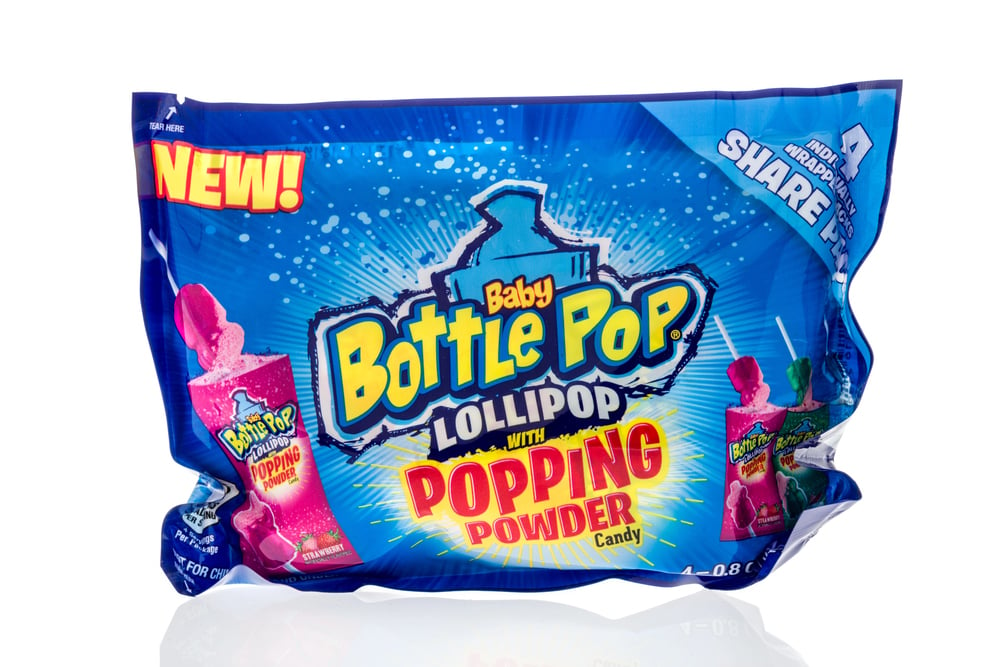
Lollipops shaped like baby bottles and dispensed through a bottle top created an absurdist novelty. The strange novelty of the presentation made them shareable snacks.
Giggles Cookies
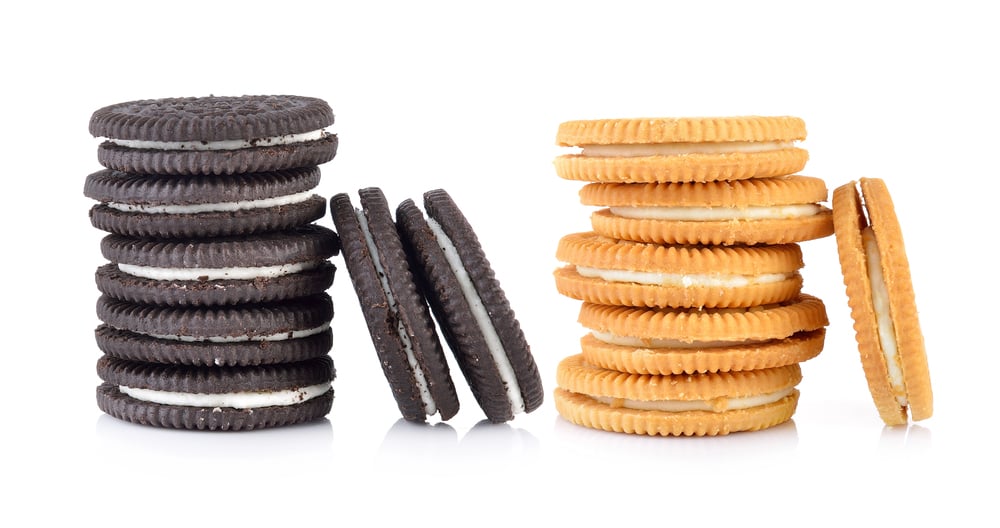
Mid-1980s sandwich cookies with cartoonish smiley faces etched on each piece created a playful aesthetic. The smiley face design made eating the cookies feel less serious.
Keebler Tato Skins
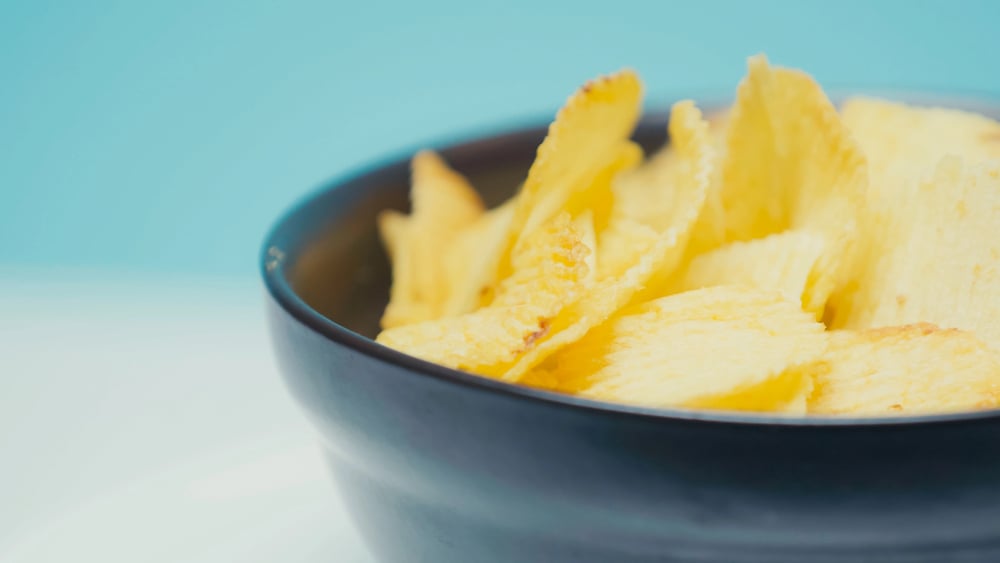
Potato-chip-like snacks with flavors like Cheddar Cheese and Bacon or Sour Cream and Chives provided crunch without the shattering tendency of actual chips. The durability meant less breakage in packaging.
Cheetos Paws
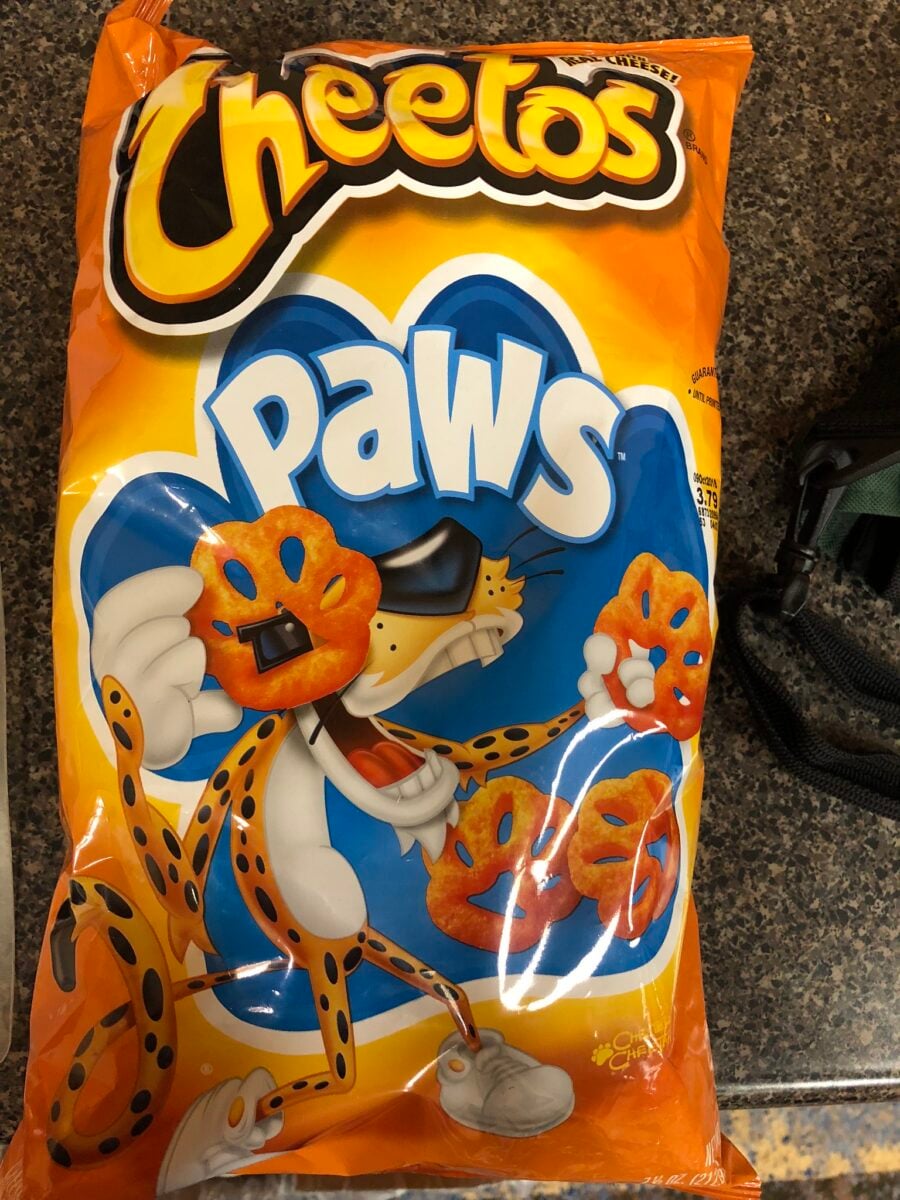
Paw-shaped cheese snacks inspired by Cheetos but with distinct visual identity made snacking feel playful. The shape created a novelty factor beyond standard Cheetos.
Dunkaroos
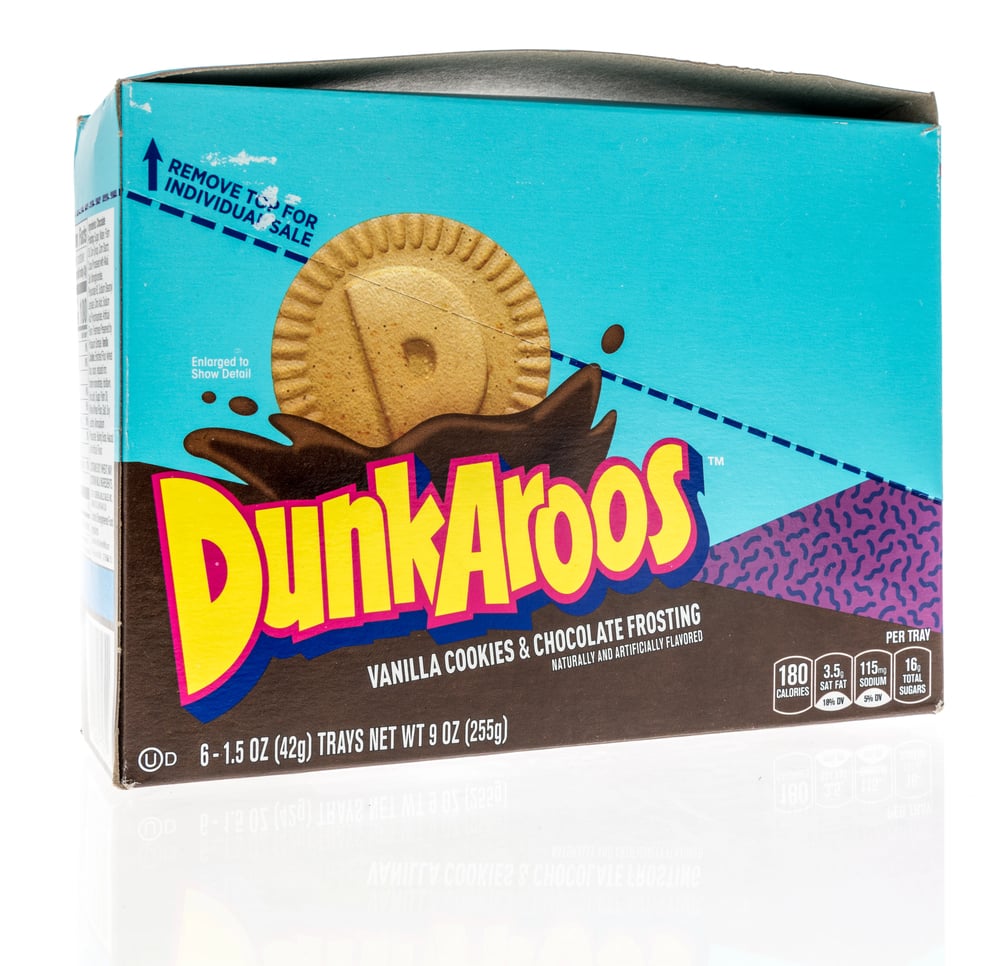
Arriving in 1992, Dunkaroos combined cookies with frosting meant for dunking, creating interactive snacking. The novelty of dunking cookies in snack-specific frosting made the product feel more sophisticated than simple cookies.
Cosmic Brainfreeze
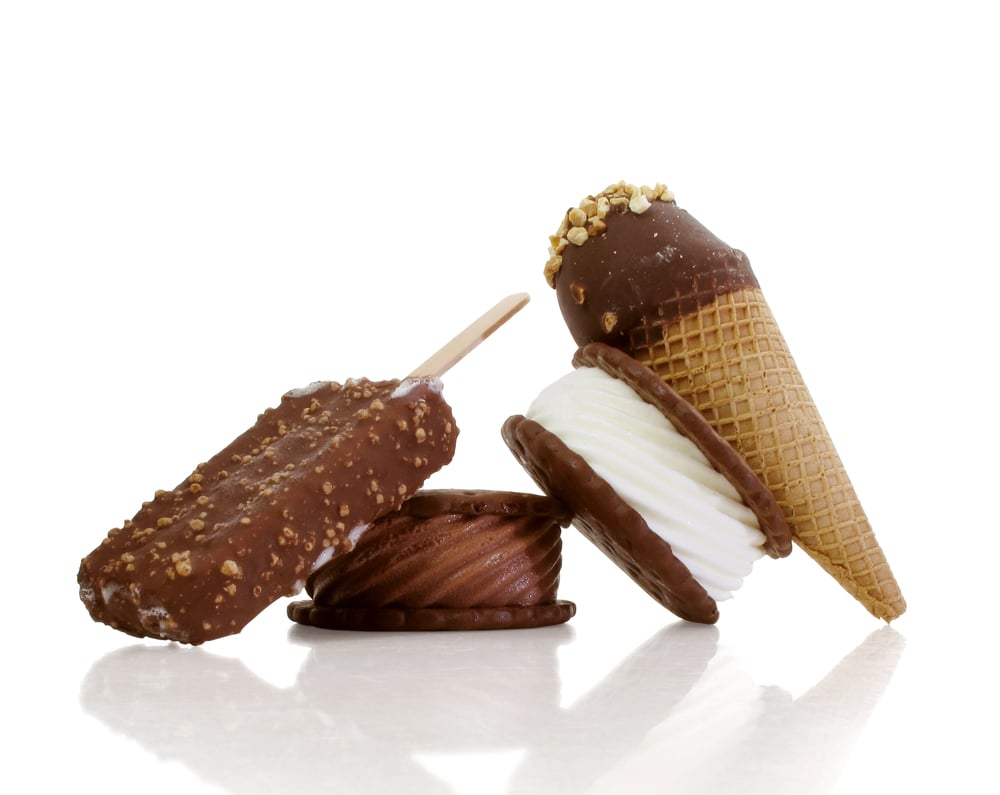
Frozen treats with chocolate and vanilla swirls offered creamy, pudding-like texture as staple childhood summer desserts. The combination of chocolate and vanilla in swirled form created visual appeal.
Jujubes
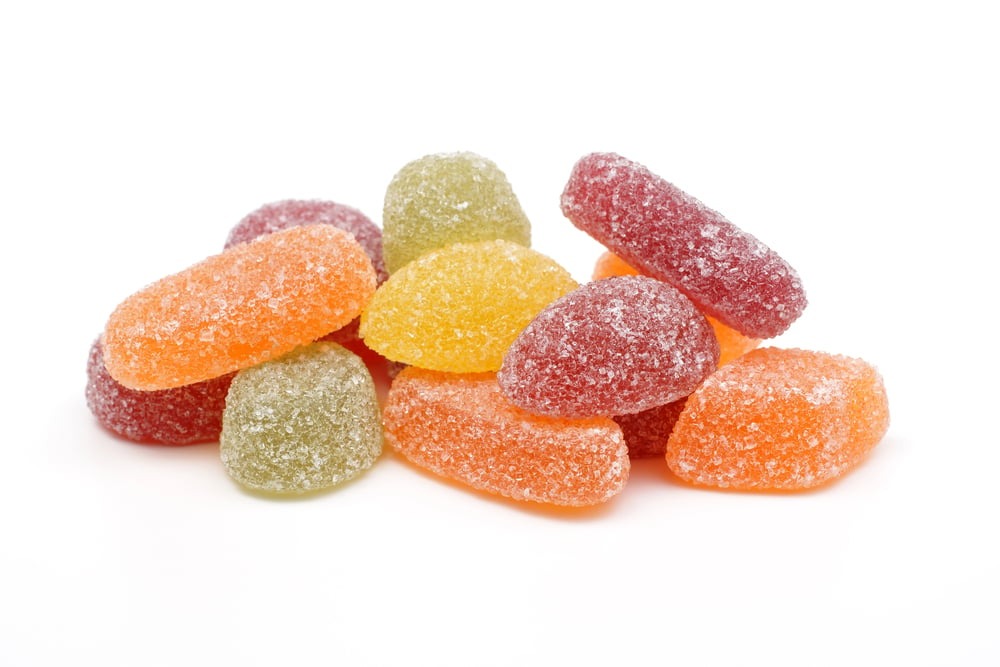
Chewy fruity candies in distinct flavors provided a different texture from standard hard candies or chocolate bars. The fruity nature provided justification for consumption as better than purely chocolatey options.
Sour Patch Kids
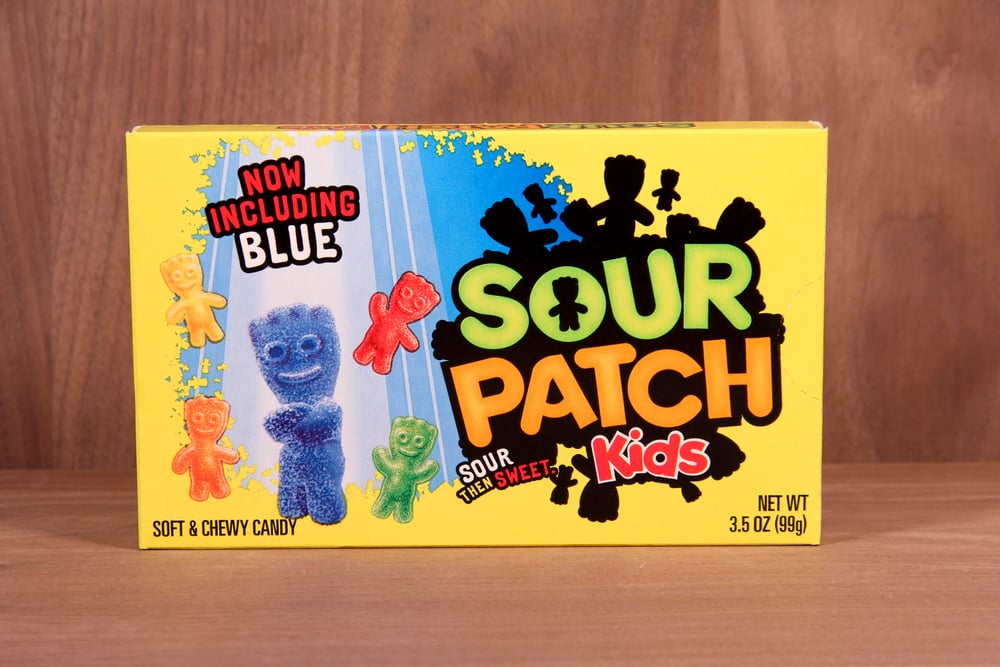
Sour-then-sweet candy created a two-stage flavor experience that built curiosity about repeat consumption. The sour component made the candy feel more sophisticated than simple sweet candy.
Moon Pies
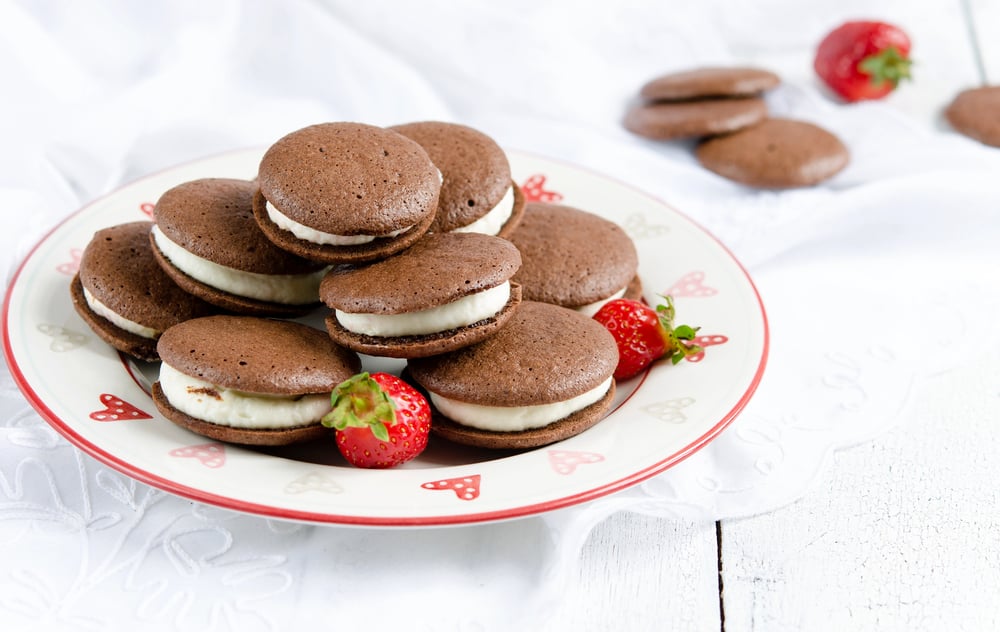
Graham-cracker-and-marshmallow sandwiches with chocolate coating offered a substantial snacking experience. The simplicity of the ingredients made them feel like legitimate snacks rather than pure candy.
Ho-Hos
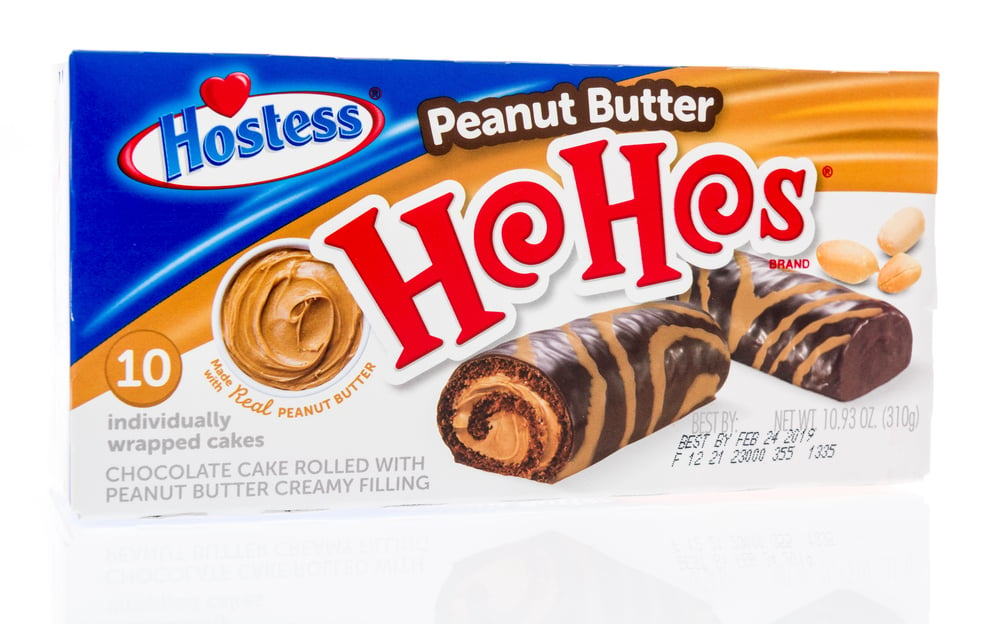
Little Debbie’s chocolate sponge cake with cream filling offered a different textural experience than other packaged snacks. The cream filling created a sense of indulgence.
Twinkies
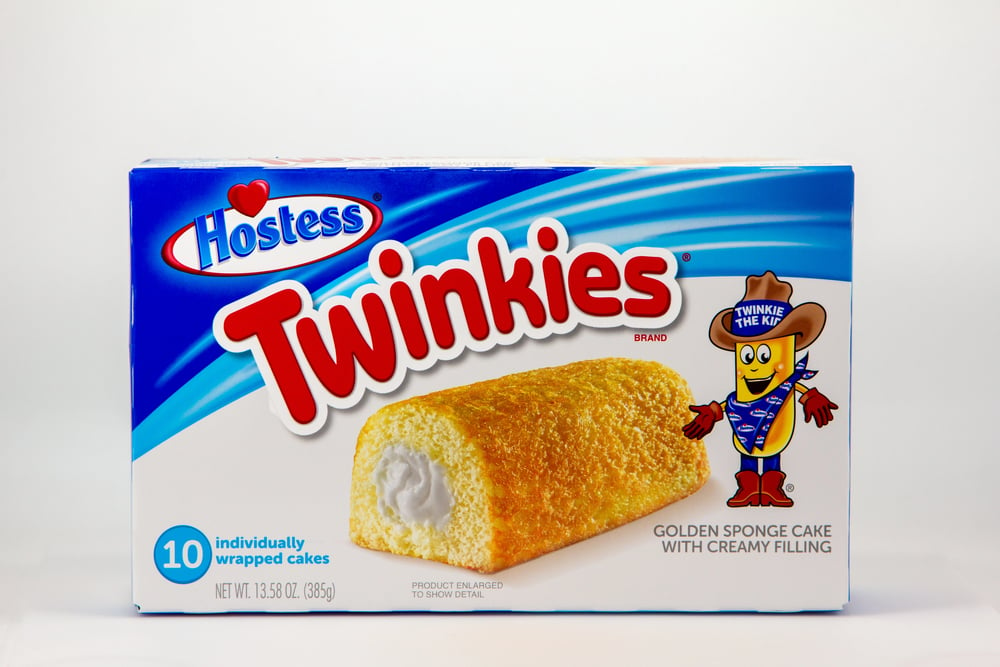
Golden sponge cake with cream filling offered a shelf-stable cake that could be purchased and stored indefinitely. The cultural status of Twinkies as a representative snack made owning them a form of participation.
Ding Dongs
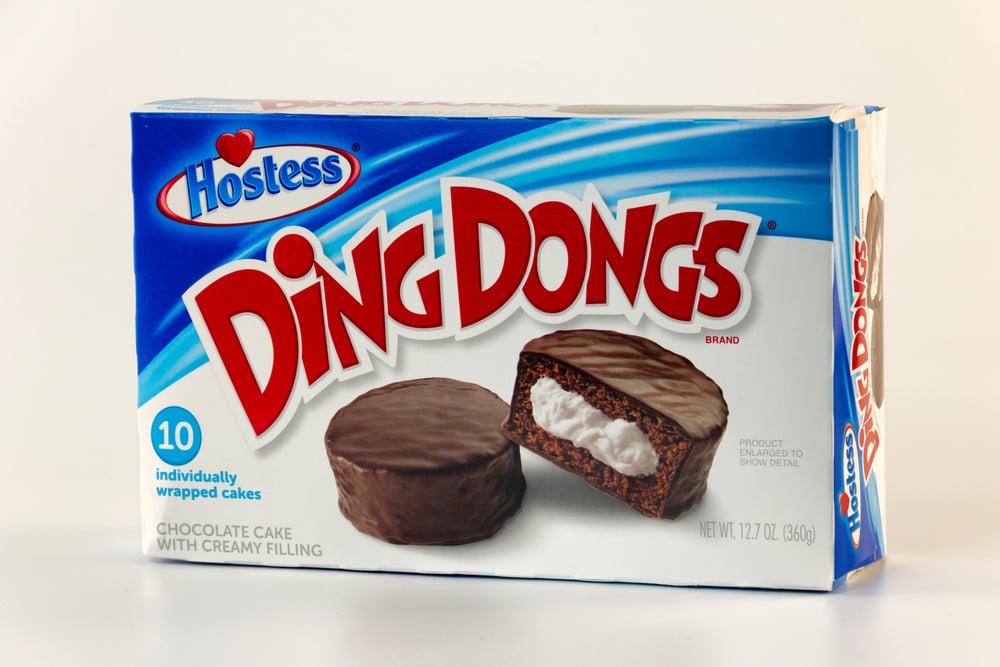
Chocolate sponge cake with cream filling sandwiched together created a portable, hand-held snack. The round shape made them distinctive and appealing to consume.
The Economics of Childhood Autonomy
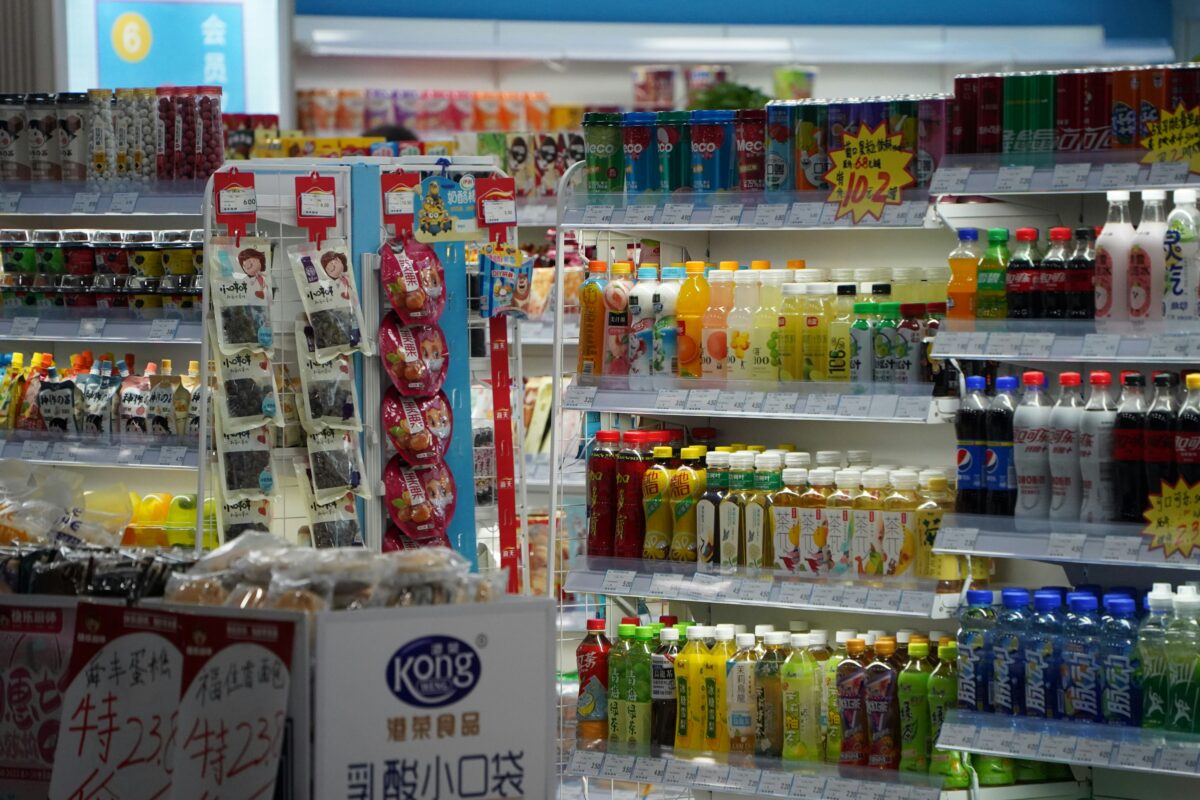
The corner store snack run represented one of the first consumer decisions children made independently, armed with saved allowance money and the ability to choose without parental approval. The specific snacks chosen mattered less than the fact that the choice was autonomous.
The snacks themselves often provided less actual nutrition than meals prepared at home, yet their consumption felt significant precisely because they were not necessary, not parent-approved, and chosen entirely according to personal preference. The journey across town on a bicycle to make a purchase that cost less than a dollar creates an amusing economic paradox from a modern perspective, yet the autonomy granted by that small purchase—the sense that personal preference could be expressed through consumption—may have been the actual product being purchased.
More from Go2Tutors!

- The Romanov Crown Jewels and Their Tragic Fate
- 13 Historical Mysteries That Science Still Can’t Solve
- Famous Hoaxes That Fooled the World for Years
- 15 Child Stars with Tragic Adult Lives
- 16 Famous Jewelry Pieces in History
Like Go2Tutors’s content? Follow us on MSN.



