Soldier Survival Gear US Troops Can’t Live Without
There’s a reason experienced soldiers are obsessive about their kit. In the field, what you’re carrying is what stands between you and a very bad day.
Forget something important and the consequences aren’t just inconvenient — they can be catastrophic. The gear on this list isn’t glamorous.
Most of it looks ordinary. But every piece has been field-tested, argued over, and refined through real-world experience.
This is the stuff that actually matters.
The Boots on Your Feet
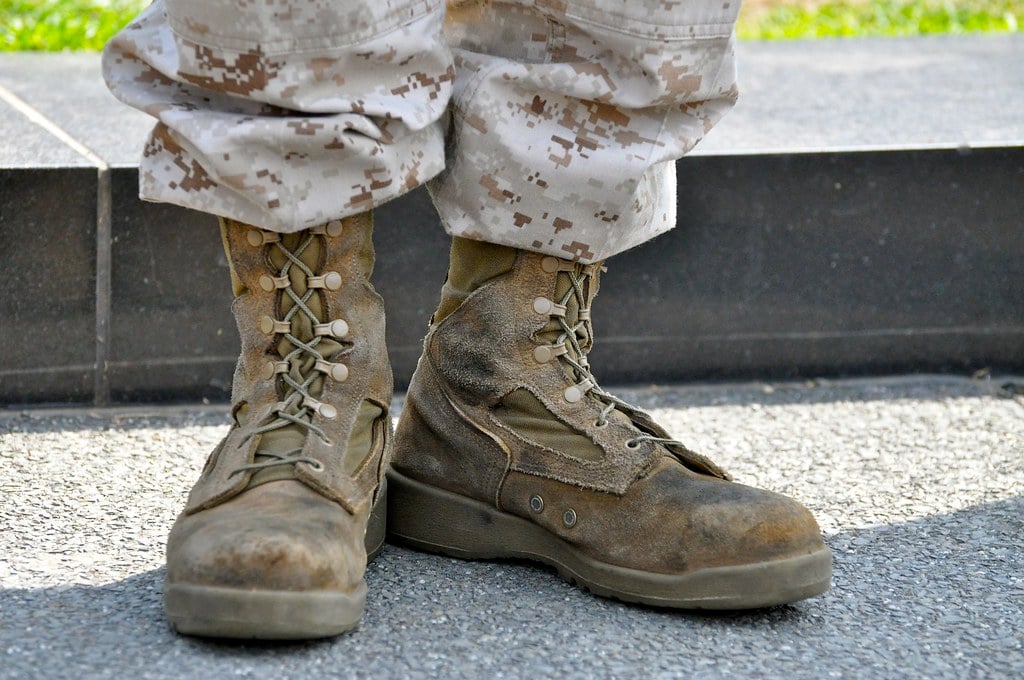
No piece of gear gets more use than boots, and no piece of gear causes more problems when chosen badly. Blisters, rolled ankles, trench foot — all of them trace back to footwear that wasn’t up to the task.
US troops in hot climates often favor lightweight boots with aggressive drainage. Those operating in colder or wetter environments go heavier, prioritizing waterproofing and insulation.
The Army’s transition to the Occupational Physical Assessment Test and updated footwear standards pushed soldiers toward better-fitting, mission-specific boots. Many troops supplement their issued boots with personal purchases.
When your feet fail, you fail — it really is that simple.
Body Armor and Plate Carriers
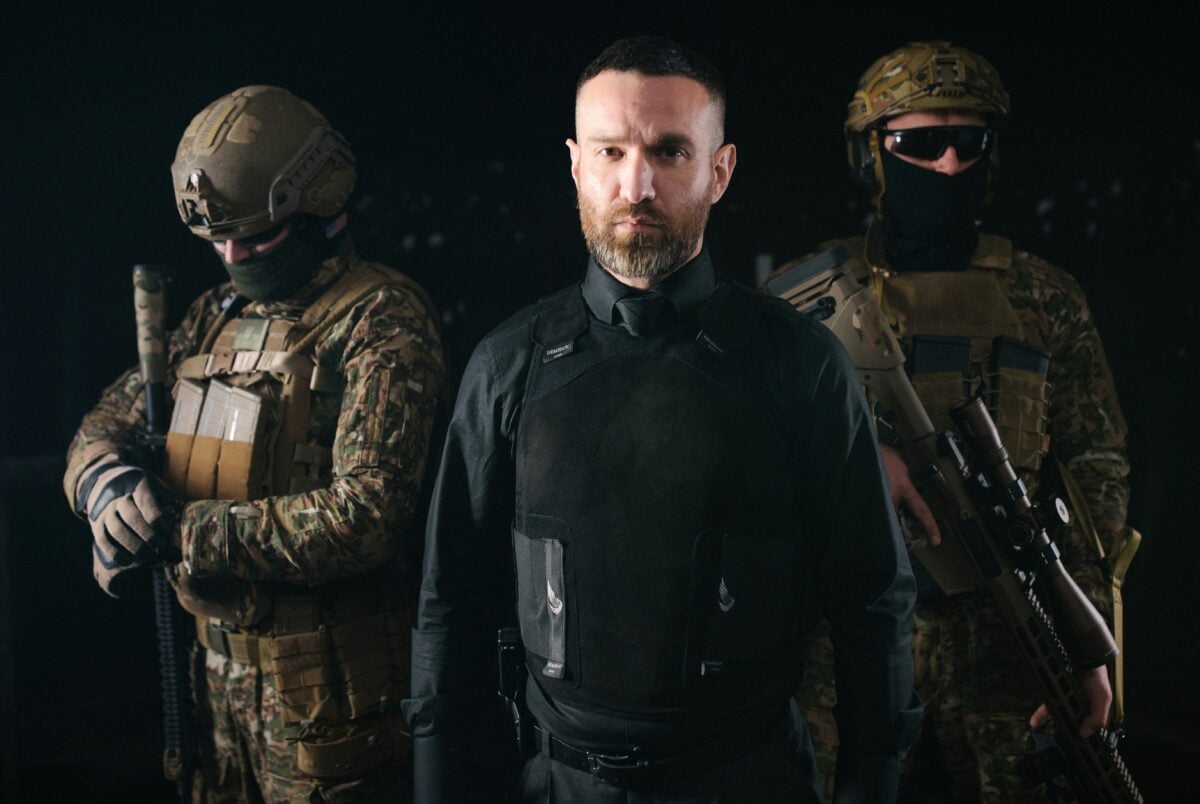
Modern plate carriers have come a long way from the heavy, bulky vests of earlier conflicts. Today’s systems balance protection with mobility, letting soldiers move quickly while still stopping rifle rounds.
The Interceptor Body Armor system gave way to the Improved Outer Tactical Vest (IOTV), and more recently, the Modular Scalable Vest (MSV) has become the standard for many units. What soldiers actually wear depends heavily on their role.
A door-kicker in a direct action raid will configure their carrier differently than a convoy driver or a long-range patrol member. The plates themselves — typically made from ceramic or polyethylene composites — handle the stopping, while soft armor panels protect the sides and vital areas.
The Individual First Aid Kit
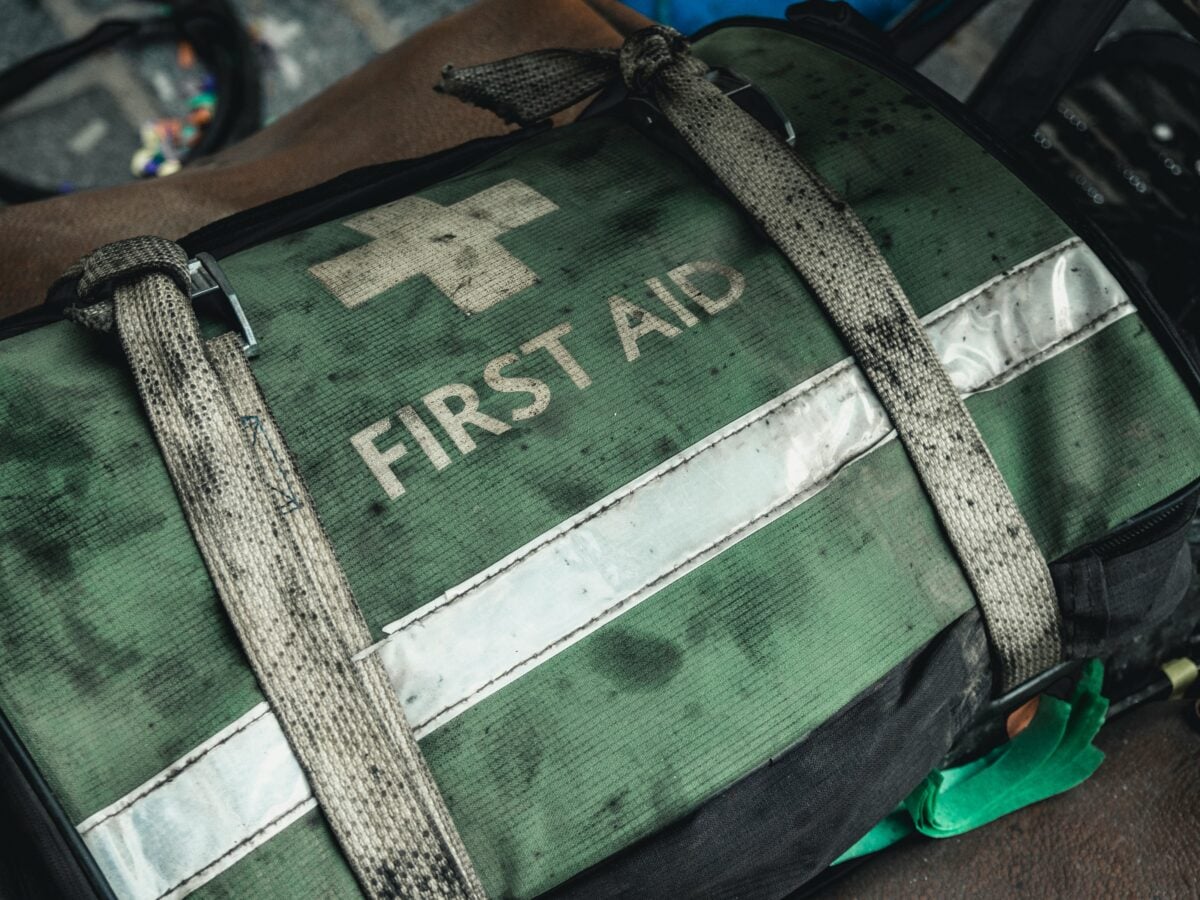
The IFAK sits on a soldier’s kit within easy reach of anyone nearby, not just the soldier wearing it. That’s intentional.
In a firefight, the person who gets hit can’t always treat themselves. Their buddy needs to be able to grab that kit fast.
A properly stocked IFAK includes a tourniquet — usually a CAT or SOFTT-W — along with a pressure bandage, a chest seal, and hemostatic gauze. These tools address the most common causes of preventable death in combat: limb hemorrhage, tension pneumothorax, and wound packing.
Every soldier trains on these items. The muscle memory built in training is what kicks in when everything goes sideways.
Night Vision Equipment
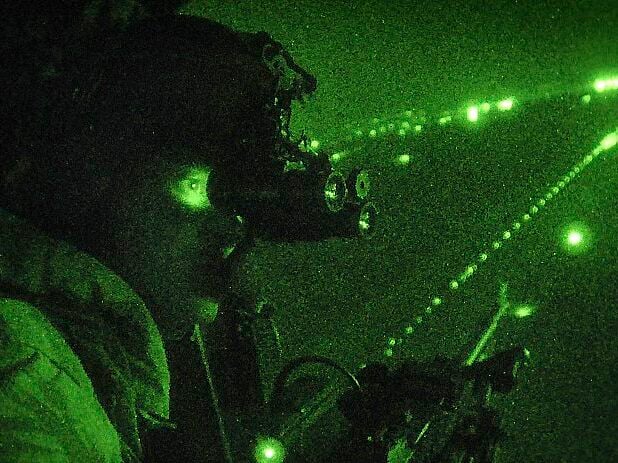
Fighting in the dark used to mean fighting blind. Night vision changed that equation permanently.
US troops have operated with a significant night advantage for decades, and modern systems have only widened that gap. The PVS-14 monocular remains widely used across services for its reliability and versatility.
It can be worn helmet-mounted, handheld, or attached to a weapon. Newer systems like the ENVG-B (Enhanced Night Vision Goggle-Binocular) add thermal imaging to standard image intensification, giving soldiers the ability to detect heat signatures through smoke, dust, or foliage.
The psychological edge matters too. Operating confidently at night while the opposition cannot is a massive tactical advantage.
Hydration Systems
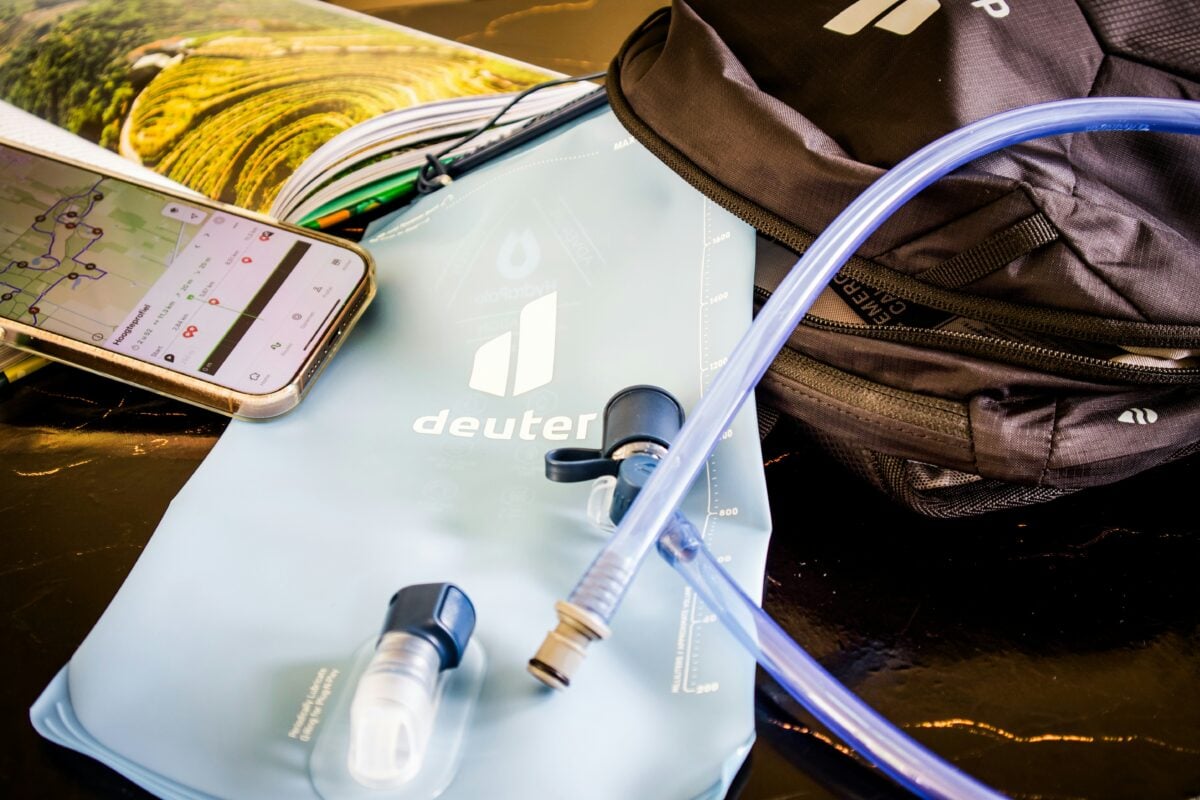
Dehydration degrades performance faster than almost anything else. In a hot environment, a soldier doing hard work needs several liters of water per day just to stay functional.
The old canteen system worked, but it required stopping to drink. Hydration bladders changed the habit entirely.
The CamelBak became nearly synonymous with military hydration, letting troops drink hands-free while moving. Most soldiers carry both a bladder system and hard canteens, since the bladder hoses can freeze in cold weather and puncture under rough conditions.
Redundancy isn’t paranoia out here — it’s planning.
Combat Gloves
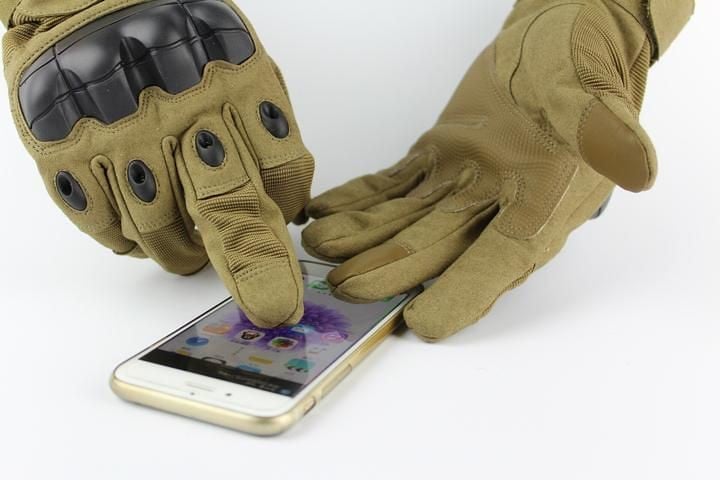
Gloves often get overlooked until you need them. In a firefight, your hands are constantly on hot metal, sharp edges, and rough surfaces.
Good gloves protect against abrasions, burns, and cold while still allowing you to work a trigger, manipulate gear, and climb obstacles. Most combat gloves are cut-resistant leather or synthetic materials with reinforced palms and articulated fingers.
Some soldiers prefer fingerless designs for better feel in precise tasks. Others go full-finger for cold weather or environments with a lot of debris.
The point is having something on your hands that works.
The Rifle and Its Optics
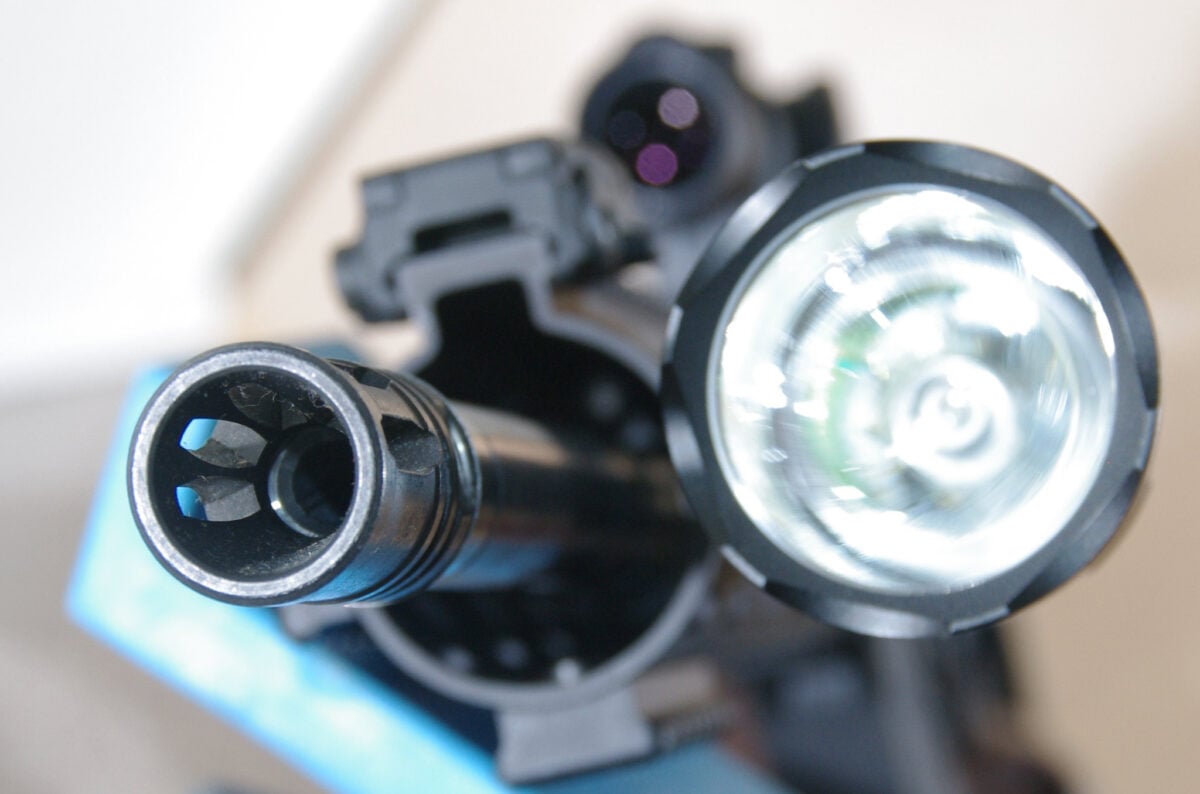
The M4A1 carbine is the standard infantry weapon for US soldiers, and it’s earned that position. Reliable, accurate, and adaptable, it accepts a wide range of attachments that let troops configure it for specific missions.
But the rifle alone is only part of the system. The optics mounted on it matter enormously.
The M68 Close Combat Optic (CCO) red dot sight is common for general use, while the M150 ACOG handles magnified engagements. Many special operations units go further, pairing variable-power scopes with infrared lasers that work with night vision equipment.
The combination of a reliable platform and quality glass is what actually puts rounds on target.
Communications Gear
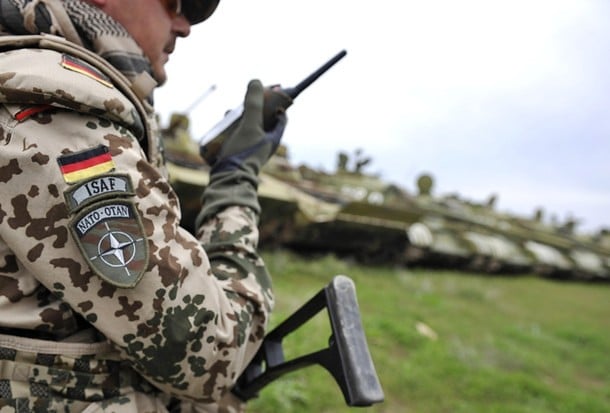
A soldier who can’t communicate is a soldier who’s operating blind. Radio equipment keeps teams connected to each other and to support assets like medevac, artillery, and air cover.
The AN/PRC-152 and the newer Rifleman Radio systems give individual soldiers encrypted voice and data capability. But hardware is only half of it. The discipline to use proper radio procedures, maintain batteries, and keep frequency plans updated is what makes the system work.
Dead radios and poor comms discipline have gotten people killed. Good comms have saved lives many times over.
Multi-Tools and Fixed Blades
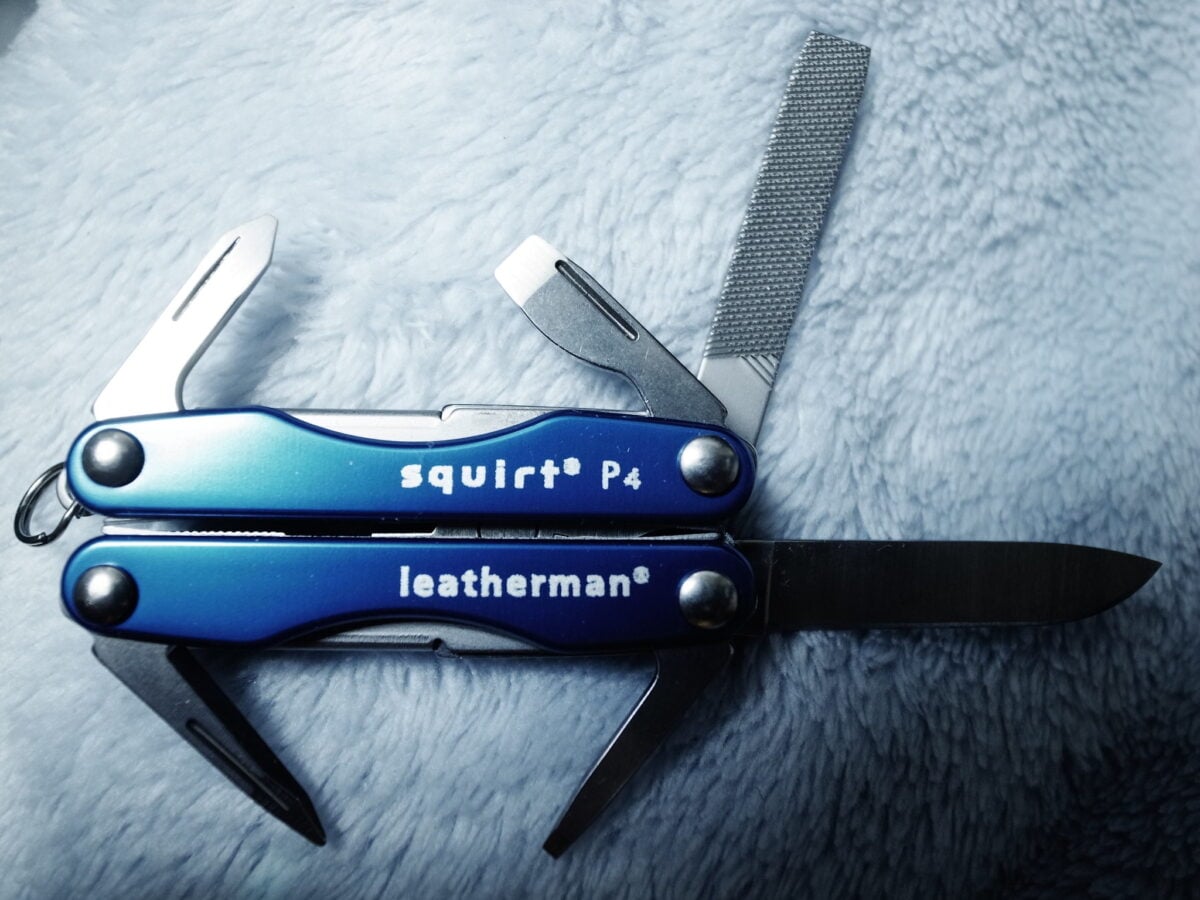
Soldiers carry knives and multi-tools for a hundred different tasks that have nothing to do with combat. Cutting paracord, stripping wire, fixing equipment, opening rations, clearing jams — the list is endless.
Leatherman and Gerber brands dominate among US troops for multi-tools. Fixed blade knives vary by preference, but most soldiers carry something with a four- to six-inch blade that holds an edge.
These tools see daily use in ways that no amount of planning fully anticipates. That’s why they’re standard.
The Sleep System

Sleep deprivation is one of the most effective ways to destroy a fighting force without firing a shot. Troops who can’t sleep become slow, make poor decisions, and lose the physical resilience they need to keep going.
The Army’s Modular Sleep System addresses this with a layered approach — a patrol bag, a sleeping bag insert, and a bivy cover that can be combined or used separately depending on conditions. Getting good sleep in the field is never guaranteed, but having the right system means soldiers can recover faster during whatever rest windows they get.
That recovery is what sustains operations over days and weeks.
Eye Protection
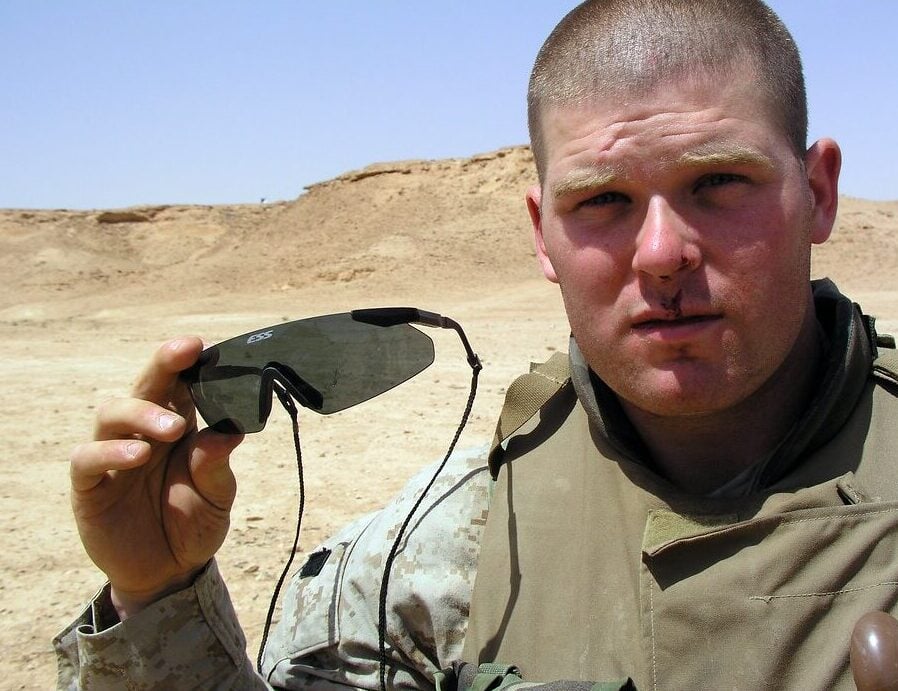
High-velocity fragments are one of the leading causes of combat injury. The eyes have no armor.
Military-grade ballistic eyewear — rated to ANSI Z87.1 standards or higher — protects against fragmentation, debris, and wind. Brands like Revision and ESS are common among troops, offering interchangeable lenses for different lighting conditions.
In dusty environments like Iraq and Afghanistan, eye protection serves double duty as protection from particulate matter that would otherwise grind into the eyes and create serious problems over a long patrol.
Navigation Tools

GPS has transformed navigation, but it’s taught a generation of soldiers to forget the basics. Smart units still train heavily on map reading and compass work.
Electronics fail. Batteries die.
GPS signals get jammed. A soldier who can only navigate by screen is a liability when those conditions arise.
The standard-issue lensatic compass isn’t fancy, but it works anywhere. Paired with a topographic map and basic land navigation skills, it remains the most reliable navigation system available.
Most soldiers carry both — digital and analog — and know how to use each.
Rations and Calorie Management
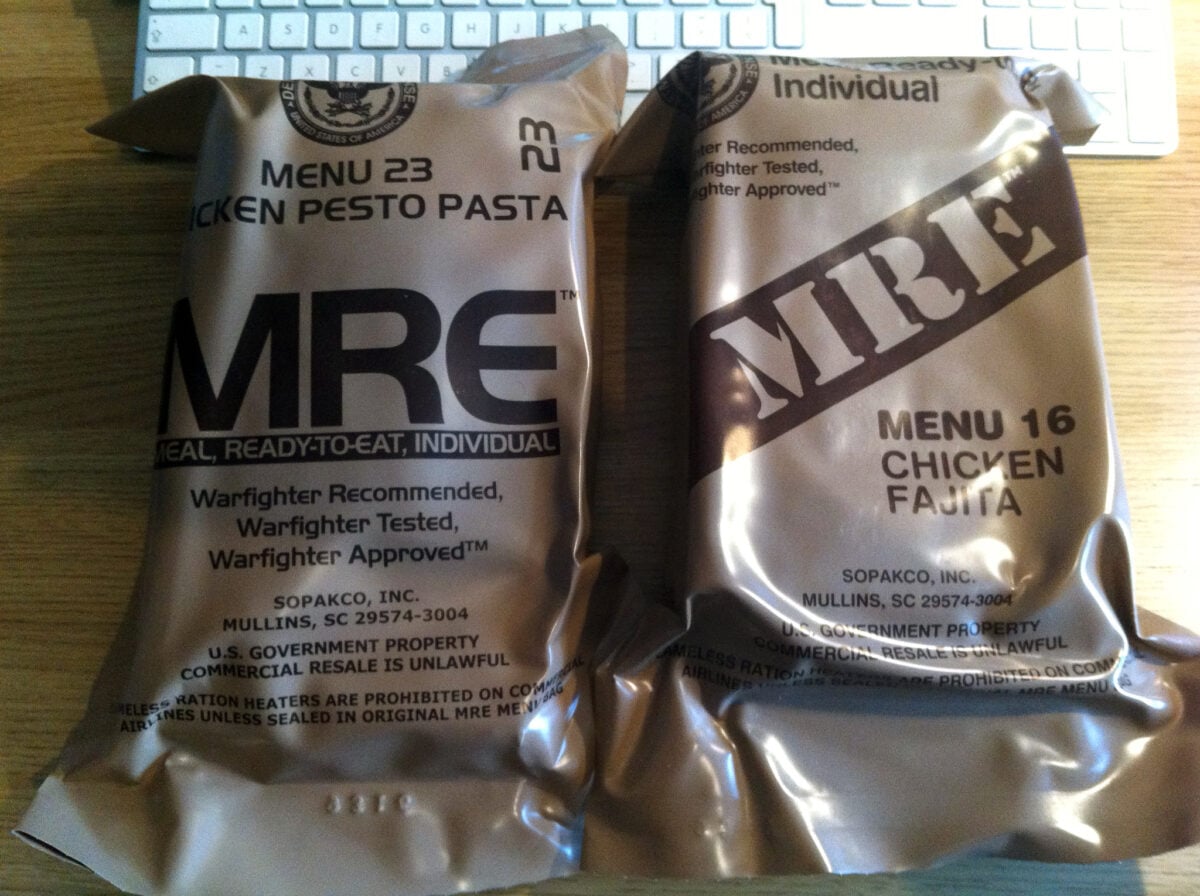
Heavy jokes land on Meals Ready to Eat, yet these packs answer real demands – long storage life, ease of carrying, along with dense energy for grueling work. Roughly twelve hundred calories pack each one, burned quick by troops moving nonstop under pressure.
Out in the wild, patrols on extended missions swap some MREs for compact picks – think dense protein bars, lightweight freeze-dried dishes, or calorie-rich trail blends. Each bite must pull its weight when every ounce counts.
Energy needs don’t pause just because supplies run thin. Mission success hinges on steady fuel from start to finish.
Tourniquet Used But Not Stored
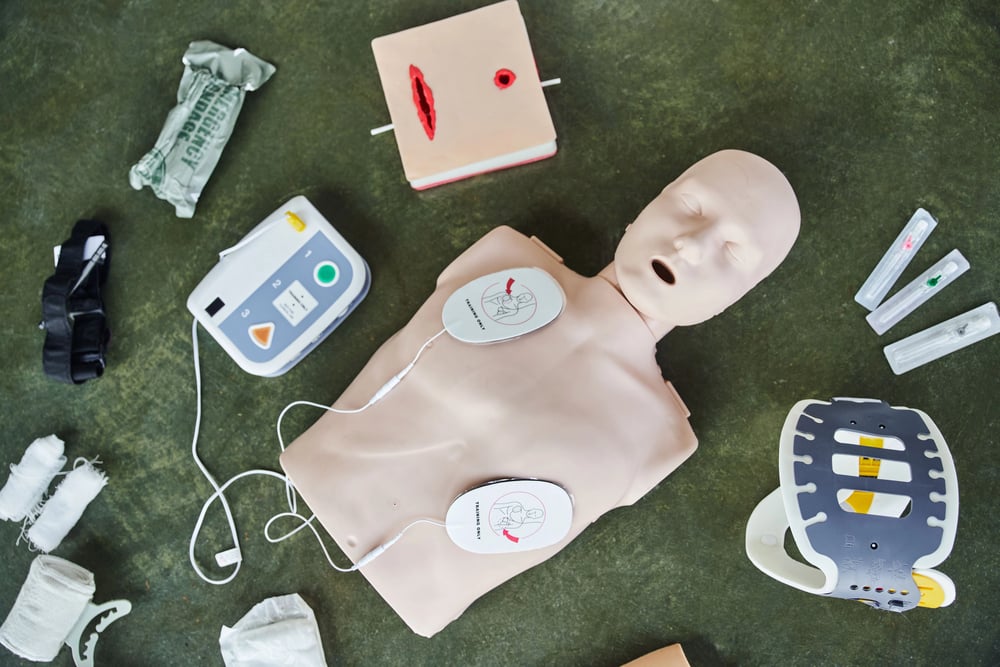
This thing needs its own spot simply because where it sits counts just as much as having it. Stashed inside a bag, a tourniquet might as well not exist.
When it hangs outside the gear, ready within a breath, that is when it turns into the difference between life and loss. Tucked close against the leg, the tourniquet waits.
Practice makes fingers find it fast when seconds matter. The Committee on Tactical Combat Casualty Care insists on this readiness – always worn, never packed away.
Muscle memory kicks in where thought lags behind chaos. Each repetition builds instinct, not just routine.
When blood flows too quick, hesitation loses lives. Speed comes from doing, again and again.
Hearing Protection
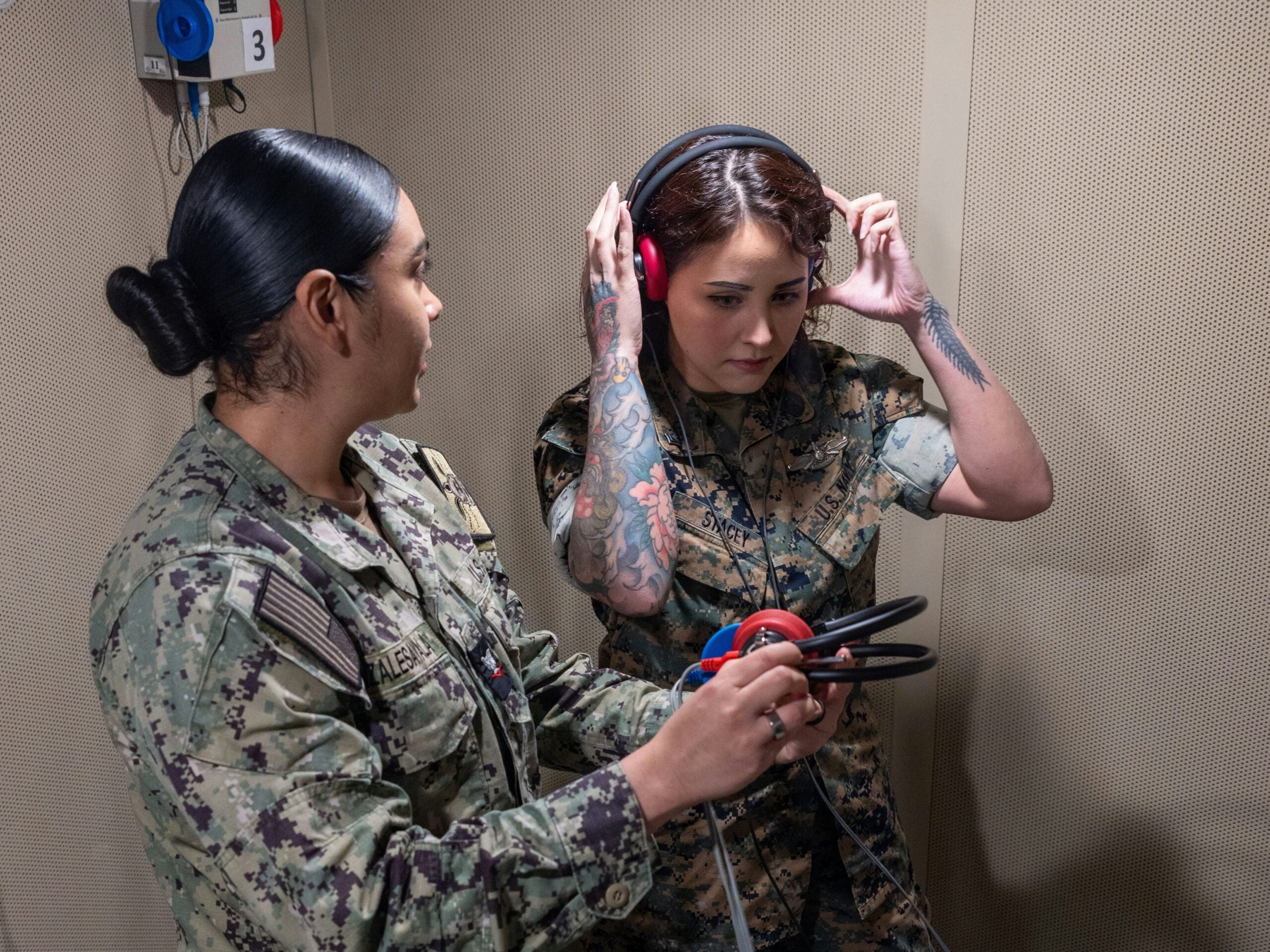
One loud noise can change hearing forever. For many American veterans, losing hearing happens on duty.
Picture a gun fired close by, nothing shielding the ear – that moment brings lasting effects. Sound from an M4 hits about 158 decibels where the soldier hears it.
This level crosses into danger instantly. Now soldiers listen differently through devices such as TCAPS.
When gunfire cracks, sharp noises get cut – yet voices and forest rustles come through clearer. For ages few used them, though lately nearly every unit is equipping these smart plugs.
Slow start, then sudden spread – that shift surprised even skeptics.
When the Kit Becomes Part of You
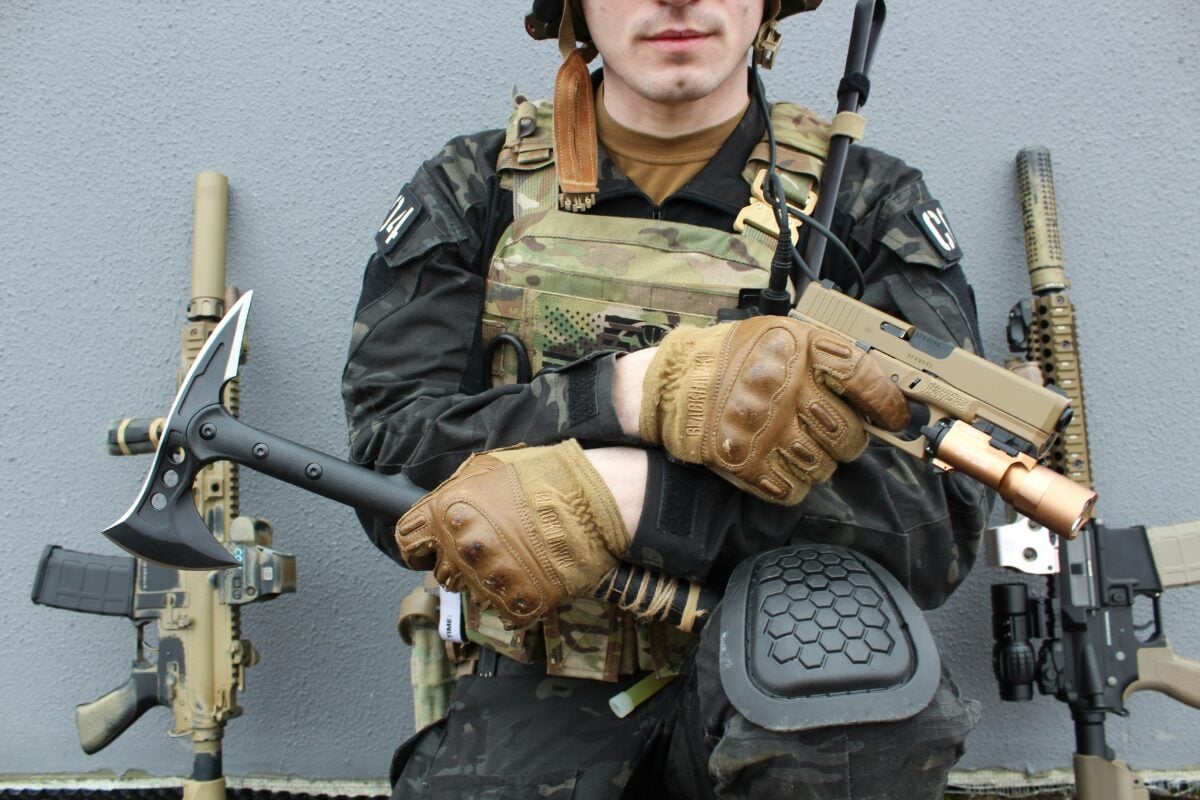
Soldiers at their peak treat equipment like an extension of their body. What’s on them, where it sits, how to grab it blindfolded – these details live deep in muscle memory.
Stress, fatigue, chaos won’t break that grip because routine carved it in. Doing the same setup over, then again, rewires instinct.
Straps tugged just so, pouches placed without looking, movements repeated past thought – this builds fluency beyond words. A soldier isn’t built with equipment.
Still, proper tools – kept ready and known well – offer solid ground when duty hits hard. Each thing here exists for that reason: not to look good, yet perform under weight.
More from Go2Tutors!

- The Romanov Crown Jewels and Their Tragic Fate
- 13 Historical Mysteries That Science Still Can’t Solve
- Famous Hoaxes That Fooled the World for Years
- 15 Child Stars with Tragic Adult Lives
- 16 Famous Jewelry Pieces in History
Like Go2Tutors’s content? Follow us on MSN.