Sports Rivalries That Began Over Surprising Reasons
Sports rivalries usually make sense. Two teams from the same city, years of playoff battles, or fighting over championships.
But some of the fiercest feuds in sports history started for reasons that had nothing to do with what happened on the field. We’re talking about coin-throwing incidents, actual wars between states, and curses that supposedly lasted 86 years.
Here is a list of 15 sports rivalries that kicked off in the most unexpected ways.
Brighton vs Crystal Palace
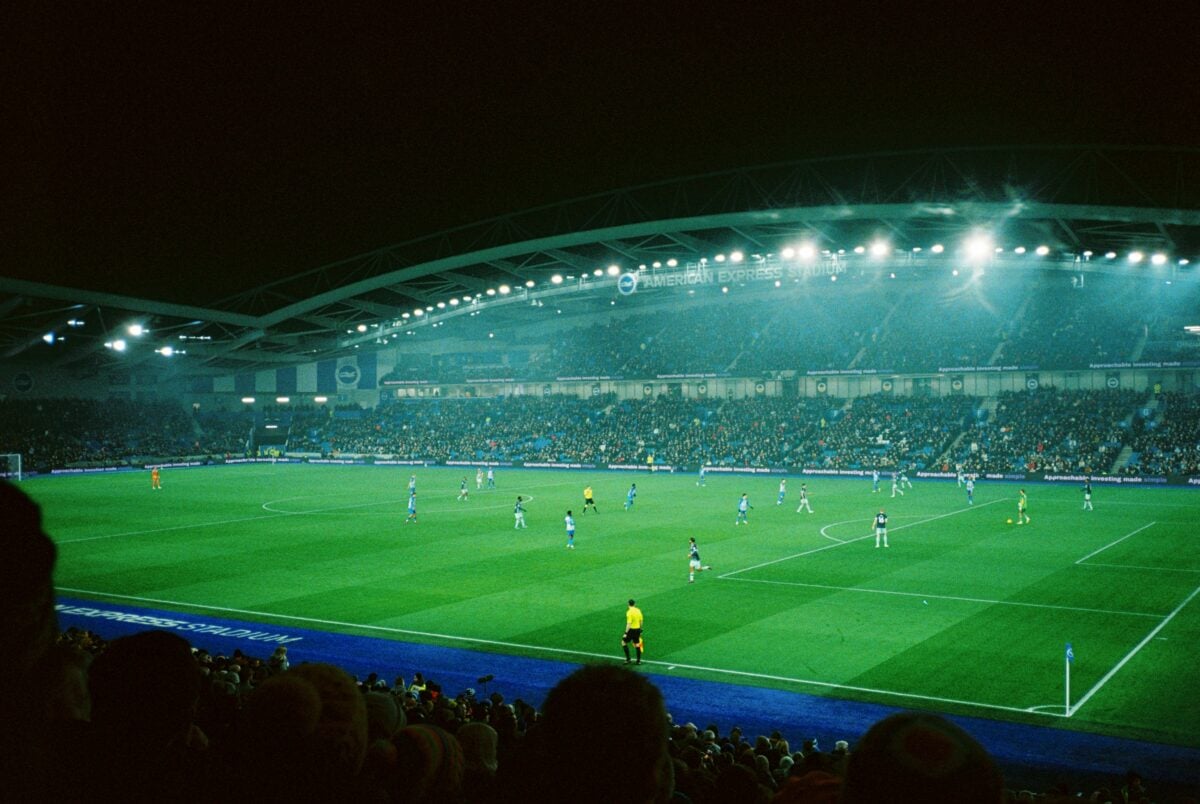
These two English football clubs are separated by about 40 miles, which normally wouldn’t spark much drama. The real fire started in 1976 when both teams hired new managers who happened to be former teammates at Tottenham.
Terry Venables took over Crystal Palace while Alan Mullery became Brighton’s boss, and these two had already been fighting for the captaincy years earlier. Their personal beef turned into a full-blown rivalry when, after a controversial FA Cup match, Mullery allegedly threw coins at the ground and declared that’s all Palace was worth.
Fans on both sides have been going at it ever since, proving that sometimes a grudge between two guys can ignite decades of hatred.
Red Sox vs Yankees
The most famous rivalry in baseball didn’t start with a playoff series or a bench-clearing brawl. It started with a business transaction that Red Sox fans would regret for 86 years. In January 1920, Boston owner Harry Frazee sold Babe Ruth to the Yankees for cash and a loan, reportedly to finance his Broadway productions.
Before the sale, the Red Sox had won five World Series titles while the Yankees had won zero. After Ruth left, the Yankees became a dynasty with 26 championships while Boston went into a historic drought that fans called the Curse of the Bambino.
The rivalry wasn’t just about two teams anymore—it became about one franchise’s decision that flipped the entire balance of power in baseball.
Like Go2Tutors’s content? Follow us on MSN.
Ohio State vs Michigan

Most people know this as one of college football’s greatest rivalries, but few realize it traces back to an actual military conflict. In 1835, Ohio and Michigan nearly went to war over a strip of land that included what would become Toledo.
The Toledo War saw governors calling up militias, arrests of surveyors, and even a stabbing with a penknife (the only injury of the entire conflict). Michigan eventually gave up the Toledo Strip in exchange for statehood and the Upper Peninsula.
When the two schools first played football in 1897, the Toledo War was still fresh in people’s minds, and that territorial grudge carried right onto the gridiron.
Besiktas vs Bursaspor
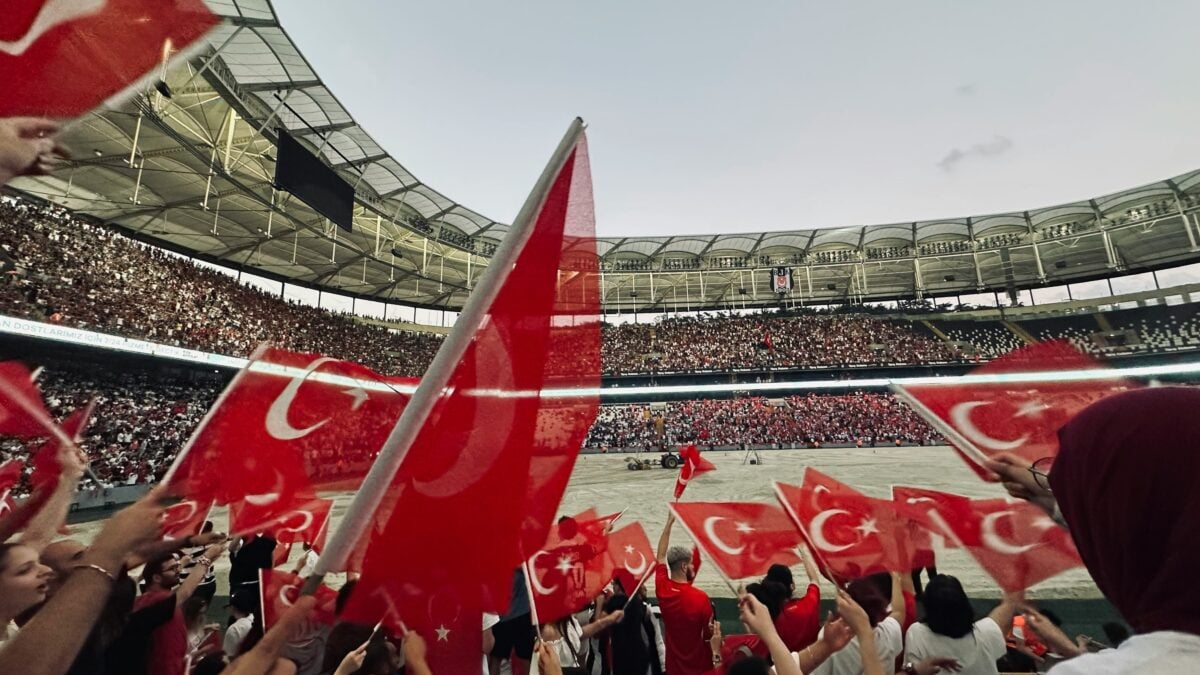
Here’s a rivalry that started because of games that didn’t even involve one of the teams. In the 2003-04 season, Turkish side Bursaspor was fighting to avoid relegation and needed help from other struggling teams.
When both Rizespor and Akcaabat Sebatspor pulled off surprise victories against Besiktas, who had nothing to play for, Bursa fans were furious. They blamed Besiktas for not trying hard enough and believed the Istanbul club had essentially let them get relegated.
Bursaspor fans tore up their own stadium in anger, and a rivalry was born from what was essentially a conspiracy theory about thrown matches.
Australia vs Uruguay

International football rivalries usually develop over decades of competition, but this one exploded because of a single moment in 1993. During a World Cup qualifier, Uruguayan defender José Batista was sent off after just 56 seconds for a karate-kick-style tackle on Australian player Robert Zabica.
Australia went on to lose that qualifier and miss the World Cup. The incident became legendary in Australian football, and when the teams met again in a 2005 qualifier that Australia won on penalties, the victory was so sweet that the date—November 16—is simply known by its date in Australian sports lore.
Like Go2Tutors’s content? Follow us on MSN.
Lakers vs Celtics
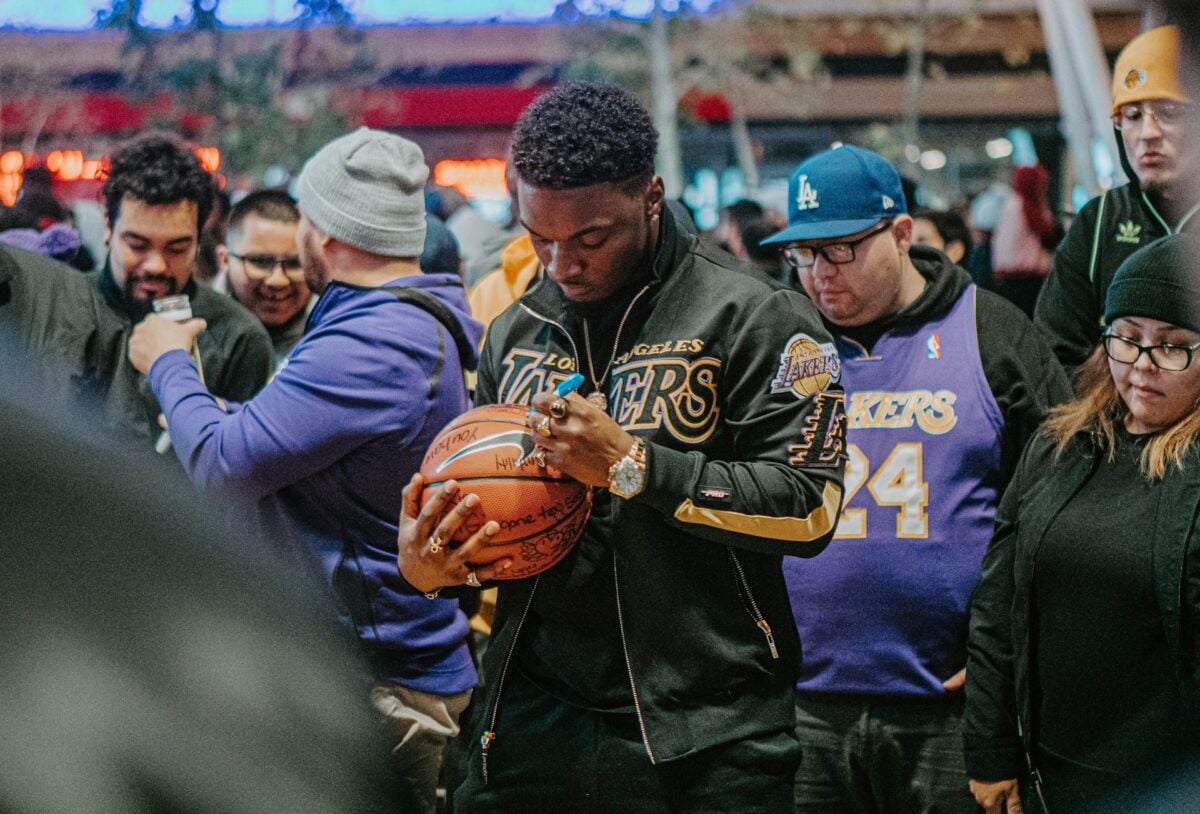
While these two teams have been battling since the 1960s, the rivalry took on a deeper dimension because of something that had nothing to do with basketball: race. In the 1980s, when Larry Bird and Magic Johnson were the faces of their franchises, the Celtics fielded a notably white lineup in a league dominated by Black players.
This wasn’t lost on anyone, and it added a complicated social layer to what was already an intense on-court competition. The rivalry became about more than just East Coast versus West Coast or Showtime versus blue-collar basketball—it reflected larger conversations happening in America at the time.
Ali vs Frazier

Both men were Black American boxers, but Muhammad Ali deliberately created a rivalry by depicting Joe Frazier as a tool of the white establishment. Before their first fight in 1971, Ali and Frazier had actually been friends. Ali changed that by launching a psychological campaign against Frazier and questioned his commitment to civil rights, knowing it would get under his opponent’s skin. Frazier was privately hurt by these attacks but stayed mostly silent, which only fueled Ali’s trash talk. What could have been a respectful sporting rivalry became personal and bitter because Ali decided to make race a weapon in his mental warfare.
Blues vs Blackhawks

Research into sports rivalries has revealed that some feuds are surprisingly lopsided, with one team’s fans caring way more than the other. The St. Louis Blues and Chicago Blackhawks rivalry shows this perfectly.
Blues fans have historically allocated a huge portion of their rivalry energy toward Chicago, while Blackhawks fans have been more lukewarm in return. The imbalance likely stems from Chicago’s Original Six history and multiple Stanley Cups compared to St. Louis arriving later and chasing that first championship.
Sometimes a rivalry starts not from equal hatred but from one side desperately wanting the other to acknowledge them as a worthy opponent.
Like Go2Tutors’s content? Follow us on MSN.
El Clásico (Real Madrid vs Barcelona)

Most people know this as a football rivalry, but it started as something much bigger: a political conflict. The tension between Real Madrid and Barcelona has always been about more than the sport—it represents the divide between Madrid as Spain’s capital and Catalonia’s push for independence and cultural recognition.
During Franco’s dictatorship, Real Madrid was seen as the regime’s team while Barcelona became a symbol of Catalan resistance. Fans didn’t just want their team to win for bragging rights; they wanted it for political identity.
The football pitch became a battlefield for much deeper disputes about power, culture, and regional autonomy.
Packers vs Bears

Geography can spark a rivalry even when teams aren’t technically neighbors. The Green Bay Packers and Chicago Bears have been feuding since the 1920s, and it’s rooted in the classic small-town-versus-big-city dynamic.
Chicago residents would drive through Wisconsin to their lake houses, and locals complained they drove too fast and acted superior. Meanwhile, Chicagoans started mockingly calling Wisconsin residents “cheeseheads,” which the Packers fans eventually embraced by literally wearing cheese-shaped foam hats.
A rivalry born from vacation traffic and dairy-farming stereotypes somehow became one of the NFL’s most storied feuds.
Canada vs Soviet Union (Russia)
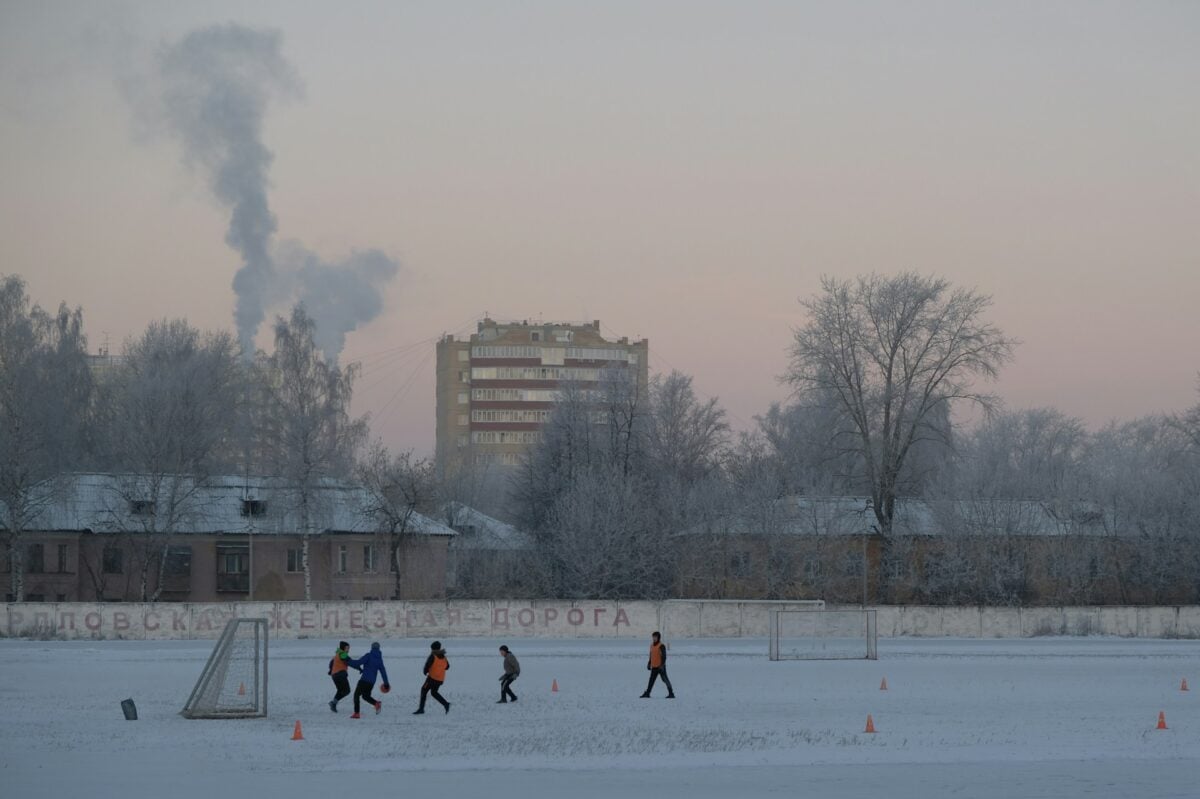
This hockey rivalry exploded in 1972 during the Summit Series, which was supposed to showcase Canada’s dominance but nearly ended in embarrassment. The series was created during the Cold War when hockey became a proxy for the broader ideological battle between capitalism and communism.
Canadians expected to crush the Soviets but found themselves in a desperate battle that came down to Paul Henderson’s goal in the final game. The rivalry wasn’t just about hockey supremacy—it was about national pride during a time when the world was divided into two camps, and every sporting event carried political weight.
Like Go2Tutors’s content? Follow us on MSN.
Palmer vs Nicklaus

Golf rivalries are usually genteel affairs, but the Arnold Palmer versus Jack Nicklaus feud carried an undercurrent of jealousy that fans could sense. In the early 1960s, Palmer was golf’s golden boy with a massive following called “Arnie’s Army,” while Nicklaus was the younger upstart who kept beating him. As Nicklaus’s game improved and Palmer’s declined, the rivalry shifted from competitive to almost melancholy.
Palmer had to watch someone else take over as golf’s dominant player, and even though Nicklaus became statistically greater, Palmer remained more beloved. The rivalry was less about what happened on the course and more about watching the torch pass from one generation to another.
Evert vs Navratilova

Women’s tennis in the 1970s and 80s was defined by Chris Evert and Martina Navratilova, but their rivalry represented different philosophies about the sport itself. Evert was the baseline grinder with impeccable consistency, while Navratilova played an aggressive serve-and-volley game that was revolutionary for women’s tennis.
Their contrasting styles made every match a debate about the right way to play. Navratilova won more of their big matches, but the rivalry mattered because it showed two completely different approaches could both reach the pinnacle of the sport.
Mullery Returns to Palace

Sometimes a rivalry gets rekindled in the strangest way possible. Alan Mullery, who had been Brighton’s manager during the height of their rivalry with Crystal Palace, somehow became Palace’s manager in 1982.
Palace fans were not happy about hiring someone associated with their biggest rival, and attendance at Selhurst Park dropped dramatically. Mullery then lost both matches against Brighton, which only made things worse. He was gone within two years.
The incident proved that some rivalries run so deep that even the people involved can’t escape them, and trying to switch sides just makes everyone angry.
Manchester United vs Palace (Cantona Incident)

Not all rivalries need decades to develop—sometimes one moment is enough. In 1995, Manchester United’s Eric Cantona was sent off during a match at Crystal Palace, and as he walked toward the tunnel, a Palace fan hurled insults at him.
Cantona’s response was to launch himself into the stands with a kung-fu kick aimed at the supporter. He was banned for eight months, fined, stripped of his France captaincy, and never played for his country again.
Palace fans never forgot it, and what should have been a routine fixture between teams of different stature became forever marked by one of football’s most shocking moments of violence.
A Rivalry That Shaped the Sport

When you dig into the origins of sports rivalries, you find that the most enduring ones rarely started with simple competition. They began with territorial wars, bitter personal feuds, controversial transactions, and political conflicts that had nothing to do with athletics.
These surprising origins gave the rivalries depth and meaning beyond wins and losses. The grudges lasted because they tapped into something more fundamental than sport—regional pride, cultural identity, personal betrayal, or historical injustice.
That’s why fans still care decades later, even when they don’t remember exactly how it all started.
More from Go2Tutors!

- 16 Historical Figures Who Were Nothing Like You Think
- 12 Things Sold in the 80s That Are Now Illegal
- 15 VHS Tapes That Could Be Worth Thousands
- 17 Historical “What Ifs” That Would Have Changed Everything
- 18 TV Shows That Vanished Without a Finale
Like Go2Tutors’s content? Follow us on MSN.



