Staying Up Past Bedtime Felt Like the Greatest Rebellion a Kid Could Pull Off
There’s a particular electricity to being awake when you’re not supposed to be. The house goes quiet, the adults disappear behind closed doors, and suddenly the living room — the same living room where you ate cereal that morning — feels like uncharted territory.
No permission required. No schedule to follow.
Just you, the dark, and the very clear knowledge that you are doing something you absolutely should not be doing. It was never really about staying up late. It was about what staying up late meant.
The Silence That Changed Everything
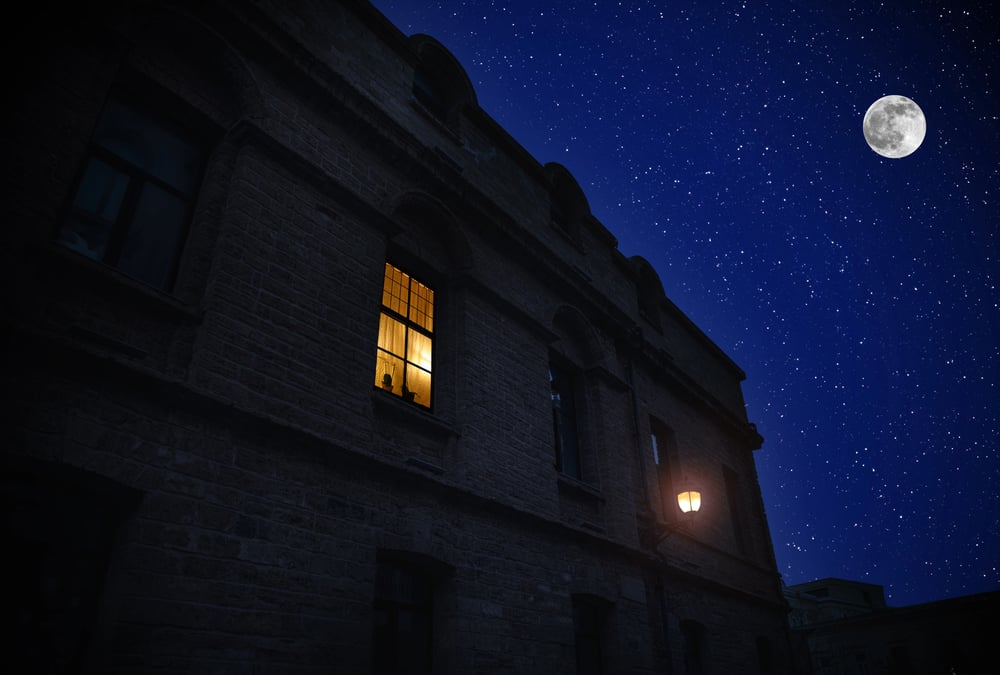
Night had a different texture than day. During daylight hours, the house was loud, managed, supervised — but after bedtime, it became something quieter and stranger, like a familiar place seen through a window from the outside.
The hum of the refrigerator, the tick of a wall clock, the distant sound of a television playing in a room you weren’t supposed to be near — these things existed during the day too, but you never noticed them until the house was yours. And that noticing felt, against all logic, like a kind of ownership.
The Thrill of Being the Only One Awake
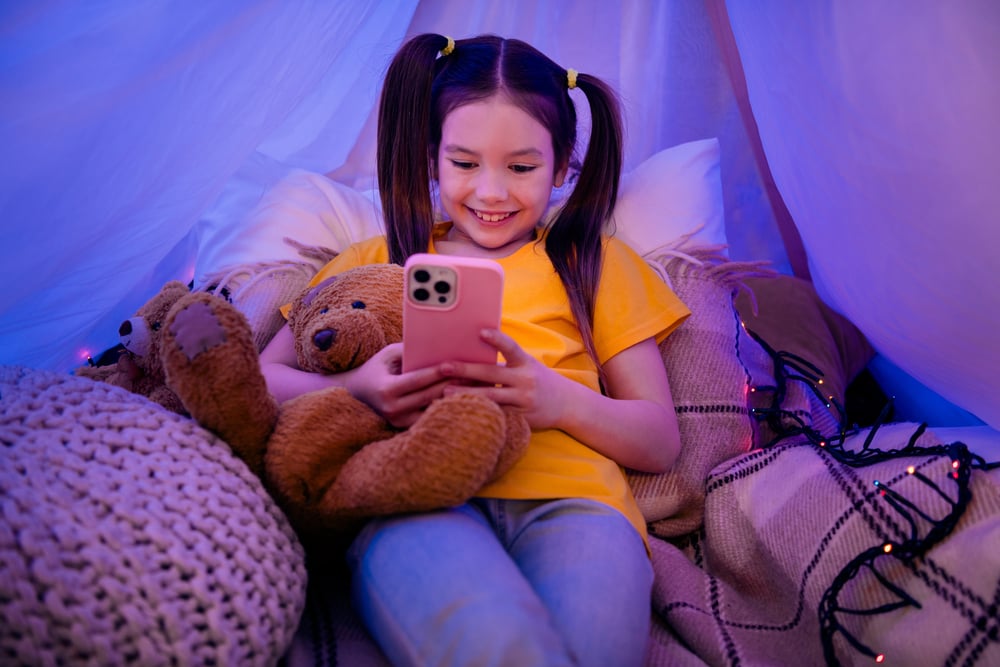
It’s the simplest power a kid can claim. Everyone else is asleep, and you’re not. No one is watching, correcting, or redirecting you toward homework or vegetables or bed.
So you just exist — quietly, freely, in a house that has briefly stopped demanding anything from you.
The Glow Under the Door
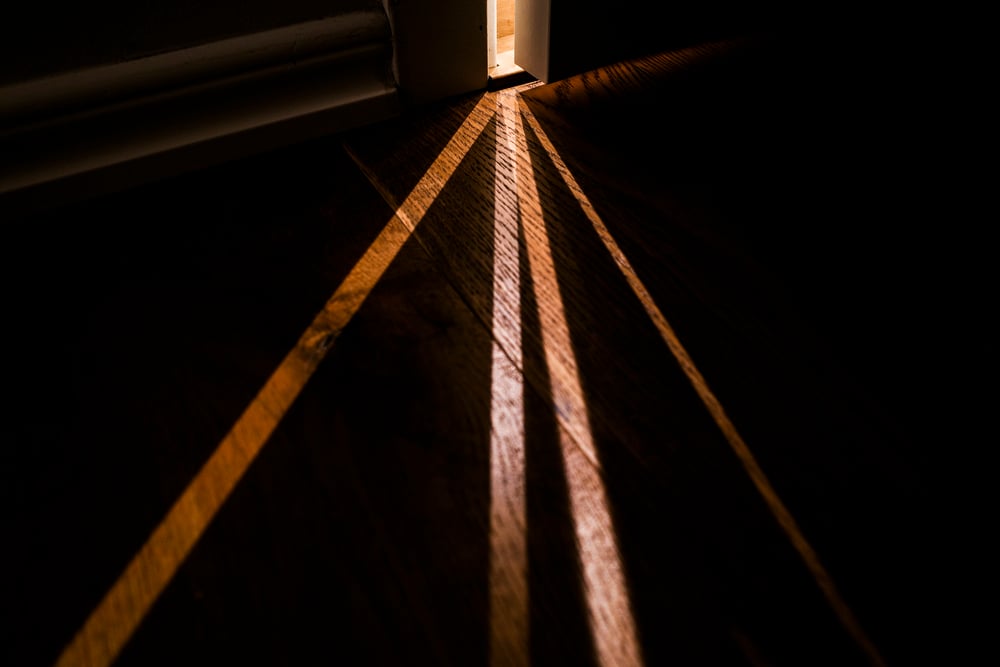
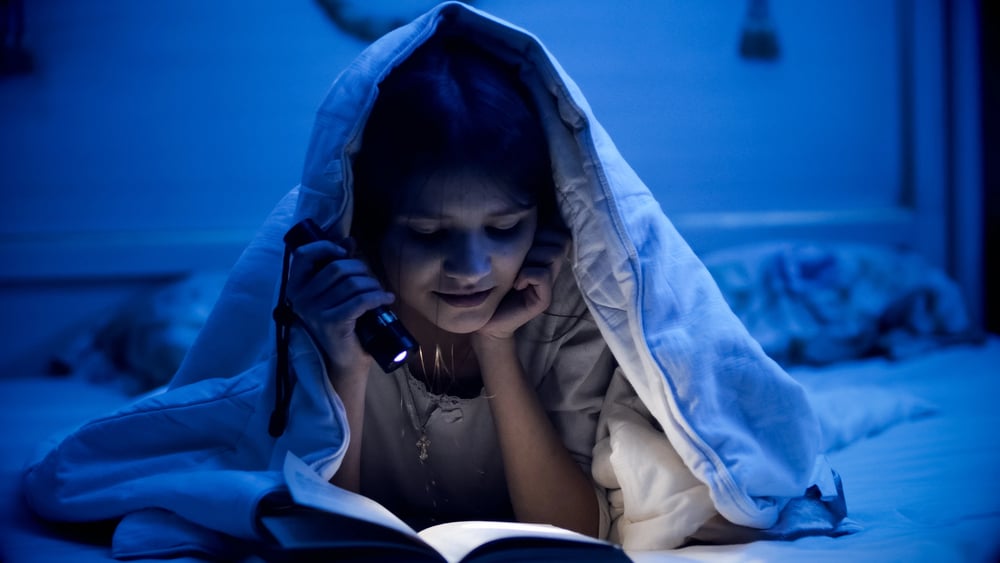
There was a whole science to this — the art of appearing asleep while being very much awake, which involved pulling the covers to chin level and keeping the flashlight angled just so, so that no telltale strip of light would betray you along the bottom of the door. The flashlight (usually a chunky plastic thing with weak batteries and a beam that wobbled if you breathed too hard) became something closer to a lantern in a cave: small, protective, yours.
And what you did under that beam — read a chapter too many, play a handheld game with the volume set to zero, stare at the ceiling and think enormous thoughts — mattered less than the fact that you were choosing to do it.
Time Felt Different

Time after bedtime moved on its own terms. Midnight, which during daylight hours sounded like a thing that happened to other people, could actually arrive — and you could be awake to meet it.
That felt significant in a way that was genuinely hard to explain.
The Television Nobody Was Watching
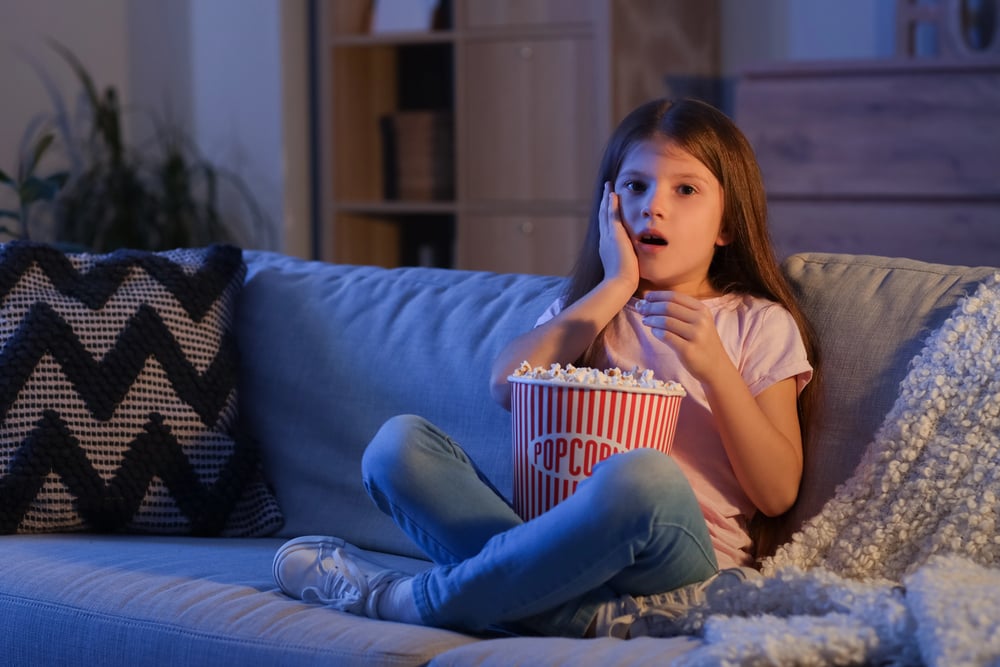
Late-night television was its own strange world — infomercials selling gadgets that seemed to exist only between 1 and 3 a.m., talk show hosts interviewing people your parents had never mentioned, movies that were clearly not intended for anyone your age running on channels that barely held their signal. Watching it felt like pressing your face against the glass of an adult world that hadn’t bothered to lower its voice yet — not exactly exciting, not exactly disappointing, but undeniably real in a way that Saturday morning cartoons were not.
So you watched, slightly bored and completely riveted, until your eyes stopped cooperating.
The Kitchen at Midnight
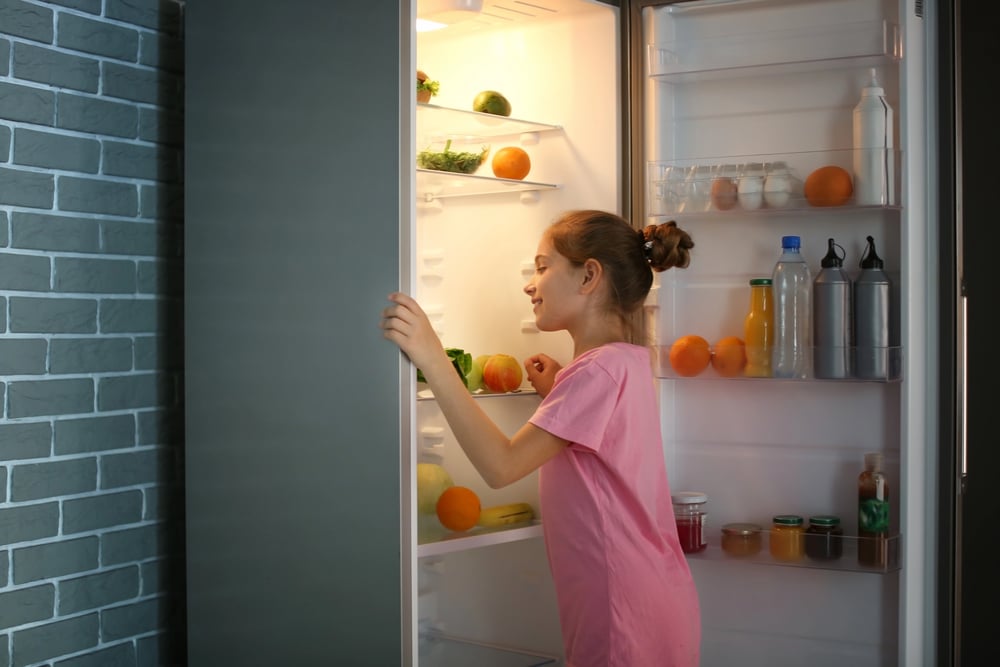
The refrigerator light in a dark kitchen at midnight is something close to a beacon. You didn’t go because you were hungry, not exactly — you went because you could, because the kitchen at midnight belonged to no one and therefore to you, and because cold cereal eaten standing up in the dark tasted measurably better than the same cereal at 7 a.m. with someone telling you to hurry up or you’d miss the bus.
The Sounds That Only Existed at Night
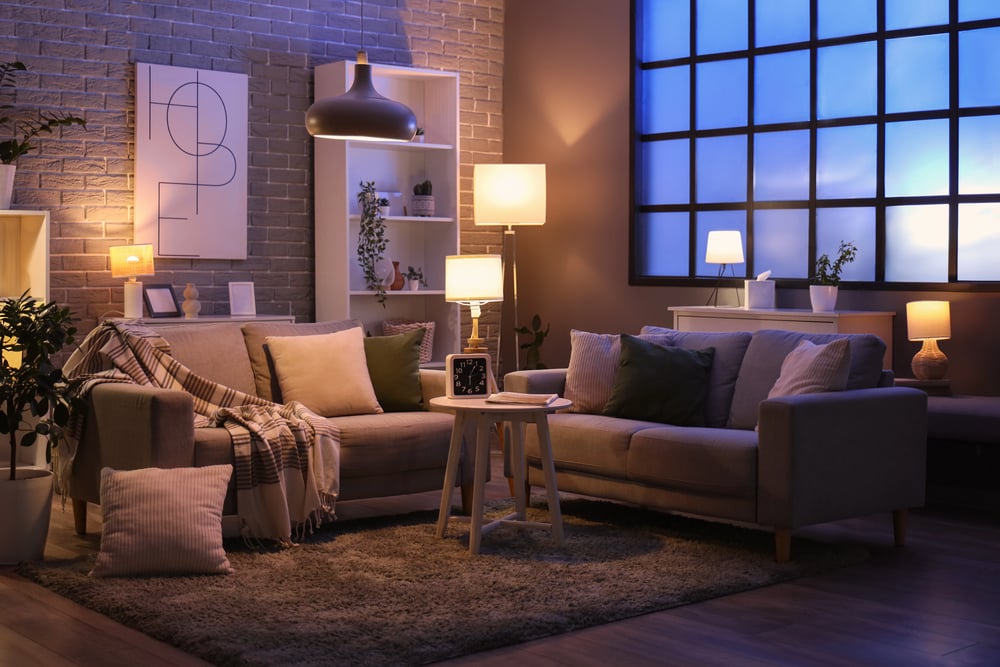
Houses make noise. During the day, that noise gets buried under everything else — voices, footsteps, televisions, the general clatter of people living in a space.
But in the small hours, the house creaked and settled like a ship adjusting to calm water, and every sound arrived with startling clarity. The branch against the window.
The furnace clicking on. Something in the walls that was almost certainly pipes but felt, at ten years old and 1 a.m., considerably less certain.
Reading One More Chapter
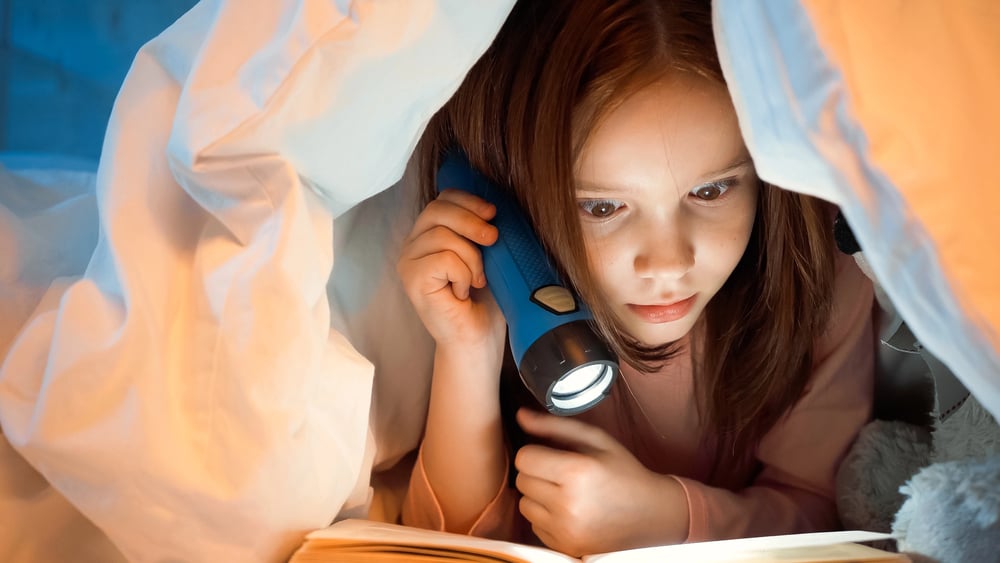
There is something almost stubborn about a child reading by flashlight under a blanket — stubborn in the best possible way, because nothing about the arrangement is convenient. The flashlight arm goes numb.
The pages are hard to turn without letting cold air in. The beam shifts every time you move.
And yet the chapter gets read anyway, and then the next one, and then one more after that, because stopping now would mean admitting that the book isn’t worth the cramped arm and the risk — and the book is always worth it.
The Anxiety That Made It Better
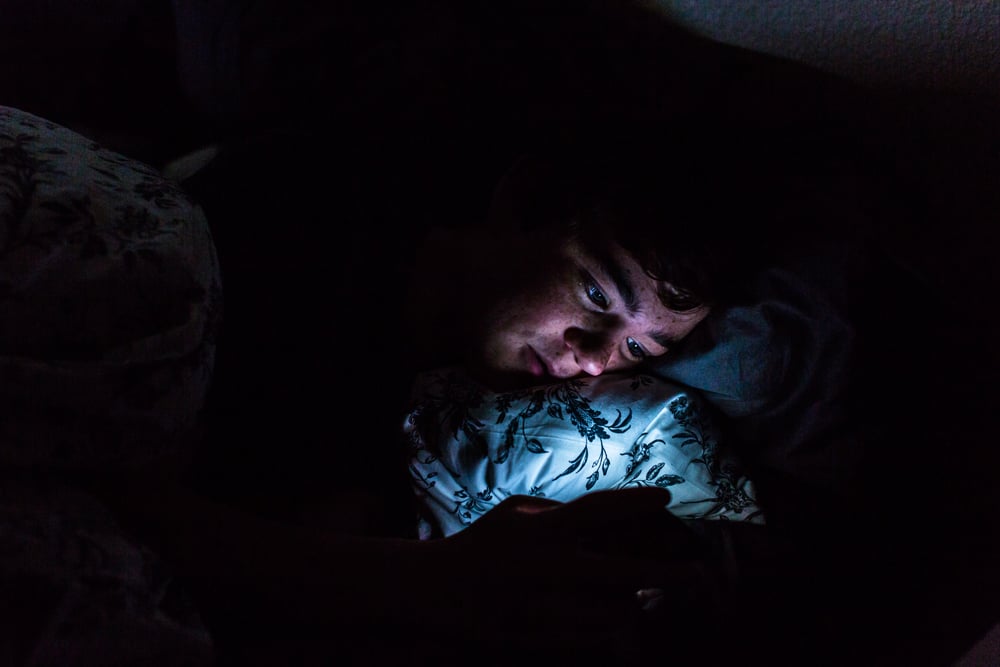
Rebellion without any consequence would just be a Tuesday. Part of what made staying up feel so electric was the genuine possibility of getting caught — the footsteps in the hallway that stopped just outside your door, the floorboard that announced itself every single time no matter how carefully you stepped around it, the parent who appeared without warning in the doorway and looked at you with that expression that landed somewhere between weary and disappointed.
The fear sharpened everything. It made the darkness brighter, the silence louder, the whole enterprise worth remembering.
The Sleepover Exception

Sleepovers operated under a different set of rules — or rather, the absence of rules — because staying up with other people transformed solitary defiance into collective mythology. Nobody actually fell asleep first without consequence; that was a law as immovable as gravity.
And the conversations that happened at 2 a.m. on a sleeping bag in someone’s basement — about school, about crushes, about what you’d do if you had a million dollars — had a quality of honesty that the same conversations in daylight never quite matched.
The Parents Who Pretended Not to Notice
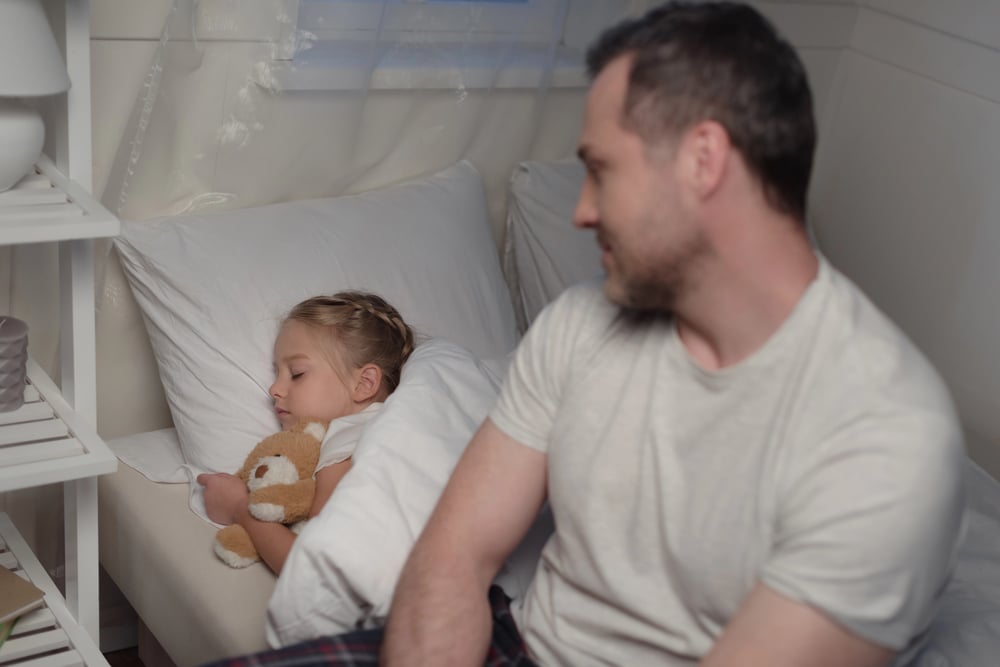
Some parents absolutely knew. They heard the footsteps, registered the light under the door, caught the too-quick stillness when they passed the hallway — and let it go anyway, because there are battles worth having and battles that are not.
That quiet permission, unspoken and entirely deniable, was its own kind of gift: the room to figure out what freedom felt like without anyone getting hurt by it.
What You Were Actually Testing

Staying up late was never really about the dark or the television or the cereal in the quiet kitchen. It was a question being asked without words: what happens when no one is watching?
The answer, it turned out, was almost always nothing dramatic — just a kid sitting in the quiet, making small choices, learning what it felt like to be unsupervised and unguided and entirely responsible for when the flashlight finally clicked off.
The Morning After
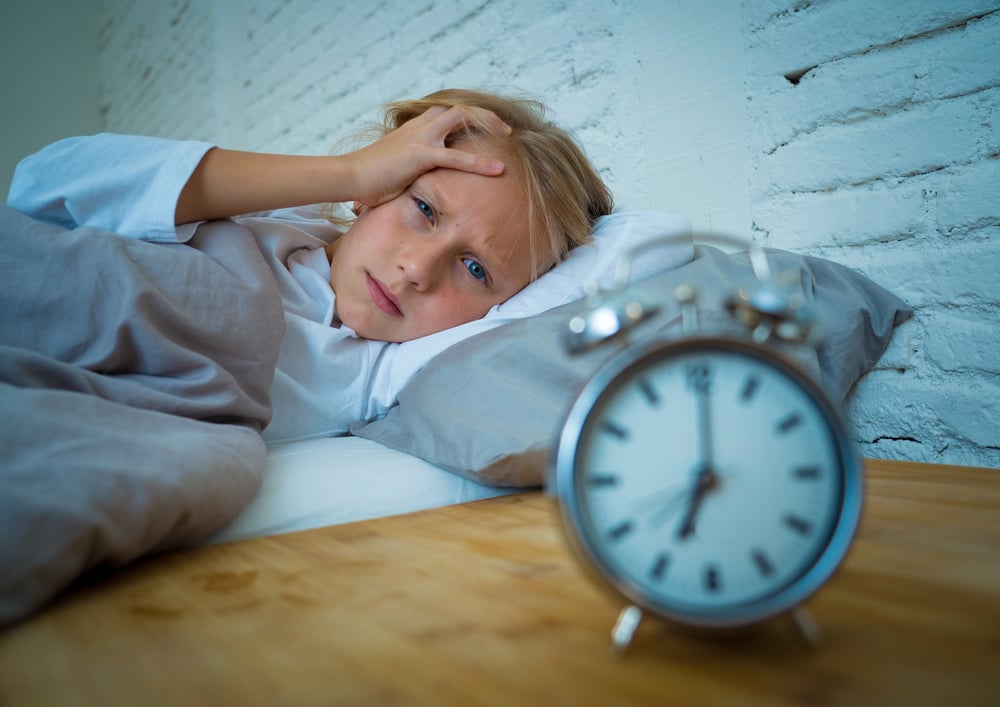
Morning arrived merciless and indifferent to your choices. The alarm came at the same time regardless of when you fell asleep, and the exhaustion was real and specific — a kind of heavy-eyed fog that followed you to breakfast and sat down next to you and refused to leave.
But even that had a certain quality to it: a secret you carried through the school day, the knowledge that the previous night had been entirely yours, paid for in tired eyes and entirely worth it.
When It Stopped Being Rebellion
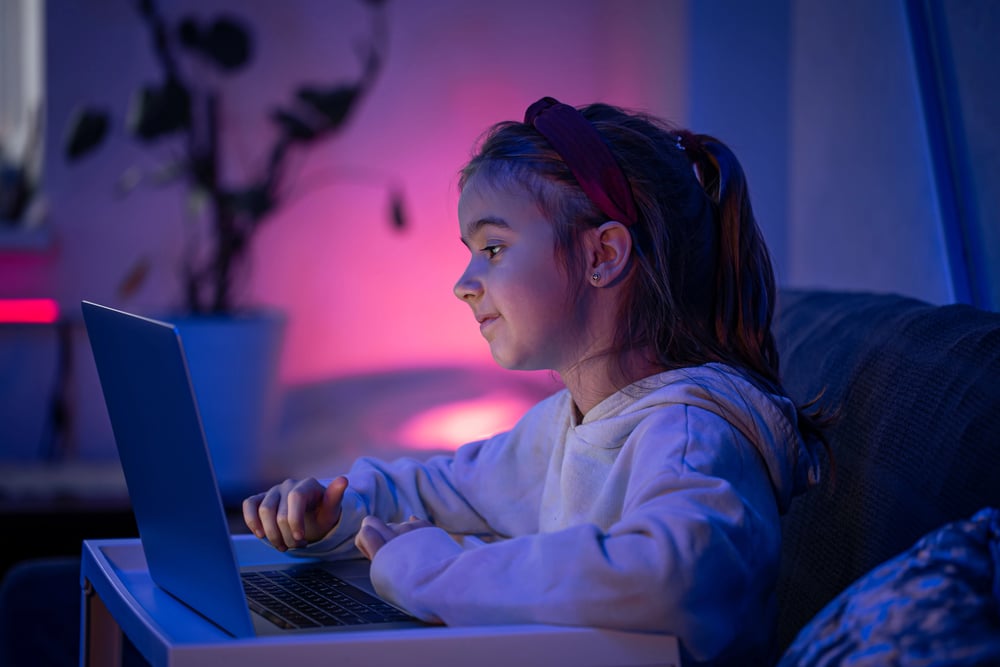
The strange thing about staying up late is that it only works as a rebellion while someone else is setting the bedtime. The moment you’re old enough to stay up as late as you want — legally, practically, with no one to catch you — it quietly loses its charge.
Midnight becomes just a time on a clock. The dark becomes just the dark. And the cereal in the quiet kitchen is still good, but it’s only cereal now.
The Part You Couldn’t Have Named Then
There’s a version of freedom that only exists inside a set of rules you’re testing the edges of — and childhood, for all its constraints, offered that version in abundance. Bedtime was the rule, and the breaking of it was the point, but the point underneath the point was something closer to: I am here, I am awake, and this small corner of the night is mine.
That’s not nothing. For a ten-year-old with a dying flashlight and a book they shouldn’t have been reading, it was just about everything.
The Flashlight You Never Forgot
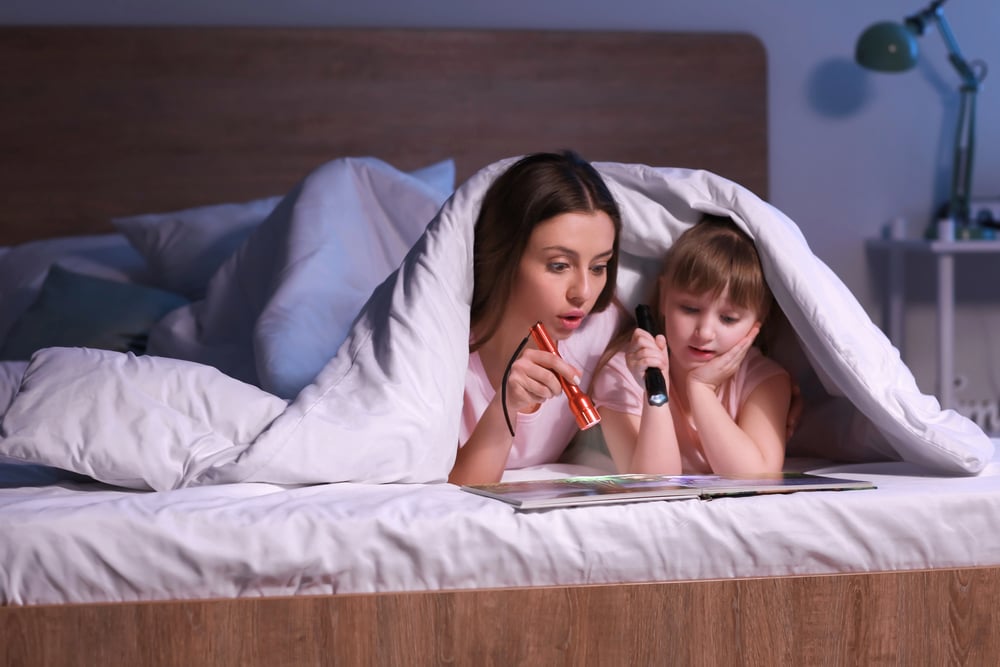
Some objects carry a weight that outstrips their size. A plastic flashlight with corroded batteries and a flickering beam shouldn’t be the thing that represents the first feeling of autonomy — and yet, for a whole generation of kids who hid under covers past midnight, it is exactly that.
You held it like it could protect you from something. Maybe it could.
Why It Still Feels Worth Remembering
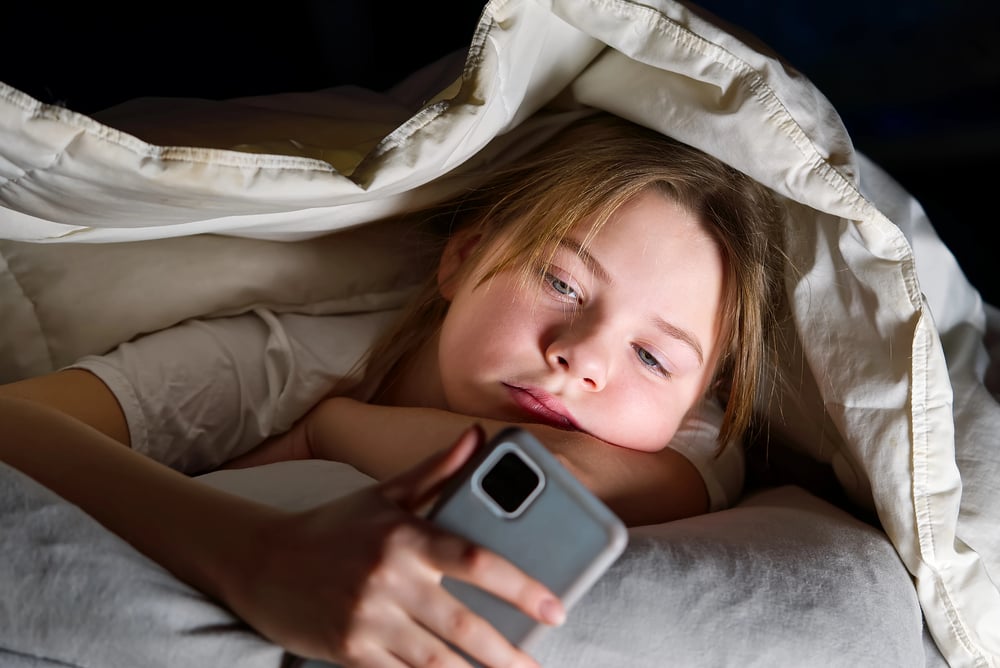
Nostalgia has a way of smoothing things, but this particular memory doesn’t need smoothing. Staying up past bedtime was genuinely what it felt like at the time: the greatest rebellion available, small in scale and enormous in meaning, accomplished with nothing more than a decision to keep your eyes open when the world expected them shut. That’s the kind of defiance that doesn’t leave you.
More from Go2Tutors!

- The Romanov Crown Jewels and Their Tragic Fate
- 13 Historical Mysteries That Science Still Can’t Solve
- Famous Hoaxes That Fooled the World for Years
- 15 Child Stars with Tragic Adult Lives
- 16 Famous Jewelry Pieces in History
Like Go2Tutors’s content? Follow us on MSN.



