Luxury Perfumes with Fascinating Origin Stories
Walking into a high-end fragrance boutique feels like stepping into another world. The bottles gleam under carefully placed lights, each one holding a liquid that promises something more than just a pleasant scent.
Behind these bottles sit stories that span wars, scandals, love affairs, and moments of pure creative madness. Some perfumes were born from tragedy, others from defiance, and a few from accidents that turned into legends.
Chanel No. 5: The Perfume That Broke All the Rules
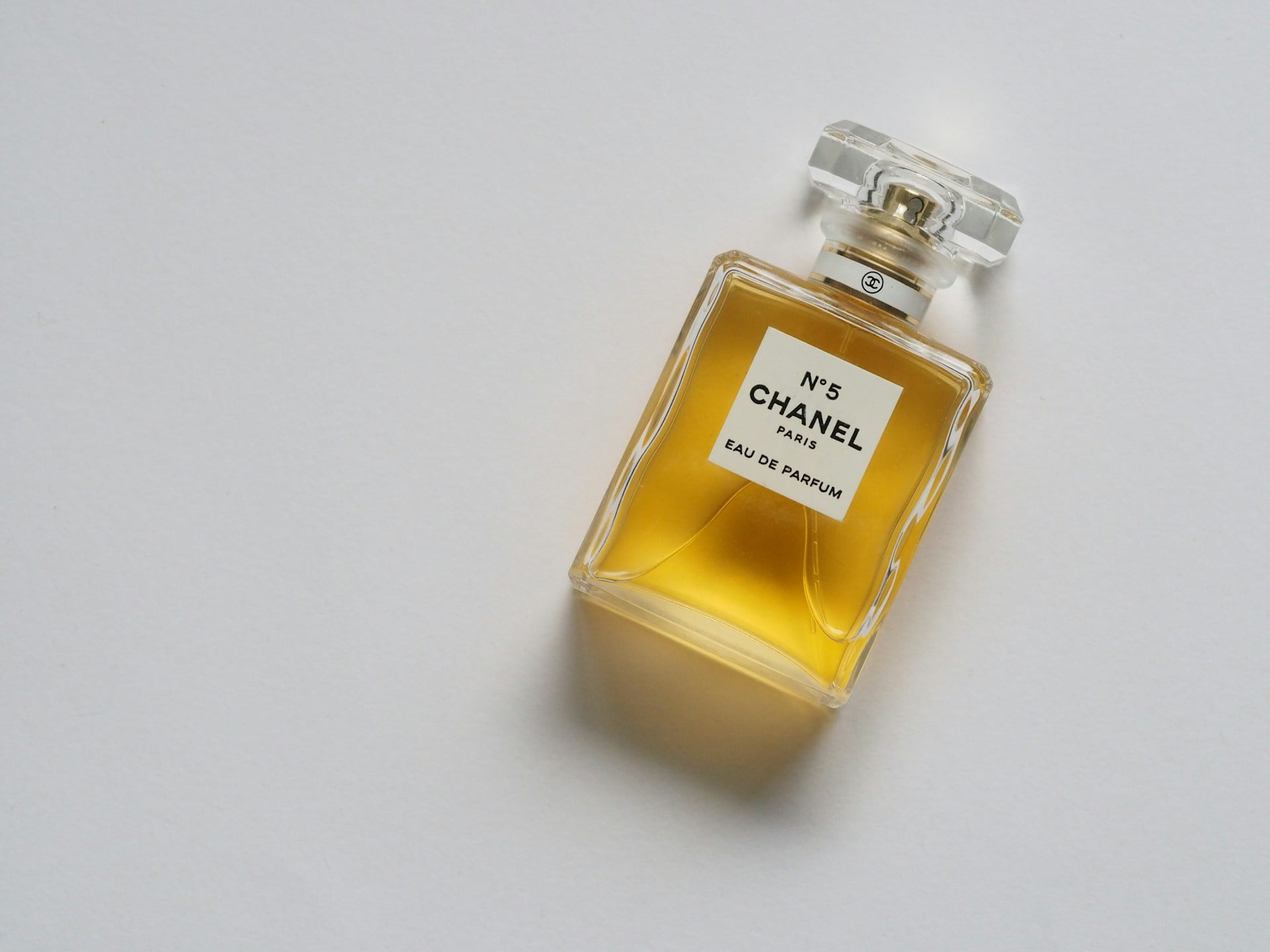
Gabrielle “Coco” Chanel wanted something different from the single-flower fragrances that dominated early 20th-century perfumery. She hired Ernest Beaux, a perfumer who had worked for the Russian royal family, and gave him an unusual brief: create something that smells like a woman, not a flower garden.
Beaux presented several samples, numbered 1 through 5 and 20 through 24. Chanel picked number 5.
But here’s where the story gets interesting. Beaux had accidentally overdosed the formula with synthetic aldehydes—a lab error that should have ruined the perfume.
Instead, it created something entirely new. The massive dose of aldehydes gave the scent a sparkle that had never existed in perfumery before.
Chanel launched it in 1921 and chose to keep the number as the name. No flowery descriptions, no romantic imagery.
Just a number. That simplicity became part of its mystique.
Shalimar: A Monument to Forbidden Love
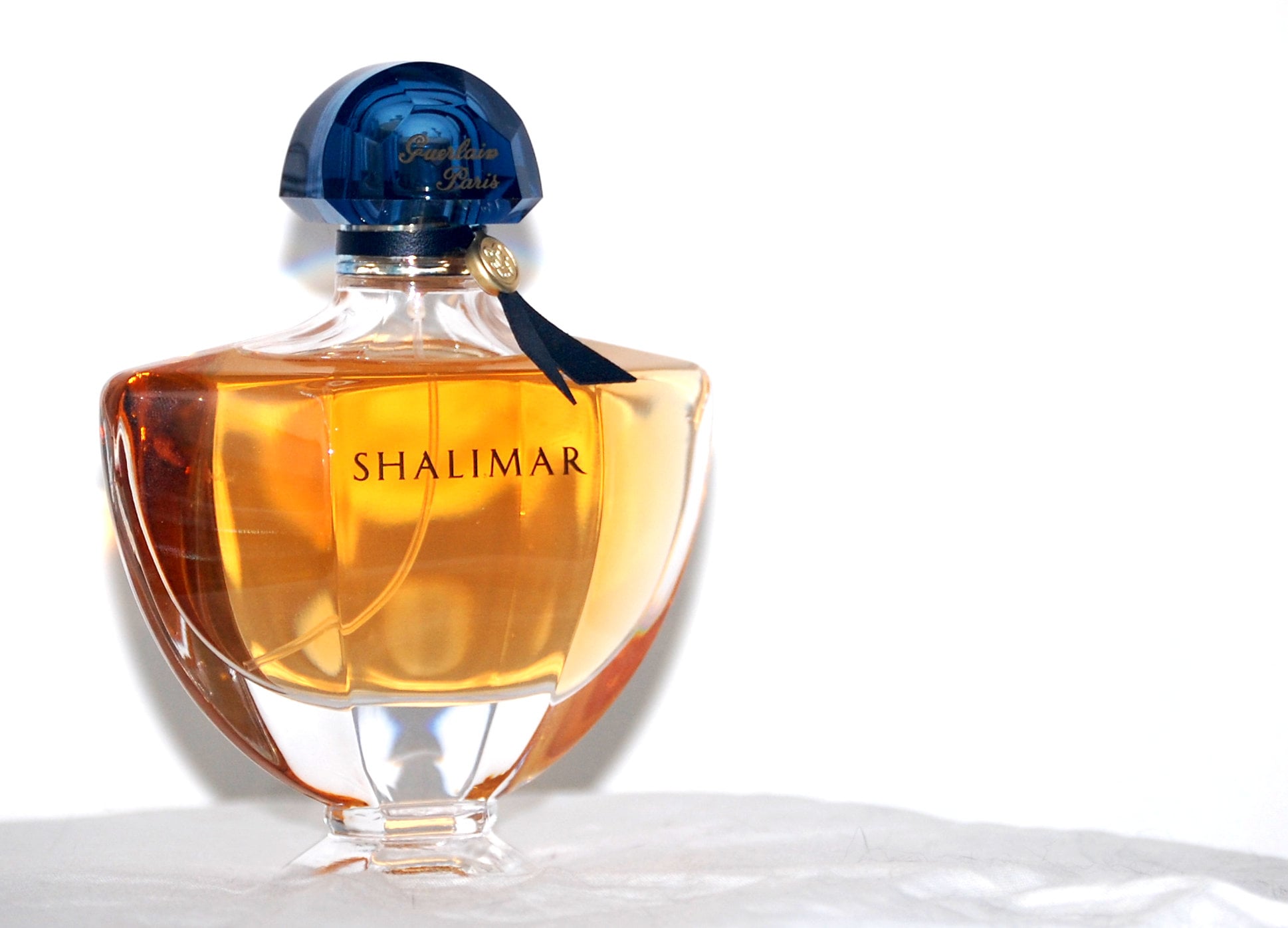
Jacques Guerlain created Shalimar in 1925, inspired by the Shalimar Gardens in Lahore, Pakistan. The gardens themselves tell a story worth knowing.
Emperor Shah Jahan built them for his wife, Mumtaz Mahal, the same woman for whom he later constructed the Taj Mahal after her death. Guerlain wanted to capture that devotion in scent form.
He used vanilla and benzoin to create warmth, then added bergamot for brightness. The result smelled like silk and stone warmed by the sun, like the memory of something precious that slipped away.
The perfume became one of the first oriental fragrances in Western perfumery. It taught the industry that scents could tell stories about places people had never been and feelings they couldn’t quite name.
Joy: Born from Economic Collapse
Jean Patou launched Joy in 1930, right after the stock market crash of 1929. The timing seemed disastrous.
Who would buy an expensive perfume during the Great Depression? Patou went the opposite direction from what made sense economically.
He created the most expensive perfume in the world. Each ounce required 10,600 jasmine flowers and 28 dozen roses.
The cost of raw materials alone made it unaffordable for most people. But the strategy worked.
The perfume became known as “the costliest perfume in the world,” and that title became its selling point. People who could still afford luxury wanted something that proved their status hadn’t changed.
Joy gave them that proof.
Jicky: The Accidental Modern Classic
Aimé Guerlain created Jicky in 1889, and it changed perfumery forever even though most people don’t recognize the name today. Jicky was the first perfume to use synthetic molecules alongside natural ingredients.
The name came from Guerlain’s nickname for a young woman he loved but never married. She eventually married someone else, and he memorialized her in the only way he knew how.
The perfume smells androgynous—lavender and vanilla mixed with coumarin, a synthetic that smells like fresh hay and tonka beans. At launch, women found it too masculine.
Men found it too feminine. It sold poorly for decades.
Then the perfume industry caught up to what Guerlain had done, and Jicky became recognized as the blueprint for modern perfumery.
Bandit: The Scent of Post-War Rebellion
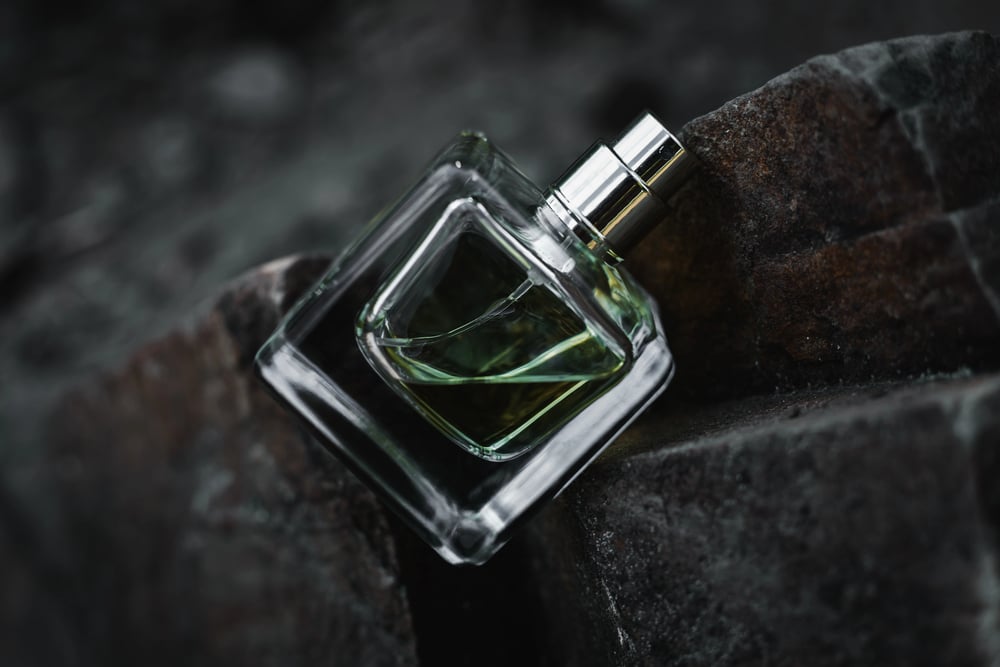
Germaine Cellier created Bandit for Robert Piguet in 1944, as World War II was ending in Europe. The perfume shocked people.
It smelled dark, leathery, and aggressive—nothing like the soft florals women were supposed to wear. Cellier was one of the few prominent female perfumers of her era, and she didn’t care about making nice.
Bandit smelled like motorcycle jackets and stolen kisses, like doing things your parents wouldn’t approve of. The leather note came partly from birch tar, which smells exactly like a worn leather jacket left out in the rain.
The perfume found its audience among women who wanted to smell powerful rather than pretty. It became a statement that you didn’t need permission to take up space.
Opium: Scandal as Marketing Strategy
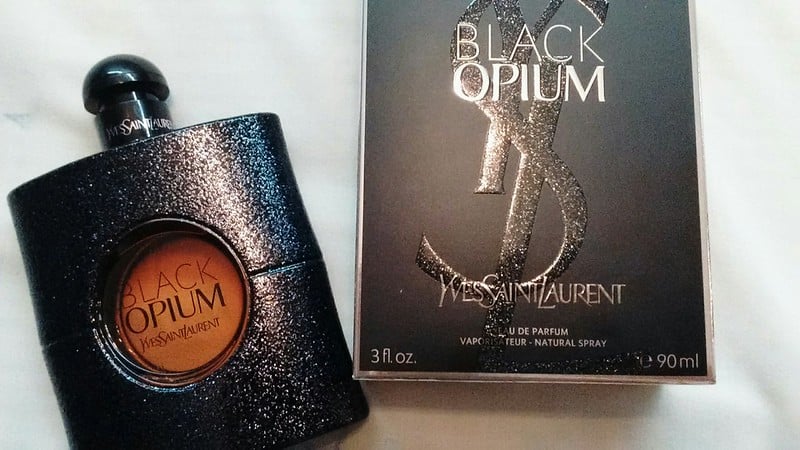
Yves Saint Laurent launched Opium in 1977, and the controversy started before the perfume even hit shelves. The name alone caused outrage.
Critics called it irresponsible and offensive. Several countries restricted its advertising or banned the name entirely.
Saint Laurent didn’t apologize. He leaned into the scandal.
The perfume came in a bottle shaped like an inro, a traditional Japanese medicine box. The ads featured J. Hall in provocative poses that suggested exactly what the name implied.
The scandal drove sales through the ceiling. People wanted to smell what everyone was arguing about.
The fragrance itself—spicy, warm, and heavy with clove and vanilla—matched the provocative marketing. It smelled like something you’d wear when you wanted to be remembered, not forgotten.
Mitsouko: Love in the Time of War
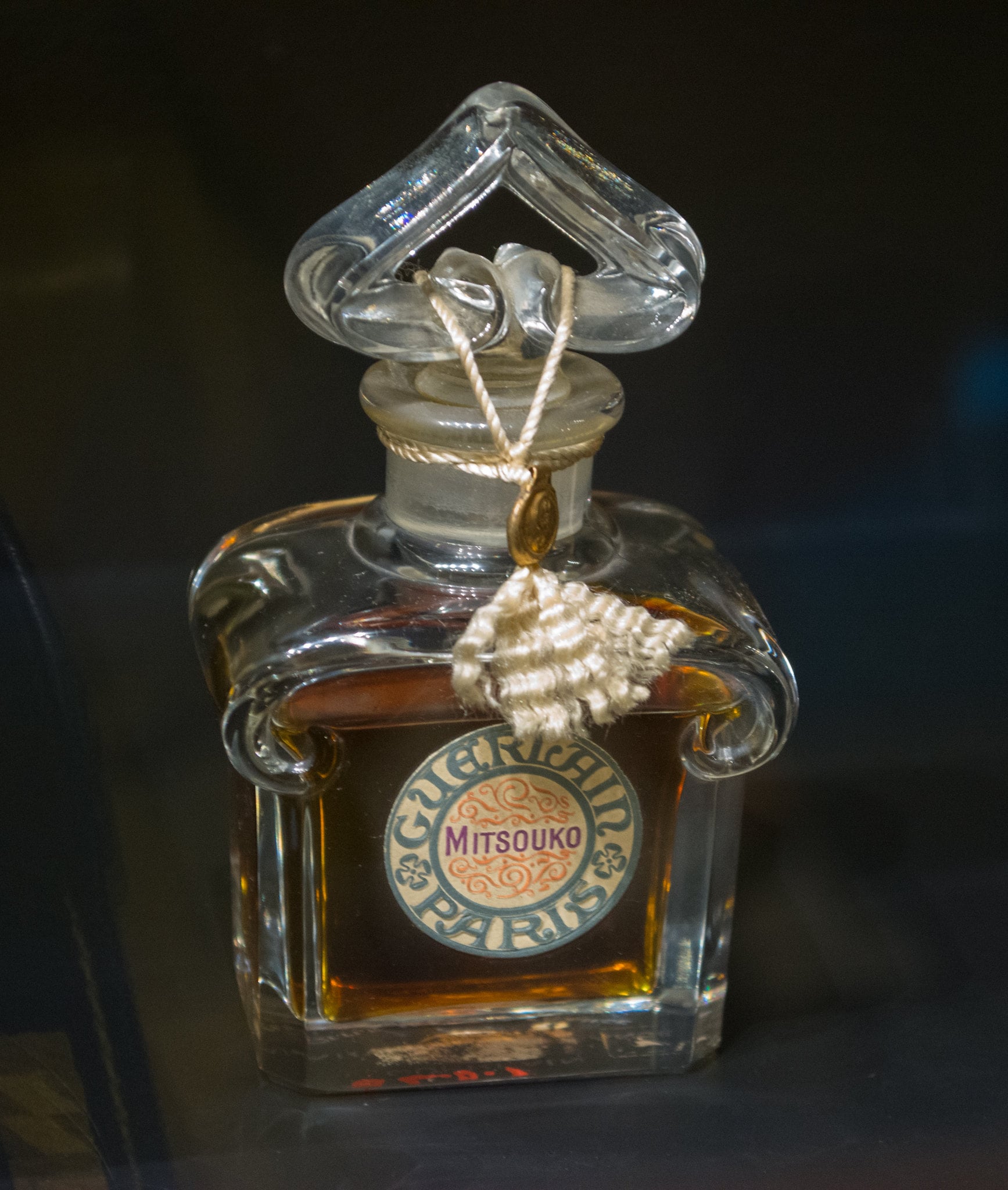
Jacques Guerlain created Mitsouko in 1919, inspired by a Japanese novel called “La Bataille” (The Battle). The story follows a Japanese woman named Mitsouko who falls in love with a British naval officer during the Russo-Japanese War.
Their romance ends tragically when duty pulls them apart. Guerlain captured that bittersweet tension in the perfume.
He used peach and bergamot for brightness, then undercut them with oakmoss and a note that smells like the skin of a just-peeled peach—slightly fuzzy, a bit melancholic. The perfume launched just after World War I ended, when everyone understood loss and the ache of things left unsaid.
The name means “mystery” in Japanese, which fits. The scent keeps revealing new layers the longer you wear it.
Vol de Nuit: When Aviation Met Perfume
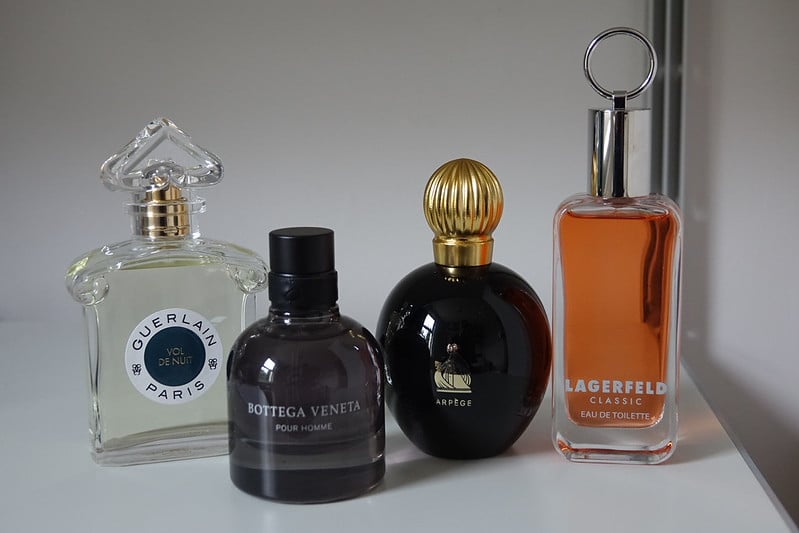
Jacques Guerlain created Vol de Nuit in 1933, named after Antoine de Saint-Exupéry’s novel “Night Flight.” The book tells the story of early airmail pilots flying dangerous routes over the Andes Mountains at night.
Guerlain wanted to capture that sense of danger and adventure. The perfume smells green and spicy, with hints of galbanum and pepper that feel sharp and alert.
It’s a scent that suggests movement through dark spaces, the thrill of doing something that scared you. The aviation connection wasn’t just poetic.
In the 1930s, flight represented the future—speed, technology, human ambition pushing against natural limits. Guerlain bottled that feeling and made it wearable.
L’Heure Bleue: Nostalgia for a Lost World
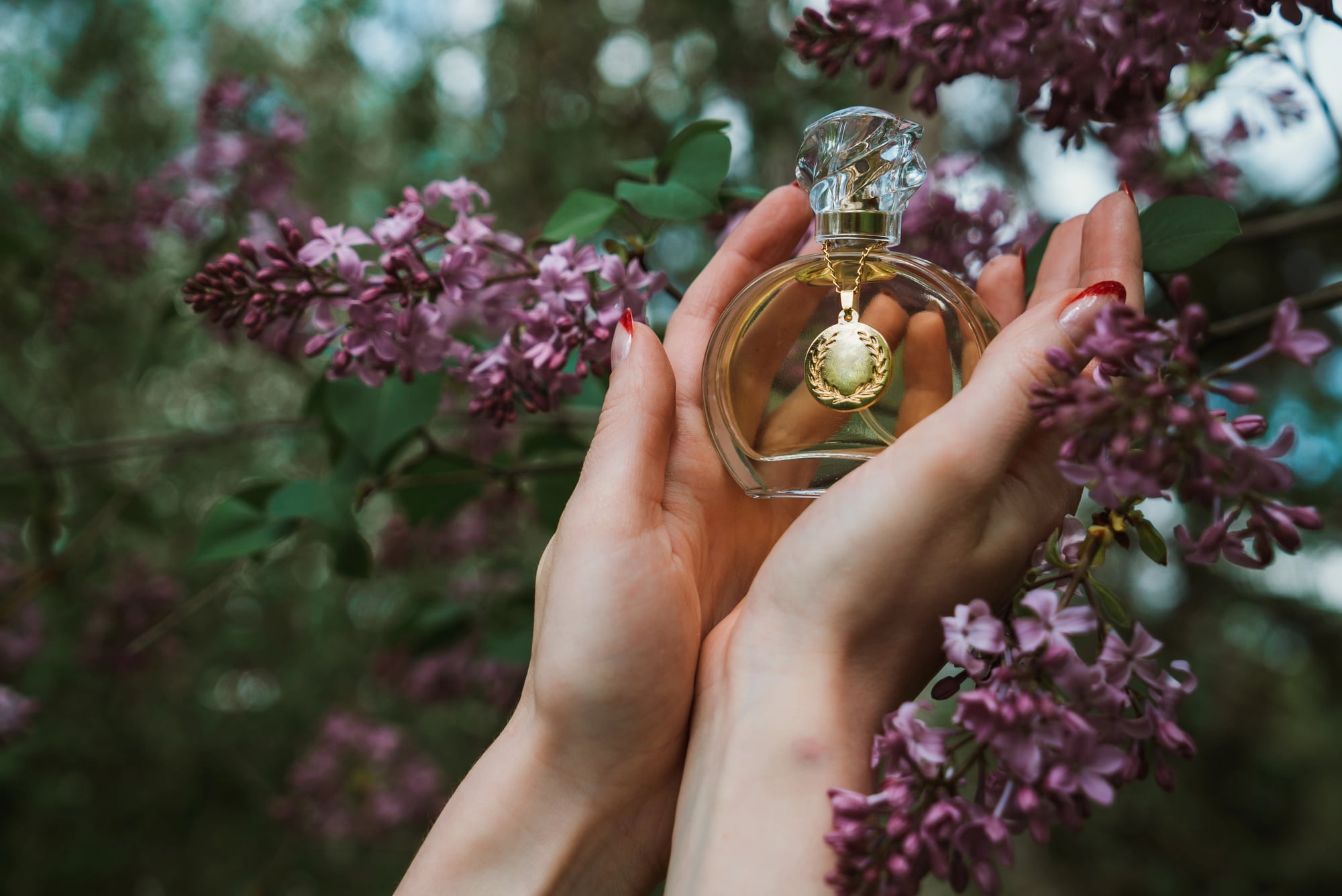
Jacques Guerlain created L’Heure Bleue in 1912, just two years before World War I destroyed the world it depicted. The name means “the blue hour”—that time between sunset and night when the sky turns deep indigo and everything feels suspended between day and darkness.
The perfume smells powdery and soft, with iris and vanilla creating something that feels like memory itself. Guerlain wanted to capture Paris during the Belle Époque, when life felt beautiful and infinite and no one imagined what was coming.
After the war ended, L’Heure Bleue became even more poignant. It smelled like the world everyone lost, the innocence that couldn’t be recovered.
People wore it as an act of remembrance.
Angel: The Perfume That Changed Everything Again
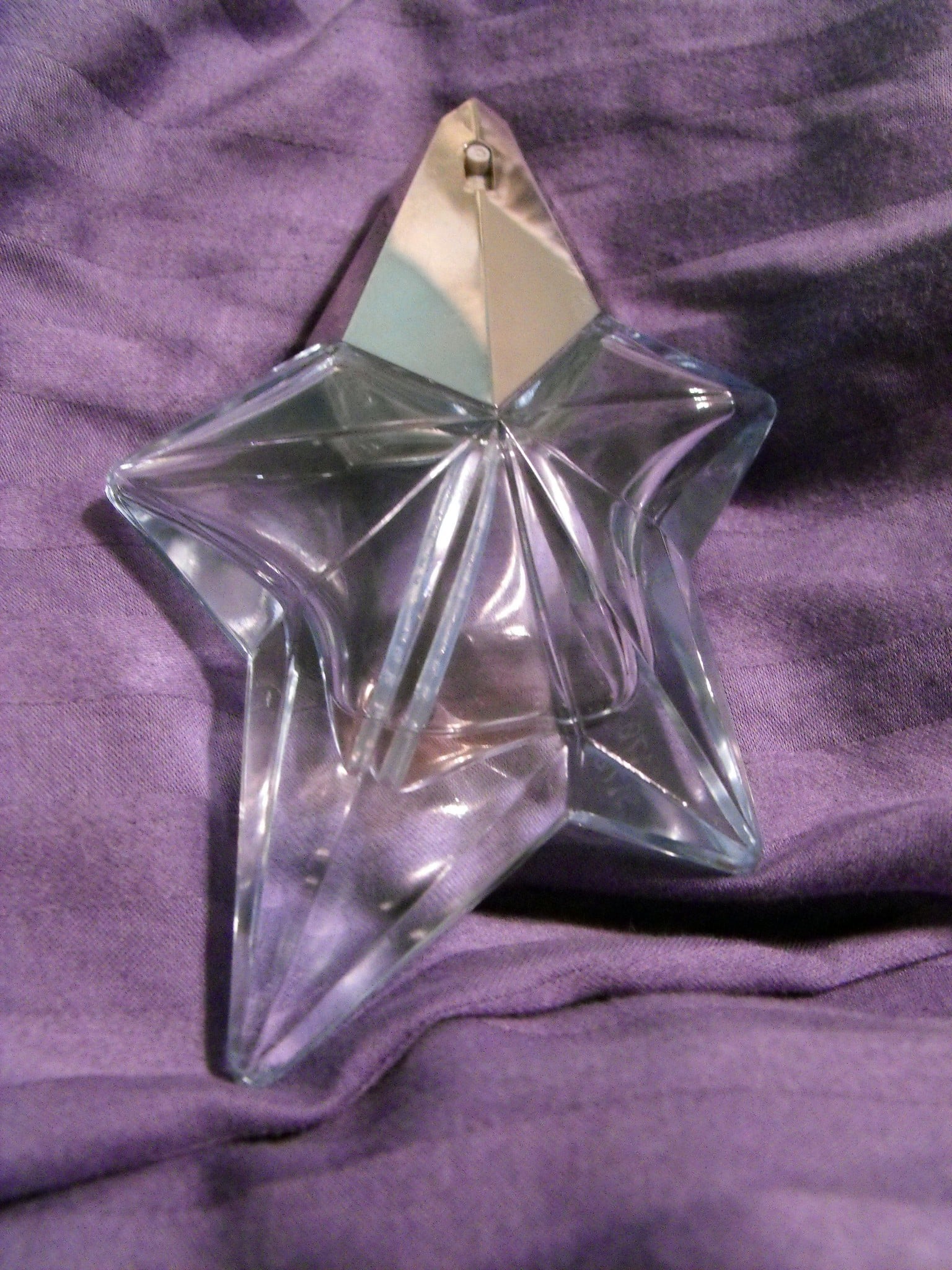
Thierry Mugler launched Angel in 1992, and perfumers said it wouldn’t work. The formula broke fundamental rules.
It combined notes that shouldn’t go together—chocolate, caramel, patchouli, and cotton candy. It smelled sweet enough to eat, which perfumes weren’t supposed to do.
Mugler didn’t care what the rules said. He wanted to create something that smelled like childhood memories and carnival food and desire all mixed together.
The bottle looked like a star because he wanted something that felt futuristic and nostalgic at the same time. Angel created an entirely new category: gourmand fragrances.
Before Angel, perfumes didn’t smell like food. After Angel, they did.
The perfume industry fought it at first, then scrambled to copy it when sales proved Mugler right.
Fracas: Tuberose Without Apology
Germaine Cellier created Fracas for Robert Piguet in 1948. The name means “crash” or “loud noise” in French, which tells you everything about what Cellier intended.
The perfume contains almost nothing but tuberose, a white flower that smells intoxicating and slightly dangerous. Tuberose has a reputation in perfumery.
It smells beautiful but overwhelming, like standing too close to someone attractive who knows exactly what they’re doing. Most perfumers use it sparingly, as an accent.
Cellier used it as the entire composition. Fracas smells like confidence that borders on arrogance.
You don’t wear it to blend in. Women who loved Fracas included Martha Graham and Isabella Rossellini—people who made art that demanded attention rather than asking for it.
Bois des Îles: Travel Captured in a Bottle
Ernest Beaux created Bois des Îles for Coco Chanel in 1926. The name means “Island Woods,” and the perfume came from Chanel’s memories of sailing around the Mediterranean on the Duke of Westminster’s yacht.
Chanel wanted something that smelled like sun on wooden decks, like sandalwood and ylang-ylang mixing with sea air. Beaux created a scent that feels warm but not heavy, exotic but not foreign.
It smells like vacation in the way that memory improves reality—all the good parts, none of the sunburn. The perfume never became as famous as Chanel No. 5.
But people who found it often became devoted to it. It offered something quieter than Chanel’s other fragrances, more personal.
CK One: Breaking Down the Walls

Back in 1994, Calvin Klein dropped CK One like a quiet protest against the idea that men and women must wear separate scents. While stores kept dividing perfumes into male and female zones, this one slipped through untouched by such rules.
A glass container stood there, shaped oddly like something from a science room. Out of it came a smell fresh and sharp, with hints of lemon and leafy notes – no clear sign pointing to boy or girl.
Pictures showed youth with blurred gender lines, captured in bold monochrome tones. It clicked since the mood had already begun changing.
Not keen on copying how older folks perfumed themselves, those born in the seventies leaned toward ease. Think denim, cotton tees, an effortless vibe.
The scent moved vast numbers simply by removing labels – no need to pick masculinity or femininity.
Scent As Time Machine
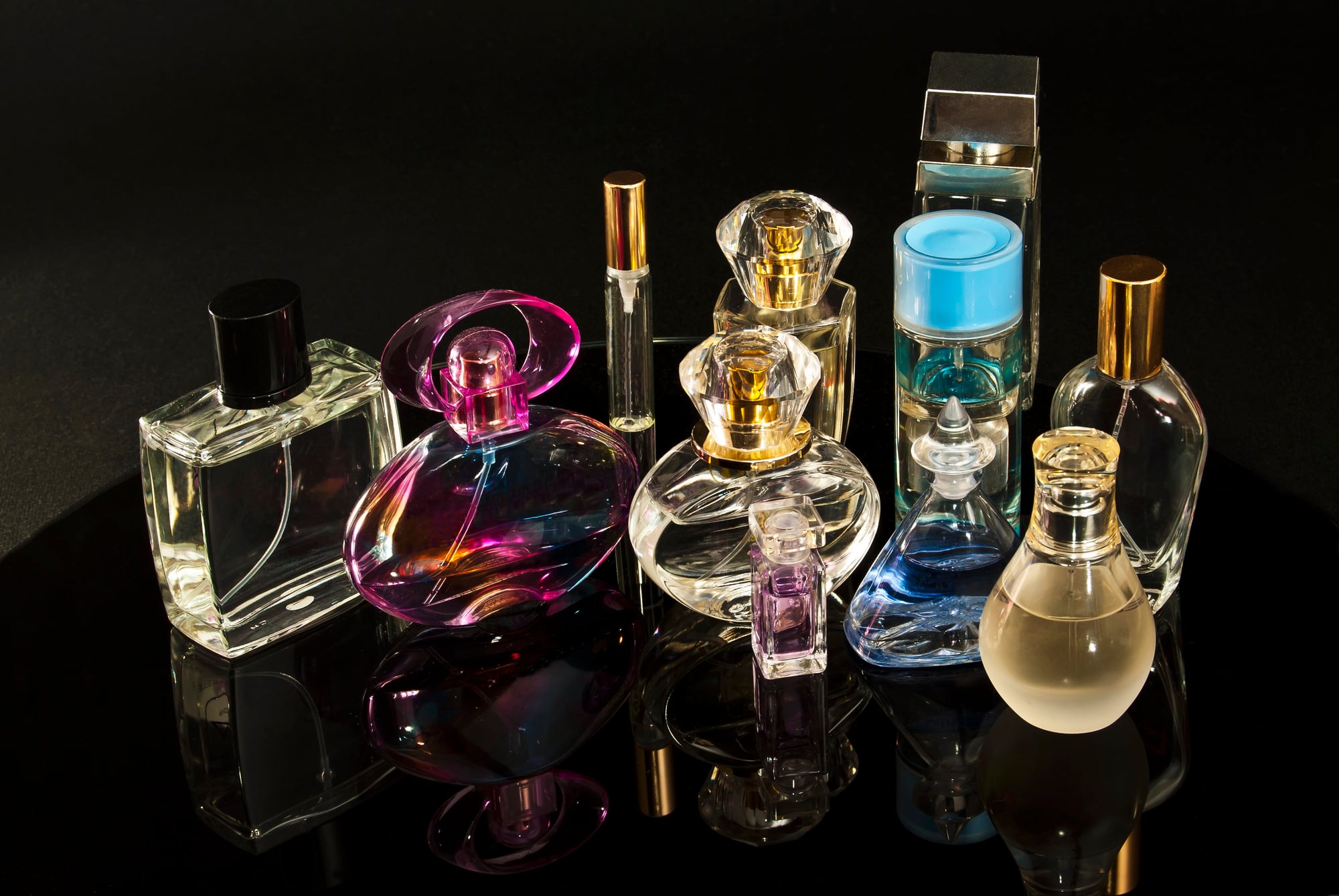
A feeling ties these scents together, even if they sell by the millions. Not just a smell, but a time – one that shaped those who wore them.
Odd, really: comfort drawn from crisis, uprising sold in glass, trouble turned smooth and spendable. Faint traces of 1930 cling to your wrist where Joy’s jasmine blooms just as it did back then.
Back when folks weighed beauty against simply staying alive. Defiance lingers in every breath of Bandit’s leather – a whisper of rebellion bottled long ago.
Sparkle bursts without warning from Chanel No. 5, those aldehydes still dancing exactly as Beaux first found them by mistake. A scent won’t fade like a canvas might.
Paintings from 1921 show their years clearly. But if kept right, one of those perfumes still breathes just as it first did.
Time doesn’t dull its voice. Each bottle keeps a moment standing upright, untouched by what came after.
What lives inside stays sharp, current, unyielding.
More from Go2Tutors!

- The Romanov Crown Jewels and Their Tragic Fate
- 13 Historical Mysteries That Science Still Can’t Solve
- Famous Hoaxes That Fooled the World for Years
- 15 Child Stars with Tragic Adult Lives
- 16 Famous Jewelry Pieces in History
Like Go2Tutors’s content? Follow us on MSN.



