Strange Rituals of Ancient Healers
The human body breaks down in predictable ways, but the methods people used to fix it throughout history were anything but predictable. Ancient healers developed practices that ranged from surprisingly effective to downright bizarre.
Some of these rituals involved substances that would make modern doctors cringe, while others tapped into psychological principles we’re only beginning to understand today. What made these healers believe in their methods? Often, it was a combination of observed results, cultural beliefs, and the placebo effect working in ways they couldn’t explain.
When you look past the strangeness, though, some of these practices reveal a deep understanding of the human condition.
Trepanation: Drilling Pits In Skulls

Ancient surgeons drilled pits into living people’s skulls. This practice, called trepanation, shows up in archaeological records from nearly every continent and dates back at least 7,000 years.
The survival rate was surprisingly high—many skulls show signs of healing, meaning patients lived for years after the procedure. Healers performed trepanation to treat headaches, epilepsy, and mental disorders.
They believed it released evil spirits or relieved pressure in the head. Some cultures thought the procedure could cure seizures or restore someone’s sanity.
The tools were primitive. Bronze Age surgeons used sharpened flint or obsidian.
Later practitioners had bronze or iron drills. They scraped away at the bone in circular motions, sometimes taking hours to break through.
Patients were awake for the entire ordeal, though they likely received some herbal pain relief.
Healing with Human Remains

European physicians between the 12th and 18th centuries prescribed something called “corpse medicine.” This involved consuming powdered mummies, human blood, or ground-up skulls.
The practice was so common that apothecaries stocked these items alongside herbs and minerals. Mummy powder was particularly popular.
Traders imported Egyptian mummies by the ton, grinding them into a powder that doctors claimed could treat everything from bruises to plague. The demand was so high that suppliers eventually ran out of ancient mummies and started using recently deceased criminals instead.
Executioners sold the blood of beheaded criminals as a treatment for epilepsy. People believed that the life force remained in the blood and could cure seizures if consumed while still warm.
Crowds gathered at executions specifically to collect this “medicine.”
Urine Therapy Across Cultures
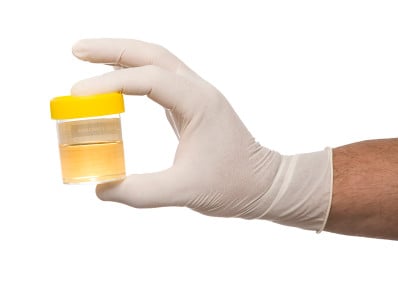
Ancient Romans brushed their teeth with urine. They believed the ammonia whitened teeth and strengthened gums.
Public urinals collected the substance, which was then sold to fullers and dentists. The practice was so common that Emperor Nero taxed urine collection.
Traditional Chinese medicine used urine in more elaborate ways. Practitioners collected the urine of young boys, aged it in sealed containers, and prescribed it for wounds, bruises, and lung problems.
Some healers claimed that century-old urine had the most potent healing properties. Indian Ayurvedic medicine developed an entire system around urine therapy called Amaroli.
Practitioners drank their own morning urine, claiming it balanced the body’s doshas and cured diseases. Some even applied aged urine to skin conditions.
Snake and Scorpion Rituals

Middle Eastern healers developed immunity to snake venom through repeated exposure. They started with tiny amounts, gradually increasing the dose over months.
Once immune, they offered their blood as an antidote for snake bites. Patients drank it or had it applied to wounds.
Some cultures took this further. Healers deliberately provoked venomous creatures to bite them during ceremonies.
They claimed the pain purified their healing powers and proved their connection to spiritual forces. After surviving multiple bites, they gained status as powerful medicine workers.
North African practitioners kept live scorpions as diagnostic tools. They placed scorpions on sick patients and interpreted the creature’s movements.
If the scorpion stung the patient, healers believed it was drawing out poison or evil. If it crawled away, the illness was beyond their power to treat.
Fasting to the Edge of Death

Ancient Greek physicians prescribed extended fasts that pushed patients to dangerous extremes. Some treatments required going without food for 40 days or more.
Healers believed this purged the body of corrupt humors and reset its natural balance. Christian mystics and healers adopted similar practices.
They fasted until they experienced visions, which they interpreted as divine guidance for treating the sick. Some claimed their visions revealed which herbs to use or where to find healing springs.
Buddhist monks developed structured fasting rituals that lasted for months. Those who survived the process gained reputations as powerful healers.
They offered their presence as a cure, believing their purified bodies radiated healing energy.
Clay and Mud Treatments

Egyptian healers packed wounds with Nile River mud. This sounds primitive, but the mud contained bacteria that produced natural antibiotics.
Patients often recovered from infections that would otherwise prove fatal. Modern scientists have isolated several antibiotic compounds from this same mud.
Greek physicians mixed clay with wine and applied it to broken bones. The clay hardened into a cast, while they believed the wine prevented infection.
This combination worked better than they knew—wine’s alcohol content actually did help sterilize wounds. Native American healers used different colored clays for different ailments. Red clay for wounds, white clay for stomach problems, gray clay for fevers.
They prepared these clays with elaborate rituals involving prayer and songs that lasted for hours.
Bloodletting with Leeches
Medieval doctors removed blood to balance the body’s four humors. They applied leeches to patients’ skin, letting the creatures feed until they dropped off, bloated.
A single treatment could involve dozens of leeches removing several pints of blood. The practice killed more patients than it saved, but it remained popular for centuries.
Healers believed that too much blood caused most diseases. They thought removing it would restore balance and cure everything from headaches to pneumonia.
Some doctors collected and examined the blood the leeches removed. They looked for signs of corruption or disease in the color and texture.
These observations guided their decisions about whether more leeches were needed.
Sweat Lodges and Extreme Heat
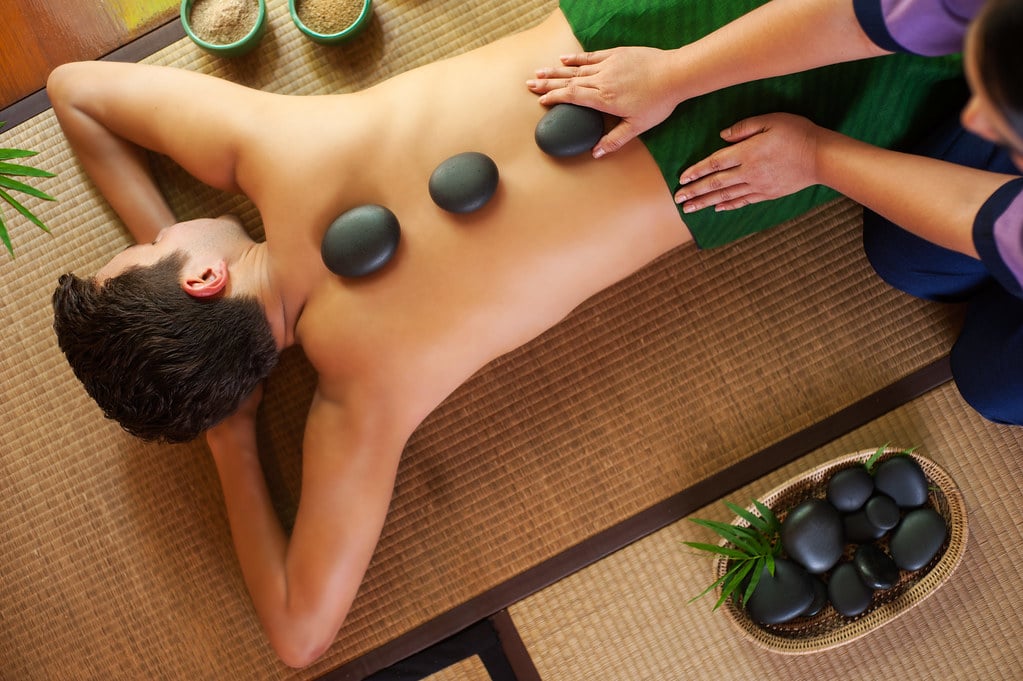
Native American tribes built sweat lodges for healing ceremonies. Participants sat in small, sealed structures while water was poured over heated stones.
Temperatures reached dangerous levels, and ceremonies lasted for hours. Healers believed the intense heat opened spiritual channels and purged toxins through the skin.
Sick people were carried into lodges and subjected to this treatment even when they were barely conscious. The combination of heat, dehydration, and chanting often produced hallucinations that were interpreted as healing visions.
Scandinavian cultures developed similar practices with their saunas. Healers used extreme temperature changes—from blistering heat to ice-cold water—as shock therapy.
They claimed this cured everything from depression to infertility.
Maggot Wound Cleaning

Battlefield surgeons noticed that soldiers whose wounds became infested with maggots often survived, while those with “clean” wounds died from infection. This observation led to deliberate maggot therapy.
Healers collected specific types of fly larvae and placed them into open wounds. The maggots ate dead tissue while leaving healthy tissue untouched.
They also secreted substances that prevented bacterial growth. The practice looked horrifying but worked remarkably well.
Wounded soldiers often recovered when conventional treatments failed. The technique fell out of favor with the development of antibiotics but has recently returned to modern medicine for treating resistant infections.
Dream Incubation Temples
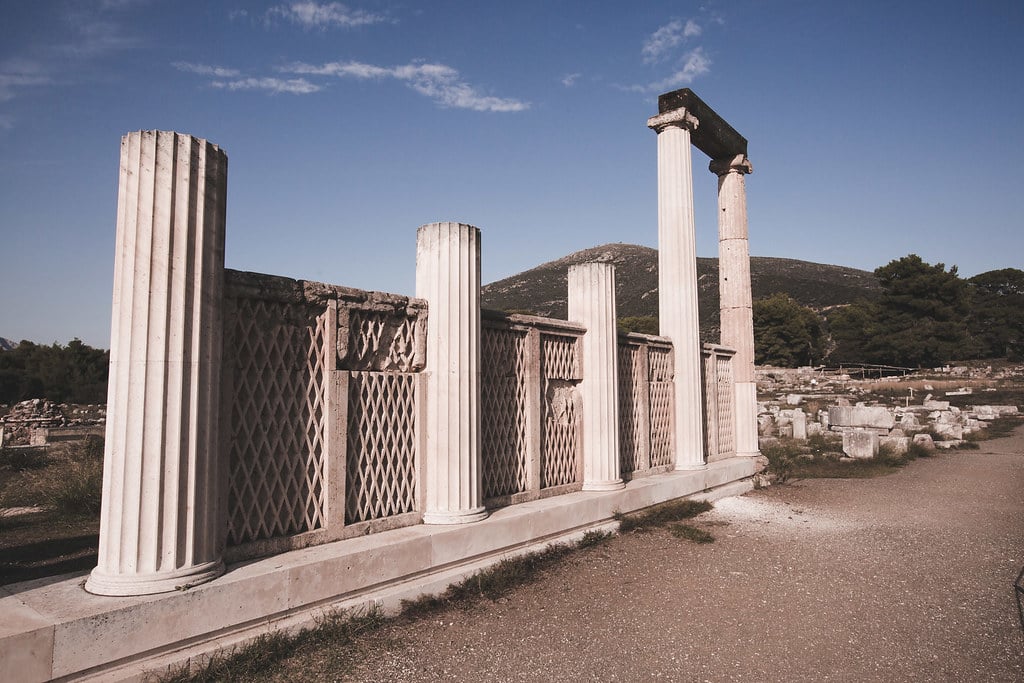
Ancient Greek healing temples offered a unique treatment: therapeutic sleep. Patients traveled to temples of Asclepius, the god of medicine, and prepared themselves through fasting and ritual baths.
Then they slept in the temple, hoping for a healing dream. Priests interpreted the dreams upon waking.
These interpretations often included specific instructions about which herbs to take, what foods to avoid, or what lifestyle changes to make. Many patients reported feeling better after following these dream-prescribed treatments.
The temples were carefully designed to influence dreams. They featured underground chambers, specific architectural acoustics, and the subtle influence of drugs burned as incense.
Modern researchers believe these elements combined to create powerful placebo effects.
Spider Web Bandages
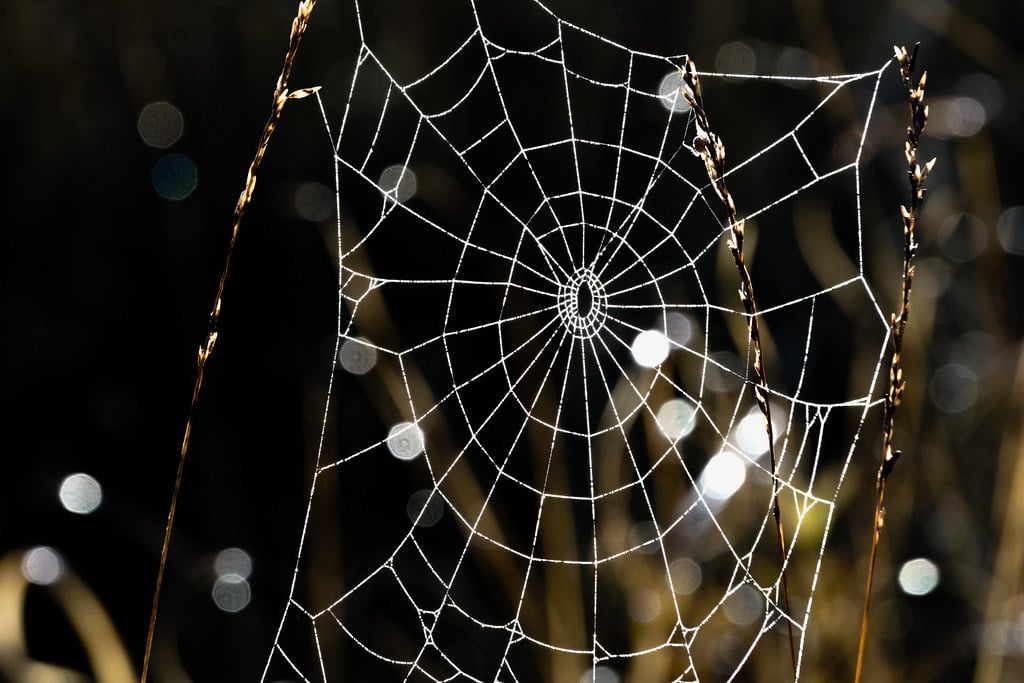
Healers across multiple cultures used spider webs to stop blood. They collected fresh webs and pressed them directly into wounds.
The practice worked because spider silk contains natural coagulants and antimicrobial compounds. Some cultures took this further.
They captured specific species of spiders and raised them to produce “medicinal” webs. These spiders were fed special diets and housed in ceremonial containers.
Healers believed the spider’s care affected the web’s potency. Greek physicians wrote detailed instructions about which spider species produced the best healing webs.
They distinguished between the webs of garden spiders, cellar spiders, and others, claiming each had different properties.
Sacred Mushroom Ceremonies
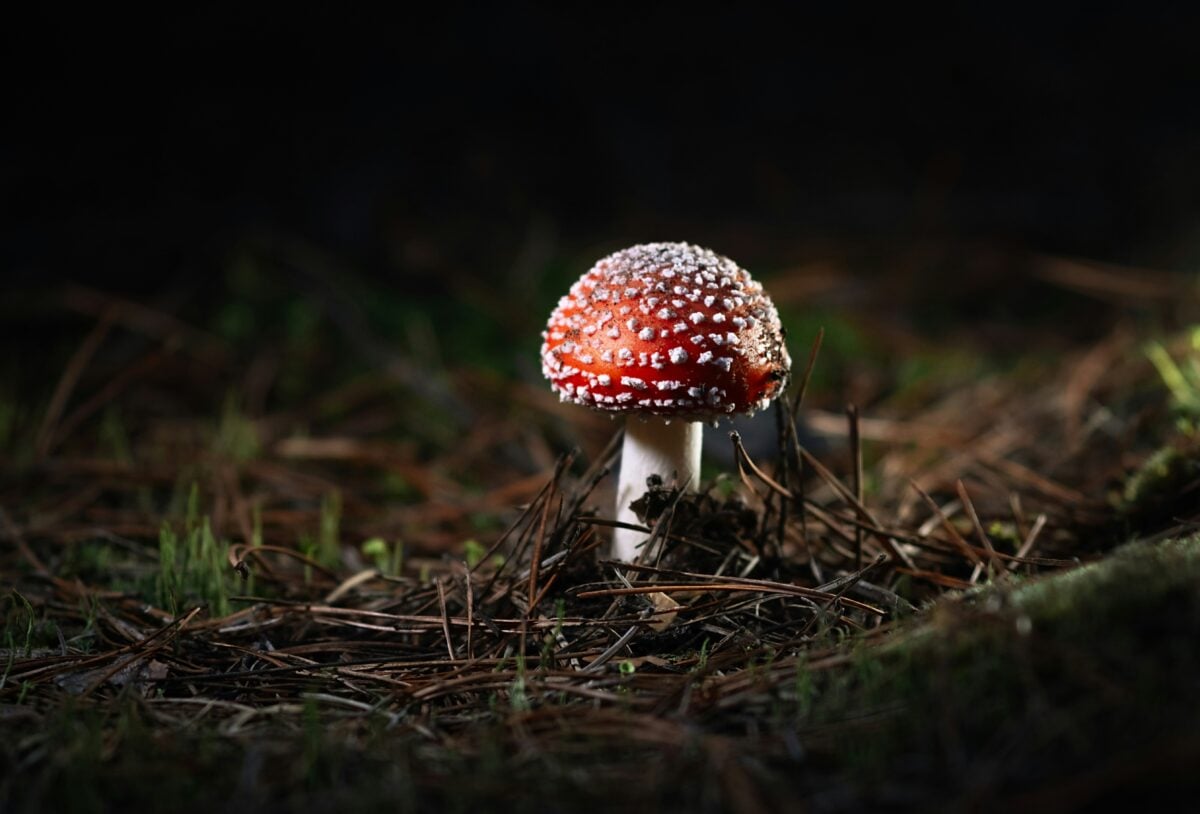
Siberian shamans consumed poisonous mushrooms to enter trance states. The Amanita muscaria mushroom causes delirium, visions, and sometimes death.
Shamans who survived these experiences claimed to travel to spirit worlds where they learned healing techniques. The process was dangerous and required careful preparation.
Shamans sometimes had attendants drink their urine afterward—the urine contained psychoactive compounds but fewer toxins. This secondary consumption was considered safer while still providing visions.
Mesoamerican cultures used different mushroom species in healing rituals. Patients consumed these mushrooms under a healer’s supervision and described their visions.
Healers interpreted the visions to diagnose illnesses and prescribe treatments.
Animal Sacrifice and Organ Reading

Mesopotamian healers used to slaughter animals, then check their insides to figure out what was wrong with sick people. They thought the liver of a sacrificed creature could reveal clues about the person’s condition.
How big or small it was, its shade, even how smooth or rough it felt – these details shaped how they chose to treat someone. This method took a lot of practice.
Because healers trained for many years, they learned to spot tiny differences in animals’ bodies. While making clay copies of livers, they labeled each one with signs and what those meant.
Other societies took it a step farther – thinking the creature took on the sickness in that ceremony. The being was slaughtered, checked closely for symptoms, yet afterward fully incinerated so the ailment vanished with its remains.
Looking Back Without Romance

These habits came from need, shaped by what people saw around them. Old-time healers didn’t know much, yet truly wanted to make things better.
A few of their tricks accidentally lined up with actual healing science. Many did damage instead – still stuck around since folks crave the idea that pain can be tamed.
The boundary of cure and injury stayed hidden from healers most times. Because they spotted signs in randomness, yet overlooked links clear to us today.
Still, they pushed forward, watched closely – then out of nowhere managed to save lives anyway. Today’s medical field rests on an odd base.
From old methods, some got confirmed by research. Others were totally dropped. Yet the urge to try new things? That one stuck around.
More from Go2Tutors!

- The Romanov Crown Jewels and Their Tragic Fate
- 13 Historical Mysteries That Science Still Can’t Solve
- Famous Hoaxes That Fooled the World for Years
- 15 Child Stars with Tragic Adult Lives
- 16 Famous Jewelry Pieces in History
Like Go2Tutors’s content? Follow us on MSN.



