Washington, D.C. Area Phrases You Should Know
Washington D.C. has a language of its own. The city is a hub of politics, local culture, history, and a rapidly changing professional scene.
This has resulted in a list of words and expressions that locals understand intuitively but can be confusing to outsiders. Some of these words and expressions come from politics, while others come from local neighborhoods in Maryland and Virginia.
Together, they form a list of words that are unique to the pace and rhythm of the nation’s capital. Let’s take a look at fifteen words and expressions that locals understand but foreigners may find confusing.
The Hill

In Washington, when someone says they work on ‘The Hill,’ they are referring to Capitol Hill, the area where the United States Congress meets. The phrase is widely used by lawmakers, staff members, journalists, and lobbyists.
The shorthand reflects both geography and power. Capitol Hill sits on elevated ground, but the phrase also symbolizes the center of legislative decision-making.
Saying someone works on ‘The Hill’ often implies involvement in policy, lawmaking, or political strategy.
Inside the Beltway
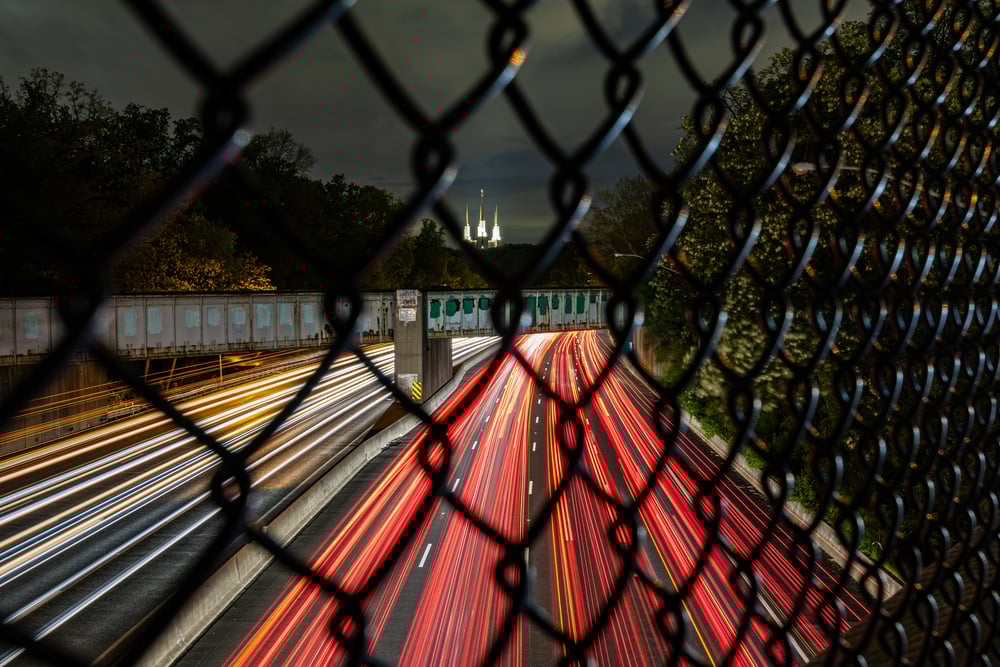
‘Inside the Beltway’ refers to the region within Interstate 495, the highway that forms a ring around Washington, D.C. The phrase has become shorthand for the political and media culture concentrated around the federal government.
When commentators say an issue matters ‘inside the Beltway,’ they usually mean it is a major topic among policymakers and political insiders. The phrase often carries the suggestion that discussions in Washington may differ from conversations happening elsewhere in the country.
The Metro
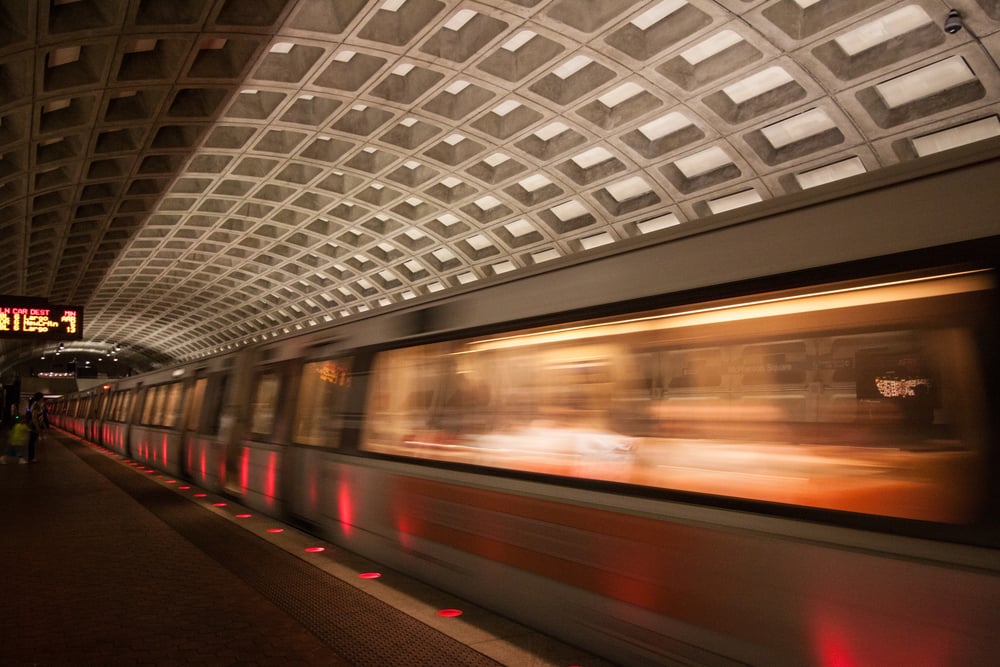
Locals often say simply ‘the Metro’ when referring to the Washington Metropolitan Area Transit Authority rail system. The network connects the city with surrounding suburbs in Maryland and Virginia.
Because commuting is a major part of life in the region, the Metro is central to daily routines. When someone says they are ‘taking the Metro,’ it usually means traveling through the underground and elevated train system rather than driving through the area’s busy traffic.
The Mall
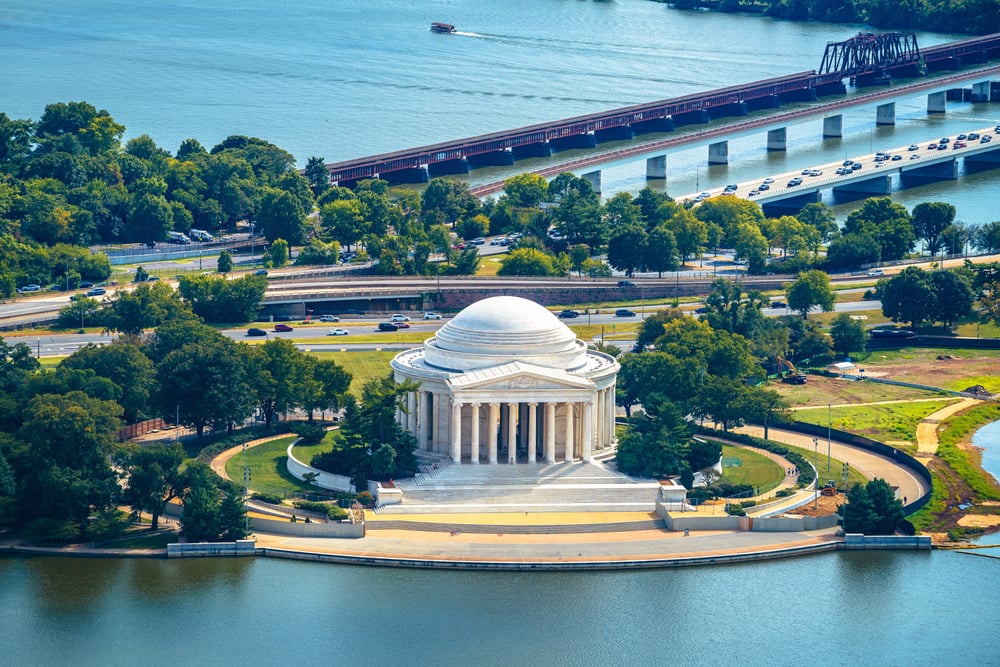
In many cities, the word ‘mall’ refers to a shopping center. In Washington, D.C., however, ‘the Mall’ almost always means the National Mall, the large park stretching between the Capitol and the Lincoln Memorial.
The area is lined with museums, monuments, and historic sites. Locals might say they are meeting ‘on the Mall’ or walking along it during a weekend afternoon.
The DMV

The phrase ‘the DMV’ in this region does not usually refer to the Department of Motor Vehicles office. Instead, locals use it to describe the greater Washington metropolitan area, including the District of Columbia, Maryland suburbs, and Northern Virginia.
This regional nickname became especially popular in music, sports, and local culture. It serves as a convenient way to describe the broader community connected to the city.
K Street
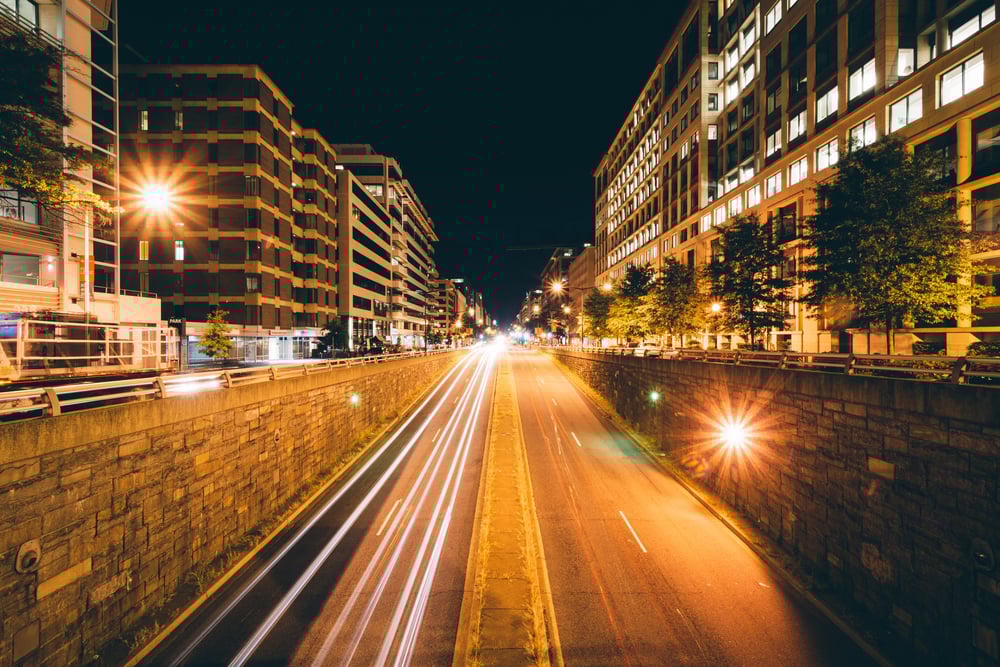
‘K Street’ has become shorthand for lobbying and political advocacy in Washington. The street itself runs through downtown and historically housed numerous lobbying firms, law offices, and consulting groups.
When people say something is happening ‘on K Street,’ they often mean it involves influence, policy strategy, or corporate representation in government affairs.
The Nationals
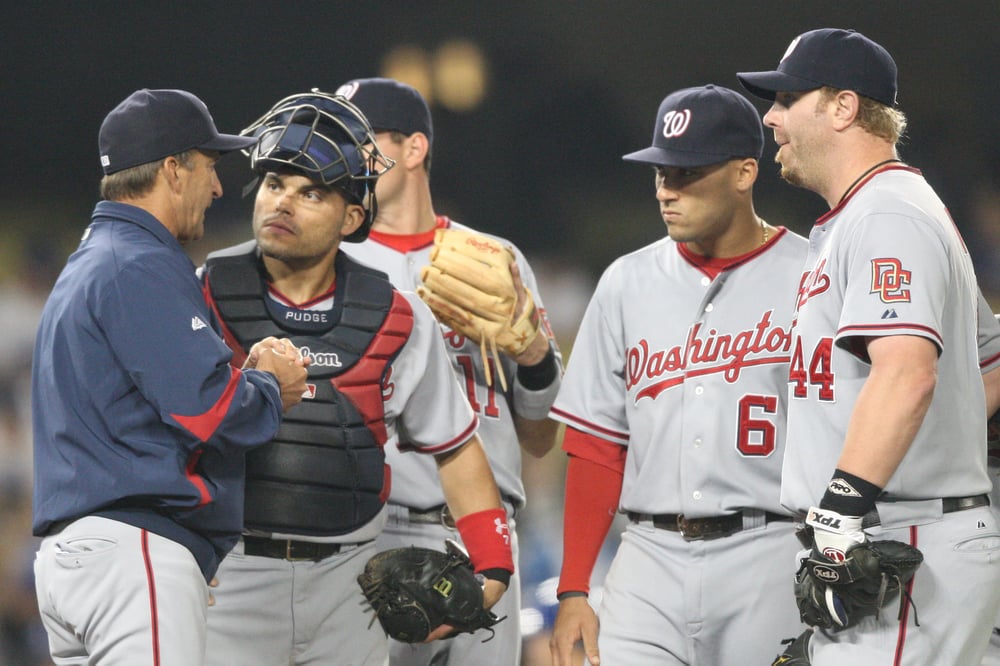
Locals often refer to the city’s Major League Baseball team simply as ‘the Nats.’ The nickname appears in conversations, headlines, and sports broadcasts throughout the region.
Nationals Park, located near the Anacostia River, became a focal point for baseball fans after the team returned to Washington in 2005. Game nights draw crowds from across the surrounding states.
Dupont Circle
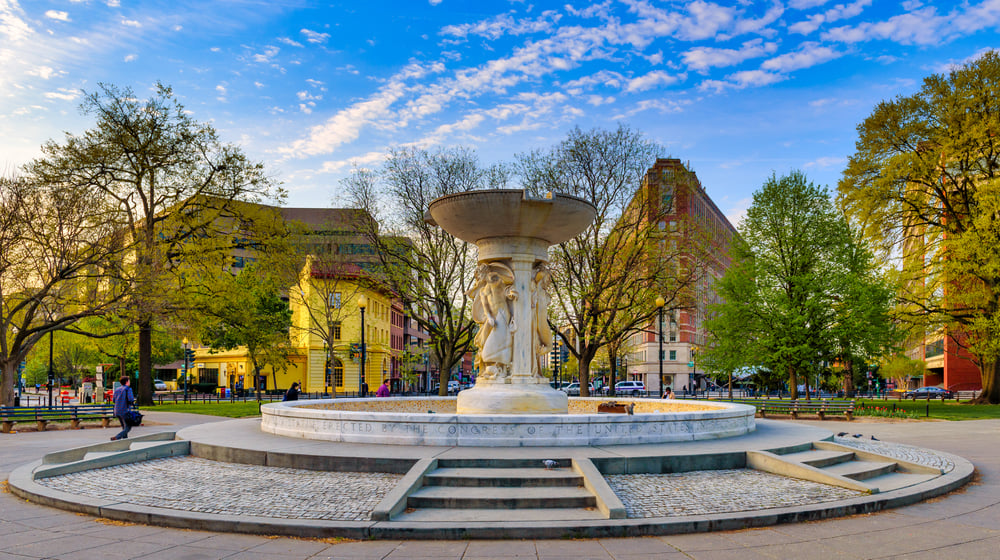
Dupont Circle is both a neighborhood and a landmark traffic circle. Locals often shorten it to simply ‘Dupont.’
The area is known for restaurants, bookstores, galleries, and historic architecture. Saying someone is ‘meeting in Dupont’ typically means gathering near the circle or in the surrounding streets.
The Red Line
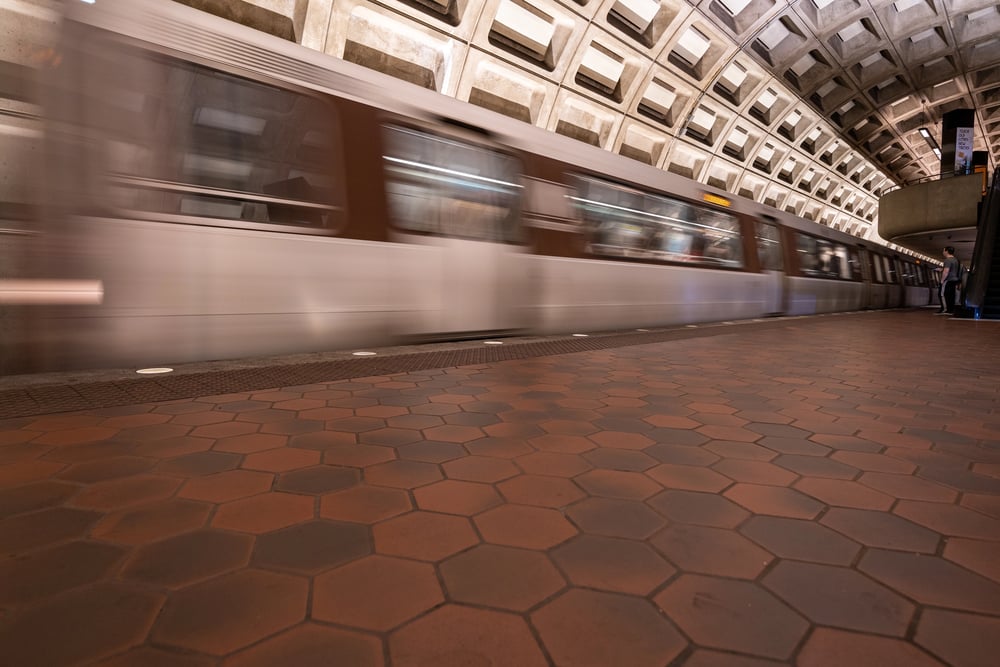
In Washington transportation conversations, residents frequently refer to Metro lines by color. The Red Line is one of the system’s busiest routes, running through downtown and connecting several suburbs.
Mentioning a specific line helps people quickly understand commuting patterns. Someone saying they ‘live off the Red Line’ often means their home sits near one of the stations along that route.
The Wharf

‘The Wharf’ refers to a redeveloped waterfront district along the Washington Channel. The area has become a popular destination for restaurants, concerts, and evening walks.
Although the waterfront has existed for generations, the name gained new prominence after large redevelopment projects transformed the district into a lively public space.
Foggy Bottom
Foggy Bottom is a neighborhood near the Potomac River that houses government offices, the State Department, and George Washington University. The unusual name dates back to the nineteenth century when factories and river fog often filled the area.
Today the phrase is widely recognized as both a geographic location and a reference to the State Department itself. News reports sometimes use the name when discussing diplomatic activity.
Adams Morgan
Adams Morgan refers to a lively neighborhood known for nightlife, restaurants, and cultural diversity. The name combines two former schools in the area, Adams and Morgan.
Locals often mention the neighborhood when talking about weekend gatherings or music venues. The phrase has become synonymous with energetic nightlife in the city.
Capitol South

Capitol South is both a Metro station and a neighborhood area near the United States Capitol. The name frequently appears in directions given by locals navigating the city.
Because many congressional staff members live nearby, the phrase also carries a subtle association with political life in the area.
Embassy Row
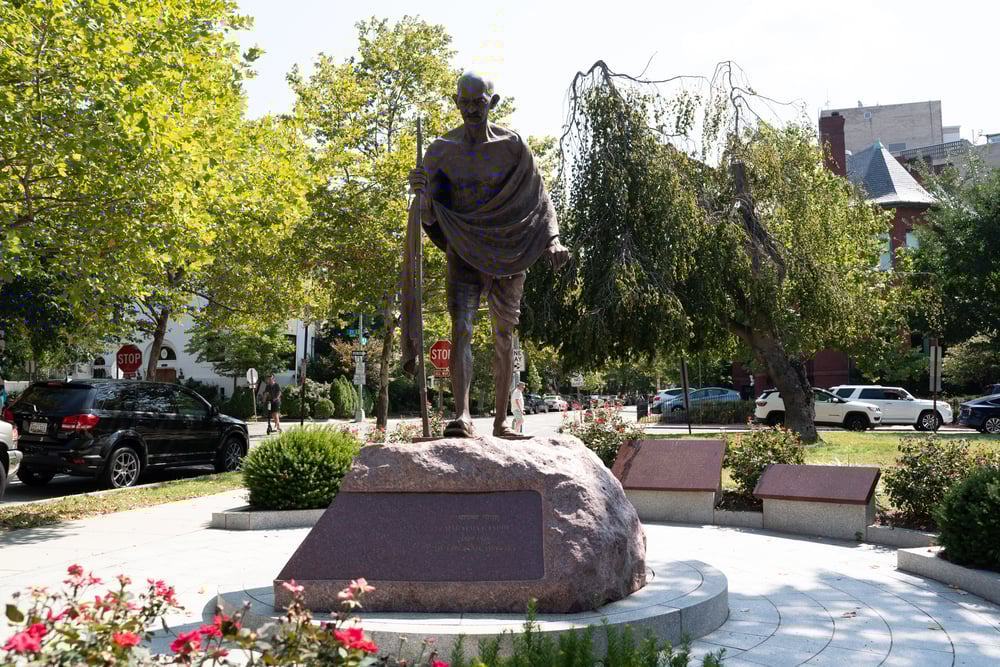
Embassy Row refers to a stretch of Massachusetts Avenue where many foreign embassies are located. The area features historic mansions that have been converted into diplomatic buildings.
Visitors walking along the avenue can see national flags representing countries from around the world. The phrase reflects Washington’s role as an international diplomatic hub.
Georgetown

Georgetown is one of the city’s oldest and most recognizable neighborhoods. Known for cobblestone streets, historic homes, and waterfront views, it attracts both residents and visitors.
When locals say they are heading to ‘Georgetown,’ they may be referring to shopping, dining, or simply walking along the Potomac River.
A City With Its Own Vocabulary

The special phrases of Washington, D.C., show the development of language as a product of place and experience. The government, the transportation systems, the neighborhoods, all contribute to the colloquialisms that residents use every day of the week.
These phrases become second nature to the residents of the Washington, D.C., metropolitan area. For the tourist, the local phrases can make traveling through the city much easier.
More importantly, the phrases can give the visitor a sense of the city as a living, breathing entity, not just the monuments and the museums that line the streets.
More from Go2Tutors!

- The Romanov Crown Jewels and Their Tragic Fate
- 13 Historical Mysteries That Science Still Can’t Solve
- Famous Hoaxes That Fooled the World for Years
- 15 Child Stars with Tragic Adult Lives
- 16 Famous Jewelry Pieces in History
Like Go2Tutors’s content? Follow us on MSN.



