Strange Tea Traditions from Around the World
Tea is more than just a drink. For billions of people across the globe, it’s a ritual, a symbol of hospitality, and sometimes even a medicine.
While most of us are familiar with the usual way of brewing tea in a pot or mug, countless cultures have developed their own unique ways of preparing and serving it. Some of these traditions might seem a bit odd at first, but they all carry deep meaning and history.
Let’s take a look at some of the most unusual tea customs that exist today. You might be surprised by what people add to their cups.
Butter tea in Tibet

High up in the Himalayan mountains, Tibetans have been drinking butter tea for centuries. This thick, salty beverage is made by churning tea with yak butter and salt until it becomes creamy.
The result tastes more like a soup than what most people would call tea. The butter provides much-needed calories and warmth in the cold, high-altitude climate where fresh vegetables are hard to come by.
Locals drink several cups throughout the day, and offering it to guests is considered proper etiquette.
Mint tea ceremonies in Morocco

Moroccan mint tea isn’t just poured into a cup and handed over. The person preparing it lifts the teapot high above the glasses and pours from a distance, creating a frothy top layer.
This pouring technique isn’t for show, though it does look impressive. The height aerates the tea and helps release the mint’s essential oils.
Moroccans typically serve this sweet green tea with fresh mint leaves at least three times during a visit, and refusing it can be seen as rude.
Kashmiri pink tea with pistachios

In Kashmir, people drink a rosy-colored tea called noon chai that looks almost like a milkshake. The pink hue comes from a special type of tea leaves that are boiled with baking soda and then mixed with milk.
Salt, not sugar, goes into the cup along with crushed pistachios and sometimes almonds. The tea is so thick that you could almost call it a light meal.
Families serve it during weddings and other celebrations, often with traditional bread.
Cheese tea in Taiwan

Taiwan’s modern tea shops started adding cream cheese foam to the top of their iced teas a few years ago, and the trend spread like wildfire. The salty, creamy layer sits on top of sweetened tea, creating a contrast that somehow works.
Drinkers are supposed to sip it without stirring so they taste both layers separately. What started as an experiment has become so popular that cheese tea shops have opened in cities around the world.
The foam is whipped until it’s light and airy, almost like a cold cappuccino topping.
Russian tea with jam

Russians have their own take on sweetening tea that skips right past sugar cubes. Instead of stirring sweetener into the drink, they eat a spoonful of jam between sips.
The jam, called varenye, is usually made from berries or other fruits and is much looser than typical Western jams. Some people hold a small spoonful in their mouth while drinking hot tea through it.
This tradition dates back to when sugar was expensive and preserving fruit in syrup was more practical.
Yerba mate sharing circles in South America

In Argentina, Uruguay, and parts of Brazil, people don’t drink their tea alone if they can help it. Yerba mate is prepared in a hollowed-out gourd and sipped through a metal straw called a bombilla.
The same gourd gets passed around a circle of friends or family, with one person acting as the server who refills it with hot water after each person takes their turn. Nobody wipes off the straw between people, and refusing your turn is considered unfriendly.
The ritual can go on for hours during social gatherings.
Kombucha tea mushrooms in Russia

Long before kombucha became a trendy health drink in Western countries, Russians were brewing it at home using what they called a tea mushroom. The mushroom is actually a symbiotic culture of bacteria and yeast that floats on top of sweetened tea and ferments it.
Families would pass down these cultures through generations, treating them almost like pets. The slightly sour, fizzy drink was believed to cure everything from digestive problems to fatigue.
Many Russian households still keep a jar of kombucha fermenting somewhere in the kitchen.
Thai iced tea with condensed milk

Thailand’s famous orange-colored iced tea looks almost artificially bright. Strong black tea is brewed with star anise and other spices, then mixed with sugar and sweetened condensed milk or evaporated milk.
The drink is typically served over crushed ice and sometimes gets an extra pour of condensed milk on top for good measure. Street vendors sell it throughout Bangkok in plastic bags with straws poked through the top.
The combination of spices and extreme sweetness makes it taste completely different from any tea served in England or China.
Mongolian milk tea with salt and fat
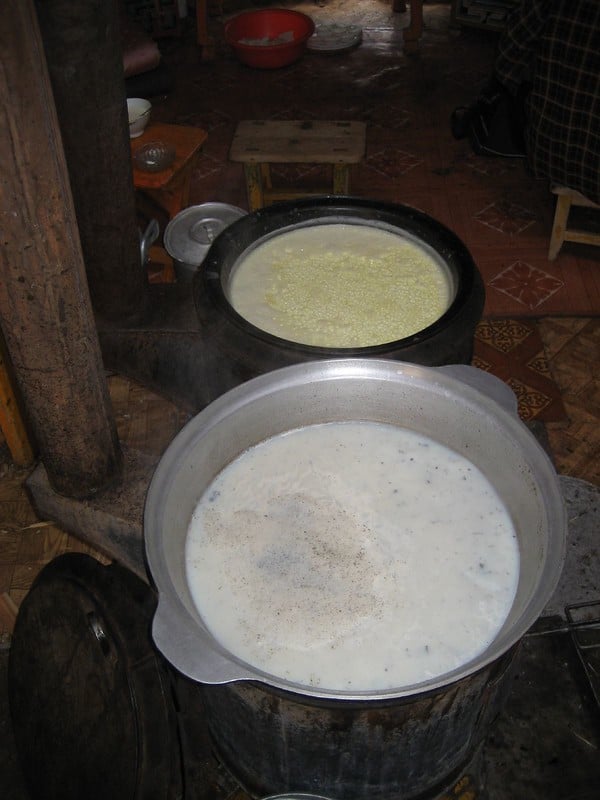
Mongolians brew a tea called suutei tsai that includes much more than just tea leaves and water. Milk, salt, and sometimes pieces of fat or butter go directly into the pot while it’s cooking.
The result is a filling, savory drink that helps nomadic herders stay warm and energized on the vast steppes. Some recipes also include millet or rice to make it even more substantial.
Guests receive the tea in special bowls, and proper etiquette requires accepting it with both hands.
Masala chai on the streets of India

Indian chai wallahs boil their tea directly with milk, water, sugar, and a blend of spices that varies by region. Cardamom, ginger, cinnamon, and black pepper are common additions.
The tea simmers for several minutes until it becomes incredibly strong and aromatic. Vendors serve it in small clay cups called kulhads that get tossed on the ground and broken after use, eliminating the need for washing.
Train stations and street corners across India fill with the smell of boiling chai throughout the day.
Turkish tea in tulip-shaped glasses

Turkey claims one of the highest tea consumption rates per person in the world. The tea is brewed using a double teapot system where water boils in the bottom pot while concentrated tea steeps in the top one.
People dilute the strong tea with hot water according to their preference. The drink is always served in small, clear glasses shaped like tulips that show off the tea’s reddish-brown color.
Turks drink it constantly throughout the day, and offering tea to guests, shoppers, or even strangers is standard practice.
Bubble tea with tapioca pearls
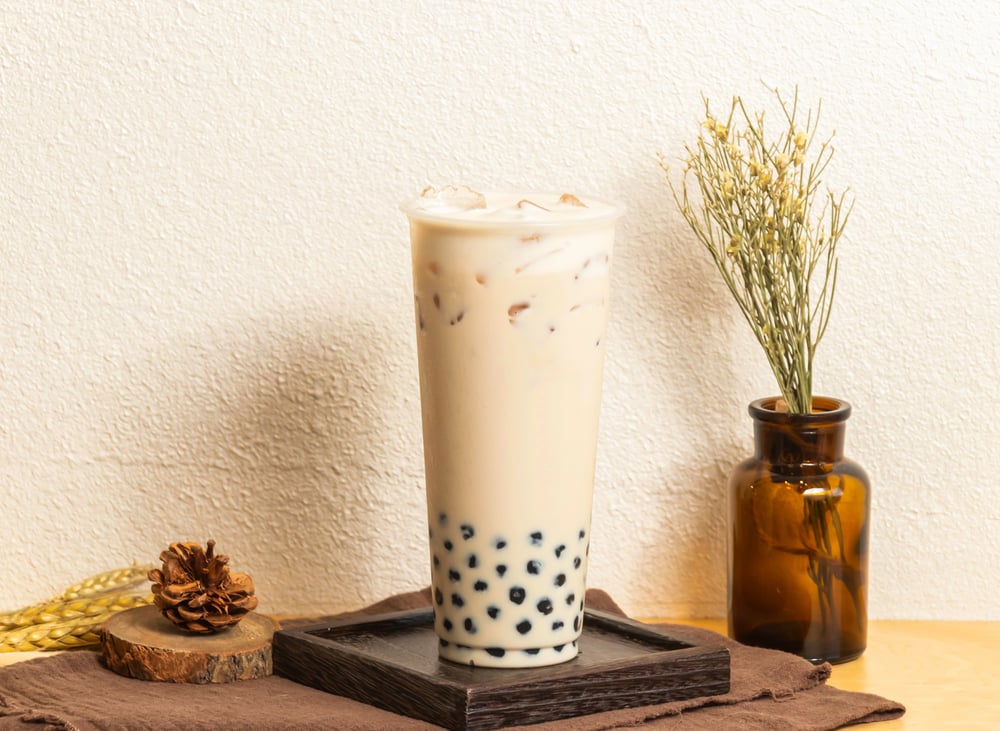
Taiwan gave the world bubble tea in the 1980s, and it has become a global phenomenon. Chewy tapioca pearls sit at the bottom of sweetened tea, and drinkers use extra-wide straws to suck them up along with their drink.
The pearls, also called boba, are cooked until they’re soft on the outside but still slightly firm in the center. Shops now offer dozens of variations with different flavored teas, milk options, and toppings like pudding or fruit jellies.
The experience of drinking and chewing at the same time takes some getting used to.
Yak butter tea ceremonies in Bhutan

Bhutanese people prepare their butter tea similarly to Tibetans, but they add their own touches. The tea leaves are often churned for several minutes with butter and salt in a special wooden cylinder.
Hosts pour the tea for guests and immediately refill the cup as soon as it’s half empty. Leaving the cup full is actually the polite way to show the guest they can stop drinking.
The tea is so rich that it can take the place of a light meal, especially during long treks through mountain valleys.
Matcha tea whisking in Japan

Japanese tea ceremonies involving matcha powder follow strict rules that take years to master. The powdered green tea is whisked with hot water using a bamboo tool until it becomes frothy.
Every movement during the ceremony has meaning, from how the bowl is turned to how guests should hold it. The tea itself tastes grassy and slightly bitter, and it’s usually served with a small sweet to balance the flavor.
Traditional ceremonies can last several hours and involve multiple courses of food and different types of tea.
Mint tea with pine nuts in Saudi Arabia

In certain areas of Saudi Arabia, folks drop pine nuts into their mint tea rather than sipping it straight. These bits bring a mild taste while giving visitors little treats to scoop from their glasses as they talk.
When welcoming others, locals usually go for tea – often making pot after pot during gatherings. It’s way sweeter than what many in the West are used to, thanks to heaps of sugar tossed in while steeping.
Most stick with green tea mixed with fresh mint; however, some spots lean toward blends laced with crushed cardamom.
Iced sweet tea in the American South

Southerners prefer their tea icy, loaded with sugar, full of flavor – best enjoyed by the gallon. Sugar’s added during brewing, while hot, ensures every grain melts into smoothness.
What comes out tastes closer to syrup with a hint of leaf than anything brewed mild. You’ll find it poured into big tumblers, stacked with ice cubes, ready anytime.
Fridge shelves often hold pitchers waiting for the next round. Rumor says iced tea took off back in 1904 at a world expo – but locals cranked up the sweetness without looking back.
Skip the sugar? Folks around here might just blink, confused.
Hong Kong style milk tea

Hong Kong came up with its take on British milk tea – now a favorite around here. Instead of just one type, experts mix multiple black teas for depth.
A special cloth strainer, kind of like a sock, filters the brew many times over. This wipes out harsh notes but keeps the kick intense.
Then, either evaporated or sweetened condensed milk is stirred in slowly, giving it that creamy thickness people love. Locals sip it warm or chilled no matter the season – some folks swear by certain stalls for the tastiest brew.
That filter sock? Hardly ever cleaned, since leftover gunk supposedly boosts the taste.
Putting everything into place

One leaf, endless ways to enjoy it – location changes everything. A weird twist to some fits just right in another culture, say salt for strength, butter to stay warm, or cheesy froth because why not.
Next time your tea arrives looking totally offbeat, keep this in mind: plenty of folks swear by their unique mix. Sips may differ wildly, yet somehow everyone’s linked through the shared ritual – one steep at a time.
More from Go2Tutors!

- The Romanov Crown Jewels and Their Tragic Fate
- 13 Historical Mysteries That Science Still Can’t Solve
- Famous Hoaxes That Fooled the World for Years
- 15 Child Stars with Tragic Adult Lives
- 16 Famous Jewelry Pieces in History
Like Go2Tutors’s content? Follow us on MSN.