Strangest Castle Inventions in History
Castles have long captivated people with their imposing stone walls, reverberating corridors, and enigmatic passageways brimming with legends. However, there were innumerable real-world issues to resolve behind the pomp and circumstance.
How can a whole fortress be heated? How can tower-to-tower communication work?When enemies are pelting your gate with fire and fury, how do you defend yourself? The answers were frequently centuries ahead of their time, occasionally brilliant, and occasionally strange. By today’s standards, the medieval world may appear primitive, but its inventors were incredibly inventive.
These are 11 of the most bizarre castle inventions ever made.
Murder Pits
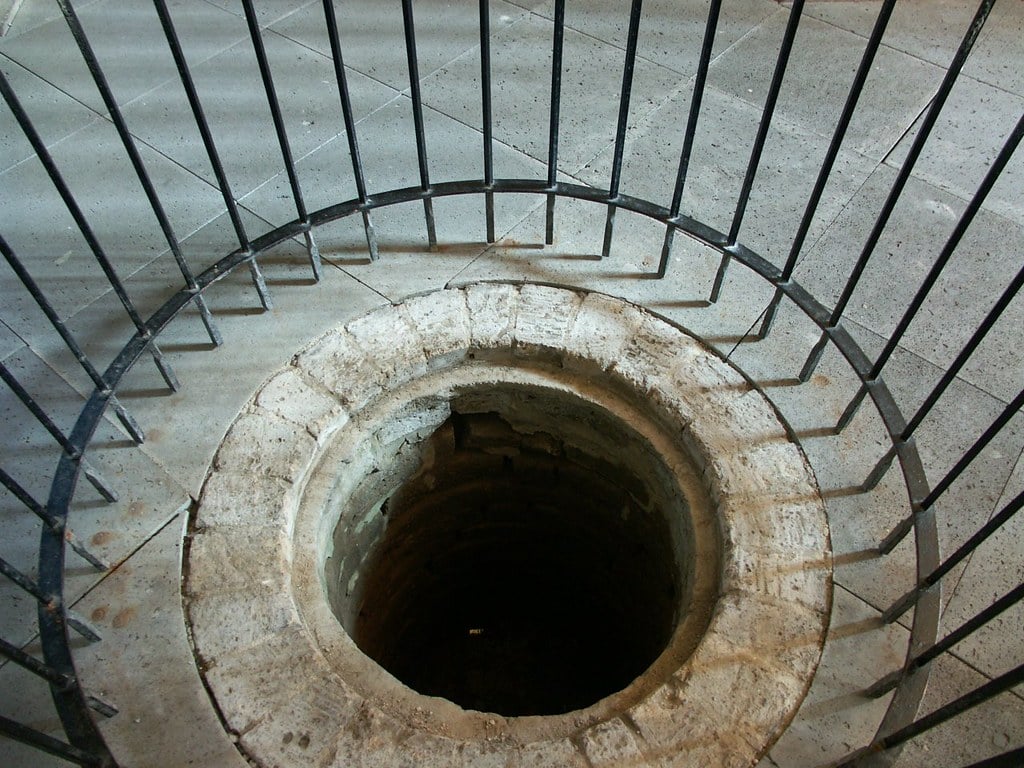
Despite the grim name, murder pits were ingenious pieces of design. Hidden above gateways or corridors, they allowed defenders to drop stones, hot sand, or boiling oil on attackers below.
They weren’t random gaps—each one was carved at a specific angle to maximize range and coverage. Some were built into trap ceilings with narrow funnels, allowing defenders to choose exactly where to strike.
A few castles even disguised them behind decorative panels so intruders wouldn’t realize what was coming until it was too late. It was architecture with attitude: functional, intimidating, and brutally effective.
Moat Bridges That Vanished
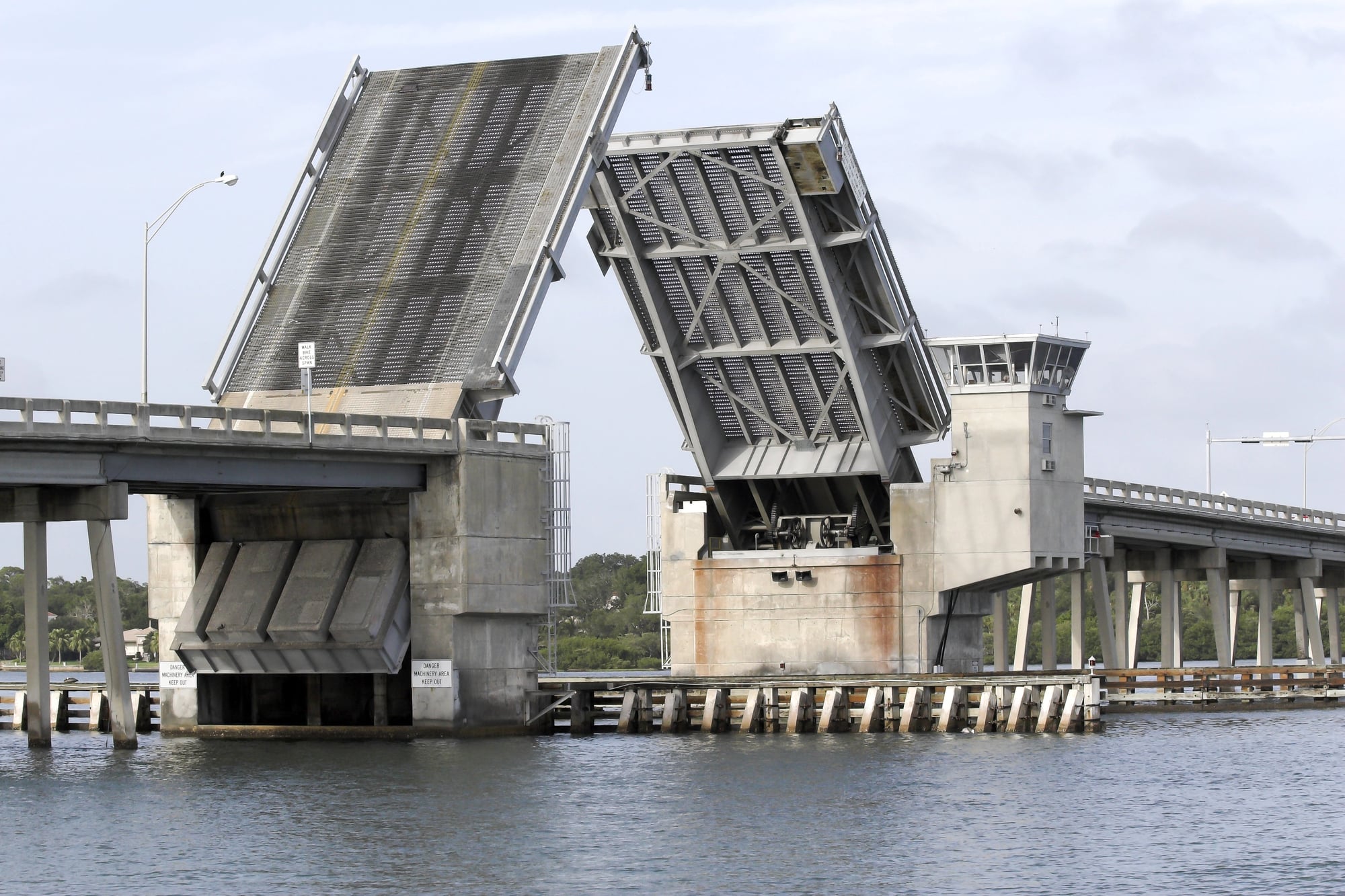
While most drawbridges folded up or swung on hinges, a few castles featured bridges that slid backward into the wall or sank into hidden chambers. These vanishing bridges worked through counterweights, pulleys, and cleverly disguised grooves.
Attackers would approach thinking the bridge was solid—then watch in disbelief as it retracted like magic. At Leeds Castle in England, engineers designed bridges that could disappear so smoothly that even up close, no seams were visible.
It turned defense into theater, showing enemies that the castle itself could outsmart them.
Secret Toilets Over Rivers
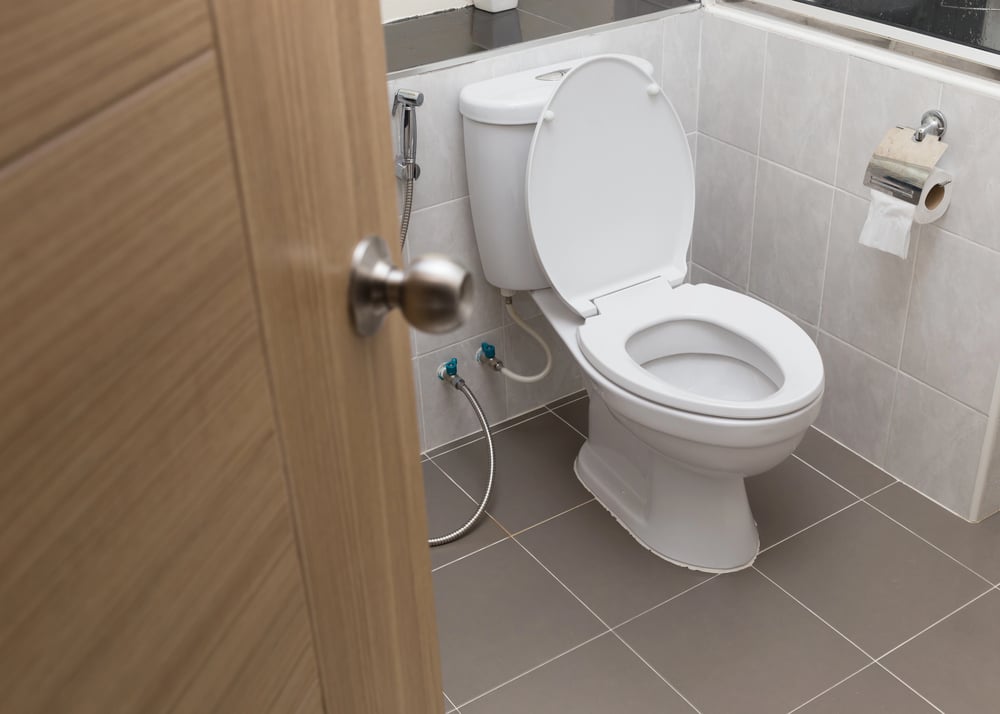
Medieval sanitation wasn’t glamorous, but it was surprisingly advanced. Many castles included garderobes—simple stone toilets that emptied into deep shafts or directly into rivers.
The more inventive designs used gravity and running water to keep things hygienic. In some fortresses, waste flowed through concealed tunnels that led to streams below, reducing odor and disease.
Engineers even added vents to improve airflow, an early understanding of sanitation centuries before germ theory existed. Some nobles took pride in this quiet luxury, proving that cleanliness was a sign of sophistication long before plumbing became common.
Whispering Tubes

Communication across stone corridors was tricky, especially during sieges. To solve it, architects installed narrow metal or clay pipes inside the walls that carried sound between key rooms.
Known as whispering tubes, these early “intercoms” allowed commanders to relay orders or nobles to gossip discreetly. The curved tubes amplified and directed sound waves, letting a whisper in one tower travel clearly to another.
Hampton Court Palace in England later adopted similar designs, and some European castles still contain remnants of these early communication systems—proof that even in the 1300s, people loved to talk without leaving their seats.
Heated Floors

Few things scream luxury like warm floors in a stone castle. The hypocaust, an ancient Roman heating system, made a comeback in medieval Europe for those who could afford it.
Servants would stoke furnaces beneath raised floors, allowing hot air to circulate through brick flues and warm the rooms above. It required constant labor and mountains of wood, but it worked beautifully.
Monasteries, palaces, and grand castles used this system to keep noble families comfortable during brutal winters. It was early central heating—an extravagant reminder that comfort has always come at a price.
Trap Stairs
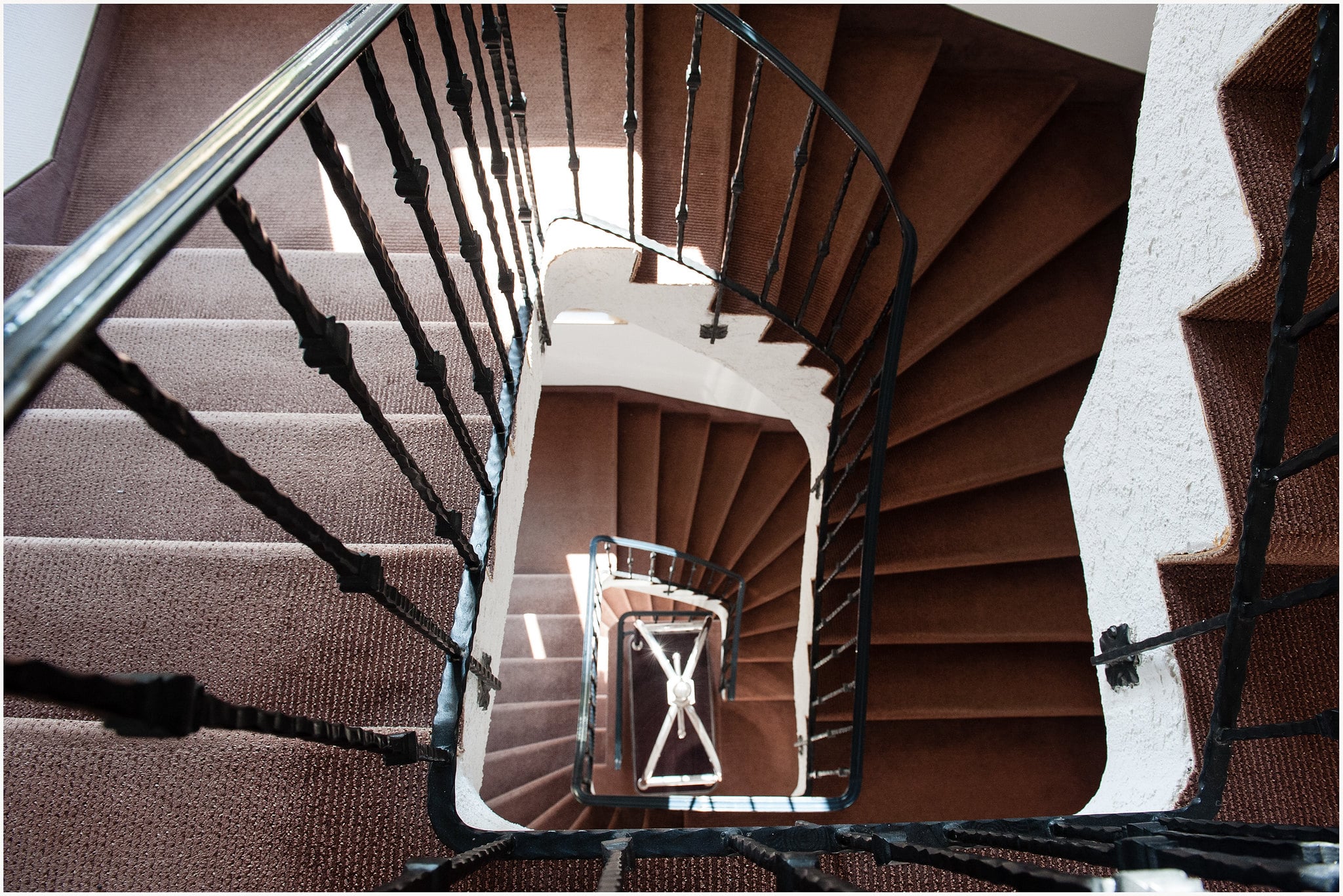
Every castle had stairs, but not all stairs played fair. Architects built spiral staircases that twisted clockwise going up so that right-handed defenders descending from above could swing their swords freely, while attackers climbing up had their striking arms restricted by the wall.
Some staircases even included uneven steps or sudden dead ends to disorient intruders. In a few castles, steps were designed to crumble under pressure or lead to trap doors.
These subtle tricks turned everyday architecture into silent weapons.
The Water-Powered Drawbridge
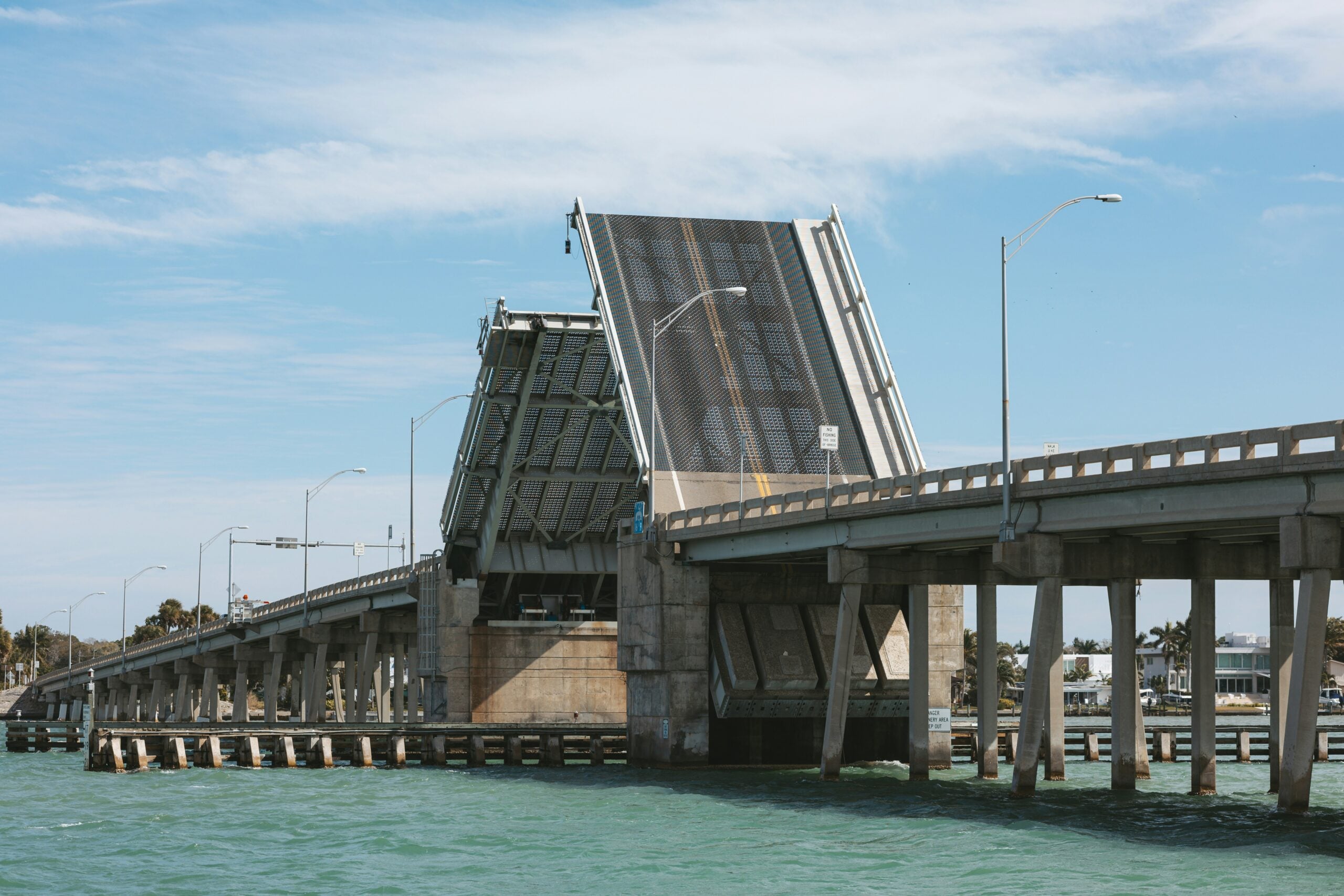
Long before hydraulics became common, some engineers experimented with water pressure to operate castle drawbridges. These systems used hidden reservoirs and pistons that filled or emptied with water to raise or lower the bridge automatically.
It reduced the need for manpower and allowed smoother operation under stress. Though rare and expensive to maintain, they demonstrated an early grasp of fluid mechanics.
Castles like Bodiam and Caerphilly are believed to have used similar principles, combining brute strength with delicate engineering centuries before industrial technology caught up.
The Stone Cannon of Königstein
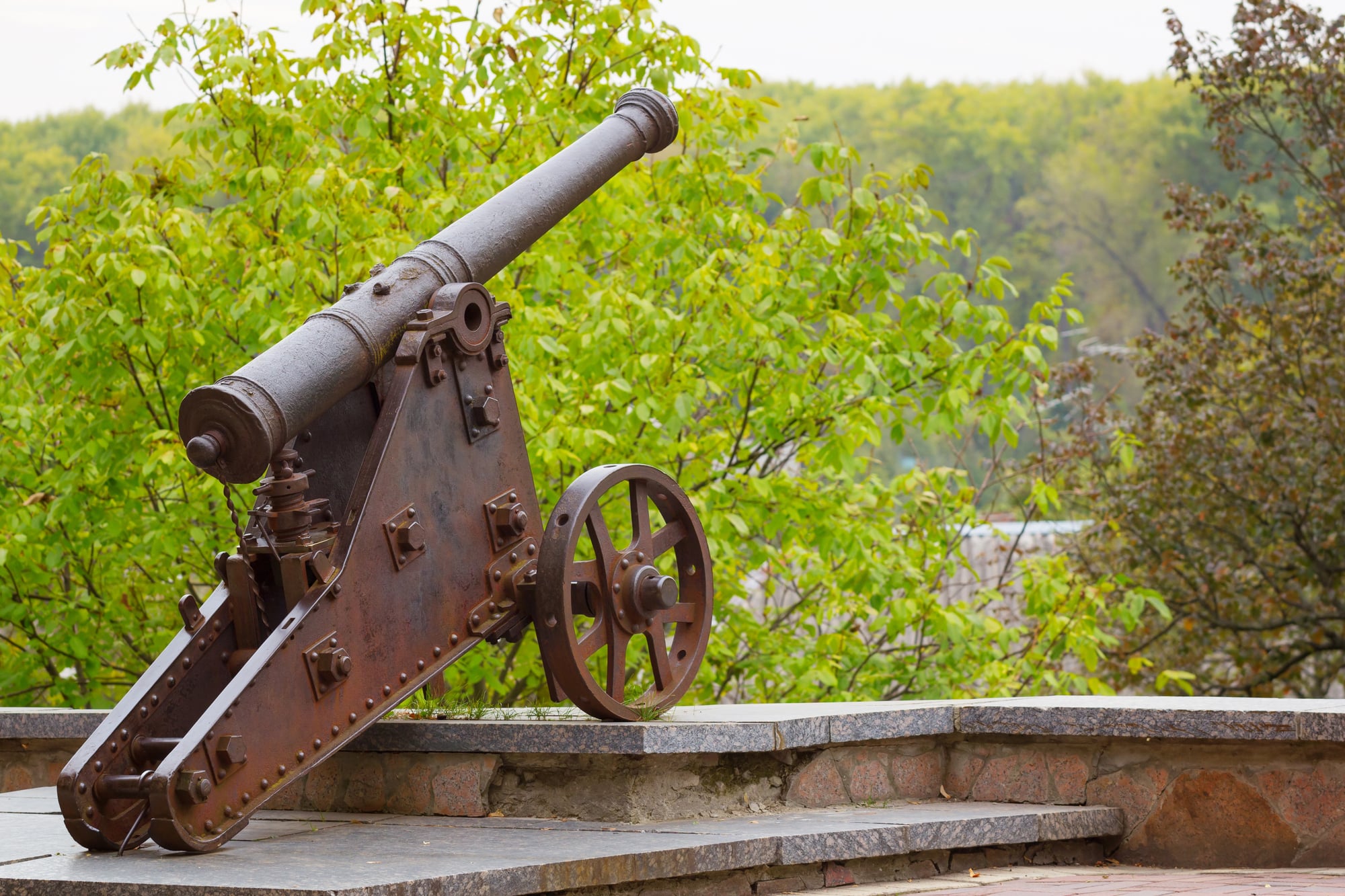
The fortress of Königstein in Saxony is known for an experiment that combined innovation and hubris. In the 15th century, its engineers tried building a cannon with a barrel partially carved from stone, reinforced with metal rings.
The idea was to save money on expensive bronze while creating a weapon large enough to terrify any invader. The reality was less impressive—the cannon cracked after just a few firings.
Still, it represents the bold spirit of the era: if you couldn’t outthink your enemies, you could at least outbuild them.
The Castle Clock of Malbork
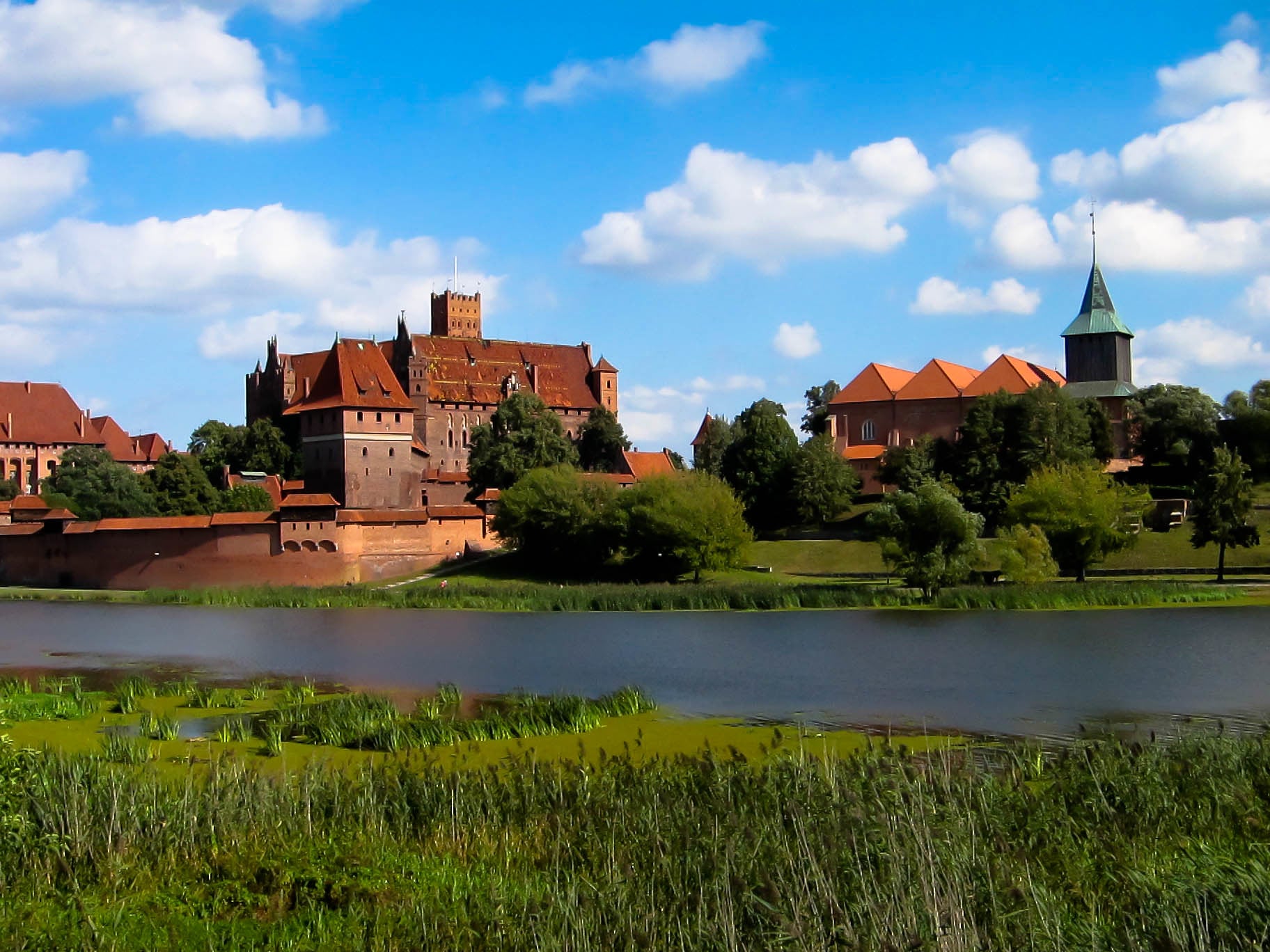
Malbork Castle in Poland, home to the Teutonic Order, featured one of the earliest large-scale mechanical clocks in Europe. Built in the 14th century, it struck bells across the fortress to mark prayer times and work shifts.
Its precision amazed visitors and symbolized order in a world often ruled by chaos. The mechanism itself was a marvel of gears, pulleys, and weight-driven motion.
For monks and knights, hearing that bell meant discipline and unity. The castle clock didn’t just tell time—it told people when to move, pray, and fight.
The Boiling Cauldron Hoist
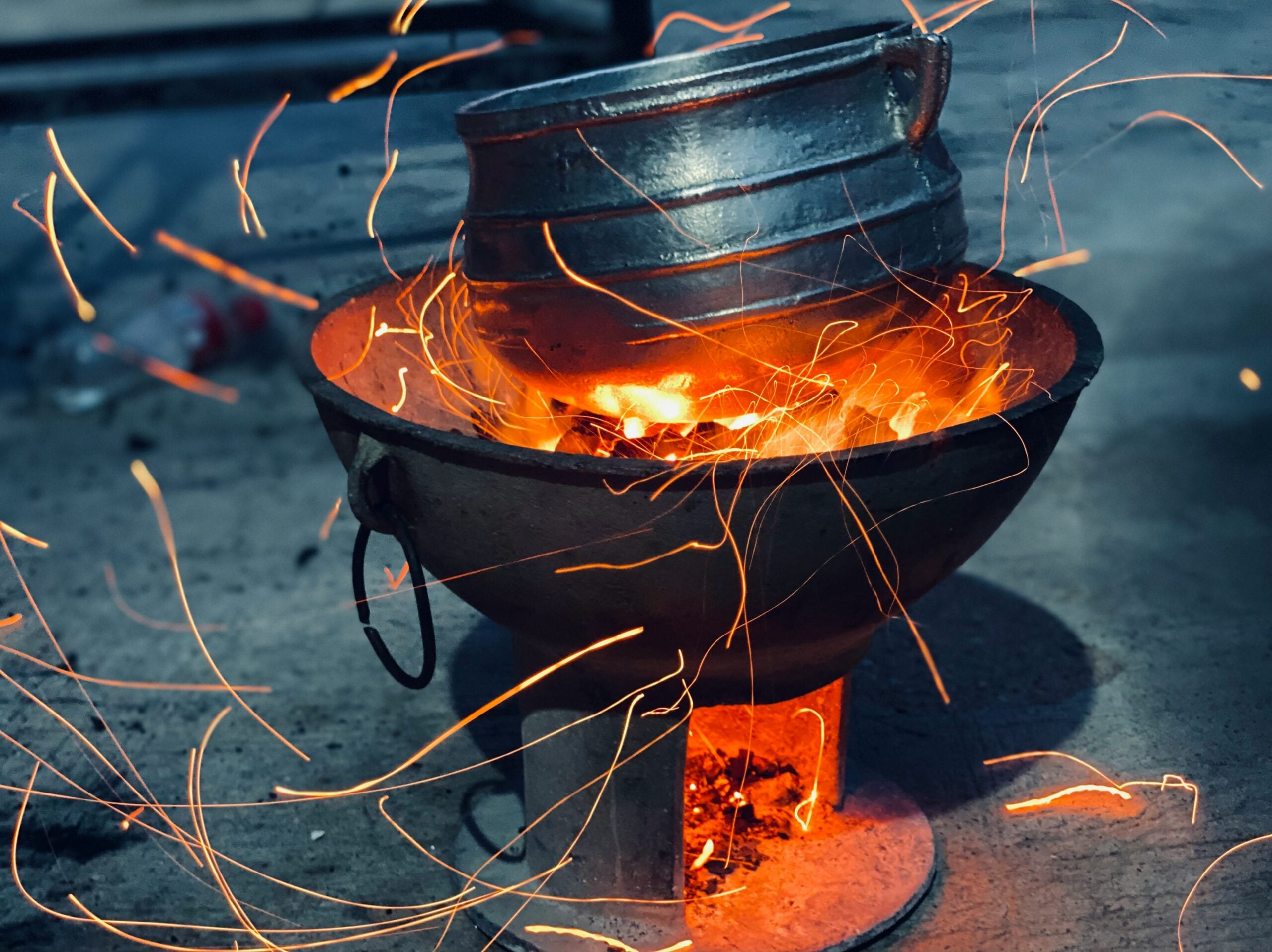
Above many castle gates hung massive iron pots attached to winches and chains. Defenders could swing them forward or release their contents—hot sand, tar, or even stones—onto attackers below.
The mechanism was simple but devastating. Some versions allowed fine control, letting defenders tilt the cauldron just enough to pour without exposing themselves to arrows.
The setup turned physics into weaponry: gravity did the work, strategy chose the moment. The image of a boiling cauldron isn’t just legend—it was real, heavy, and terrifyingly effective.
Mechanical Lions and Singing Fountains
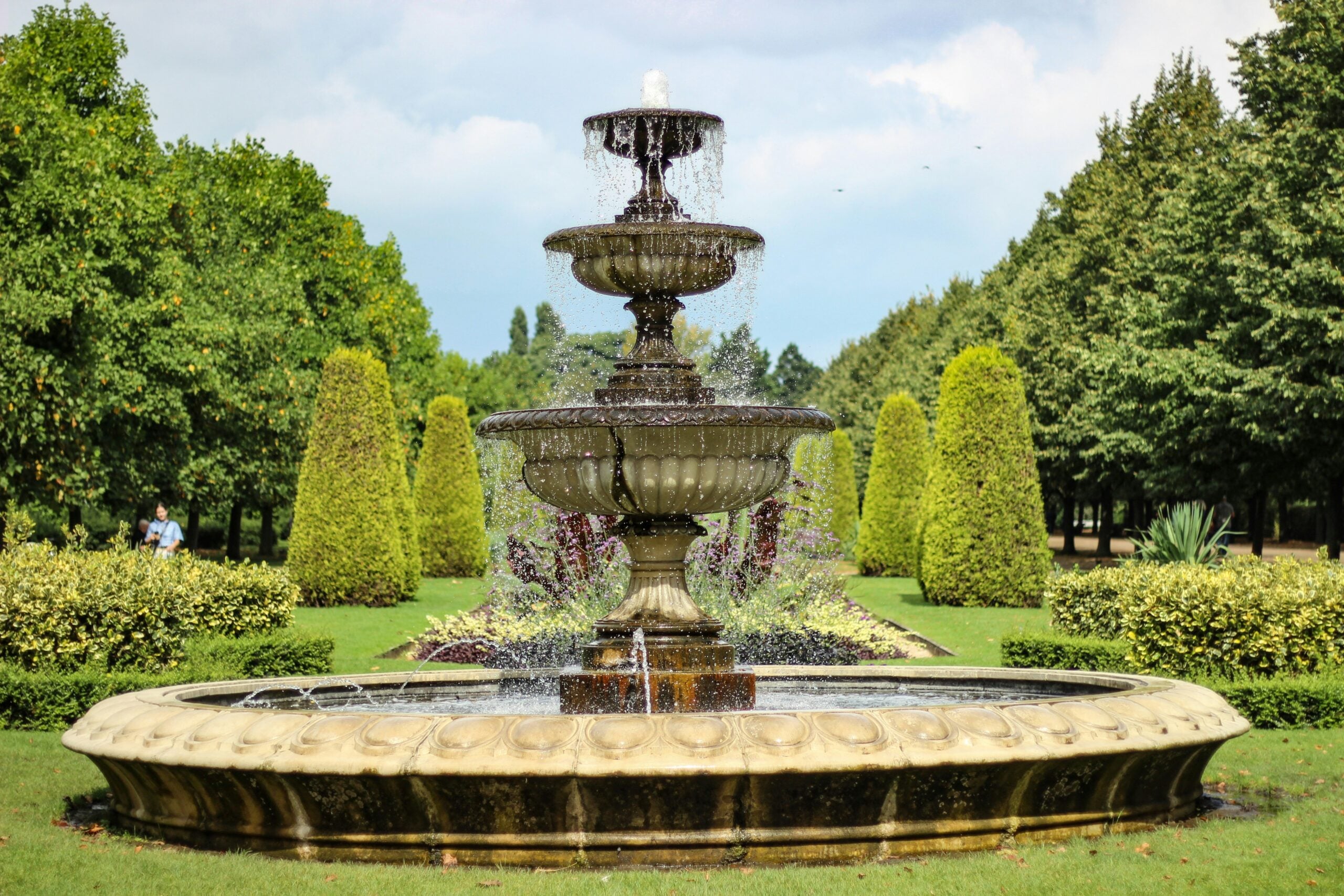
Not all inventions were made for war. In places like Spain’s Alhambra and France’s Château de Hesdin, engineers built mechanical wonders purely for beauty and entertainment.
The Alhambra’s lion fountain, designed with precise hydraulic engineering, spouted water in rhythm like a living sculpture. At Hesdin, records describe mechanical birds that sang using air pressure and elaborate automata that moved when guests entered certain rooms.
These devices combined art and engineering, showing that even in an age of war, people craved wonder as much as safety.
The Legacy of Castle Ingenuity
Whether grotesque, useful, or theatrical, each of these inventions reflects the restless inventiveness of the medieval mind. Castles were centers of invention rather than static stone artifacts.
Masons, engineers, and craftspeople were always experimenting, striking a balance between comfort and defense, beauty and brutality. Many of their concepts are still used in contemporary architecture, such as early plumbing, ventilation systems, security alerts, and even automated décor.
The odd genius of castles serves as a reminder that the same impulse—to adapt, impress, and survive—has always propelled innovation. The next time you see a gatehouse covered in moss or a crumbling tower, picture the creative minds that once worked there, generating ideas that were ahead of their time.
Despite their odd inventions, their drive laid the groundwork for contemporary engineering.
More from Go2Tutors!

- The Romanov Crown Jewels and Their Tragic Fate
- 13 Historical Mysteries That Science Still Can’t Solve
- Famous Hoaxes That Fooled the World for Years
- 15 Child Stars with Tragic Adult Lives
- 16 Famous Jewelry Pieces in History
Like Go2Tutors’s content? Follow us on MSN.



