Fun Facts We Memorized—Then AI Made Pointless
Remember when your brain was basically a filing cabinet? We spent hours cramming facts into our heads because there was no other choice. If you needed information, it either lived in your memory or you’d be frantically flipping through books and calling people for help.
But then smartphones arrived, followed by AI assistants that can answer almost anything in seconds. Suddenly, all those carefully memorized facts became about as useful as a VHS rewinder.
The shift happened gradually, then all at once. Here is a list of things we used to memorize that technology has pretty much made obsolete.
Phone Numbers

Your brain probably still holds onto a few phone numbers from the 1990s, but good luck remembering anyone’s current number. Before caller ID and contact lists, people memorized dozens of phone numbers because that was the only way to actually call someone.
Now your phone does all the remembering, and most people can’t even tell you their own number without checking first.
Driving Directions

Getting anywhere used to require either memorizing turn-by-turn directions or scribbling notes on paper while someone read from a map. You’d write things like ‘turn left at the red barn’ and hope that landmark was still there.
GPS and navigation apps turned this entire skill into ancient history, recalculating your route faster than you can say ‘I think I missed the exit.’
Multiplication Tables
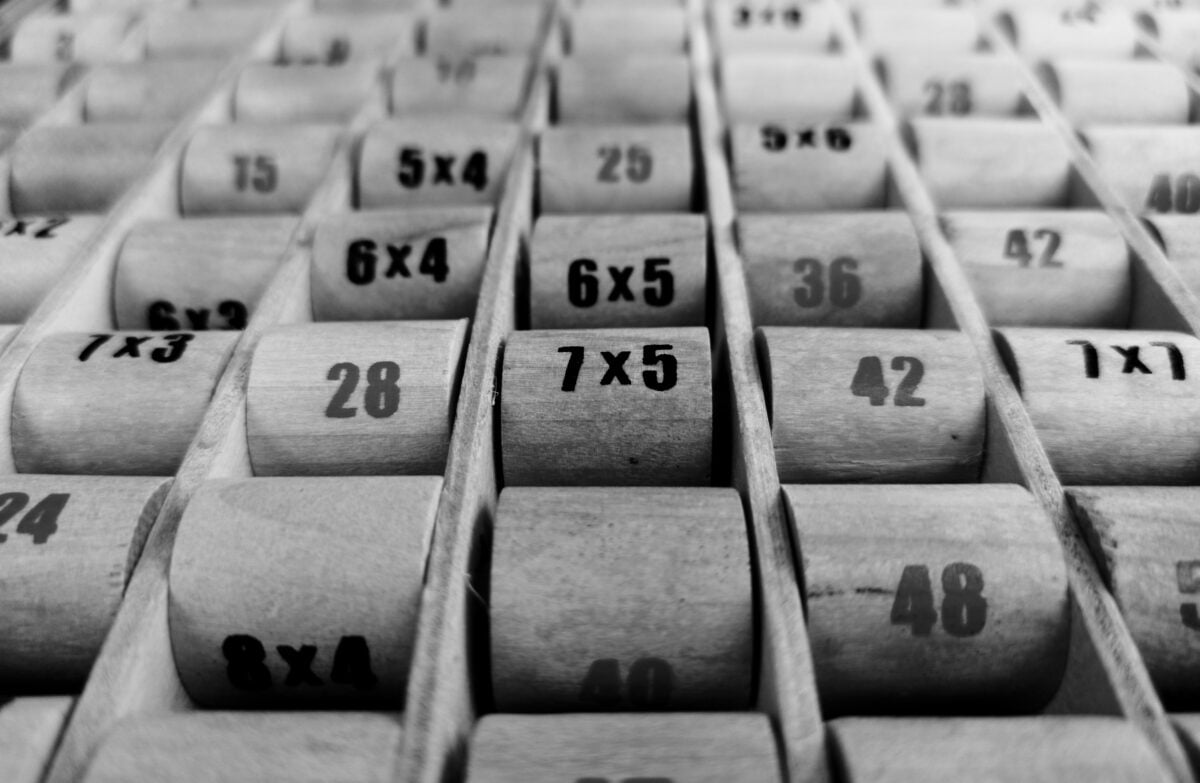
Teachers drilled times tables into students’ heads because calculators weren’t allowed anywhere near the classroom. Kids would spend weeks memorizing that 7 times 8 equals 56, only to grow up and realize their phone can solve way more complex math instantly.
The basic multiplication facts still have value for quick mental math, but memorizing larger tables feels about as necessary as learning cursive.
Spelling of Difficult Words

Spelling bees used to be the ultimate test of memory and pattern recognition. People would memorize that ‘accommodate’ has two C’s and two M’s, or that ‘necessary’ needs one C and two S’s.
Autocorrect and spell-check have made these memory exercises pretty redundant, automatically fixing mistakes before you even finish typing. The red squiggly line is now everyone’s personal spelling tutor.
Dictionary Definitions
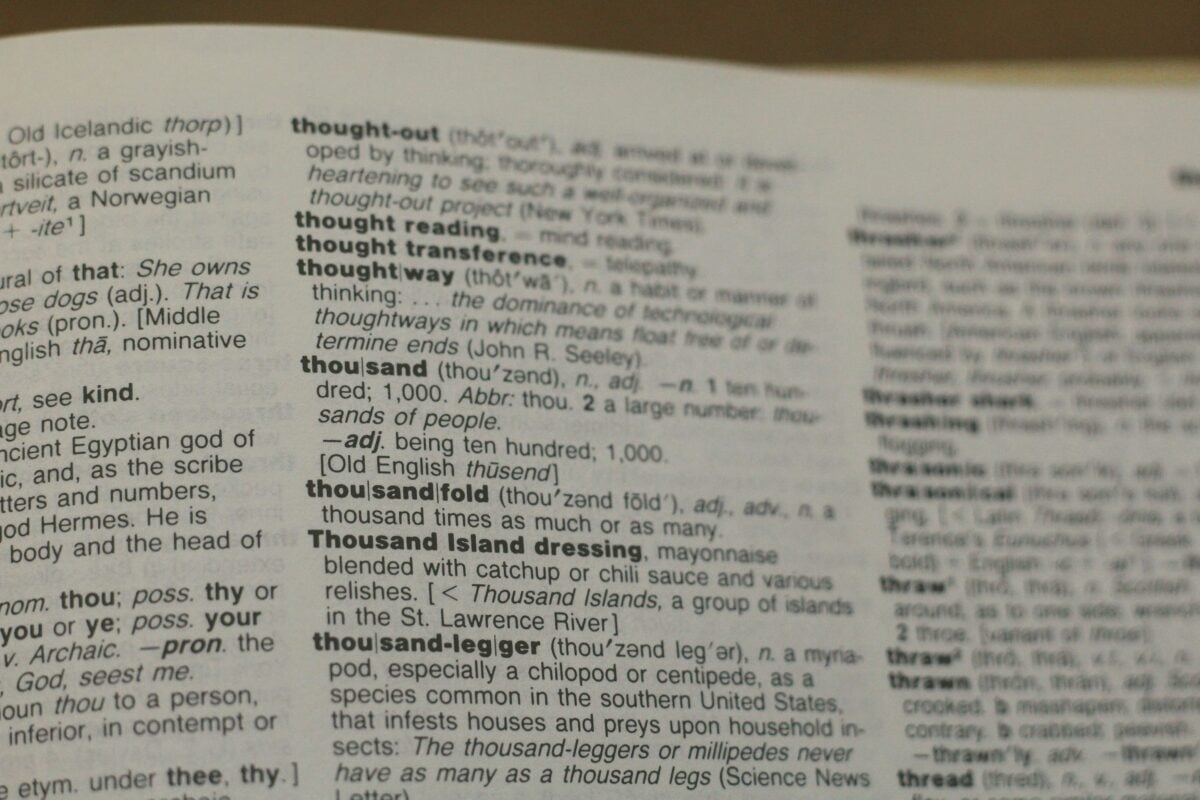
Looking up words meant hauling out a heavy dictionary and flipping through pages alphabetically. Students memorized definitions for vocabulary tests because checking during class wasn’t an option.
Now you can highlight any word on your screen and get an instant definition, complete with pronunciation and usage examples. Physical dictionaries have become more decorative than functional.
Foreign Language Translations

Travelers used to memorize key phrases in other languages before trips, creating mental checklists of ‘where is the bathroom’ and ‘how much does this cost’ in whatever language they needed. Translation apps now convert speech in real-time, making those memorized phrases obsolete.
You can point your camera at a sign in Tokyo and read it in English before your brain even processes what you’re looking at.
Historical Dates

History classes once required memorizing specific years for major events—1492, 1776, 1945. Teachers tested students on exact dates because that’s what constituted historical knowledge.
Search engines and AI assistants now provide instant access to any historical timeline you need, making the rote memorization of dates feel like busy work. Understanding historical context matters more than remembering the exact year Columbus sailed.
Zip Codes

People used to know their zip code and maybe a few others by heart because you wrote them constantly on envelopes and forms. Memorizing your zip code was just part of adulting, like knowing your social security number.
Autofill features now handle this automatically, and most people under 30 probably couldn’t tell you their zip code without checking their phone.
Area Codes

Before cell phones, area codes told you exactly where someone lived, and people memorized the codes for their region and surrounding areas. You’d know that 212 meant Manhattan or that 310 meant Los Angeles.
Now that everyone keeps their cell number when they move, area codes have lost their geographic meaning entirely, making all that memorization pointless.
Conversion Formulas

Converting Fahrenheit to Celsius or miles to kilometers required memorizing specific formulas and doing mental math. Students would drill these conversions repeatedly, trying to remember that you multiply by 1.8 and add 32, or whatever the formula happened to be.
Voice assistants now handle these conversions instantly—just ask ‘what’s 75 degrees in Celsius’ and get an immediate answer.
Time Zones

Business travelers and anyone with long-distance relationships used to memorize time zone differences. You’d remember that California was three hours behind New York, or that London was five hours ahead.
World clock apps and automatic timezone converters have eliminated this need, showing you exactly what time it is anywhere instantly.
Encyclopedia Facts

Before Wikipedia, kids memorized random encyclopedia facts for school reports and to sound smart at dinner parties. You might know that the Nile is the longest river or that Venus is the hottest planet.
Now any fact is searchable in seconds, making that mental encyclopedia collection obsolete. The value shifted from knowing facts to knowing how to evaluate sources.
Periodic Table Elements

Chemistry students spent countless hours memorizing element symbols, atomic numbers, and where everything sat on the periodic table. You’d create flashcards to remember that Fe is iron and Au is gold.
Digital periodic tables now provide instant access to every property of every element, making pure memorization less critical than understanding how elements actually interact.
State Capitals

Every American schoolkid once had to memorize all 50 state capitals, a rite of passage that produced useless knowledge like ‘the capital of South Dakota is Pierre.’ Teachers tested this relentlessly, treating it as essential geography knowledge.
Map apps and search engines made this particular memory exercise completely unnecessary, though some people still proudly remember that Montpelier is Vermont’s capital.
Mathematical Formulas

Math students memorized everything from the quadratic formula to the Pythagorean theorem because you needed instant recall during tests. Scribbling formulas on your arm before an exam was considered cheating.
Wolfram Alpha and similar tools now solve complex equations and show you the formulas involved, making memorization less important than understanding when to apply them.
Business Hours
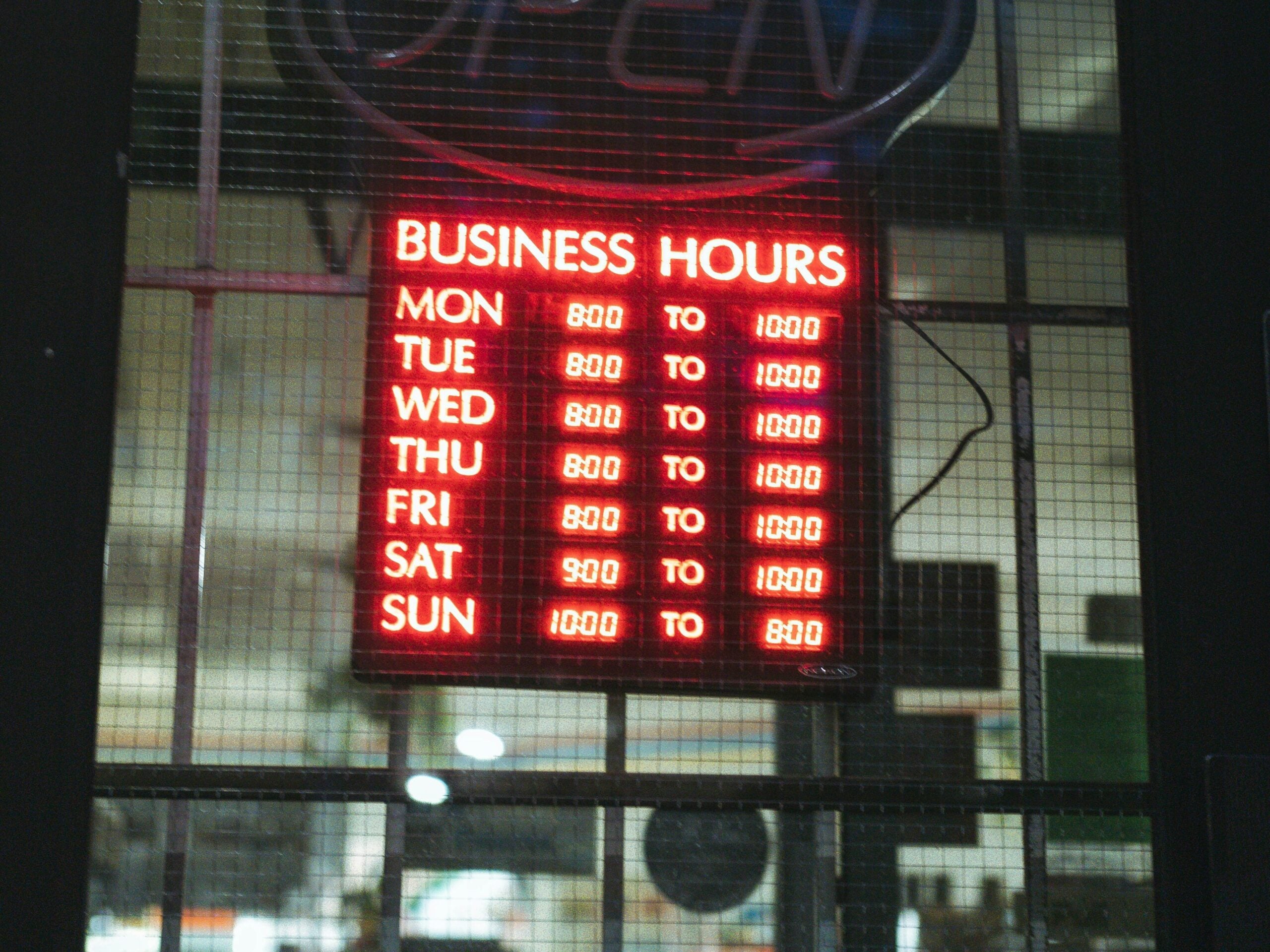
People used to memorize what time stores and restaurants opened and closed because calling ahead wasn’t always convenient. You’d just know that the bank closed at four or that the grocery store opened at seven.
Google Maps and business listings now show real-time hours, holiday schedules, and even how busy a place currently is, making all that mental tracking unnecessary.
Song Lyrics and Movie Quotes
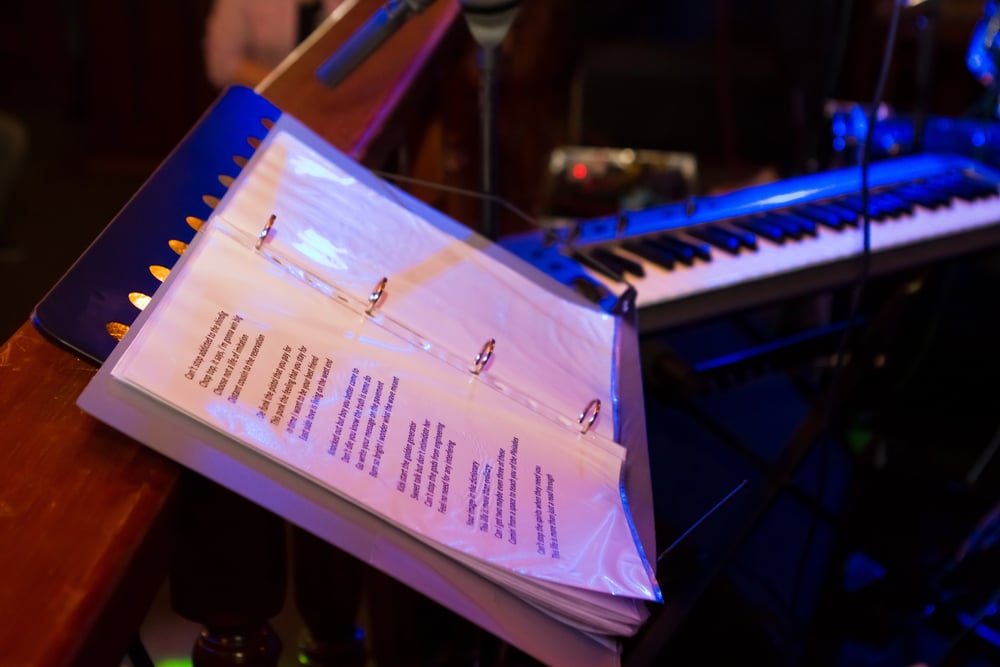
Music fans once prided themselves on memorizing entire albums word-for-word, and movie buffs could recite classic film dialogue perfectly. These memory feats showed dedication and passion for the content.
Lyrics sites and streaming services now display words in real-time, while IMDb archives every memorable line ever spoken on screen. The impressive party trick became as simple as pulling out your phone.
What Stays With Us

The facts faded from memory, but something more valuable took their place. We traded rote memorization for problem-solving skills, learning how to find and verify information rather than storing it all internally.
Our brains adapted to a world where knowing how to ask the right question matters more than having all the answers already loaded. Technology didn’t make us dumber—it just changed what kind of smart we need to be.
ore from Go2Tutors!

- The Romanov Crown Jewels and Their Tragic Fate
- 13 Historical Mysteries That Science Still Can’t Solve
- Famous Hoaxes That Fooled the World for Years
- 15 Child Stars with Tragic Adult Lives
- 16 Famous Jewelry Pieces in History
Like Go2Tutors’s content? Follow us on MSN.