Vehicles Built to Adapt to Any Terrain
The world’s toughest environments don’t care about convenience.
Swamps don’t drain themselves, mountains don’t flatten out, and frozen tundra doesn’t magically warm up when you need to cross it.
For decades, getting to these places meant choosing between different specialized machines — boats for water, tracked vehicles for snow, trucks for trails.
But modern engineering has started closing that gap.
Today’s most capable vehicles don’t just handle one type of terrain well.
They reshape themselves on the fly to tackle whatever comes next.
This shift didn’t happen overnight, and it’s not just about bigger tires or stronger engines.
It’s about systems that think, react, and adjust faster than any human driver could manage.
Here’s a closer look at how vehicles are being built to go anywhere.
Active suspension that reads the road
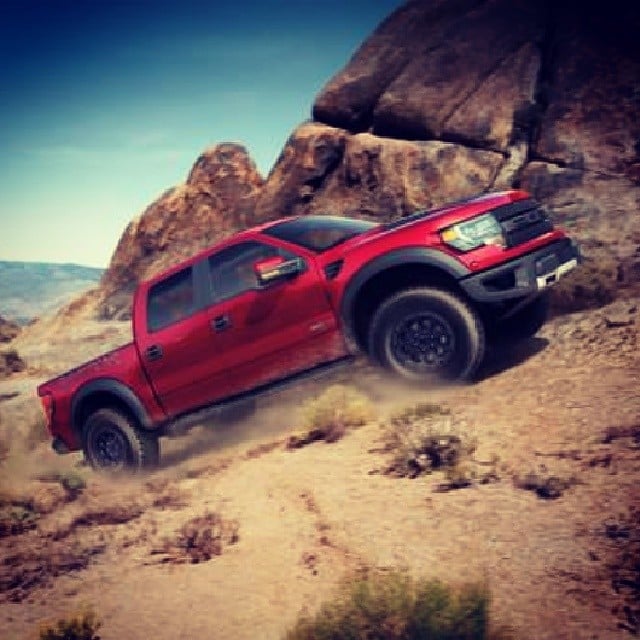
Adaptive suspension systems use sensors to continuously monitor the vehicle’s speed, terrain, and driving conditions, with computers automatically adjusting the stiffness or softness of the shocks or suspension to optimize performance.
The technology sounds simple until you realize what’s actually happening under the hood.
Some systems analyze road conditions and make up to 3,000 adjustments every second to the suspension settings via electronically controlled dampers.
Ford’s Raptor uses Fox Live Valve shocks that adjust damping rates in real-time based on the terrain, ensuring a comfortable and controlled ride no matter the conditions.
Meanwhile, the High-Performance Off-Road Stability Suspension system in the Ford Bronco is engineered for off-road driving, balancing ruggedness and comfort by adjusting in real-time to handle rough terrain.
Toyota takes a different approach with its Kinetic Dynamic Suspension System.
Found in the Land Cruiser and 4Runner, KDSS automatically adjusts the front and rear stabilizers based on the terrain, enhancing wheel articulation for better off-road performance.
The real magic happens when these systems work without the driver thinking about them.
You’re not flipping switches or selecting modes while bouncing over rocks.
The vehicle figures it out, keeps the wheels planted, and maintains control.
It’s the difference between fighting the terrain and flowing over it.
Amphibious machines that refuse to stop
Traditional vehicles hit water and stop.
Amphibious vehicles treat it like another surface to cross.
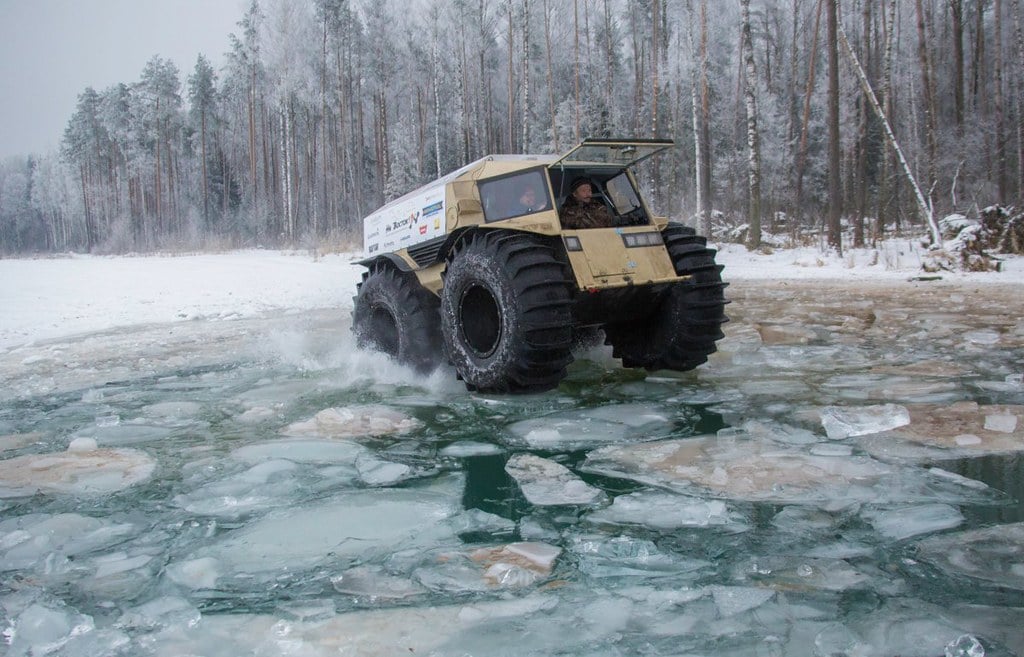
Unlike traditional amphibious designs that require complex transitions between land and water modes, SHERP remains fully operational across all surfaces without any driver intervention.
The Russian-designed SHERP has become something of a legend in extreme mobility circles, and for good reason.
SHERP’s massive self-inflating tires serve as flotation devices and shock absorbers, allowing it to glide across water, plow through snow, and power over brush or fallen trees, and can even climb vertical ledges up to 3 feet high and spin 360 degrees in place.
The tires themselves are engineering marvels — they’re not just big rubber donuts.
Even if a tire is punctured, it can re-inflate using SHERP’s onboard air distribution system.
That kind of resilience matters when you’re 50 miles from the nearest paved road.
Amphibious vehicles have special design features including watertight hulls for buoyancy and stability in water, retractable wheels or tracks for smooth moves between land and water, elevated air intakes and exhaust to keep water out, and corrosion-resistant materials for harsh water conditions.
These aren’t cosmetic touches.
They’re the difference between a vehicle that handles wetlands and one that becomes an expensive anchor.
The applications have gotten serious.
In partnership with United Nations World Food Programme, SHERP fights hunger in several countries around the world, with a 75% reduction in cost compared to airdrops, saving USD 1.7 million by replacing airfreight with cost-efficient overland transport.
When flooding cuts off communities or when seasonal conditions make roads impassable, these machines keep supply chains moving.
Terrain management systems that think ahead3
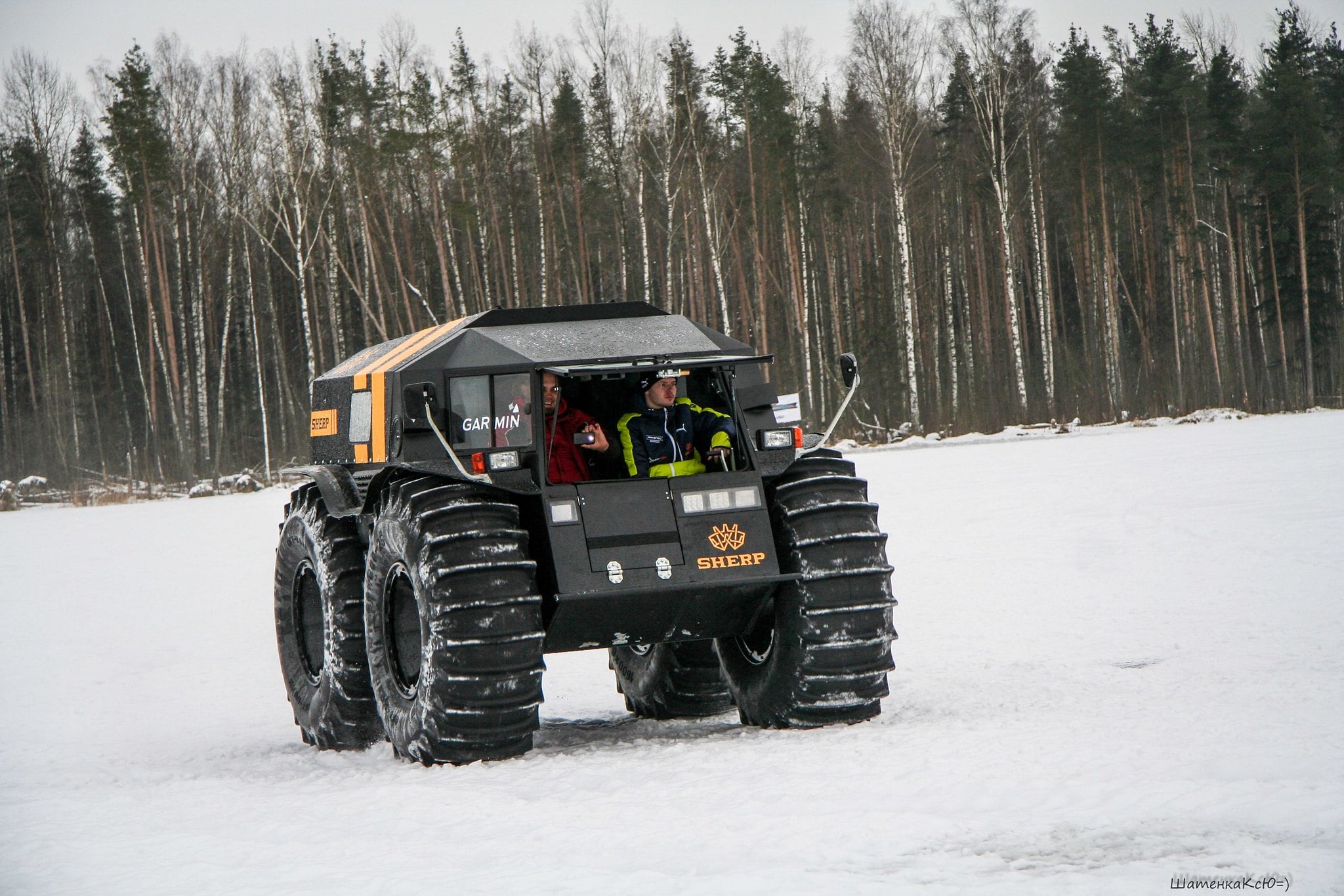
Modern off-road vehicles don’t just react to terrain — they prepare for it.
Terrain Management Systems help vehicles adapt to conditions like mud, snow, sand, and rocks at the push of a button, automatically adjusting settings like throttle response, traction control, and suspension to optimize performance for the specific terrain.
It’s like having an expert off-road driver’s instincts baked into the vehicle’s computer.
Hill Descent Control, available in models like the Jeep Wrangler and Land Rover Defender, uses the vehicle’s brakes to maintain a slow, controlled speed, typically between 3 to 5 miles per hour, so drivers don’t need to manually apply the brakes.
On steep, slippery descents, this system prevents wheels from locking and ensures the vehicle maintains traction and stability while the driver only needs to steer.
Traction Control Systems avoid wheel slip greater than the critical wheel slip during acceleration and deceleration, adapting to every kind of terrain without knowledge of the actual critical value, which depends on tire and ground combinations.
This matters more than most people realize.
The difference between controlled movement and spinning uselessly often comes down to milliseconds of computer-controlled brake and throttle adjustment.
Military-grade adaptability
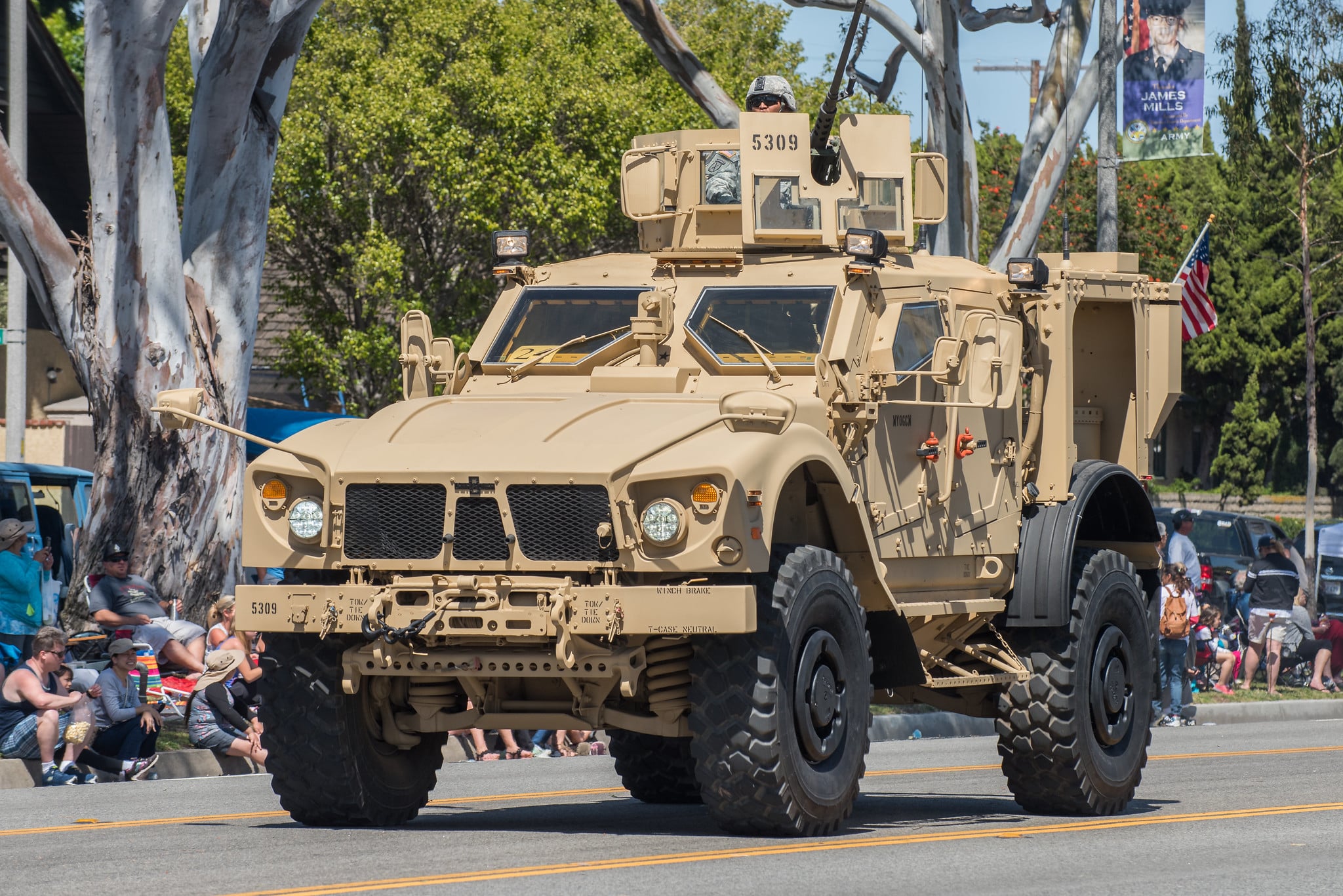
Defense applications pushed terrain-adaptive technology forward faster than civilian markets ever could.
The ATLAS all-terrain vehicle from ND Defense offers scalable configurations available in multiple setups including 4×2, 4×4, 6×6, 8×6, and 8×8, and can be tailored to specific operational requirements.
That modularity means one basic platform handles reconnaissance, cargo transport, troop deployment, and tactical operations without requiring entirely different vehicles.
The Oshkosh L-ATV provides MRAP-level protection with coil spring suspension offering 20 inches of travel, 25% more than most other vehicles used by the U.S. military.
More suspension travel translates directly to better obstacle clearance and smoother rides over broken terrain.
The L-ATV’s modular design enables it to be equipped with emerging technologies and evolving threat mitigation systems as the battlefield changes.
These military platforms eventually filter down to civilian applications.
Technologies developed for convoys navigating desert wadis and mountain passes end up in pickup trucks tackling ranch roads and construction sites.
The testing is more brutal, the standards are higher, and the lessons learned transfer across markets.
Autonomous systems learning the ground
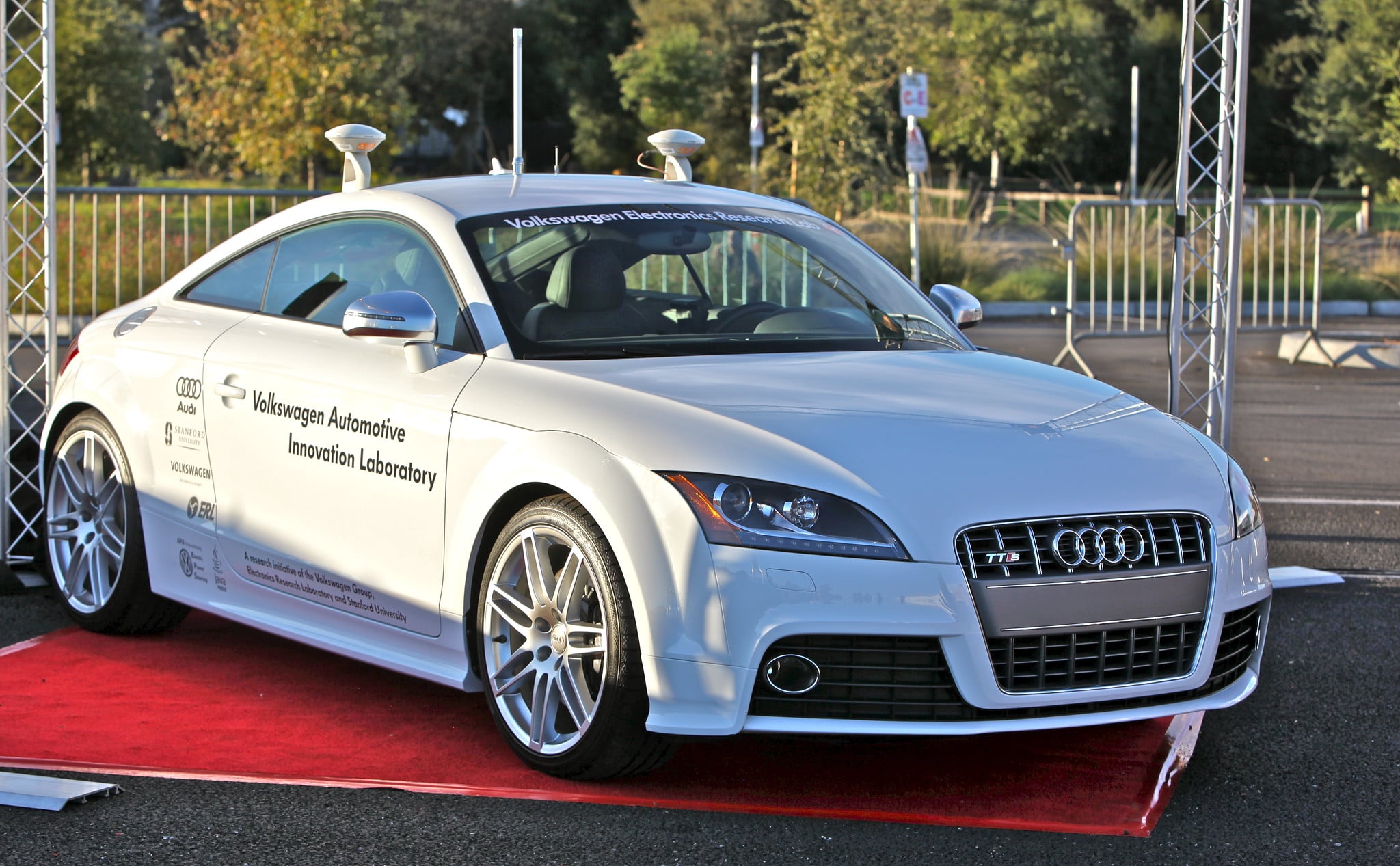
Autonomous vehicles that are aware of and adaptive to changes in terrain conditions offer increased safety and higher performance through off-road trajectory planning algorithms capable of learning terrain conditions online and modifying decisions accordingly.
This isn’t science fiction — it’s engineering already deployed in research vehicles and advancing rapidly toward commercial use.
Terrain adaptive unmanned ground vehicles use binocular camera systems and ultrasonic sensors to detect obstacles while moving, obtaining all obstacle information including distance, width, and height in front of the vehicle under complicated environmental conditions.
The machines build mental maps as they go, calculating the safest and most efficient paths without human input.
The terrain adaptive mechanical mechanism can navigate through rough terrain passively, climb obstacles actively through a lifting unit, and realize omni-directional motion to avoid obstacles.
These systems excel in situations too dangerous or remote for human operators.
The vehicles can perform tasks instead of rescue workers such as incident localization, hazardous material identification, toxic gas collection, and security surveillance in underground spaces.
The technology isn’t replacing human judgment entirely — it’s extending human capability into places we couldn’t otherwise reach or survive.
Where adaptation still has limits

No vehicle conquers everything.
Physics still wins most arguments.
SHERP is phenomenally capable, but its top speed on land is about 25 miles per hour and roughly 3.7 miles per hour in water, engineered for deliberate, obstacle-clearing progress rather than speed.
If you need to cover distance quickly on highways, you’d better bring something else.
Cost remains a barrier for many applications.
A standard ATV may cost anywhere from $7,000 to $30,000, while a SHERP starts around $115,000 depending on the model and configuration.
That premium buys genuine go-anywhere capability, but it prices most recreational users out of the market.
These machines make sense for organizations that absolutely need to reach impossible places — not for weekend trail riders.
Maintenance complexity grows with capability.
More systems mean more potential failure points.
Active suspension requires specialized knowledge to repair.
Amphibious seals eventually wear out.
Software updates become critical maintenance items.
The trade-off between capability and simplicity forces real decisions about what you actually need versus what looks impressive in a brochure.
Beyond the next obstacle

The engineering that lets vehicles adapt to any terrain keeps evolving.
Mercedes-Benz’s E-Active Body Control system uses data from sensors, cameras, and GPS to predict road conditions and adjust suspension settings in real-time.
That predictive capability — seeing what’s coming before the vehicle reaches the obstacle — represents the next leap forward.
Cameras scan the road ahead, computers process the data, and suspension adjusts before the first wheel hits the obstacle.
Electric drivetrains, smarter diagnostics, and even autonomous navigation systems are on the horizon for the next generation of extreme terrain mobility.
Electric motors provide instant torque and individual wheel control that mechanical drivetrains struggle to match.
Battery weight sits low in the chassis, improving stability.
Maintenance intervals stretch longer without engine oil and transmission fluid to worry about.
The vehicles that adapt to any terrain aren’t trying to eliminate driver skill or adventure.
They’re removing the limitations that previously kept entire regions inaccessible.
They’re turning three-day expeditions into one-day trips.
They’re making remote work sites productive instead of theoretical.
They’re proving that with enough engineering creativity, ‘impassable’ becomes negotiable.
More from Go2Tutors!

- The Romanov Crown Jewels and Their Tragic Fate
- 13 Historical Mysteries That Science Still Can’t Solve
- Famous Hoaxes That Fooled the World for Years
- 15 Child Stars with Tragic Adult Lives
- 16 Famous Jewelry Pieces in History
Like Go2Tutors’s content? Follow us on MSN.