Sunken Ships You Can Dive to See
There’s something incredibly powerful about exploring a shipwreck underwater. These vessels once carried people, cargo, and stories across the oceans, but now they rest silently on the seafloor, transformed into time capsules and thriving marine habitats.
Divers from around the world seek out these submerged relics to witness history firsthand, swim through corridors that once bustled with activity, and observe how nature reclaims human creations. From warships to luxury liners, each wreck offers a unique window into the past and an unforgettable diving experience.
Let’s explore some of the most remarkable sunken ships that you can actually visit beneath the waves.
SS Thistlegorm
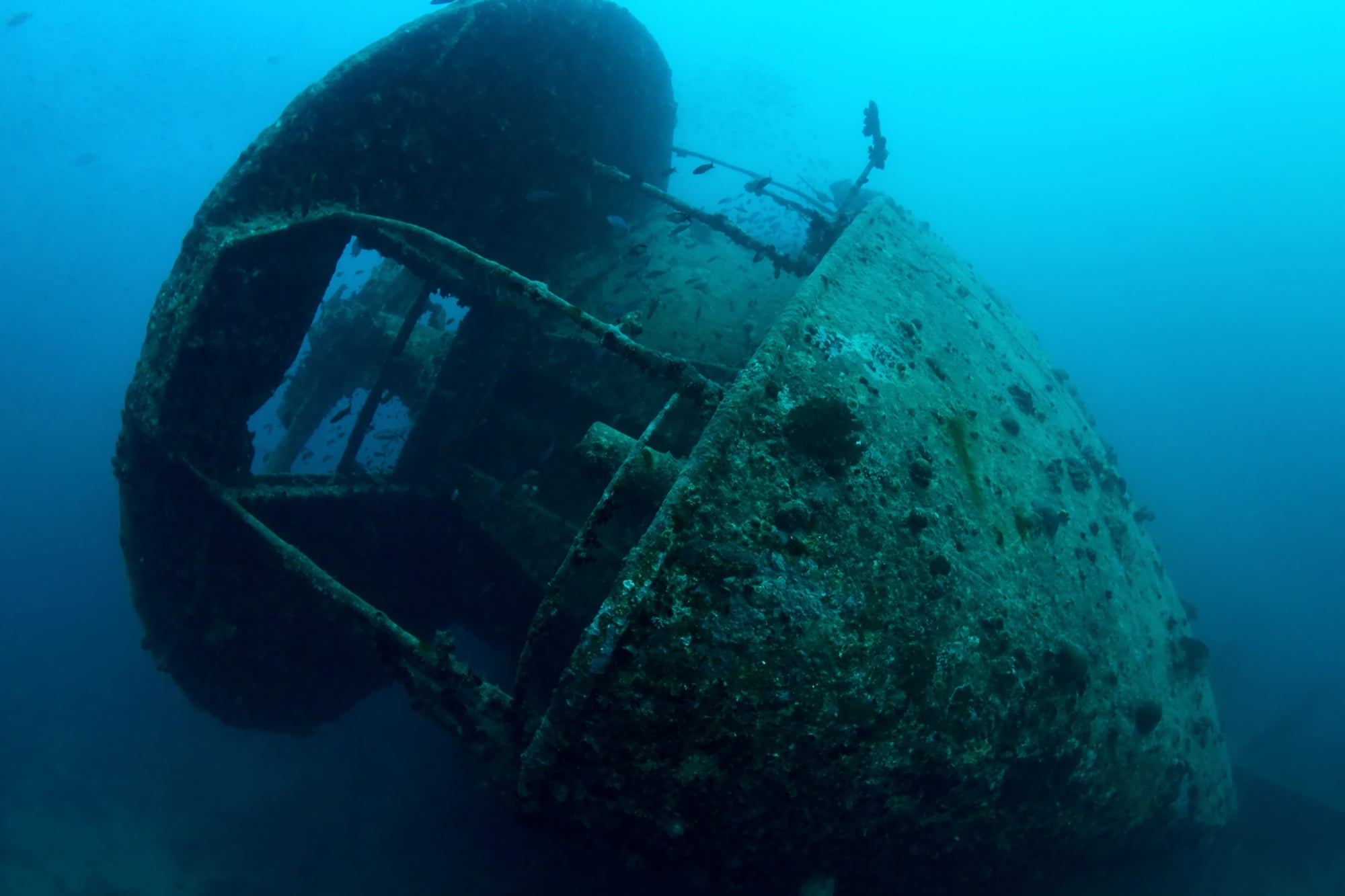
The SS Thistlegorm sits in the Red Sea off the coast of Egypt, and it’s widely considered one of the best wreck dives on the planet. This British armed freighter was bombed by German aircraft in 1941 while carrying supplies to Allied forces, including motorcycles, trucks, rifles, and even two railway locomotives.
The ship now rests at depths between 50 and 100 feet, making it accessible to recreational divers with proper certification. Exploring the cargo holds feels like wandering through a museum where eels weave between vintage motorcycles and groupers patrol rusted decks.
USAT Liberty
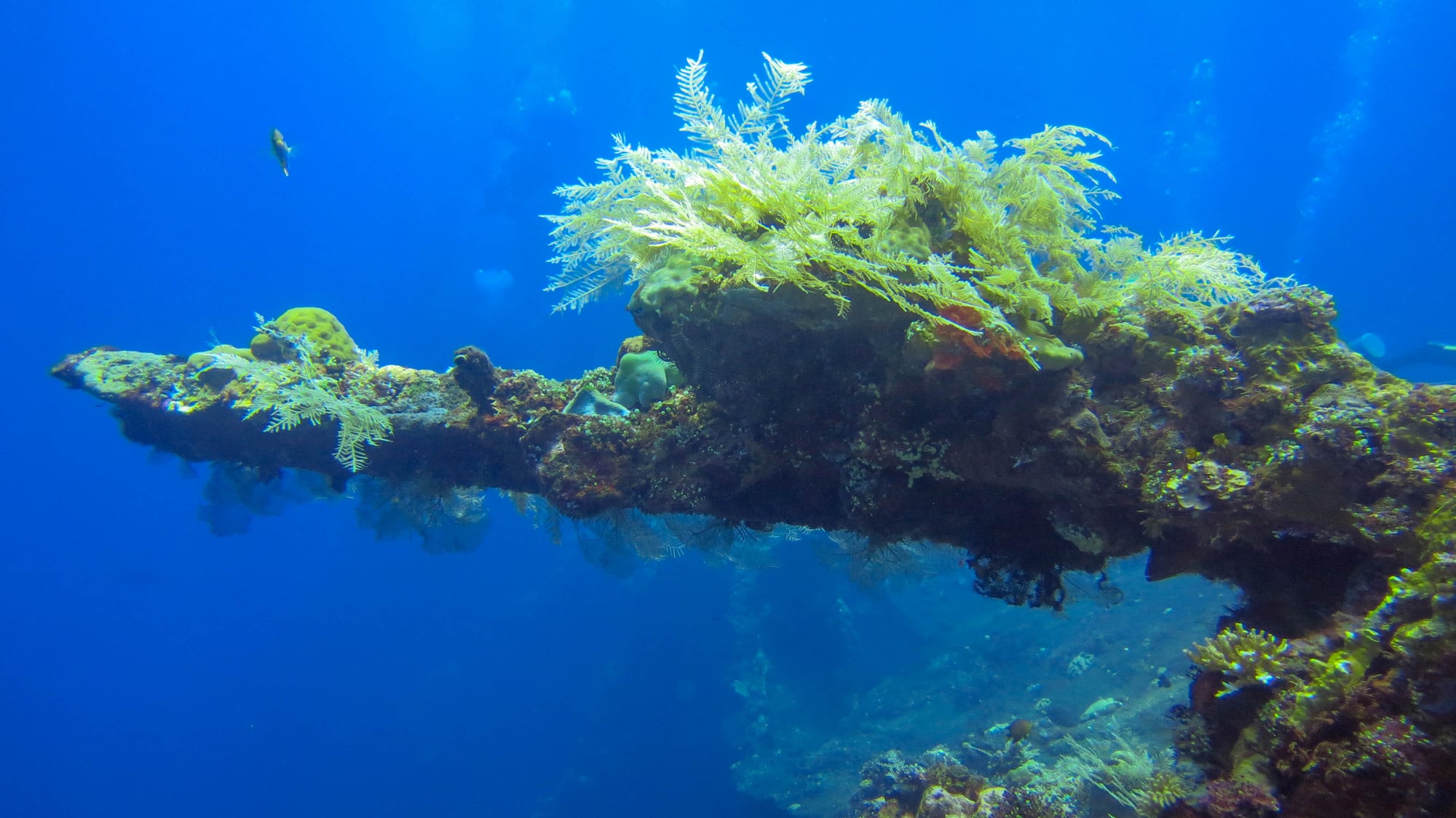
Off the coast of Bali, Indonesia, the USAT Liberty provides one of the most accessible wreck dives for beginners and experienced divers alike. This American cargo ship was torpedoed by a Japanese submarine in 1942 and initially beached, but a volcanic eruption in 1963 pushed it back into the sea where it settled just 100 feet from shore.
Divers can enter the water directly from the beach at Tulamben and swim out to explore the 400-foot wreck, which now bursts with colorful coral growth and hosts everything from tiny nudibranchs to enormous bumphead parrotfish. The ship sits at a comfortable depth of 30 to 100 feet, and the calm conditions make it perfect for photographers.
SMS Markgraf
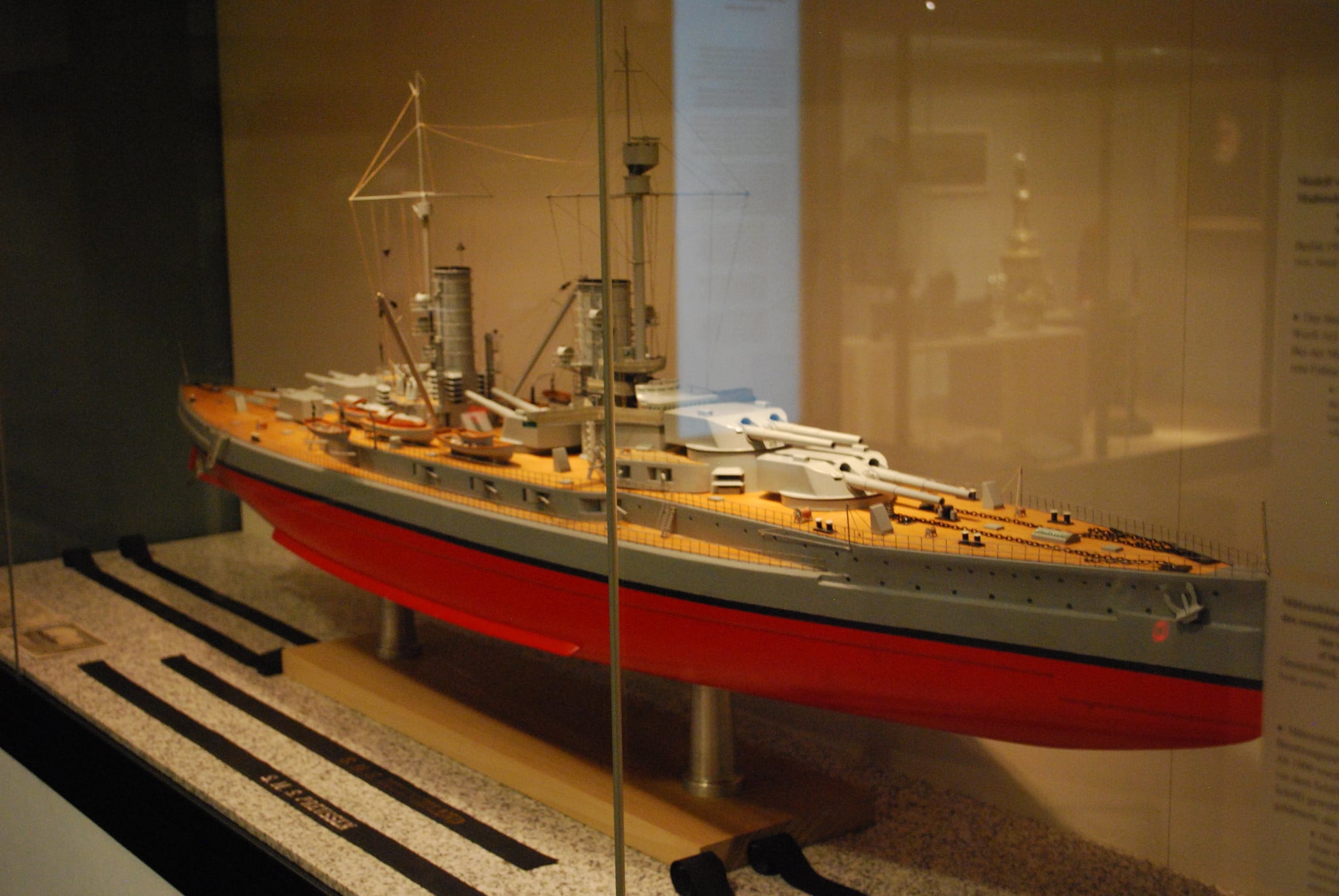
The SMS Markgraf rests in Scotland’s Scapa Flow, part of the famous scuttled German High Seas Fleet from World War I. In 1919, German Rear Admiral Ludwig von Reuter ordered his interned fleet to sink rather than let the British claim them, sending 52 warships to the bottom in one of history’s greatest acts of naval defiance.
The Markgraf, a battleship measuring over 575 feet long, now sits upside down at 150 feet, covered in anemones and surrounded by schools of fish. Advanced certification and cold-water diving experience are necessary here, but those who make the journey witness an underwater graveyard that changed naval history.
USS Oriskany
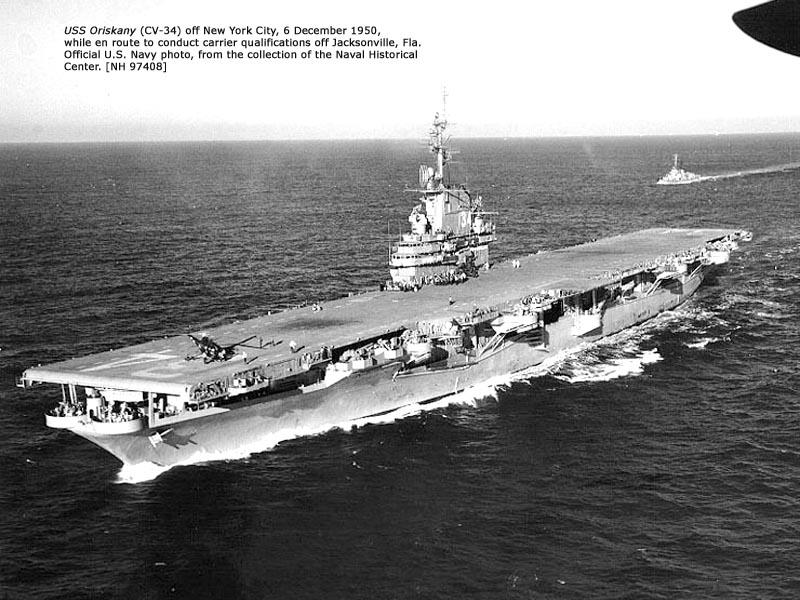
Florida’s Gulf Coast is home to the USS Oriskany, an aircraft carrier deliberately sunk in 2006 to create an artificial reef. This massive vessel stretches 888 feet long and now serves as the largest ship ever intentionally sunk to become a reef, earning it the nickname ‘The Great Carrier Reef.’
Divers can explore the flight deck at around 80 feet or venture deeper to see the massive hull reaching down to 212 feet. The carrier has quickly become a thriving ecosystem where amberjacks, barracudas, and sea turtles patrol the decks where fighter jets once launched into combat.
Zenobia

The Zenobia ferry sank off the coast of Cyprus in 1980 during its maiden voyage, taking with it over 100 trucks and cargo. Unlike many wrecks that deteriorated over decades, this ship went down intact and relatively recently, preserving an eerie snapshot of a working vessel frozen in time.
The ferry rests on its side at depths ranging from 50 to 140 feet, allowing divers to peer into the cargo holds and see articulated lorries still strapped in place. Technical divers can penetrate deeper into the wreck, while recreational divers enjoy excellent visibility and encounters with groupers that have made the Zenobia their home.
SS President Coolidge
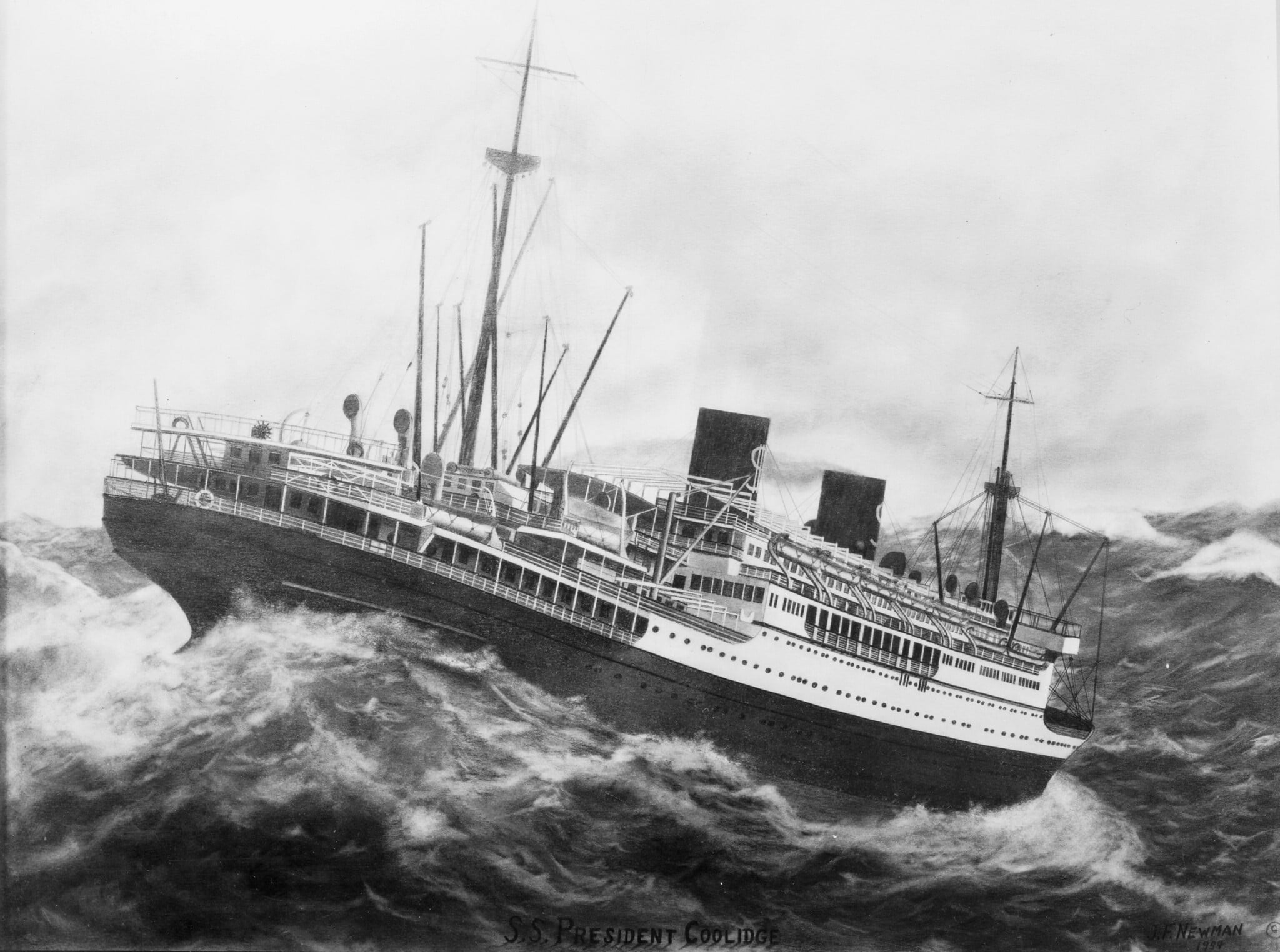
Vanuatu’s SS President Coolidge offers one of the most unique wreck diving experiences in the South Pacific. This luxury liner turned troopship hit American mines in 1942 while trying to enter a harbor, giving the crew enough time to evacuate all but two men before it sank.
The ship settled on its side in a gradual slope from 70 to 240 feet, creating dive opportunities for everyone from beginners to technical divers. Inside, divers find everything from a porcelain lady statue holding a light to jeeps, rifles, and even a mosaic swimming pool.
RMS Rhone

The British Royal Mail Ship Rhone sank during a hurricane in 1867 near the British Virgin Islands and remains one of the Caribbean’s premier wreck dives. The ship broke into two main sections, with the bow sitting at around 80 feet and the stern shallower at about 30 feet, making it suitable for divers of various skill levels.
Swimming through the intact sections reveals the ship’s massive propeller, the engine room, and portholes where sunlight streams through. The wreck became so famous that it appeared in the 1977 film ‘The Deep,’ introducing countless people to the beauty of wreck diving.
USS Kittiwake

Grand Cayman’s USS Kittiwake was a submarine rescue vessel intentionally sunk in 2011 to create an artificial reef and diving attraction. The 251-foot ship sits upright in just 60 feet of water off Seven Mile Beach, making it perfect for newer divers and snorkelers who can view it from the surface.
The Navy stripped the vessel before sinking, creating a clean, safe environment for penetration diving through hallways, the galley, and even the recompression chamber. Hurricane damage in 2017 actually improved the dive by opening up new access points and creating additional habitat for marine life.
SS Yongala
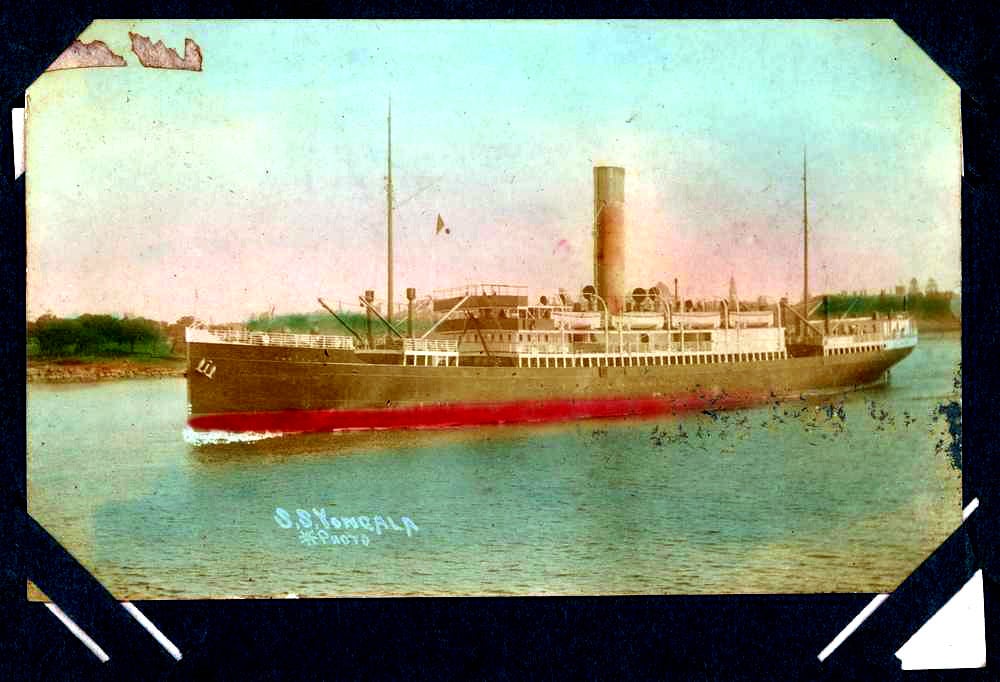
Australia’s SS Yongala disappeared during a cyclone in 1911 off the coast of Queensland, and the wreck wasn’t discovered until 1958. This passenger ship now ranks among the world’s best dives, sitting intact at around 50 to 90 feet and completely enveloped in coral and marine life.
The wreck acts as an oasis in the sandy seafloor, attracting everything from tiny seahorses to massive tiger sharks, manta rays, and sea snakes. Current can be strong here, so divers need decent experience, but the reward is witnessing one of the most biodiverse wrecks on Earth.
Fujikawa Maru

Chuuk Lagoon in Micronesia holds over 60 Japanese shipwrecks from a massive American attack in 1944, and the Fujikawa Maru stands out as one of the most impressive. This armed cargo ship sits upright at 110 feet, with its deck at a comfortable 60 feet, allowing extended exploration time.
Divers swim past fighter plane parts in the holds, artillery guns on deck, and even sake bottles in the galley. The warm, clear waters and historical significance make this wreck feel like diving through a living museum dedicated to the Pacific War.
MV Keith Tibbetts

Cuba’s MV Keith Tibbetts was a Soviet frigate gifted to the Cuban Navy, then deliberately sunk in 1996 near the north coast to create a dive site. The 330-foot warship split into two sections during Hurricane Ivan in 2004, with the bow sitting at 50 feet and the stern at 80 feet.
Divers explore gun turrets, the bridge, and various compartments while surrounded by tarpon, eagle rays, and curious groupers. The wreck demonstrates how Cuba’s diving scene has grown while maintaining strict environmental protections.
Hilma Hooker

Bonaire’s Hilma Hooker has a mysterious backstory involving drug smuggling before Dutch authorities seized it in 1984. The ship started taking on water while impounded and eventually sank, settling perfectly upright at around 100 feet.
The wreck sits within Bonaire’s marine park, covered in colorful sponges and coral growth, with openings that allow advanced divers to explore the interior safely. Schools of yellowtail snappers and horse-eye jacks constantly circle the vessel, creating spectacular photo opportunities.
San Francisco Maru
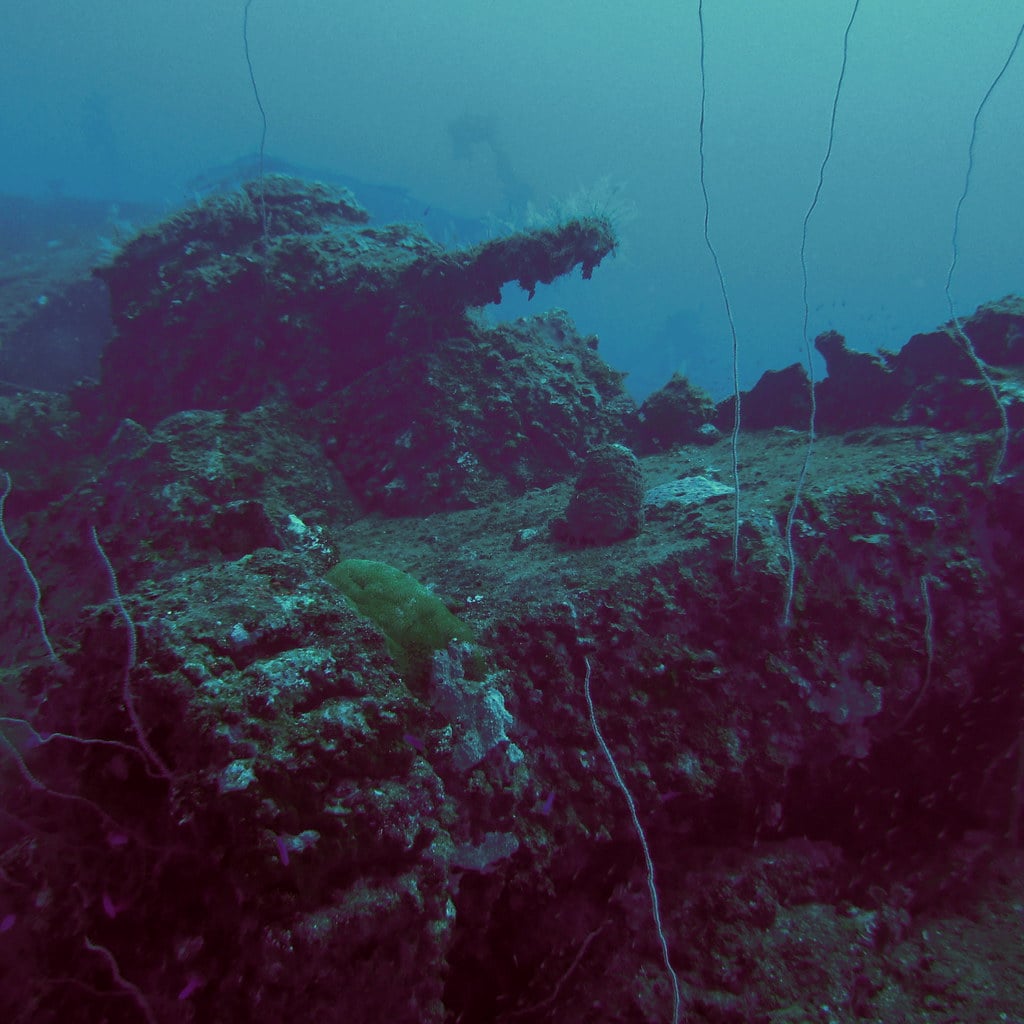
Back in Chuuk Lagoon, the San Francisco Maru represents one of the most challenging and rewarding dives for technical divers. This Japanese cargo ship rests at depths of 165 to 210 feet, requiring advanced training and mixed gases to explore safely.
The payoff includes three tanks on the forward deck, trucks, mines, bombs, and other military cargo remarkably preserved in the deep, dark water. The depth limits bottom time severely, but even brief visits reveal why experienced divers consider this wreck among the world’s most thrilling.
Giannis D
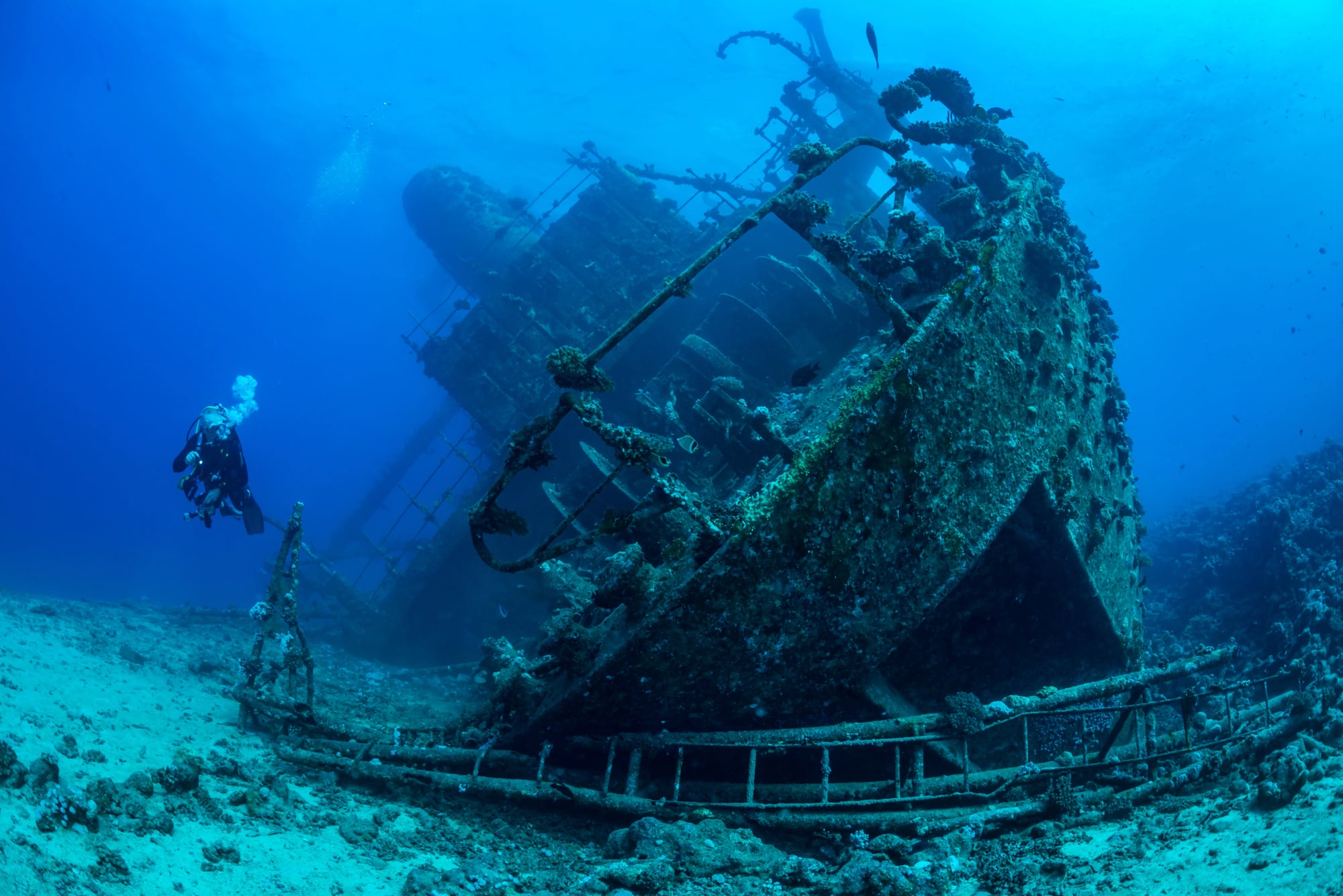
The Giannis D sank in the Red Sea near the Sha’ab Abu Nuhas reef in 1983 after hitting the notorious ‘ship graveyard’ where several vessels have met their end. This Greek cargo ship now rests on its side at depths between 80 and 90 feet, with its hull broken apart to reveal the cargo of lumber it was carrying.
Divers navigate through the tilted corridors and engine room while lionfish, moray eels, and glassfish swarm the interior spaces. The wreck shares the reef with three other sunken ships, making it possible to dive multiple wrecks in one trip.
SS Carnatic
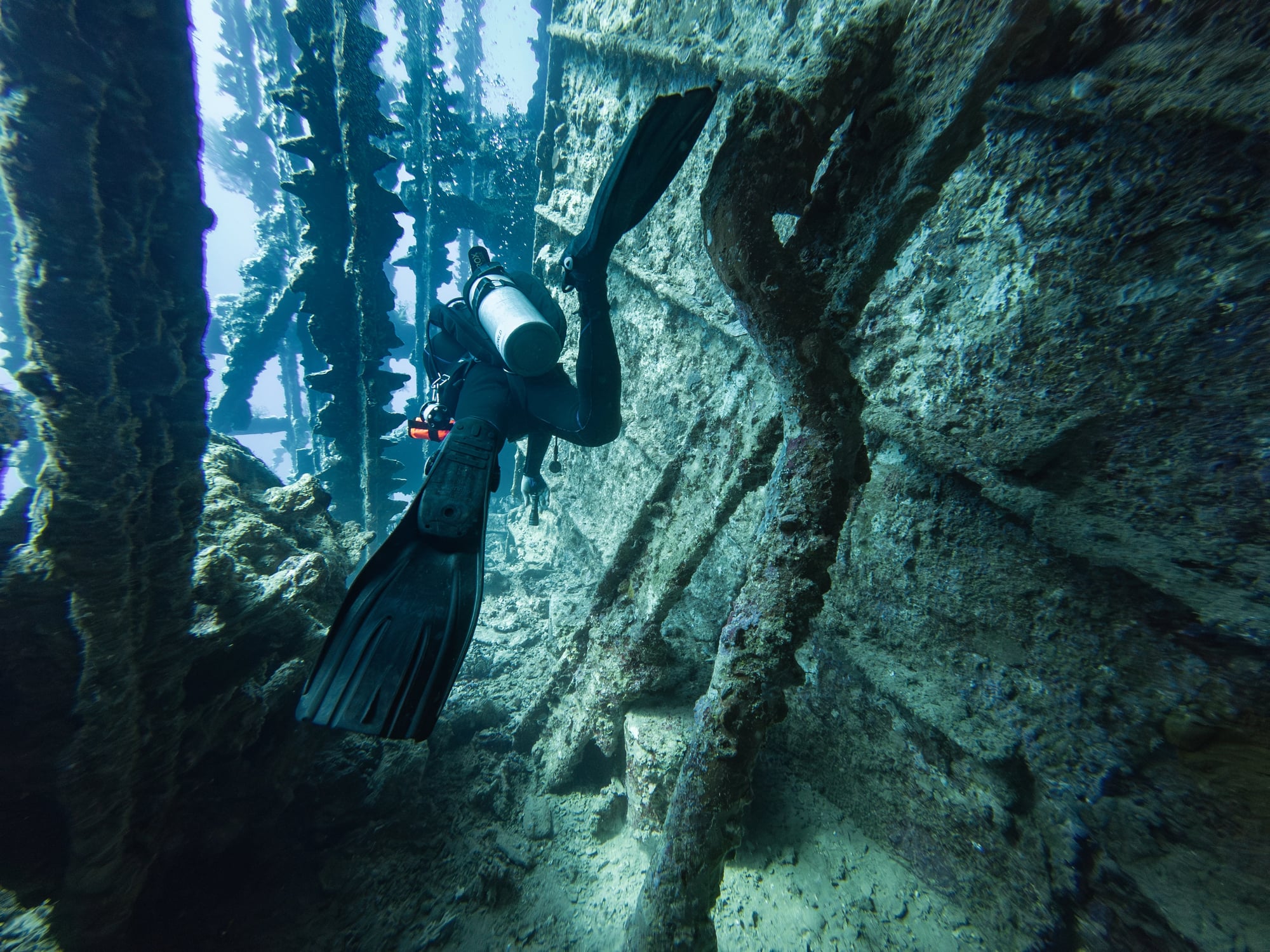
Egypt’s SS Carnatic sank in 1869 after hitting a reef in the Red Sea, making it one of the oldest diveable wrecks in the region. This British steamship carried valuable cargo including gold, which salvagers recovered in the 1960s, but the remaining wreck still fascinates divers.
The wooden hull has largely deteriorated, leaving the iron framework and boilers sitting at 80 feet, completely encrusted with coral. Anthias, butterflyfish, and Napoleon wrasse populate the area, showing how 150 years transforms a disaster into a thriving reef.
Bianca C
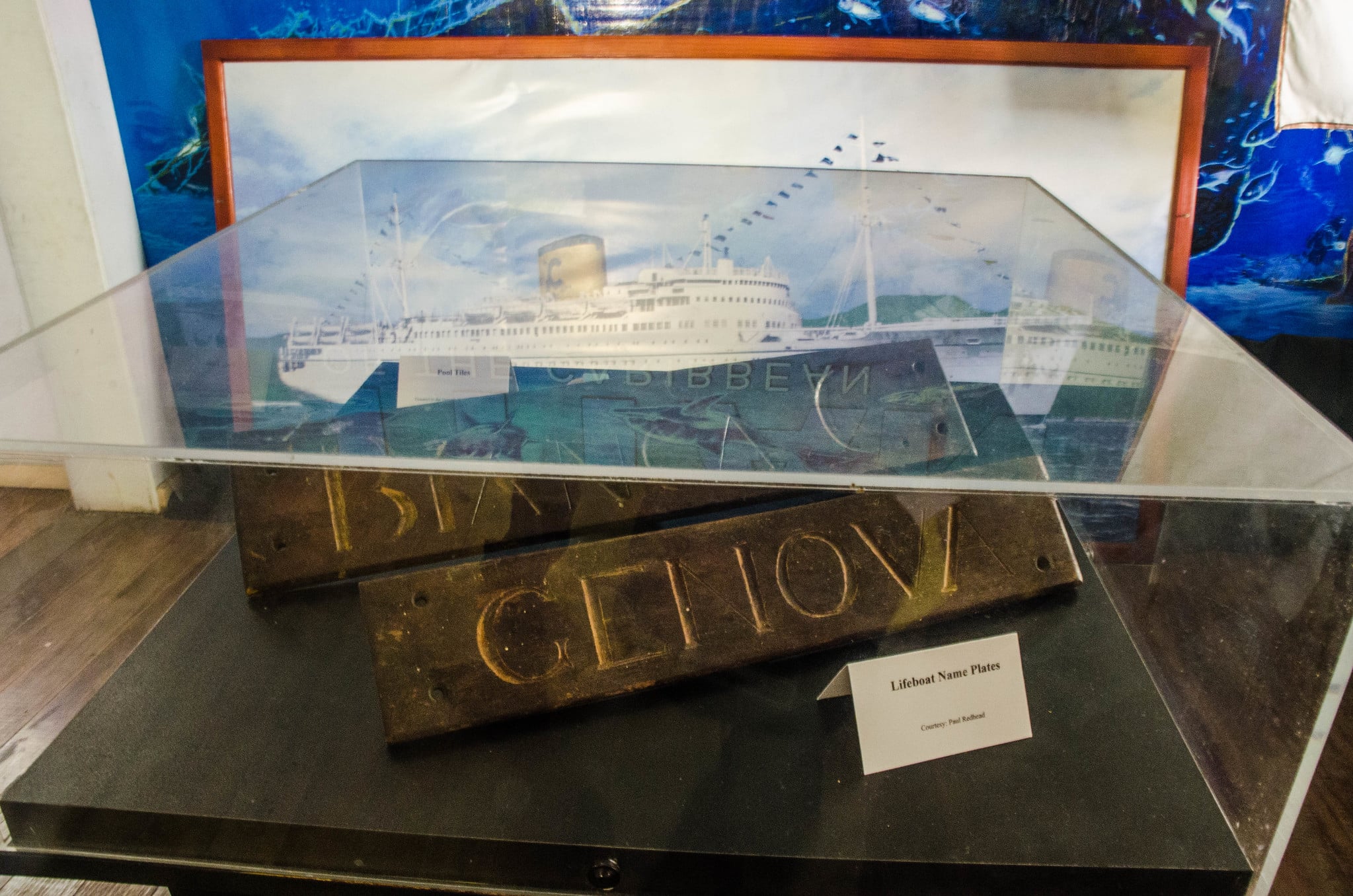
Down went Grenada’s Bianca C in 1961 after fire took hold, later called the ‘Titanic of the Caribbean’ because of how big it was and the intense passenger rescue. Now resting at a depth of 160 feet, only those with advanced training should go near her, although parts of the upper structure start closer to 100 feet down.
Big ocean dwellers like barracuda, sharks, and eagle rays move steadily around the tall remains of the ship’s body. Those diving lower might spot the giant propellers while drifting above the long spine of the vessel’s underside.
The Umbria

Down went Sudan’s Umbria in 1940, swallowed by the Red Sea when her Italian captain chose to sink her rather than hand her over to approaching British troops. Resting tilted today, she stretches across seafloor shelves between thirty and a hundred twenty feet deep – opening herself up piece by piece to every kind of diver who comes.
Within her storage chambers sit old Fiats, crates of wartime ammo, glass jugs still sealed with dust-covered labels, traces of another time kept quiet under saltwater. Her frame remains solid, untouched almost, history locked into rusted steel while coral creeps slowly through open hatches.
Water here stays clear beyond belief, alive with fish that weave around metal beams where divers float like shadows passing through memory.
Where History Meets The Ocean Floor

Down below, sunken structures stand like silent witnesses, holding tight to tales time might erase. Tragedies once lost now form dazzling sites where divers explore – places alive with sea life.
History feels different here, felt through motion rather than glass cases or pages bound in silence. Structures meant for water’s surface find new purpose under it, shaped by currents and creatures alike.
Built for travel or war, they rest now as homes for fish, coral, rusted bones breathing slowly. Their original fate long past, these frames grow into something deeper, quieter, full of unseen change.
More from Go2Tutors!

- The Romanov Crown Jewels and Their Tragic Fate
- 13 Historical Mysteries That Science Still Can’t Solve
- Famous Hoaxes That Fooled the World for Years
- 15 Child Stars with Tragic Adult Lives
- 16 Famous Jewelry Pieces in History
Like Go2Tutors’s content? Follow us on MSN.



