Surprising Facts About The World’s Most Famous Inventors That History Left Out
Most inventor biographies read like sanitized fairy tales. The brilliant mind has a eureka moment, toils away in solitude, and emerges with world-changing technology. Reality was messier, stranger, and far more human than the textbooks suggest. These are the stories that got edited out along the way.
Thomas Edison
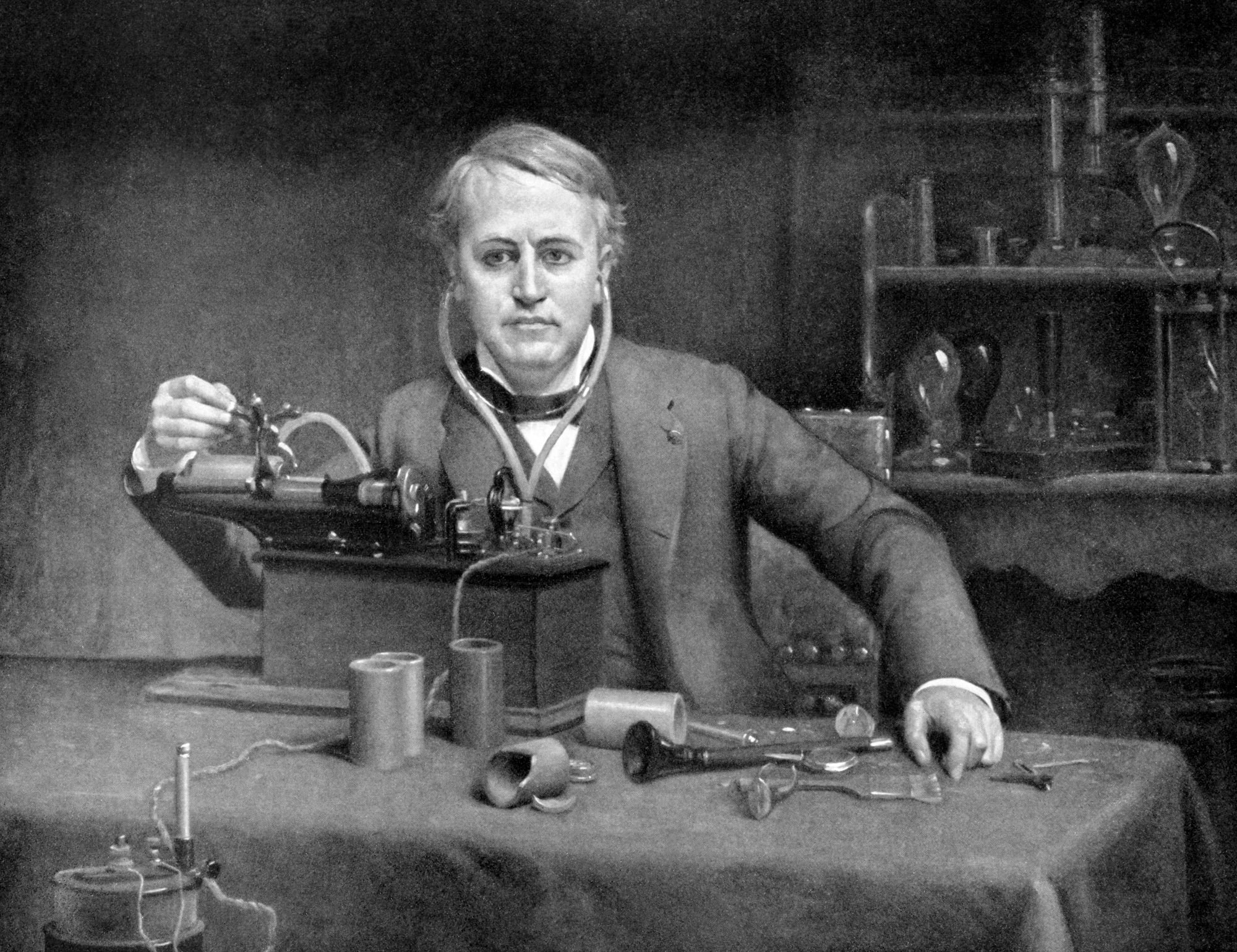
Edison wasn’t actually afraid of the dark, but he had an odd relationship with sleep. The man who revolutionized artificial lighting took power naps standing up, holding steel rounds in his hands.
When he drifted too deep into sleep, the orbs would drop and wake him. He believed this twilight state was where his best ideas lived.
His famous quote about genius being one percent inspiration and ninety-nine percent perspiration? He stole it.
The original came from a French naturalist decades earlier. Edison just had better publicity.
Nikola Tesla
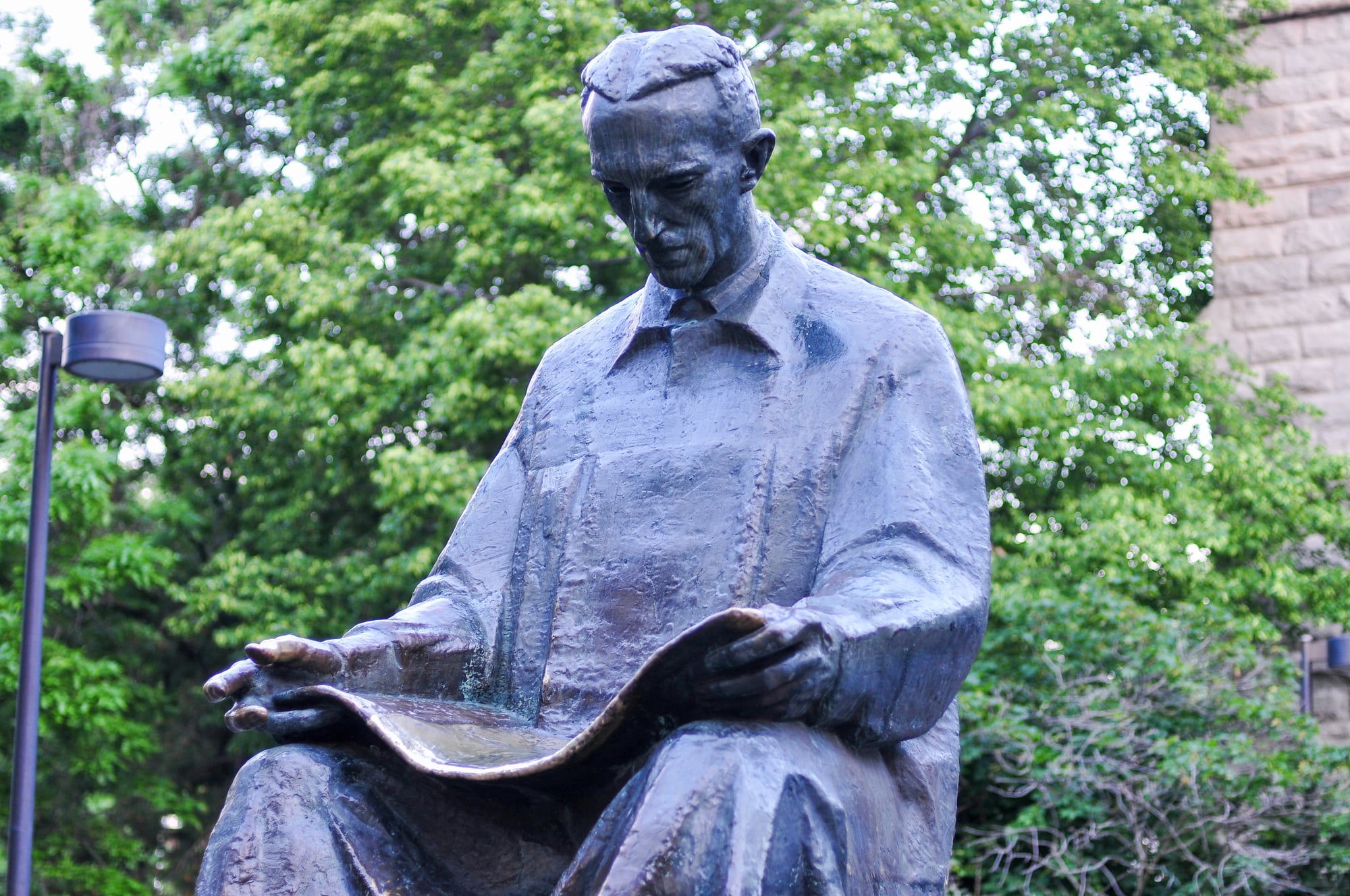
Tesla fell in love with a pigeon. Not metaphorically—he genuinely believed he had a romantic relationship with a specific white pigeon that visited his New York hotel window.
He spent thousands of dollars nursing injured pigeons back to health and claimed this particular bird communicated with him through her eyes.
The man who invented alternating current was also obsessed with the number three. He walked around buildings three times before entering and demanded eighteen napkins at every meal (divisible by three, naturally).
His obsessive-compulsive behaviors were so pronounced that he couldn’t touch anything round.
Alexander Graham Bell
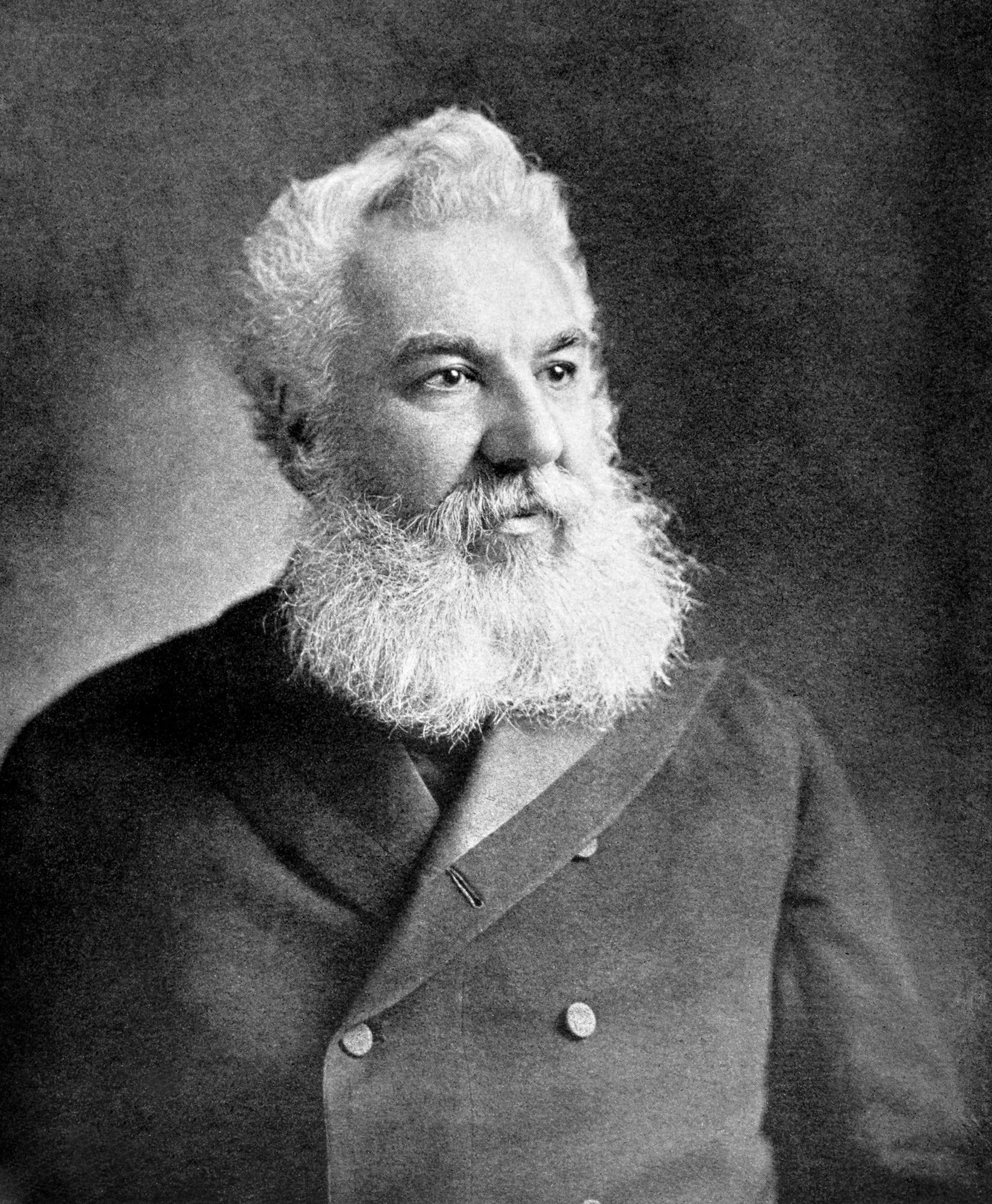
Everyone knows Bell invented the telephone, but few know he considered it his least important work. He was embarrassed by the fame it brought him and preferred to be known for his contributions to deaf education.
Bell’s mother and wife were both deaf, which drove his interest in sound transmission—ironic, considering his most famous invention was about hearing voices across distances.
Bell refused to have a telephone in his study. The constant ringing interrupted his real work.
Benjamin Franklin
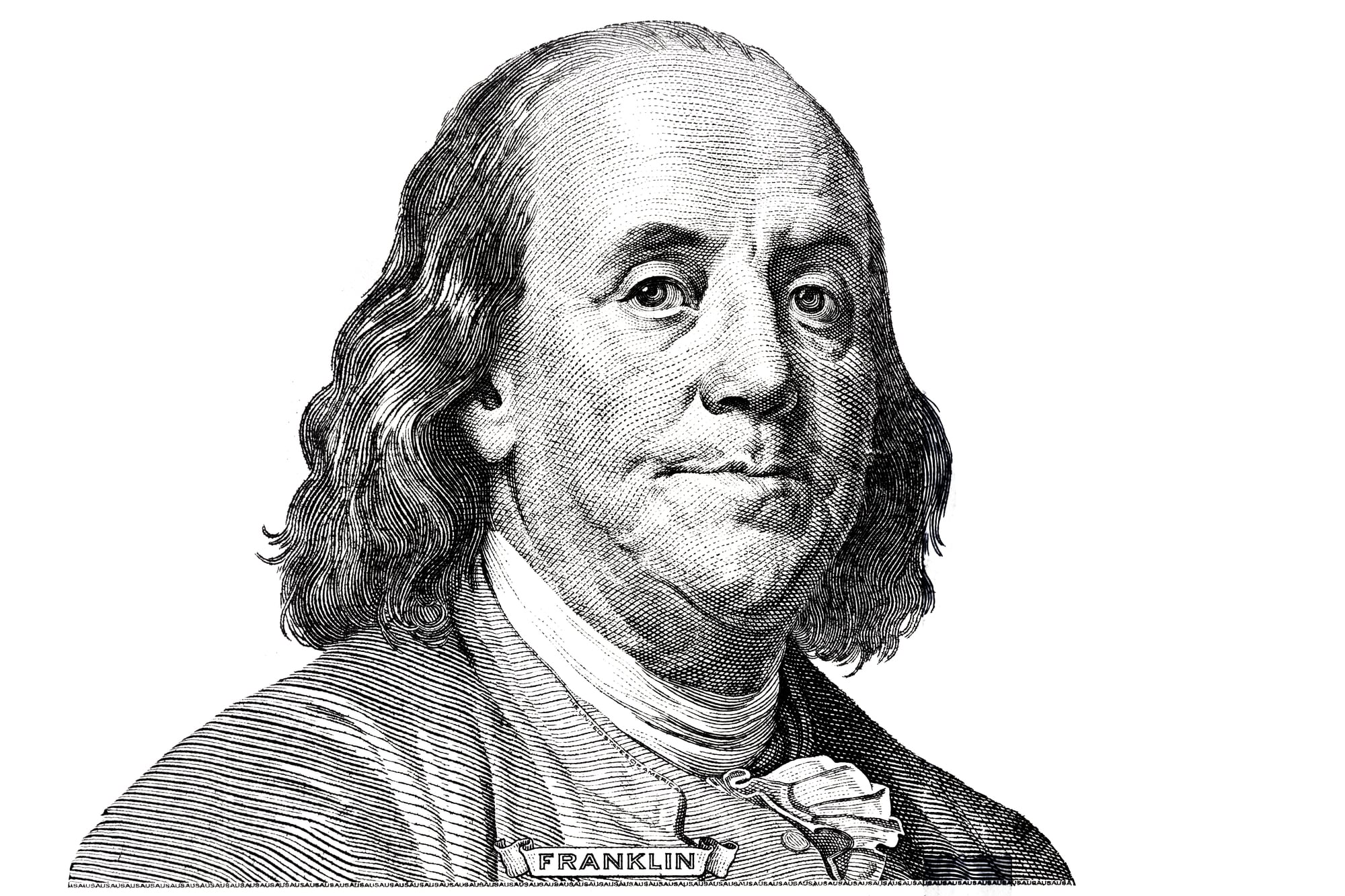
Franklin never actually said “Early to bed and early to rise makes a man healthy, wealthy, and wise”—at least, not sincerely. The line appeared in Poor Richard’s Almanack as satire, mocking the kind of simplistic advice people expected from almanacs.
Franklin himself was a notorious night owl who preferred tavern conversations to early bedtimes.
His famous kite experiment (which may have never happened, according to some historians) wasn’t about discovering electricity—it was about proving that lightning and laboratory sparks were the same phenomenon.
But the mythologized version of a man discovering electricity from scratch makes for better storytelling, so that’s what stuck in textbooks across America, even though Franklin himself wrote extensively about electrical experiments that preceded his alleged kite adventure, making it clear he already understood far more about electrical principles than the popular story suggests.
Steve Jobs

The garage where Apple supposedly started wasn’t really a workspace—it was storage. Jobs and Wozniak did most of their early development in bedrooms and the family living room.
The garage origin story was crafted later for its symbolic power. Every tech startup needed a humble beginning.
Jobs was also a fruitarian for periods of his life, believing that eating only fruit would eliminate the need for regular bathing.
His colleagues at Atari disagreed strongly enough to put him on the night shift to avoid the smell.
Marie Curie
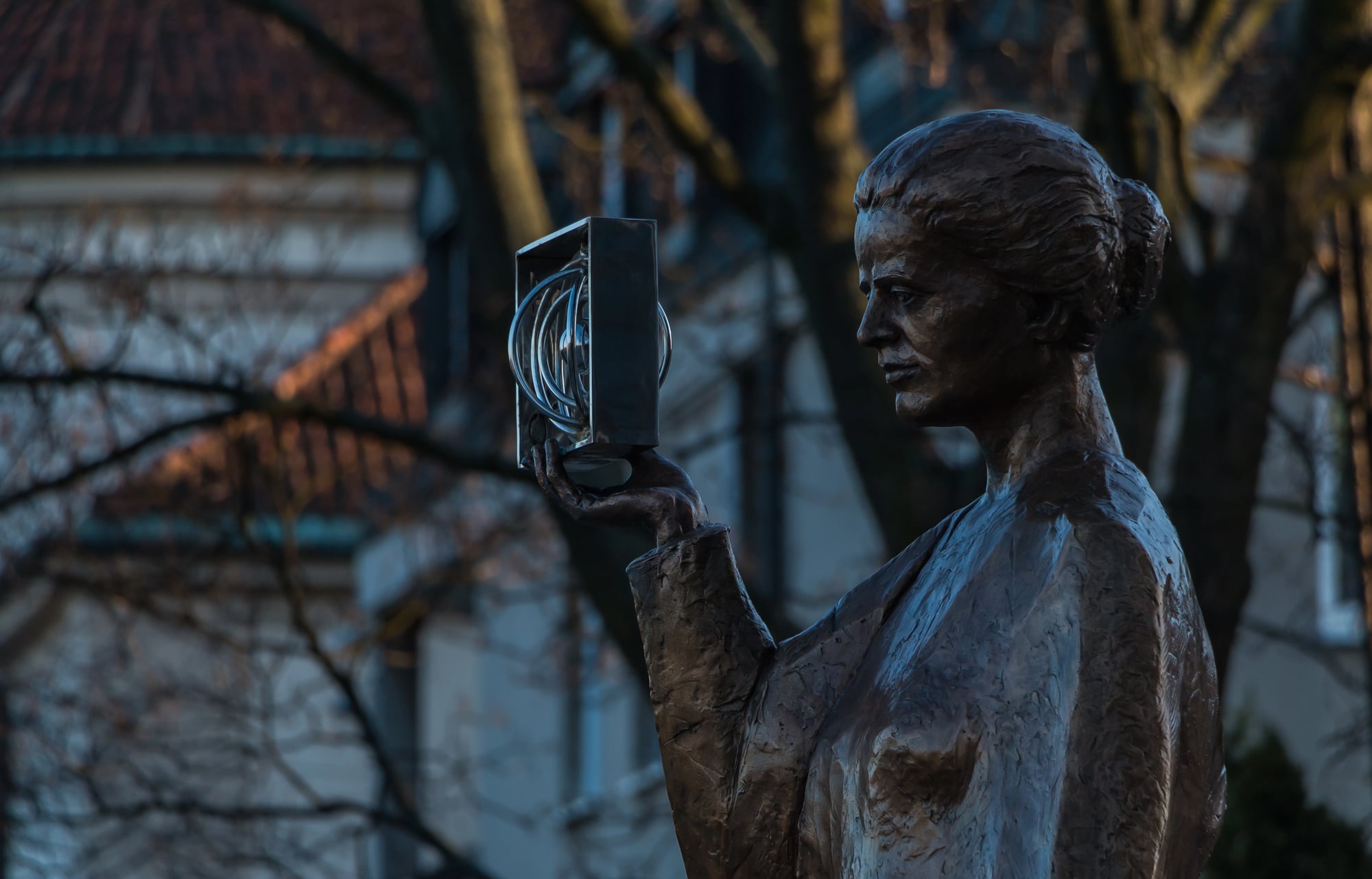
Curie’s laboratory notebooks are still radioactive and will remain so for another 1,500 years. Anyone wanting to view them must sign a waiver and wear protective equipment.
She carried test tubes of radium in her pockets because she found the green glow beautiful, not understanding the danger.
The Nobel Committee initially planned to honor only her husband Pierre and Henri Becquerel for their work on radioactivity. Pierre insisted Marie be included, threatening to decline the award otherwise.
She became the first woman to win a Nobel Prize because her husband demanded it.
Wright Brothers
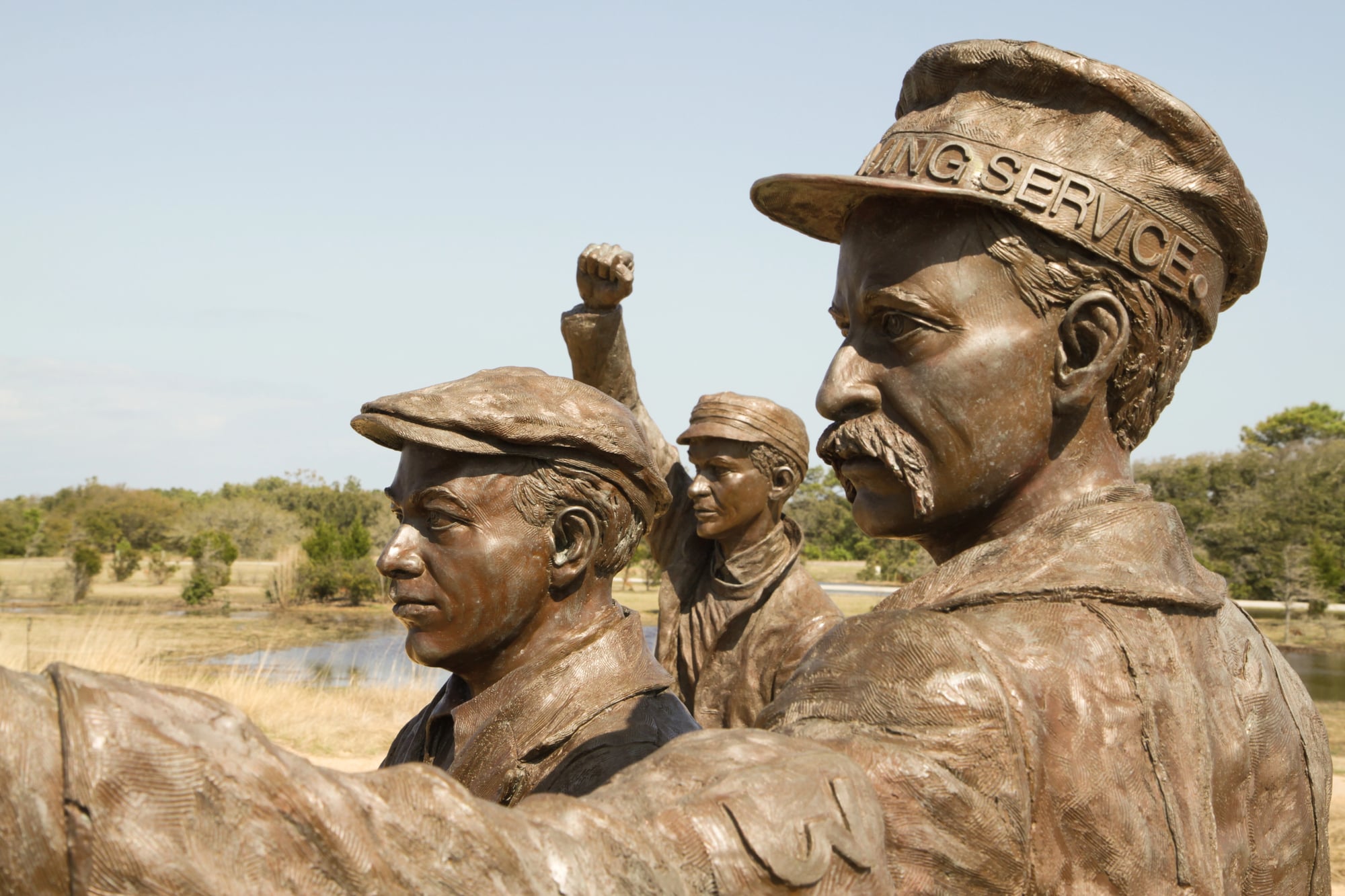
The Wright brothers never flew together until 1910—seven years after their first flight. Their father had asked them not to fly together to avoid the risk of both dying in the same accident.
When they finally did fly together, their father was there to see it. Orville took Wilbur up for six minutes on May 25, 1910.
Wilbur lived only two more years, dying of typhoid fever. Orville, who outlived his brother by 36 years, claimed he never truly enjoyed flying after Wilbur’s death.
Leonardo da Vinci
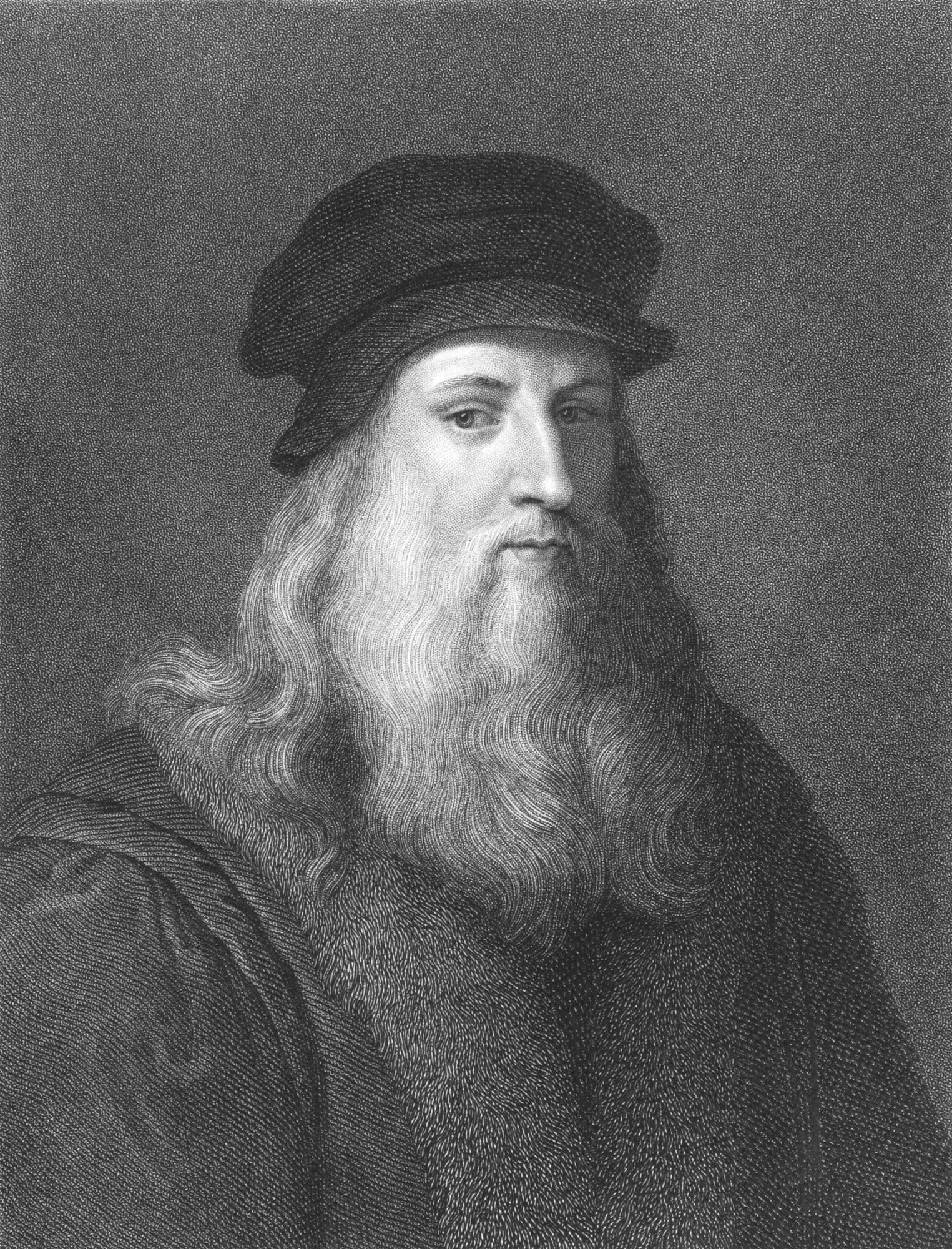
Da Vinci wrote backwards, from right to left, in mirror script. Most people assume this was to keep his ideas secret, but it was likely just more comfortable.
He was left-handed, and writing left-to-right with ink often resulted in smudging. His backwards writing was simply practical.
Many of his famous inventions—the helicopter, the tank, the parachute—were never intended to be built.
They were thought experiments, ways of working through mechanical principles on paper. Da Vinci understood that the materials and power sources of his time couldn’t support most of his designs.
Archimedes
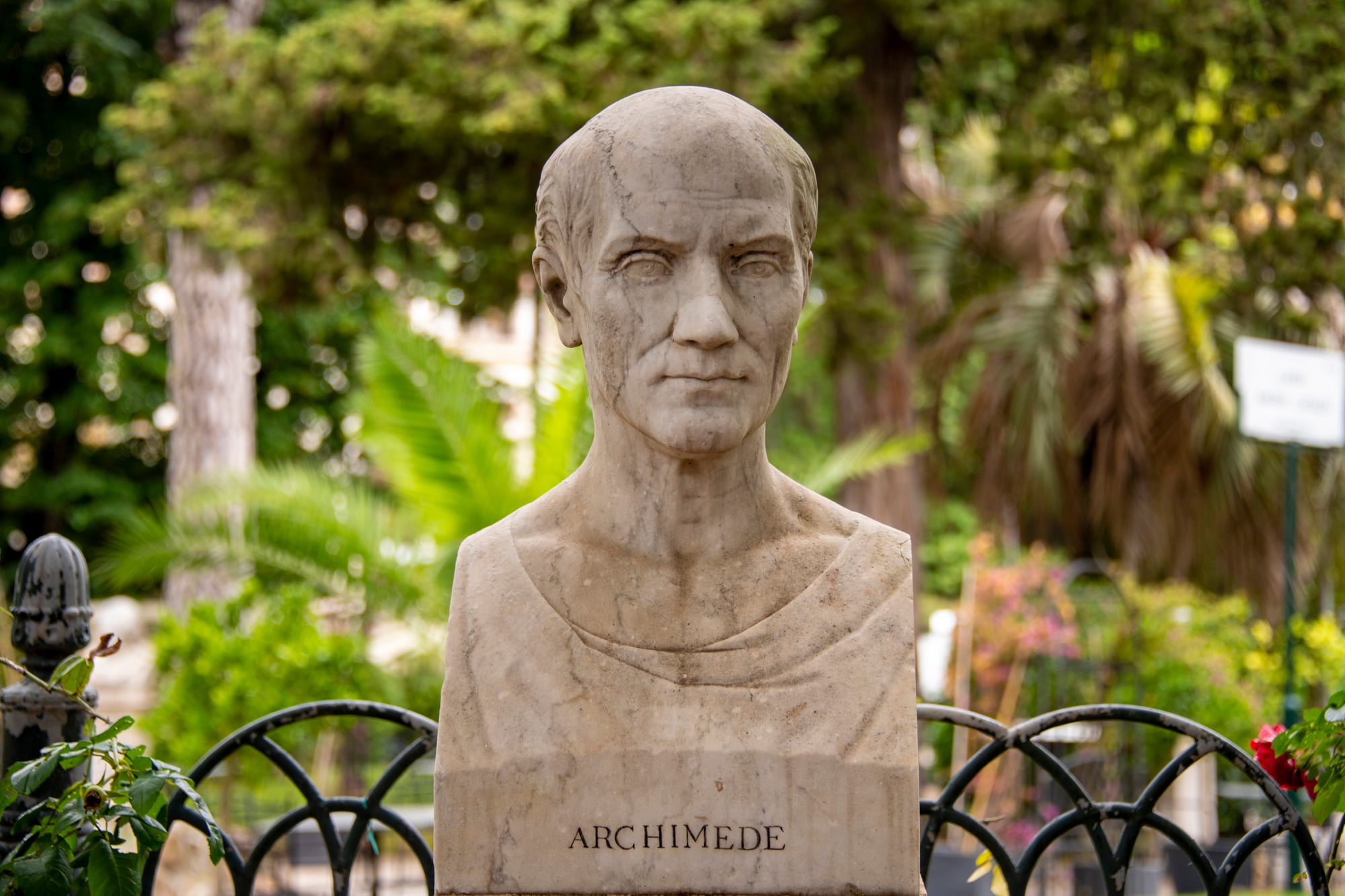
The “Eureka!” moment in the bathtub is almost certainly fiction. The story first appeared in Roman writings centuries after Archimedes’ death and reads more like a parable about scientific discovery than historical fact.
Archimedes never wrote about having any bathtub revelation, despite documenting his other discoveries in detail.
He did, however, become so absorbed in mathematical problems that he often forgot to eat or bathe.
During the Roman siege of Syracuse, he was reportedly drawing geometric figures in the sand when a soldier found and killed him.
Galileo Galilei
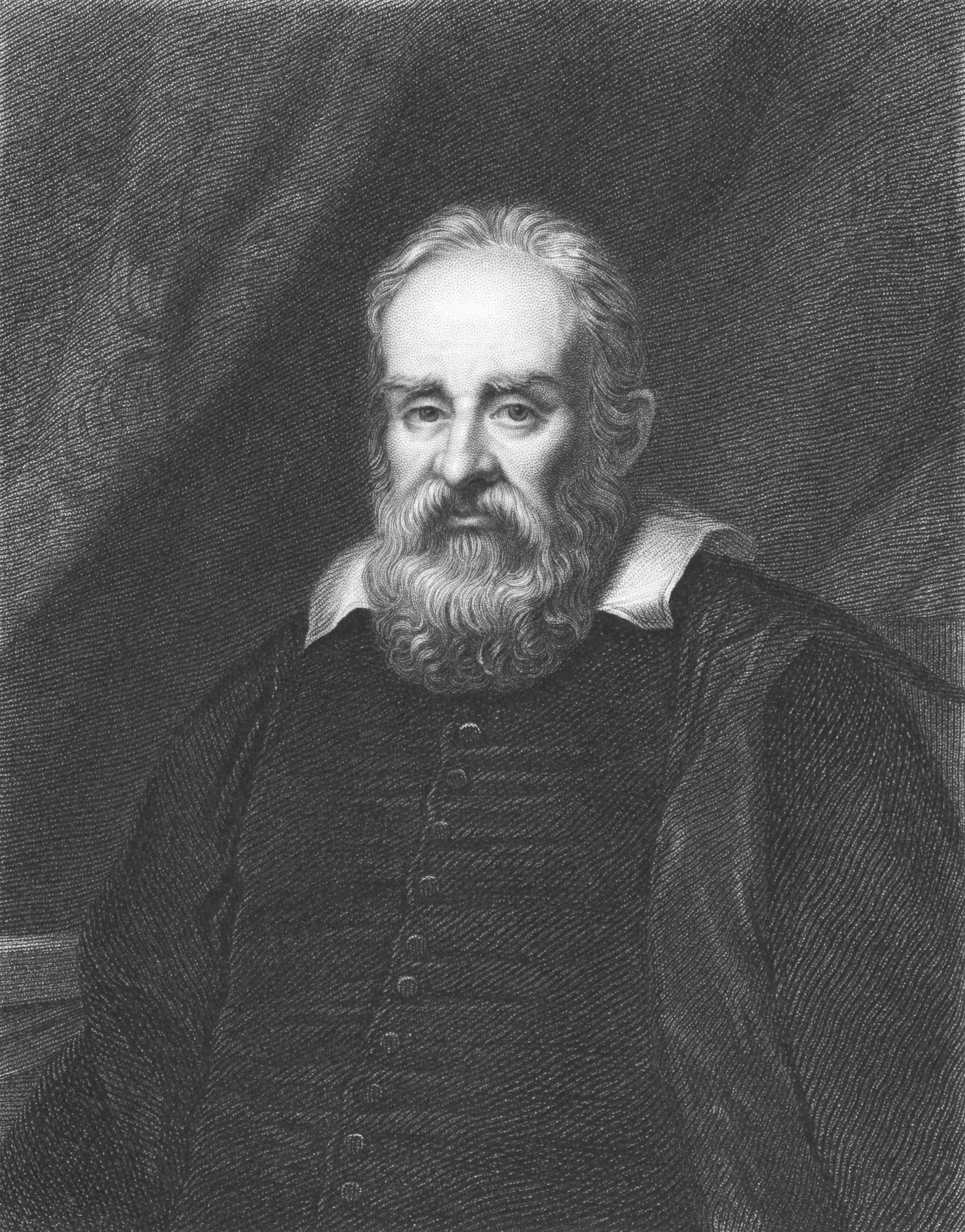
Galileo didn’t actually drop objects from the Leaning Tower of Pisa to demonstrate that different weights fall at the same rate. This story was invented by his student and first biographer, who thought it made for a more dramatic narrative.
Galileo’s actual experiments involved rolling orbs down inclined planes—less theatrical but more precise.
The Catholic Church’s persecution of Galileo had as much to do with his abrasive personality as his scientific claims.
He had a talent for making enemies and insulting people in positions of power, which didn’t help his case when his ideas challenged church doctrine.
Alexander Fleming
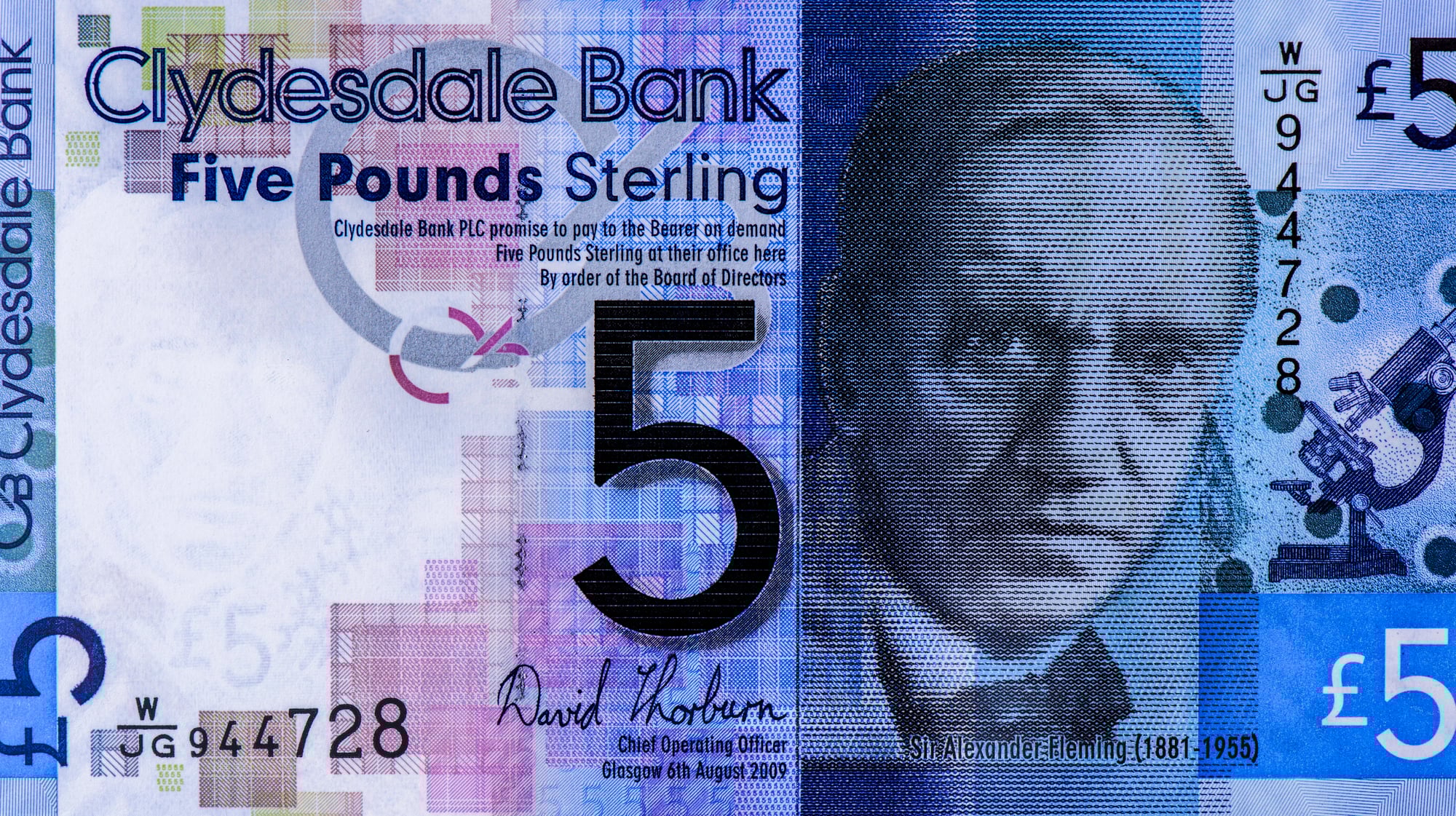
Fleming discovered penicillin by accident, but not in the neat way most stories tell it. He didn’t just notice that mold had killed bacteria in a petri dish and immediately realize its significance.
He actually discarded most of his contaminated cultures initially. Only later, when showing a colleague around his messy laboratory, did he pull one dish out of a pile of discarded experiments.
They looked at it more closely and realized what had happened. Fleming was also a terrible communicator.
His first paper on penicillin was so poorly written and unpersuasive that it was largely ignored for a decade.
Johannes Gutenberg
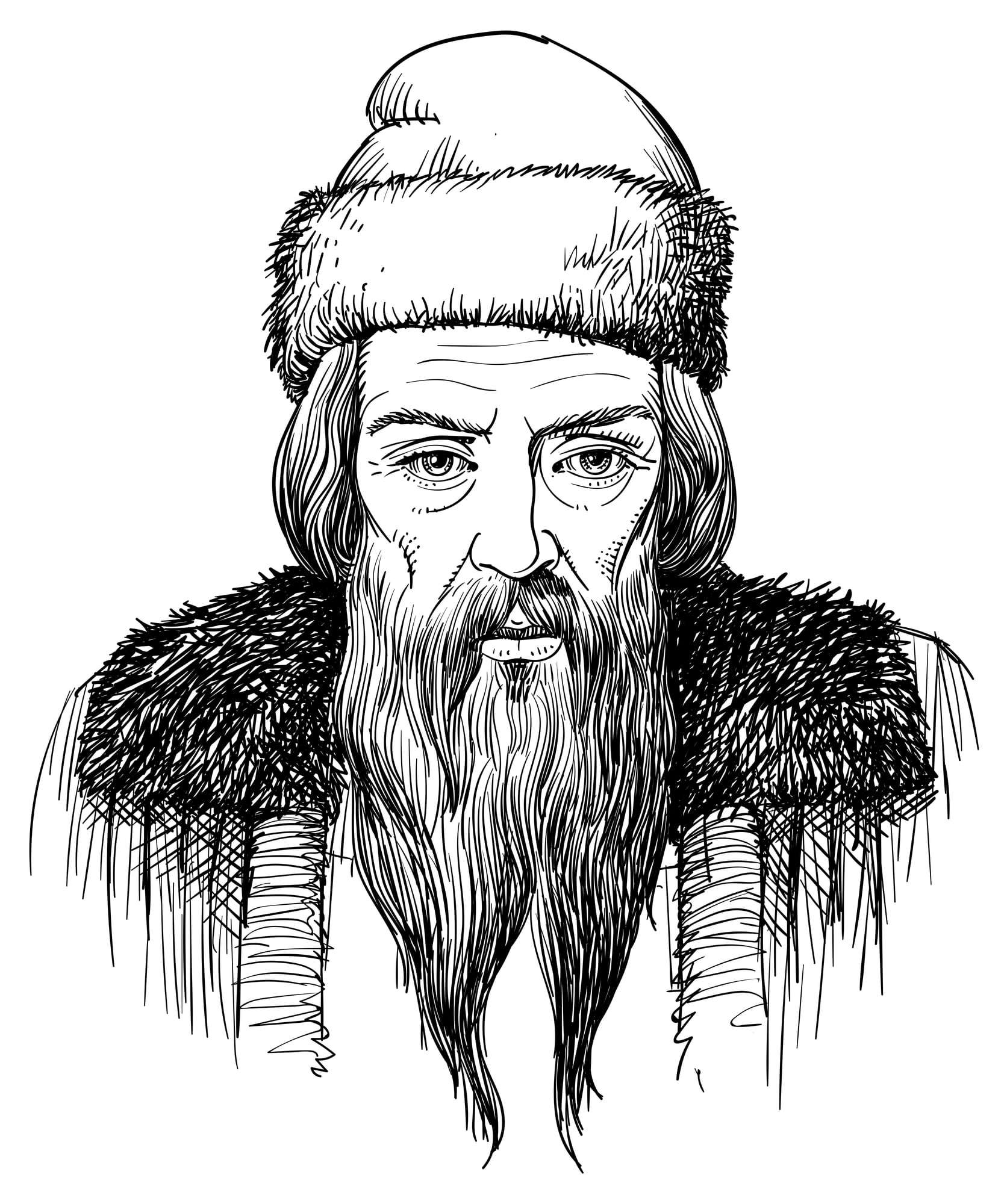
Gutenberg didn’t invent movable type—that distinction belongs to Chinese inventor Bi Sheng, who created movable clay type 400 years earlier. Gutenberg’s innovation was creating a practical system for mass production using metal type and oil-based ink.
But “perfected existing technology” doesn’t have the same ring as “invented the printing press.” He went broke trying to perfect his printing system and lost control of his workshop to creditors.
Gutenberg never profited from the technology that changed the world.
Charles Darwin
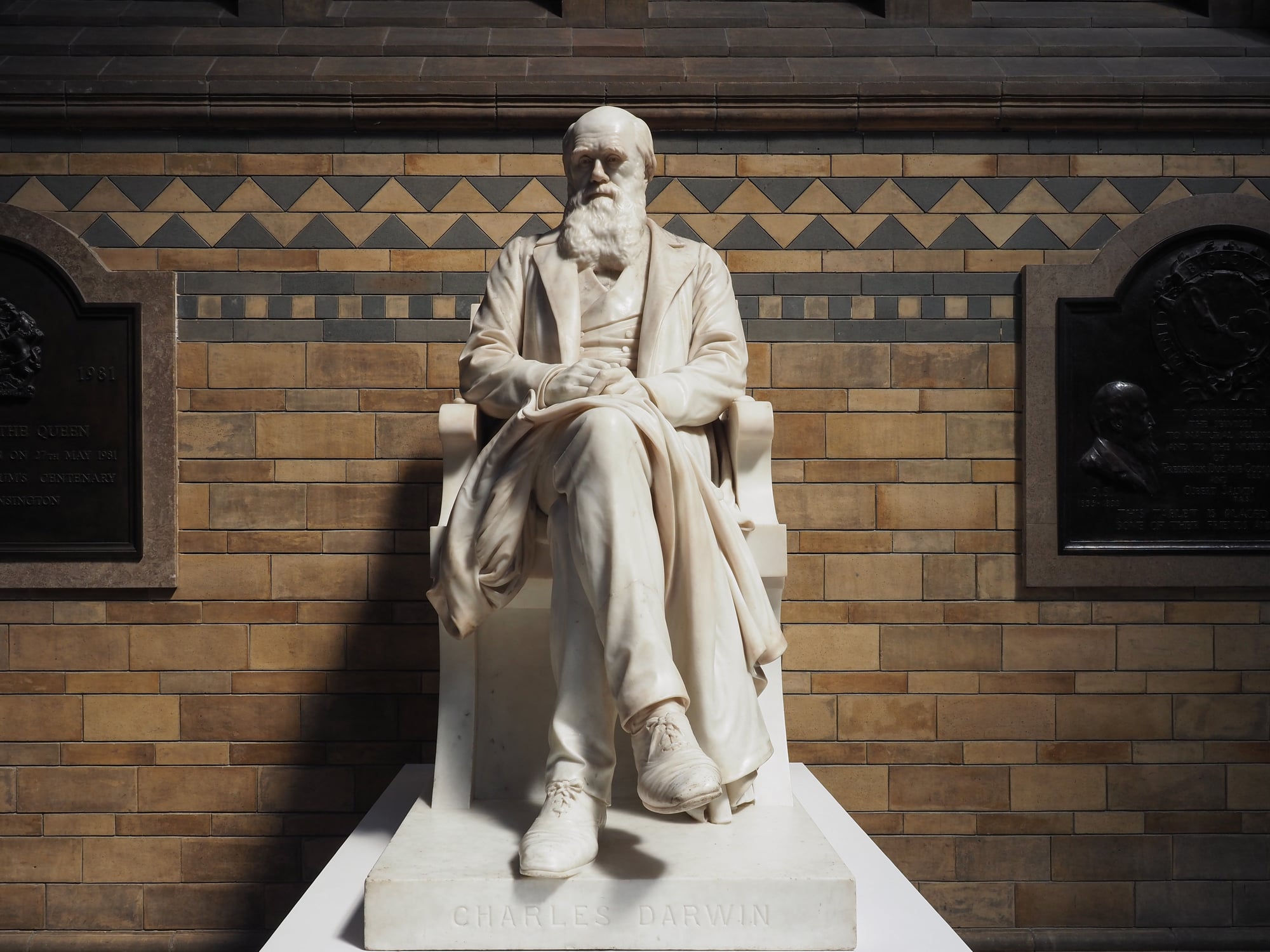
Darwin sat on his theory of evolution for over twenty years before publishing, not because he was perfecting it, but because he was terrified of the reaction.
He called it “like confessing a murder” in letters to friends. Only when Alfred Russel Wallace independently arrived at similar conclusions did Darwin finally publish, afraid of being scooped.
Darwin was also chronically ill for most of his adult life with mysterious symptoms that modern doctors think might have been anxiety or panic disorder brought on by the stress of his controversial ideas.
When Legends Meet Humanity
These gaps in the official stories aren’t flaws to be corrected—they’re reminders that breakthrough thinking comes from people wrestling with the same messy realities everyone else faces.
The inventor who changed how the world communicates was uncomfortable with his own creation. The woman who won Nobel Prizes carried poison in her pockets because it looked pretty. The man who gave us alternating current talked to birds.
Perfect heroes make for tidy textbooks, but real inventors were shaped by obsessions, accidents, and ordinary human weirdness. Their breakthroughs happened not despite these quirks, but often because of them.
More from Go2Tutors!

- The Romanov Crown Jewels and Their Tragic Fate
- 13 Historical Mysteries That Science Still Can’t Solve
- Famous Hoaxes That Fooled the World for Years
- 15 Child Stars with Tragic Adult Lives
- 16 Famous Jewelry Pieces in History
Like Go2Tutors’s content? Follow us on MSN.