Surprising Historical Last Events
History tends to focus on firsts — the first flight, the first step on the moon, the first television broadcast. But there’s something quietly fascinating about the final moments of things that once defined entire eras.
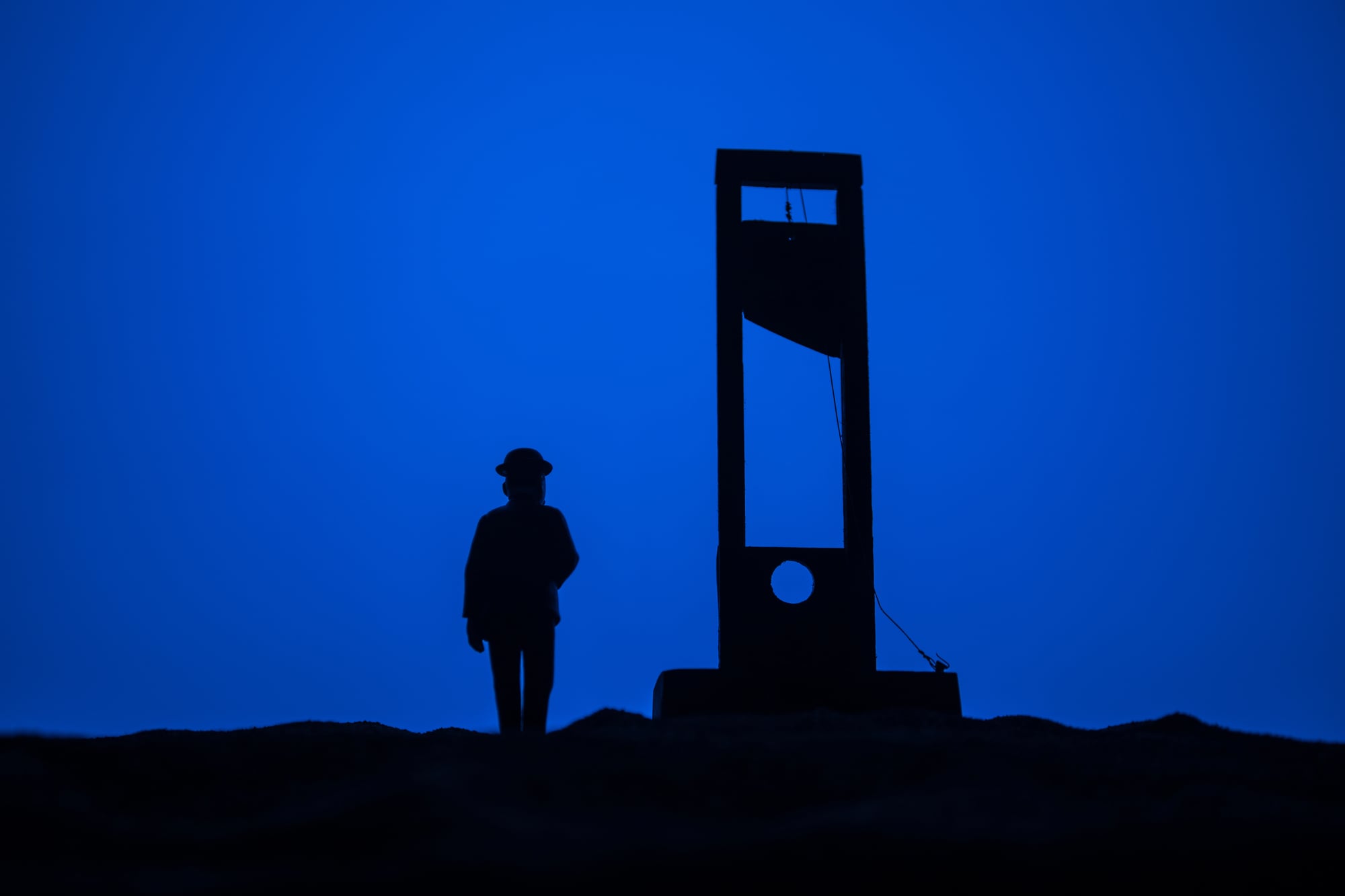
The last telegram sent. The final execution by guillotine.
The closing of the last drive-in theater in a town that once had twelve. These endings often slip by unnoticed, marked only by a date in some dusty record book, yet they represent the true close of one chapter before another begins.
The Last Public Execution in America

Rainey Bethea was hanged in Owensboro, Kentucky on August 14, 1936. Twenty thousand people showed up to watch.
The crowd treated it like a carnival — vendors sold popcorn and lemonade while children sat on their fathers’ shoulders for a better view. After that day, states quietly moved executions behind prison walls. The spectacle had become too much even for 1930s America.
The Final Morse Code Message from a Commercial Ship

The French station FFU sent its last commercial Morse code transmission on January 31, 1997. The message was simple: “Calling all. This is our last cry before our eternal silence.”
After 160 years of dots and dashes crossing oceans, the age of Morse code ended not with drama but with a quiet acknowledgment that satellites had made it obsolete. Ships still carry Morse equipment for emergencies, but nobody really expects to use it.
The Last Pony Express Delivery
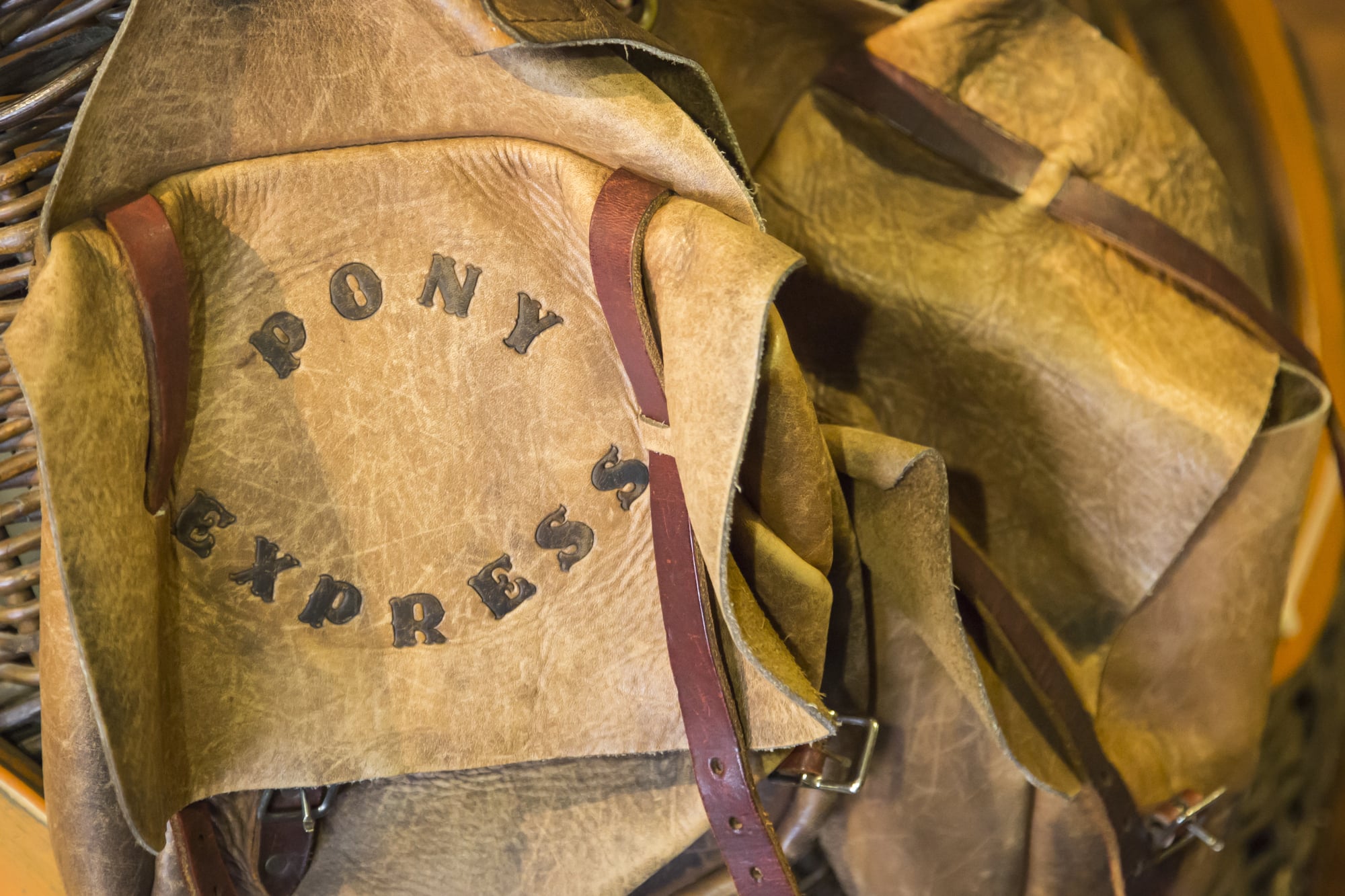
The transcontinental telegraph was completed on October 24, 1861, which (as anyone who has thought about this for more than five minutes will realize) made the Pony Express instantly pointless — why wait ten days for a message to travel from Missouri to California when you could send it in minutes? And yet the romance of young riders crossing impossible terrain at breakneck speed had captured the country’s imagination so completely that the service had become, in barely eighteen months of operation, something approaching mythology.
But mythology doesn’t pay the bills. The last rider delivered his final message two days later, and the company folded so quickly that most of its riders learned they were unemployed from newspaper reports rather than any official announcement.
The Final Dodo Bird Sighting
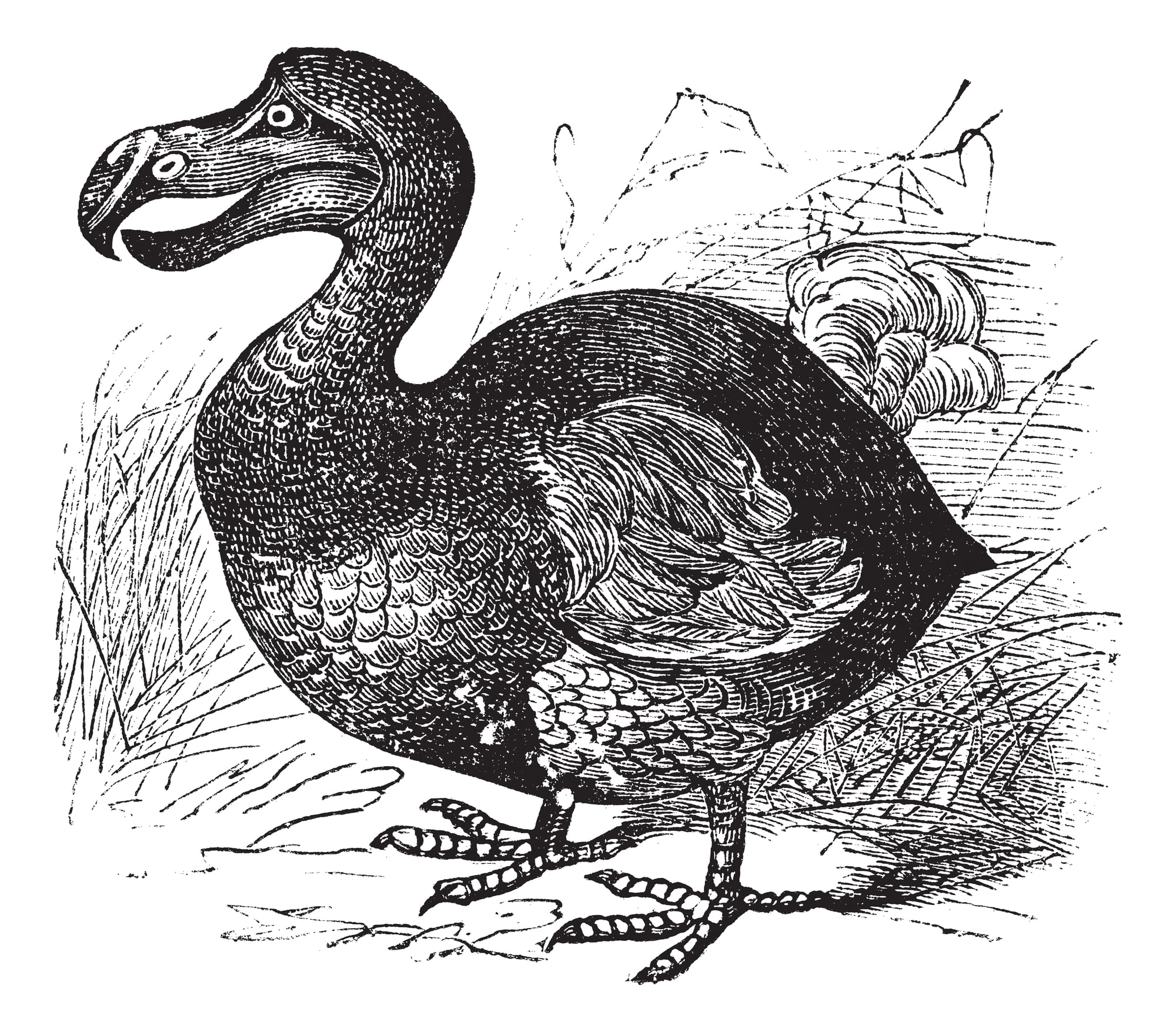
Think about being the person who saw the last dodo bird, sometime around 1662 on the island of Mauritius. You probably had no idea what you were witnessing.
There was no ceremony, no awareness that an entire species was about to vanish. Just another Tuesday afternoon, another awkward flightless bird wandering through the underbrush, unaware that sailors and their imported pigs had already sealed its fate.
The Last Blockbuster Video Store
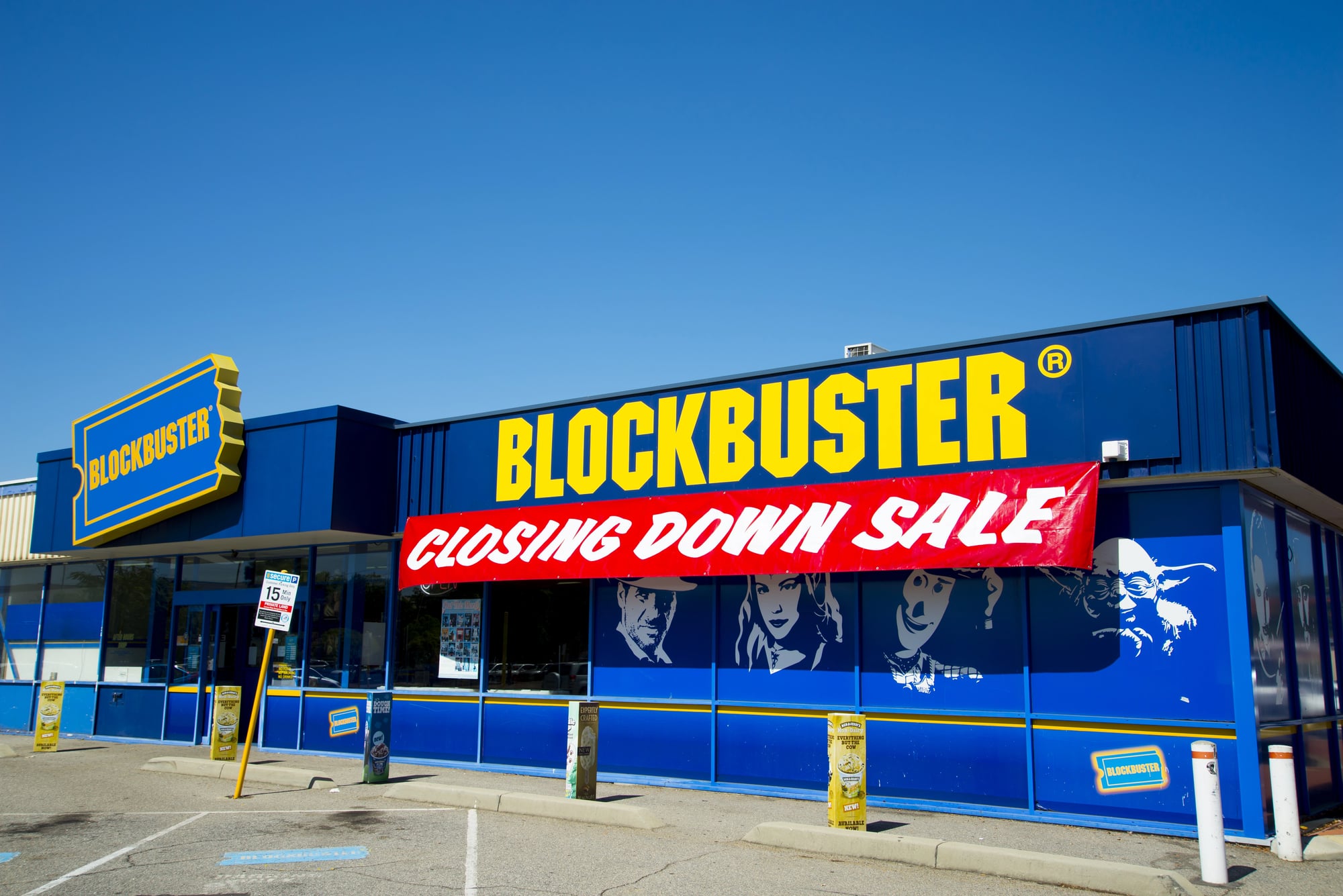
The final Blockbuster closed in Bend, Oregon in 2019. It had become a tourist attraction by then — people drove hundreds of miles to rent a DVD the way their grandparents might have visited a frontier town.
The store kept operating partly out of stubbornness and partly because the manager genuinely enjoyed recommending movies to customers who remembered when that was how Friday nights began. Netflix killed Blockbuster, but nostalgia kept one location breathing for years longer than anyone expected.
The Final Woolly Mammoth Population
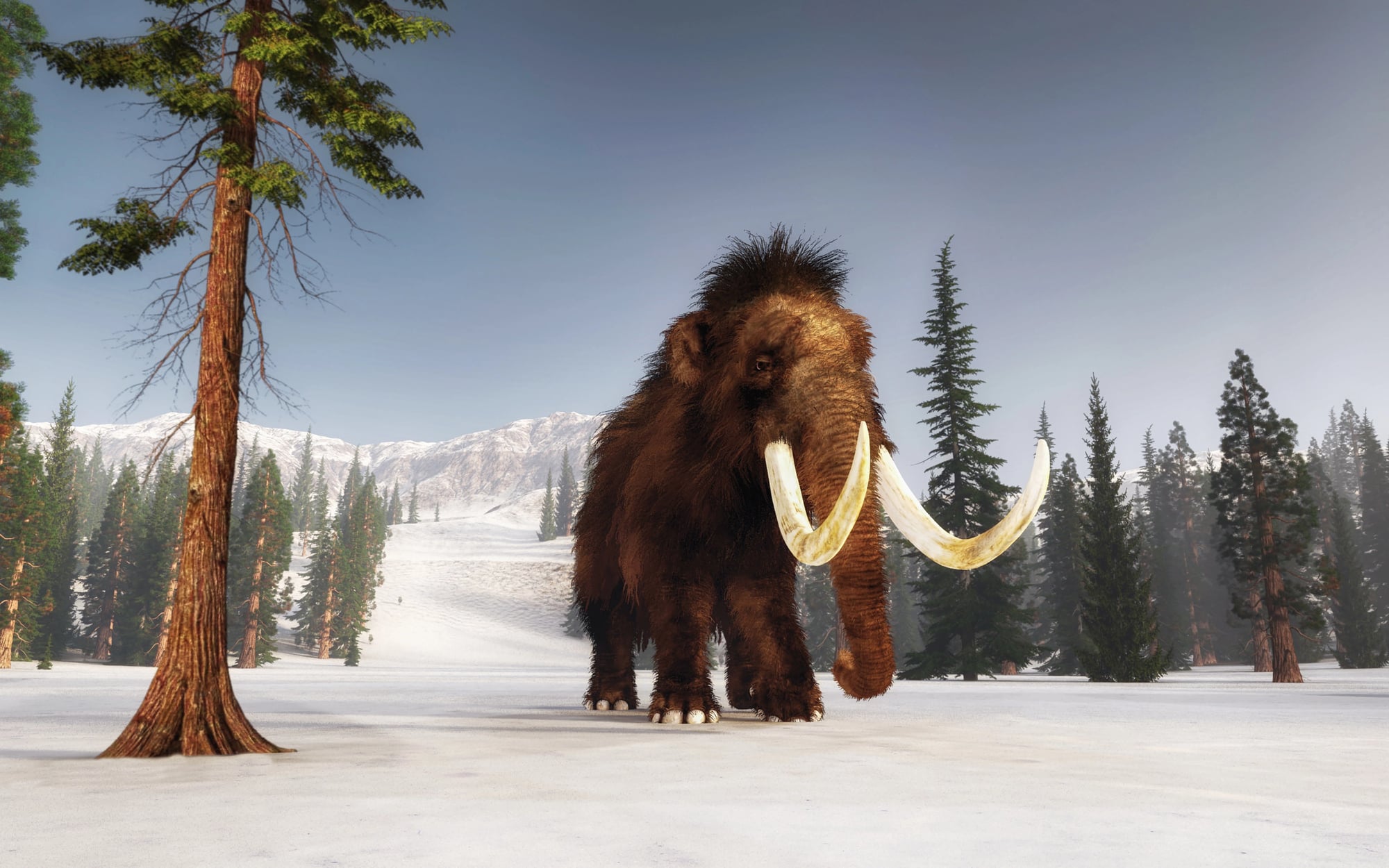
Woolly mammoths survived on Wrangel Island until about 4,000 years ago — which means they were still roaming around when the pyramids were already ancient history. This tiny population of perhaps 500 to 1,000 mammoths lived in isolation while the rest of the world moved into the Bronze Age.
So humans were developing written language and complex civilizations while these last mammoths grazed on Arctic grass, completely unaware that their mainland cousins had been extinct for thousands of years. Climate change and genetic bottlenecking eventually finished what the Ice Age had started, but the timeline puts everything in strange perspective: the pharaohs could have theoretically ordered ivory from living mammoths.
The Last Manual Telephone Operator Connection

The final manual telephone connection in the United States was completed in 1983 in Bryant Pond, Maine. Ila Page, the last operator, had been connecting calls by hand for decades — lifting plugs, inserting jacks, asking “Number, please?” in the same patient voice.
When the automated system finally took over, she said it felt like watching a neighbor move away. Most people had forgotten that human hands once guided every phone call.
The Final Telegram Sent by Western Union

Western Union delivered its last telegram on January 27, 2006. The message was anticlimactic — something about a birthday party.
For 155 years, telegrams had carried the most urgent news: declarations of war, death notices, marriage proposals. The format had become synonymous with brevity and importance. But email and cell phones made telegrams feel quaint rather than essential, and the company quietly discontinued the service without much fanfare.
The Last Thylacine in Captivity
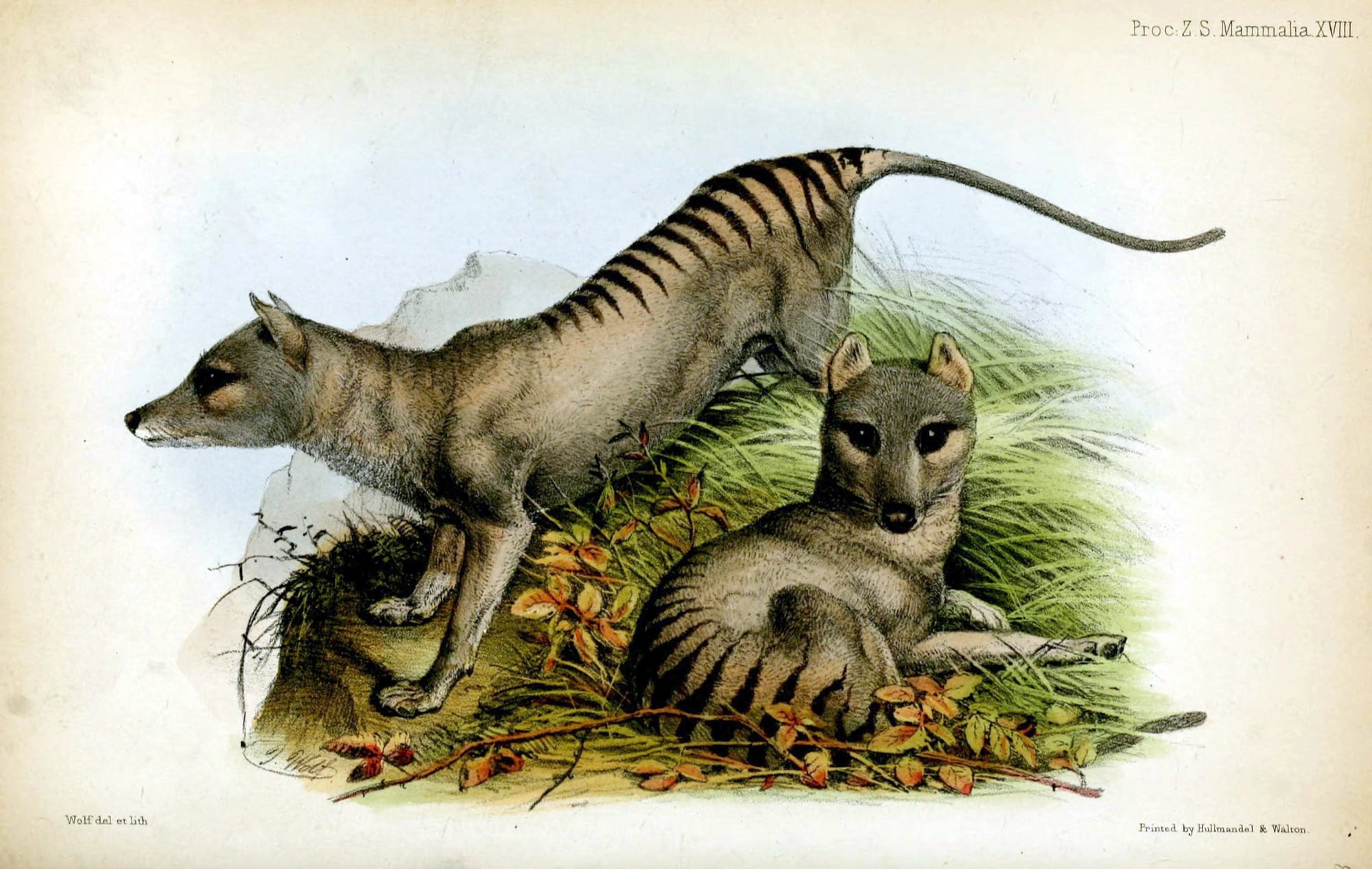
Benjamin, the last known Tasmanian tiger, died at Hobart Zoo on September 7, 1936. He had been alone in his enclosure for years — the last member of a species that had once roamed across Australia and Tasmania.
Zoo records show that Benjamin died of neglect; his keeper had been locked out of the enclosure during an unusually cold night. The extinction of an entire species came down to a forgotten key and dropping temperatures.
The Final Public Use of the Guillotine
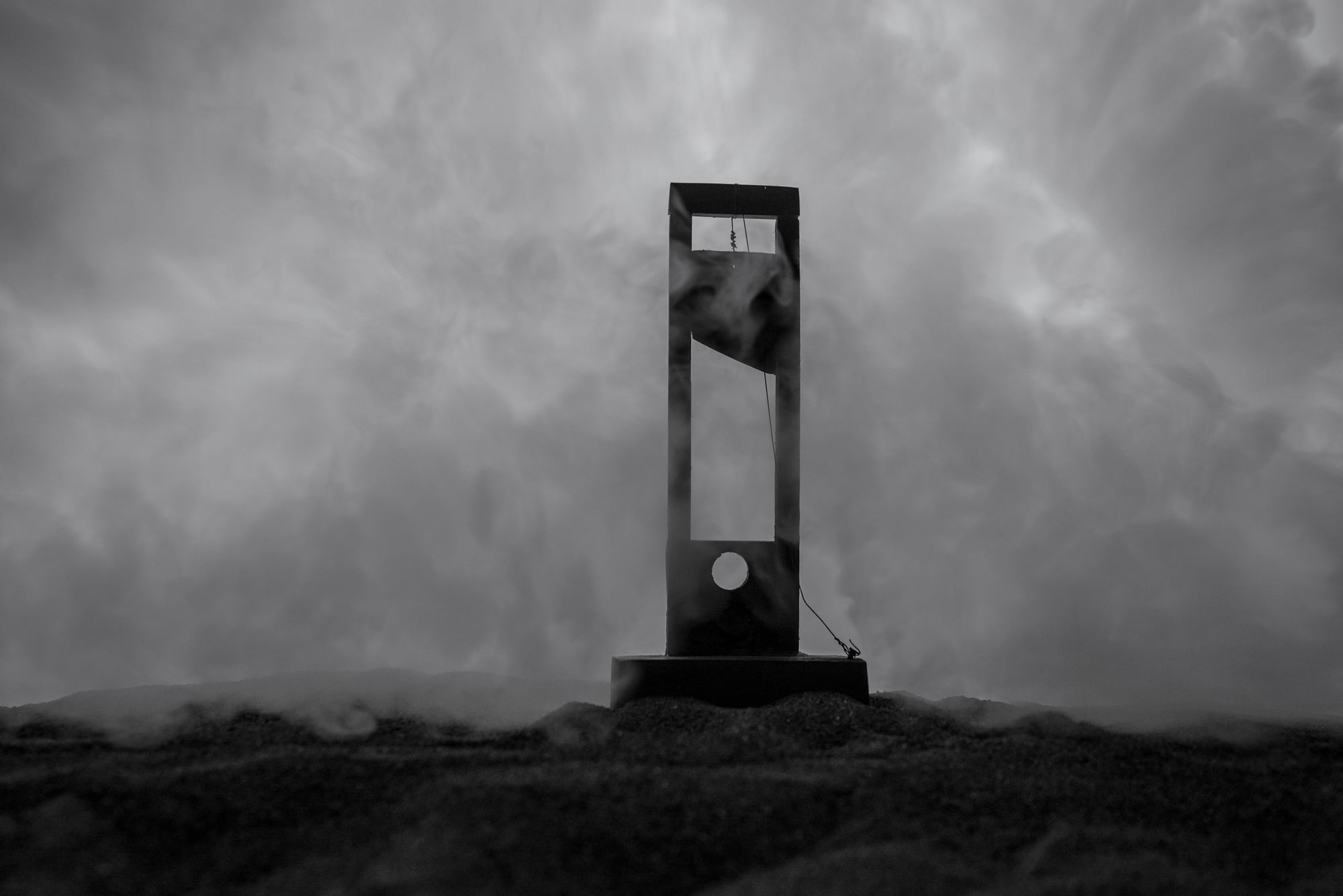
Hamida Djandoubi was executed by guillotine in France on September 10, 1977. Star Wars had been in theaters for months. The Bee Gees were dominating radio.
And France was still using a device invented during the French Revolution to carry out capital punishment. The contrast between the modernity of late-1970s Europe and this medieval-seeming ritual was so jarring that France abolished the death penalty entirely just four years later.
The Last Wild California Grizzly Bear
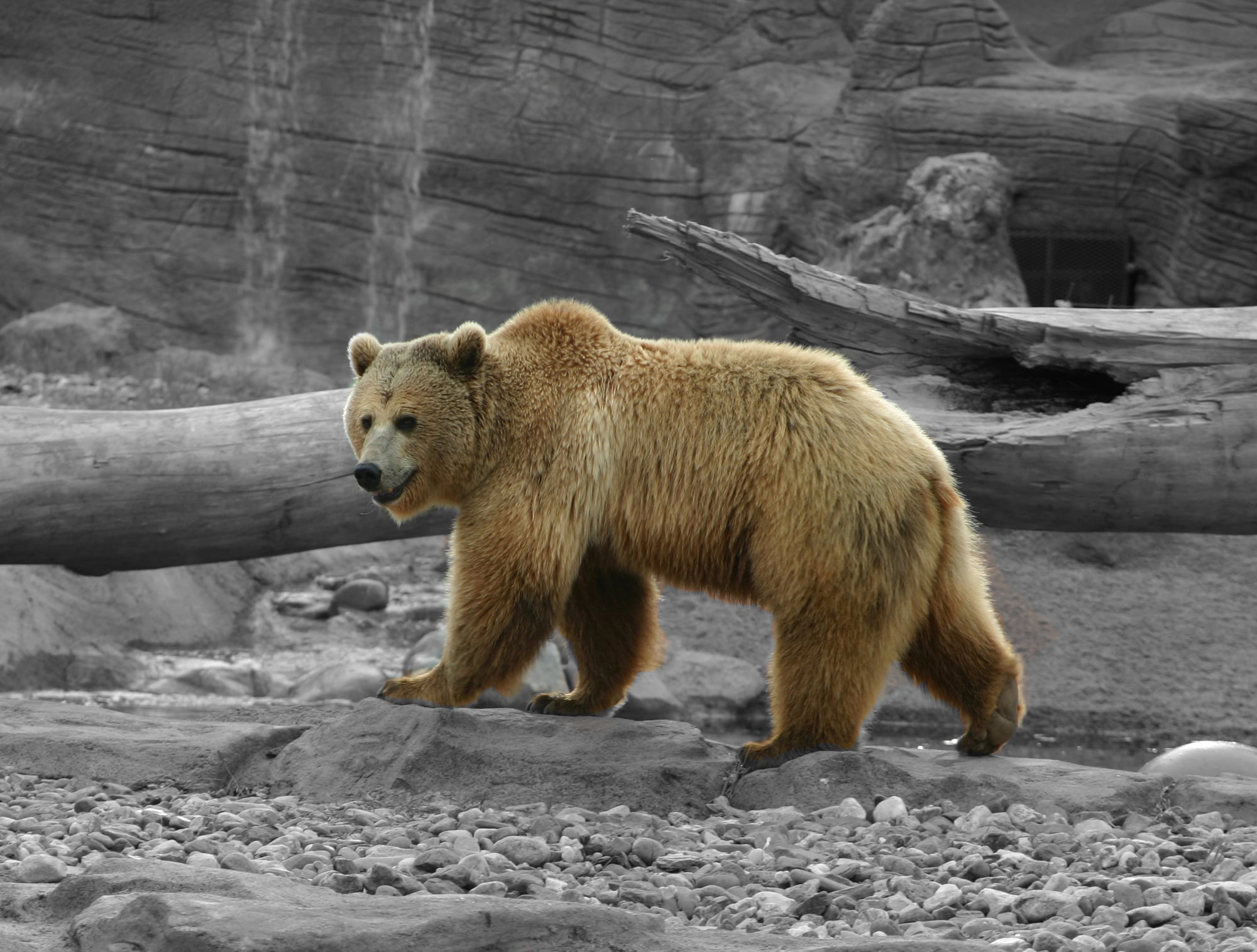
The California grizzly appeared on the state flag, but the actual animal was hunted to extinction by the 1920s. The last confirmed wild grizzly was killed in the 1920s in Tulare County.
California had made the bear its symbol while simultaneously eliminating every living example of the species from its borders. The irony was lost on most people at the time — progress meant removing dangerous wildlife, even if you planned to honor it on official seals and government documents.
The Final Commercial Passenger Pigeon
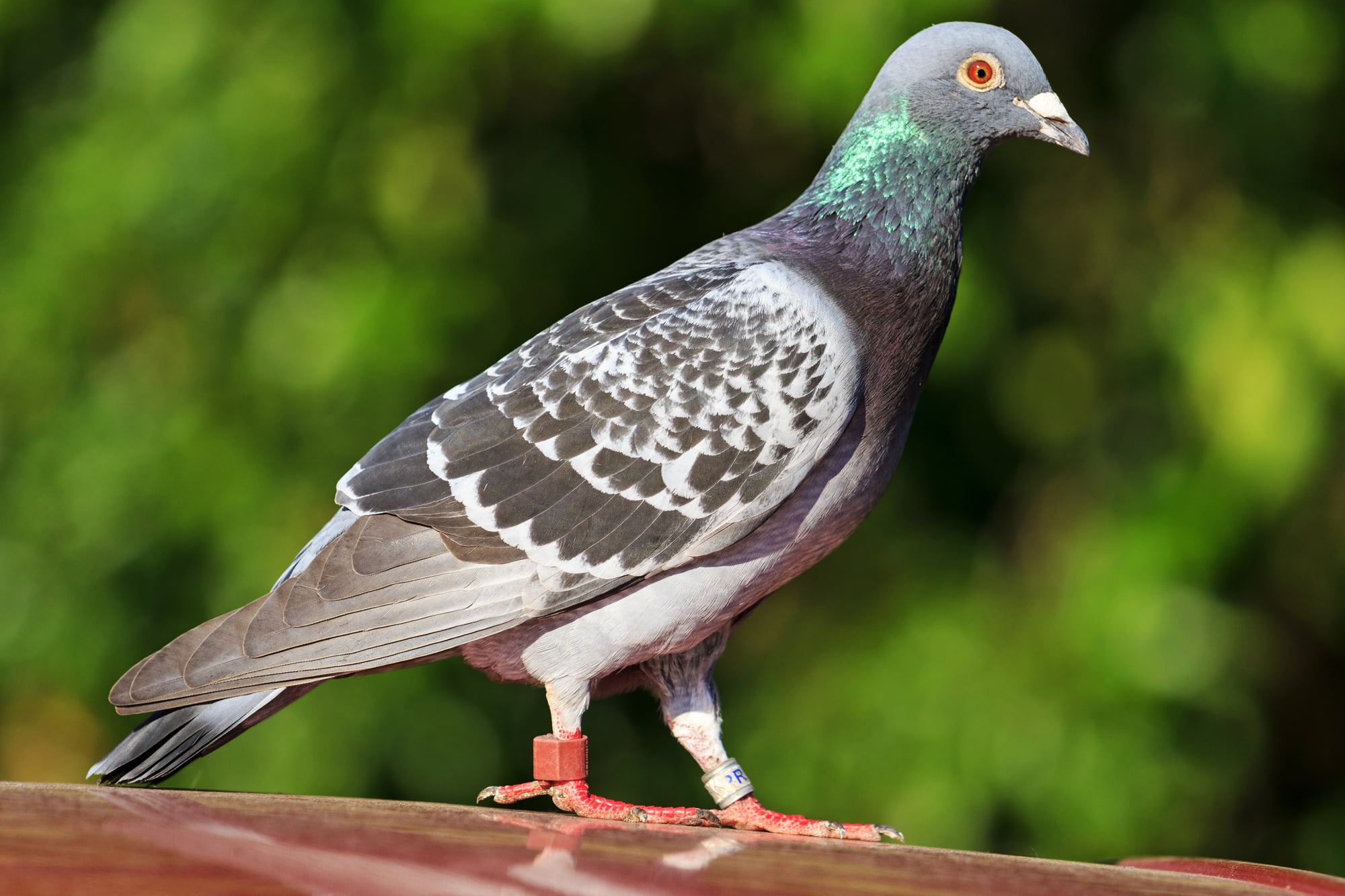
Martha, the last passenger pigeon, died at the Cincinnati Zoo on September 1, 1914. She had lived alone for years after her species — which had once numbered in the billions — was hunted into oblivion.
Passenger pigeons had darkened skies when they migrated; flocks were so dense they took hours to pass overhead. But commercial hunting and habitat destruction collapsed the population so quickly that conservationists barely had time to realize what was happening before it was over.
The Last Legal Duel in France
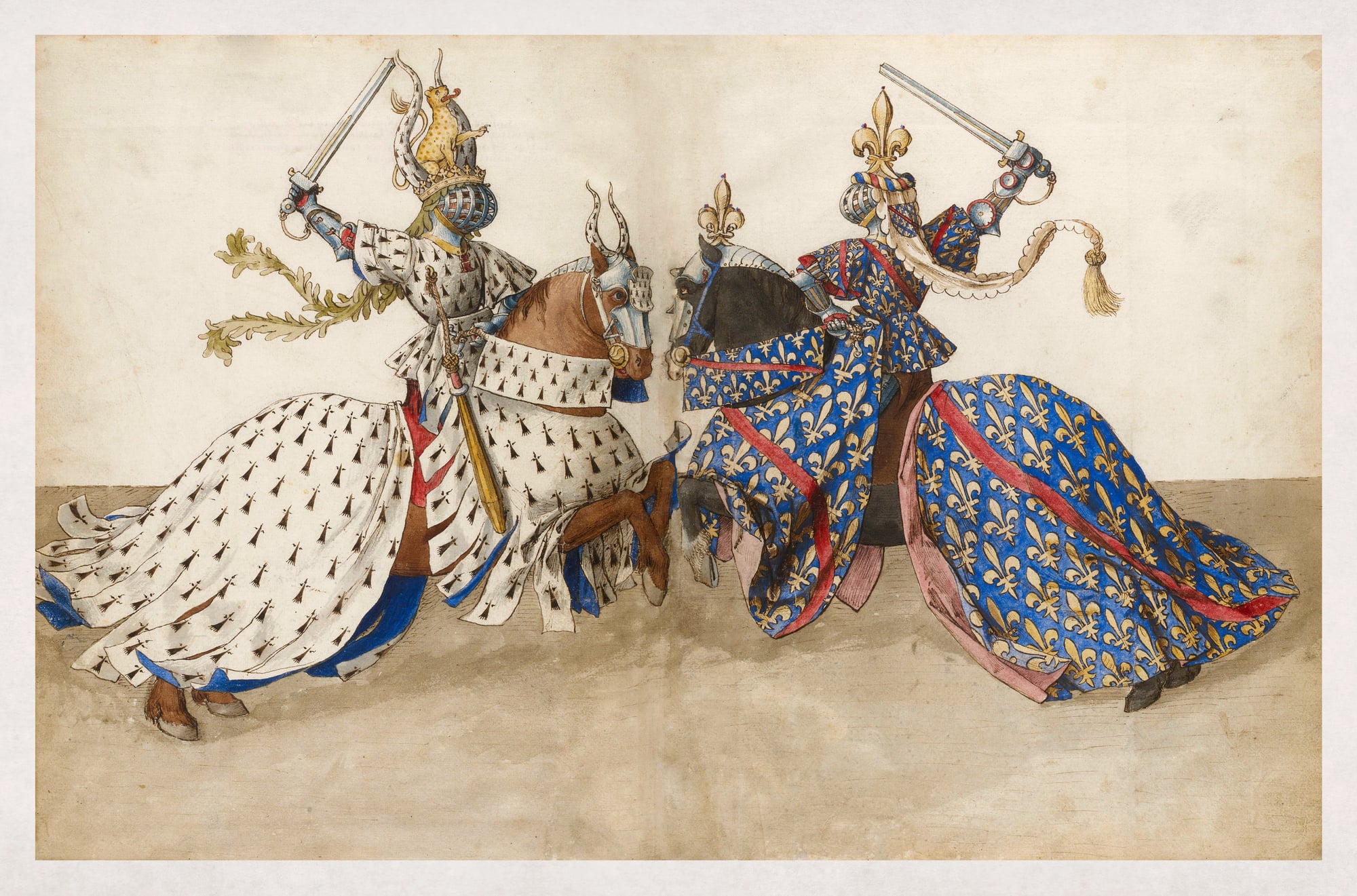
The final duel in France took place in 1967 between two politicians who disagreed about municipal budgets. Gaston Defferre and René Ribière fought with swords in a private garden outside Paris after Defferre called Ribière an imbecile during a parliamentary session.
Both men survived with minor wounds, and the affair was quickly hushed up. By then, dueling had been illegal for decades, but certain social circles still considered it the proper way to settle matters of honor.
The End of an Era Without Ceremony
These final moments share something beyond their historical curiosity. They represent the quiet way that entire worlds disappear — not with grand announcements or dramatic conclusions, but with the simple passage of time and the arrival of something newer.
The last telegram operator probably went home to watch television. The final dodo wandered into the forest the same way it had hundreds of times before.
Most endings happen without anyone realizing they’re witnessing the close of an era until years later, when someone thinks to look back and mark the moment when everything changed.
More from Go2Tutors!

- The Romanov Crown Jewels and Their Tragic Fate
- 13 Historical Mysteries That Science Still Can’t Solve
- Famous Hoaxes That Fooled the World for Years
- 15 Child Stars with Tragic Adult Lives
- 16 Famous Jewelry Pieces in History
Like Go2Tutors’s content? Follow us on MSN.