16 Cities Built Entirely Above Water
Humans have always been resourceful when it comes to finding places to call home. While some mark dwellings into mountainsides and others establish settlements in harsh deserts, a remarkable few have built entire cities that float on water. These aquatic communities showcase humanity’s most inventive responses to limited space, rising waters, and the desire to coexist with nature rather than dominate it.
These floating settlements range from ancient stilt villages that’ve weathered centuries of storms to cutting-edge neighborhoods designed with modern technology. Each challenges conventional urban planning while proving that water can be a foundation rather than an obstacle. Here is a list of 16 cities that exist entirely above water — communities that have turned liquid landscapes into thriving homes.
Venice
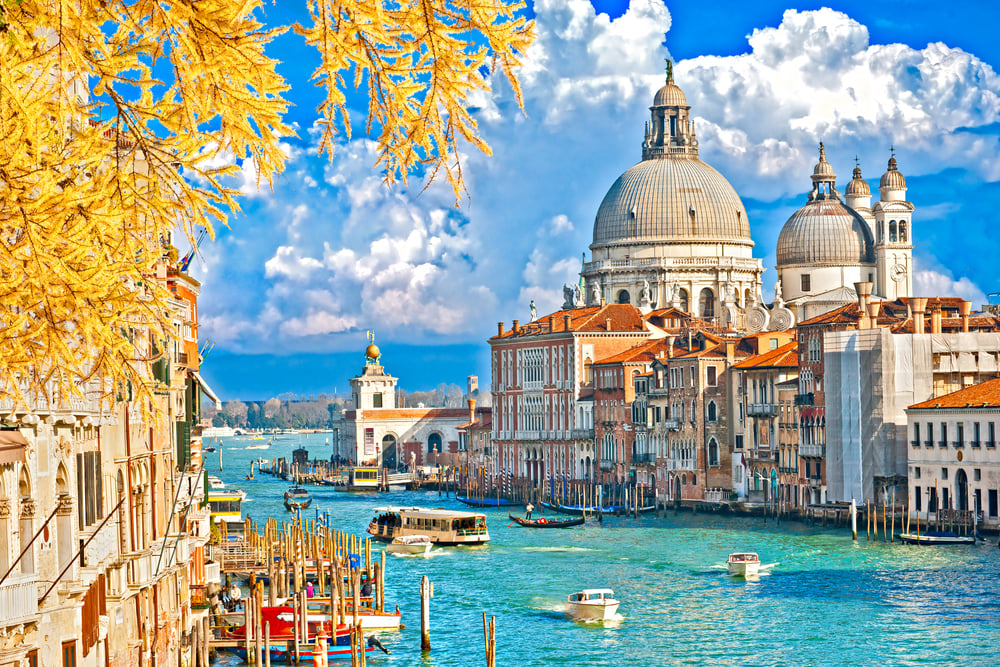
Venice remains the world’s most celebrated water city, sprawling across 118 tiny islands within an Adriatic lagoon. Millions of wooden piles — driven deep into marshy foundations — have supported this architectural wonder for more than 1,500 years. Canals replace streets entirely, while gondolas and water taxis serve as the primary transportation in this completely car-free metropolis.
Giethoorn

— Photo by mira.drozdowski.gmx.de
This Dutch village earned its nickname ‘Venice of the Netherlands’ by replacing roads with waterways and footpaths altogether. Over 180 bridges connect houses that sit on individual islands, though residents mostly travel by nearly silent electric boats. Peat diggers in the 13th century accidentally carved out the lakes and channels — creating what became one of Europe’s most tranquil communities.
Kampong Ayer
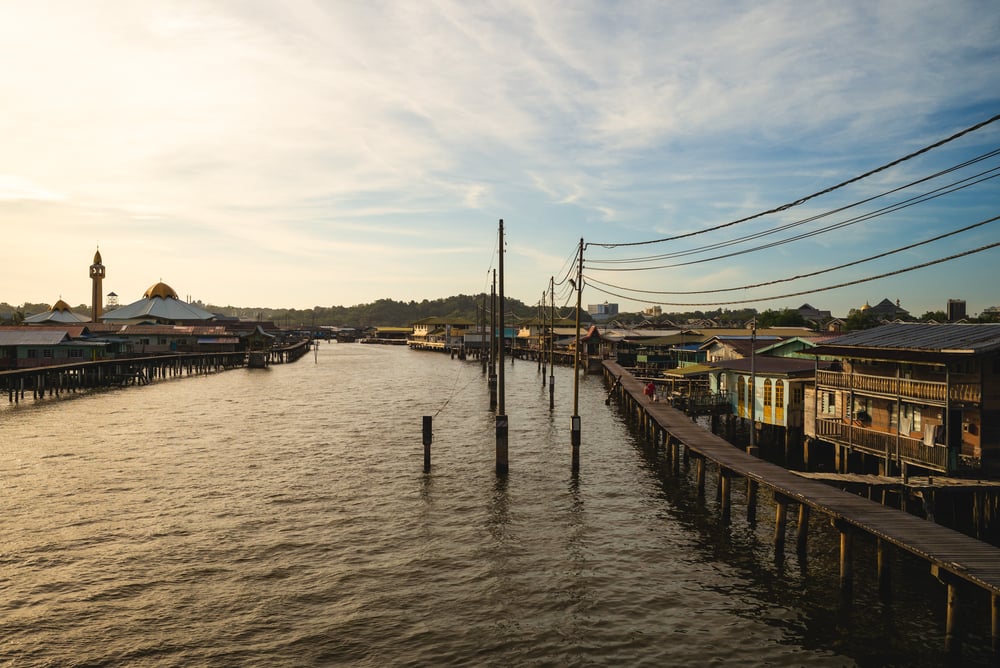
Brunei’s remarkable water village houses roughly 30,000 residents in traditional stilt homes built directly over the Brunei River. The ‘Venice of the East’ has remained continuously inhabited for over a millennium. Schools, mosques, shops — even a fire station — all connect via wooden walkways that create a bustling neighborhood floating above flowing water.
Ganvie

In Benin, West Africa, approximately 20,000 people call Ganvie home — their houses perched on stilts in the middle of Lake Nokoué. The Tofinu people founded this refuge in the 16th century to escape slave traders who were religiously forbidden from attacking water-based settlements. Fishing and tourism now sustain residents while ancient traditions continue flourishing.
Halong Bay Floating Villages
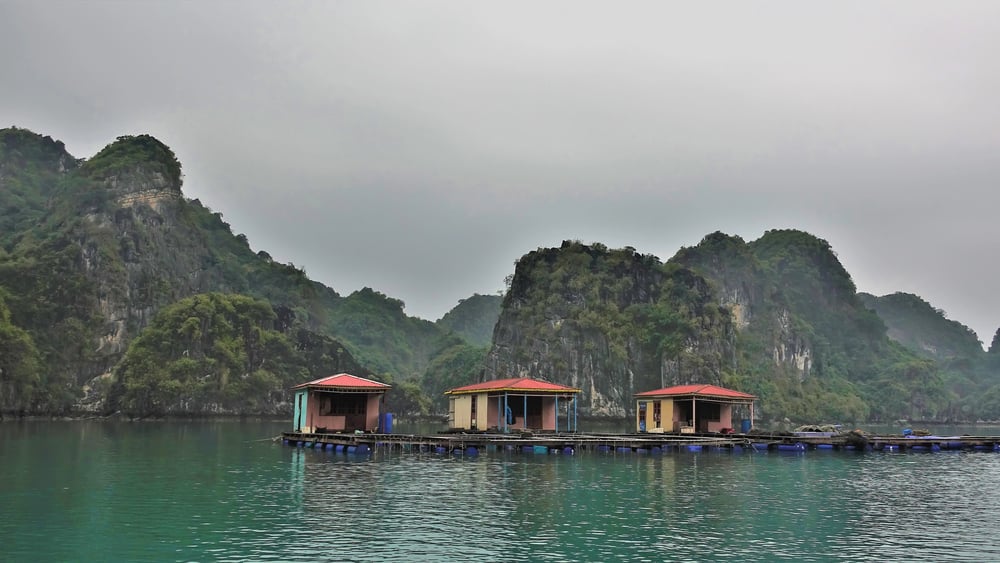
Vietnam’s stunning Halong Bay hosts several floating communities nestled among limestone karsts and emerald waters. These villages feature floating houses, fish farms — and even schools — where generations of families have built their lives. Skilled fishermen and pearl cultivators here relocate their homes seasonally, following fish migrations and avoiding severe weather.
Makoko

Lagos, Nigeria’s Makoko — often called the ‘Venice of Africa’ — houses over 85,000 people in stilt homes across Lagos Lagoon. Fishermen from the Republic of Benin originally settled this community more than 150 years ago. Despite facing significant challenges, Makoko has developed its own thriving economy alongside complex social structures.
Stiltsville
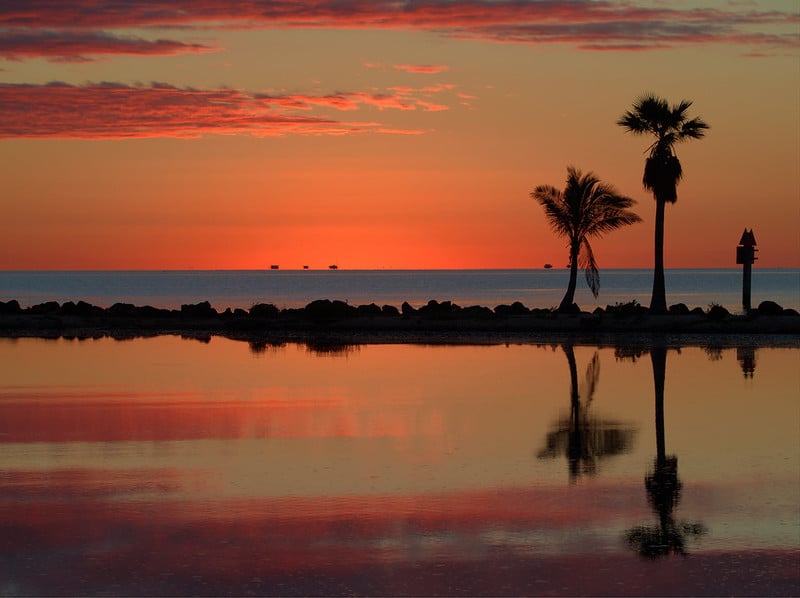
Miami’s historic Stiltsville once featured dozens of houses built on stilts in Biscayne Bay’s shallow waters. Though only seven structures remain today, this unique community thrived for decades as a collection of weekend retreats and fishing camps. The remaining buildings serve as a testament to Florida’s creative approach to waterfront living and hurricane-resistant architecture.
Uros Floating Islands

— Photo by Anna-ch
Peru’s Lake Titicaca hosts over 80 artificial islands created entirely from totora reeds by the Uros people. Some islands house up to 10 families each — requiring constant maintenance as reeds decompose and need replacement. Living this way for centuries, the Uros have mastered creating moveable communities that demonstrate extraordinary adaptation to aquatic environments.
Waterworld Philippines

Numerous Filipino barangays exist entirely on water — particularly around Navotas and parts of Metro Manila. Regular flooding forced these communities to elevate whole neighborhoods above water level. Small boats called bancas transport residents daily, while many houses feature multiple stories designed to accommodate changing water heights throughout seasons.
Chong Kneas
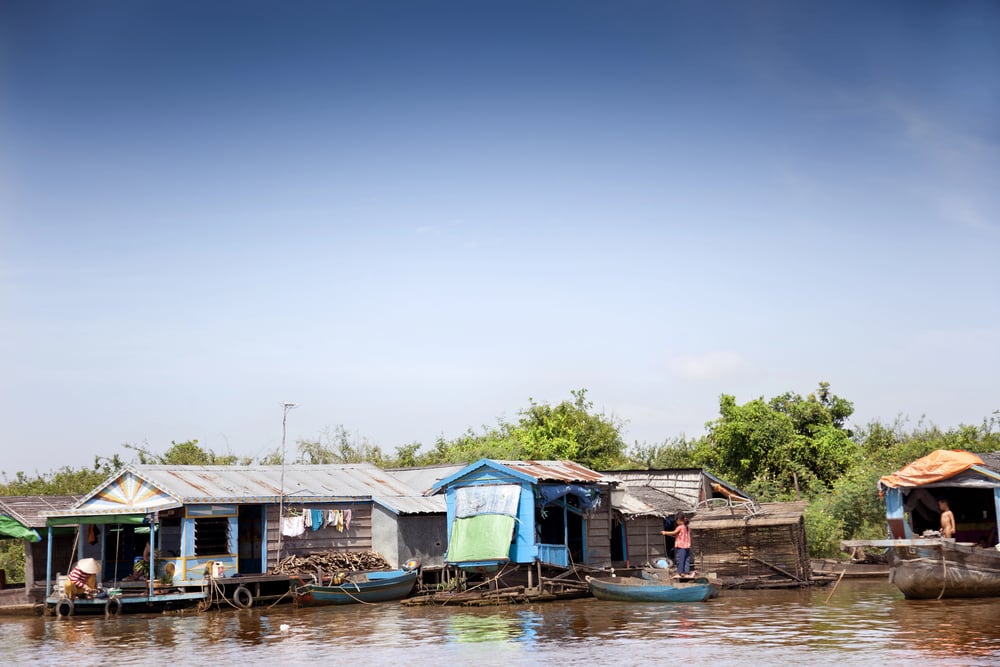
Cambodia’s Tonle Sap Lake hosts this floating village that relocates seasonally as water levels shift dramatically between wet and dry periods. The entire community — houses, shops, schools, even a floating basketball court — moves to deeper water during high-water seasons. Primarily ethnic Vietnamese residents have perfected this nomadic lifestyle across generations, following fish populations that sustain their economy.
Wuzhen Water Town
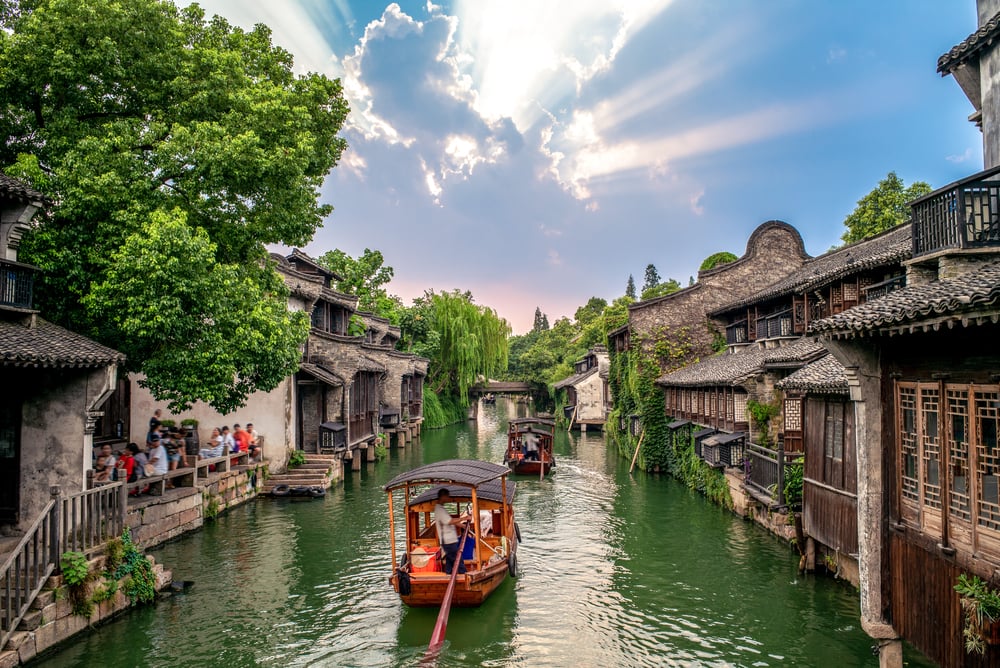
Though portions of Wuzhen exist on land, this Chinese town’s historic core sits entirely above an intricate network of canals and waterways. Ancient stone bridges connect buildings rising directly from water, creating a labyrinth of waterways framed by traditional architecture. For over 1,300 years, the town has maintained its water-based transportation system where boats remain the primary means of getting around.
Bocas del Toro

Panama’s Caribbean coastal town features entire neighborhoods built on stilts above shallow coastal waters. Generations of local families have inhabited these over-water communities, developing architecture that withstands both tropical storms and high tides. Many residential areas extend directly over water on wooden platforms while maintaining convenient access to abundant marine resources.
Koh Panyee

Thailand’s Phang Nga Bay contains this Muslim fishing village constructed entirely on stilts above shallow waters near a towering limestone karst. Nomadic fishermen established the settlement in the late 18th century, and today about 360 families call it home along with a floating soccer field. These residents have never owned land, instead building their complete world above the bay’s tidal waters.
Zhouzhuang

China’s ‘First Water Town’ features a historic district where buildings rise straight from ancient canals that have served as primary transportation routes for nearly a millennium. Stone bridges connect structures that appear to float on water surfaces, creating reflections that have captivated artists and poets for generations. The town’s entire commercial and residential center operates above and around its extensive waterway network.
Inle Lake Villages

Myanmar’s Inle Lake contains several villages where the Intha people live in stilt houses scattered throughout shallow waters. These residents developed remarkable farming techniques, cultivating vegetables on floating beds made from water hyacinth and lake soil. Floating gardens, monasteries, and markets all connect through narrow channels navigated by traditional boats.
Sandbanks Provincial Park Cottage Community

Ontario, Canada hosts this seasonal community of cottages built on stilts above West Lake’s shallow waters. While primarily occupied during summer months, these water-based homes showcase how modern engineering creates comfortable housing that survives seasonal ice formation. The community represents a contemporary adaptation of over-water living in temperate climates where extreme temperature variations present unique challenges.
Beyond the Waterline

These extraordinary communities demonstrate that humans can flourish alongside water rather than simply battling against it. From ancient villages that have survived countless storms to innovative floating neighborhoods incorporating sustainable technology, water-based cities provide crucial insights about adaptation, community resilience, and environmental harmony. As sea levels continue rising and urban crowding intensifies pressure on traditional city planning, these floating pioneers might hold essential keys to humanity’s evolving relationship with our planet’s waters.
More from Go2Tutors!

- 16 Historical Figures Who Were Nothing Like You Think
- 12 Things Sold in the 80s That Are Now Illegal
- 15 VHS Tapes That Could Be Worth Thousands
- 17 Historical “What Ifs” That Would Have Changed Everything
- 18 TV Shows That Vanished Without a Finale
Like Go2Tutors’s content? Follow us on MSN.



