Prisons With the Tightest Security in the World
Some criminals are so dangerous that ordinary prisons can’t hold them. Escape artists, violent offenders, terrorists, and cartel leaders require facilities designed to eliminate any possibility of freedom.
These aren’t regular correctional institutions. They’re fortresses built with one purpose—keeping the most dangerous people on Earth locked away permanently.
The security measures go far beyond bars and guards. Every detail, from cell design to meal delivery, follows protocols designed to prevent escape, violence, and communication with the outside world.
Understanding these facilities means understanding what happens when society decides certain individuals can never be trusted with even the smallest freedom.
ADX Florence Stands as America’s Supermax
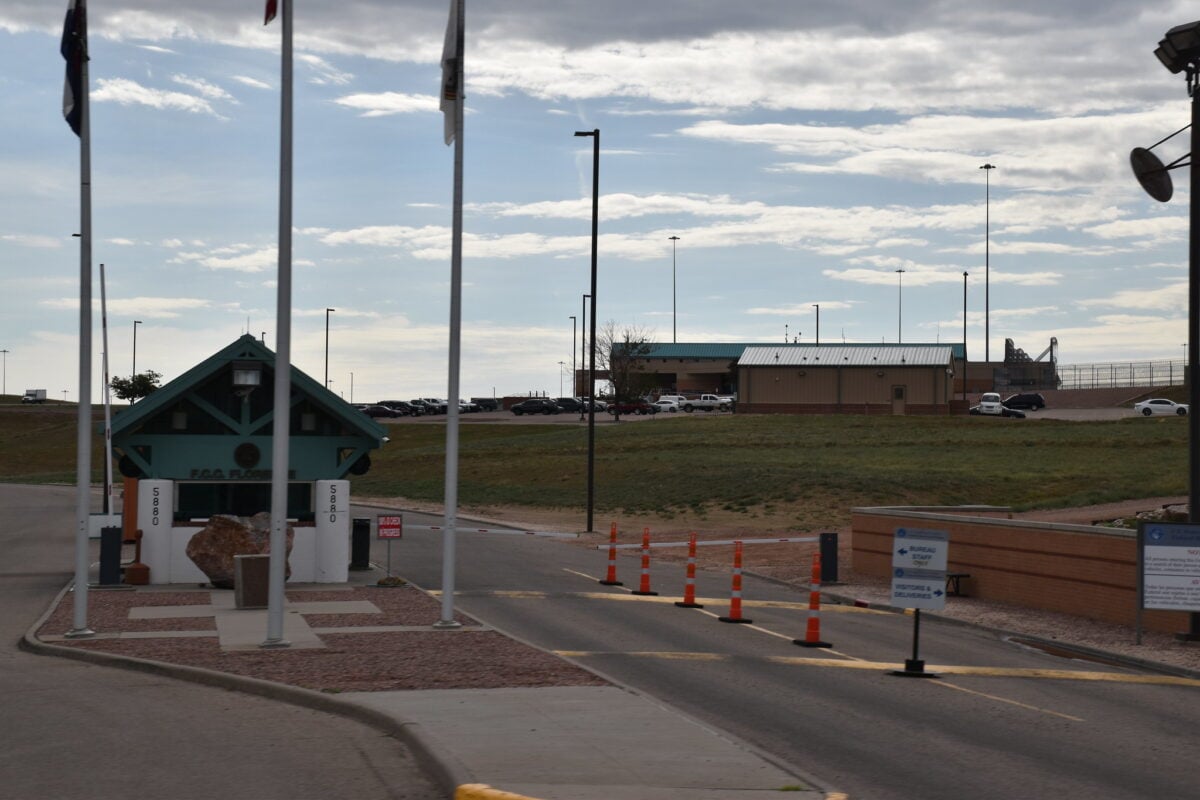
The Administrative Maximum Facility in Florence, Colorado, houses inmates the federal government considers too dangerous for any other prison. The concrete and steel structure sits in the middle of nowhere, surrounded by desert and mountains.
Getting to ADX Florence requires crossing terrain with no cover and few roads. That’s before you even reach the outer perimeter.
Inside, inmates spend 23 hours per day in seven-by-twelve-foot cells. Furniture is poured concrete.
Windows are four inches wide, positioned so prisoners can’t see anything except sky. Meals arrive through slots.
Showers happen three times weekly in individual stalls. The one hour of recreation takes place in a slightly larger concrete room, alone.
Guards monitor everything through cameras and sensors. Communication with other inmates is nearly impossible.
The facility uses reinforced concrete walls, pressure pads, motion detectors, and attack dogs. Twelve-foot razor wire fences surround the complex.
Guard towers provide overlapping fields of fire. Nobody has ever escaped from ADX Florence.
The prison holds terrorists, spies, gang leaders, and serial killers—people who orchestrated murders from inside other prisons or who possess skills and connections that make them perpetual threats. Inmates describe it as a clean version of hell.
That’s the point.
Alcatraz Built Its Reputation on Location

The island prison in San Francisco Bay operated from 1934 to 1963, becoming synonymous with inescapability. Alcatraz housed the federal system’s most troublesome inmates—people who caused problems in other facilities.
Al Capone, George “Machine Gun” Kelly, and Robert Stroud all served time there. The prison’s reputation came from its setting more than its construction.
Cold water surrounded the island. Strong currents made swimming nearly impossible. The distance to shore was just over a mile, but the temperature and currents meant even strong swimmers would struggle.
Guards watched from towers with clear sightlines across the entire island. Escape attempts happened, but none succeeded officially.
Three men disappeared during a 1962 attempt and were presumed drowned, though their bodies never surfaced. The isolation worked psychologically too. Inmates could see San Francisco across the water.
They could hear sounds from the city. But they couldn’t reach it.
That proximity to freedom while being utterly cut off broke many prisoners mentally. The prison closed because it cost too much to operate, not because it failed at security.
Black Dolphin Prison Crushes Resistance
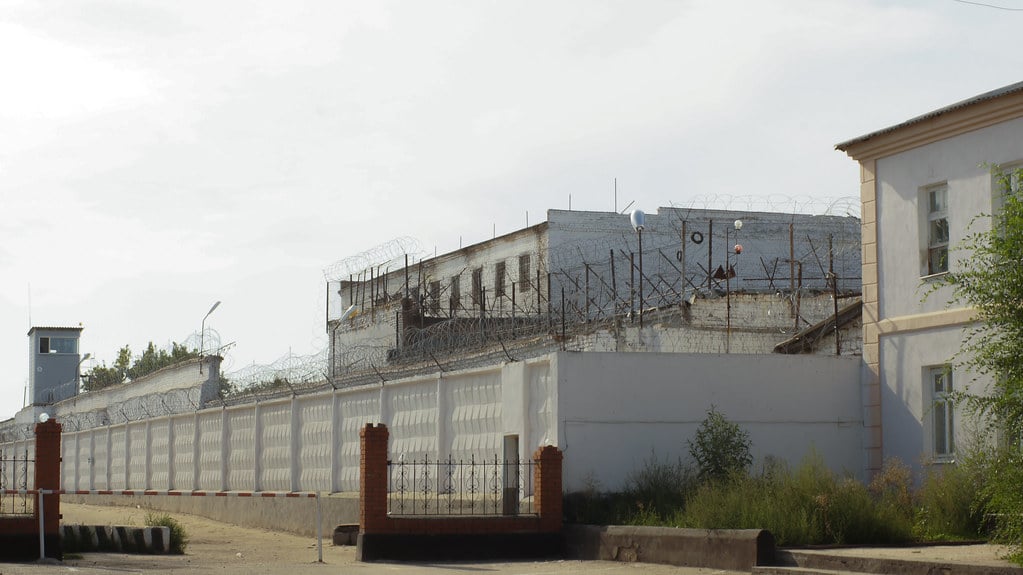
Russia’s Black Dolphin Prison in Sol-Iletsk holds the country’s worst criminals. Serial killers, cannibals, and terrorists fill the facility.
The prison earned its nickname from a black dolphin statue near the entrance, built by inmates. Everything about the facility is designed to break prisoners physically and psychologically.
Inmates wear handcuffs and blindfolds whenever they leave their cells. Guards bend prisoners over while moving them, supposedly to prevent them from memorizing the layout.
Cells measure about fifty square feet. Prisoners sleep on metal racks.
Cameras watch constantly. The prison operates in total silence—talking is forbidden.
Guards enforce rules with immediate physical punishment. Meals arrive through slots.
Exercise happens in a small outdoor cage, alone. The entire facility maintains freezing temperatures.
Black Dolphin has held over 700 inmates, all serving life sentences. Many are serial killers with dozens of victims.
The prison views rehabilitation as pointless. The only goal is containment until death.
Guantanamo Bay Operates Outside Normal Rules
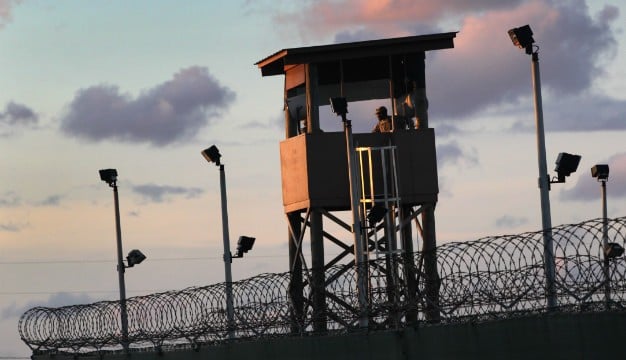
The naval base at Guantanamo Bay, Cuba, houses detainees that the United States captured during the war on terror. The facility exists in legal limbo—technically on Cuban soil but controlled by America under a lease that predates the Cuban Revolution.
This unusual status allowed the government to hold prisoners without the constitutional protections that apply on American soil. Security at Guantanamo reflects both the military setting and the nature of detainees.
Multiple layers of fencing surround the camps. Guard towers overlook every area.
Detainees live in individual cells or group housing, depending on their compliance level. Interrogation rooms, medical facilities, and legal meeting spaces all operate under strict protocols.
The facility faced international criticism for detention without trial and harsh interrogation methods. Numbers declined from nearly 800 detainees at the peak to fewer than 40 today.
The remaining prisoners are considered too dangerous to release but too difficult to prosecute. The facility remains open despite repeated promises to close it, stuck in a political and legal deadlock.
HMP Belmarsh Holds Britain’s Most Dangerous

Belmarsh Prison in southeast London serves as the UK’s highest-security facility. The prison houses terrorists, organized crime leaders, and other high-risk inmates.
The facility opened in 1991 and immediately began receiving prisoners that other institutions couldn’t handle safely. The High Security Unit at Belmarsh provides maximum isolation.
Inmates stay in individual cells with minimal human contact. All communication is monitored. Visitors undergo extensive screening.
The prison uses full-body scanners, drug-sniffing dogs, and physical searches to prevent contraband. Cells have reinforced doors and windows designed to resist attack.
The facility gained notoriety for housing several high-profile terrorists and international criminals before trial. Security procedures prevent inmates from coordinating with associates outside.
Even lawyers visiting clients face restrictions on what materials they can bring. The prison balances security with the UK’s legal requirements for humane treatment, making it less harsh than some facilities but still formidable.
La Santé Isolates Paris’s Worst

La Santé Prison in Paris has operated since 1867, though recent renovations modernized its security. The facility sits in the middle of a residential neighborhood, its high walls the only indication of what lies inside.
La Santé holds prisoners awaiting trial and those convicted of serious crimes in the Paris region. The high-security wing uses individual cells with toilet facilities.
Prisoners can’t see other inmates or the outside world from their cells. Exercise happens in small courtyards surrounded by high walls.
Guards maintain strict protocols for movement and interaction. The prison became famous for holding notorious criminals, including Carlos the Jackal before his transfer to another facility.
French prison security differs from American supermax facilities. There’s more emphasis on isolation than on technological surveillance.
But the result is similar—prisoners have almost no opportunity to interact with each other or plan escapes. The urban setting makes escape attempts futile even if someone breached the walls.
Where would they go in the middle of Paris?
Petak Island Prison Forbids All Contact

Russia’s Petak Island Prison operates on an island in the White Lake, accessible only by boat. The facility holds convicts deemed too dangerous for mainland prisons.
Winter temperatures drop far below freezing. Summer brings swarms of insects.
The island itself provides a natural barrier that makes escape nearly impossible. Inmates live in cells designed for complete isolation.
No communication between prisoners is allowed. Guards use force immediately to suppress any violation.
Meals arrive through slots. The facility prohibits all personal items.
Prisoners wear identical clothing and sleep on metal bunks. Recreation happens individually in small enclosed areas.
The isolation breaks prisoners mentally. Many develop psychological problems from the complete lack of human interaction.
The prison doesn’t care. These inmates committed crimes serious enough that society decided they deserve this treatment.
Life sentences in Petak Island mean dying alone in a frozen wasteland.
Bang Kwang Prison Chains Its Inmates

Thailand’s Bang Kwang Prison, known as the “Bangkok Hilton,” houses death row inmates and those serving sentences of over 25 years. The facility gained its sarcastic nickname from the miserable conditions inside.
Leg irons on death row prisoners remain attached for the first few months, sometimes years, of incarceration. Cells hold multiple inmates in cramped conditions.
Unlike Western supermax facilities that emphasize isolation, Bang Kwang crams prisoners together. But security remains tight through other means.
High walls, armed guards, and brutal discipline prevent escape attempts. The prison sits on the Chao Phraya River, providing another natural barrier.
Executions happen by machine gun, though lethal injection has become more common recently. Death row inmates live with the constant awareness that any day might be their last.
Guards don’t announce executions in advance. The psychological torture of uncertainty adds to the physical confinement.
Conditions have improved somewhat in recent years, but Bang Kwang remains one of the harshest facilities in Southeast Asia.
ADX-Like Facilities Spread Globally

The supermax concept pioneered by ADX Florence has spread to other countries. Australia built its own supermax facilities.
European nations created high-security wings in existing prisons. Japan constructed special facilities for organized crime leaders.
Each country adapted the basic principles to its legal system and cultural norms. The common elements remain consistent.
Individual cells, minimal human contact, extensive monitoring, and multiple security layers. The goal is always the same—remove any possibility of escape, violence, or continued criminal activity.
Some nations struggle with the ethics of such severe isolation. Human rights organizations argue that prolonged solitary confinement constitutes torture.
But governments respond that certain criminals require these extreme measures. The debate continues between security and humane treatment.
Prisons experiment with different approaches. Some allow limited group activities for good behavior.
Others maintain total isolation indefinitely. The legal battles and policy discussions show no sign of resolution.
As long as dangerous criminals exist, the demand for ultra-secure facilities will continue.
Kamiti Maximum Security Prison Dominates East Africa

Kenya’s Kamiti Maximum Security Prison handles the country’s most dangerous criminals and death row inmates. The facility sits north of Nairobi, surrounded by farmland and small villages.
High walls topped with razor wire mark the perimeter. Guard towers provide constant surveillance.
Conditions inside are harsh by any standard. Overcrowding remains a persistent problem.
Cells designed for one person often hold three or four. Food is minimal.
Medical care is inadequate. But security stays tight despite the poor conditions.
Escapes are rare because the facility focuses resources on preventing breakouts rather than improving living conditions. The prison holds political prisoners, terrorists, and violent criminals.
Death row inmates wait years, sometimes decades, for execution as Kenya debates the morality of capital punishment. The uncertainty compounds the misery of incarceration.
Kamiti shows how security doesn’t necessarily require the technology and resources of Western supermax facilities. Determined guards, high walls, and a willingness to use force can achieve similar results.
Qincheng Prison Operates in Secrecy

China’s Qincheng Prison near Beijing holds political prisoners, corrupt officials, and others the government considers special security risks. Information about the facility is limited because China restricts access to journalists and human rights monitors.
What’s known comes from released prisoners and leaked documents. The facility operates under strict secrecy.
Individual cells, constant surveillance, and complete isolation from other inmates characterize the security approach. Prisoners can’t communicate with each other or receive visitors without approval.
Guards monitor all conversations, even with lawyers. The psychological pressure of total isolation serves both as a punishment and a control mechanism.
Former inmates describe clean facilities with adequate food—better conditions than many Chinese prisons. But the isolation and uncertainty about sentence length create mental anguish.
Some prisoners spend years without knowing what they’re accused of or when they might be released. The security isn’t just physical.
It’s informational, keeping both prisoners and the outside world in the dark.
Tadmor Prison Defined Brutality Before Its Destruction
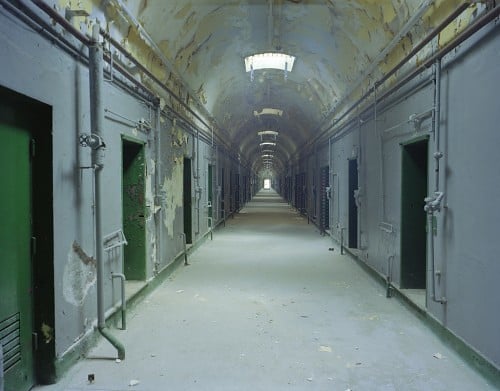
Syria’s Tadmor Prison operated from 1980 until ISIS destroyed it in 2015. During its existence, the facility was considered one of the most brutal in the world. Located in the desert near Palmyra, the prison held political dissidents, members of the Muslim Brotherhood, and common criminals.
Thousands died there from torture, execution, and neglect. Security came from the remote location, high walls, and the willingness of guards to kill prisoners for minor infractions.
Cells held dozens of people in spaces meant for a few. Torture was routine. Executions happened regularly.
The 1980 massacre at Tadmor killed hundreds of prisoners in a single day after a failed assassination attempt on Syria’s president. The facility’s destruction ended one of history’s worst prisons, but the Syrian civil war created new facilities just as terrible.
Tadmor showed that maximum security doesn’t require modern technology. Isolated location, brutal guards, and a government willing to kill prisoners can create an inescapable prison just as effectively as electronic surveillance and reinforced concrete.
Communication Becomes the Hardest Thing to Stop
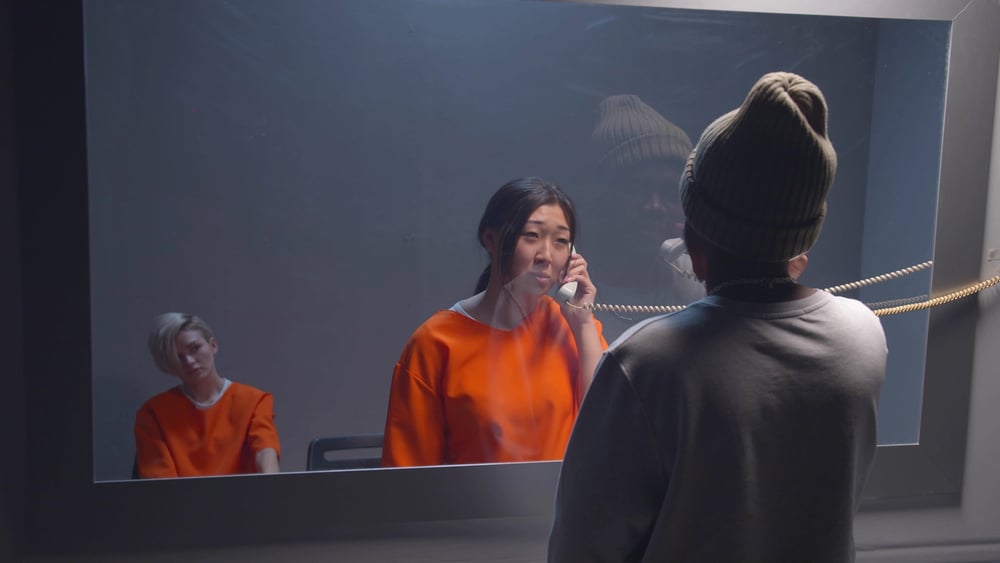
Prisons today deal with problems that older systems did not have. Inside cellphones let people behind bars organize illegal acts without leaving their rooms.
Supplies arrive by drone, flying over barriers like invisible hands. Some officers take money to look the other way.
New tech opens weak spots quicker than fixes appear. Security at top sites relies on jamming signals, spotting drones, plus checking workers closely.
Still, some offenders push through. Messages get hidden inside normal talk.
Legal reps become messengers by accident or design. One flaw lets intruders slip past check-ins.
For every lock built, someone’s already sketching a way around it. One place tried shutting off every form of contact.
Not even letters or calls were allowed – only attorneys could visit. Still, courts in free countries often block these full shutdowns.
They say staying connected is something people must be able to do. Security in prisons sits alongside rights protected by law.
Still, where that line falls keeps changing – never quite settled.
Where Concrete and Steel Meet the Limits of Control

Putting up walls high enough to keep people in is simpler than treating them right once inside. Though locks and sensors block breakouts, silence eats minds when days stretch without talk.
Officers may halt fights before fists fly, yet do nothing as thoughts unravel behind glassy eyes. Lenses follow each step down hallways, still blind to fairness in sentencing or sorrow building slowly.
What stands isn’t just a jail – it’s where answers stop cold, traded for control that swallows hope whole. Functioning exactly as designed, these facilities hold those deemed threats behind bars.
Yet concerns linger on whether stripping away freedom chips affects our shared sense of worth. Balancing safety, retribution, and minimal respect for persons drags on, unresolved.
Since no replacement system serves the same role, such institutions remain active by necessity. Still, whether harsh settings are acceptable hinges on the choices communities make alone.
More from Go2Tutors!

- The Romanov Crown Jewels and Their Tragic Fate
- 13 Historical Mysteries That Science Still Can’t Solve
- Famous Hoaxes That Fooled the World for Years
- 15 Child Stars with Tragic Adult Lives
- 16 Famous Jewelry Pieces in History
Like Go2Tutors’s content? Follow us on MSN.



