Tech That Was Super Expensive When Released
Technology that seems basic and affordable today once carried price tags that would make modern shoppers gasp. Companies launched revolutionary gadgets and devices with costs so high that only wealthy early adopters could justify buying them.
These astronomical prices reflected the cutting-edge innovation and manufacturing challenges of bringing brand-new technology to market for the first time. Let’s look at some tech products that debuted with shockingly high prices before eventually becoming affordable for regular people.
The First Microwave Ovens
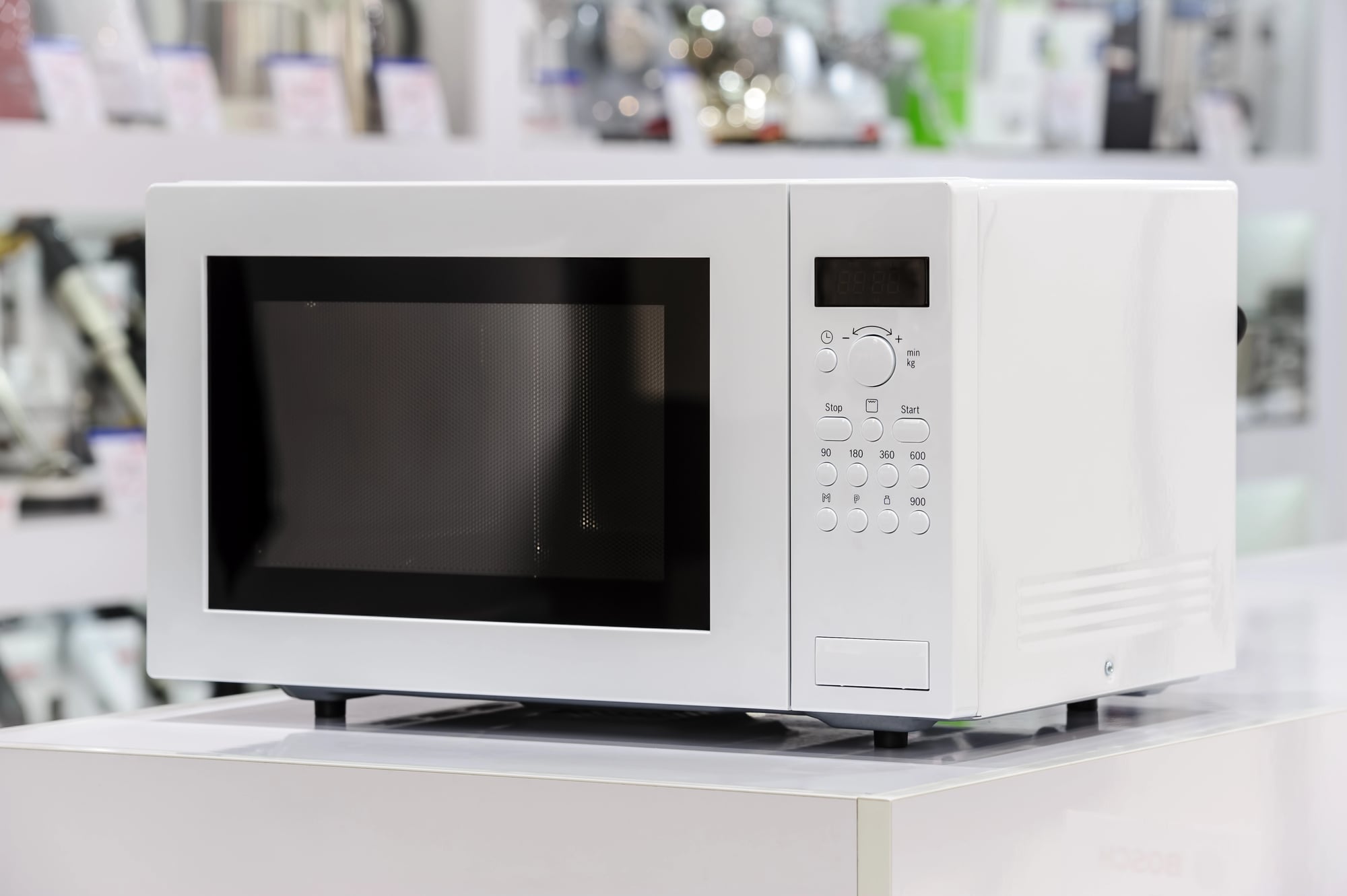
Raytheon introduced the Radarange microwave oven in 1947 with a price tag of about $5,000, which equals roughly $70,000 in today’s money. The massive appliance stood over 5 feet tall and weighed around 750 pounds, requiring special electrical setup and plumbing for cooling.
Only restaurants, railroad dining cars, and cruise ships could afford these early models. The technology came from radar equipment developed during World War II, and shrinking it down for home use took decades.
By the 1970s, countertop models finally dropped below $500, making them accessible to average families.
VCRs in the Mid-1970s
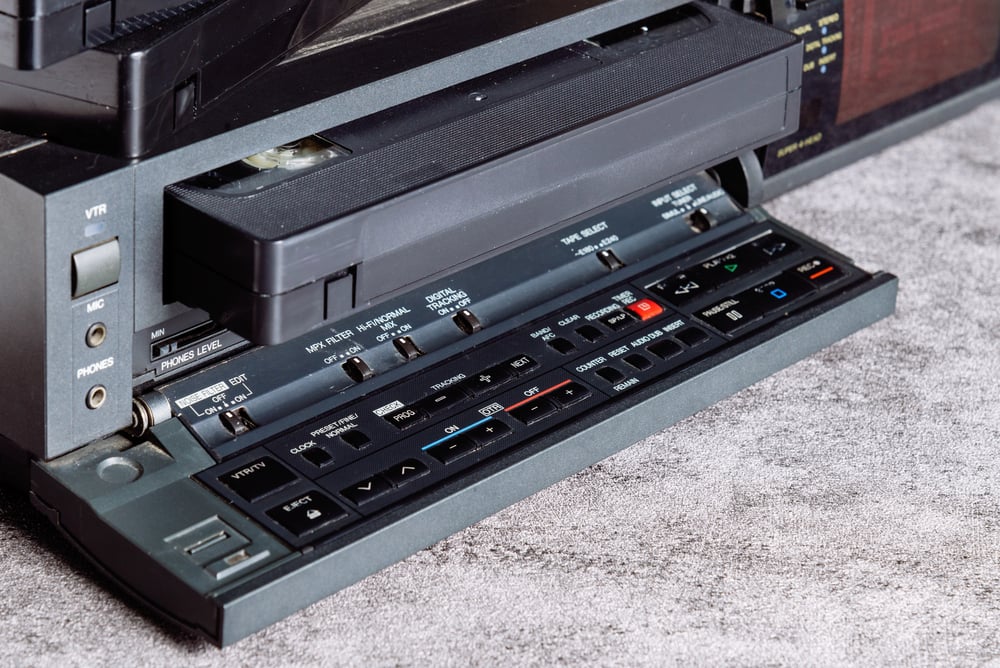
Sony’s Betamax VCR hit stores in 1975 for about $1,300, equivalent to roughly $7,500 today. The ability to record television shows and watch them later seemed almost like science fiction to most people.
VHS machines followed soon after with similar pricing, starting a format war that lasted years. Rental stores didn’t exist yet, so the main appeal was time-shifting broadcast TV rather than watching pre-recorded movies.
Prices dropped dramatically by the early 1980s as competition increased and manufacturing improved.
Early Mobile Phones
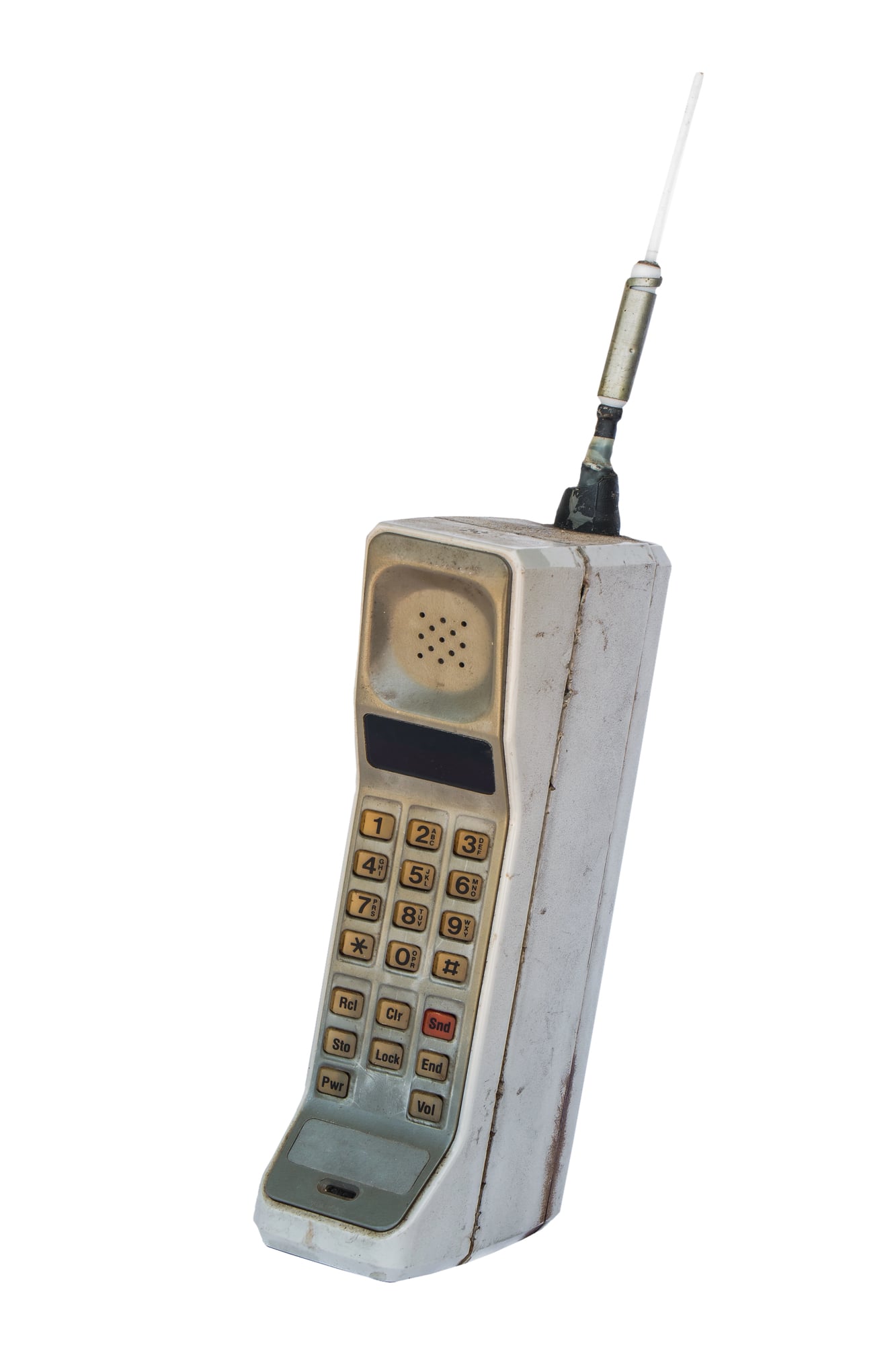
The Motorola DynaTAC 8000X, approved for sale in 1983, cost $3,995 at launch, which translates to about $12,000 in current dollars. The brick-sized phone weighed two pounds and offered only 30 minutes of talk time after 10 hours of charging.
Making calls while walking around felt futuristic, even if the device was bulky and impractical. Only executives and wealthy professionals could justify spending that much for phone calls away from home or office.
The phones also required expensive monthly service plans that added hundreds more to the annual cost.
Plasma Televisions
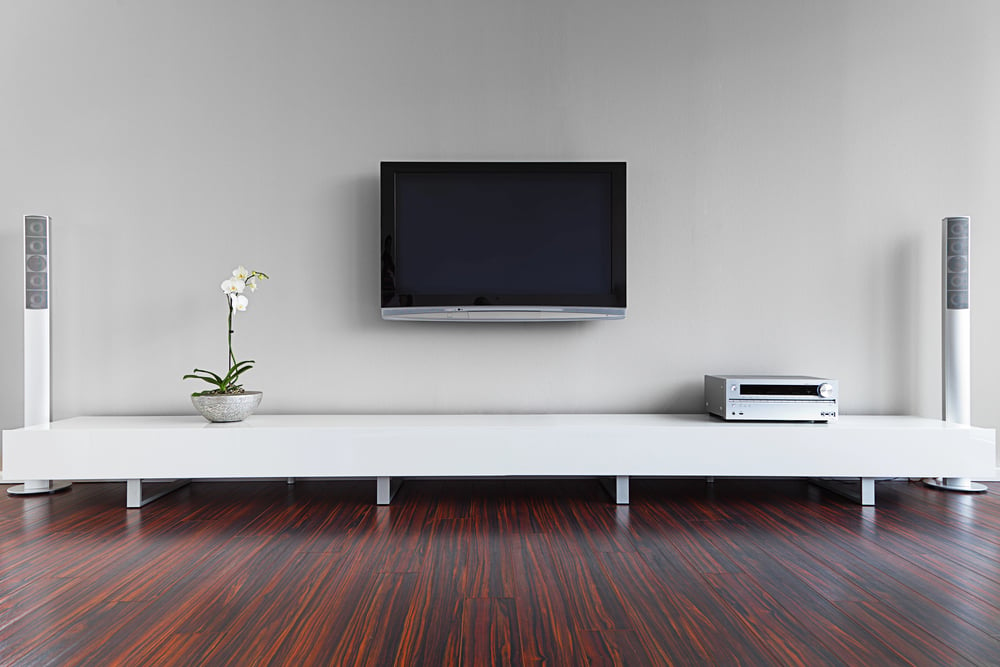
Pioneer released the first plasma TV for consumers in 1997 at a price exceeding $15,000 for a 42-inch screen. The flat design seemed impossibly thin compared to bulky tube televisions that dominated living rooms.
Picture quality impressed early adopters, but most people couldn’t imagine spending that much on a TV. Plasma technology eventually got cheaper, but LCD and LED screens caught up and surpassed it before prices dropped to truly affordable levels.
By the time plasmas became reasonably priced, newer technologies had already replaced them.
Digital Cameras for Consumers
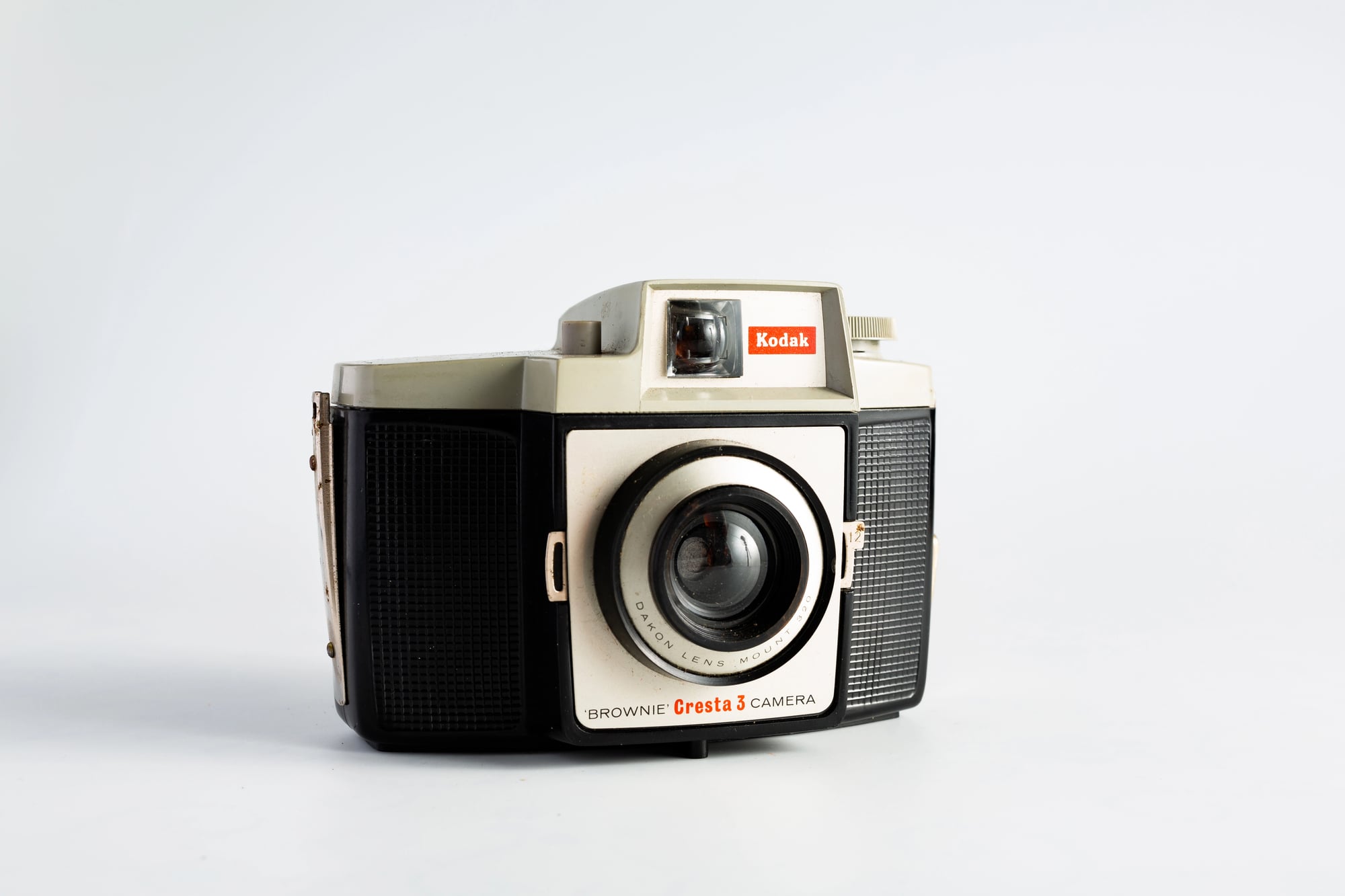
Kodak’s DC40 digital camera arrived in 1995 priced at $995, offering a whopping 0.38 megapixels of resolution. The images looked terrible compared to film, and the camera could only store 48 photos on its internal memory.
Early adopters loved the instant feedback and elimination of film processing costs despite the poor quality. Professional-grade digital cameras from the same era cost $20,000 or more.
Today’s smartphones take vastly better photos than these pioneering cameras, and they’re included free with the phone.
Compact Disc Players
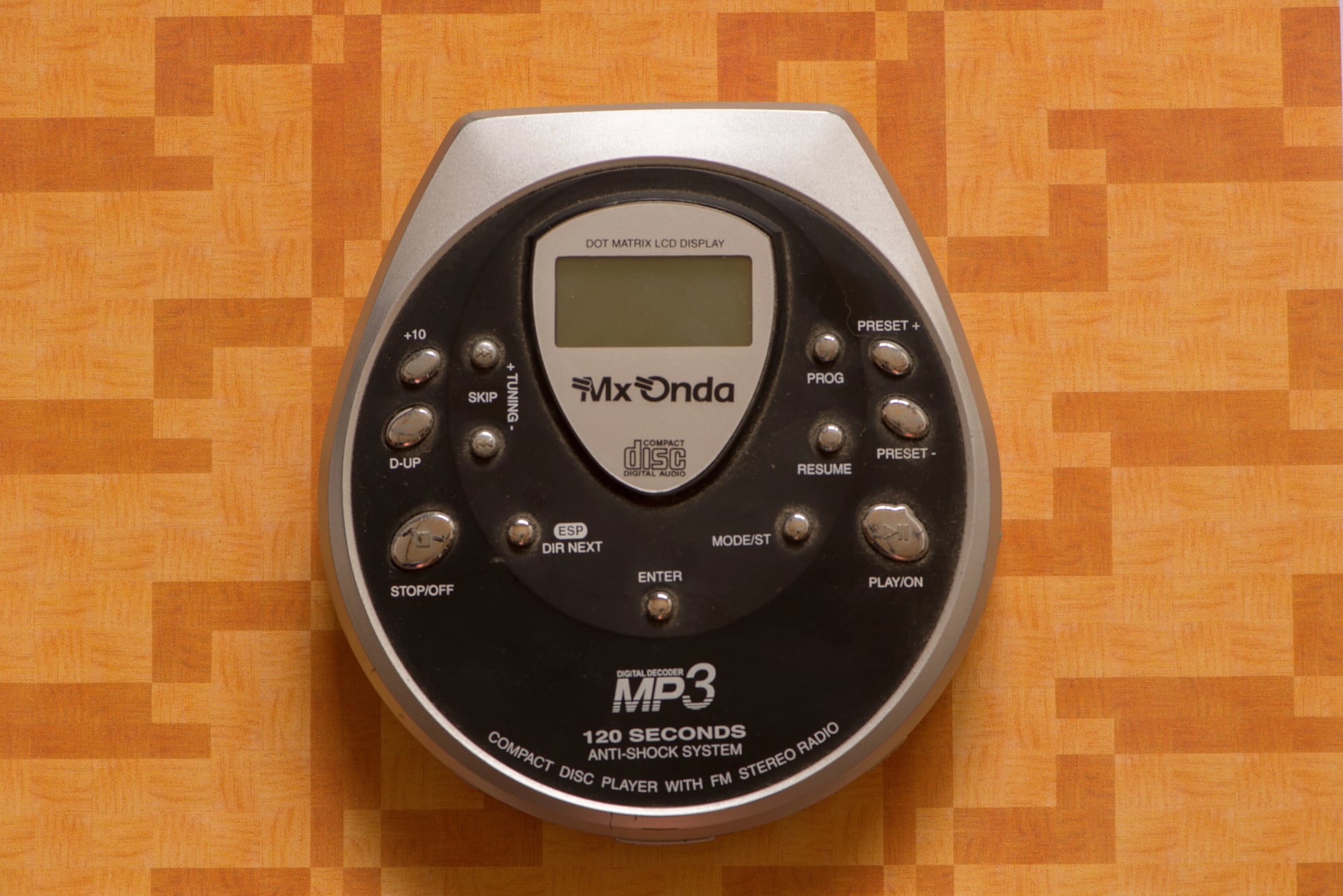
Sony and Philips launched CD players in 1982 with prices around $900, roughly $2,800 in today’s currency. The promise of perfect sound without scratches or wear attracted audiophiles willing to pay premium prices.
CDs themselves cost $15 to $20 each when they first appeared, making building a collection expensive. The technology gradually improved while costs dropped, and by the 1990s, CD players became standard equipment in cars and homes.
Streaming music has now made even affordable CD players feel outdated.
GPS Navigation Systems
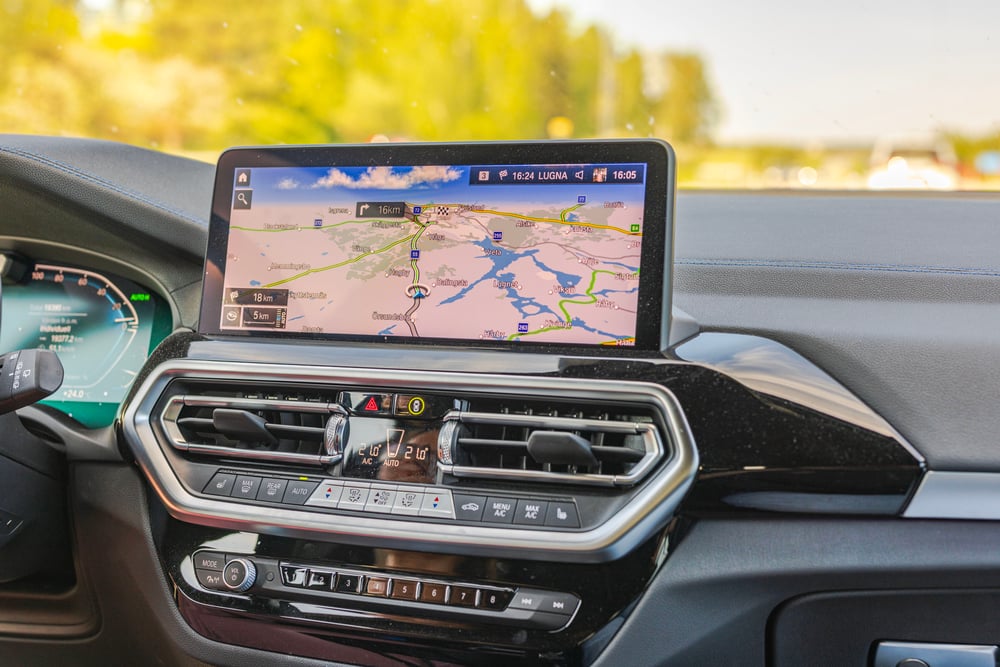
Early consumer GPS devices in the 1990s cost $2,000 or more and required expensive map cartridge upgrades. The units took several minutes to acquire satellite signals and often lost connection under tree cover or near tall buildings.
Maps had limited detail, and the devices couldn’t recalculate routes quickly if drivers missed turns. TomTom and Garmin eventually made GPS affordable and reliable by the mid-2000s.
Smartphones with free navigation apps have now made standalone GPS devices almost obsolete.
Home Computers in the 1970s

The Altair 8800, one of the first personal computers, sold for $621 as a kit in 1975, about $3,500 in current money. That price only got builders a box of parts that required assembly and technical knowledge to make it functional.
The computer had no screen, no keyboard, and no storage, requiring additional expensive purchases for basic usability. Programming it involved flipping switches on the front panel to input binary code.
Only hardcore electronics hobbyists bought these early machines, which bore little resemblance to user-friendly computers that came later.
Blu-ray Players
Sony’s first Blu-ray player launched in 2006 for $999, making early adoption painful for movie enthusiasts. The format war with HD DVD meant buying either system risked backing the losing technology.
Movies on Blu-ray cost $30 or more, compared to DVDs that often sold for under $20. Picture quality improvements were noticeable but not dramatic enough to justify the cost for most consumers.
After HD DVD died and prices dropped below $200, Blu-ray finally achieved mainstream acceptance.
Laser Disc Players
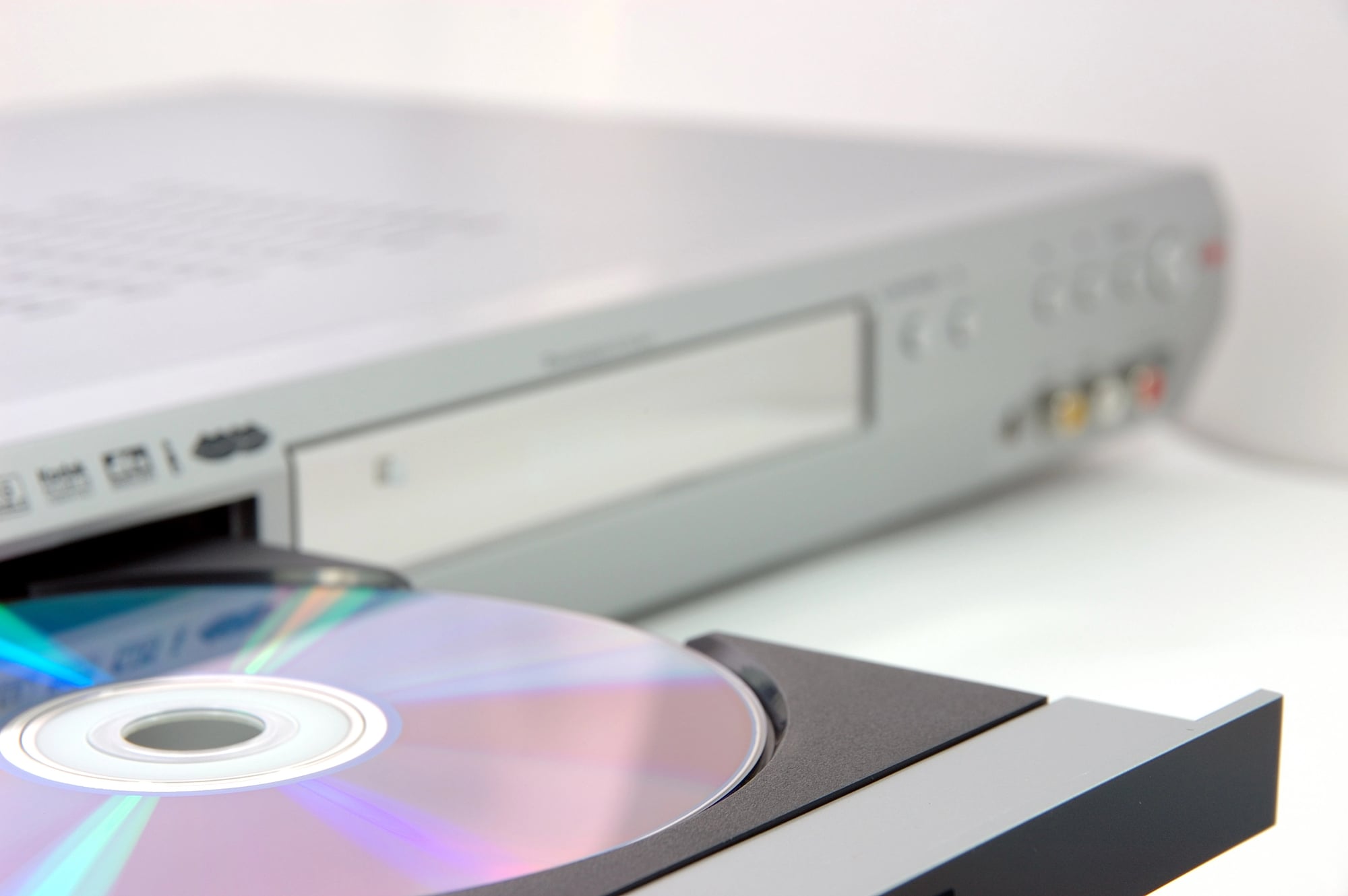
Pioneer brought laser disc players to the U.S. market in the early 1980s with prices around $1,000 for basic models. The 12-inch discs offered better picture quality than VHS tapes but couldn’t record programs.
Each movie required flipping the disc halfway through, making the format less convenient than tape. Discs cost significantly more than VHS rentals, limiting the format to videophiles and collectors.
The technology never achieved mass-market success despite superior quality, eventually being replaced by DVDs.
PDAs and Early Smartphones
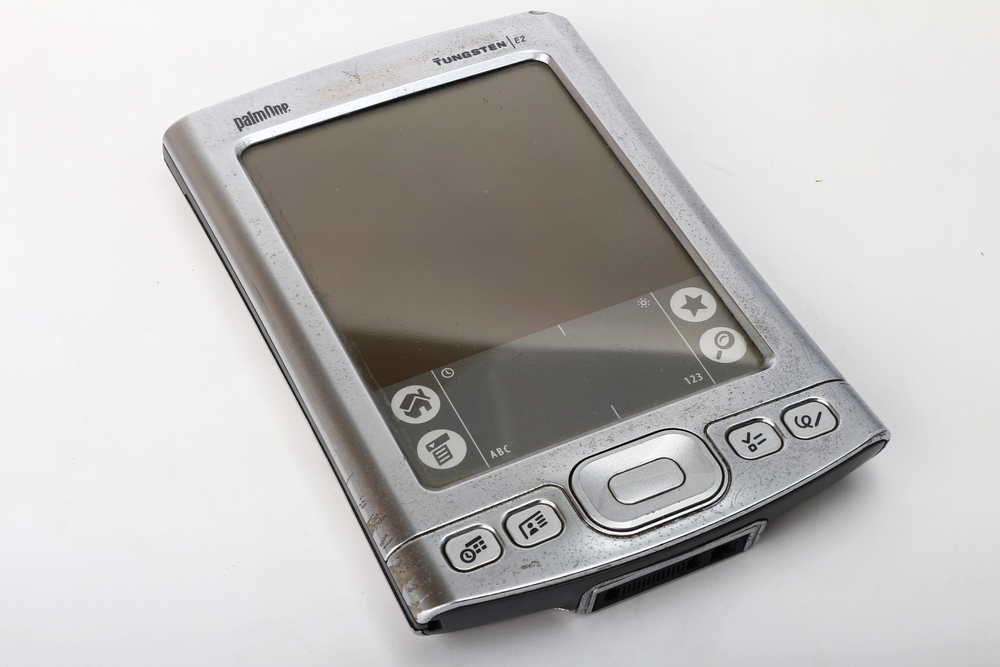
The IBM Simon Personal Communicator launched in 1994 for $899 with a contract or $1,099 without, equivalent to about $2,200 today. This touchscreen device combined phone, fax, email, and calendar features in one bulky unit.
Battery life is measured in hours, not days, making it impractical for heavy use. The stylus-based interface felt clunky compared to modern touchscreens.
Palm Pilots and BlackBerry devices later refined the PDA concept before iPhones changed everything.
Early Laptop Computers
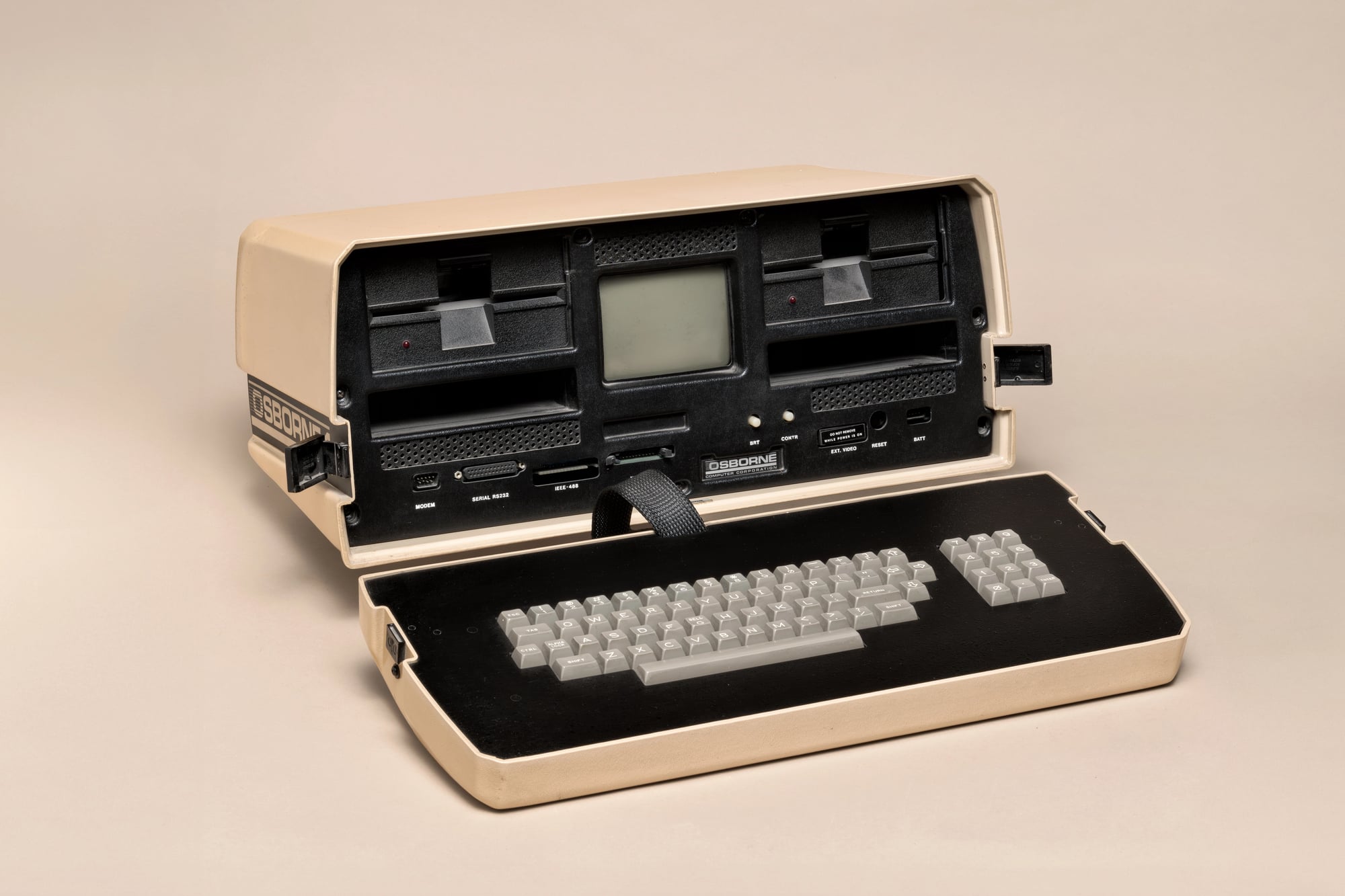
The Osborne 1, released in 1981, cost $1,795 and weighed 24 pounds, making it ‘portable’ only in the technical sense. The tiny 5-inch screen could display 52 characters across, forcing users to squint at cramped text.
Two floppy drives and a modem made it genuinely useful for business travelers despite the limitations. Battery technology wasn’t ready yet, so the machine needed to stay plugged into wall outlets.
Modern laptops offer thousands of times more power at a fraction of the inflation-adjusted cost.
3D Televisions
Samsung and other manufacturers pushed 3D TVs in 2010 with premium models costing $3,000 or more. The technology required special glasses and limited 3D content, making the feature feel gimmicky.
Movies had to be specifically formatted for 3D, and most regular programming offered no benefit. Manufacturers abandoned the technology within a few years as consumers rejected it.
The 3D TV experiment became a cautionary tale about pushing features nobody actually wanted.
Early Inkjet Printers
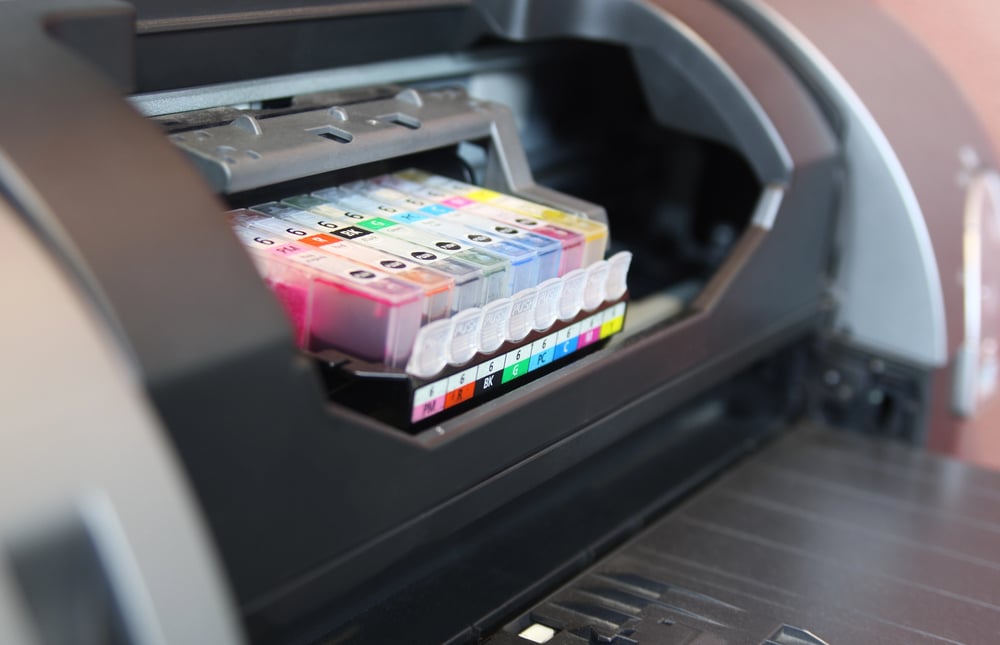
HP’s first inkjet printers for consumers in the late 1980s cost around $1,000 and produced mediocre print quality. Replacement ink cartridges ran $30 each and dried out quickly if not used regularly.
The printers often jammed and required constant maintenance to function properly. Despite these issues, they represented a huge improvement over dot matrix printers that sounded like machine guns.
Modern printers cost a fraction as much, though ink remains suspiciously expensive.
Video Game Consoles

Priced at $699 when it arrived in 1993, the 3DO Interactive Multiplayer struggled right out of the gate. Even though its visuals were sharp and games ran on CDs, few could justify spending so much.
While rivals sold consoles for under half that amount, this one demanded full faith in high-end design. Trip Hawkins thought customers would pay extra for innovation; they did not.
By the time production ended, fewer than a million had been bought. Eventually, the firm stepped away from making devices altogether.
Because of this, companies later learned tech brilliance alone won’t sell boxes.
HDTV Sets in the Late 1990s
Back in 1998, the first high-definition TV models landed in shops with price tags between five and ten thousand dollars. With nearly nothing to watch in HD back then, owning one felt like buying a machine before its time.
These early versions weighed a lot, took up space, broke down more than expected – kinks still being ironed out by engineers. During the 2000s, broadcast stations began rolling out HD options just as prices started coming down.
Right now, even though screens have gotten thinner and smarter, you can get four times the clarity of those old sets for a fraction of what people once paid.
From Luxury Items to Everyday Necessities
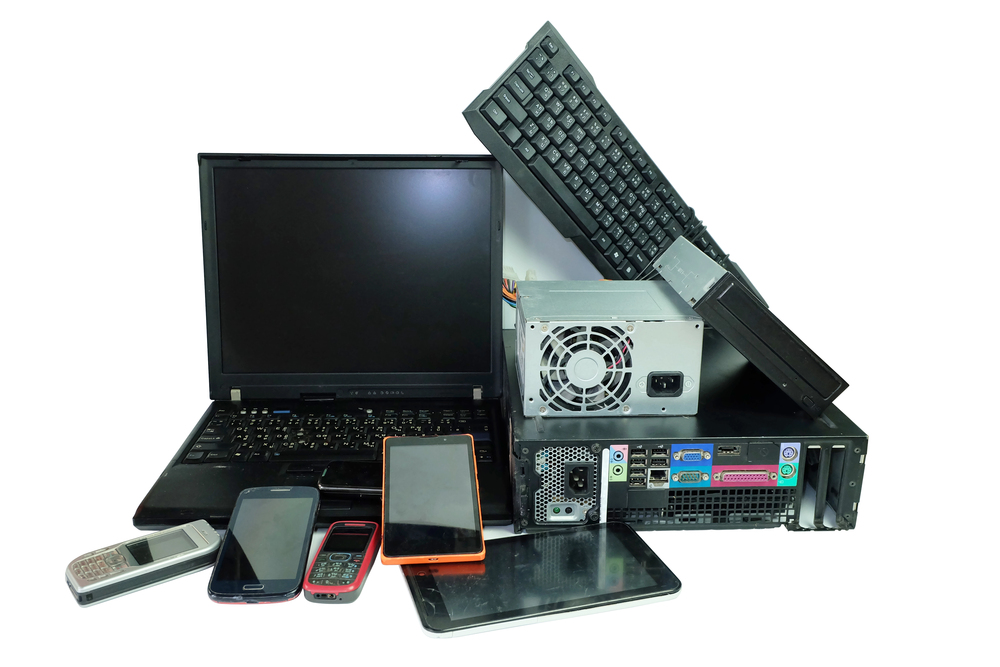
What used to scream status and excitement gathers dust on shelves, later traded away for loose change at yard events. Each new wave of devices follows the same path – start high, slowly refine as prices shrink, then vanish when newer models arrive.
That steep starting cost? It paid for the tweaks and production leaps leading to cheaper versions down the line. People who bought first covered part of the journey toward widespread access.
Seeing this loop makes it clear how today’s must-have gadget becomes next year’s unwanted clutter.
More from Go2Tutors!

- The Romanov Crown Jewels and Their Tragic Fate
- 13 Historical Mysteries That Science Still Can’t Solve
- Famous Hoaxes That Fooled the World for Years
- 15 Child Stars with Tragic Adult Lives
- 16 Famous Jewelry Pieces in History
Like Go2Tutors’s content? Follow us on MSN.