Thanksgiving Traditions From Around the World
Turkey, football, that one relative who talks politics—Americans tend to think of Thanksgiving as exclusively their own.However, the desire to rejoice in a bountiful harvest and show appreciation for what is abundant is as universal as human experience can get.
Festivals that combine relief, joy, and a healthy dose of feasting have been used by cultures all over the world to mark the change from the growing season to winter.The fundamental concept is remarkably constant, despite the wide variations in the specific rituals: we survived another year, the food is in, let’s get together and express our gratitude.
Here are some ways that cultures around the world show their appreciation and commemorate the harvest that could make Thanksgiving in the United States seem incredibly humble.
Chuseok in Korea
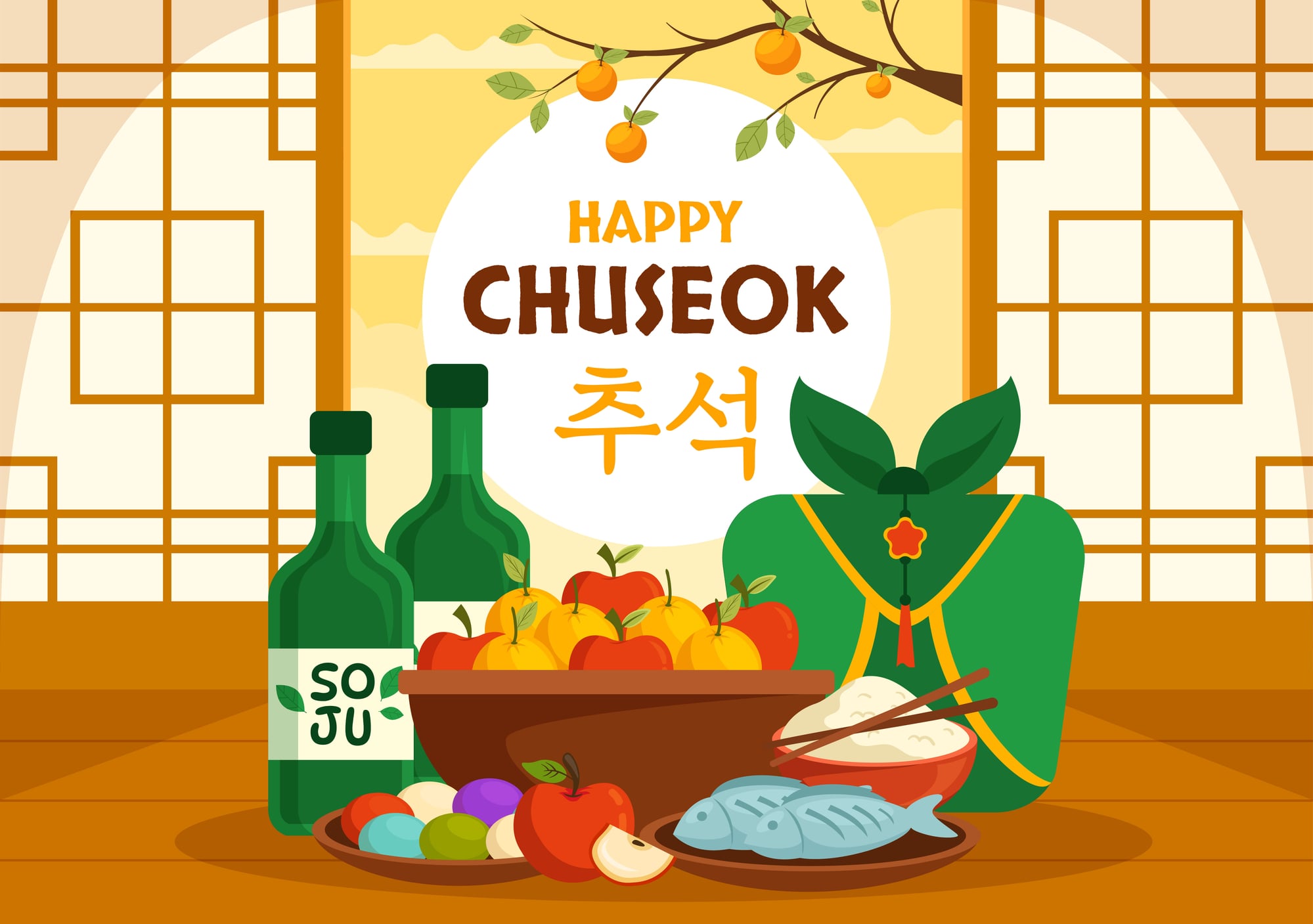
Chuseok, sometimes called Korean Thanksgiving, falls on the 15th day of the eighth lunar month, usually in September or October.It’s one of the most important holidays in Korea, a three-day celebration where millions of people travel to their hometowns to honor ancestors and share meals with extended family.
The exodus creates traffic jams that make American Thanksgiving travel look like a casual Sunday drive—we’re talking hours-long delays as the entire country migrates home.The festival likely has roots stretching back to the Silla era in the first millennium, originating as ancient harvest rites.
The centerpiece of Chuseok is songpyeon, half-moon-shaped rice cakes filled with sweetened sesame seeds, chestnuts, or red beans.Families gather to make them together, and there’s a Korean folklore tradition that says whoever makes the prettiest songpyeon will have a beautiful daughter or meet a good spouse.
Beyond the rice cakes, tables overflow with freshly harvested rice, fruits, and other dishes prepared specifically to honor deceased family members during charye, a memorial service held at home or at gravesites.It’s a holiday that weaves together gratitude for the harvest with deep respect for those who came before, creating a celebration that looks both forward and back.
Pongal in Southern India
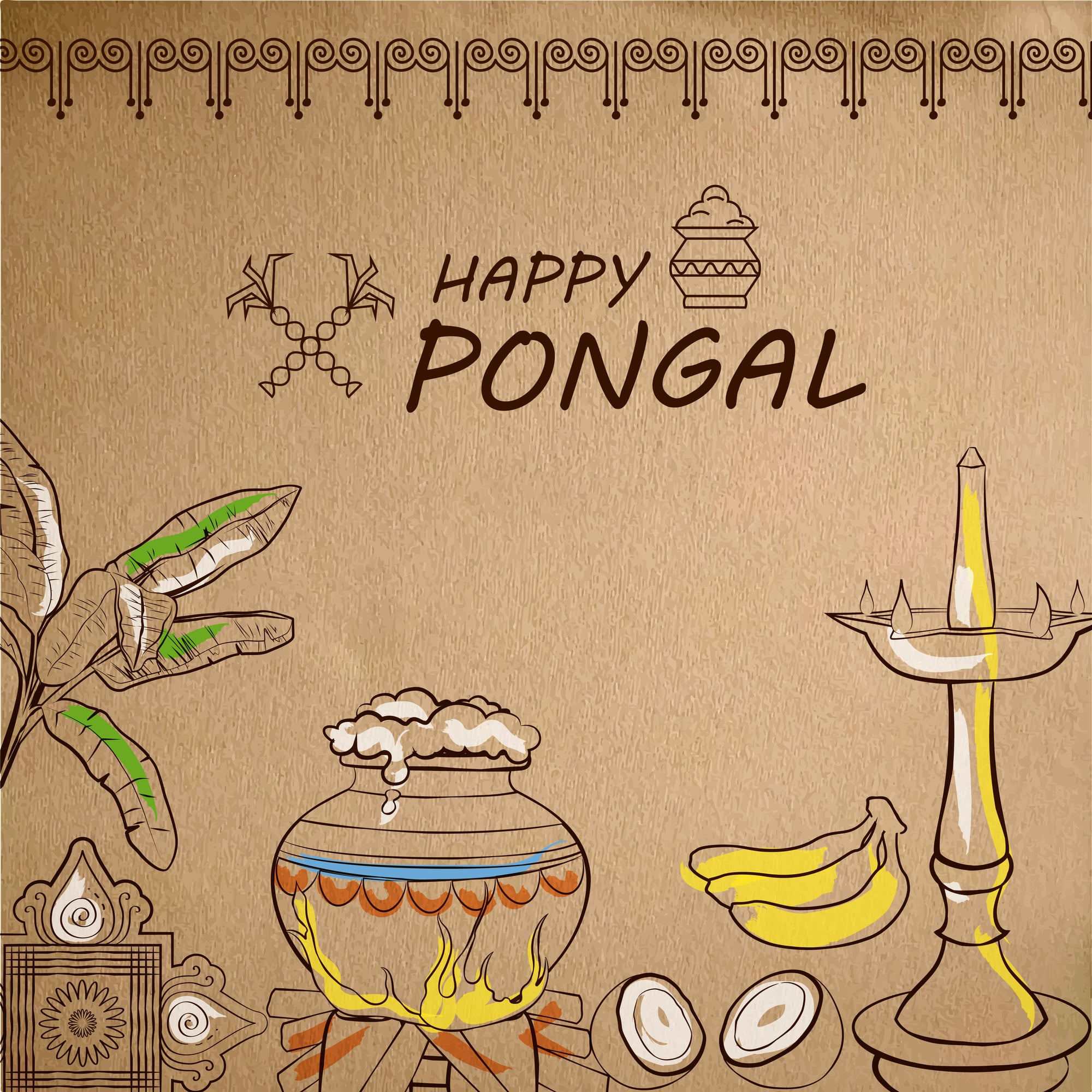
Pongal is a four-day harvest festival in Tamil Nadu that coincides with the winter solstice in mid-January.The celebration progresses through Bhogi Pongal, Surya Pongal, Mattu Pongal, and Kaanum Pongal.
The name comes from the Tamil word meaning ‘to boil over,’ which describes both the preparation of the festival’s signature dish and the symbolism of abundance overflowing.On Surya Pongal, the main day, families cook fresh rice with milk and jaggery in clay pots facing the sun as an act of worship to Surya, the Sun God.
When it boils over, people shout ‘Pongalo Pongal!’ and the celebration kicks into high gear.What makes Pongal distinctive is the Mattu Pongal celebration on the third day, dedicated entirely to cattle.
Cows and bulls are bathed, decorated with flower garlands and painted horns, and given special treats.In agricultural communities, cattle represent survival—they pull plows, provide milk, and make farming possible—so honoring them makes perfect sense.
In rural districts of Tamil Nadu, some villages hold jallikattu, a traditional bull-taming sport that’s controversial but remains culturally significant.The festival closes with Kaanum Pongal, when families visit relatives and friends, strengthening community bonds after the hard work of harvest season ends.
Erntedankfest in Germany and Austria
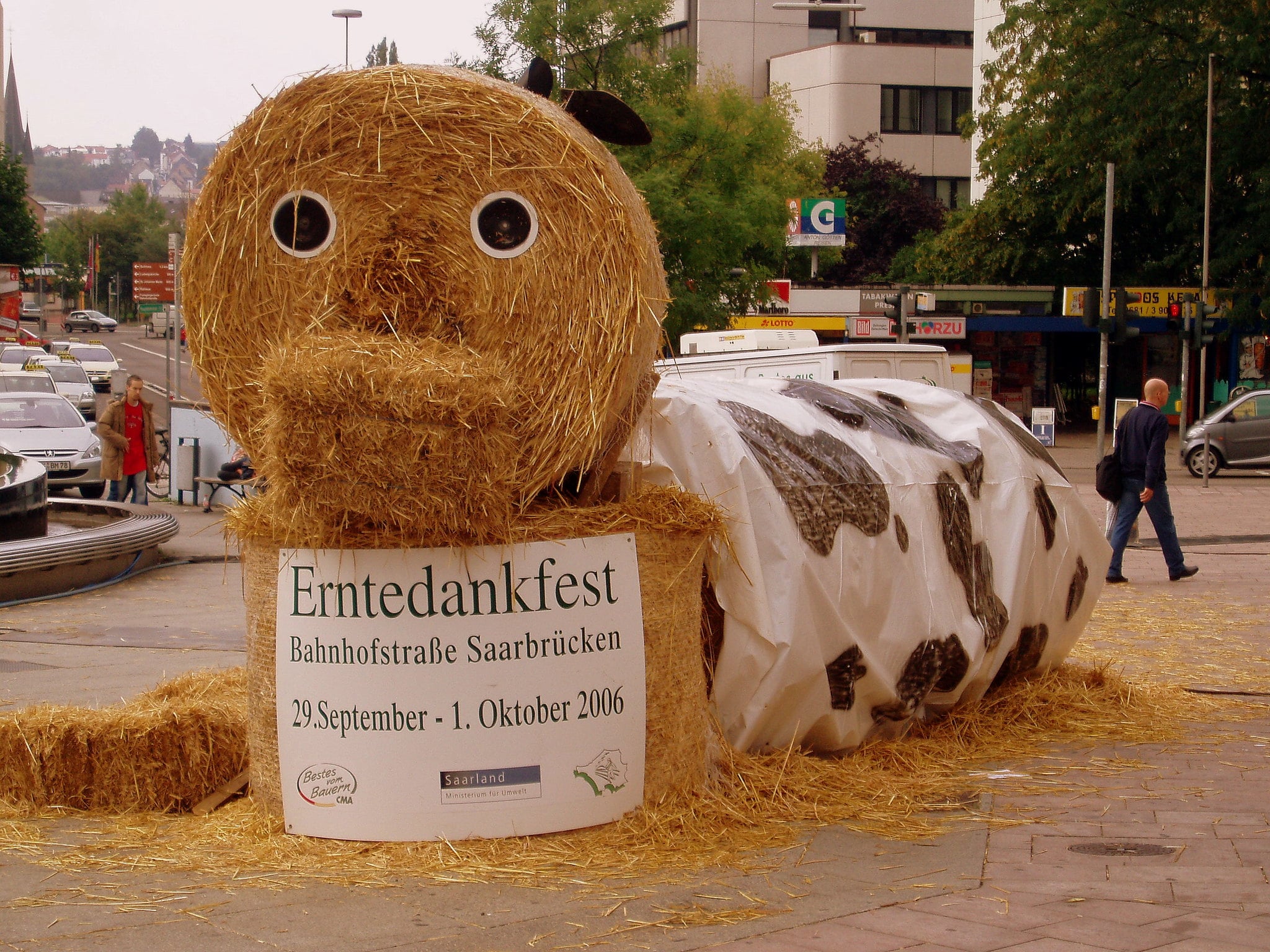
Erntedankfest, the German harvest thanksgiving festival, typically occurs in late September or early October.Unlike American Thanksgiving with its fixed date, Erntedankfest varies by region and isn’t a public holiday nationwide—it’s primarily observed by churches and local communities.
Churches hold special services where altars are decorated with crown-shaped arrangements made from wheat, barley, and other grains, alongside fruits, vegetables, and bread.These Erntekrone, or harvest crowns, can be elaborate works of art, sometimes taking hours to construct.
The Berlin cathedral hosts one of the largest national services, making it a central modern event.Rural communities often organize processions where farmers parade through town on decorated floats, showing off their finest produce and celebrating the year’s yield.
The festival has a distinctly community-focused feel, with less emphasis on individual family gatherings and more on collective celebration.Many regions host harvest markets where local foods and crafts are sold, and traditional folk music and dancing fill the town squares.
After the church services, the decorated produce is often donated to charitable organizations, turning gratitude into practical assistance for those in need.It’s a holiday that connects spiritual thankfulness with tangible community support.
Mid-Autumn Festival in China and Vietnam

The Mid-Autumn Festival, also known as the Moon Festival, is celebrated on the 15th day of the eighth lunar month, typically in late September or early October.In China, it’s called Zhongqiu Jie, and in Vietnam, it’s Tet Trung Thu.
While both cultures share the lunar calendar timing, the festivals have evolved differently.In China, it’s traditionally an adult celebration focused on family reunion and moon appreciation.
People gather outdoors to admire the full moon, which symbolizes unity and completeness, while sharing mooncakes—dense pastries with regional variations including lotus seed paste, red bean, or salted egg yolks in mainland China, snow-skin versions in Hong Kong, and mung bean fillings in Vietnam.Vietnam’s version has become more child-centered over time.
Kids parade through streets carrying colorful lanterns shaped like fish, stars, or butterflies, and lion dances perform in town squares.The festival celebrates children as the future of the community, with toys and treats given as gifts.
Both versions include the legend of Chang’e, the moon goddess, though the stories vary slightly between cultures.What remains constant is the association between the full moon, family togetherness, and gratitude for abundance.
The festival has spread throughout East and Southeast Asia, with each country adding its own cultural flavor while maintaining the core themes of reunion and harvest celebration.
Sukkot in Jewish Tradition
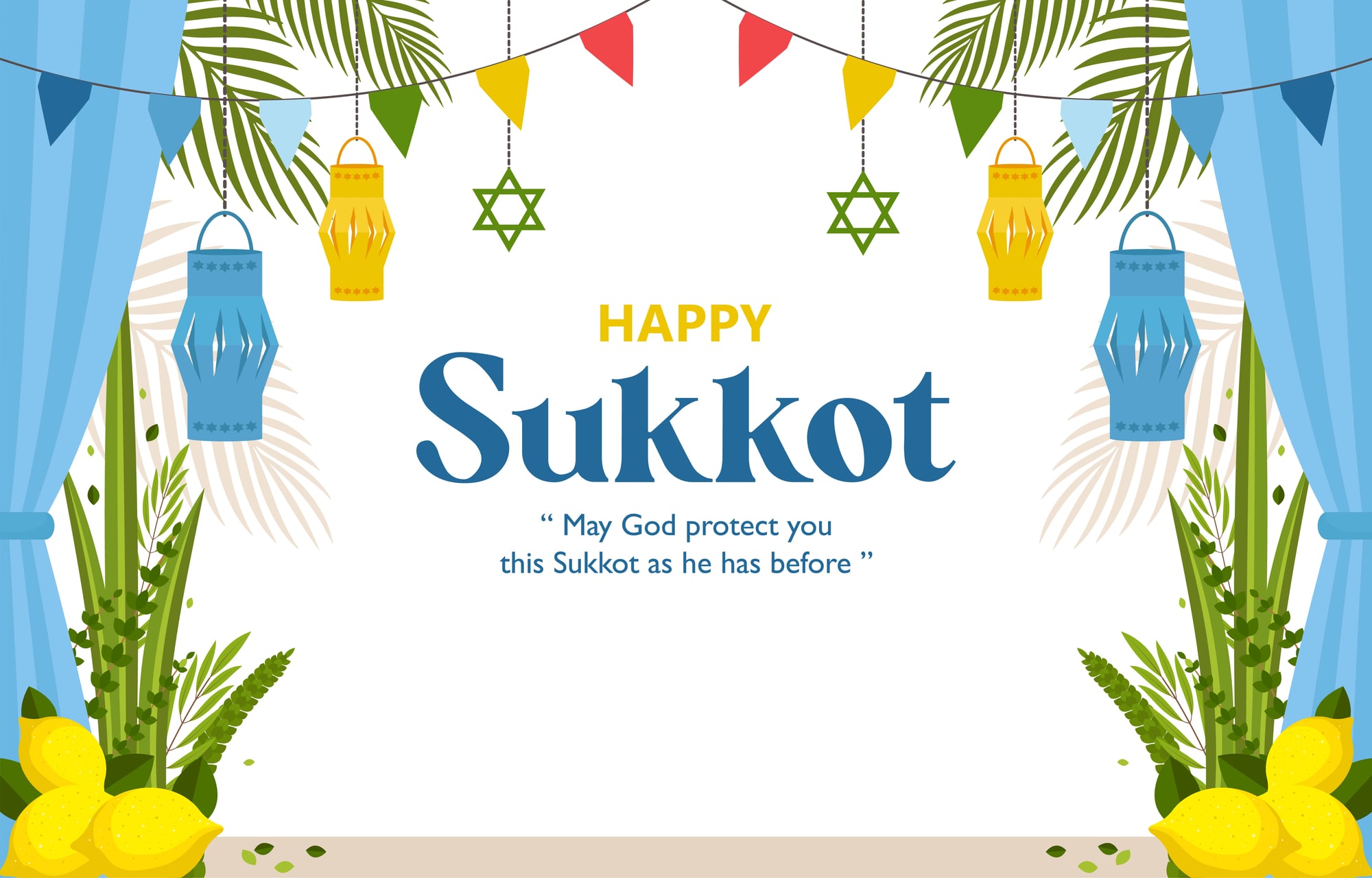
Sukkot, the Jewish Feast of Tabernacles, occurs in autumn—usually late September or early October—and lasts seven days in Israel and eight in the diaspora, with celebrations extending into Shemini Atzeret.As one of the Three Pilgrimage Festivals, known as Shalosh Regalim, Sukkot historically involved traveling to Jerusalem to bring harvest offerings.
The holiday commemorates the 40 years the Israelites spent wandering in the desert after leaving Egypt, but it’s also explicitly a harvest festival mentioned in the Torah.The most visible tradition involves building a sukkah, a temporary outdoor structure with a roof made of branches that you can see the sky through.
Families eat meals inside the sukkah, some even sleep there, as a reminder of impermanence and dependence on divine protection.The holiday includes the ritual of the Four Species, or arba minim—palm branch, myrtle, willow, and citron—which are held together and waved in six directions during morning prayers each day except on Shabbat.
Each species represents different types of people or different aspects of faith, depending on interpretation.Sukkot manages to be both joyful and contemplative, celebrating agricultural abundance while acknowledging vulnerability and the temporary nature of material security.
In Israel, the holiday coincides with the end of the dry season and the hope for coming rains, giving it additional agricultural significance.The combination of gratitude, remembrance, and forward-looking hope makes Sukkot conceptually similar to Thanksgiving, even though the specific practices look nothing alike.
Homowo in Ghana

The Ga people of the Greater Accra Region in Ghana celebrate Homowo, which translates roughly to ‘hooting at hunger,’ in late August.The festival commemorates a period of famine followed by a plentiful harvest, making it a celebration of survival and abundance.
The main ritual involves sprinkling kpokpoi, a steamed fermented cornmeal dish also spelled kpekple, around homes and at sacred sites while elders pour libations to ancestors.The fermentation process symbolizes rebirth and transformation after famine.
The food offering serves both as thanksgiving and as a way to share the harvest with those who’ve passed on.Homowo includes a period of noise restrictions lasting about a month before the main celebration—drumming and singing are banned to maintain spiritual focus.
When the ban lifts, the festival explodes with sound, dancing, and processions through streets.It’s where the ‘hooting’ comes in, as people make noise to mock the hunger they previously endured.
Families reunite, disputes are settled, and communities reaffirm their bonds.The festival demonstrates how harvest celebrations aren’t just about the food itself, but about the security and continuity that successful harvests represent.
For farming communities, a good harvest means another year of survival, and that’s worth celebrating loudly.
The Common Thread

Despite spanning continents and cultures, these festivals have universal themes.They take place when communities can finally relax knowing they will survive the winter after all of the hard work of planting and caring for the land.
They include rituals that recognize something beyond immediate material concerns, such as ancestors, deities, or just the good fortune of abundance, special foods that highlight the harvest, and get-togethers that strengthen family and community ties.This global trend, which is merely a variation of humanity’s oldest holiday, is exactly what American Thanksgiving fits into.
Regardless of time and culture, the basic human need to stop, gather, and express gratitude endures despite changes in the particular foods and traditions.
More from Go2Tutors!

- The Romanov Crown Jewels and Their Tragic Fate
- 13 Historical Mysteries That Science Still Can’t Solve
- Famous Hoaxes That Fooled the World for Years
- 15 Child Stars with Tragic Adult Lives
- 16 Famous Jewelry Pieces in History
Like Go2Tutors’s content? Follow us on MSN.