Most Expensive Jewels Stolen in History
Strange tales swirl around stolen jewels, somewhere near myth but real enough. Not your average loot tossed into a pawn shop later.
Power lives inside them somehow, along with old fortunes and ancient names. Connected to crowns sometimes, or flags that fly over nations.
Their absence hits deeper than just dollar amounts left behind. It’s the chaos after the heist that grips people, far beyond the price tag.
Decades on, a few gems resurfaced by chance. Whole collections disappeared without a trace, myths blooming around them.
Security never looked the same once those vaults cracked open. Peering into the past reveals some gem thefts that stand out when worth, consequences, and unanswered questions collide.
Not every heist made headlines – only those leaving behind traces of grand loss mixed with secrecy. What remains are records pointing to moments when luxury vanished without clear answers.
Some stones disappeared mid-transit; others were taken under cover of night from guarded spaces. Each case holds weight not just because of price tags but due to what followed – confusion, legends, silence.
These aren’t tales built on rumor – they’re rooted in reports, receipts, investigations. When riches vanish suddenly, attention follows fast – but understanding lags far behind.
The Crown Jewels of Ireland
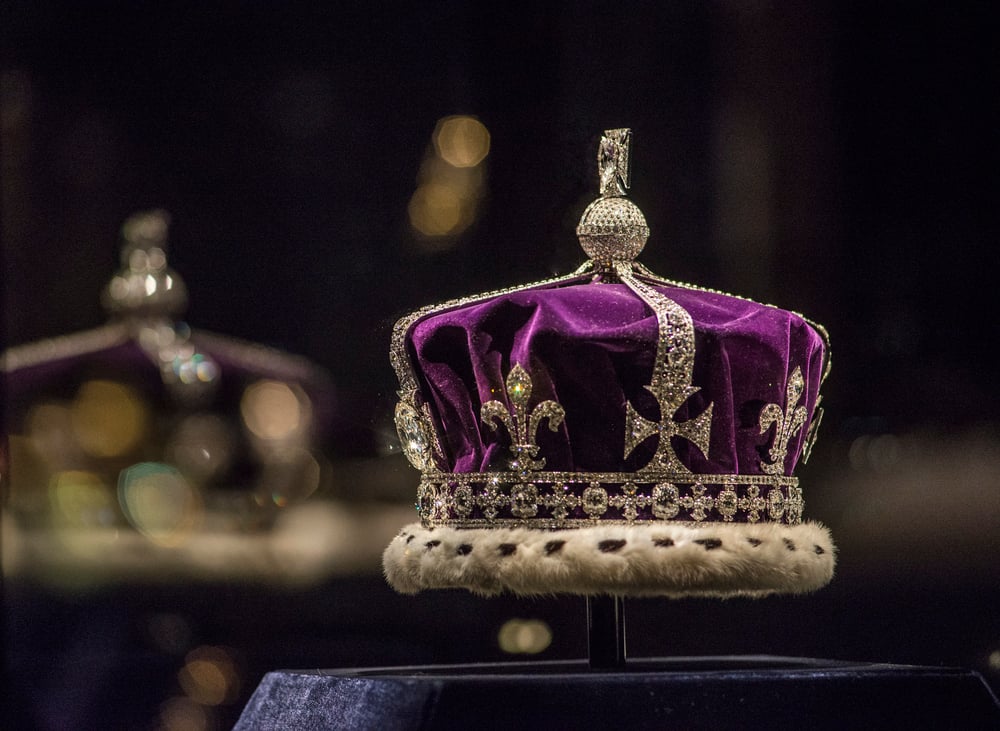
The theft of the Irish Crown Jewels in 1907 remains one of the most audacious and unresolved crimes of its kind. The jewels, which included diamond-studded insignia of the Order of St Patrick, were stolen from Dublin Castle shortly before a major royal visit.
Their disappearance caused immediate political and social shock. Even so, these jewels were not crowns in the traditional sense.
They were ceremonial regalia, heavily encrusted with diamonds and valued at an extraordinary sum for the time. Despite investigations and suspects, the jewels were never recovered.
Their loss exposed security weaknesses at the heart of the British administration in Ireland.
The French Crown Jewels
In 1792, during the chaos of the French Revolution, the French Crown Jewels were stolen from the Garde-Meuble in Paris. The collection included thousands of diamonds, pearls, and precious stones accumulated over centuries of monarchy.
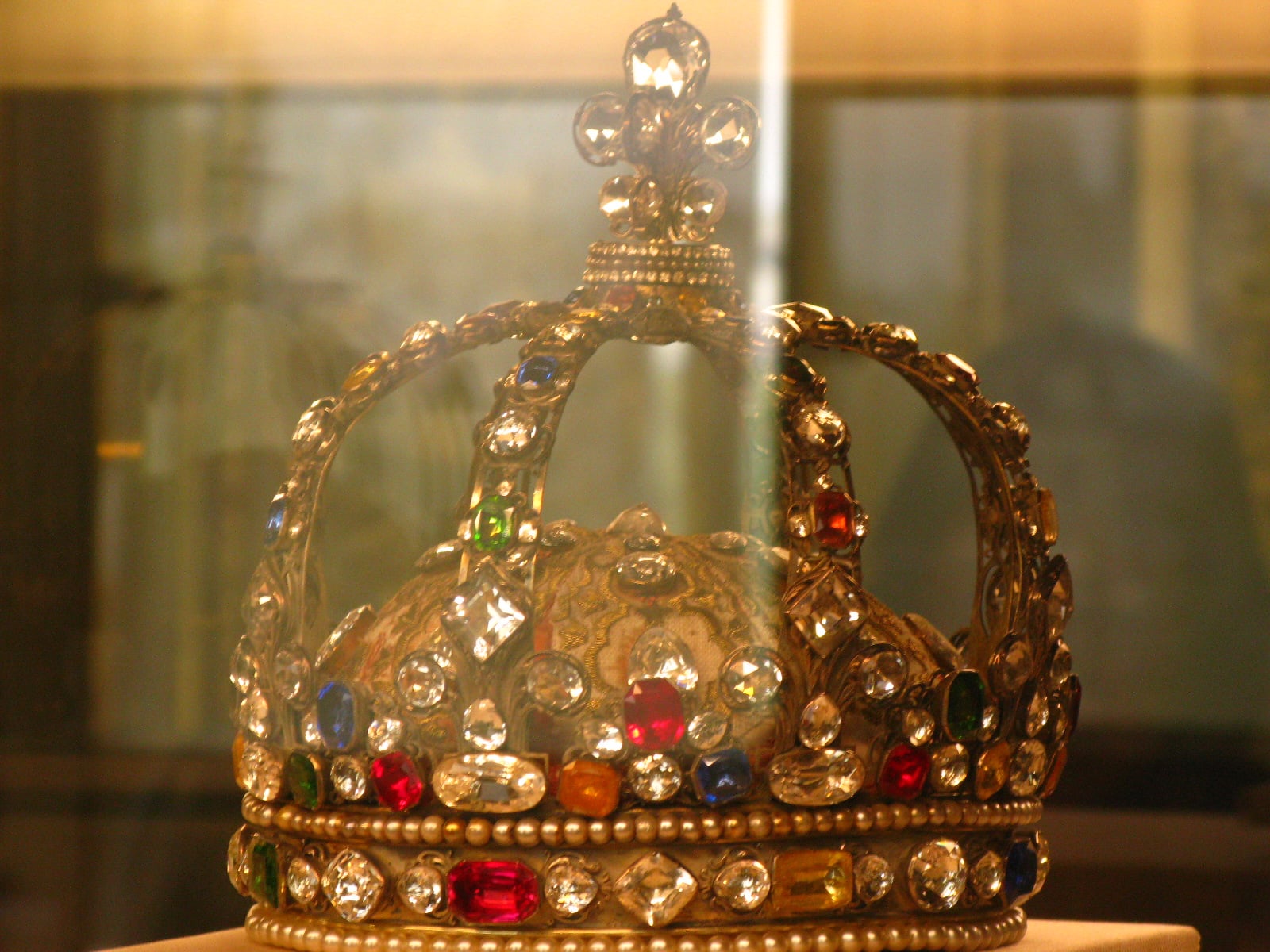
Revolutionaries targeted the jewels as symbols of royal excess. Many pieces were eventually recovered, but not all.
Some jewels were broken up and sold, permanently erasing their original forms. The theft marked a turning point, transforming royal regalia into state property.
Even today, missing pieces from the collection continue to intrigue historians and collectors alike.
The Gardner Museum Heist
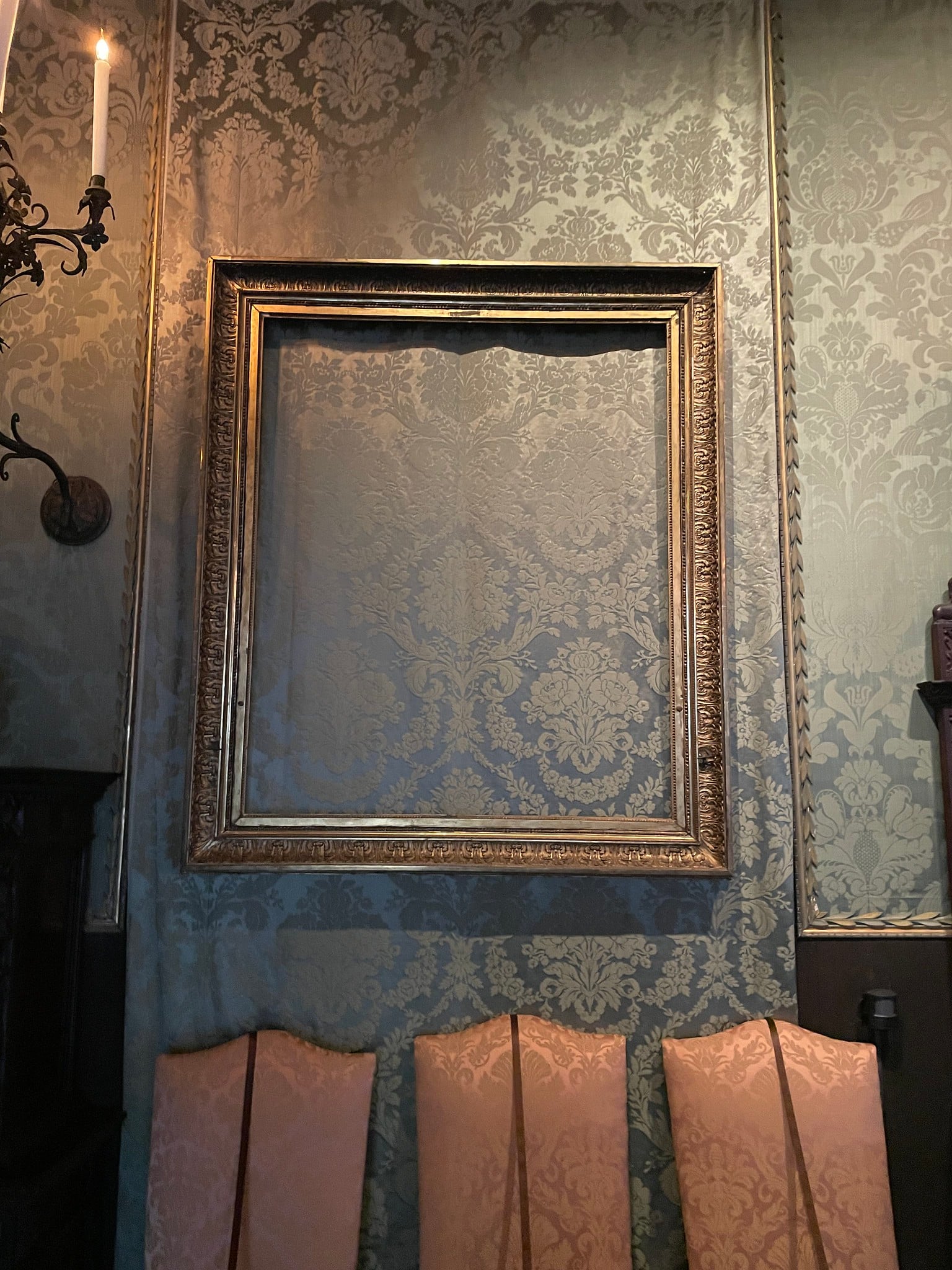
The 1990 robbery at the Isabella Stewart Gardner Museum is often cited as the most valuable art theft in history, but it also involved extraordinary jewels and decorative objects. Thieves posing as police officers walked out with works valued in the hundreds of millions of dollars.
Among the stolen items were jeweled objects and decorative pieces whose individual values were immense. Still, none have ever been recovered.
The theft reshaped museum security practices worldwide and remains an open investigation, with the missing items becoming icons of cultural loss rather than private treasure.
The Sancy Diamond
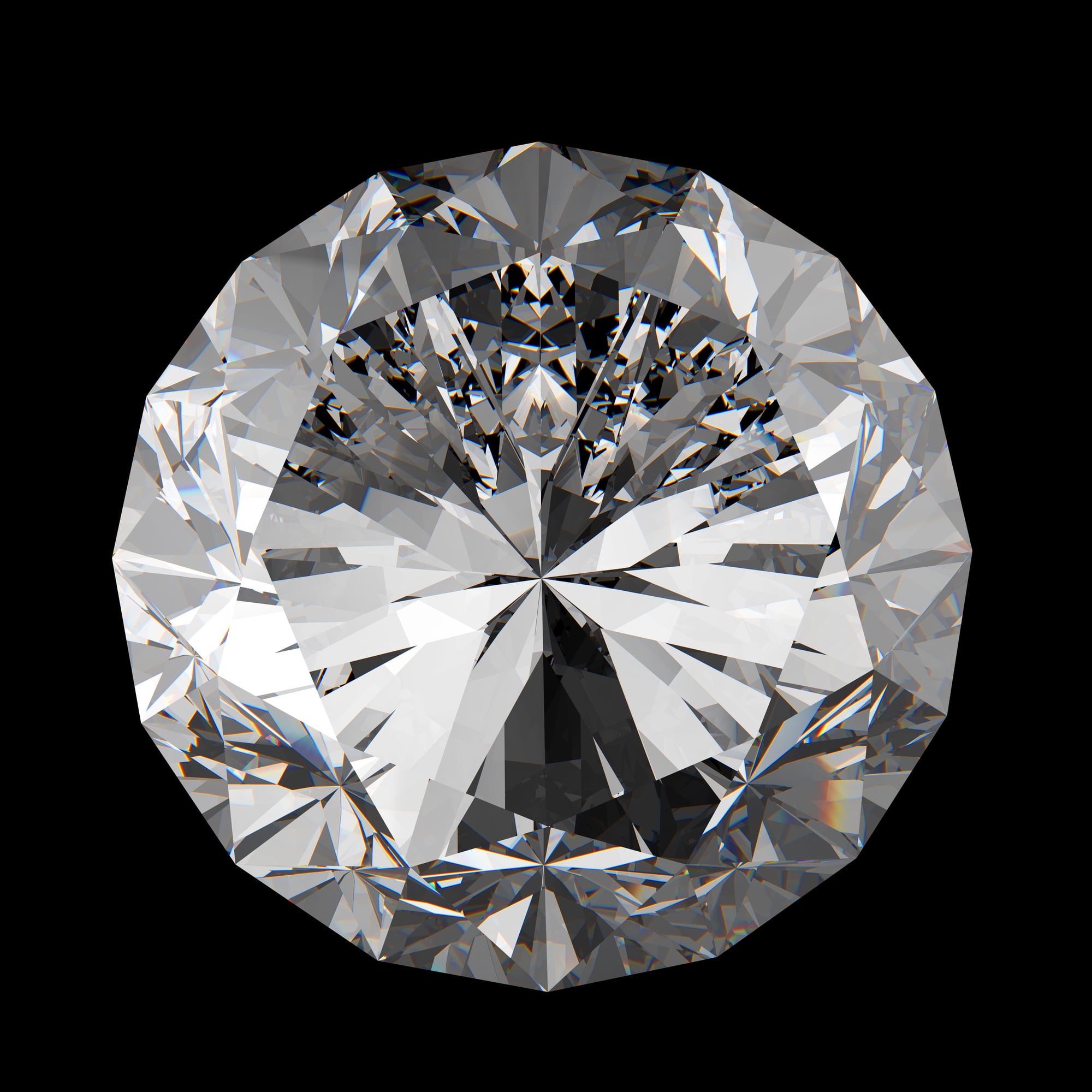
The Sancy Diamond is one of the most famous diamonds ever stolen, lost, and recovered multiple times. This pale yellow stone passed through royal hands across Europe, including French and English monarchs.
During the French Revolution, it disappeared along with other royal assets. Unlike many stolen jewels, the Sancy eventually resurfaced.
Today, it resides in the Louvre. Its repeated disappearances highlight how political upheaval often creates opportunities for theft.
The diamond’s survival as a complete object is unusual, given how often historic gems were dismantled for resale.
The Florentine Diamond

The Florentine Diamond, a rare yellow stone weighing over 130 carats, vanished after the fall of the Austro-Hungarian Empire. It was last seen in the early twentieth century, packed among imperial jewels during a period of exile and instability.
That said, its fate remains uncertain. Some believe it was cut into smaller stones to disguise its origin.
Others speculate it remains hidden in a private collection. Either way, the loss of the Florentine Diamond represents one of the greatest unresolved mysteries in gem history.
The De Beers Millennium Star Attempted Theft
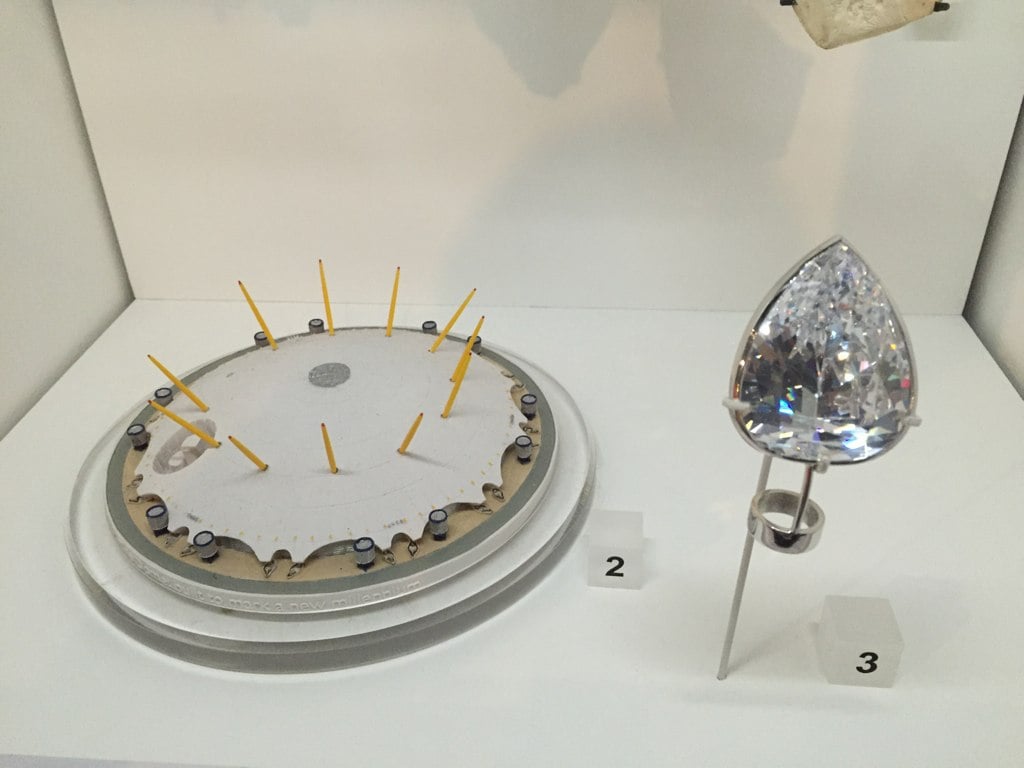
The Millennium Star diamond was the target of a high-profile attempted theft in 2000 at the Millennium Dome in London. Valued at hundreds of millions, the flawless stone was part of an exhibition showcasing rare diamonds.
A criminal group attempted a daylight raid using heavy machinery. The plan was thwarted by undercover officers, and the diamond was never lost.
Even so, the attempt itself became legendary. It highlighted how the value of a single stone could justify elaborate planning and risk.
Security strategies for high-value gems changed significantly afterward.
The Antwerp Diamond Heist

In 2003, thieves broke into a high-security diamond vault in Antwerp, stealing diamonds, gold, and jewels valued in the hundreds of millions. The vault was protected by multiple layers of security, including sensors, locks, and surveillance systems.
The theft shocked the global diamond industry. While some items were recovered, much of the haul was never found.
The crime demonstrated that even the most advanced security systems can be compromised. Antwerp’s reputation as a secure diamond hub was forced to reckon with that reality.
The Star of India
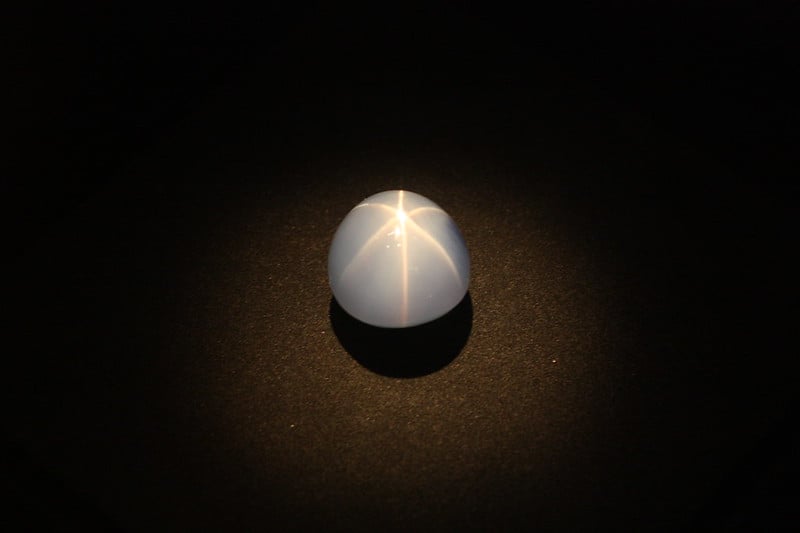
The Star of India, one of the world’s largest sapphires, was stolen in 1964 from the American Museum of Natural History. The gem, known for its size and star-like pattern, was taken along with other precious stones.
Unlike many historic thefts, this one ended with recovery. The jewel was found in a bus station locker just days later.
Even so, the incident exposed lax security practices and reinforced the vulnerability of public institutions displaying priceless objects.
The Tiffany Yellow Diamond Disappearance Scare
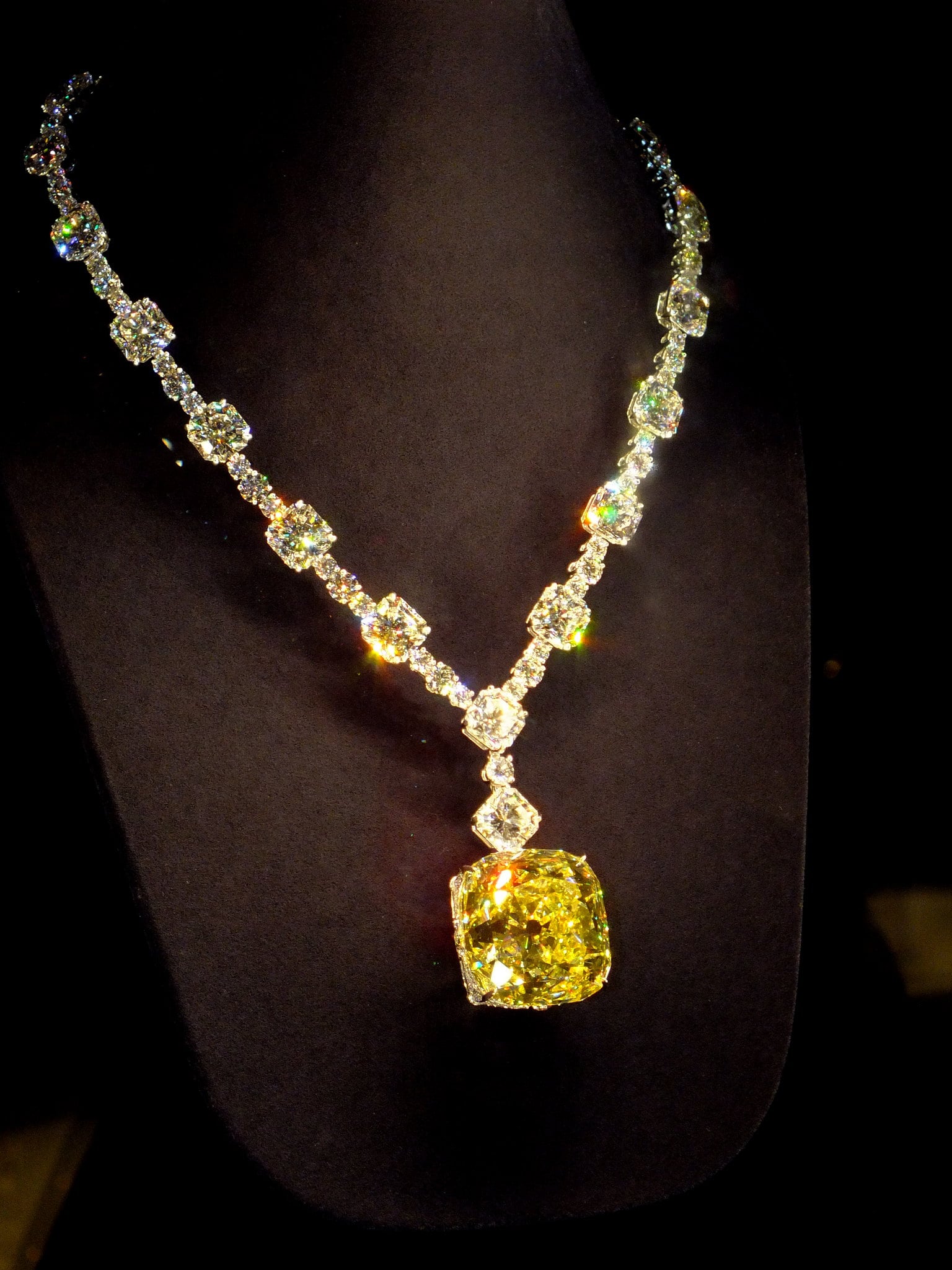
While not permanently stolen, the Tiffany Yellow Diamond has been the subject of repeated security scares and attempted thefts throughout its history. The diamond’s immense size and fame make it an enduring target.
Each incident prompted tighter controls and more sophisticated protection. The repeated threats underline a central truth of jewel theft history.
Visibility increases value, but it also increases risk. Famous jewels must balance public display with near-constant vigilance.
The Russian Crown Jewels During the Revolution
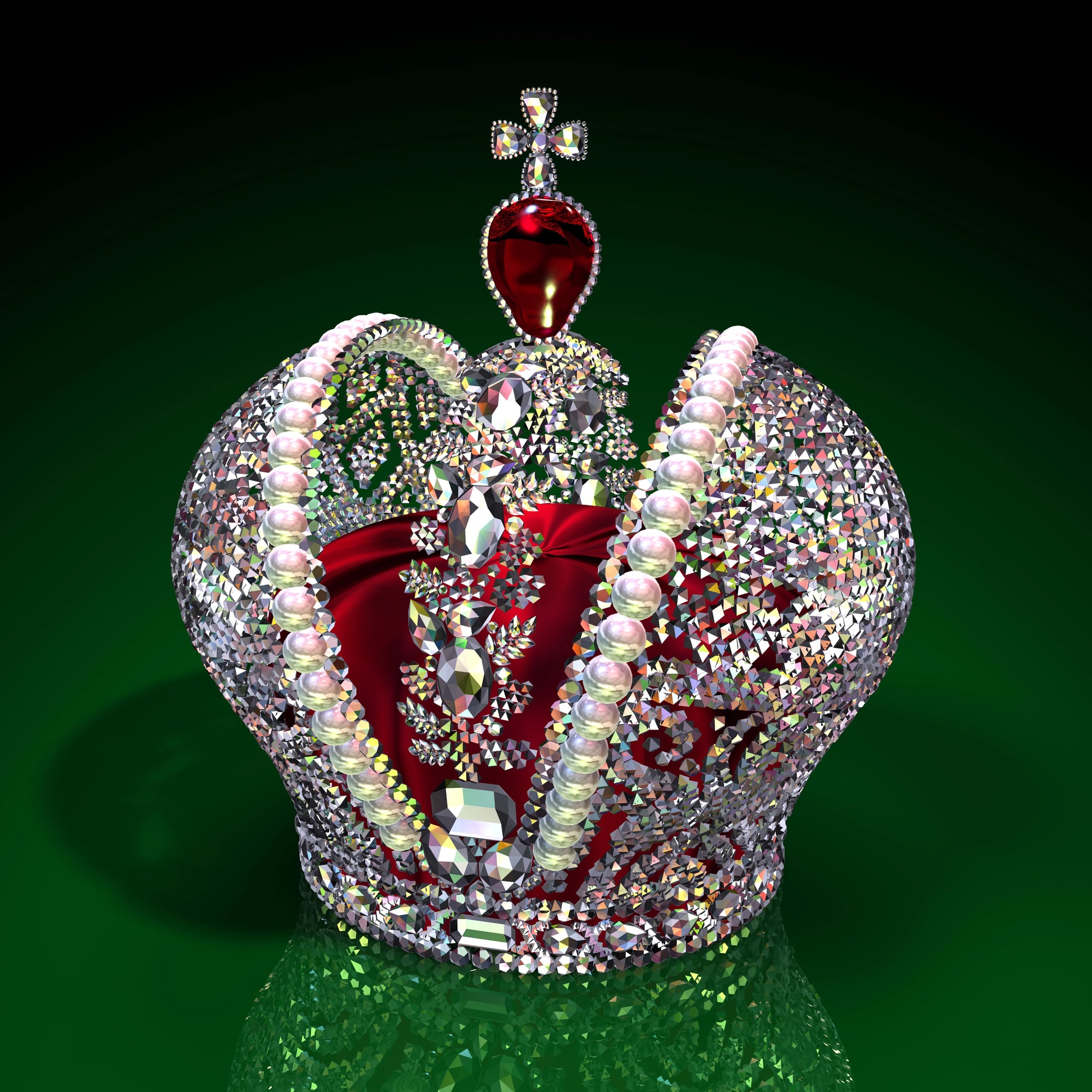
During the Russian Revolution, imperial jewels were seized, hidden, sold, or stolen as the monarchy collapsed. Some pieces were safeguarded and later displayed by the state.
Others disappeared into private hands through illicit sales and smuggling. The true value of what was lost may never be known.
Records were incomplete, and many items were dismantled. The dispersal of these jewels permanently altered the legacy of Russian imperial regalia and created a shadow market that thrived on political collapse.
Why Jewel Thefts Reach Such Enormous Values

Pricey gem heists usually aren’t just about cash later. Because famous gems stand out so clearly, fencing them is tough work.
What makes them precious isn’t only the stones themselves – legacy matters just as much. A name tied to history can be heavier than carats.
Out of that pressure, most heists bloom into legend. When gems vanish, they turn into tales told again and again, value swelling as time blurs fact and fiction.
With every year hidden, the tale wraps tighter around the price tag.
How These Thefts Changed Security Forever

Each major jewel theft reshaped security practices. Museums adopted layered protection systems.
Private collectors moved valuables into vaults or limited public exposure. Insurance policies became more complex and restrictive.
Still, innovation works both ways. As security improves, so does criminal ingenuity.
The history of jewel theft is a constant arms race between protection and exploitation, with each high-profile case pushing standards higher.
Why These Stories Still Matter

Something about missing gems just sticks in people’s minds – maybe it is how they carry so much time inside them. Empires grew around them, then crumbled away.
Borders shifted while they moved through hands across continents. Upheavals came and went yet they remained.
When one vanishes now, it seems the past itself breaks for a moment. Still now, lost gems spark probes, films, stories.
Worth means more than money alone – threads of past, identity, meaning woven through. What lingers isn’t gold but memory shaped by time.
When Treasure Becomes Legend

Some say the most expensive jewels ever stolen are just legends dressed as facts. Hidden behind faces no one knows, certain stones disappear without a trace.
A lifetime may go by before others reappear – different, but still themselves. Through dim corners of history they drift, mentioned in passing, proven only once in a while.
Light stays long after the telling. Museums tightened locks because gems vanished one by one, while ideas about ownership of old things quietly changed direction.
What vanishes doesn’t vanish completely – moments drift apart easier than most care to say.
More from Go2Tutors!

- The Romanov Crown Jewels and Their Tragic Fate
- 13 Historical Mysteries That Science Still Can’t Solve
- Famous Hoaxes That Fooled the World for Years
- 15 Child Stars with Tragic Adult Lives
- 16 Famous Jewelry Pieces in History
Like Go2Tutors’s content? Follow us on MSN.