The Diamond Mines of India and Their Rich Past
Long before Africa and Russia became the centers of global diamond production, India was where it all began. Its gems adorned emperors, travelled across continents, and helped shape entire economies.
For centuries, the subcontinent glittered under the weight of its own wealth—each mine a gateway to both beauty and power.Here’s a list of India’s most famous diamond mines, each with a past that still gleams through time.
Golconda Mines
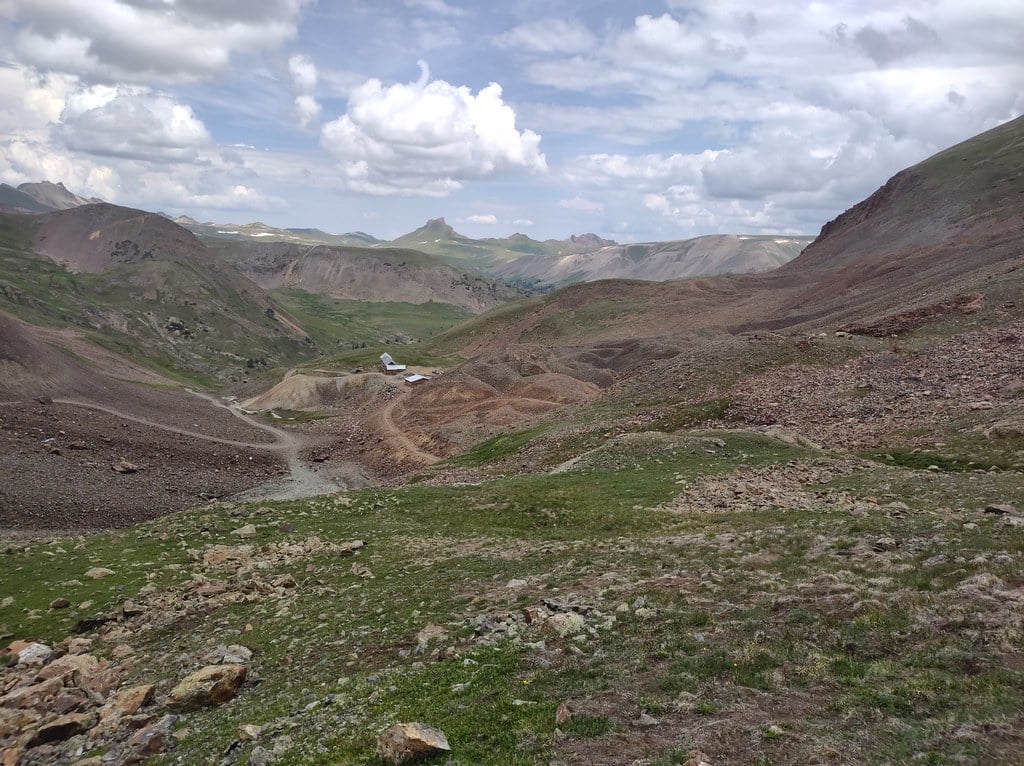
The Golconda region near Hyderabad was once the epicenter of India’s legendary diamond trade. Between the 16th and 18th centuries, these mines produced stones so clear and flawless that “Golconda diamond” became a byword for perfection.
Some of the world’s most renowned gems—the Koh-i-Noor, the Regent, the Hope Diamond—originated here. And though the mines have long fallen silent, their name still sparkles like a spell from a forgotten age.
Kollur Mine
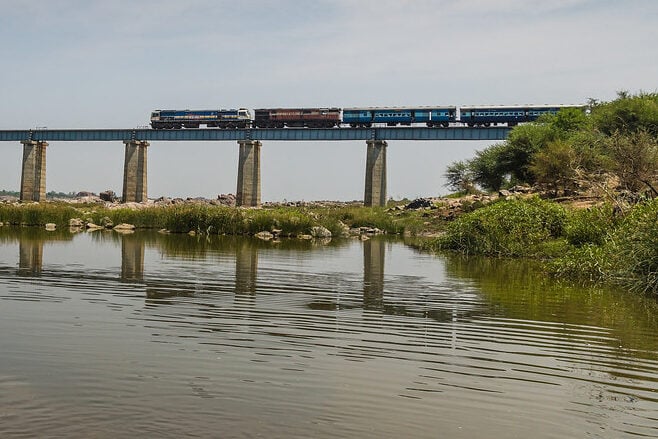
Along the Krishna River lay Kollur—a place of restless energy and relentless ambition. Thousands of miners worked under a searing sun, sifting river gravel for the faintest flash of fortune.
Yet the odds were brutal. Still, when luck struck, it could change everything overnight.Diamonds from Kollur found their way into Mughal treasuries, Persian vaults, and European crowns—a global trail of brilliance born from one muddy riverbank.
Like Go2Tutors’s content? Follow us on MSN.
Bunder Mine
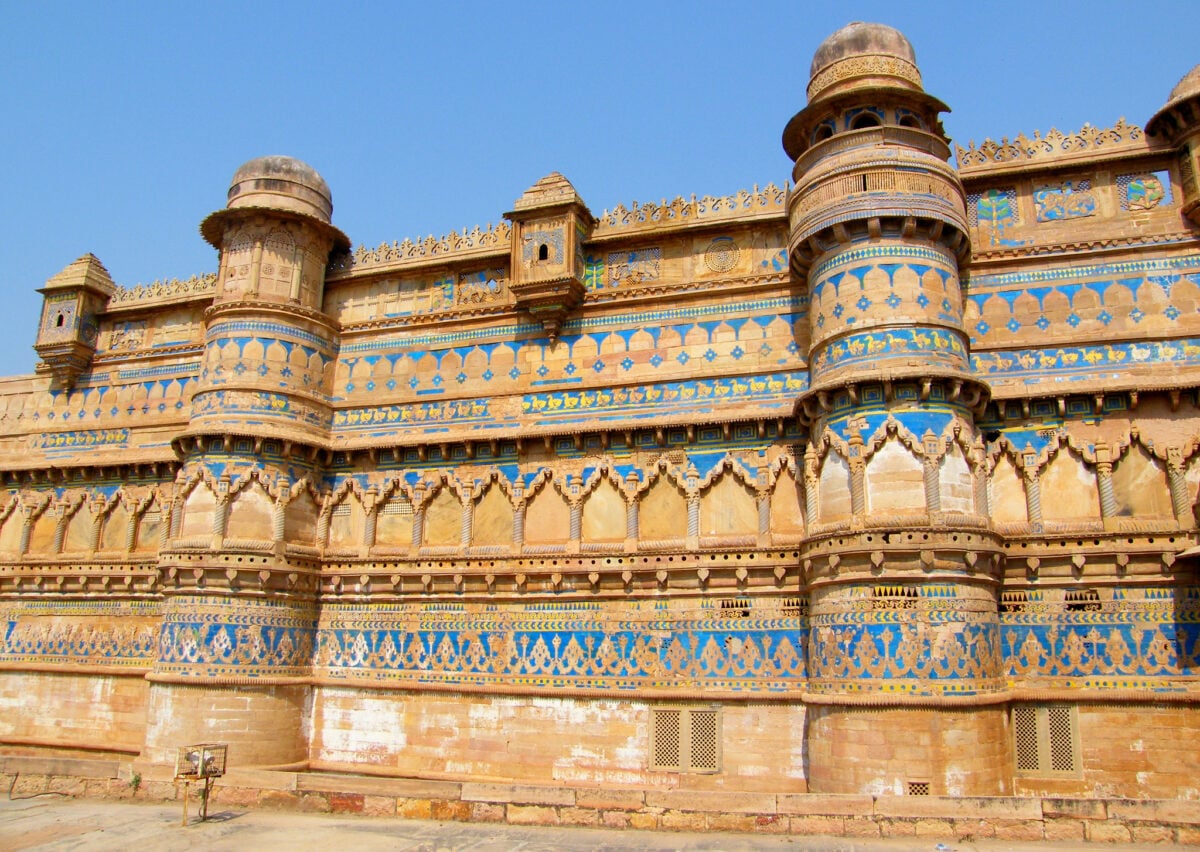
Discovered in Madhya Pradesh centuries after India’s golden diamond age had faded, the Bunder deposit hinted at revival. Rio Tinto’s involvement brought modern precision and scale—machines instead of pickaxes, data instead of instinct.
Even so, bureaucratic and environmental challenges eventually dimmed its promise. Despite this, Bunder remains a reminder that India’s diamond story isn’t entirely finished—it just pauses between chapters.
Panna Mines
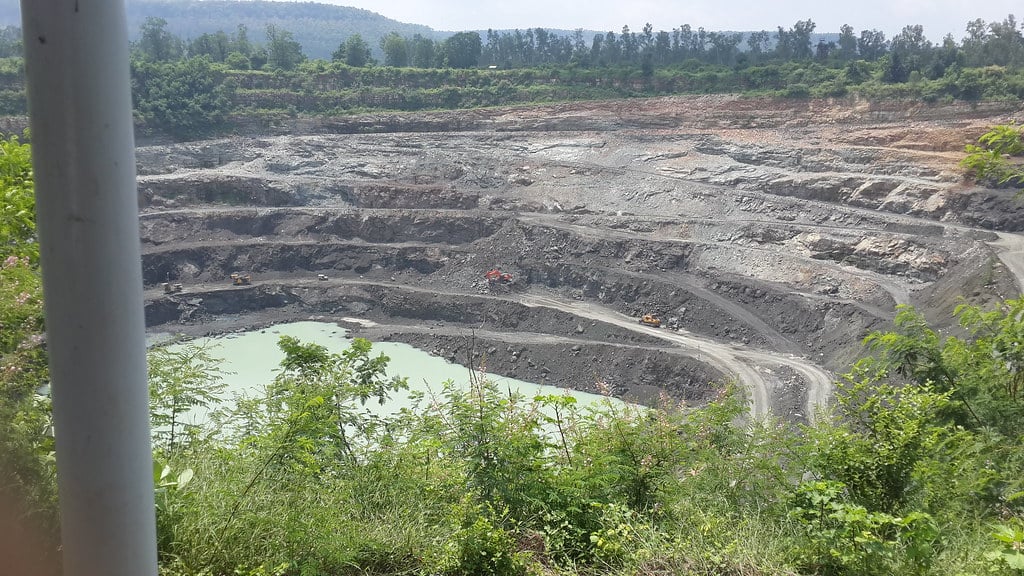
The Panna region, also in Madhya Pradesh, still yields diamonds today. Small-scale operations, yes, but steady.
The gems are usually modest—clear and light—but their heritage stretches back to Mughal courts and royal gifts.Every few years, a large discovery makes headlines, reviving old dreams of glitter and grandeur.
For a moment, it feels as if time folds in on itself.
Wajrakarur Mine
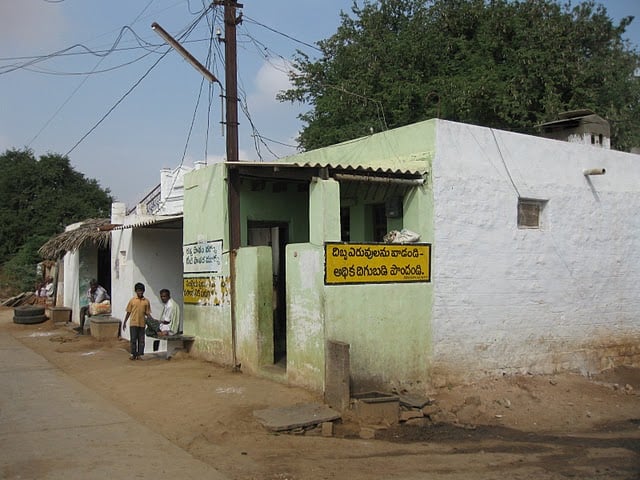
Wajrakarur—literally “the place of diamonds”—lies in the parched plains of Anantapur. It’s hard to imagine now, but once, this barren land bustled with miners sorting through alluvial soil in the burning heat.
A handful of stones, a lifetime of labour. What’s left today are scattered diggings, faint traces of hope, and perhaps a sparkle or two still hiding in the dust.
Like Go2Tutors’s content? Follow us on MSN.
Banganapalle Mine
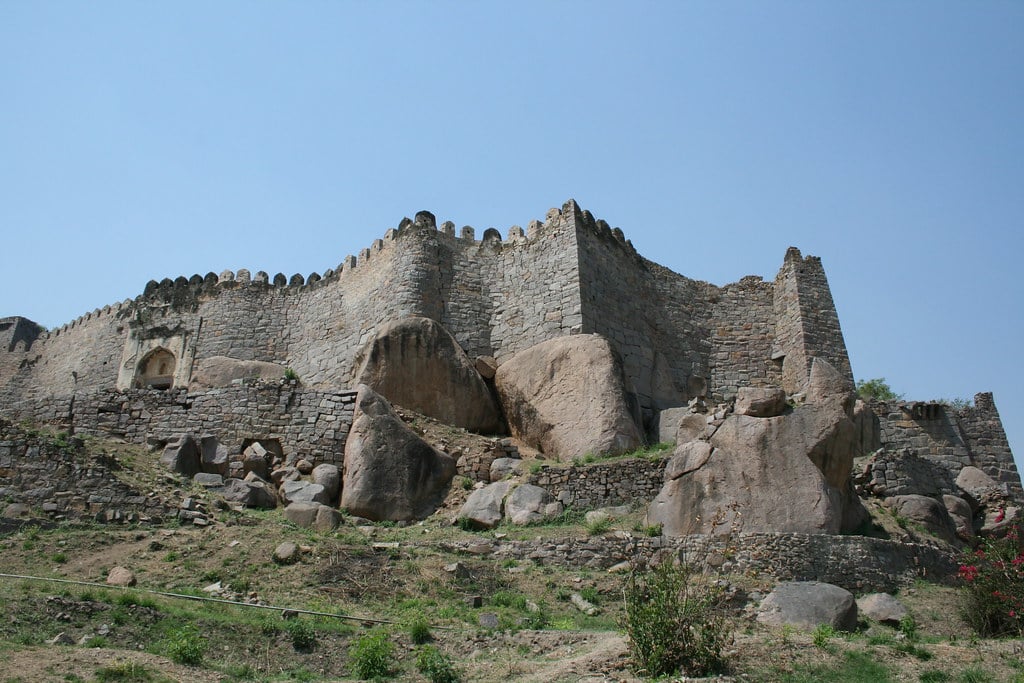
This site, part of the broader Golconda belt, relied on seasonal rhythms. After the monsoon rains, families would rush to the riverbanks, searching for the shimmer of luck in the mud.
The excitement was electric—part treasure hunt, part ritual. And while few struck gold (or diamond, in this case), the legend of Banganapalle lived on, carried in stories whispered over decades.
Mahbubnagar Mines
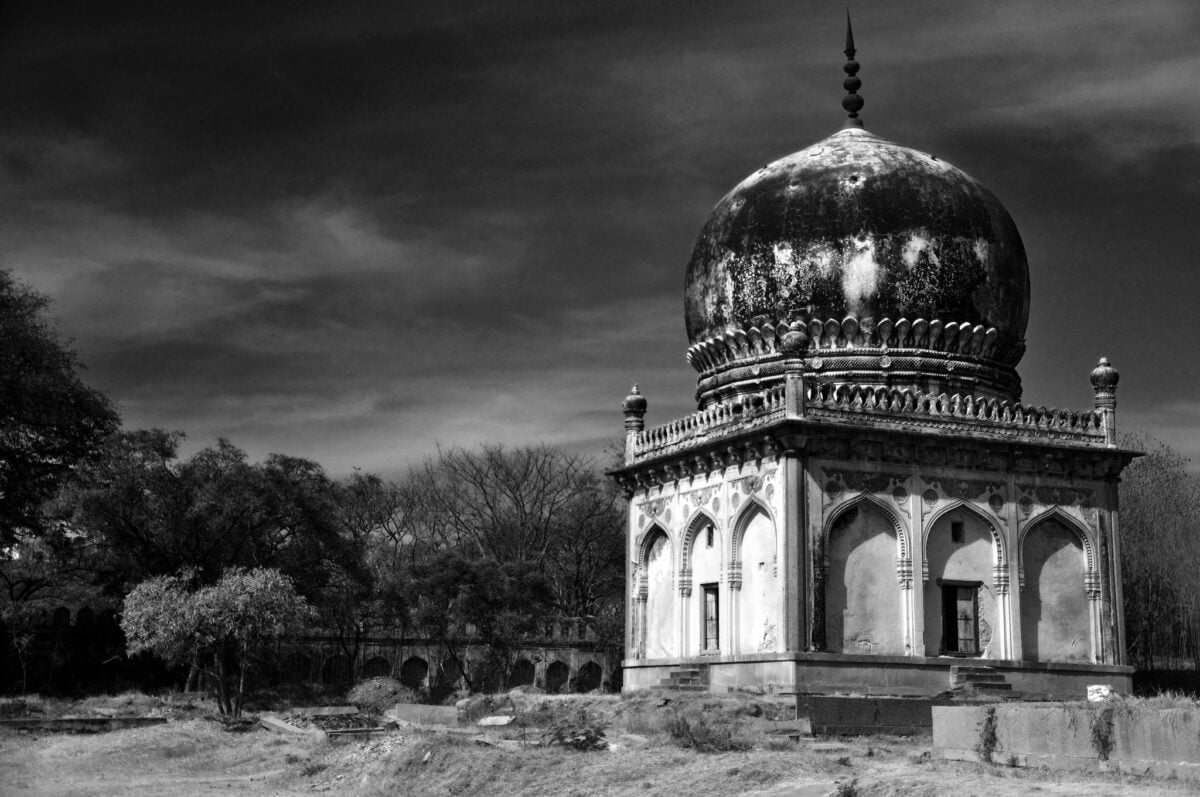
The diamond gravels of Mahbubnagar once filled the treasuries of the Qutb Shahi and Nizam rulers. Their wealth financed palaces, art, and festivals so grand they strained belief. Yet, with time, the mines grew silent.
Now, farmers till the same ground where kings once claimed fortune—a quiet inversion of destiny, though not without poetry.
Partial Rekha Mine
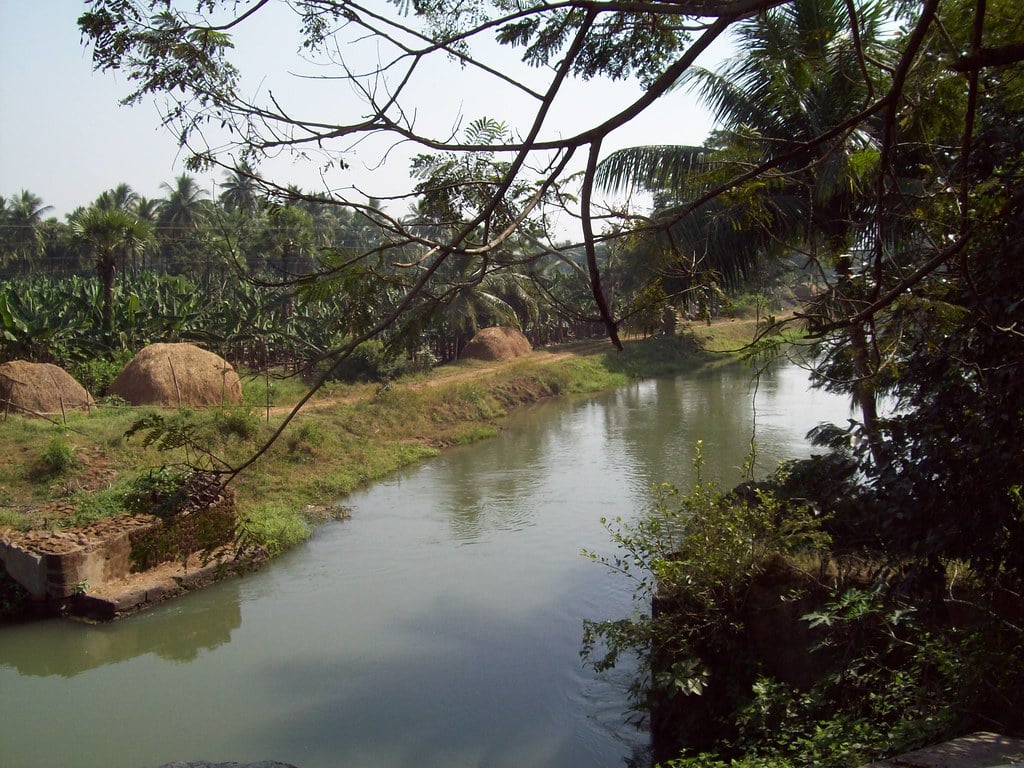
This smaller site near the Godavari basin never produced famous stones, yet it played a quiet, steady role in India’s trade. Each gem found here contributed to a network that kept commerce alive long after Golconda’s decline.
In history’s grand retelling, Partial Rekha is often overlooked. Still, its persistence mattered—it kept the industry breathing when empires forgot it existed.
Like Go2Tutors’s content? Follow us on MSN.
Soumelpur Mine
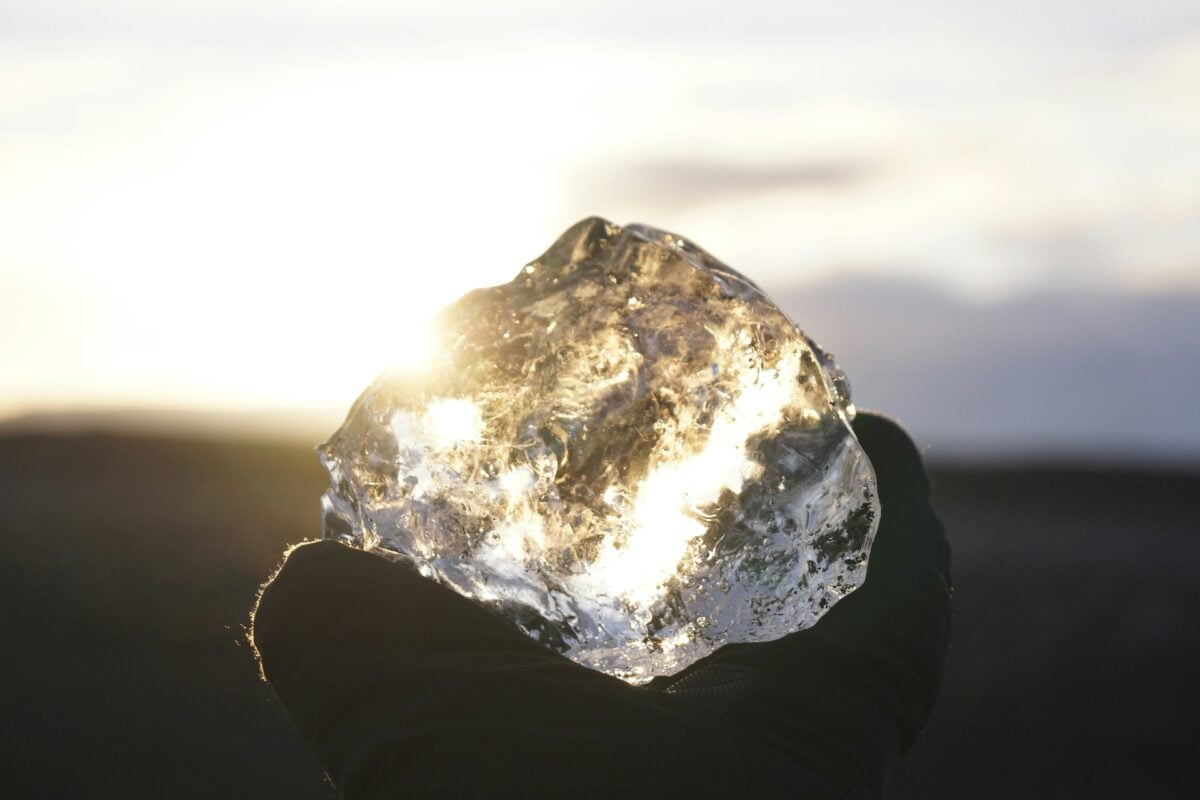
Soumelpur, tucked in India’s east, produced diamonds tinged faintly yellow—a rarity in themselves. Traders valued them differently, but their beauty carried across borders.
From caravan to caravan, they journeyed through Persia, Arabia, and even Rome.It’s strange to think of it—an Indian diamond glittering in a Roman market two thousand years ago.
Worlds apart, yet connected by shine.
Raichur Doab Mines
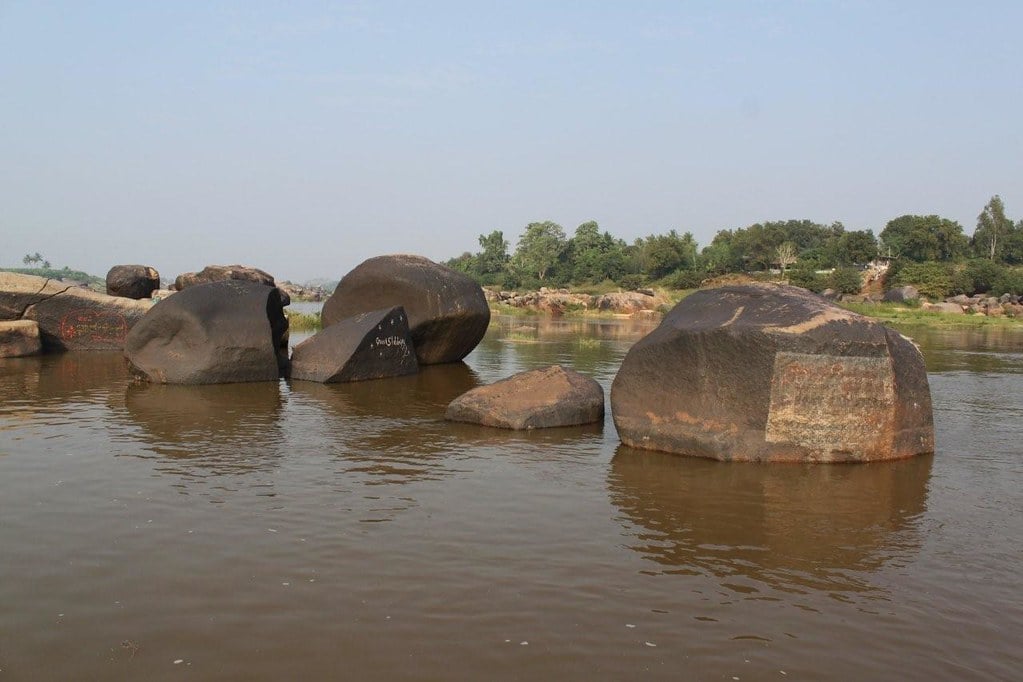
Between the Krishna and Tungabhadra rivers lies the Raichur Doab, once a triangle of power and politics. The land was dry, harsh, and yet—rich beneath its surface.
Control of a single mine could sway alliances or fund wars.Diamonds here weren’t ornaments; they were leverage, strategy, survival. The sparkle often came at a price.
Beyond the Earth: The Diamond Trade Routes
From mine to market, India’s diamonds travelled astonishing distances. Caravans carried them north to Mughal palaces, south to Golconda’s bustling ports, west toward Persia, and onward to Europe.
They passed through many hands—merchants measuring worth, courtiers flaunting divine favour, colonisers cataloging trophies. Each stone was both a commodity and a story, sometimes sacred, sometimes stolen.
Like Go2Tutors’s content? Follow us on MSN.
Echoes of a Glittering Age
India’s diamond mines may no longer echo with chisels and voices, but their legacy endures. From museum displays to royal crowns, the stones they gave up continue to tell tales of empire, faith, and fortune.
The earth may rest now—but its brilliance lingers.
More from Go2Tutors!

- 16 Historical Figures Who Were Nothing Like You Think
- 12 Things Sold in the 80s That Are Now Illegal
- 15 VHS Tapes That Could Be Worth Thousands
- 17 Historical “What Ifs” That Would Have Changed Everything
- 18 TV Shows That Vanished Without a Finale
Like Go2Tutors’s content? Follow us on MSN.