Unusual Ways People Used Feathers in Fashion
For ages, folks’ve used feathers to jazz up outfits. Lots recall feather boas or flashy peacock bits on headwear.
Yet their role in style digs way deeper than that. They’ve been tossed into use in spots you wouldn’t expect stuff that stuns experts too.
Feathered Armor for Aztec Warriors

Aztec warriors didn’t just wear feathers for show. They constructed entire suits of armor from quilted cotton covered in brilliantly colored feathers.
These suits served a dual purpose—the padding absorbed blows from clubs and stones, while the feathers identified rank and intimidated enemies. The most elite warriors wore feathers from the resplendent quetzal bird, which shimmered green and blue in sunlight.
The feather work was so intricate that specialist craftspeople spent years perfecting the technique. They tied each feather individually to the cotton base, creating patterns that told stories of military achievements.
Maori Feather Cloaks as Treasured Exchanges
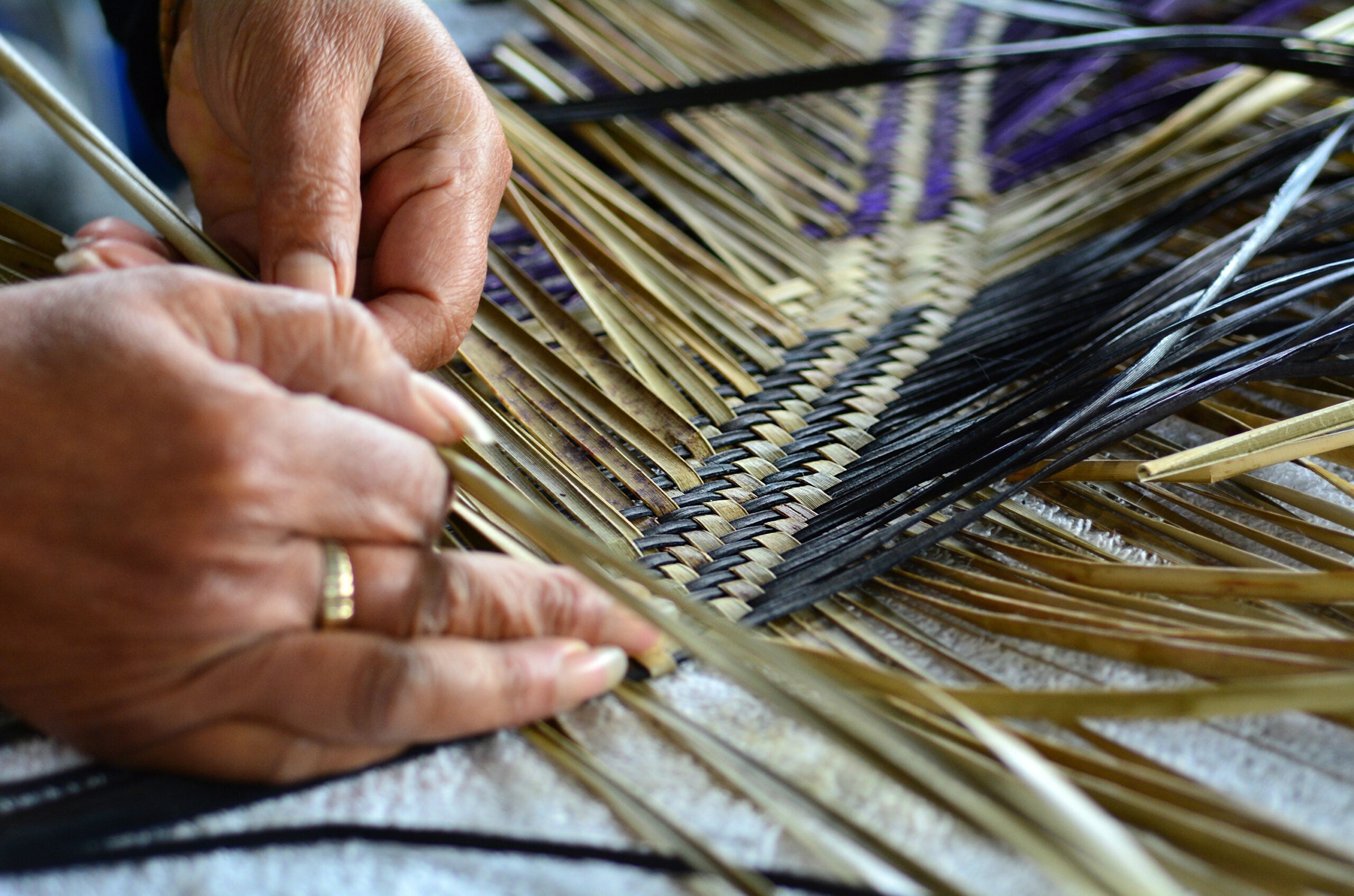
The Maori people of New Zealand created cloaks called kahu huruhuru, which were covered entirely in thousands of feathers. These weren’t just clothing items.
They were precious possessions, treasured and sometimes exchanged for important items or services during peace negotiations, marriages, and other significant events. Creating one cloak required months or even years of collecting feathers from native birds.
The most prestigious cloaks were kahu kiwi, made from kiwi feathers. Chiefs wore these cloaks during ceremonies, and the garments were so precious that families passed them down through generations as valued heirlooms.
Chinese Opera’s Hidden Feather Techniques

Chinese opera costumes look elaborate on stage, but the real artistry is in details the audience rarely notices. Performers wear small pheasant feathers attached to their helmets—these feathers, called lingzi, extend five or six feet long.
Actors spend years learning to manipulate them through head movements, making the feathers dance, twirl, and snap in perfect coordination with their performances. The skills required to control these feathers are known as lingze.
The feathers become extensions of the character’s emotions, expressing rage, joy, or sorrow through their movements. Warriors wear them to indicate their rank, with the feathers serving both decorative and expressive purposes.
Inuit Waterproof Parkas

The Inuit people living in harsh Arctic conditions developed remarkably practical clothing. They discovered that certain seabird feathers, when layered correctly inside parkas, provided both insulation and water resistance.
The natural oils in the feathers repelled moisture while trapping warm air. This wasn’t decorative fashion—it was survival technology disguised as clothing.
Families collected feathers during bird migrations and carefully prepared them before sewing them into garment linings. The technique kept hunters warm and dry in conditions that would otherwise be lethal.
Medieval Tournament Plumes

Knights competing in medieval tournaments wore massive feather displays called panaches atop their helmets. These weren’t subtle decorations.
Ostrich feathers dyed in brilliant colors rose two feet or more above the helmet, making knights appear larger and more imposing. The panaches were meant to be temporary.
Knights created them specifically for individual tournaments, often incorporating their family colors or special designs. After the event, the feathers were scavenged and reused.
Some displays included pyrotechnics, wire mounts, or papier-mâché figures attached to the feathers, turning the tournament into theatrical spectacle.
Hawaiian Feather Standards in Battle

Hawaiian warriors carried tall standards called kahili into combat. These weren’t flags or banners—they were long poles completely covered in thousands of small feathers, often in geometric patterns.
The standards identified different chiefs and their ranks. But they served another purpose too.
The feathers created a distinctive rustling sound as warriors moved, which added to the psychological warfare of battle. The most impressive kahili stood over fifteen feet tall and required teams of people to carry them.
Plains Indians’ Earned Eagle Feathers
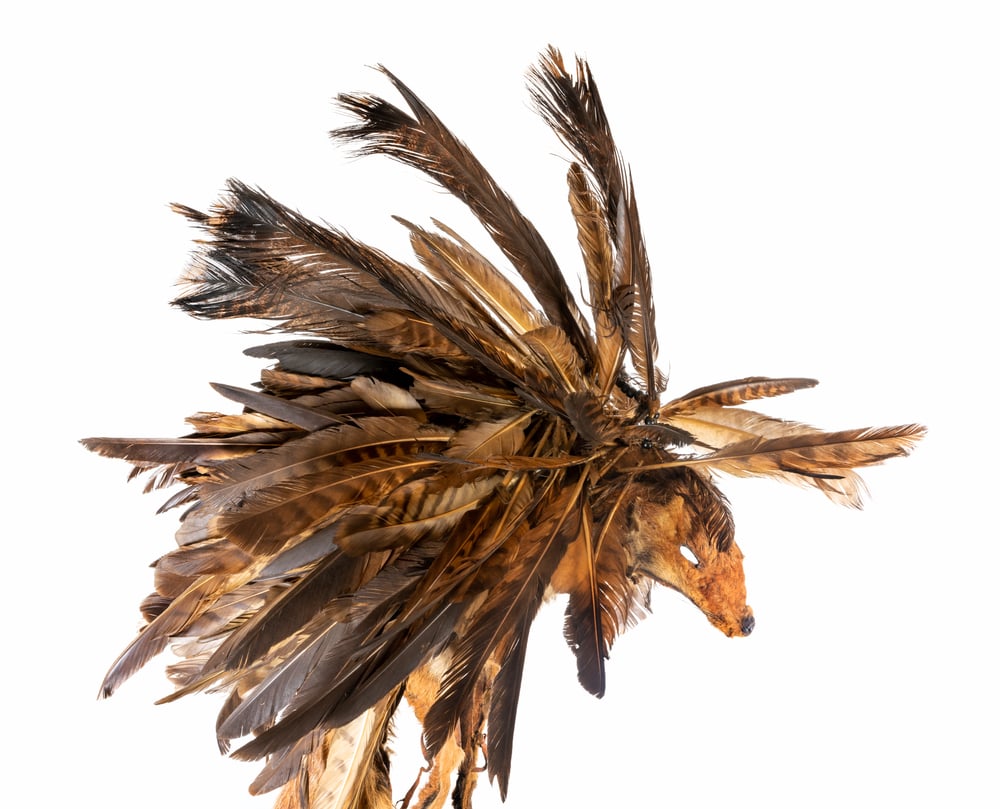
Among Plains tribes like the Lakota, Cheyenne, and Blackfoot, war bonnets represented something far more serious than decoration. Each eagle feather in a bonnet had to be earned through acts of bravery or service to the community.
A warrior received a single feather for accomplishing a significant deed, and it took years to collect enough feathers for a full bonnet. The golden eagle held special meaning as a messenger between humans and the Creator.
Warriors who wore elaborate bonnets had proven themselves repeatedly. When worn into battle, a warrior could never surrender his bonnet—doing so meant surrendering his honor.
The number of feathers told everyone exactly how accomplished the wearer was.
Edwardian Hat Extinction Crisis
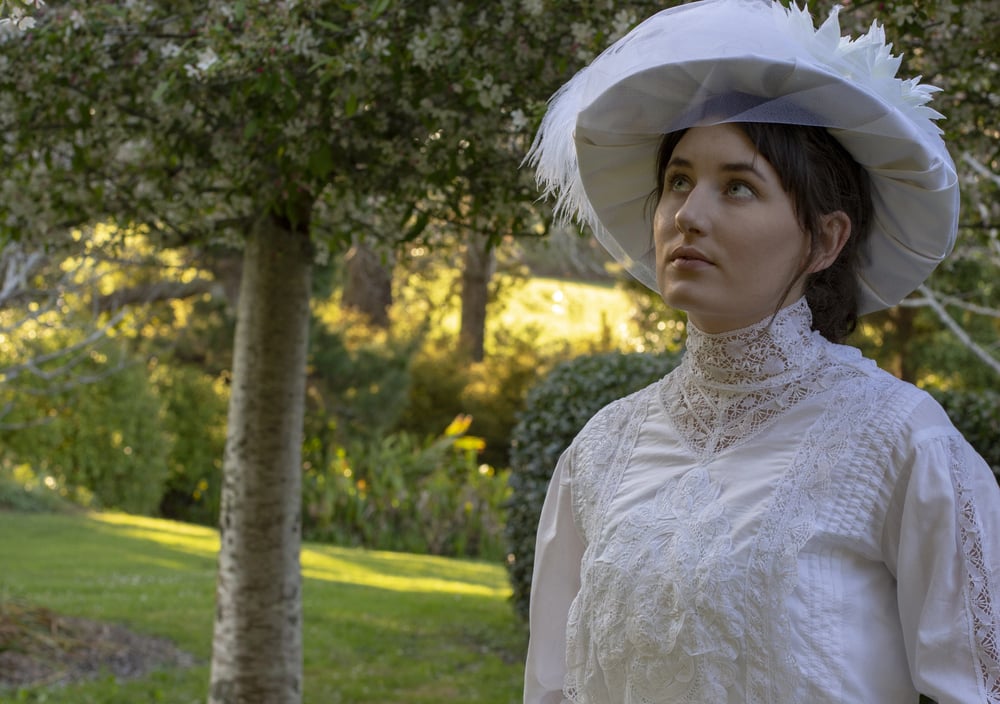
The early 1900s saw women’s hats reach absurd proportions. Entire stuffed birds perched on hat brims, but that wasn’t enough.
Milliners started creating hats that used hundreds of feathers from rare species. The trend got so out of control that it nearly drove several bird species to extinction.
The backlash led to the formation of the Audubon Society. Women organized to protest the plumage trade, and laws eventually restricted which feathers could be used in fashion.
This marks one of the few times a fashion trend directly sparked an environmental movement.
Mongolian Eagle Hunter Accessories

Mongolian eagle hunters don’t just use their birds for hunting—they incorporate eagle feathers into every aspect of their traditional dress. Small feathers line the inside of their heavy winter coats, providing extra insulation.
Larger feathers decorate their hats, with specific patterns indicating how many successful hunts a person has completed. The relationship between hunter and bird extends into their clothing.
When an eagle dies, its primary feathers are preserved and worn by the hunter as a way of maintaining the partnership even after death.
Art Deco Feather Lamé
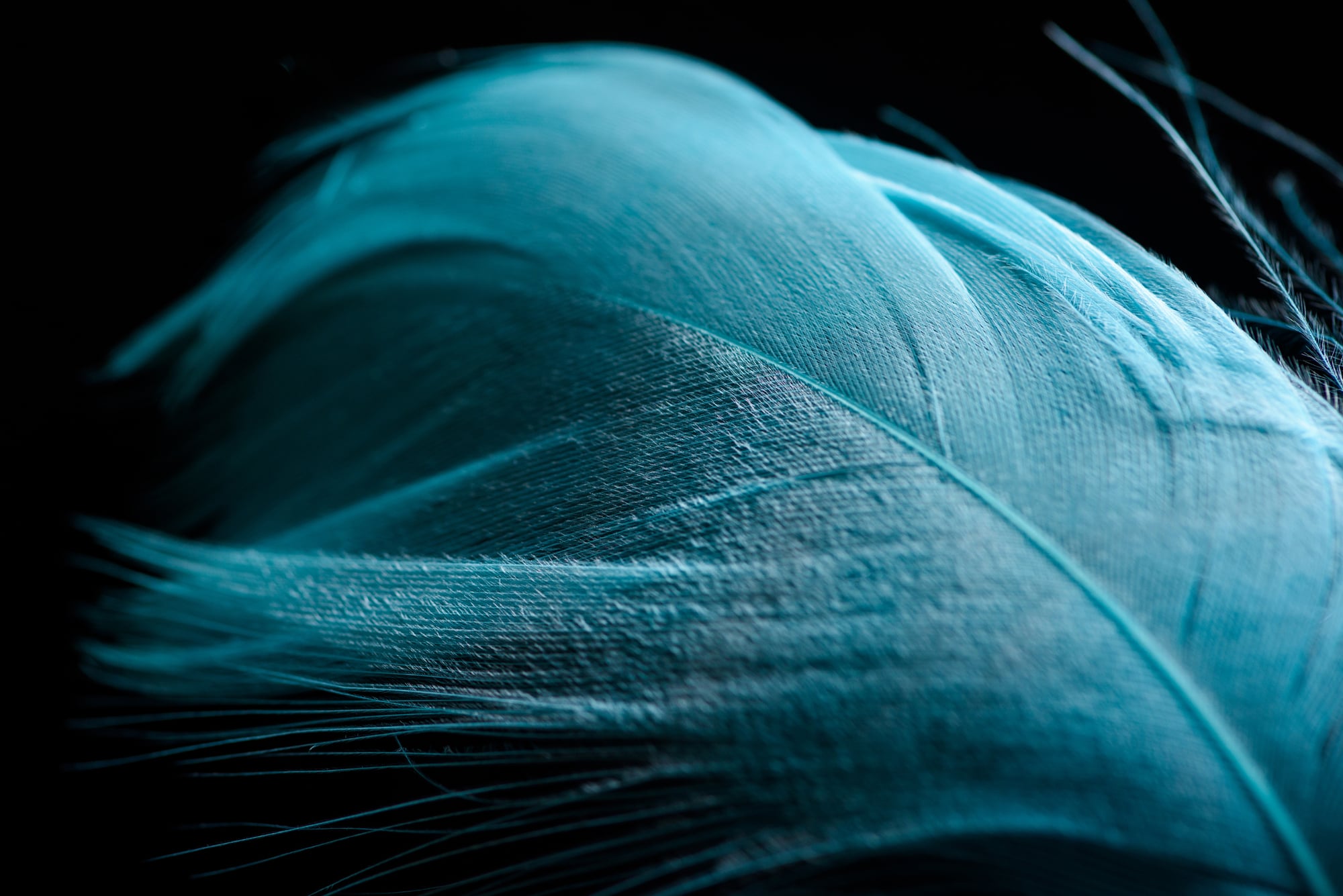
During the 1920s, textile manufacturers experimented with weaving actual feathers into fabric. They created a material called feather lamé by interweaving thin strips of bird plumage with metallic threads.
The result shimmered and moved in ways that pure fabric couldn’t match. The technique was expensive and time-consuming.
Each yard of fabric required hundreds of feathers, and the material was so delicate that garments made from it could only be worn a few times before falling apart. Fashion houses in Paris produced a few signature pieces, but the trend died quickly due to impracticality.
Japanese Samurai Helmet Crests
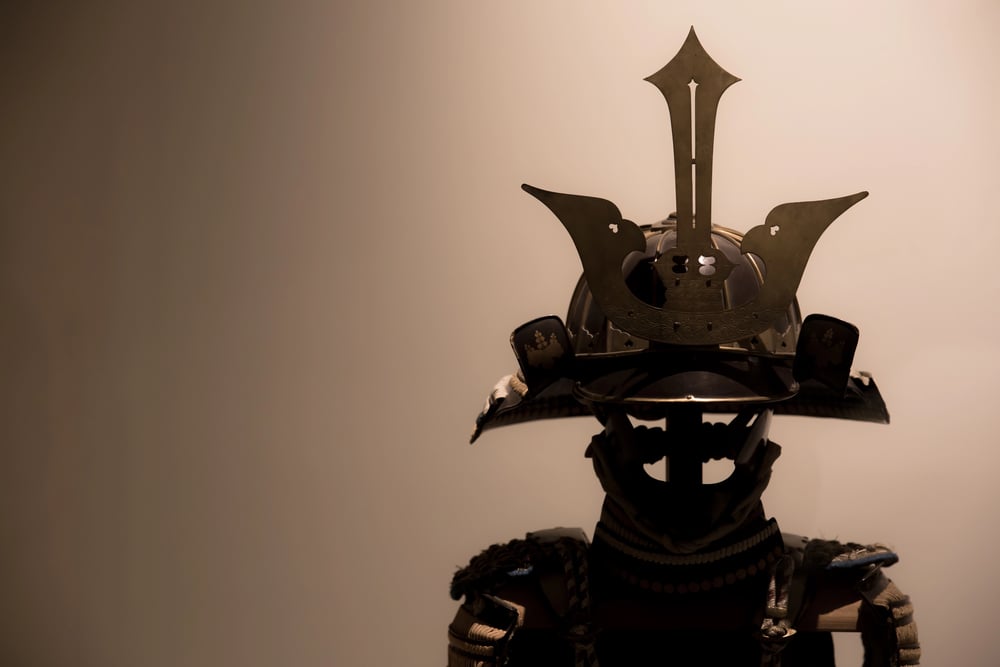
Samurai warriors attached elaborate crests to their helmets called maedate. While some used metal or wood, others created crests entirely from feathers.
These weren’t random decorations—each design conveyed specific information about the warrior’s clan, rank, and battle history. The feathers had to be stiff enough to hold their shape during combat while flexible enough not to break when struck.
Craftsmen used a combination of coating techniques and structural supports to make this work. Some surviving helmets show crests with dozens of feathers arranged to create recognizable shapes like birds, dragons, or family crests.
Bedouin Desert Protection

Bedouin tribes living in desert regions discovered that certain bird feathers, when sewn into the seams of robes, helped regulate body temperature. The hollow structure of feathers created air pockets that kept heat out during the day and retained warmth at night.
This practical application of feathers remained largely unknown outside desert communities until anthropologists documented it in the mid-20th century. The technique shows how fashion evolves from necessity rather than pure aesthetics.
Brazilian Carnival’s Living Headpieces
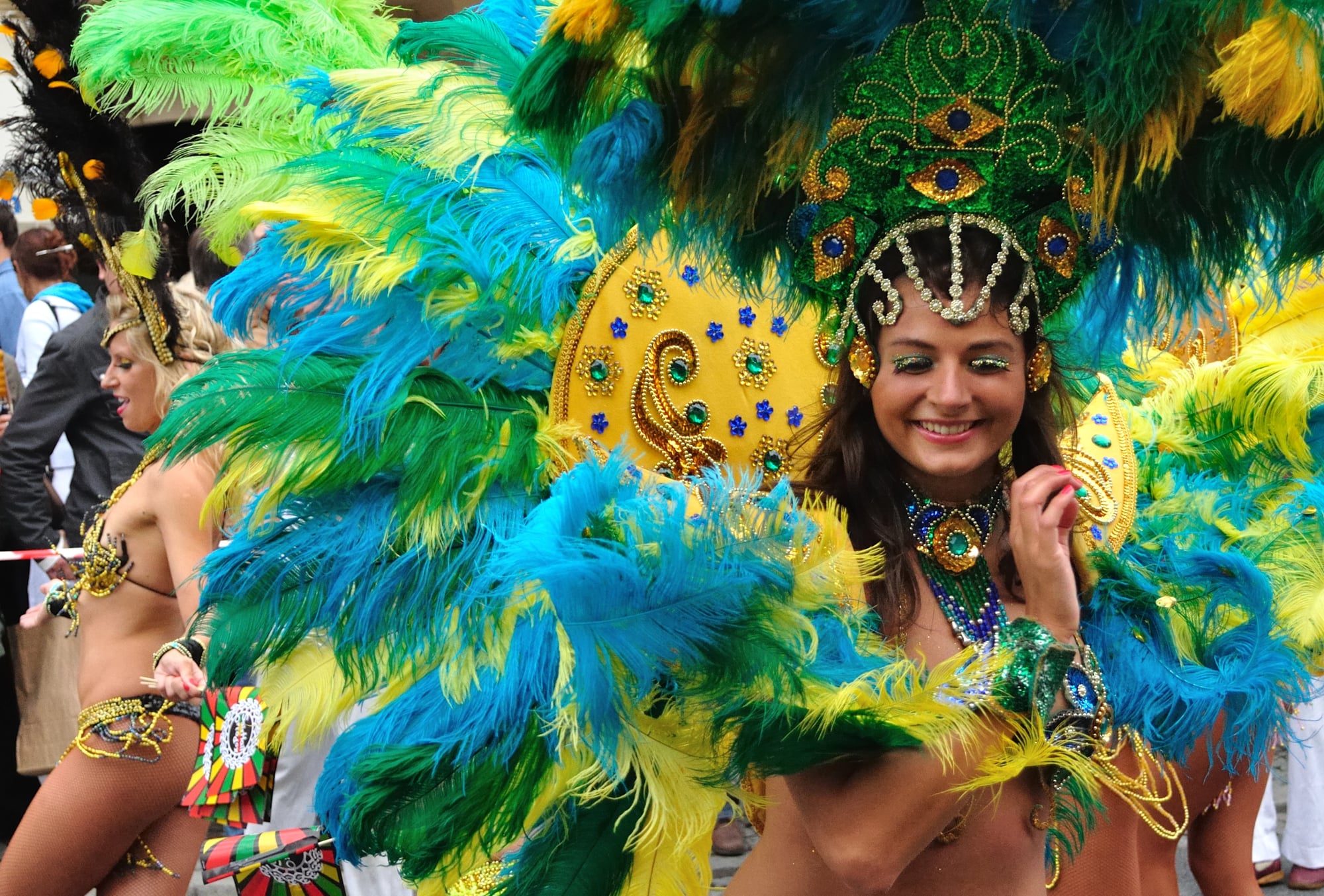
Modern Brazilian Carnival costumes take feather work to extremes that would seem impossible. Dancers wear headpieces that can weigh up to forty pounds and extend over ten feet tall.
These structures use thousands of feathers arranged in intricate patterns, often depicting entire scenes or stories. The engineering required to make these wearable art pieces is substantial.
Designers create internal frameworks from lightweight materials, then attach feathers in layers that allow for movement without collapse. Dancers train for months to build the neck and back strength needed to perform while wearing these spectacular creations.
When Decoration Becomes Identity

Feathers were first used in clothes for warmth, staying dry, or shielding the body. Yet at some point, they shifted meaning showing off money, rank, grief, celebration, even who you are culturally.
How folks oddly added them to outfits hints at a bigger truth: what we wear speaks when we don’t. Different cultures saw feathers in their own way, yet these views changed through time.
Staying warm in cold northern lands was the start though later they were used to scare enemies in central America. Nobles in Europe turned them into signs of rank, whereas this trend finally helped kick off early efforts to save nature.
The link between all these uses? Not really about the feathers. Instead, it’s people wanting to turn everyday things into symbols into tales or bold expressions.
Feathers simply fit: they’re light, bright, and easy to find a handy option when reshaping reality.
More from Go2Tutors!

- The Romanov Crown Jewels and Their Tragic Fate
- 13 Historical Mysteries That Science Still Can’t Solve
- Famous Hoaxes That Fooled the World for Years
- 15 Child Stars with Tragic Adult Lives
- 16 Famous Jewelry Pieces in History
Like Go2Tutors’s content? Follow us on MSN



