Rocks That Move On Their Own
You’ve probably never given much thought to whether rocks can move without anyone pushing them. Why would you? Rocks sit there.
They’re heavy. They stay put.
But scattered across a few remote places on Earth, stones weighing hundreds of pounds glide across flat surfaces, leaving long tracks behind them like signatures in the dirt. Scientists scratched their heads over this mystery for decades.
The rocks clearly moved—the evidence was right there in those trails—but nobody could explain how. Theories ranged from magnetic fields to dust devils to aliens, because when nature does something that seems impossible, people come up with all kinds of explanations.
The Desert That Started It All
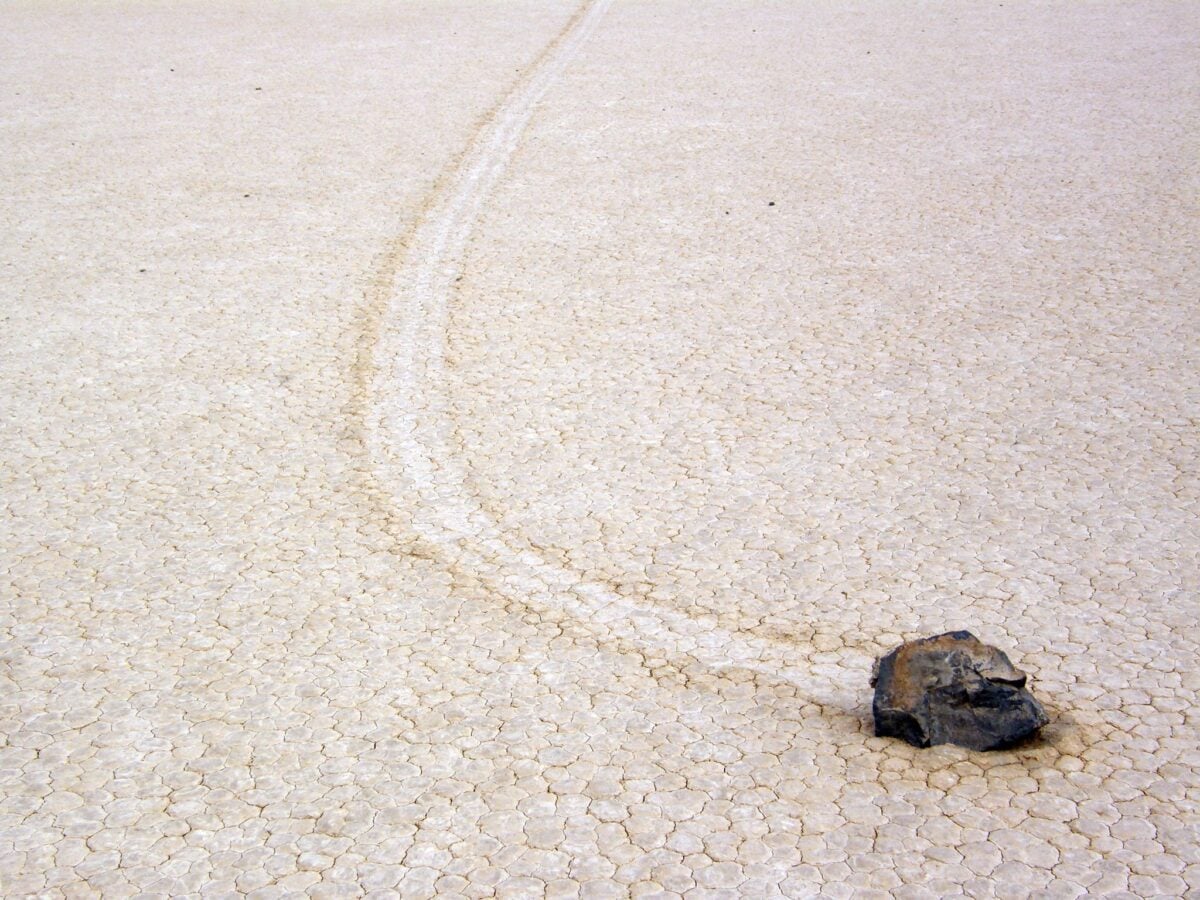
Death Valley holds one of the best-known examples of this phenomenon. Racetrack Playa, a dried lake bed sitting at the valley’s remote northern end, hosts dozens of these wandering stones.
The playa stretches flat and empty, cracked mud patterns covering its surface. Rocks of various sizes sit scattered across it, each one with a trail behind it showing where it’s been.
Getting to Racetrack Playa takes effort. The road beats up vehicles, and most visitors turn back before they reach it.
The ones who make the journey find something genuinely strange: rocks that have traveled dozens or even hundreds of feet from where they started, their paths marked clearly in the dried mud. Some trails run straight.
Others curve. A few rocks seem to have changed direction mid-journey, leaving zigzag patterns that make the whole thing look even more deliberate.
What Science Thought at First

Early theories about these moving rocks leaned toward the dramatic. Strong winds seemed like an obvious answer, but the math didn’t work out.
The rocks weighed too much, and the playa was too flat and rough for wind alone to push them. Plus, nobody had ever witnessed the rocks actually moving, which made the whole thing harder to pin down.
Earthquakes got suggested next. But earthquakes don’t explain the individual trails—why would one rock move in a completely different direction than its neighbor during the same seismic event?
That theory fell apart pretty quickly. Magnetic fields and unusual gravity came up too, mostly from people who didn’t understand physics very well.
The rocks are just regular dolomite and limestone—nothing magnetic about them.
The Ice Connection

The real answer turned out to involve ice, which sounds strange for a place called Death Valley. But winter nights in the desert get cold enough for water to freeze, and that detail matters more than anyone initially realized.
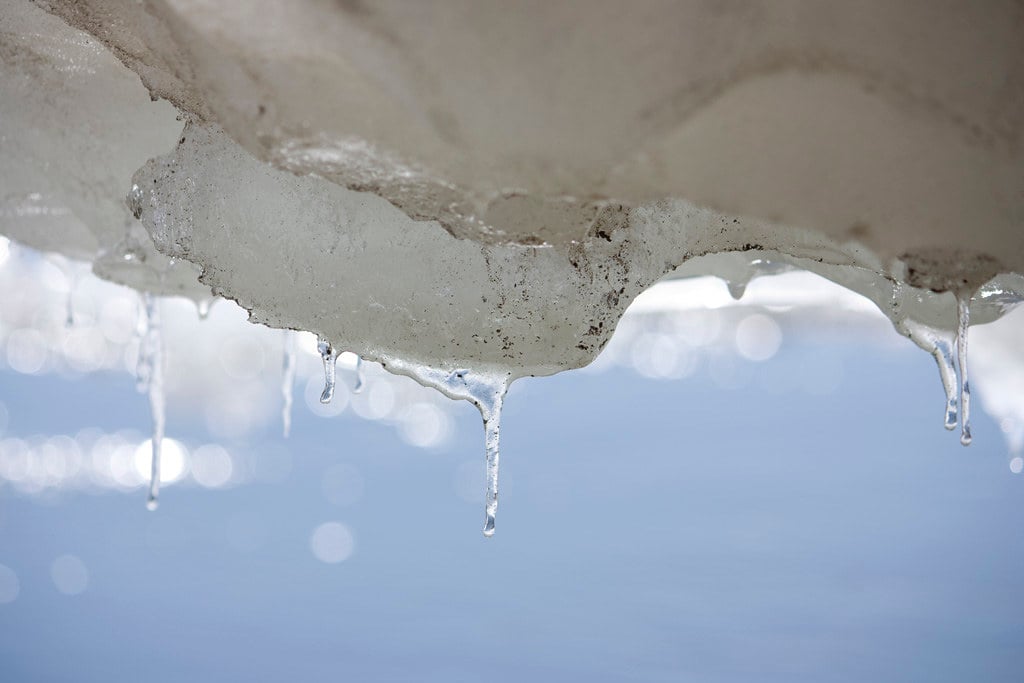
When rare rainstorms leave a thin layer of water on the playa, overnight temperatures can drop below freezing. Ice forms around the rocks—not a solid sheet, but thin panels that act like sails.
These ice sheets measure only a few millimeters thick, but they cover enough surface area to catch the wind effectively. The combination of factors has to align just right.
You need water on the playa, freezing temperatures to create ice, sunshine the next morning to start melting things, and wind to push the ice sheets around. When all those conditions come together, the rocks move.
Catching Them in the Act

For decades, nobody managed to see the rocks actually moving. The phenomenon happened so rarely, and the location was remote enough that being there at the exact right moment seemed impossible.
Researchers set up cameras and monitoring equipment, hoping to catch the movement on film. In 2013, a research team from Scripps Institution of Oceanography got lucky.
They’d placed GPS units on several rocks and installed a weather station nearby. When conditions lined up perfectly in December 2013, their equipment recorded the rocks sliding across the ice-covered surface.
The GPS data showed rocks moving at speeds up to 15 feet per minute—slow by normal standards, but remarkable for objects that weigh up to 700 pounds. The movement lasted for minutes at a time before stopping, then starting again when conditions shifted.
Other Places Where Rocks Wander
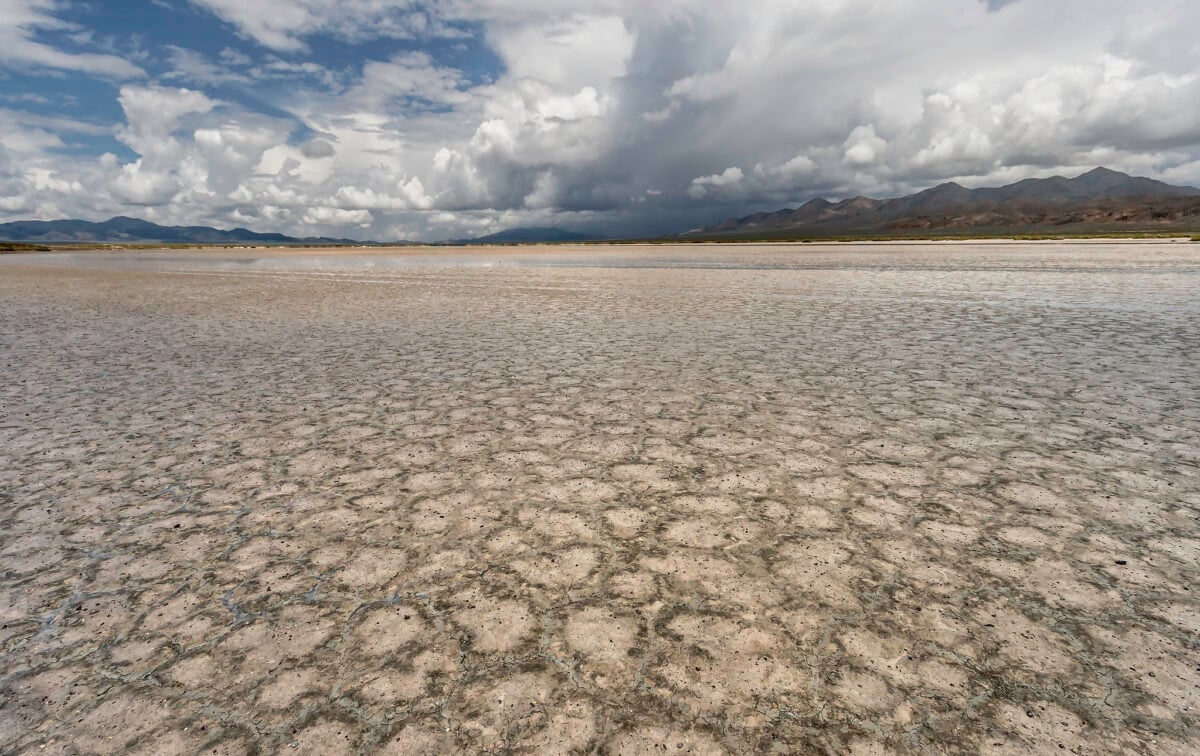
Death Valley isn’t the only location where this happens. Similar phenomena occur in other flat, dried lake beds where the right conditions occasionally align.
Little Bonnie Claire Playa in Nevada shows the same type of rock trails. Racetrack Playa gets more attention because it’s in a national park, but Little Bonnie Claire might actually be more active.
The rocks there move more frequently, based on the freshness of their trails. Other dried lake beds in the American West show evidence of rock movement too, though the phenomenon is less studied in those locations.
You’ll find reports from places in Utah and Oregon where flat surfaces and harsh winter conditions create the right environment.
What Makes a Rock Move

Not just any rock will do. The stones that move tend to fall within a specific weight range—heavy enough that wind alone can’t budge them, but light enough that ice can provide enough flotation to reduce friction.
Rocks weighing between 200 and 700 pounds seem to move most readily. The rock’s shape matters too.
Flat-bottomed stones create more friction and move less easily than rocks with rounded bottoms. Sharp edges can dig into the mud, which stops movement altogether.
The smoothest rocks with the most rounded profiles tend to leave the longest trails. The surface they’re sitting on plays a huge role as well.
The playa needs to be smooth enough that ice can form a continuous sheet, but rough enough that the rocks don’t just slide away on their own. That balance exists in only a handful of places worldwide.
The Trails They Leave Behind

The tracks these rocks create tell stories about wind patterns, ice formation, and timing. A long, straight trail suggests steady wind conditions.
Curved paths indicate changing wind directions during a single moving event. Trails that stop abruptly and start again nearby show where ice broke up or melted unevenly.
You can sometimes see where two rocks traveled together, their trails running parallel before diverging. This happens when stones get frozen into the same sheet of ice.
When that ice breaks apart, each rock continues on its own path. The trails persist for years in the right conditions.
Racetrack Playa rarely sees enough rainfall to erase old tracks, so you can visit and see evidence of movements that happened years or even decades ago. New rain eventually smooths the surface, but that doesn’t happen often enough to wipe the slate clean regularly.
Why It Took So Long To Figure Out

The main reason this mystery persisted for so many years comes down to timing. The rocks only move when multiple conditions align perfectly, and that combination happens rarely.
A researcher would need to be present during one of these brief windows, and the players are remote enough that most people don’t visit them regularly. The movement also happens in winter, when temperatures drop low enough for ice to form.
Winter is when researchers are least likely to be camping out in these harsh environments. Most field studies happen in spring and summer, which means scientists were looking in the wrong season.
Even when researchers did visit in winter, the actual movement only occurs during a narrow window—after ice has formed but before it melts completely, and only when wind conditions are just right. That might happen for a few hours once every few years.
Missing it was easy.
The Role of Climate
Climate change adds another layer to this story. As desert winters become less predictably cold, ice formation on these playas happens less frequently.
The thin layer of water needed for ice creation depends on rare winter rains, and those patterns are shifting. Some researchers worry that rock movement might become even rarer in the future.
If winter temperatures stay warmer, ice won’t form as often. Without ice, the rocks stay put.
At the same time, changing precipitation patterns might create more opportunities for the phenomenon to occur in new locations. As climate shifts, other dried lake beds might develop the right conditions for rock movement even as established sites lose them.
What This Teaches Us About Observation

The sailing stones remind you that some natural phenomena are genuinely difficult to witness. Just because something seems impossible doesn’t mean it isn’t happening.
The evidence was always there—those trails didn’t lie—but understanding the mechanism required patience, careful observation, and being in the right place at the right time. Scientists sometimes assume that if something happens regularly, it should be easy to observe.
But “regularly” in geological terms might mean once every few years. For phenomena that require such specific conditions, decades can pass between observable events.
Similar Mysteries in Nature
Other natural phenomena share this quality of being difficult to catch in action. Lightning formation, certain types of frost patterns, and rare atmospheric effects all require specific conditions and timing.
You can see the results easily enough, but witnessing the actual process takes luck. Mushroom fairy rings grow slowly enough that watching one form would take years.
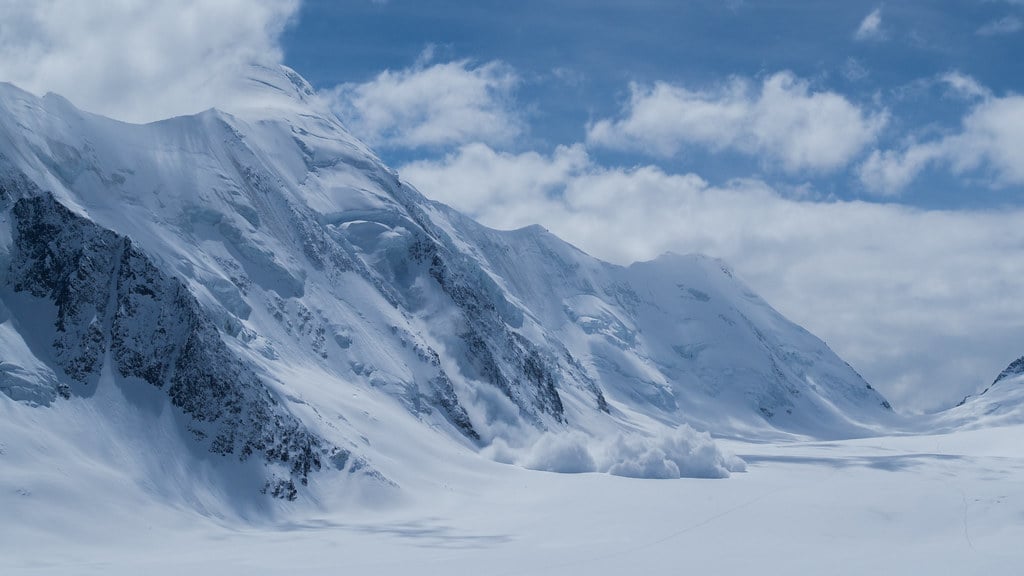
Ice avalanches in mountain crevasses happen so rarely and in such remote locations that few people have filmed them. Nature is full of processes that leave obvious evidence but resist easy observation.
The sailing stones fit into this category of mysteries that persist not because they’re paranormal or inexplicable, but because they’re genuinely hard to see happening.
Myths and Local Stories
Before scientists figured out the ice mechanism, local stories about the moving rocks took on supernatural qualities. Some people attributed the movement to spirits or ancient forces.
Others suggested the rocks were alive in some way, or that magnetic fields gave them limited mobility. These myths actually make sense when you consider how strange the trails look.
Seeing a 600-pound rock with a path behind it, sitting all alone on a flat expanse of dried mud, does look unnatural. Your brain searches for explanations, and in the absence of scientific understanding, supernatural ones fill the gap.
Native American groups who lived in Death Valley had their own explanations for the phenomenon. Some stories incorporated the moving rocks into larger narratives about the desert and its power.
The rocks became symbols of the landscape’s unpredictability.
Visiting the Sailing Stones

If you want to see Racetrack Playa yourself, prepare for a challenging trip. The road requires high clearance, and you won’t find any services nearby.
Cell phone coverage doesn’t exist out there, and temperatures can be extreme in any season. The park service asks visitors to stay on designated paths and avoid disturbing the rocks or their trails.
Creating footprints on the playa damages the surface and makes trails harder to study. Some thoughtless visitors have moved rocks intentionally or walked directly through active research sites, which ruins years of data collection.
Bring plenty of water, let someone know where you’re going, and check weather conditions before heading out. Death Valley isn’t a place to take lightly, even in winter.
How Weather Stations Changed Everything

Modern technology finally cracked this mystery in a way that patient observation alone couldn’t. Automated weather stations and GPS tracking removed the need for constant human presence.
The equipment could sit there year-round, recording data through multiple winters until conditions aligned. The Scripps team’s success came from leaving their equipment in place long enough to capture rare events.
Their GPS units tracked rock positions every few seconds, their weather station recorded temperature and wind speed continuously, and their cameras documented the ice formation and melting process. This approach—leaving sensors in remote locations to capture rare events—has applications beyond sailing stones.
Similar methods help scientists study everything from wildlife migration to volcanic activity. Sometimes the best way to observe nature is to let machines watch when humans can’t.
When Stones Tell Stories

The marks on Racetrack Playa form unexpected patterns. Seen from some spots, the paths resemble wild brushstrokes or planned dances.
Snapshots taken near dawn or dusk show striking views – shadows deepen the grooves while glowing rays turn the flat land into a living sketchpad. It feels kind of nice how wild everything seems.
The stones never follow the same route twice – they drift wherever the frozen sheets carry them, shoved along by gusts changing course without warning. What you end up seeing are trails that twist differently every time, shaped by chance instead of design.
You step onto that flat ground, spotting traces of unseen power. Not wind alone – but frost, heat, shifting air – all leave clear signs by moving stones across the surface.
These paths act like proof of quiet events from times no one saw, stuck in dried soil till downpours slowly erase them.
More from Go2Tutors!

- The Romanov Crown Jewels and Their Tragic Fate
- 13 Historical Mysteries That Science Still Can’t Solve
- Famous Hoaxes That Fooled the World for Years
- 15 Child Stars with Tragic Adult Lives
- 16 Famous Jewelry Pieces in History
Like Go2Tutors’s content? Follow us on MSN.



