16 Viral Dance Crazes From Around The World
Dance moves have always had the power to unite people across continents, but the digital age has turned this phenomenon into something extraordinary. What once took months or years to spread now explodes across social media in mere hours, creating global communities of dancers who’ve never met but share the same moves. From South Korea’s horse-riding steps to America’s intricate TikTok choreography, these viral sensations prove that rhythm truly knows no borders. Whether they originated in nightclubs, music videos, or someone’s bedroom, these dances became the soundtrack to millions of lives worldwide.
Here is a list of 16 viral dance crazes that swept across nations, united strangers through screens, and left their mark on popular culture.
Gangnam Style horse dance
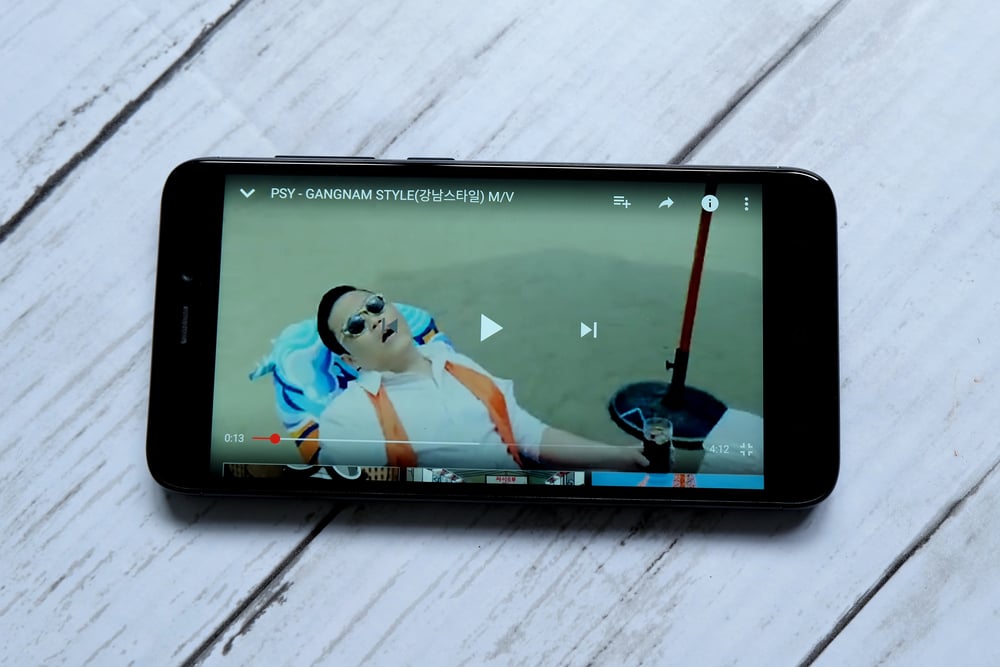
Psy’s iconic horse-riding moves became a global phenomenon that the United Nations called “international sensation” material — spawning a dance craze unseen since the Macarena. The galloping motion combined with pelvic thrusts looked absolutely ridiculous yet felt impossible to resist.
This K-pop breakthrough proved language barriers meant nothing when the beat dropped and everyone started galloping together.
The Macarena
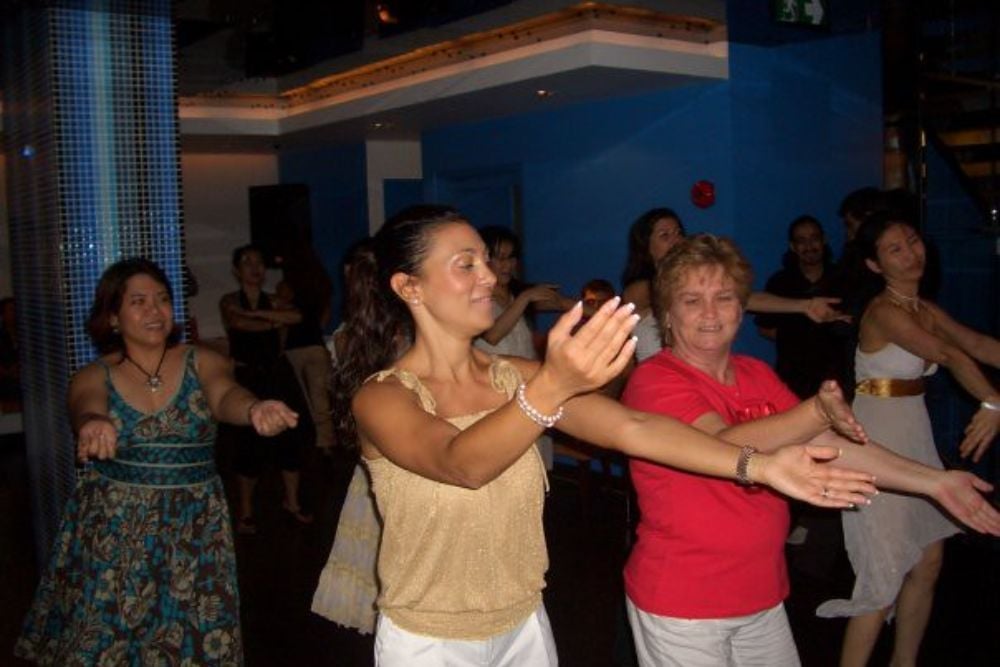
Long before social media existed, this Spanish dance conquered wedding receptions and sporting events worldwide during the mid-1990s. The simple arm movements and hip swivels created a universal language that grandparents and toddlers could speak fluently.
Even today, mention “Macarena” at any gathering — watch as muscle memory kicks in while those four basic moves remain permanently etched in collective consciousness.
Like Go2Tutors’s content? Follow us on MSN.
Wednesday Addams dance
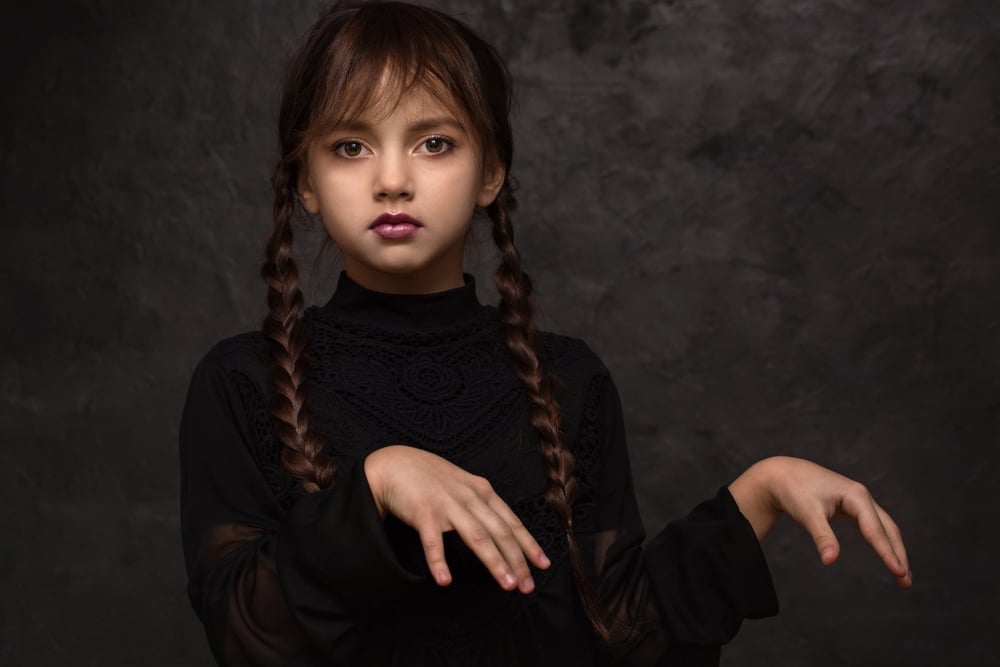
CNET described this viral moment as “part Argentine tango, part spooky shimmy, and part C-3PO trying to let loose,” with even Lady Gaga joining the trend. Jenna Ortega’s gothic moves from the Netflix series sparked millions of recreations worldwide.
The combination of deadpan expression with fluid arm work created something simultaneously haunting and hypnotic — though viewers couldn’t quite explain why they felt compelled to copy it.
The renegade

This TikTok phenomenon required serious coordination, packing fourteen different moves into fifteen seconds of pure complexity. Created by teenager Jalaiah Harmon, the dance became everyone’s white whale of viral choreography.
While millions attempted it — only the truly dedicated could nail the rapid-fire arm crosses and body rolls that made this routine legendary.
Harlem shake
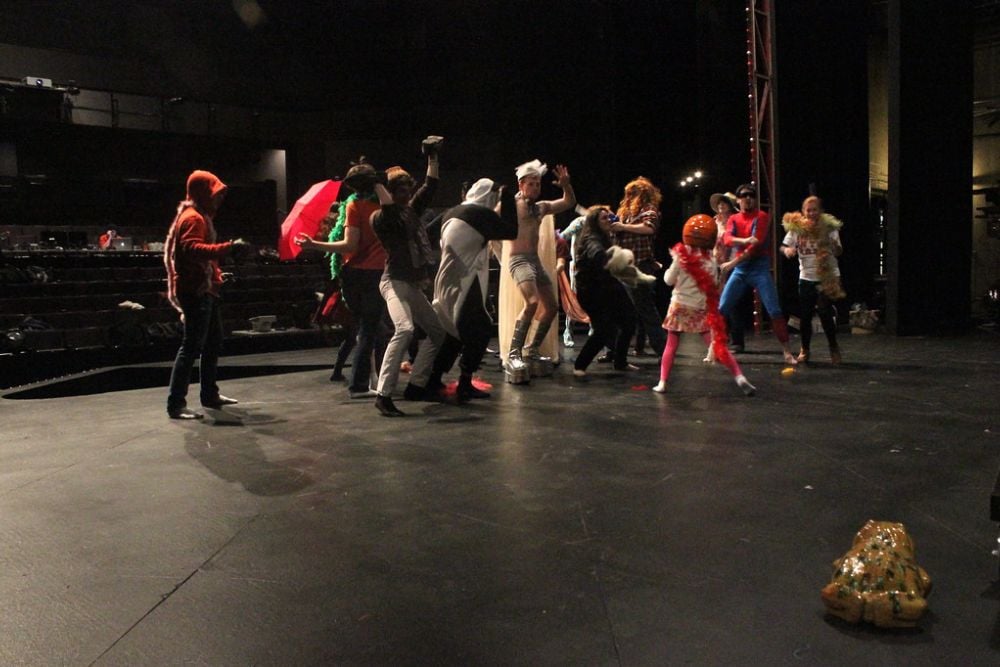
Back in 2013, this YouTube craze followed a simple format: one person dancing in a serious environment before cutting to everybody dancing when the beat dropped. College students to soldiers posted their versions, though the beauty lay in its chaotic unpredictability rather than precise choreography.
Office workers, sports teams, and military units all contributed their own unhinged interpretations to this global moment of organized mayhem.
Like Go2Tutors’s content? Follow us on MSN.
Toosie slide
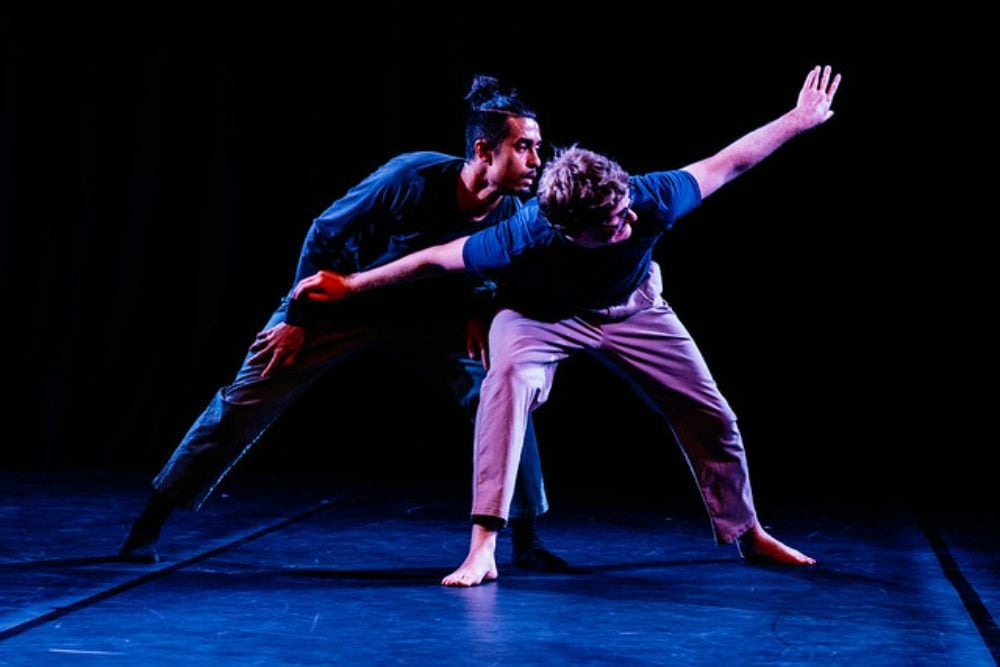
Drake’s pandemic-era creation came with built-in instructions that made learning effortless — “right foot up, left foot slide, left foot up, right foot slide.” The simplicity was genius during lockdown when people needed something easy yet satisfying.
This Toronto-born routine proved that sometimes the most effective dances are also the most accessible ones, despite skeptics who called it too basic.
The floss

This sideways swinging motion looked deceptively simple until you tried syncing your arms with your hips. The dance moved from playground phenomenon to mainstream when celebrities started flossing on talk shows — causing countless shoulder aches in the process.
Kids and adults alike couldn’t resist the challenge of mastering this oddly addictive wiggle, even though it looked silly.
WAP challenge

Cardi B and Megan Thee Stallion’s provocative choreography sparked debates while simultaneously inspiring countless recreations across social platforms. The dance required confidence and precision in equal measure, though controversy followed wherever it spread.
Despite this, it demonstrated dance’s power to generate conversation while showcasing impressive technical skill — proving that viral movements often carry deeper cultural significance.
Like Go2Tutors’s content? Follow us on MSN.
Savage dance

Keara Wilson’s choreography to Megan Thee Stallion’s “Savage” became TikTok gold when celebrities like Jessica Alba and Halle Berry joined the trend. The routine blended sharp movements with smooth transitions, challenging enough to feel accomplished yet learnable enough for viral success.
This dance perfectly captured TikTok’s sweet spot between accessibility and sophistication — though mastering it still took serious practice.
The dougie

Named after 1980s rapper Doug E. Fresh, this smooth lean-and-rock motion became every teenager’s go-to move in the early 2010s. The dance emphasized style over complexity — requiring more swag than technical ability.
From high school hallways to professional basketball courts, the Dougie proved that sometimes the coolest moves are also the most effortless-looking ones, even if they weren’t actually effortless.
Cupid shuffle
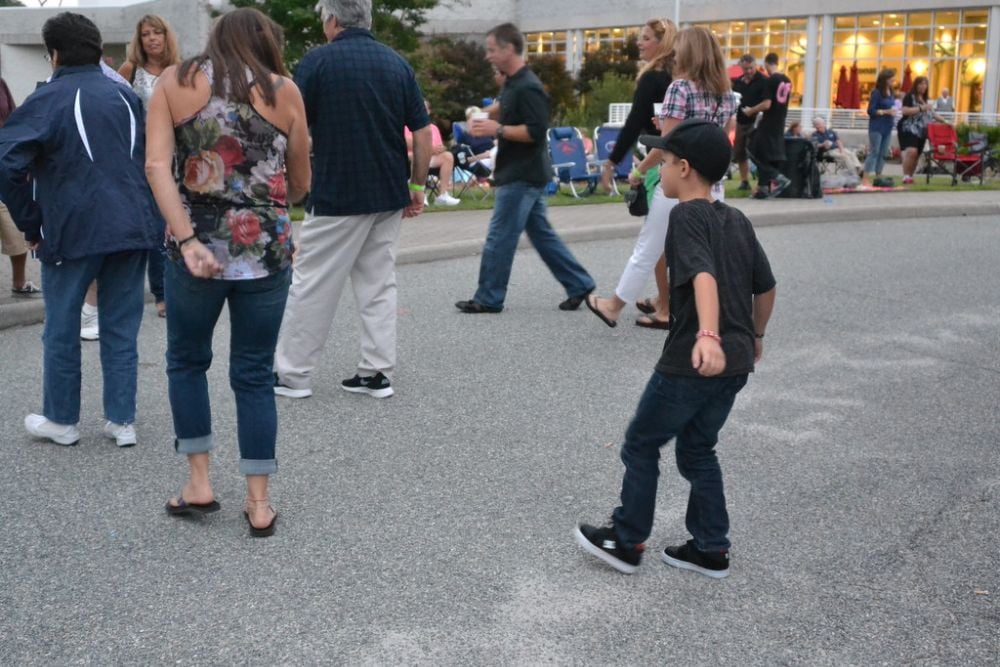
This line dance created instant community wherever it played, transforming strangers into synchronized performers with remarkable efficiency. The clear vocal cues eliminated any confusion about what came next, whereas complicated routines often left people stumbling.
Wedding DJs and party planners embraced this routine because it guaranteed everyone would participate, requiring no dance experience beyond willingness to follow along.
Like Go2Tutors’s content? Follow us on MSN.
The griddy

Louisiana State University football players brought this celebratory dance from college fields to global recognition through pure athletic charisma. The move combined a subtle two-step with specific arm positioning that looked casual but required perfect timing.
Professional athletes adopted it as their signature celebration, yet it proved that sports and dance culture continue to influence each other across all competitive levels.
Corvette corvette challenge
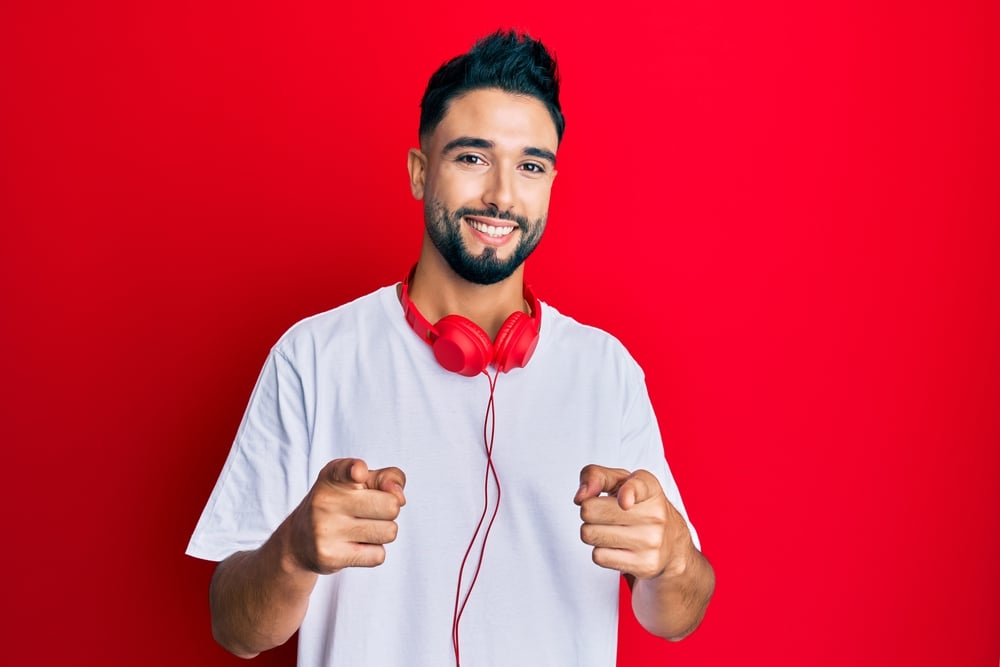
Onton’s catchy routine paired perfectly with Popp Hunna’s track, creating another TikTok sensation that emphasized rhythm over raw athleticism. The dance incorporated car-themed gestures that perfectly matched the song’s automotive references, though some found the connection a bit forced.
This trend showed how viral dances often succeed by creating clear visual connections between movement and music, even when those connections seem random.
Buss it challenge
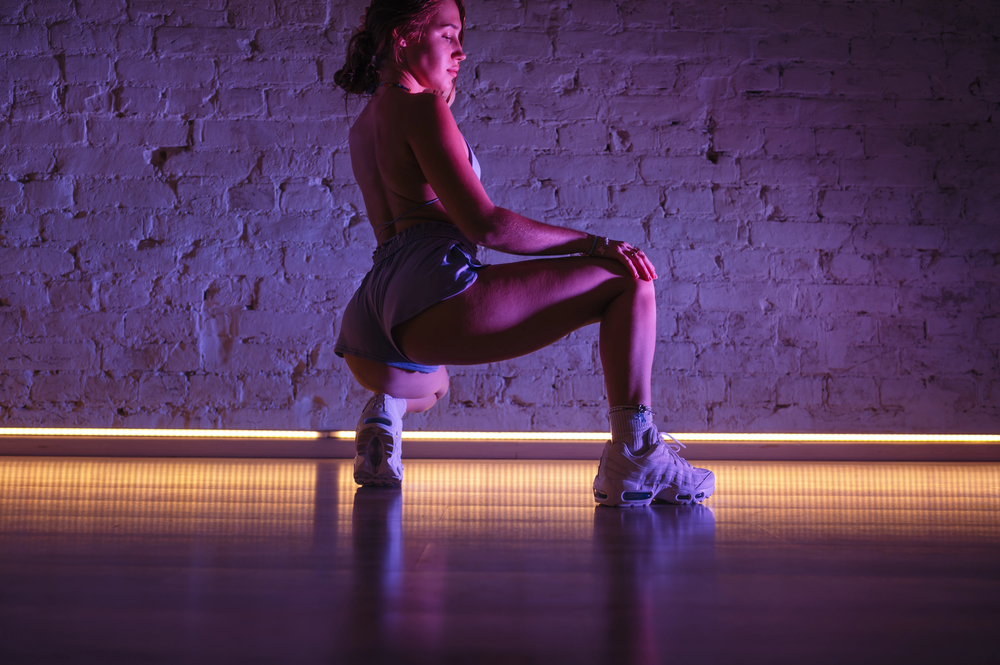
This dance gained massive popularity for its dramatic transformation element, where participants would switch from casual poses to confident choreography when the beat dropped. The routine required both technical skill and performance confidence, while social media algorithms loved the before-and-after format.
Users worldwide embraced the empowering energy this dance represented, despite critics who questioned its appropriateness for younger audiences.
Like Go2Tutors’s content? Follow us on MSN.
Ankle breaker dance
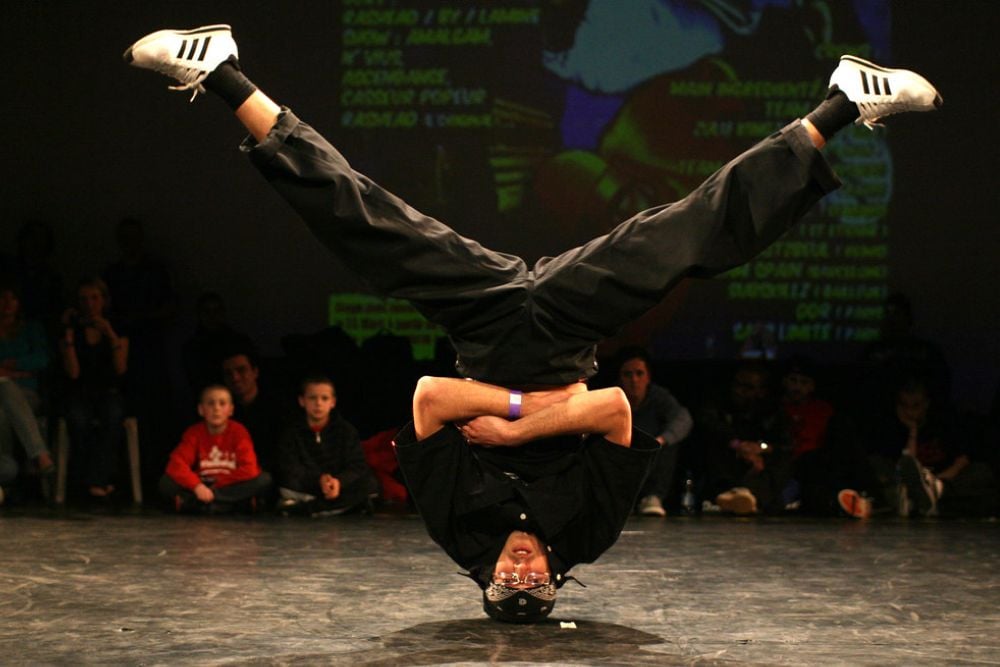
Created by TikToker @onton, this routine lived up to its dangerous-sounding name with quick footwork that tested everyone’s coordination limits mercilessly. The dance combined rapid direction changes with precise timing that could literally trip up inexperienced dancers.
Even so, millions attempted to master these lightning-fast steps that separated the truly dedicated from casual participants who gave up after a few attempts.
The git up challenge
Blanco Brown’s line dance instructions made learning this routine feel like following a friendly fitness instructor rather than memorizing complex choreography sequences. The country-meets-hip-hop fusion created something uniquely American that translated globally, whereas many regional dances struggle to cross cultural boundaries.
This dance proved that viral moves don’t need urban origins, showing that sometimes the most unexpected genres produce the most infectious rhythms that stick with people long after the trend fades.
The global dance floor
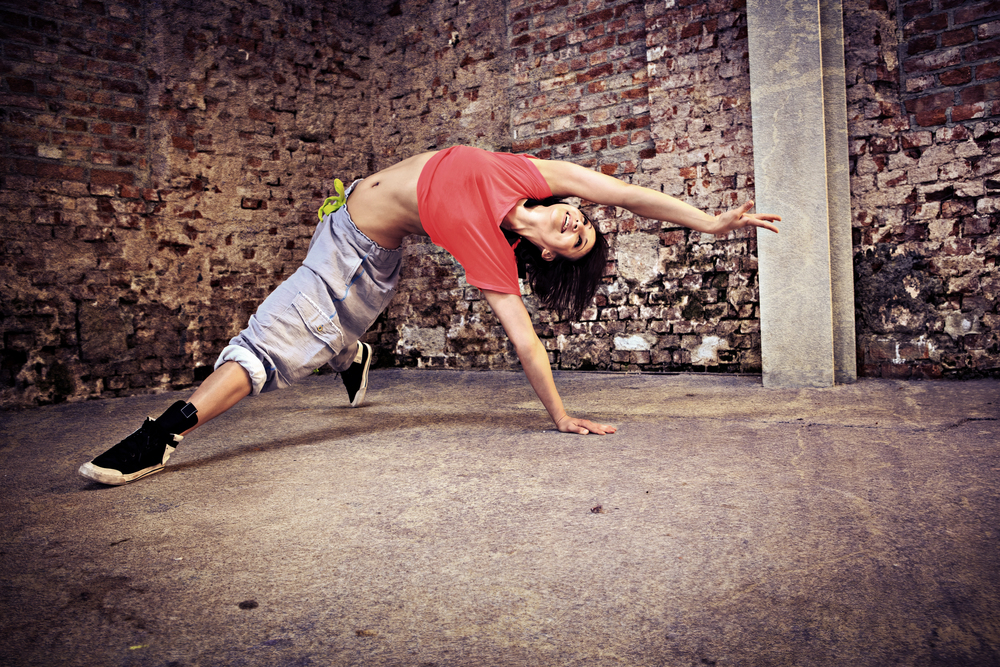
These viral routines have proven to be more than just trends—they’re cultural moments that bring people together and inspire worldwide creativity, with pandemic-era dances connecting millions during isolation. From Psy’s galloping horse steps in Seoul to teenagers flossing in suburban bedrooms, these movements created temporary global languages that transcended every barrier humans typically face.
Each dance carried its own story — some born from celebration, others from creativity, many from pure accident — yet all shared the power to unite strangers through shared rhythm. While the specific moves fade from memory, the joy they brought remains permanently embedded in our collective cultural DNA. Today’s viral dances continue this tradition, proving that humans will always find ways to move together, whether in person or across pixels on screens thousands of miles apart.
Like Go2Tutors’s content? Follow us on MSN.
More from Go2Tutors!

- 16 Historical Figures Who Were Nothing Like You Think
- 12 Things Sold in the 80s That Are Now Illegal
- 15 VHS Tapes That Could Be Worth Thousands
- 17 Historical “What Ifs” That Would Have Changed Everything
- 18 TV Shows That Vanished Without a Finale
Like Go2Tutors’s content? Follow us on MSN.