The History Of Drive-In Theaters And Their Comeback
Drive-in theaters were once the go-to place for families, couples, and friends who wanted to watch a movie under the stars. These outdoor cinemas offered a mix of entertainment and freedom that indoor theaters just couldn’t match.
You didn’t have to dress up, find a babysitter, or even leave your car. For a while, drive-ins were everywhere — but then they slowly faded from view.
Now, they’re popping back up again. It’s a comeback nobody really saw coming, but one that makes a lot of sense in today’s world.
Let’s roll back the windows and take a look at how it all started — and why drive-ins are cruising back into our lives.
The first one ever
The very first drive-in theater opened in 1933 in Camden, New Jersey. A man named Richard Hollingshead came up with the idea in his backyard using a projector and a white sheet.
He wanted to create a space where people could enjoy movies from the comfort of their cars. The concept took off quickly.
People liked the mix of privacy and entertainment, especially during the warm summer nights.
A family-friendly alternative
Drive-ins were perfect for families with kids. Parents didn’t have to worry about loud toddlers or packed theaters.
Kids could play in the backseat or fall asleep during the movie while adults watched in peace. It was more relaxed than the regular cinema.
The whole evening felt more like a mini outing than just a movie.
Like Go2Tutors’s content? Follow us on MSN.
Peak popularity in the 1950s

The 1950s were the golden years for drive-ins. Across the United States, more than 4,000 of them were operating at one point.
They became weekend hotspots, especially in suburbs where people had cars and space wasn’t an issue. Teenagers loved them for dates and hangouts.
For a while, drive-ins were part of the American way of life.
Low cost, high fun

One reason drive-ins grew so fast was that they were cheaper to run than regular theaters. Owners didn’t need a fancy building or rows of seats.
All they needed was a big screen, a large field, and a few speakers. They could charge less for tickets, which made it easier for big families or groups to attend.
That affordability made them even more popular.
Double features were common

Most drive-ins didn’t just play one movie. They played two — sometimes even three.
The double feature made the night feel longer and more worth the trip. People would bring snacks, foldable chairs, and blankets to settle in for hours.
It felt more like an event than a simple movie night.
Like Go2Tutors’s content? Follow us on MSN.
The car culture connection
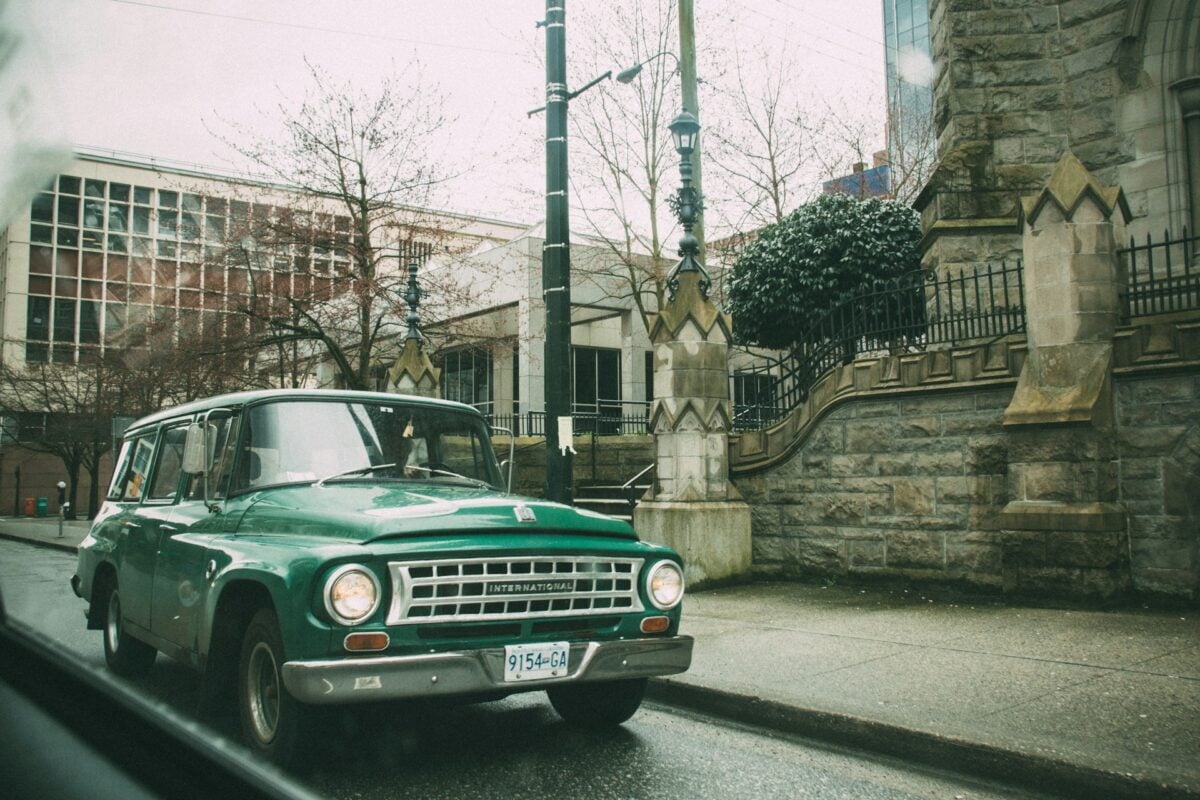
Drive-ins grew alongside America’s love for cars. People were proud of their vehicles and liked showing them off.
Watching a movie while sitting inside a shiny new car felt exciting. The two ideas — movies and cars — just worked well together.
Drive-ins became part of that car-loving culture.
Teen hangout spot

For teenagers, the drive-in was one of the few places where they could have some freedom. It wasn’t just about the movie.
It was about meeting friends, talking, laughing, and sometimes sneaking a soda or two into the car. It was casual and cheap, and that made it a top choice for weekend plans.
The food was a big part of it

Most drive-ins had a snack stand, and the food was part of the fun. Popcorn, hot dogs, nachos, and soda were easy to grab and eat in the car.
Some even had carhops that brought food to your window. It wasn’t about fine dining, but it added to the overall experience.
People remembered the food almost as much as the films.
Like Go2Tutors’s content? Follow us on MSN.
Trouble started in the 1970s
By the 1970s, things began to change. Land prices went up, and running a drive-in wasn’t as cheap anymore.
Some places had trouble with weather, noise, or getting newer movies to show. Malls and indoor theaters were growing fast and were open year-round.
Slowly, drive-ins started closing their gates.
Indoor theaters took the spotlight

Indoor cinemas had air conditioning, big sound systems, and newer films. They didn’t depend on the weather or the time of year.
They were clean, controlled, and located near shopping centers. For many people, it felt easier and more comfortable.
Drive-ins just couldn’t keep up.
Many turned into parking lots

As drive-ins shut down, the land they sat on was often sold. Developers turned these large open spaces into shopping centers, warehouses, or parking lots.
In some towns, all that remained was an empty sign or a faded screen. It felt like the end of a chapter in movie history.
Like Go2Tutors’s content? Follow us on MSN.
A few held on

Some drive-ins never closed. Small towns or family-owned businesses kept them running, even when crowds were small.
They hosted community nights, flea markets, or church events to make ends meet. These spots became more than movie theaters — they became part of local identity.
They proved that people still cared, even when the trend faded.
The 2000s brought a small spark

In the early 2000s, a few drive-ins started reopening. People were feeling nostalgic, and some wanted to try something different from the usual theater visit.
Technology helped too, with better projectors and sound systems. It wasn’t a big wave, but it was the beginning of a comeback. Folks were starting to remember what made drive-ins fun.
Pop-up drive-ins

Cities without traditional drive-ins began setting up temporary ones. Parking lots, parks, and even rooftops turned into outdoor theaters.
These pop-up spots gave people a fresh way to enjoy movies. They showed how flexible the idea could be.
Even with no permanent screen, the drive-in vibe could still come alive.
Like Go2Tutors’s content? Follow us on MSN.
Music and other events

Drive-ins aren’t just for movies anymore. Some now host concerts, comedy shows, or even church services.
Cars line up just like for a movie, but the content on the screen or stage changes. It gives the space more value and keeps the crowds coming back.
This kind of variety helps drive-ins stay alive.
Social media helped spread the word

Many people first heard about drive-ins through photos or videos online. Social media gave them a boost, especially during the pandemic.
Pictures of cozy cars, glowing screens, and popcorn buckets made the idea feel exciting again. People who had never been to one before suddenly wanted to try.
The buzz helped old drive-ins find new fans.
Why the past still plays well today

Drive-in theaters tell a story about how people enjoy entertainment. They started as a new idea, faded with time, and then found their way back when people needed them most.
Their return shows that not everything needs to be high-tech or fast-paced to be meaningful. The feeling of watching a movie outside, with the windows down and a snack in hand, still holds up.
Sometimes, the best way forward is to bring back something that simply works.
More from Go2Tutors!

- 16 Historical Figures Who Were Nothing Like You Think
- 12 Things Sold in the 80s That Are Now Illegal
- 15 VHS Tapes That Could Be Worth Thousands
- 17 Historical “What Ifs” That Would Have Changed Everything
- 18 TV Shows That Vanished Without a Finale
Like Go2Tutors’s content? Follow us on MSN.