Interesting Details About Some Of the World’s Largest Cruise Ships
The ocean has always held a certain mystique, but there’s something particularly fascinating about the floating cities we’ve built to traverse it. Modern cruise ships have evolved far beyond simple transportation—they’ve become destinations in themselves, complete with neighborhoods, entertainment districts, and amenities that rival entire resort towns.
These maritime marvels push the boundaries of engineering, hospitality, and human imagination in ways that would have seemed impossible just a few decades ago.
Symphony of the Seas
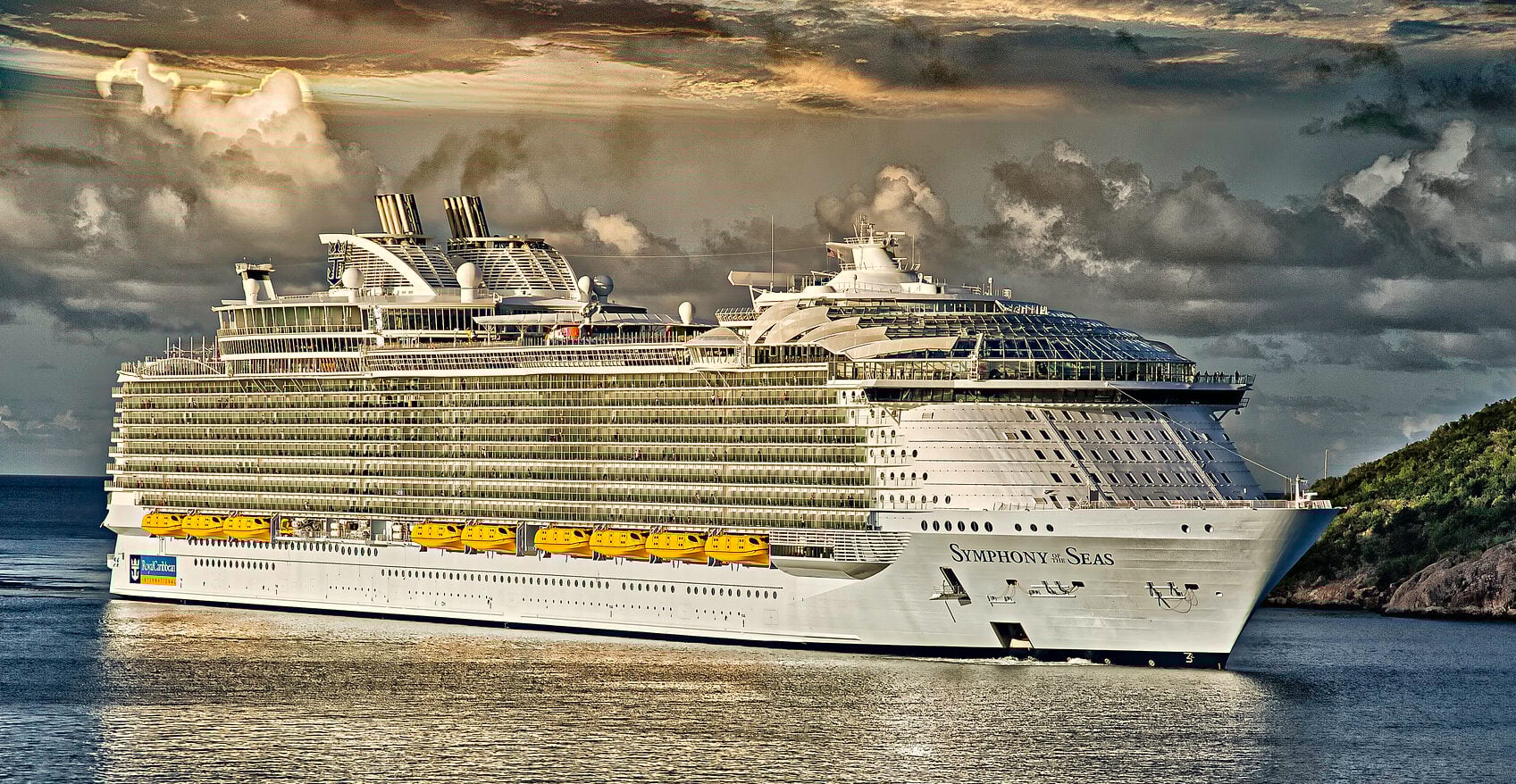
This ship doesn’t mess around. At 228,081 gross tons, it’s the largest passenger cruise ship ever built. Royal Caribbean launched it in 2018, and it carries 6,680 passengers when fully loaded.
The thing has seven distinct neighborhoods spread across 18 decks.
Harmony of the Seas
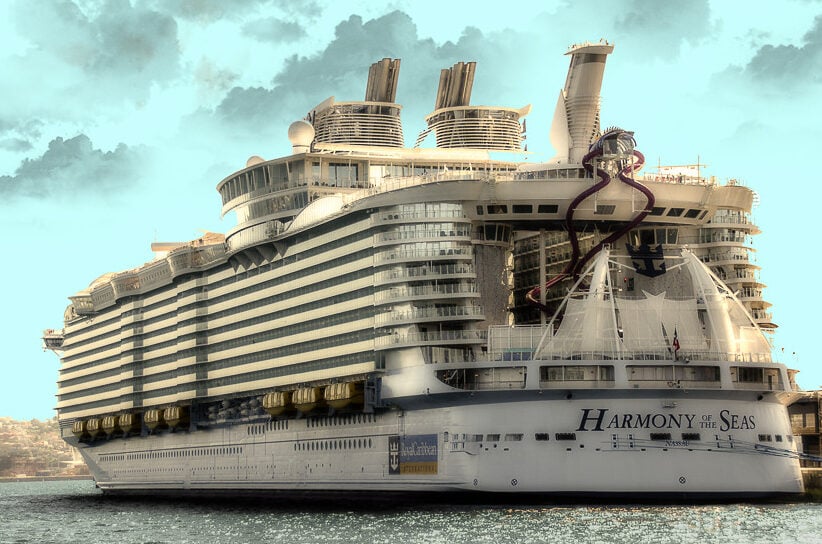
The engineering behind Harmony of the Seas reads like someone’s fever dream of what a cruise ship could become—and then (because apparently normal wasn’t ambitious enough) they decided to add a full-size carousel, a zip line that stretches nine decks above the boardwalk, and not one but two rock-climbing walls because why settle for reasonable when you can have excessive. The ship spans 1,188 feet in length, which means you could lay the Eiffel Tower on its side and still have room left over for a respectable city block.
And yet, despite all this carefully orchestrated chaos designed to entertain nearly 7,000 passengers and 2,300 crew members, the most remarkable thing might be how the whole operation manages to feel less like controlled pandemonium and more like a neighborhood that happens to float. So the Central Park area sits in the middle of the ship—completely open to the sky—with over 20,000 live plants and 56 trees that somehow thrive in the middle of the ocean.
But here’s the thing that gets overlooked: they had to figure out irrigation, drainage, and soil management for a garden that’s constantly moving, swaying, and dealing with salt air that would kill most vegetation in weeks.
Allure of the Seas
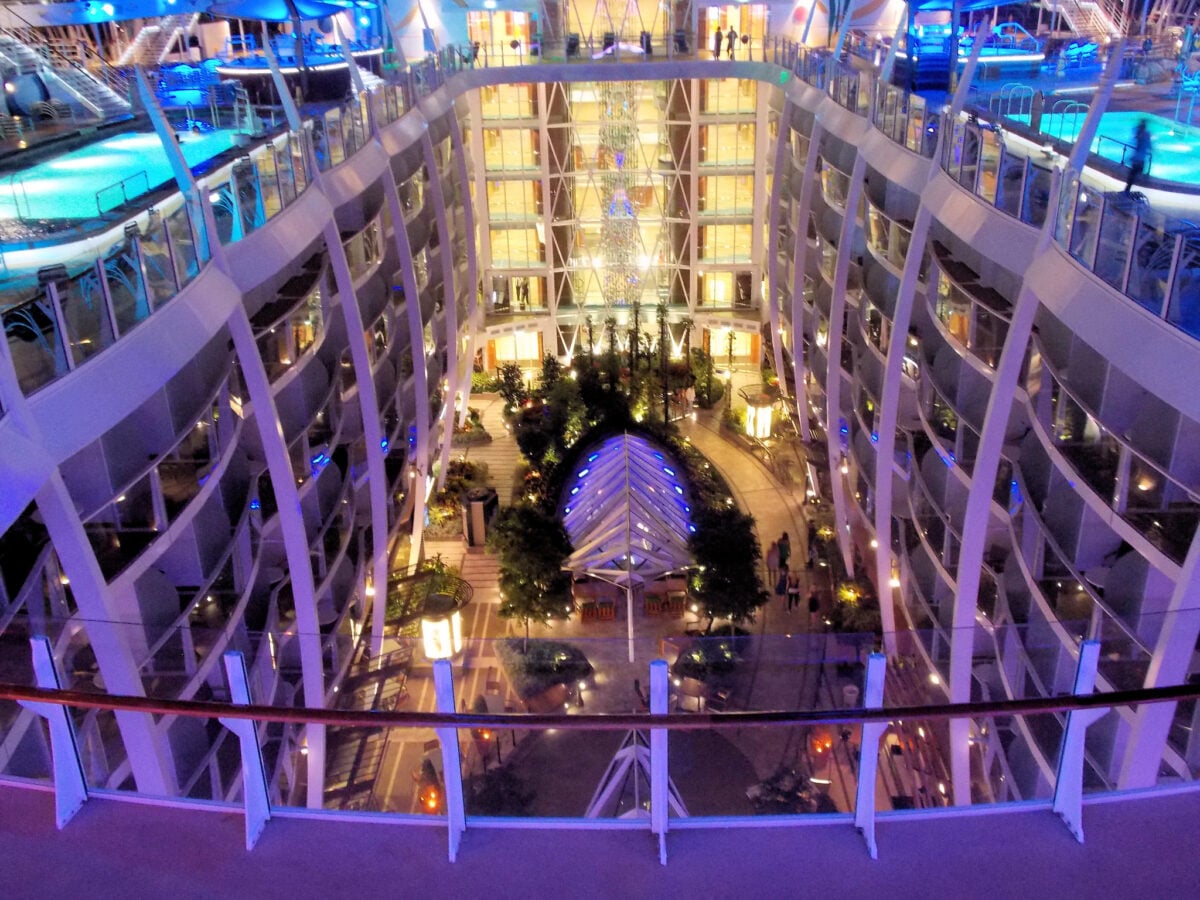
Cruise ships are supposed to move people from one place to another, but Allure of the Seas seems to have missed that memo entirely. The ship features the first-ever Starbucks at sea, a zip line, and a functioning carousel—because nothing says “ocean voyage” like a merry-go-round nine decks above the waves.
To be fair, when you’re dealing with 6,780 passengers who need entertainment for a week, normal ship activities start looking pretty thin.
Oasis of the Seas
There’s something oddly honest about a cruise ship that admits it’s basically a shopping mall with engines. Oasis of the Seas features a boardwalk area complete with shops, restaurants, and street performers—which sounds charming until you remember the “street” is actually a deck surrounded by the ocean on all sides.
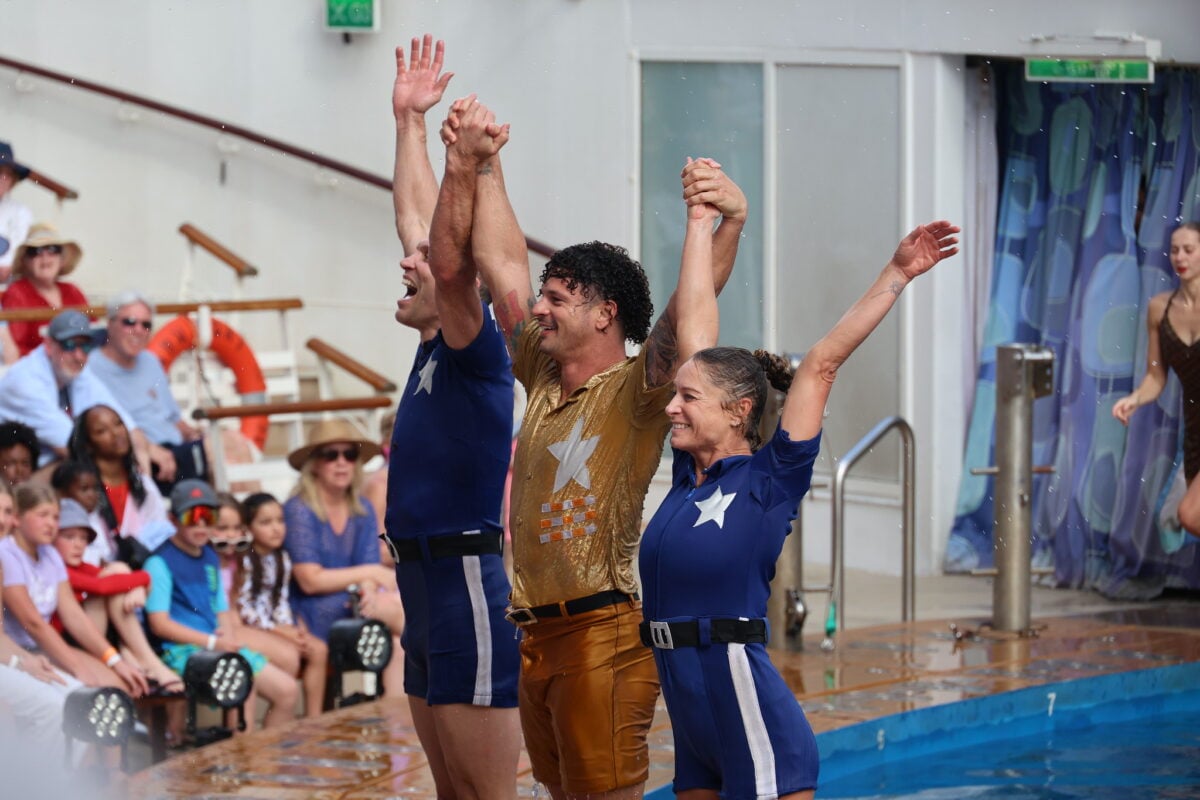
The ship’s designers went ahead and included an outdoor amphitheater called the AquaTheater, where high divers perform synchronized routines into a pool while passengers watch from tiered seating. The whole setup would be impressive on land, but doing it on a moving ship takes a special kind of confidence.
Wonder of the Seas
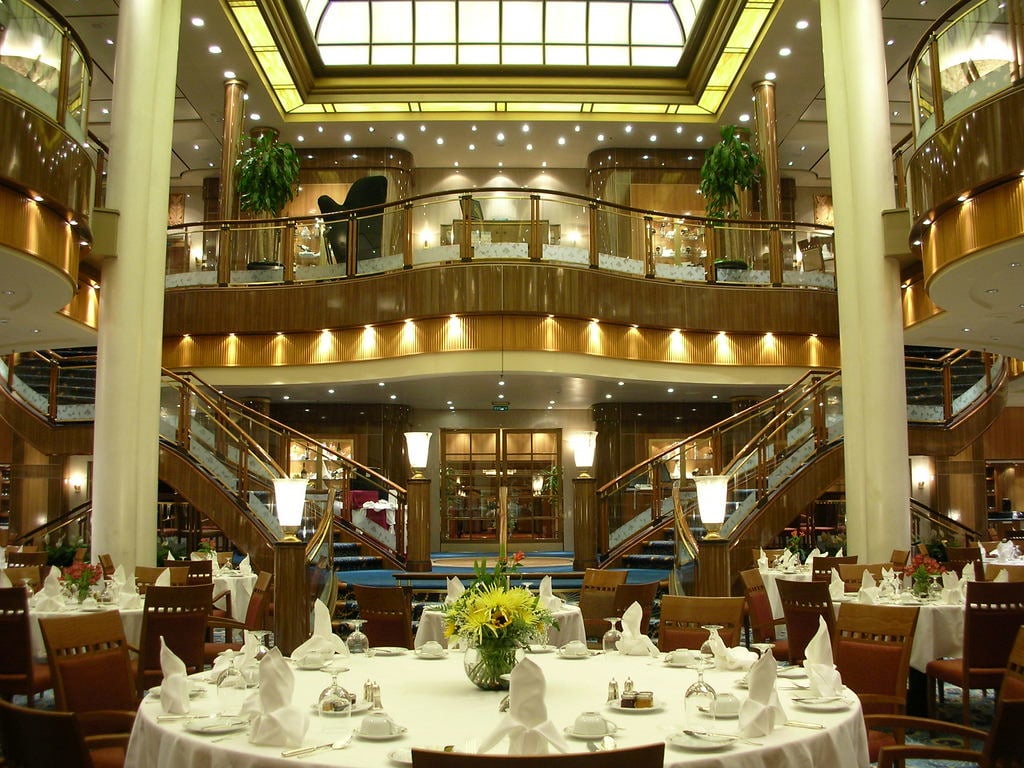
Wonder of the Seas operates like a small country that happens to float, complete with its own postal system, medical facilities, and enough fresh water production to supply a town of 15,000 people daily. The ship’s desalination plants can convert 1,800 tons of seawater into drinking water every single day—which becomes necessary when you’re dealing with 9,988 people (passengers and crew combined) who each need water for drinking, cooking, cleaning, and the eight swimming pools scattered across the vessel.
The ship contains 20 restaurants and 11 complimentary dining venues, but the logistics behind feeding that many people three meals a day while floating in the middle of nowhere requires cold storage space equivalent to four full-sized grocery stores. And yet (because maritime engineering apparently enjoys showing off) they also managed to fit in the largest suite at sea: a 1,424-square-foot two-level accommodation with its own slide connecting the upper and lower floors, because someone decided that what the ocean really needed was residential architecture with a playground aesthetic.
Spectrum of the Seas
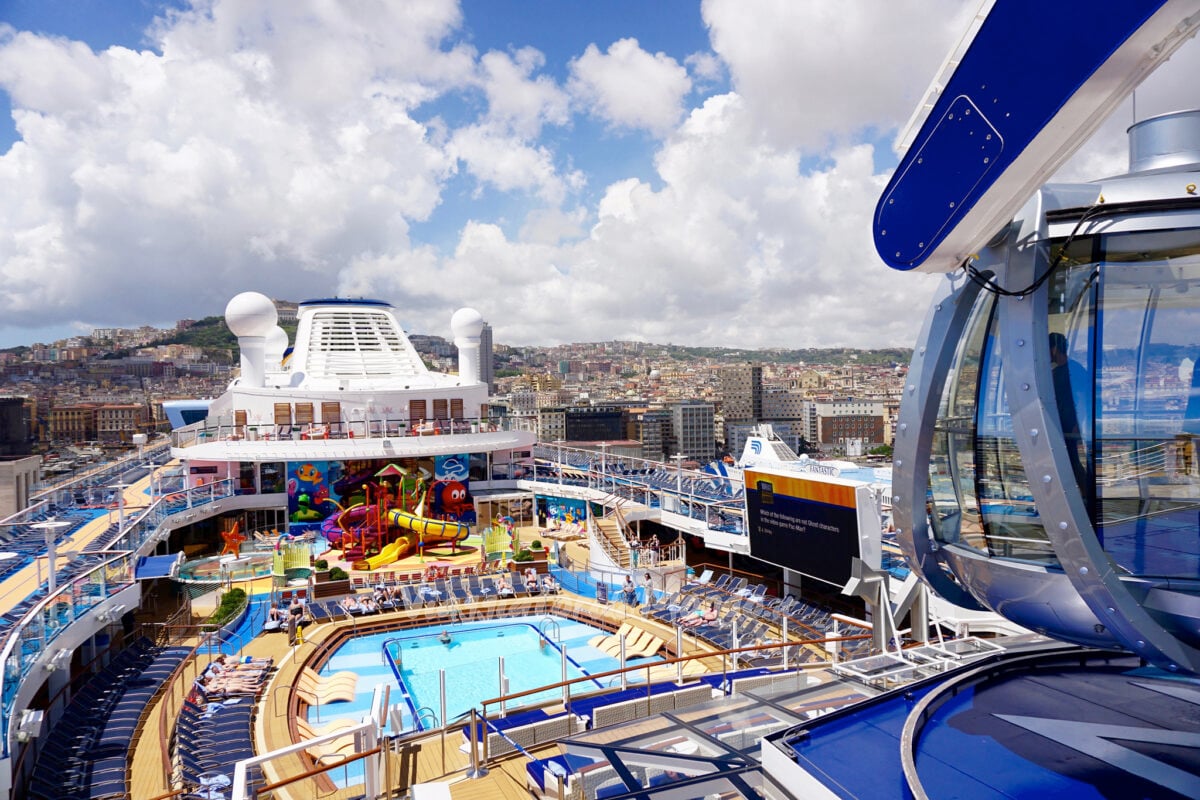
Like watching a master craftsman at work, Spectrum of the Seas reveals its complexity slowly—each deck unfolding into carefully planned districts that somehow manage to feel both intimate and grand. The ship’s designers understood something fundamental about human nature: people need variety, even when they’re trapped on a floating vessel for days at a time.
So they created the SeaPlex, a massive indoor activity space that transforms throughout the day from basketball court to roller skating rink to bumper car arena, depending on what passengers need. The North Star observation capsule extends 300 feet above sea level on a mechanical arm, offering views that cruise passengers never had access to before.
But the real revelation isn’t the height—it’s how the experience changes your relationship with the ship itself, turning passengers into temporary outsiders looking down at their floating home from an impossible angle.
Voyager of the Seas
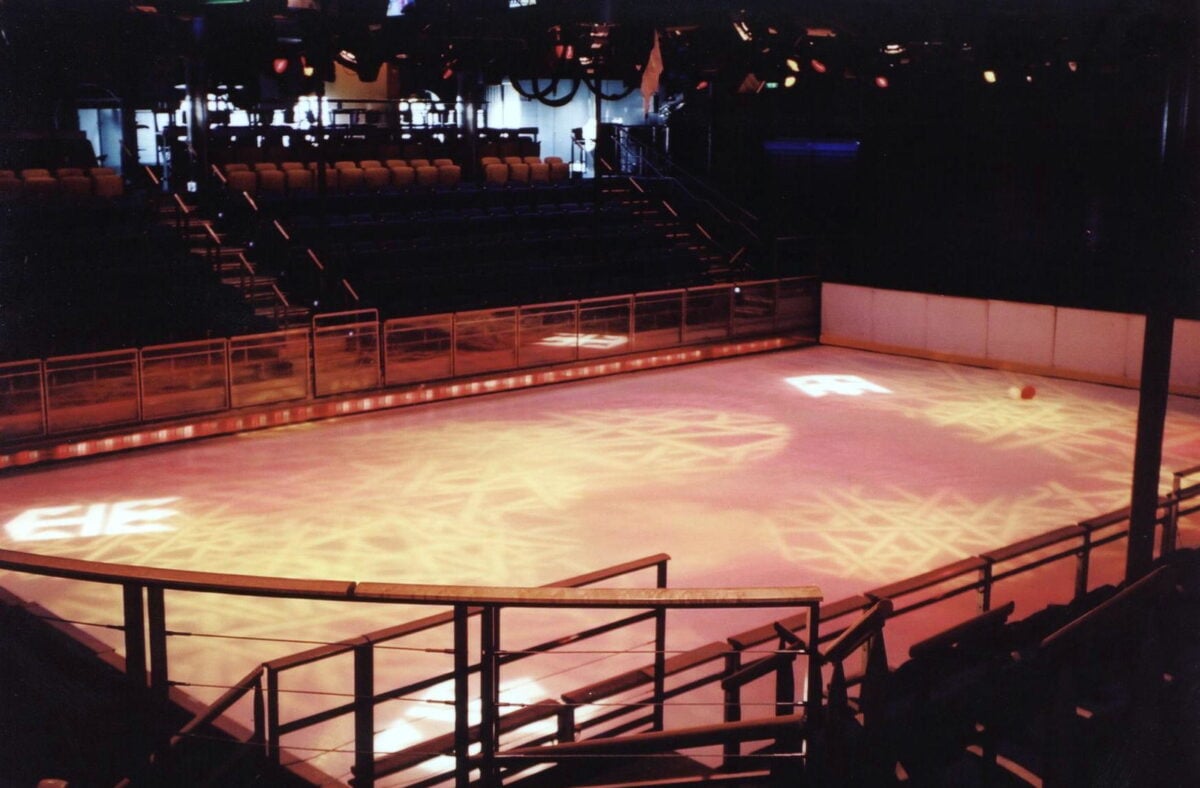
Royal Caribbean knew exactly what they were doing when they put an ice skating rink on a cruise ship, and the result is exactly as absurd and wonderful as it sounds. Voyager of the Seas features a full-size rink where passengers can watch professional ice shows or stumble around on rental skates while the ship rocks gently beneath them.
The physics alone should make ice skating impossible—maintaining frozen water on a moving vessel in tropical climates takes serious refrigeration commitment. The ship’s Royal Promenade runs down the center of the vessel like an indoor Main Street, complete with shops, cafes, and daily parades that somehow manage to feel festive rather than forced.
During certain sailings, the crew organizes elaborate deck parties that spill from the promenade onto connecting decks, turning multiple levels of the ship into one massive celebration.
Quantum of the Seas

Think of Quantum of the Seas as the ship where someone decided that normal ocean views weren’t quite enough, so they installed virtual balconies in interior staterooms—floor-to-ceiling screens that broadcast real-time footage from cameras mounted on the ship’s exterior. The technology sounds gimmicky until you’re stuck in a windowless cabin for a week and realize that watching live ocean footage somehow tricks your brain into feeling less claustrophobic.
The ship’s signature attraction, the RipCord by iFly skydiving simulator, creates a wind tunnel strong enough to keep passengers airborne while the whole contraption moves through ocean swells. The engineering required to maintain consistent airflow while dealing with a constantly shifting platform borders on the ridiculous, but passengers line up anyway because floating above a wind tunnel while floating above the ocean appeals to a very specific type of person.
And yet the most impressive feature might be the ship’s robotic bartenders—mechanical arms that mix drinks with precision timing while passengers watch through glass walls. It’s pure theater, really, but theater that serves actual cocktails while the whole performance sways with the rhythm of the waves.
Anthem of the Seas

The ship handles North Atlantic crossings like they’re casual afternoon trips, which says something about both the engineering and the confidence of everyone involved. Anthem of the Seas was specifically designed for year-round operation, meaning it can handle the kind of weather that would send smaller vessels running for port.
The ship’s hull design cuts through rough seas with a stability that makes passengers forget they’re dealing with ocean conditions that would have terrified sailors just a few generations ago. But here’s what sets it apart from its sister ships: the Two70 entertainment venue at the stern features floor-to-ceiling windows that transform into projection surfaces for immersive shows while still providing real-time ocean views during the day.
So passengers can watch actual whales during breakfast and holographic performances during dinner, all from the same seats.
Ovation of the Seas
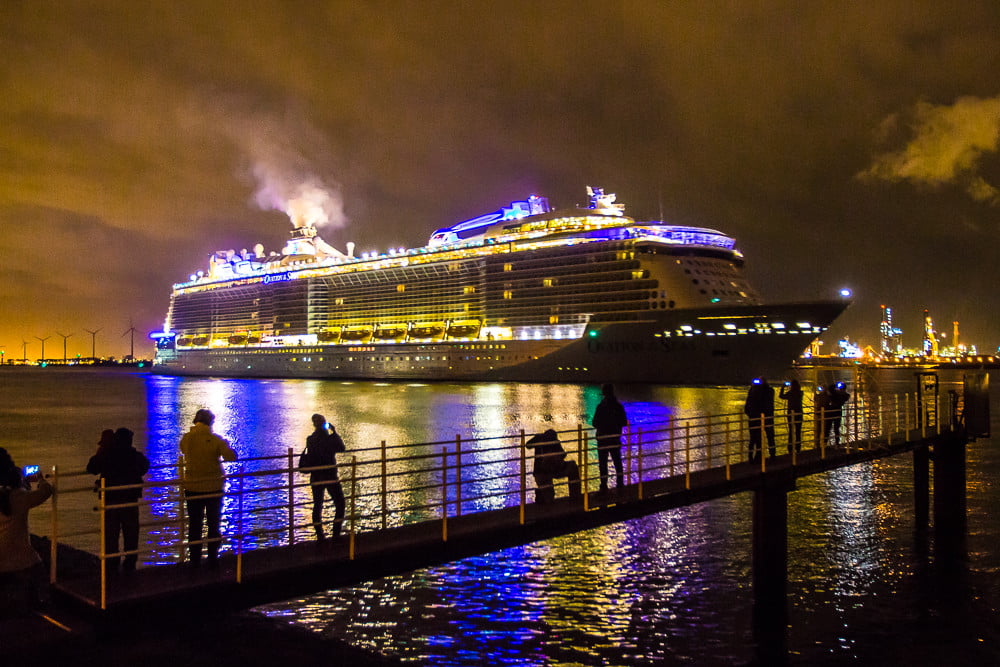
Ovation of the Seas proves that cruise ship design has entered some kind of technological arms race where each vessel tries to outdo the previous one in increasingly creative ways. The ship features bumper cars on the top deck because apparently someone looked at rush hour traffic and thought, “You know what this needs?
More fun and fewer consequences.” The whole setup works surprisingly well—passengers slam into each other with genuine enthusiasm while surrounded by ocean views that make the whole experience feel surreal.
The ship’s North Star observation pod operates like a slow-motion Ferris wheel, extending passengers 300 feet above the water on a mechanical arm that moves with deliberate precision. The experience takes about 15 minutes, which sounds short until you’re dangling above the Atlantic in a glass capsule and realize that 15 minutes of unobstructed ocean views can feel like a small eternity.
Adventure of the Seas
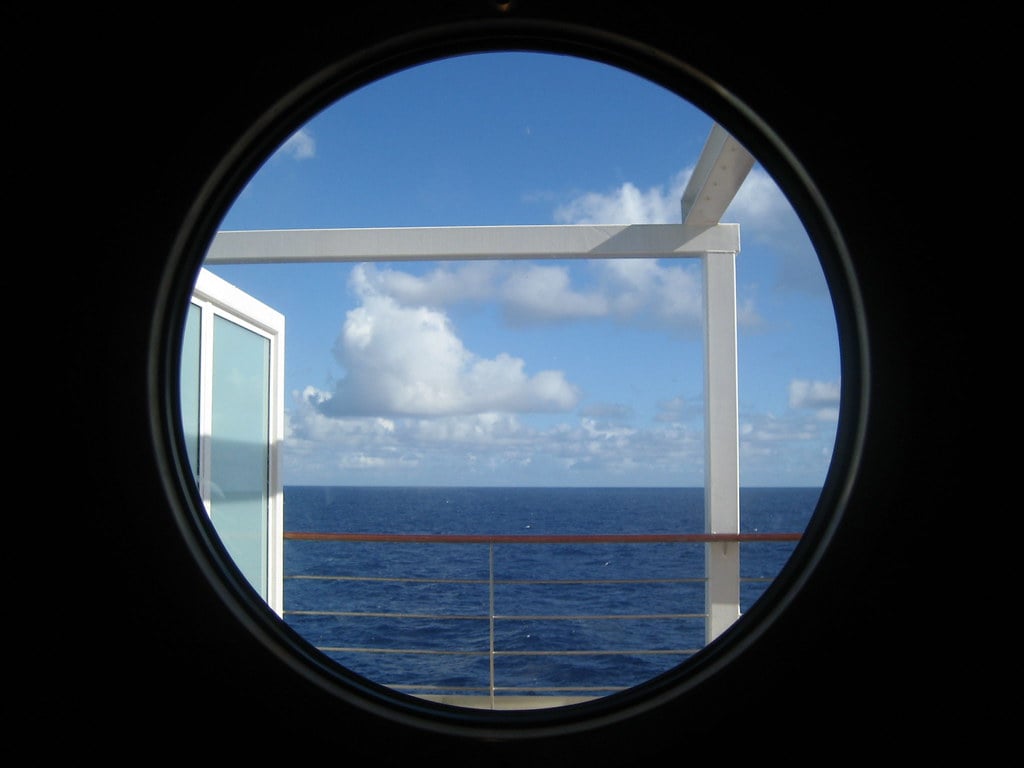
Something about Adventure of the Seas feels like stepping into a parallel universe where shopping malls learned to swim. The ship’s Promenade stretches four decks high and runs through the center of the vessel, lined with shops, restaurants, and entertainment venues that operate around the clock.
During peak hours, the space buzzes with activity that makes you forget you’re in the middle of the ocean—until you feel the subtle sway that reminds you that this particular Main Street happens to be moving at 20 knots. The ship features a rock-climbing wall that extends several decks above the pool area, offering passengers the chance to scale artificial cliffs while real waves crash somewhere below.
The view from the top encompasses the entire vessel, turning passengers into temporary observers of their floating city. But it’s the ice skating rink that really captures the ship’s ambitious spirit: a full-size frozen surface where passengers can glide in circles while the ocean rolls beneath them, creating a sensation that’s both familiar and completely alien.
And yet (because Adventure of the Seas apparently believes in covering all possible entertainment bases) the ship also houses a miniature golf course, multiple pools, and a casino that operates with the determined cheerfulness of Las Vegas transplanted to the high seas.
Mariner of the Seas
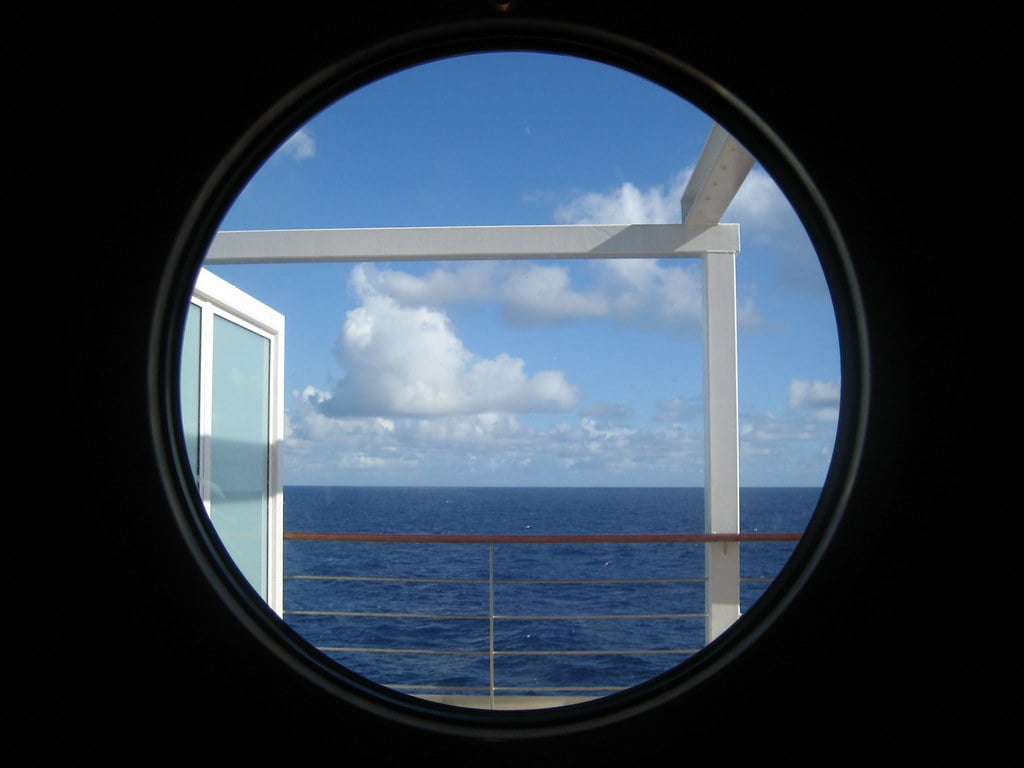
Royal Caribbean designed Mariner of the Seas around the idea that cruise passengers shouldn’t have to choose between ocean adventure and land-based entertainment. The ship’s surf simulator creates artificial waves strong enough for bodyboarding while the vessel cuts through actual ocean swells—a bit of maritime recursion that appeals to passengers who want to ride waves while riding waves.
The FlowRider attraction requires constant water circulation and wave generation that operates independently of whatever the ocean happens to be doing outside the ship. The adventure continues with a rock-climbing wall that faces the ocean, so climbers can scale artificial heights while watching real horizon lines shift with each wave.
During rough weather, the climbing experience becomes genuinely challenging as passengers try to maintain their grip while the ship responds to conditions that would make land-based climbing impossible.
Navigator of the Seas
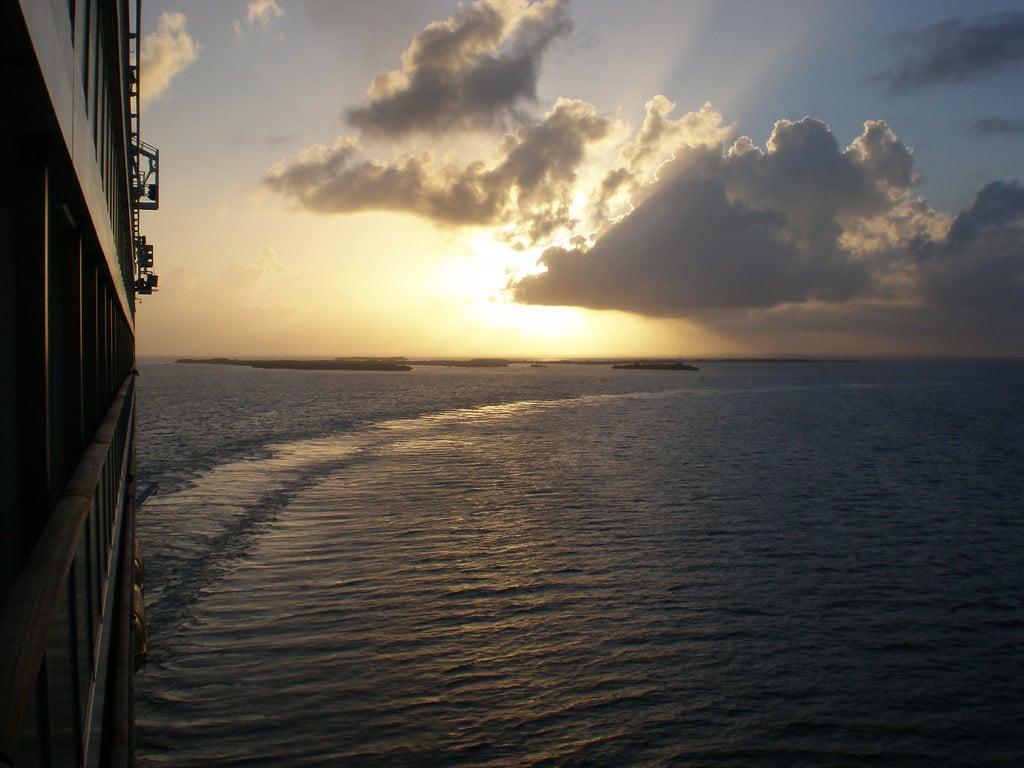
Navigator of the Seas operates on the principle that bigger is simply better, and the results speak for themselves. The ship carries 3,807 passengers who have access to a full-size basketball court, an ice skating rink, and a rock-climbing wall that towers above the pool deck like some kind of nautical mountain.
The whole setup feels like someone took a resort and decided to see if it would float—which, as it turns out, it does quite well. The ship’s most distinctive feature might be its Royal Promenade, an indoor street that runs down the center of the vessel with shops, restaurants, and entertainment venues that create the illusion of a small town.
During evening hours, the space comes alive with street performers, parades, and impromptu celebrations that make passengers forget they’re essentially trapped in a metal tube floating on an endless ocean.
The Ocean’s Floating Neighborhoods
These massive vessels represent something unprecedented in human history: temporary cities that appear on the horizon, dock for a day, and vanish again into the blue. Each ship carries more people than many small towns, complete with the infrastructure, entertainment, and daily rhythms that make community life possible.
The engineering required to make it all work—the water systems, waste management, food service, and entertainment logistics—happens so seamlessly that passengers rarely consider the complexity operating just beneath the surface of their floating vacation.
More from Go2Tutors!

- The Romanov Crown Jewels and Their Tragic Fate
- 13 Historical Mysteries That Science Still Can’t Solve
- Famous Hoaxes That Fooled the World for Years
- 15 Child Stars with Tragic Adult Lives
- 16 Famous Jewelry Pieces in History
Like Go2Tutors’s content? Follow us on MSN.