Best And Worst Countries To Be A Woman
A place shapes what it means to be female. Some countries see women at the front of businesses, politics, even night streets alone – safe, steady.
Elsewhere? A door won’t open unless someone else allows it. Voting feels like a distant idea.
Control over daily choices barely exists. That contrast hits hard. It shows depth, not just distance – one life stretches wide while another stays shut tight.
Women live well in some nations, yet face tough challenges elsewhere. A few spots offer real progress; others hold back basic freedoms.
Iceland’s Leading Standard
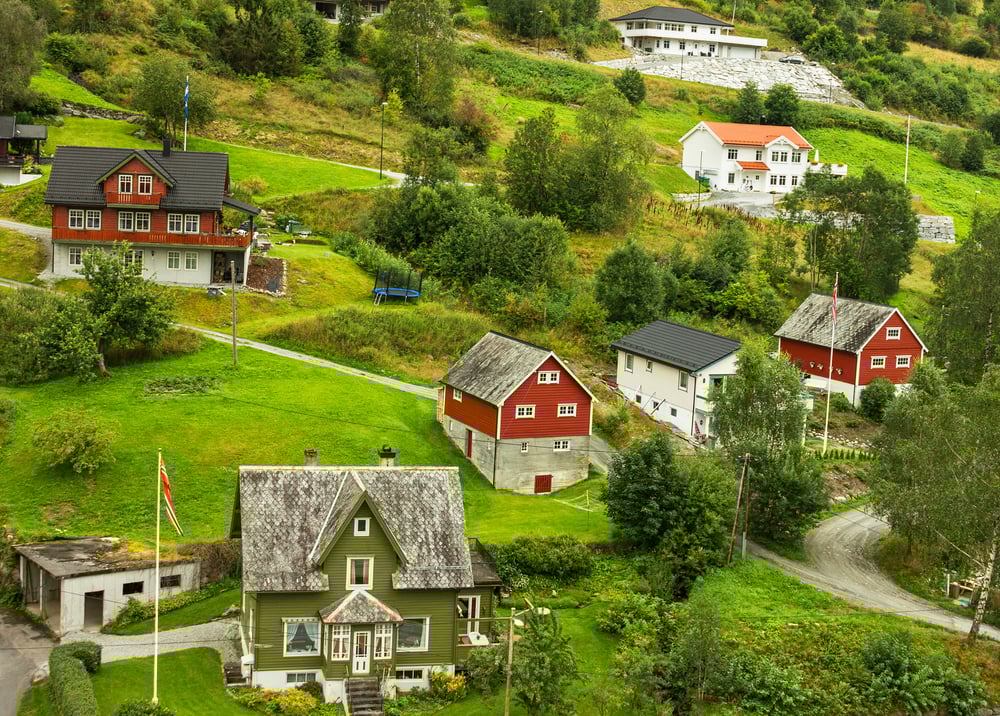
Top of the Global Gender Gap Index, Iceland stays ahead year after year. Equal pay rules protect women, while their voices shape decisions in government.
Health care works well for everyone, not just some. Systems here grow from real commitment – talk turns into structure, quietly, steadily.
Nordic Countries As A Group

Top spots for women often include Norway, then Finland, closely followed by Sweden. Parental leave gets paid well there, child care does not cost much, leadership roles go to many women in both companies and politics.
Equality between genders stands central in those nations, never pushed aside or treated as minor detail.
New Zealand’s Steady Progress

Ahead of many others, New Zealand carved a path for women’s rights long ago. First in line globally, it granted voting rights to women in 1893 – no small moment.
Since then, fairness hasn’t slipped away. Legal shields stand firm for women, medical care stays within reach, while voices rise clearly in government and beyond.
Canada’s Solid Framework
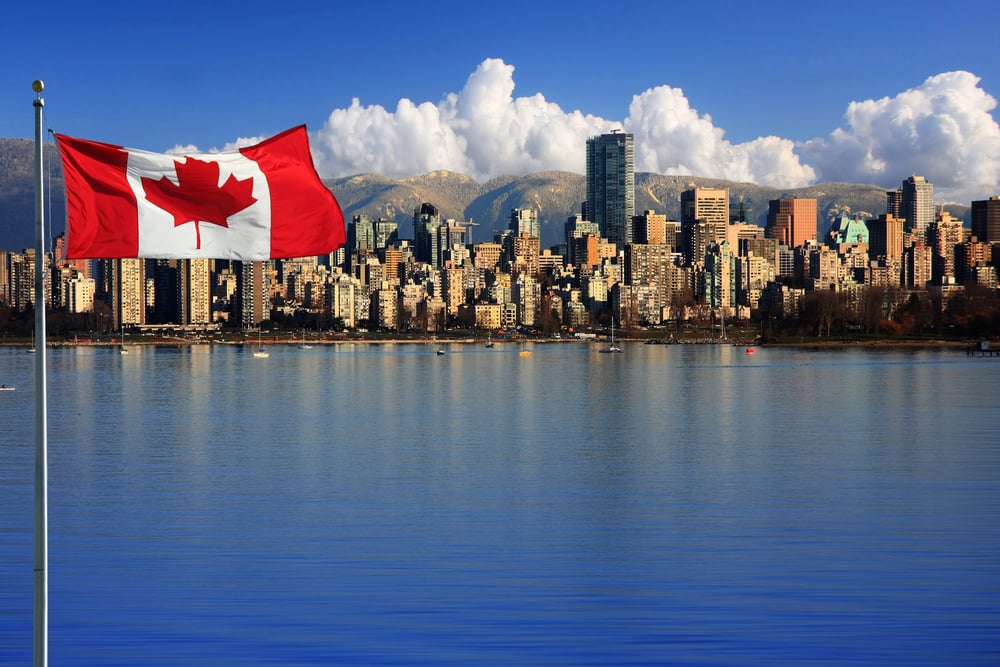
Women in Canada find solid support through schools, medical care, and job chances. Enforcement of anti-discrimination rules happens regularly, while clinics offer reproductive services without major barriers.
Though unequal wages remain a hurdle, progress already took root. Still, fairer pay demands more effort down the road.
Rwanda’s Surprising Position
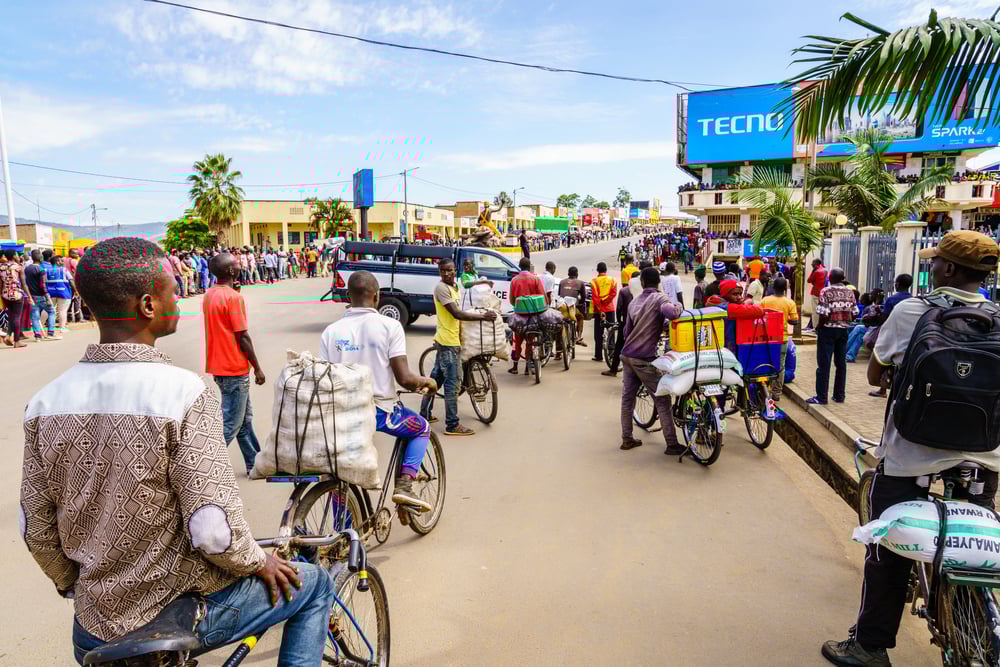
Few expect it, yet Rwanda stands near the top among African nations on equal rights between genders. Following the devastation of 1994, rebuilding began with a deliberate push to bring women into leadership roles.
Right now, more women hold seats in its parliament than in most countries across the globe.
The United States Has Had Both Successes And Failures

One thing stands clear: American women can reach high levels in school and work. Still, chances shift fast when you cross state lines – especially getting care during pregnancy.
Pay often trails behind for women doing the same jobs. On top of that, race adds deeper hurdles, dragging the full progress report lower.
India’s Deep Divide

Females in India live worlds apart depending on where they are. Though city women land jobs in hospitals, startups, or government offices, girls out in villages might be married off before turning eighteen.
Schools may open doors for some, yet others barely step inside a classroom. Beatings at home show up more often than officials admit.
Laws exist to shield them, though courts skip follow-ups just as tradition digs its heels deeper.
Afghanistan Under Taliban Rule
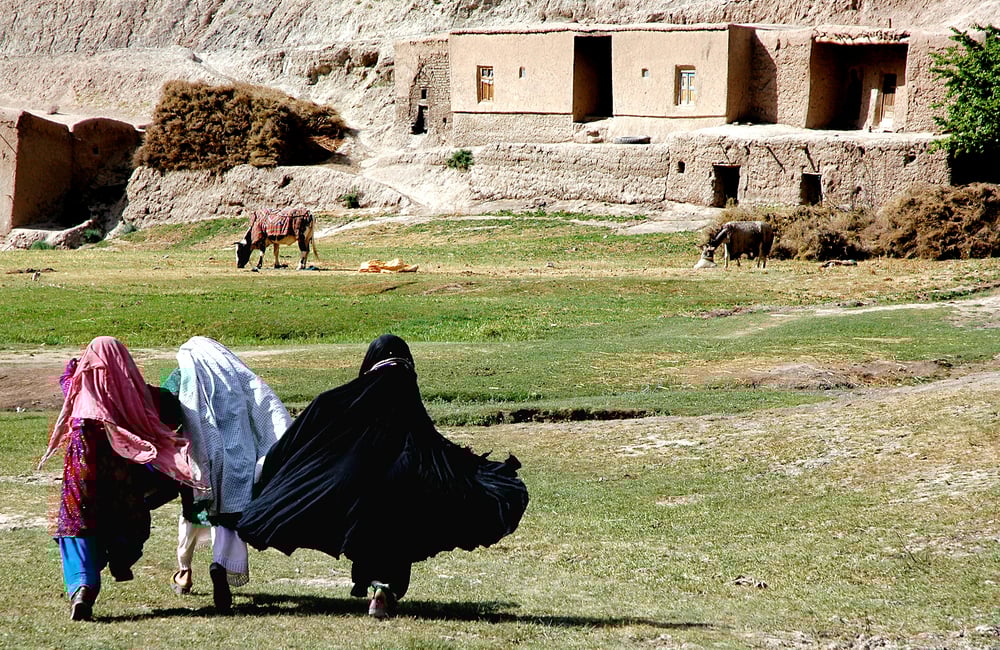
Right now, life for women in Afghanistan stands among the harshest on Earth. After the Taliban took control again in 2021, schooling past sixth grade vanished for girls.
Higher education shut its doors just as quickly. Most jobs stopped being an option for women, erased piece by piece.
Travel became impossible unless a man approved it first. Nearly every freedom has slipped away.
The world has responded with sharp disapproval.
Yemen’s Humanitarian Crisis

War in Yemen drags on, shaping a harsh reality for women. Child brides grow more common as fighting continues.
Medical care slips further out of reach because clinics shut down or vanish. Old customs press hard while bombs fall nearby.
Safety feels like a distant memory when walking through markets or visiting relatives.
Sudan’s Political Instability

Sudan has long struggled with gender-based violence and restricted rights for women. Female genital mutilation, while legally banned in 2020, remains common in many communities.
Political instability makes enforcement weak, and women in conflict zones face extreme danger with little protection.
Pakistan’s Unequal Landscape

Pakistan ranks near the bottom of global gender gap reports year after year. Women face significant barriers in the workforce, and honor-based violence remains a serious problem in parts of the country.
Girls in rural areas still have far less access to education than boys, and that gap has long-term consequences.
Saudi Arabia’s Slow Shift
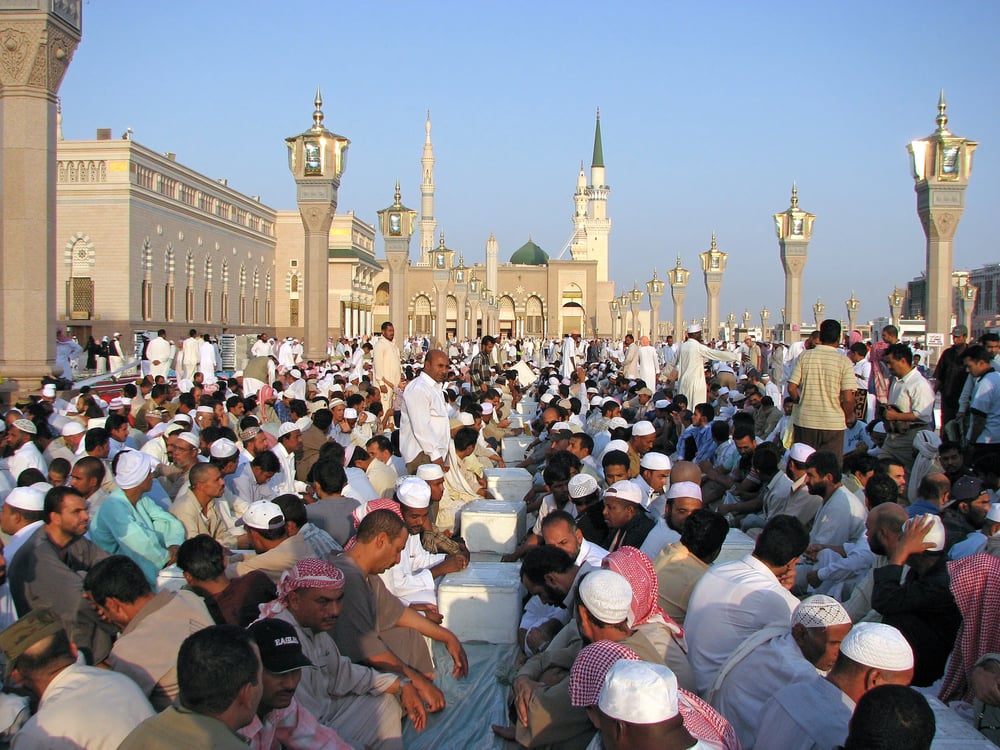
Saudi Arabia has made some reforms in recent years, including allowing women to drive and attend public events. But women still need male guardian approval for major life decisions like marriage and travel in certain situations.
The reforms are real but limited, and activists who pushed for those changes have faced imprisonment.
Niger’s Education Gap

Niger has one of the lowest rates of female literacy and school enrollment in the world. Girls are often pulled out of school early to marry, and teenage pregnancy rates are among the highest globally.
Without education, women have very little economic power or ability to change their circumstances.
Democratic Republic Of Congo’s Violence Crisis

The DRC has been described by human rights organizations as one of the most dangerous places to be a woman. Conflict-related violence against women is widespread and systematic, particularly in the eastern regions.
Women there live with constant insecurity, and justice for perpetrators is rare.
The Role Of Policy And Culture Together

A country’s laws alone do not determine how women actually live. Saudi Arabia has reformed laws, but culture still limits daily freedom.
Iceland has both laws and cultural attitudes working together, which is why it leads. The difference between a good law on paper and a good life in practice comes down to how seriously a society follows through.
A World Still Finding Its Balance
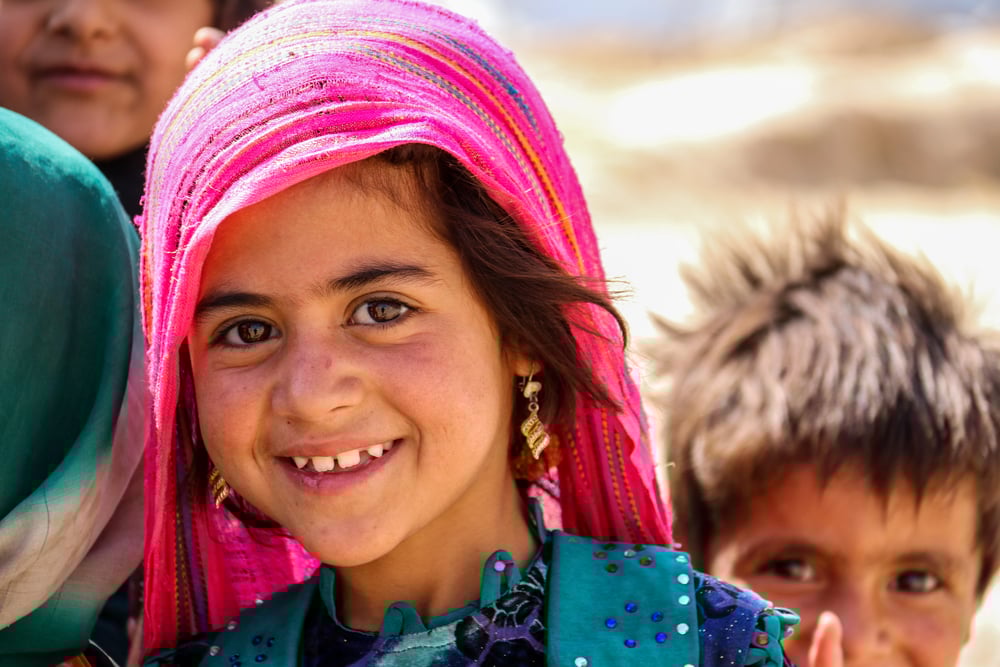
The distance between Iceland and Afghanistan is not just geography, it is the full range of what the world offers women. Progress is real in some places, but it is fragile, and it can reverse quickly as recent events have shown.
The countries that treat women well tend to be more stable, more prosperous, and more peaceful overall, which is not a coincidence.
More from Go2Tutors!

- The Romanov Crown Jewels and Their Tragic Fate
- 13 Historical Mysteries That Science Still Can’t Solve
- Famous Hoaxes That Fooled the World for Years
- 15 Child Stars with Tragic Adult Lives
- 16 Famous Jewelry Pieces in History
Like Go2Tutors’s content? Follow us on MSN.