The Long-Forgotten Uses for Obsolete Technology
Technology moves fast.
What seemed cutting-edge a decade ago now collects dust in attics and thrift stores.
But here’s the thing—most of us remember these gadgets for their mainstream glory days, not for the quirky, practical, or downright weird purposes they originally served.
That rotary phone gathering cobwebs in your grandma’s basement started life as a business tool, not a kitchen conversation piece.
The cassette tape languishing in your old car wasn’t born to blast hair metal—it had humbler beginnings.
Before smartphones swallowed every function imaginable, individual devices ruled their little corners of daily life.
Many solved problems we’ve completely forgotten existed, while others found second lives doing jobs their inventors never imagined.
Here is a list of 15 long-forgotten uses for obsolete technology.
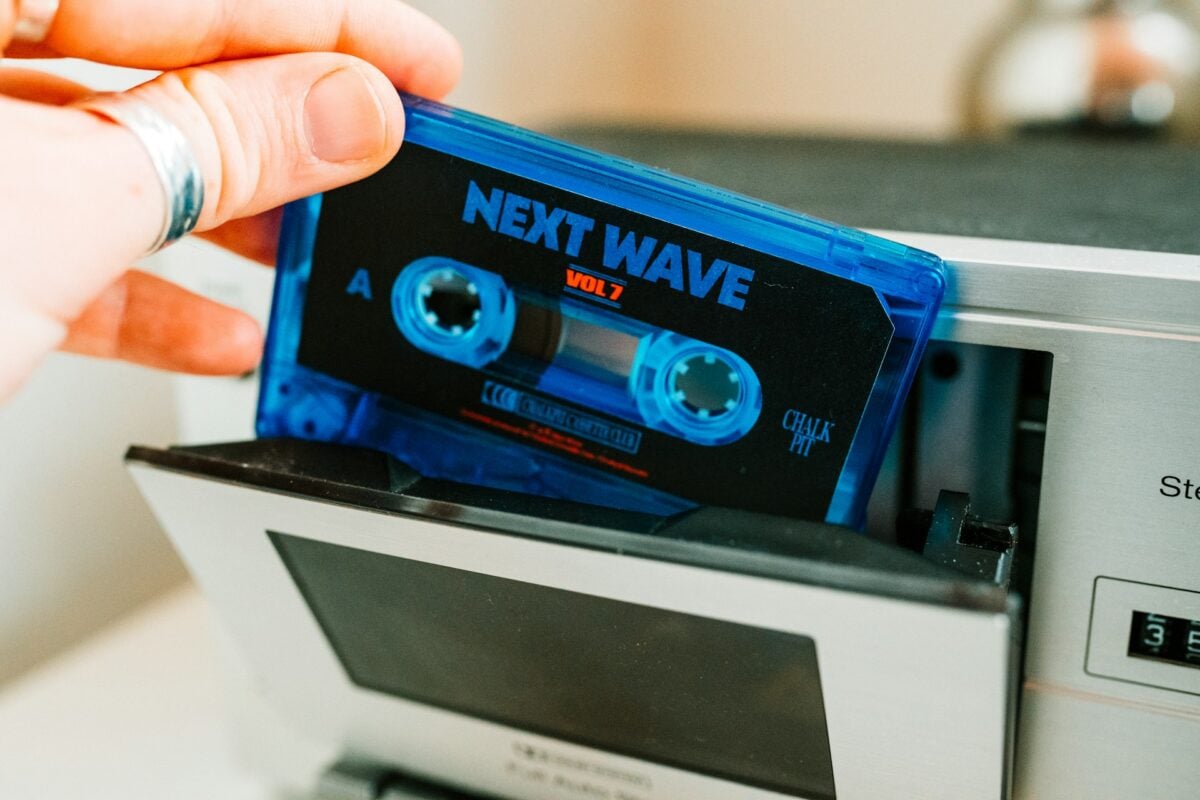
Cassette Tapes for Office Transcription

Walk into any office in the 1960s and you’d find secretaries hunched over dictation machines, rewinding compact cassettes to type up memos and correspondence.
Philips developed the compact cassette in 1963 specifically for voice recording and transcription work, not music.
The format’s small size and ease of use made it perfect for capturing dictation, meeting minutes, and phone conversations.
Office workers could record notes throughout the day, then hand the tape off for transcription.
Only later did people realize these little magnetic strips could capture music just as easily, leading to the mixtape revolution that defined the 1980s.
Pagers for Medical Emergencies
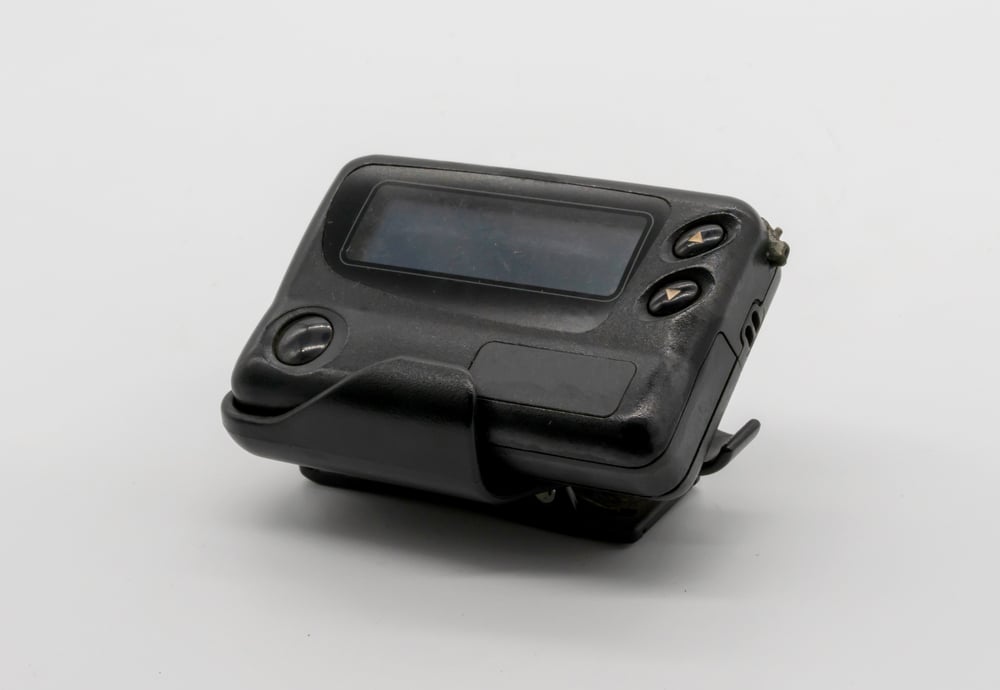
Long before pagers became synonymous with drug dealers in 1990s movies, they were serious medical equipment.
Hospitals adopted pager technology in the 1950s and 1960s to reach doctors instantly without tying them to a desk phone.
A doctor could be anywhere in the hospital—or grabbing lunch off-site—and still respond to emergencies within minutes.
The system was so reliable that many hospitals continued using pagers well into the 2010s, and some emergency responders still carry them today.
Unlike cell phones, pagers work during network outages and don’t rely on cellular towers that can fail during disasters.
Floppy Disks in Aviation
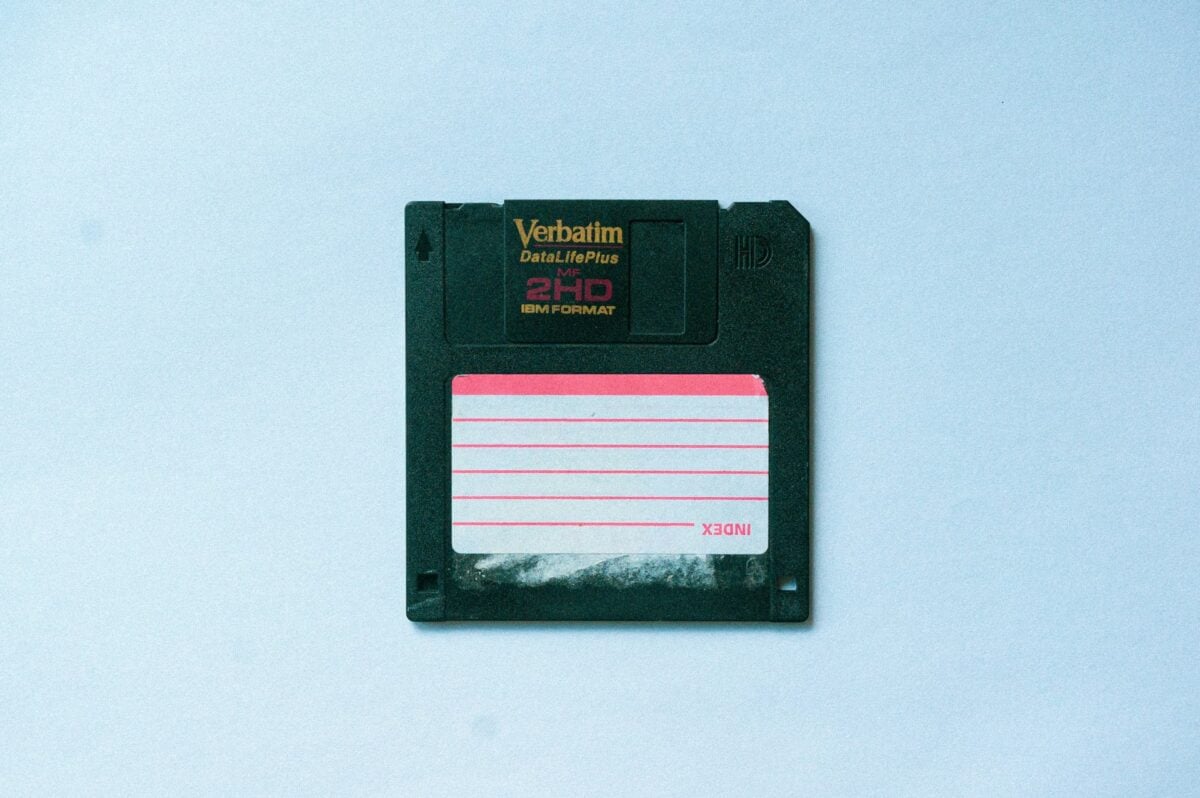
Those flimsy plastic squares that couldn’t hold a single MP3 file still power some of the world’s most sophisticated aircraft.
Airlines discovered that older Boeing 747s and other planes built in the 1980s and 1990s stored critical navigation data and software updates on 3.5-inch floppy disks.
The systems worked perfectly well, and the cost of upgrading every plane’s computer system ran into millions of dollars per aircraft.
British Airways was still using floppies for data storage on some aircraft well into the 2020s.
The same goes for certain medical and industrial systems—if it isn’t broken, why spend a fortune replacing it?
Typewriters for Secure Communications
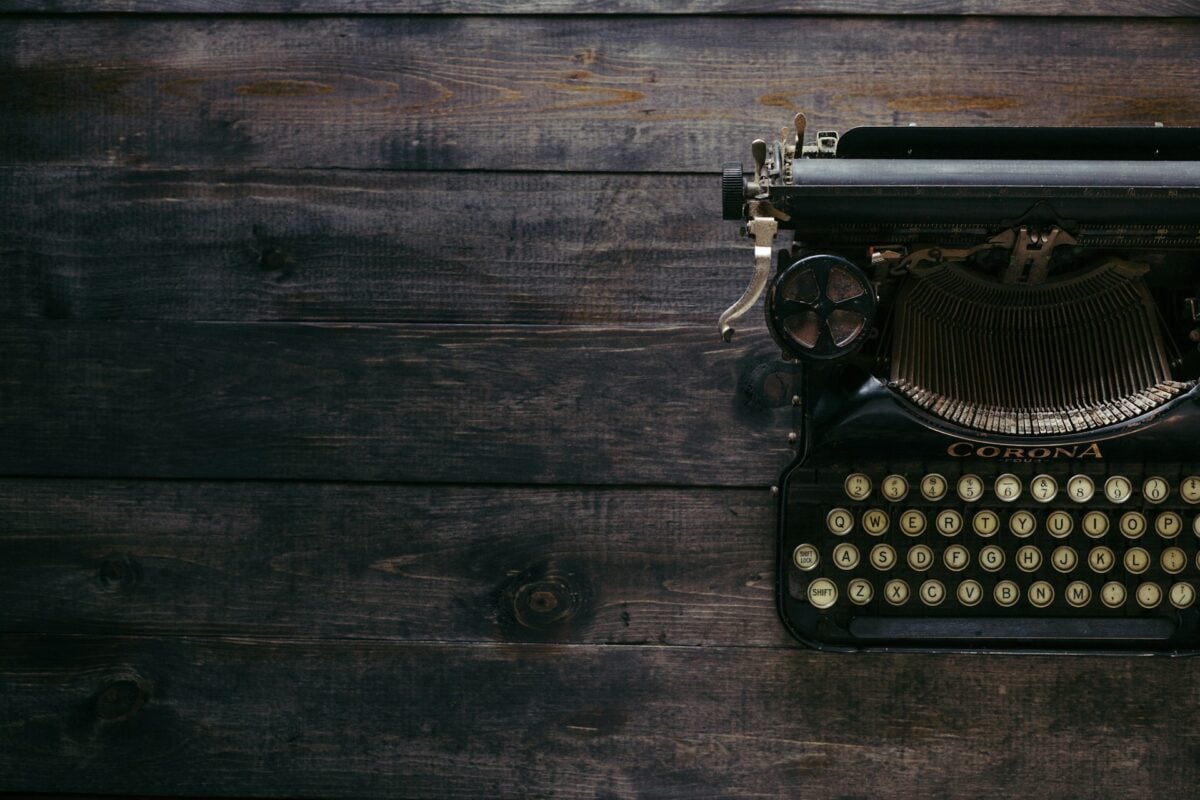
In an age of digital surveillance and hacking, some government agencies have rediscovered the humble typewriter.
Russian government agencies reportedly started buying typewriters again in 2013 to create documents that couldn’t be intercepted or hacked remotely.
There’s no Wi-Fi connection to exploit, no keylogger to install, and no digital footprint left behind.
Intelligence agencies and legal firms handling sensitive cases sometimes use typewriters for similar reasons.
The clunky machines that seemed destined for museum displays found new life as unhackable word processors.
Rotary Phones in Pulse Dialing Systems
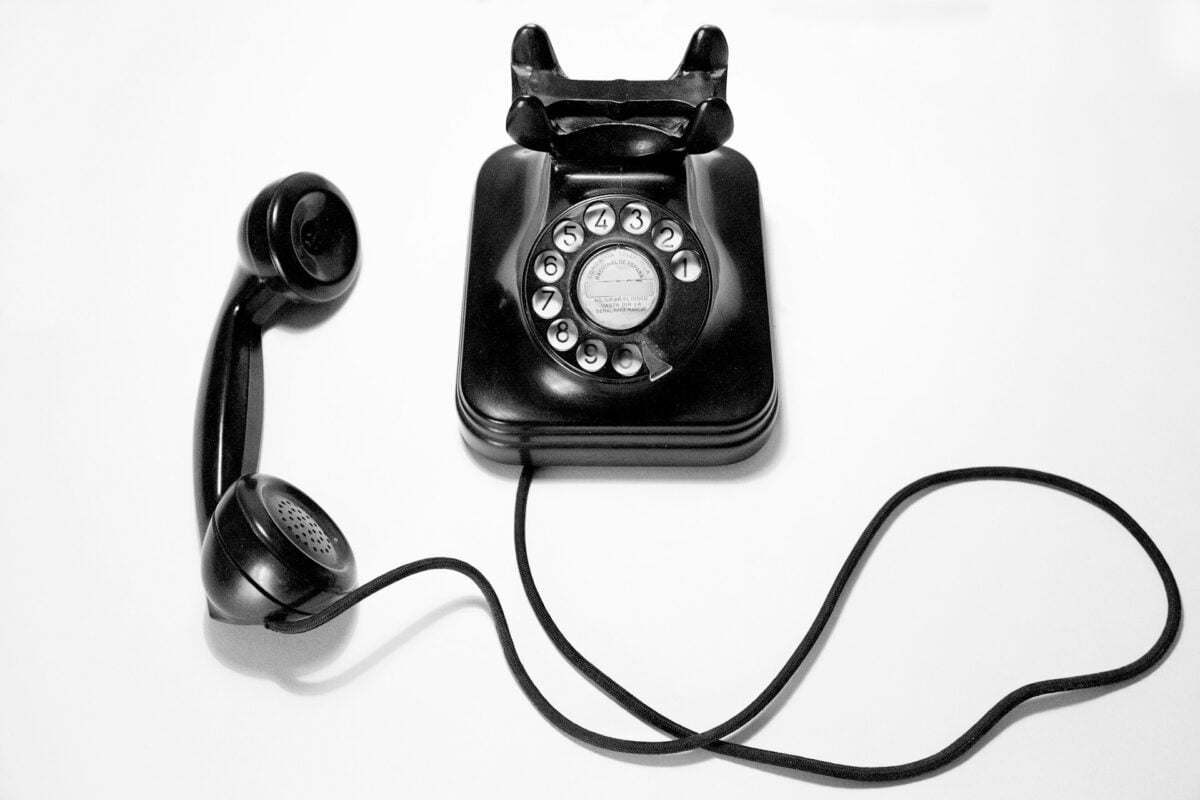
Those heavy circular-dial phones weren’t just for making calls—they were sending electrical pulses through the phone line.
Each number corresponded to a specific number of pulses, which the telephone exchange counted to route your call.
Some older security systems, gate openers, and industrial controls still use pulse dialing technology.
When touch-tone phones arrived with their musical beeps, many systems weren’t immediately updated.
Even today, you can sometimes find rotary phones in use at vintage hotels or as authentic props in period-accurate settings.
VHS Tapes for Time-Lapse Surveillance
Security cameras in the 1980s and 1990s recorded onto VHS tapes using long-play modes that could capture up to 24 hours of footage.
Banks, convenience stores, and parking garages stacked shelves with dated tapes, recycling them weekly unless an incident required keeping the footage.
The bulky cassettes were grainy and prone to degradation but reliable enough to document everything from robberies to accidents.
Some small businesses continued using VHS security systems well into the 2000s, long after digital recording became available.
Cathode Ray Tubes in Medical Imaging

Before flat screens, bulky CRT monitors served critical purposes in hospitals beyond displaying patient records.
Medical imaging equipment like ultrasounds, X-rays, and early CT scanners relied on CRT displays for their superior contrast and refresh rates.
Radiologists needed to see subtle differences in tissue density, and CRTs could render these variations better than early LCD technology.
Some hospitals kept CRT-based systems running for decades because replacing them cost hundreds of thousands of dollars.
Telegraph for Railroad Coordination
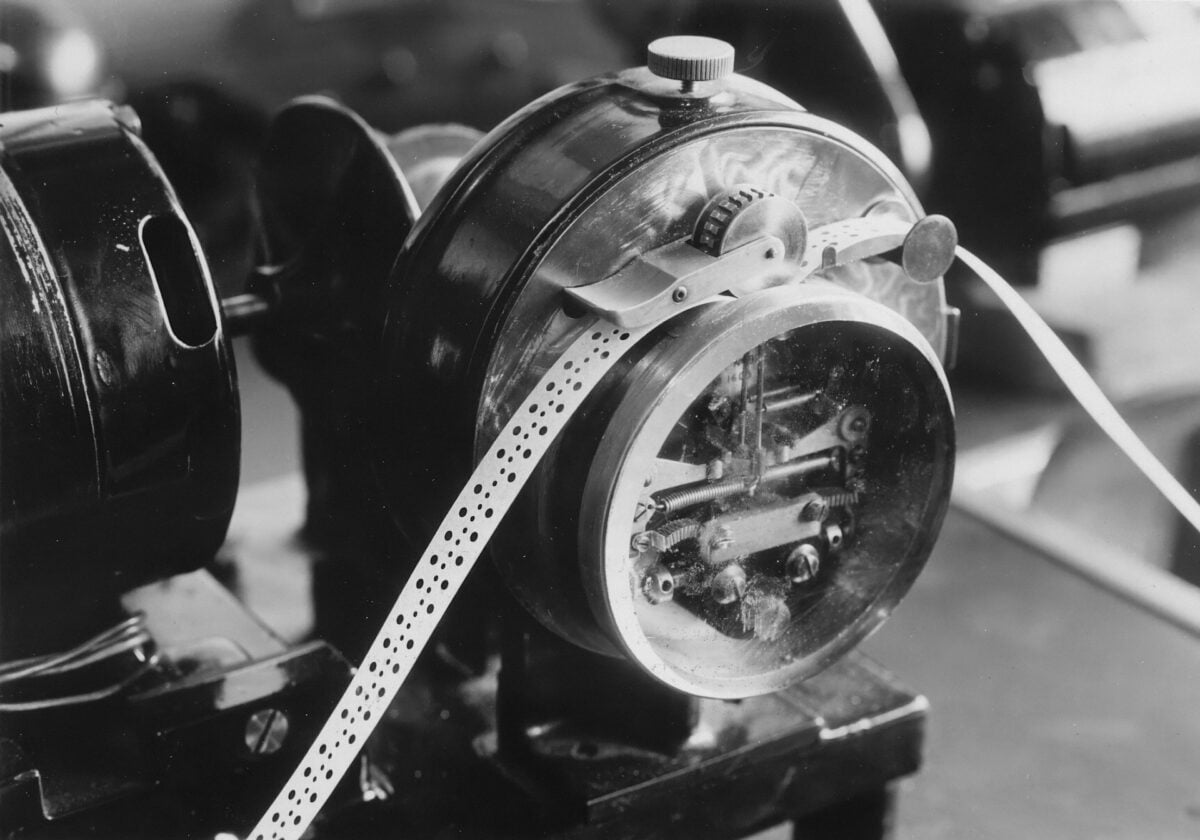
The telegraph revolutionized railroad safety beyond simple communication.
Train dispatchers used telegraph systems to coordinate movements, prevent collisions, and manage single-track railways.
By tapping out Morse code, stations could confirm when trains passed specific points, allowing dispatchers to route traffic safely.
This system remained in use on some rural lines well into the 1960s, even as telephones became common.
Its reliability and simplicity made it trusted technology when lives depended on precise timing.
Slide Rules for NASA Calculations
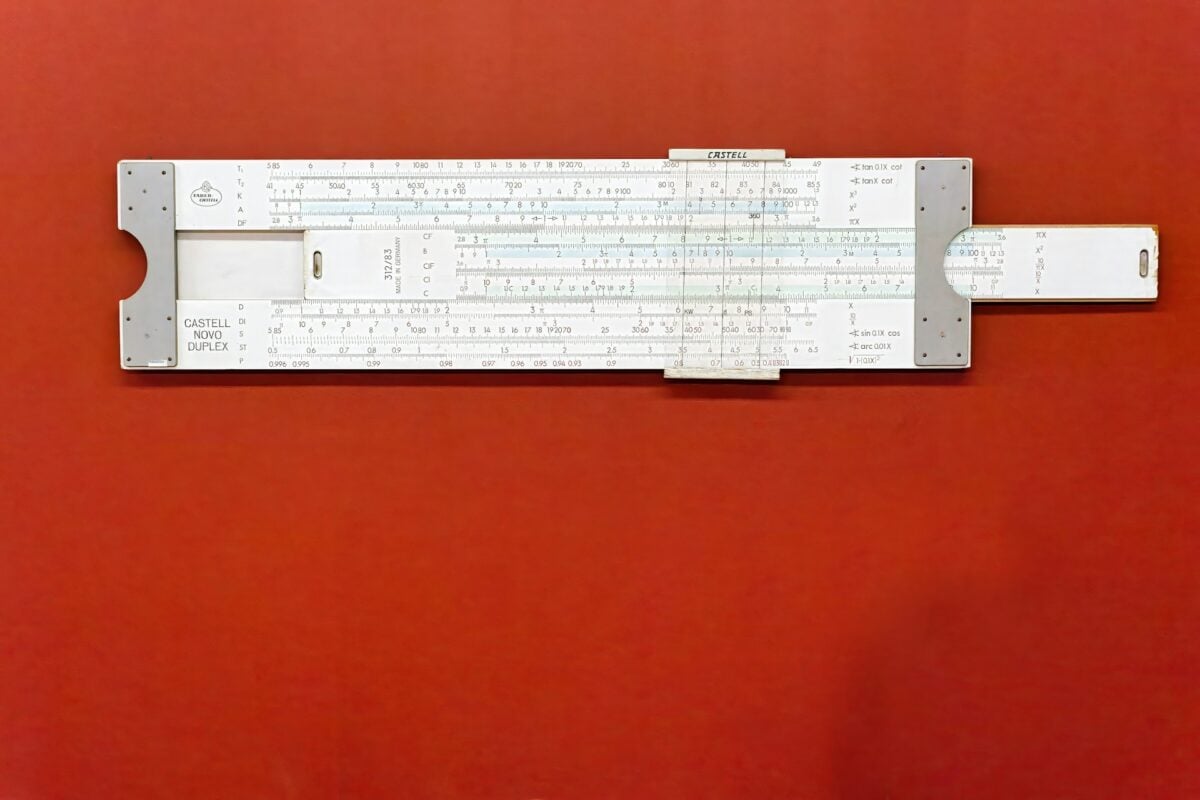
Engineers who put astronauts on the moon carried slide rules, not calculators.
These analog computing devices used logarithmic scales to perform multiplication and division through sliding motions.
Every engineer in the 1960s knew how to use one, and they were fast once mastered.
Apollo mission calculations were double-checked using slide rules to verify computer outputs.
The devices never needed batteries, couldn’t crash, and worked anywhere.
Overhead Projectors for Military Briefings

Before PowerPoint, overhead projectors dominated military briefings and classified presentations.
The ability to write on transparent sheets during presentations made them useful for tactical planning.
Military units could prepare acetate overlays showing troop movements and update them during discussions.
The technology left no digital trail and required no more than a light bulb.
Special operations units used overhead projectors for secure briefings well into the 1990s.
Punch Cards for Textile Pattern Storage
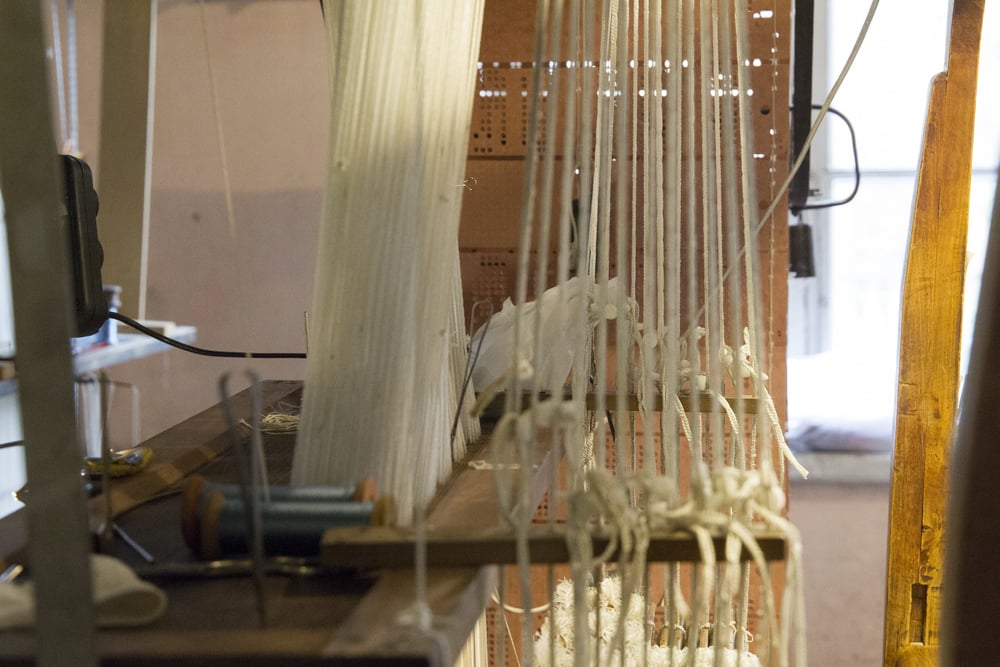
Long before programming used them, textile mills controlled automated looms using punch cards.
The Jacquard loom, invented in 1804, read patterns punched into cards to create intricate designs.
Each opening told the loom which thread to raise or lower, allowing exact reproductions.
This was the first use of binary programming in manufacturing.
Mills continued using punch card systems well into the 20th century, even after computers adopted them.
Reel-to-Reel Tape Recorders for Court Reporting
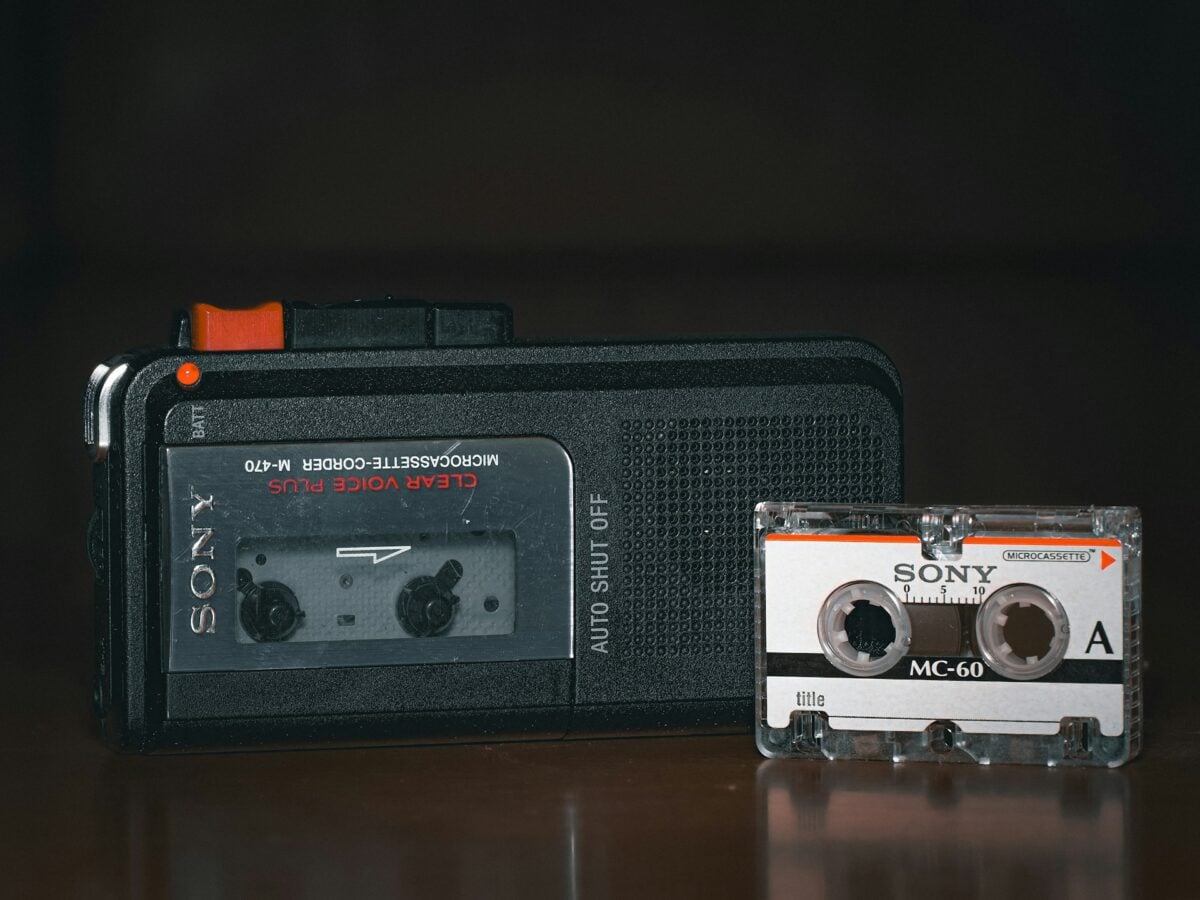
Courtrooms in the 1960s and 1970s relied on reel-to-reel recorders to create official records.
Court reporters operated these machines while also taking shorthand notes, creating redundancy.
The tape quality far exceeded cassettes and made it easier to locate testimony by watching reels turn.
Some courts kept these systems until the 1990s, preferring their reliability.
The tapes themselves became legal documents, stored in archives for decades.
Carbon Paper for Receipt Creation
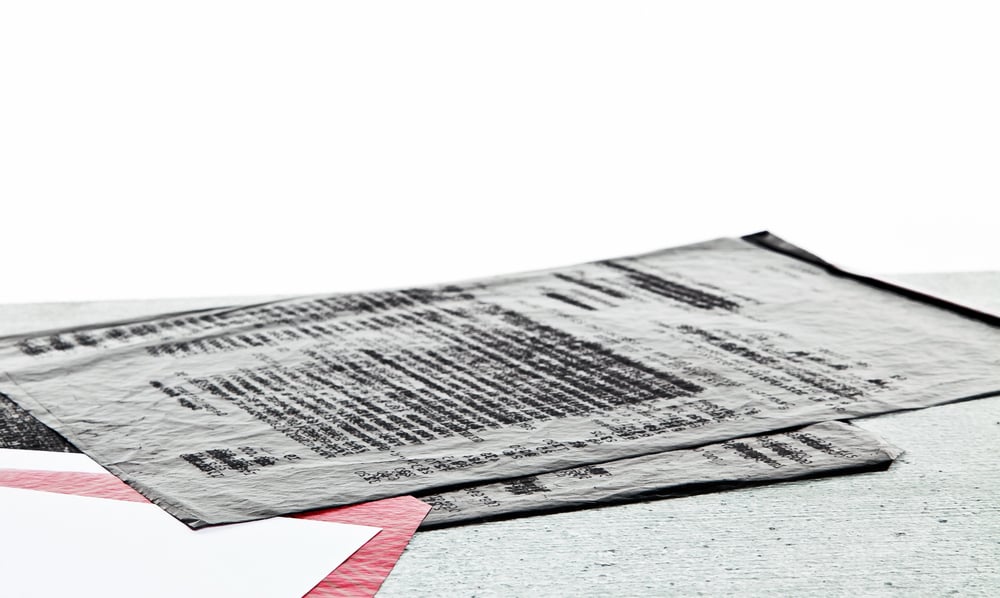
Before thermal printers, every credit card transaction involved a manual imprinter—those chunky sliders with carbon paper forms.
The merchant kept one copy, you got another, and the bank received the third.
This created a physical paper trail that couldn’t be altered.
Many businesses continued using carbon paper for receipts, invoices, and order forms into the 2000s.
It was especially common where electricity was unreliable or a tamper-proof record was required.
Microfiche for Newspaper Archives
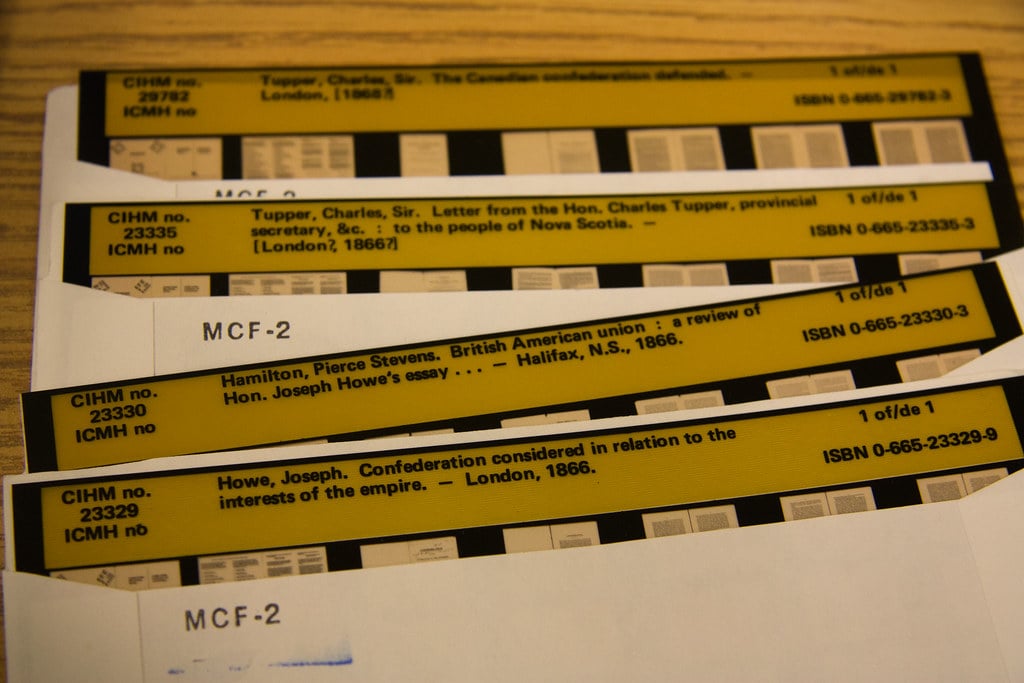
Libraries once maintained enormous microfiche collections—tiny film sheets storing miniature newspaper pages.
Each sheet could hold dozens of pages, readable only through magnifying projectors.
This system saved massive amounts of space compared to physical newspapers.
Researchers spent hours scrolling through microfiche readers to find articles.
Many libraries kept their microfiche until the 2010s, when digital scanning finally caught up.
Dot Matrix Printers for Multi-Part Forms
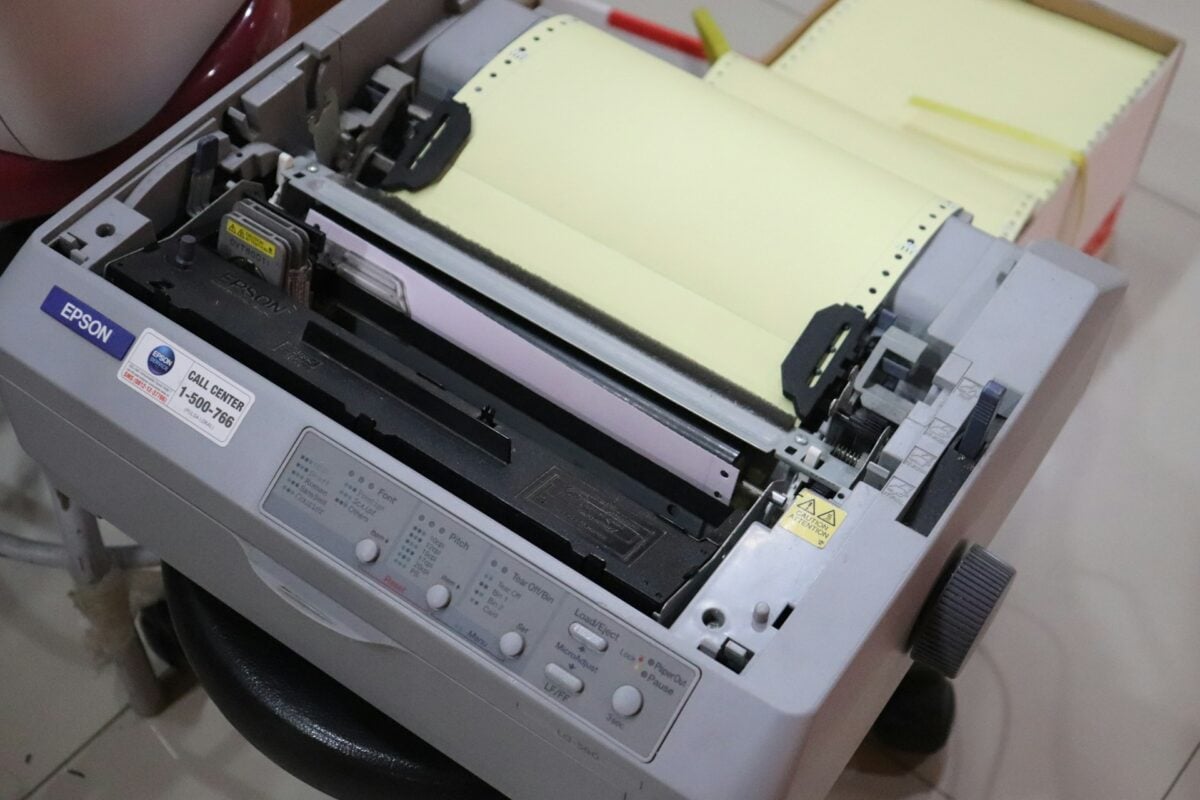
The distinctive screech of a dot matrix printer meant one thing in the 1980s and 1990s—someone was printing multi-part forms.
These printers could punch through carbon paper layers, creating multiple copies instantly.
Shipping companies, government offices, and medical facilities used them for invoices and receipts.
Some businesses continued using dot matrix printers into the 2020s because modern printers can’t replicate their multi-layer capability.
The Persistence of Simple Solutions

These technologies didn’t disappear because they failed.
Most worked brilliantly for their time, then were replaced by something faster or flashier.
But necessity is creative, and forgotten tech often finds new life in unexpected places.
The next time you see a VHS tape or hear about someone using a typewriter, remember—sometimes the old ways aren’t just nostalgic.
They’re practical solutions to problems that never really went away.
More from Go2Tutors!

- The Romanov Crown Jewels and Their Tragic Fate
- 17 Halloween Costumes Once Considered Taboo
- Famous Hoaxes That Fooled the World for Years
- 15 Child Stars with Tragic Adult Lives
- 16 Famous Jewelry Pieces in History
Like Go2Tutors’s content? Follow us on MSN.



