The Unsolved Mysteries of 18 Baffling Ancient Structures
Ancient civilizations have left us with countless remarkable structures, but some defy conventional explanations despite decades of research and technological advances. While archaeologists have made significant progress in understanding many ancient sites, certain structures continue to challenge our understanding of prehistoric engineering, cultural practices, and architectural capabilities.
Here is a list of 20 perplexing structures that continue to baffle archaeologists and historians, each with unique features that challenge our understanding of ancient civilizations.
Göbekli Tepe
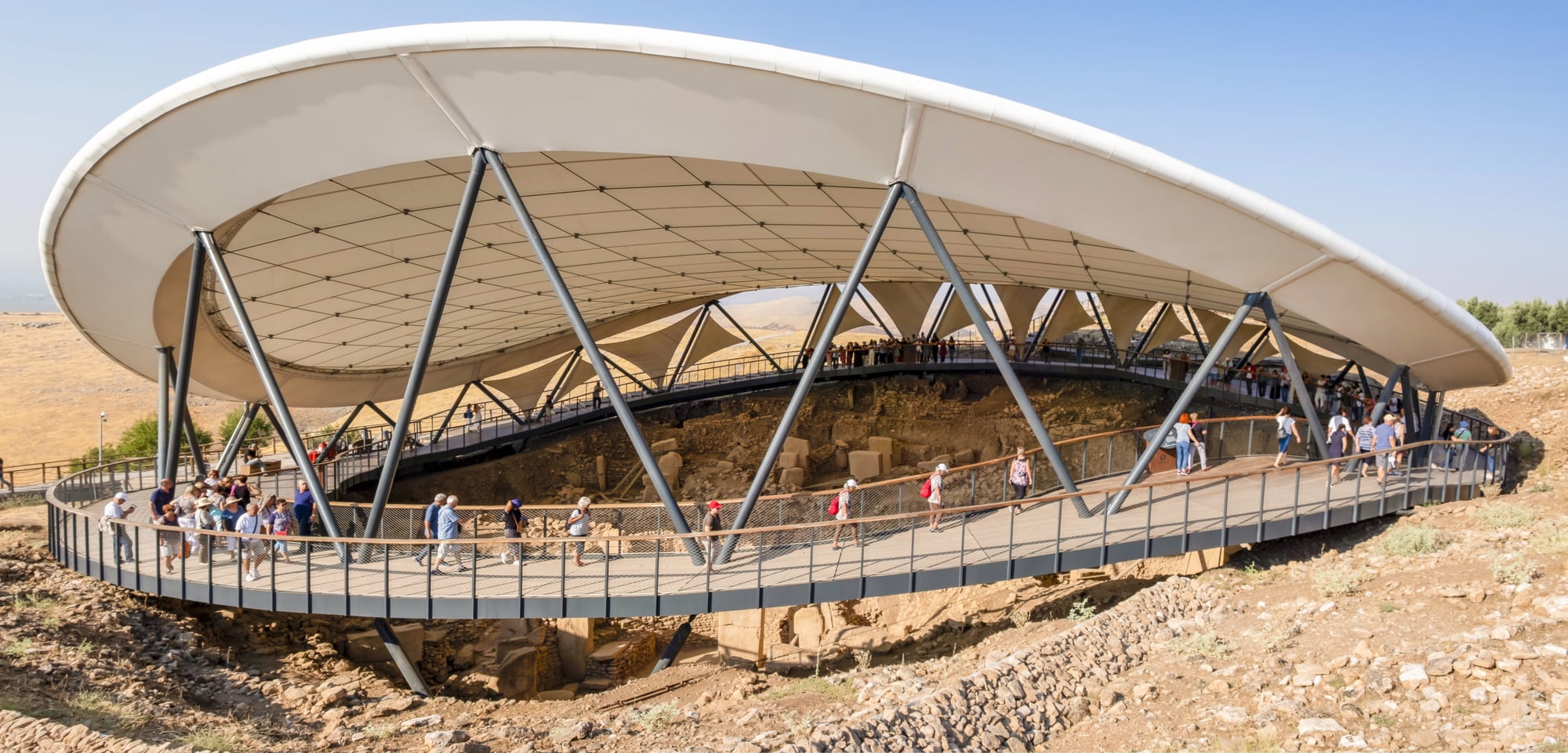
This 12,000-year-old site in Turkey predates agriculture, pottery, and even the wheel. The massive T-shaped pillars, weighing up to 20 tons each, are adorned with intricate animal carvings that would have required sophisticated tools and organization to create.
The site’s builders possessed architectural knowledge that shouldn’t have existed in a hunter-gatherer society. The entire complex was deliberately buried for unknown reasons around 8000 BCE, preserving it for modern archaeologists.
The construction methods used to move and erect the massive stones remain a subject of intense debate among experts.
Sacsayhuamán
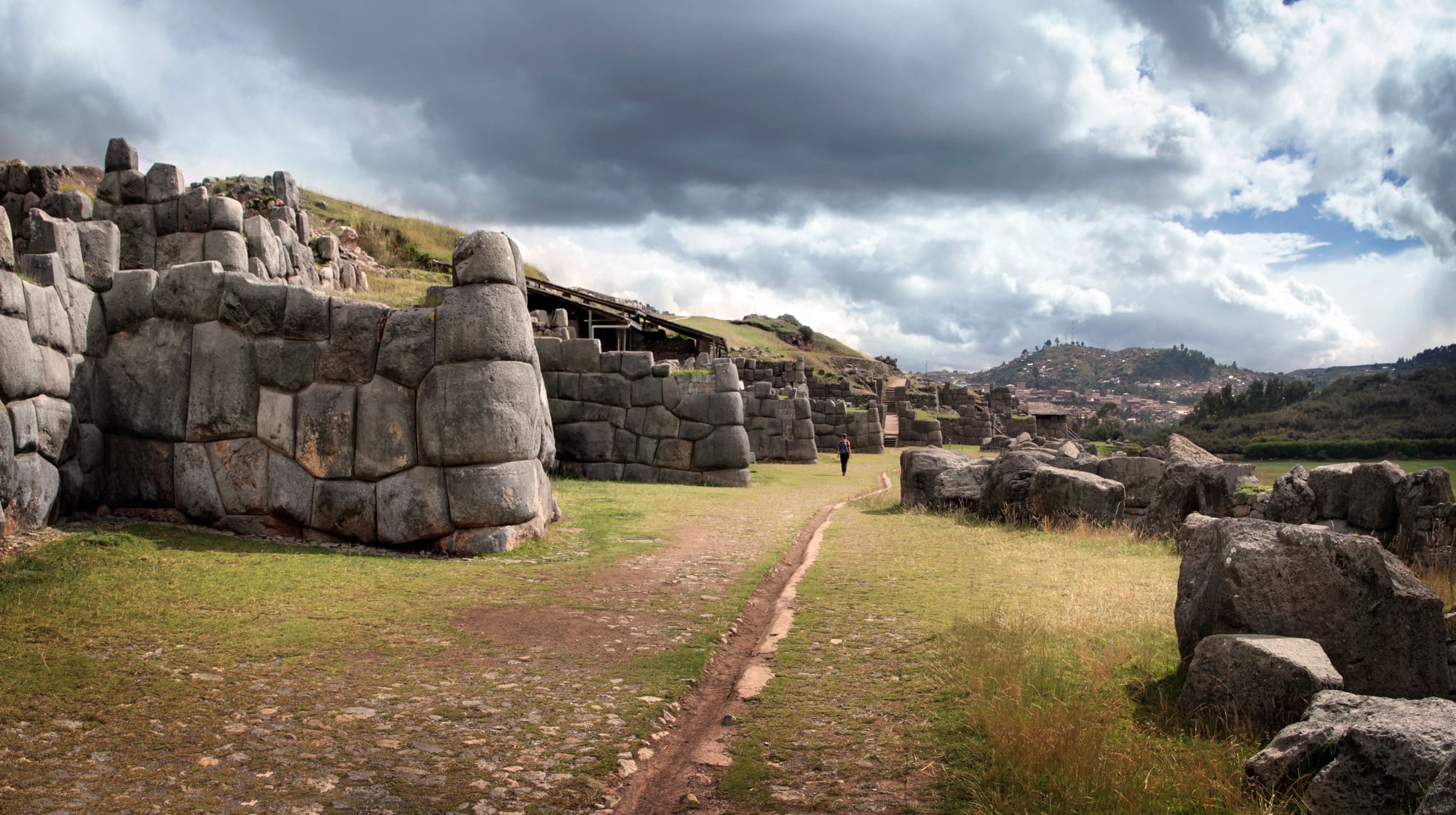
Perched above Cusco in Peru, this fortress complex features massive limestone blocks fitted together with extraordinary precision. Some of these stones weigh over 200 tons and have dozens of angles, yet fit so tightly that a piece of paper can’t slide between them.
Modern engineers struggle to explain how ancient builders achieved such precise stone cutting and fitting without metal tools. The site’s original purpose remains contested, with theories ranging from a military fortress to a ceremonial center.
The logistics of transporting these enormous blocks uphill without wheels or draft animals presents another unsolved puzzle.
Derinkuyu Underground City

This ancient metropolis in Turkey descends 18 stories beneath the earth’s surface. The underground network includes living quarters, food stores, religious centers, and sophisticated ventilation shafts, all carved into solid rock.
Engineers remain puzzled by the advanced ventilation system that allowed thousands of people to breathe safely underground. The city features massive stone doors that could be sealed from the inside, weighing up to a ton each.
The exact dating of the initial construction remains controversial among experts.
Mohenjo-daro
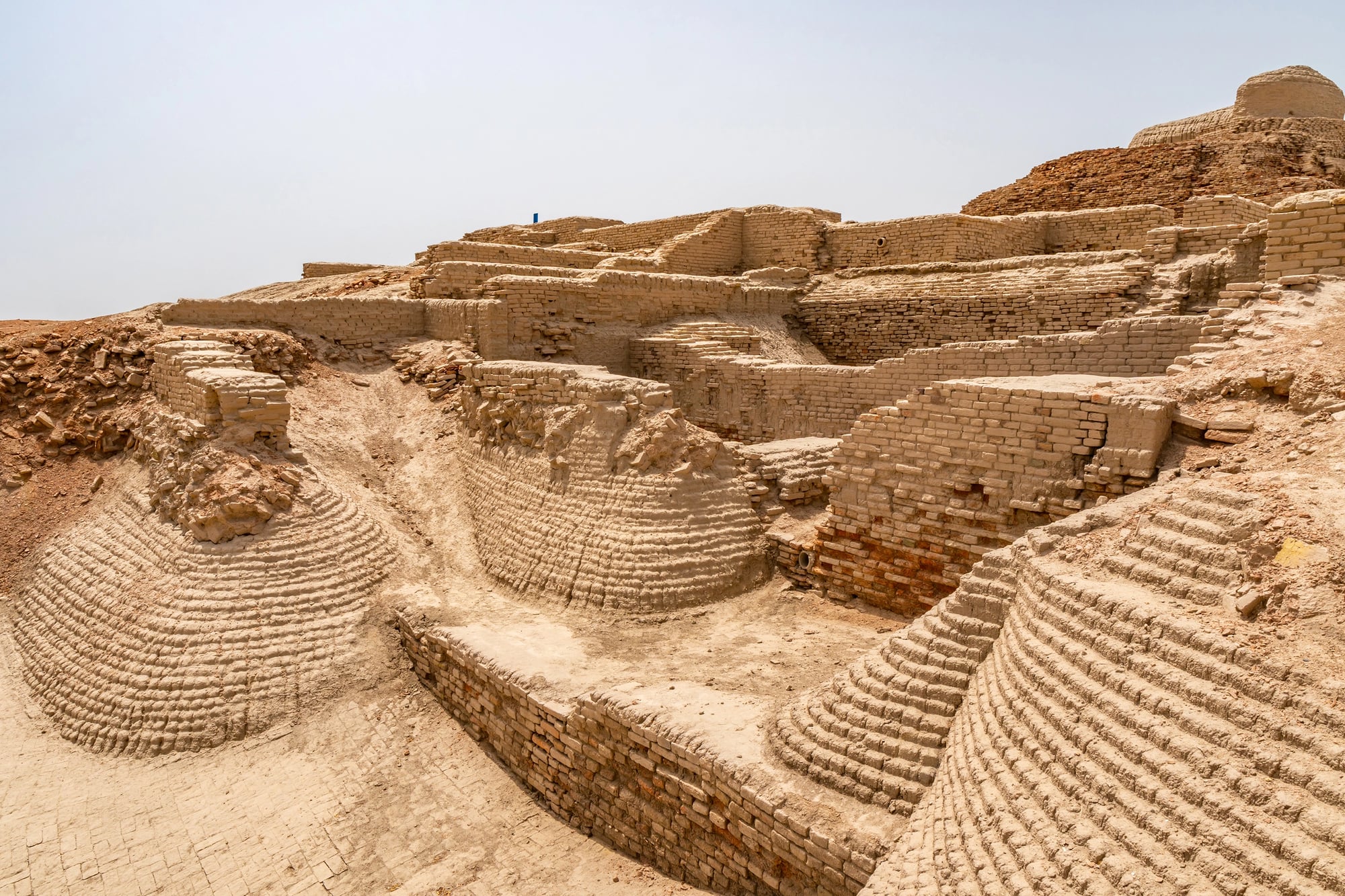
This Bronze Age city in Pakistan features an advanced urban planning system that wouldn’t appear again for several thousand years. The city’s Great Bath predates Roman baths by two millennia and used a sophisticated waterproofing system we still don’t fully understand.
The entire city shows evidence of advanced knowledge of hydraulic engineering, with covered drains and complex water management. The site also contains evidence of an ancient catastrophe, with scattered skeletons and signs of intense heat that vitrified some of the brick structures.
The Antikythera Mechanism
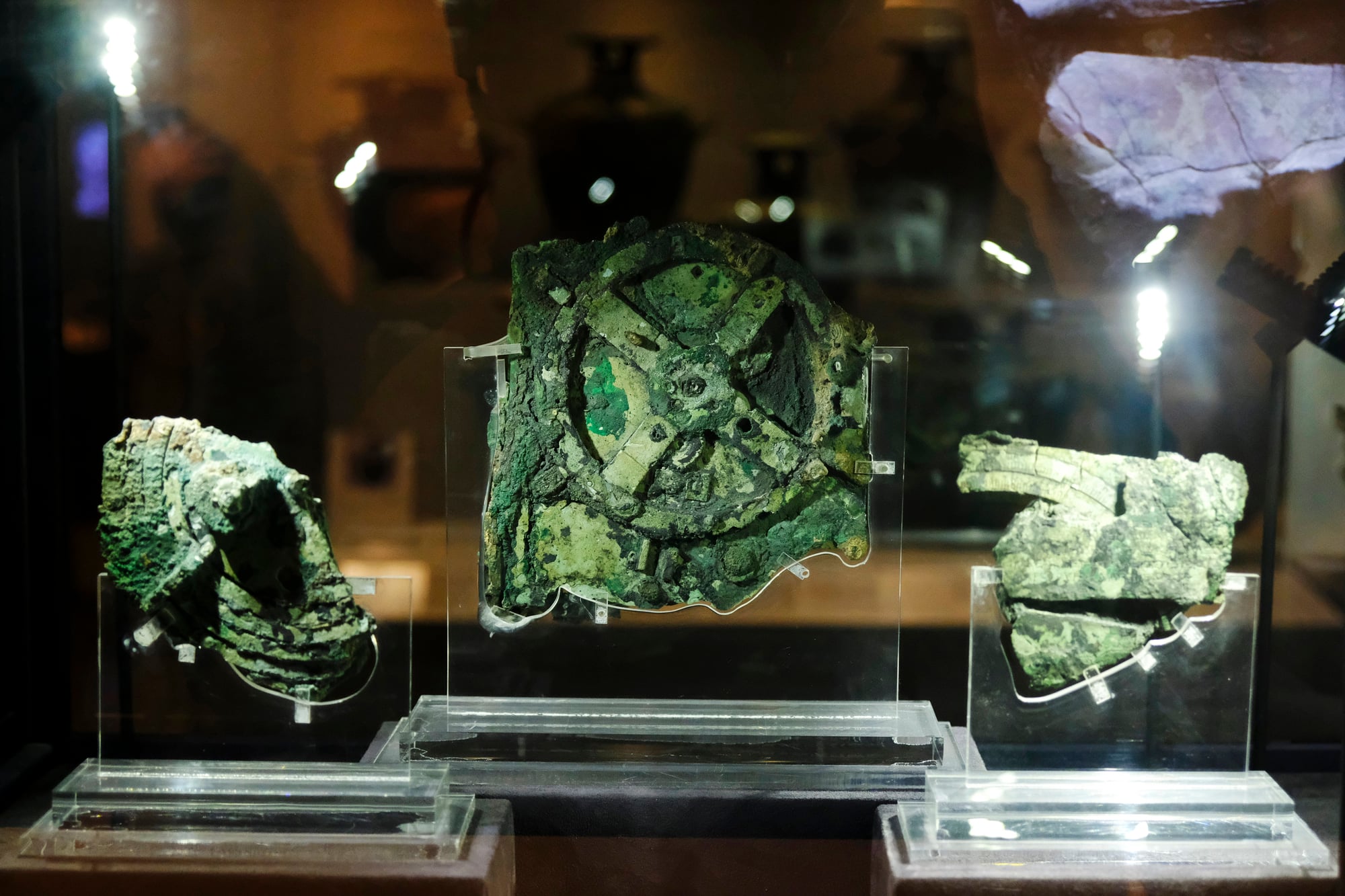
Discovered in a Greek shipwreck, this 2,000-year-old device contains gears and mechanisms that wouldn’t be seen again until the development of medieval clocks. The bronze artifact could track astronomical movements with remarkable precision.
The level of mathematical and engineering knowledge required to create this device surpassed anything previously known from ancient Greece. Modern replicas require sophisticated machinery to achieve the same level of precision found in the original.
Nan Madol
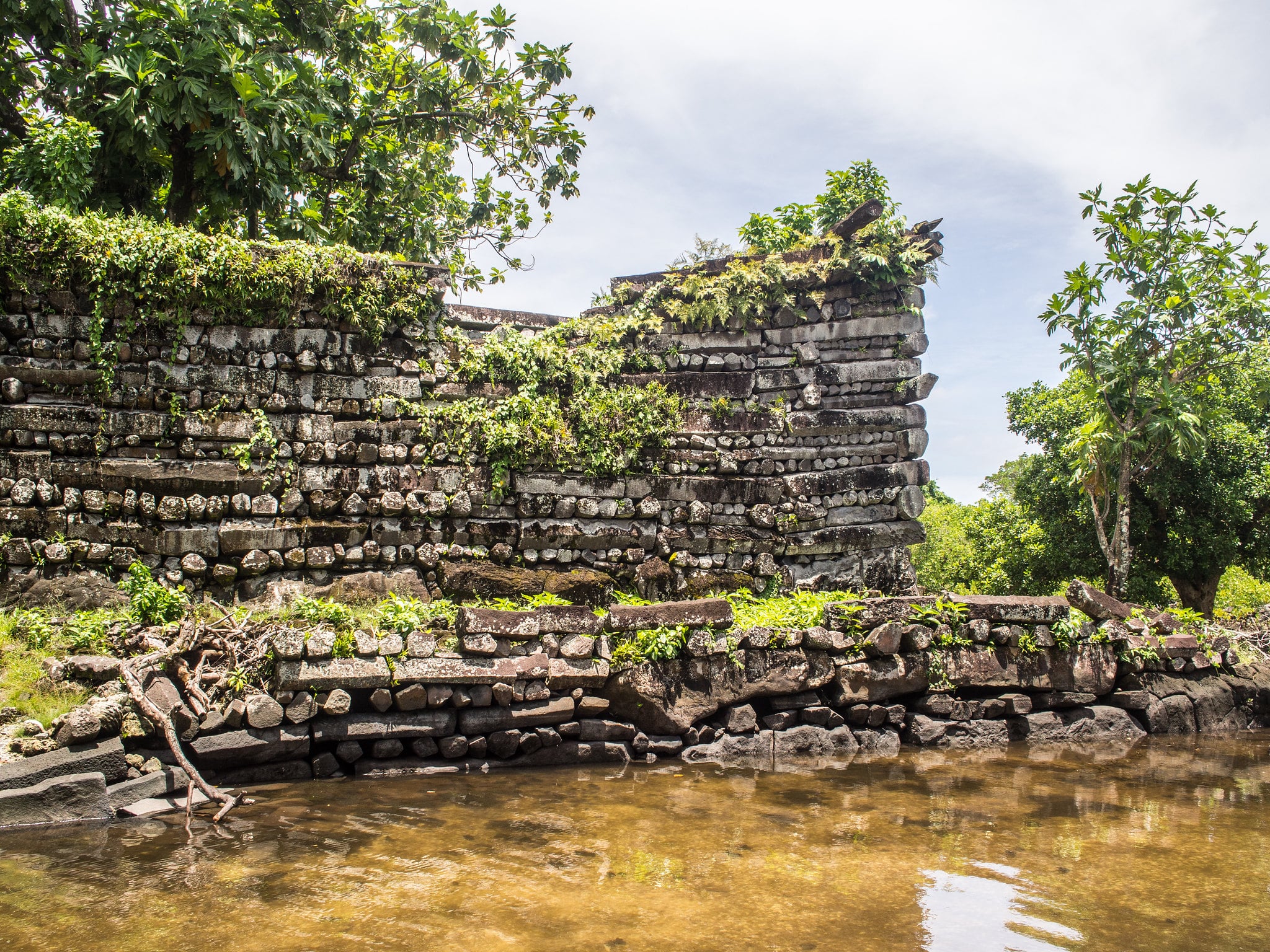
Off the coast of Micronesia lies a city built on artificial islands, constructed from massive basalt logs weighing up to 50 tons. The stone logs were somehow transported across miles of open ocean without large boats or advanced technology.
The city’s construction would have required moving 750,000 tons of building material across the water. The hydraulic engineering required to create stable artificial islands in the open ocean continues to impress modern engineers.
The Longyou Caves
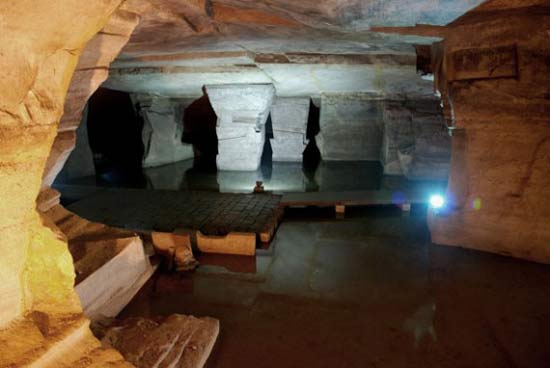
These massive artificial caverns in China were carved into solid rock with perfect precision. The caves feature pillars that were left to support the roof and are decorated with intricate tool marks that follow consistent patterns.
No historical record mentions their construction or purpose. The amount of rock removed would fill 1,000 Olympic-sized swimming pools, yet no one knows where this material went.
The Goseck Circle

This Neolithic structure in Germany represents one of the earliest known solar observatories. The circle’s gates align perfectly with the sunrise and sunset on the winter solstice.
The mathematical knowledge required to create such precise astronomical alignments seems improbable for its time period. The structure predates similar astronomical sites by several thousand years.
Costa Rica’s Stone Spheres
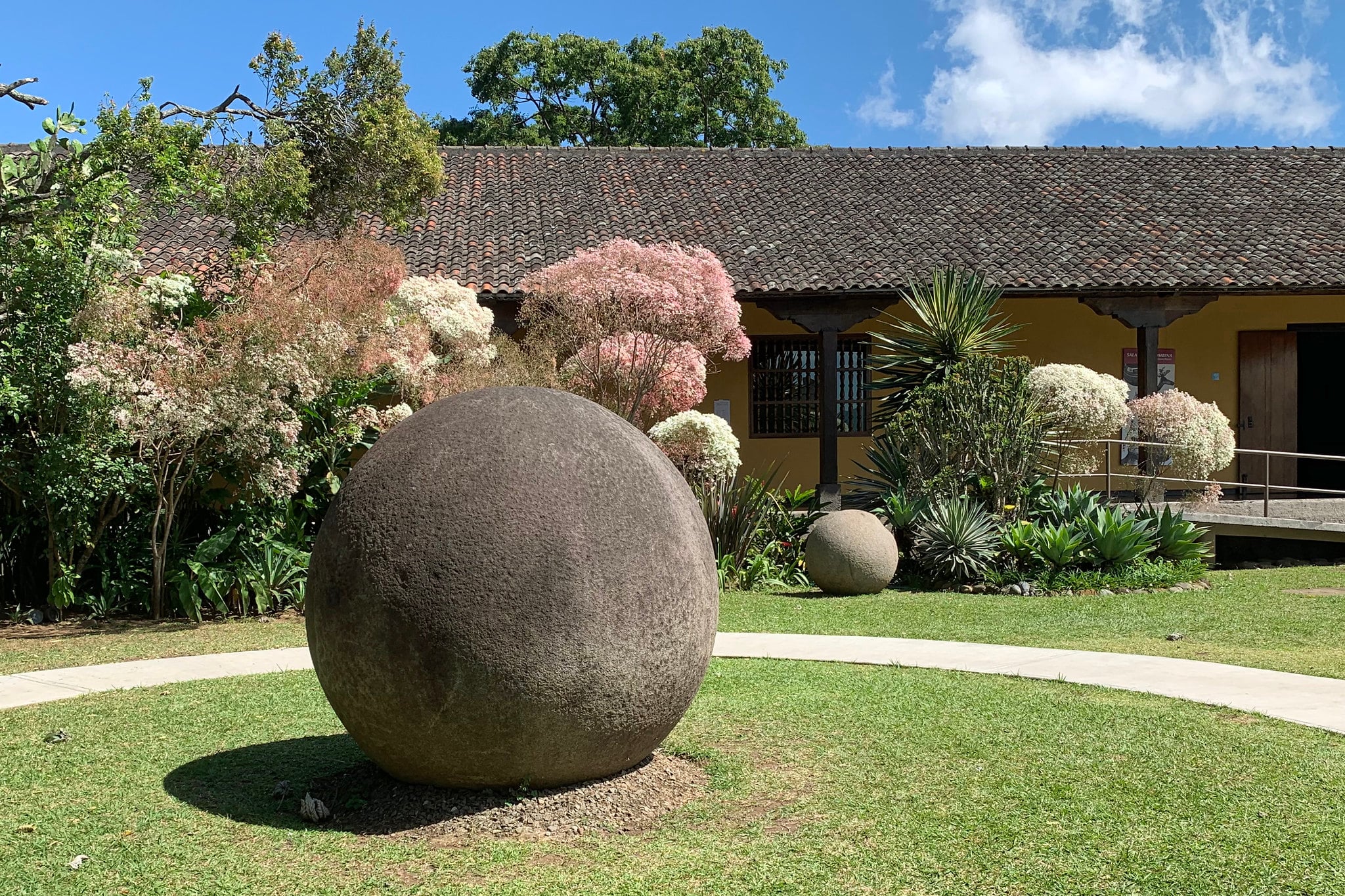
Hundreds of perfectly spherical stones dot the landscape of Costa Rica, some weighing up to 16 tons. These spheres maintain near-perfect roundness despite their massive size and the primitive tools available to their creators.
The method used to achieve such precise spherical shapes remains unknown. Many spheres were moved miles from their quarry sites, but the transportation methods remain a mystery.
Puma Punku
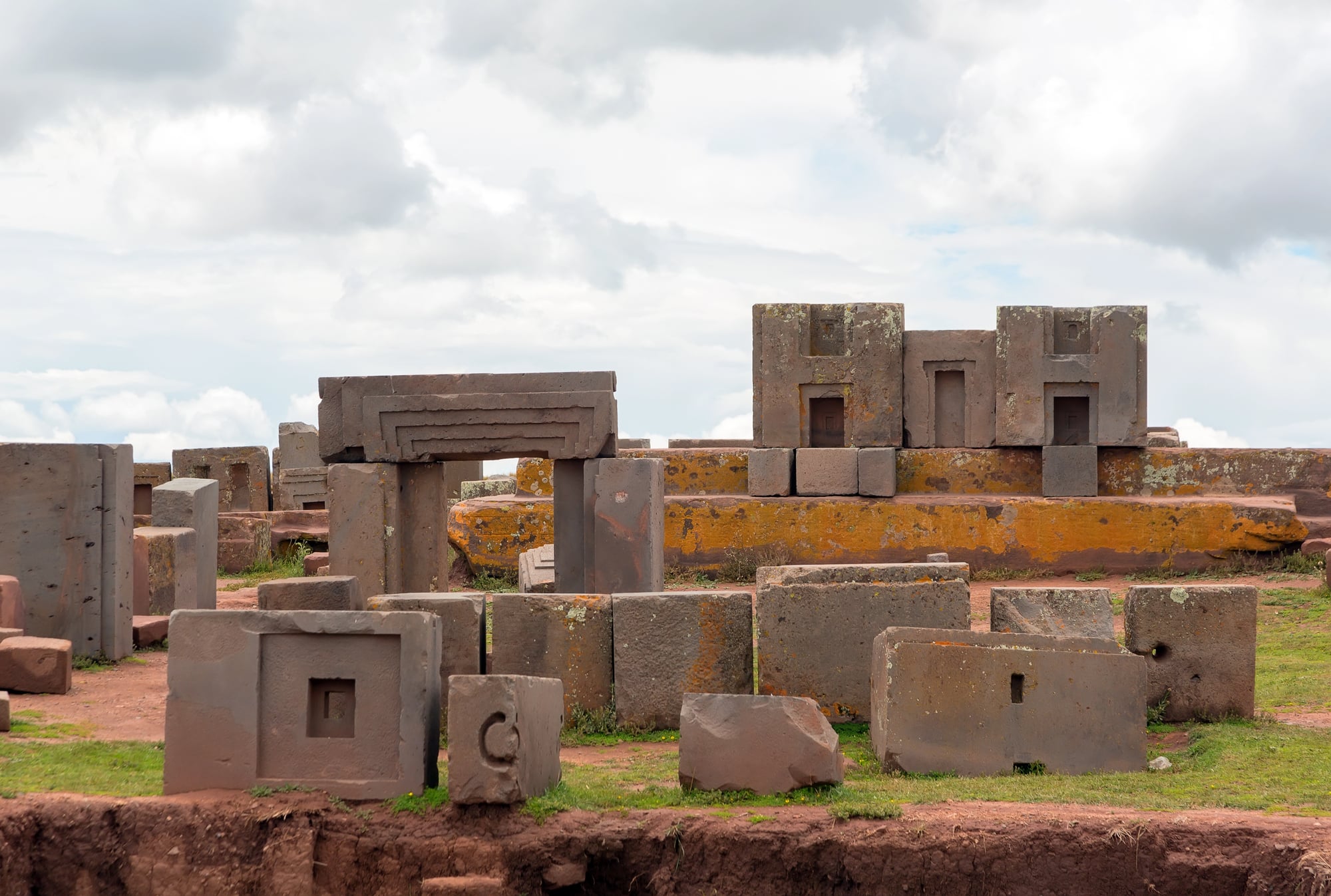
This Bolivian site features H-shaped blocks cut with such precision that they resemble modern machined metal more than hand-carved stone. The blocks include complex angles and drill holes that would challenge modern stone workers even with power tools.
Some of the stones contain small drill holes that are perfectly straight and maintain the same diameter throughout their depth. The site shows signs of sophisticated architectural planning that seems impossible for its time period.
The Cochno Stone
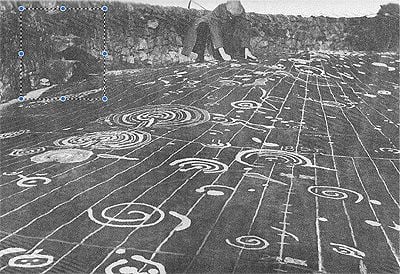
This massive rock slab in Scotland contains over 90 complex geometric carvings that some researchers believe represent astronomical observations. The patterns show knowledge of mathematical principles that wouldn’t be formally discovered for thousands of years.
The stone’s surface contains cup marks arranged in patterns that suggest an understanding of celestial movements. The meaning behind many of the symbols remains undeciphered.
The Hypogeum of Hal-Saflieni
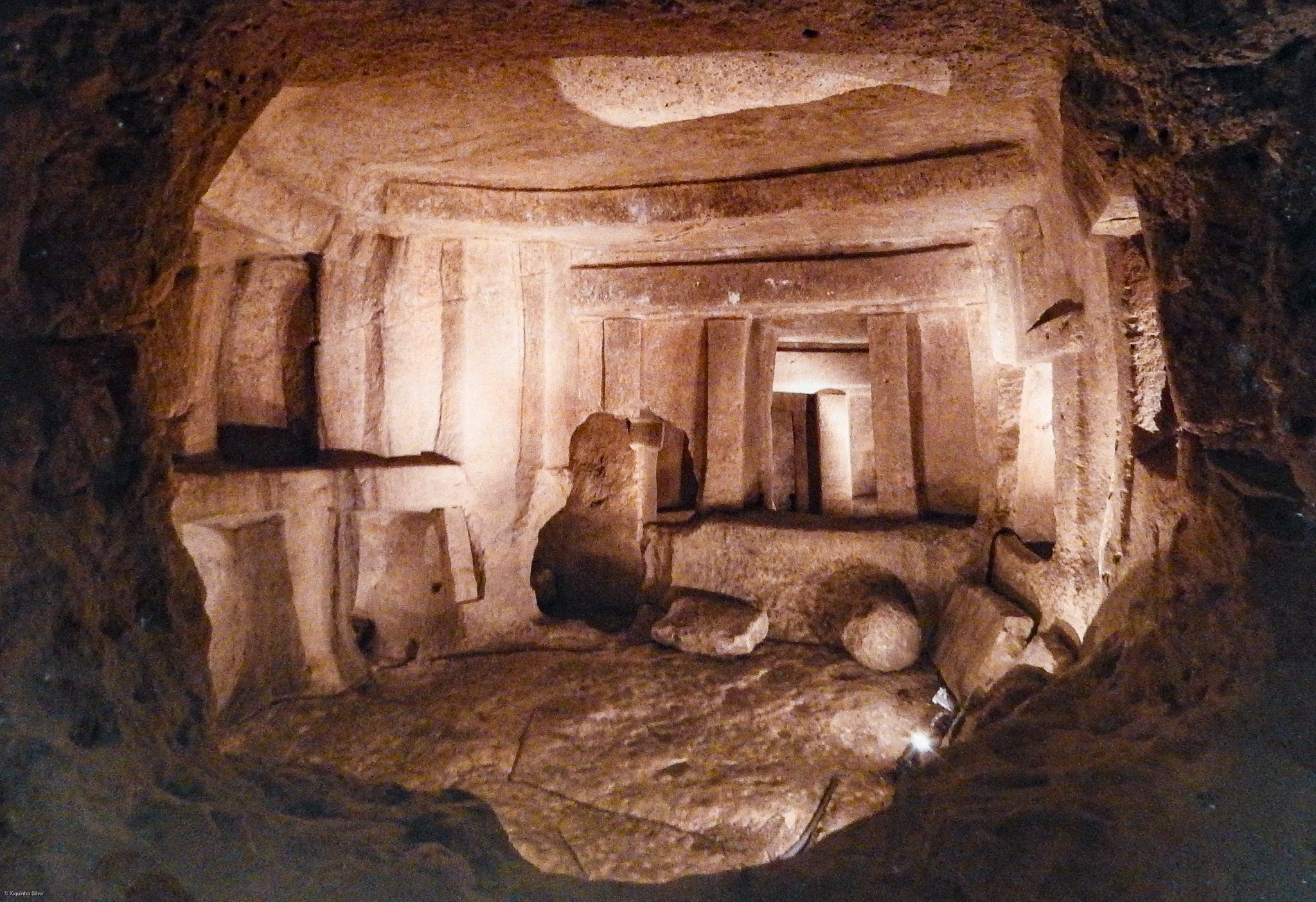
This underground temple in Malta features acoustic properties that appear deliberately engineered. Certain chambers amplify voices by up to 500%, while specific frequencies resonate throughout the entire structure.
Modern acoustic engineers cannot fully explain how these effects were achieved with Neolithic technology. The site’s builders seemed to possess advanced understanding of sound wave behavior.
Coral Castle
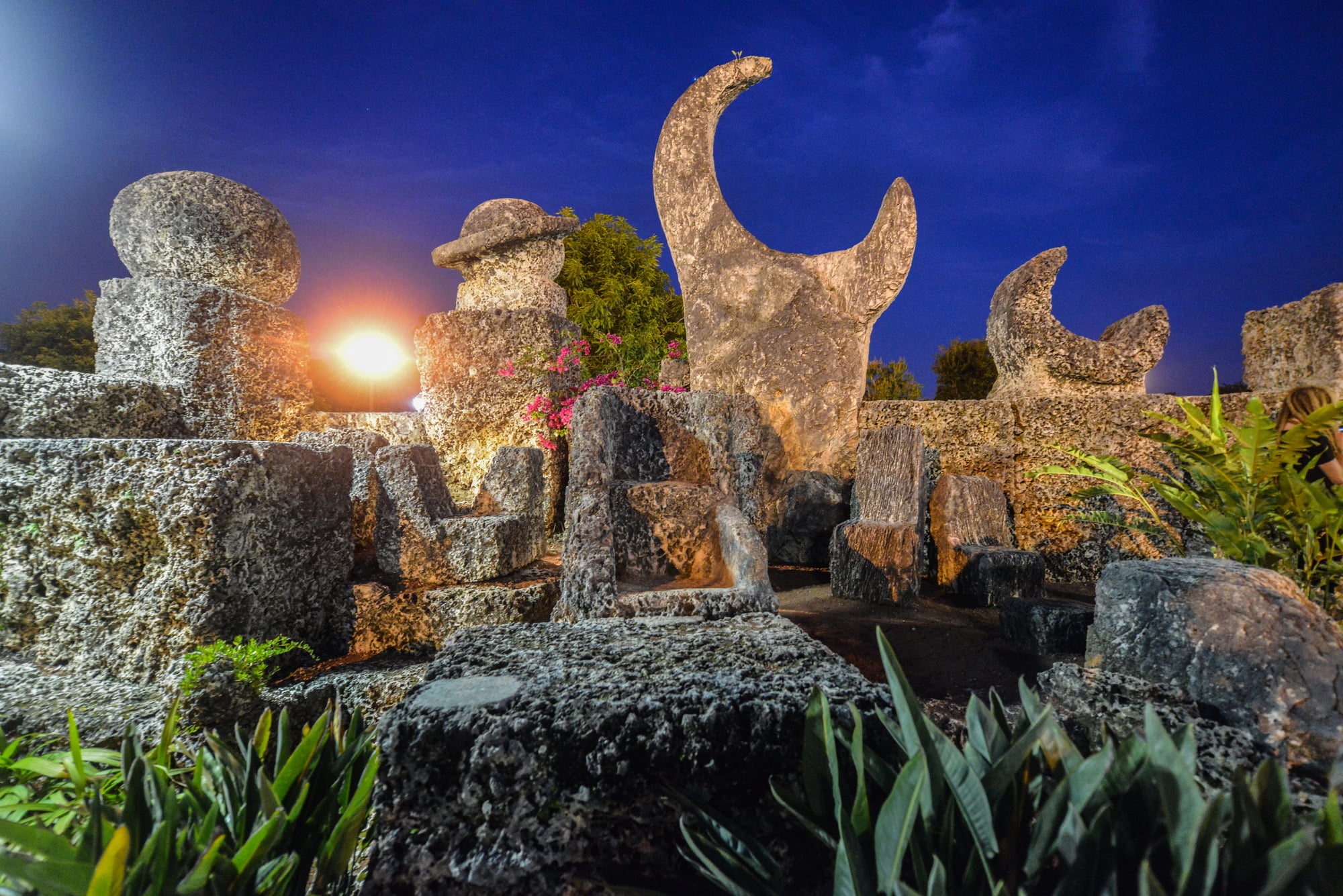
Built in the 1920s by a single man weighing just 100 pounds, this Florida structure contains blocks weighing up to 30 tons. Ed Leedskalnin claimed to know the secrets of ancient Egyptian construction but never revealed his methods.
The site features a perfectly balanced 9-ton gate that can be opened with one finger. Modern engineers remain unable to explain how they achieved such precise construction working alone at night.
The Mysterious Platform of Baalbek
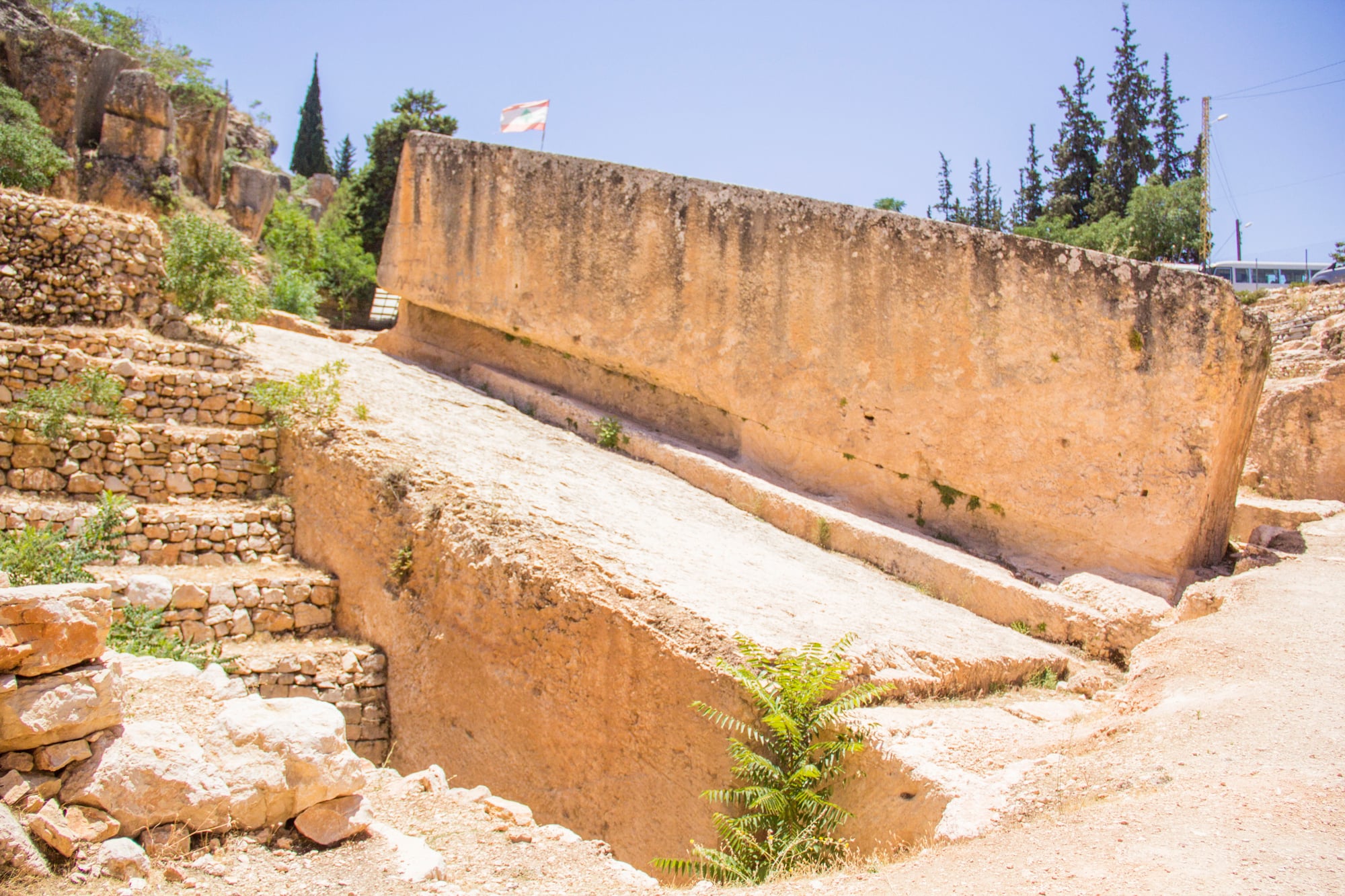
The Temple of Jupiter sits atop a platform containing the largest cut stones ever used in construction. The largest stone weighs 1,650 tons and was somehow moved several miles from its quarry.
The precision cutting and movement of such massive blocks remains unexplainable with ancient technology. Modern cranes would struggle to lift stones of this size.
The Osirion Temple

This Egyptian structure appears to have been built thousands of years before the temple complex above it. The architectural style differs completely from other Egyptian temples of its supposed period.
The site shows signs of water damage consistent with rain patterns from a much earlier, wetter period in Egyptian history. The construction methods used to create its massive granite boxes remain unknown.
Tiahuanaco’s Precision Cuts
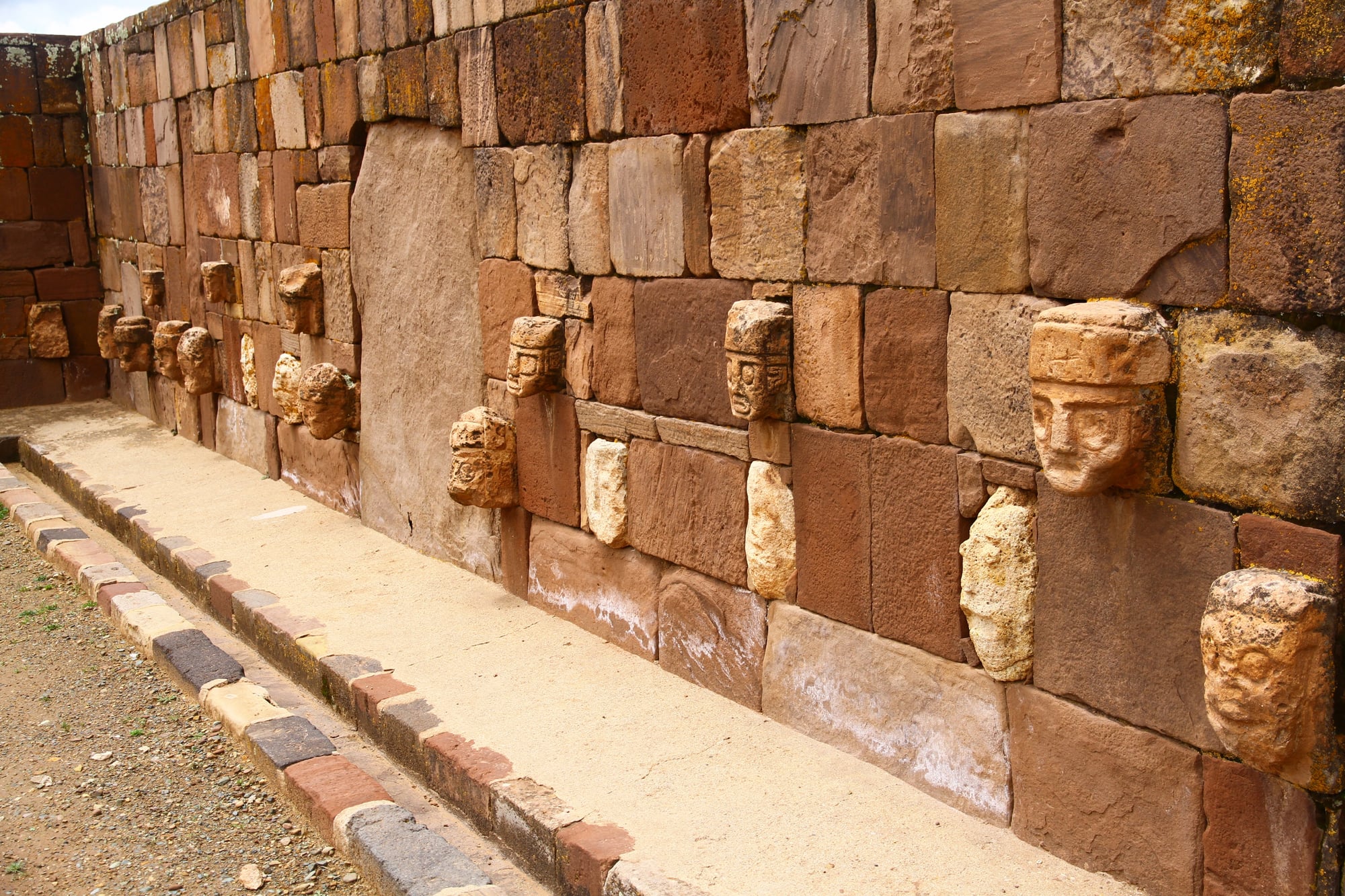
This Bolivian site contains stone blocks cut with perfectly straight edges and right angles. Some stones feature complex interlocking patterns that would require advanced mathematical knowledge to design.
Tool marks on the stones suggest cutting methods beyond known ancient technology. The site includes massive stones transported from quarries over 60 miles away.
The Yonaguni Monument

This underwater structure off Japan’s coast features right angles, straight walls, and carved stairs. If artificial, it would have been constructed when the area was above water, over 10,000 years ago.
The site includes features that appear too regular to be natural formations. Some sections show tool marks consistent with human modification.
The Great Serpent Mound
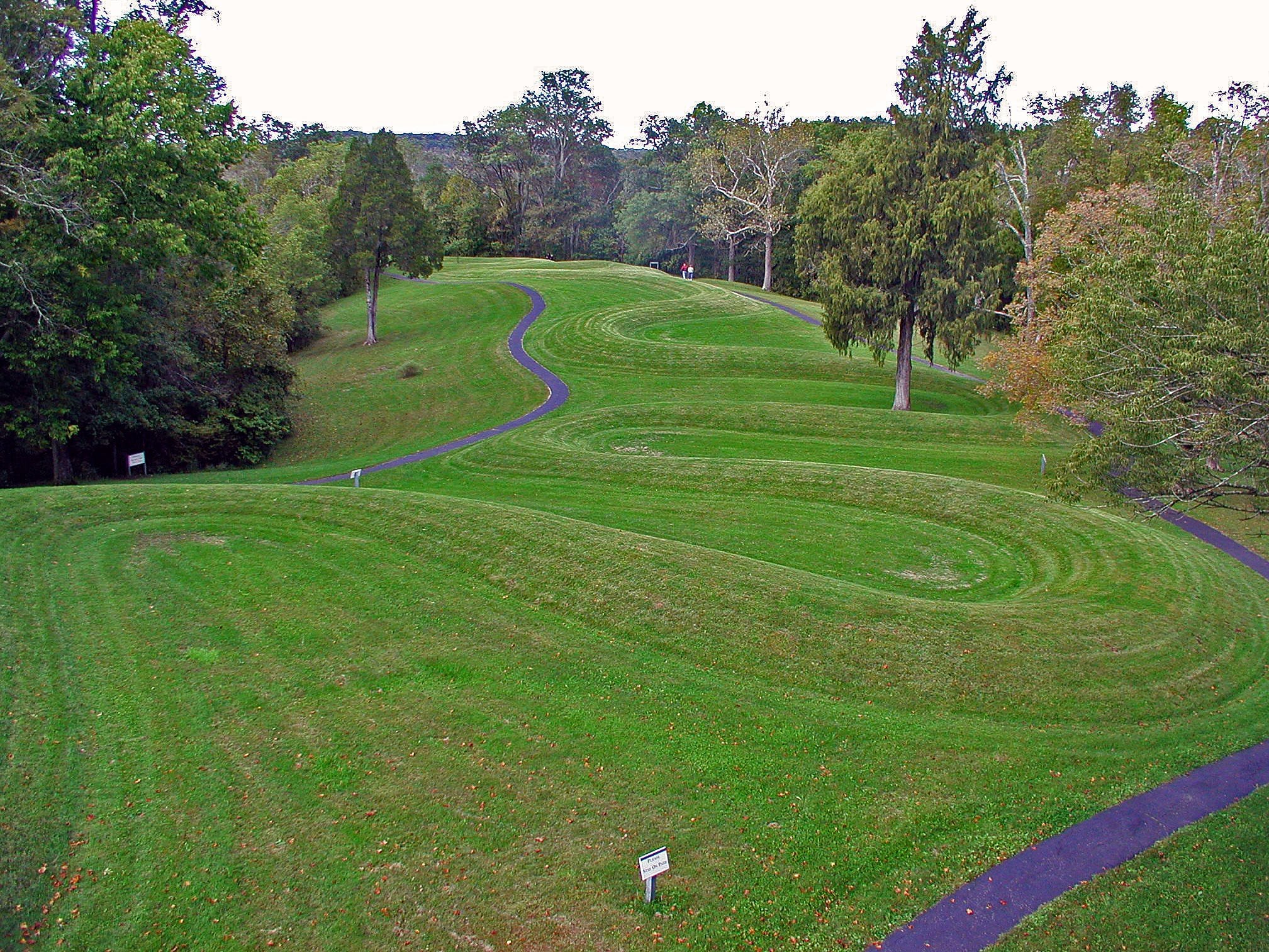
This 1,348-foot-long earthen structure in Ohio depicts a massive serpent swallowing an egg, yet its builders and purpose remain unknown. The mound’s construction required moving 57,000 cubic feet of earth and carefully arranging it to create an effigy visible only from high above.
The structure aligns precisely with both the summer solstice sunset and the lunar maximum. The mound’s design suggests its creators possessed sophisticated knowledge of astronomy and large-scale engineering.
Modern scholars still debate its true age, with estimates ranging from 1070 CE to 300 BCE.
Enduring Mysteries

These structures challenge our understanding of ancient technological capabilities and force us to reconsider the sophistication of our ancestors. Modern archaeology continues to uncover new details about these sites, but their fundamental mysteries persist.
As technology advances, we may finally unlock the secrets behind these remarkable achievements, revealing chapters of human ingenuity we never knew existed.
More from Go2Tutors!

- The Romanov Crown Jewels and Their Tragic Fate
- 13 Historical Mysteries That Science Still Can’t Solve
- Famous Hoaxes That Fooled the World for Years
- 15 Child Stars with Tragic Adult Lives
- 16 Famous Jewelry Pieces in History
Like Go2Tutors’s content? Follow us on MSN.



