The Most Expensive Materials Found on the Planet
Some of the priciest things on Earth aren’t gold or diamonds. They’re not even things you could hold in your hand.
The rarest and most costly materials on the planet range from gemstones buried deep underground to synthetic elements that took decades to produce — and some of them command prices so absurd that a single gram could buy you a mansion, a fleet of cars, or an entire island. Here’s a look at the materials that top the list.
Antimatter: The Price Tag That Defies Imagination
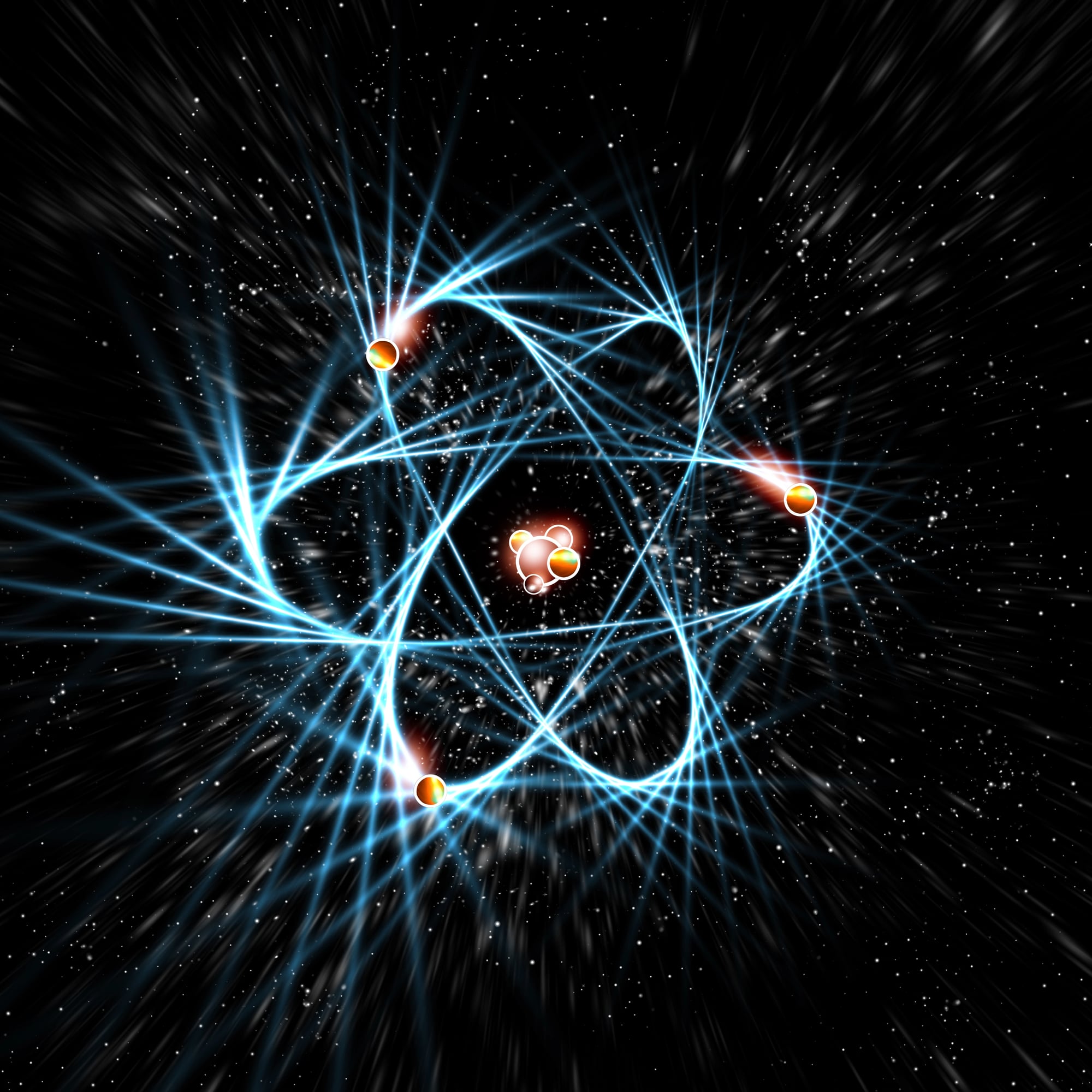
Nothing on this list comes close to antimatter in terms of cost. NASA scientists estimated back in 1999 that producing a single gram would cost around $62 trillion.
That’s not a typo. Antimatter is the mirror image of regular matter — when the two meet, they annihilate each other in a burst of pure energy.
The problem is producing it. It requires staggering amounts of energy and incredibly precise conditions, and even the world’s most powerful particle accelerators can only create tiny fractions of a gram at a time.
For now, antimatter remains more of a scientific curiosity than a tradeable commodity. But its theoretical value is unmatched by anything else on this list.
Polonium-210: A Radioactive Ghost
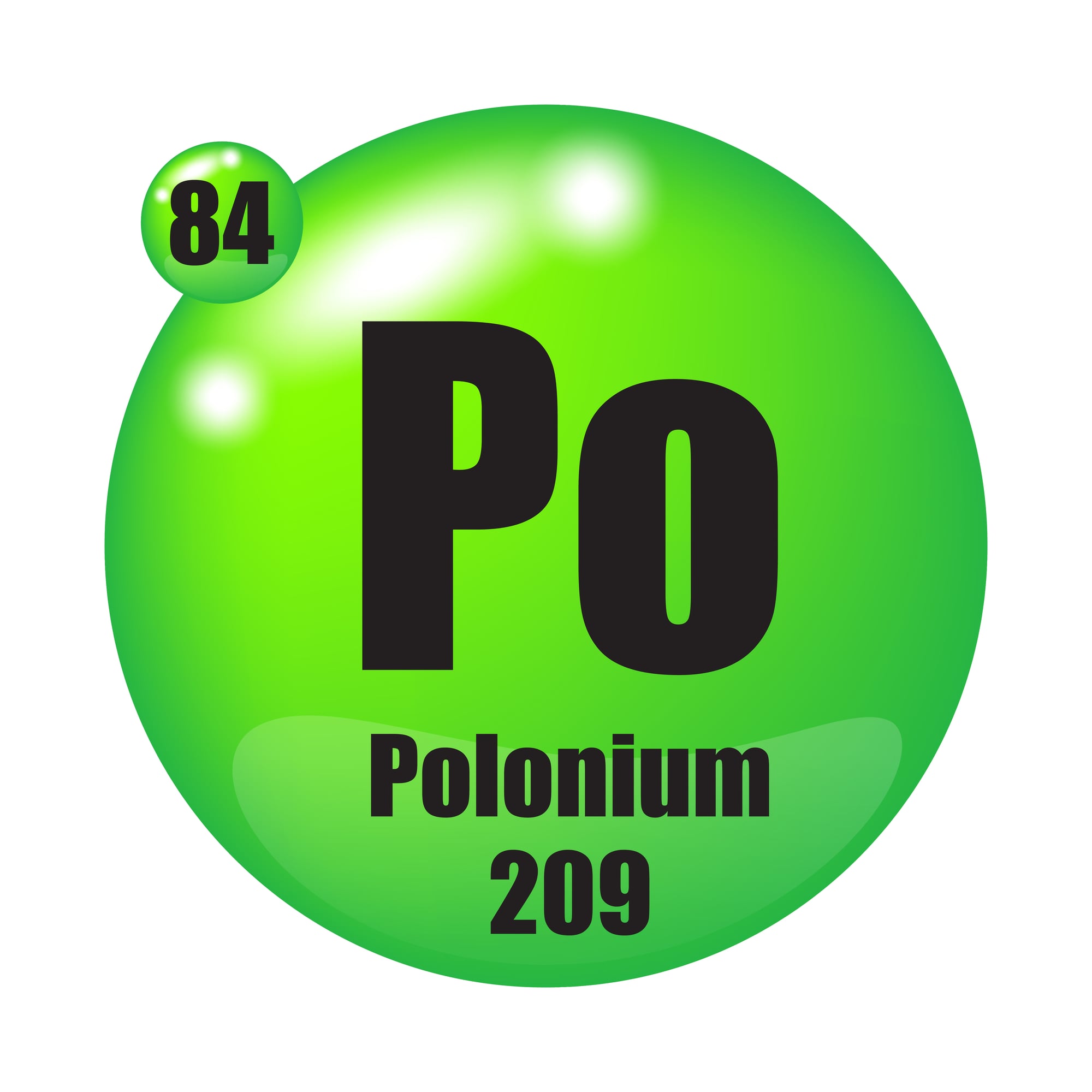
Polonium is one of the most toxic and unstable elements known. It doesn’t stick around long — its half-life is just 138 days — which makes producing and storing it a nightmare.
Polonium-209, the most expensive isotope of this element, has been valued at roughly $49 billion per gram. It exists almost entirely in laboratories and research facilities, and handling it requires extreme precautions.
Its uses are narrow and tightly regulated. But its sheer rarity and the danger involved in working with it push its price into truly staggering territory.
Californium-252: Made in a Reactor, Worth Millions
Californium doesn’t exist in nature. It’s a purely synthetic element, first created in 1950 at the University of California, Berkeley, and produced by bombarding plutonium with neutrons inside a nuclear reactor.
A single gram costs around $27 million. The reason for that price tag is simple supply.
Only about 40 to 50 milligrams are produced worldwide each year. Between the US and Russia — the only two countries capable of making it — total global reserves amount to roughly 10 grams.
Since it was first synthesized, scientists have produced just 8 grams of Californium-252 in total. Despite the staggering price, it has genuinely useful applications.
It’s a powerful neutron emitter, which makes it valuable in cancer treatment — specifically a technique called neutron brachytherapy, where it’s placed near a tumor to destroy cancer cells with fewer side effects than traditional radiation. It’s also used in oil exploration to detect underground deposits and in industrial quality control to find structural flaws in welded joints and equipment.
Asteroid Samples: The Cost of Reaching Space
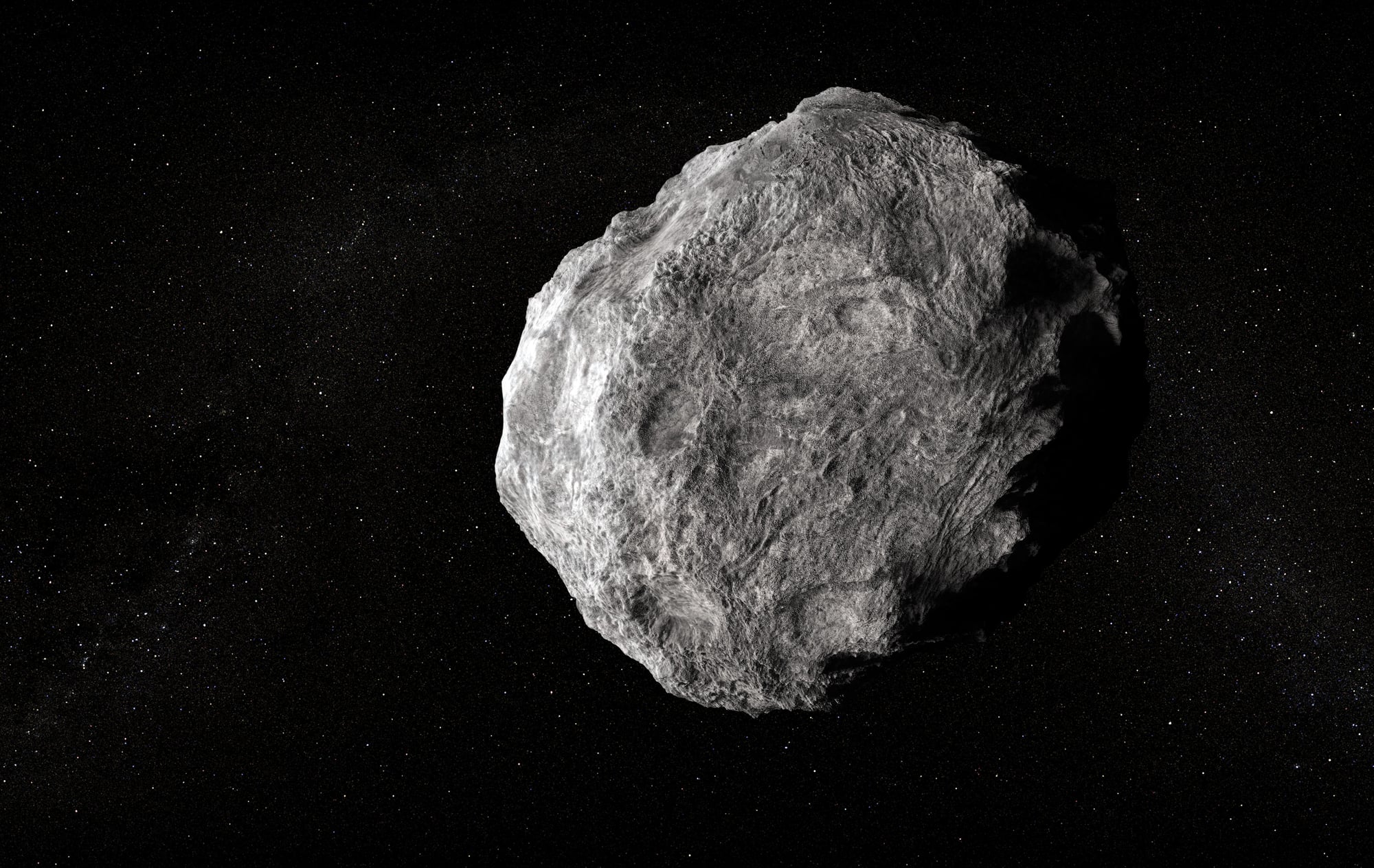
When NASA’s OSIRIS-REx mission brought back 121 grams of material from asteroid Bennu in 2023, the price worked out to about $9.6 million per gram. The math is straightforward: divide the total mission cost — around $1.1 billion — by the amount of material returned.
These tiny fragments of rock are scientifically invaluable. They offer clues about the early solar system, the origins of life on Earth, and how humanity might one day deflect an asteroid on a collision course with the planet.
Japan’s Hayabusa-2 mission returned similar samples from asteroid Ryugu in 2020. Space rocks aren’t expensive because they’re rare on Earth — it’s the journey to get them that drives the cost through the roof.
Blue Diamonds: Born Under Unimaginable Pressure
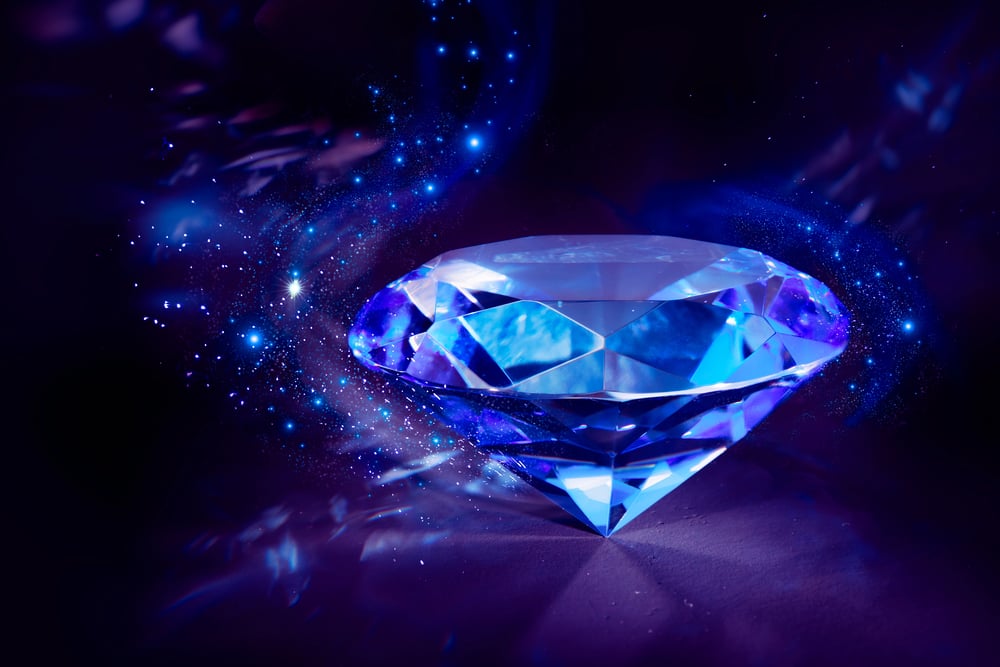
Most people have seen a diamond. Far fewer have ever seen a blue one.
Blue diamonds are found in only a handful of places on Earth — primarily South Africa, Australia, and India — and their color comes from trace amounts of boron that get locked into the crystal structure during formation deep in the Earth’s mantle. High-quality blue diamonds have been valued at around $19 million per gram, and they occur in fewer than 1 percent of all diamonds ever mined.
The Hope Diamond, one of the most famous blue diamonds in history, sits in the Smithsonian Institution in Washington, D.C. These stones form under temperatures and pressures that are nearly impossible to replicate, and their rarity means each one is genuinely one of a kind.
Painite: The Gemstone Almost Nobody Has Heard Of
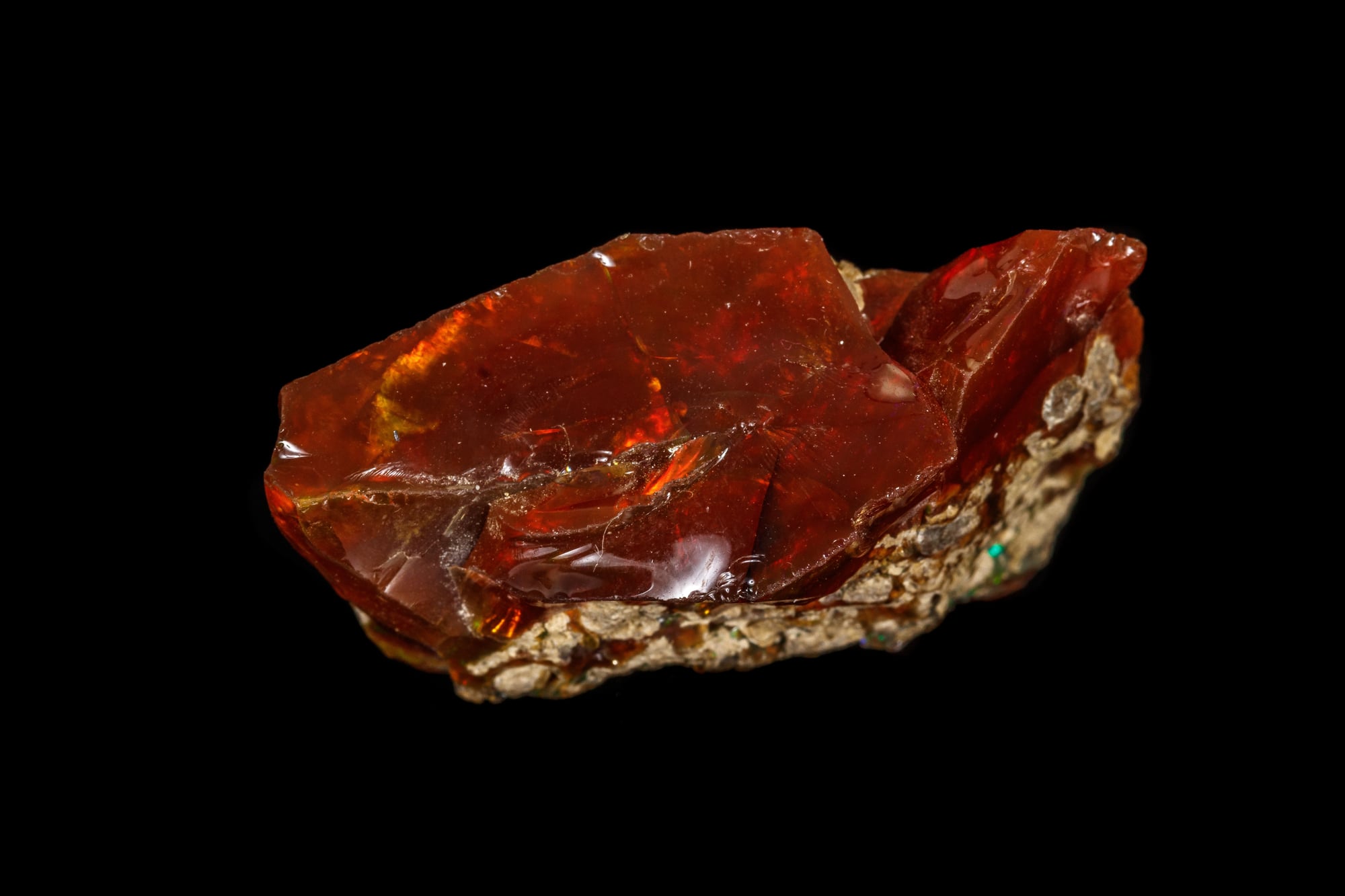
Until recently, painite was considered the rarest mineral on Earth. It was first identified in 1957 at the Natural History Museum in London — originally mistaken for a ruby by the British gem trader who donated it.
For decades, only a handful of crystals were known to exist. By 2005, fewer than 25 specimens had been found worldwide.
Painite turns up almost exclusively in the Mogok region of Myanmar, and its unusual chemistry is what makes it so difficult to find. The mineral contains both zirconium and boron — two elements that almost never occur together in nature and don’t appear together in any other known mineral.
That’s the geological reason for its rarity, and it’s not going anywhere. Gem-quality painite fetches between $50,000 and $60,000 per carat.
It comes in deep reds and brownish-orange tones, and its color shifts depending on the angle you view it from — a property called pleochroism. The largest known painite crystal weighs just over 213 carats.
Taaffeite: Discovered by Accident in a Jewelry Shop
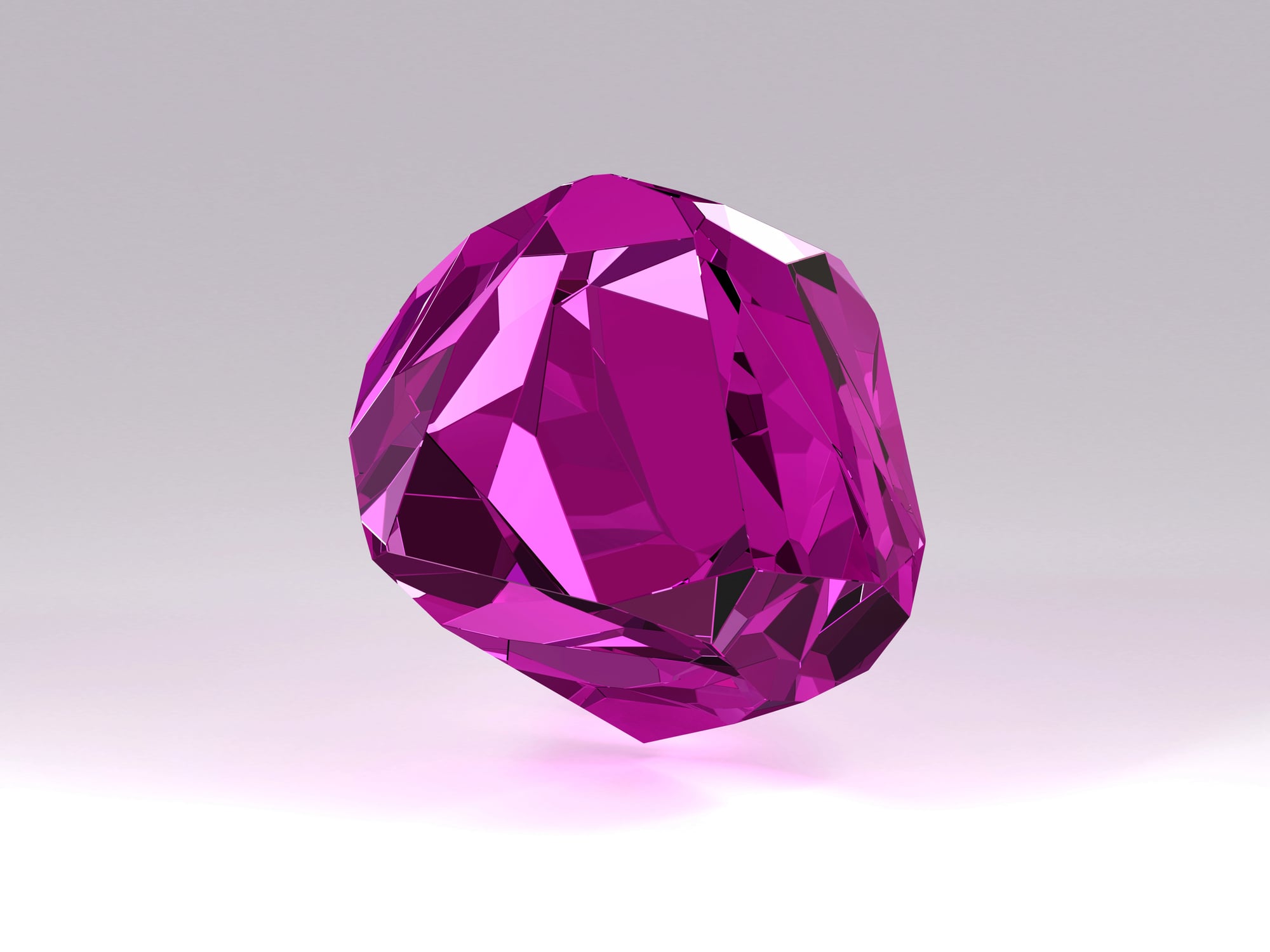
Taaffeite has one of the better origin stories in the gemstone world. In 1945, a gemologist named Richard Taaffe bought what he thought was a spinel from a shop in Dublin, Ireland.
When he looked closer, he noticed something odd — the stone showed double refraction, which spinel doesn’t do. It turned out to be an entirely new mineral, and it was named after him.
Taaffeite has since been found in Sri Lanka, Myanmar, and Tanzania, but gem-quality specimens remain exceptionally scarce. Fewer than 100 were known to exist as of the early 2000s.
Top-quality taaffeite stones can sell for $25,000 or more per carat, while more common specimens start around $1,500 to $2,500 per carat. It comes in gorgeous shades of mauve, violet, and lilac — and it has never been successfully synthesized in a lab, which means every stone on the market is entirely natural.
Rhodium: The Most Expensive Metal in the World
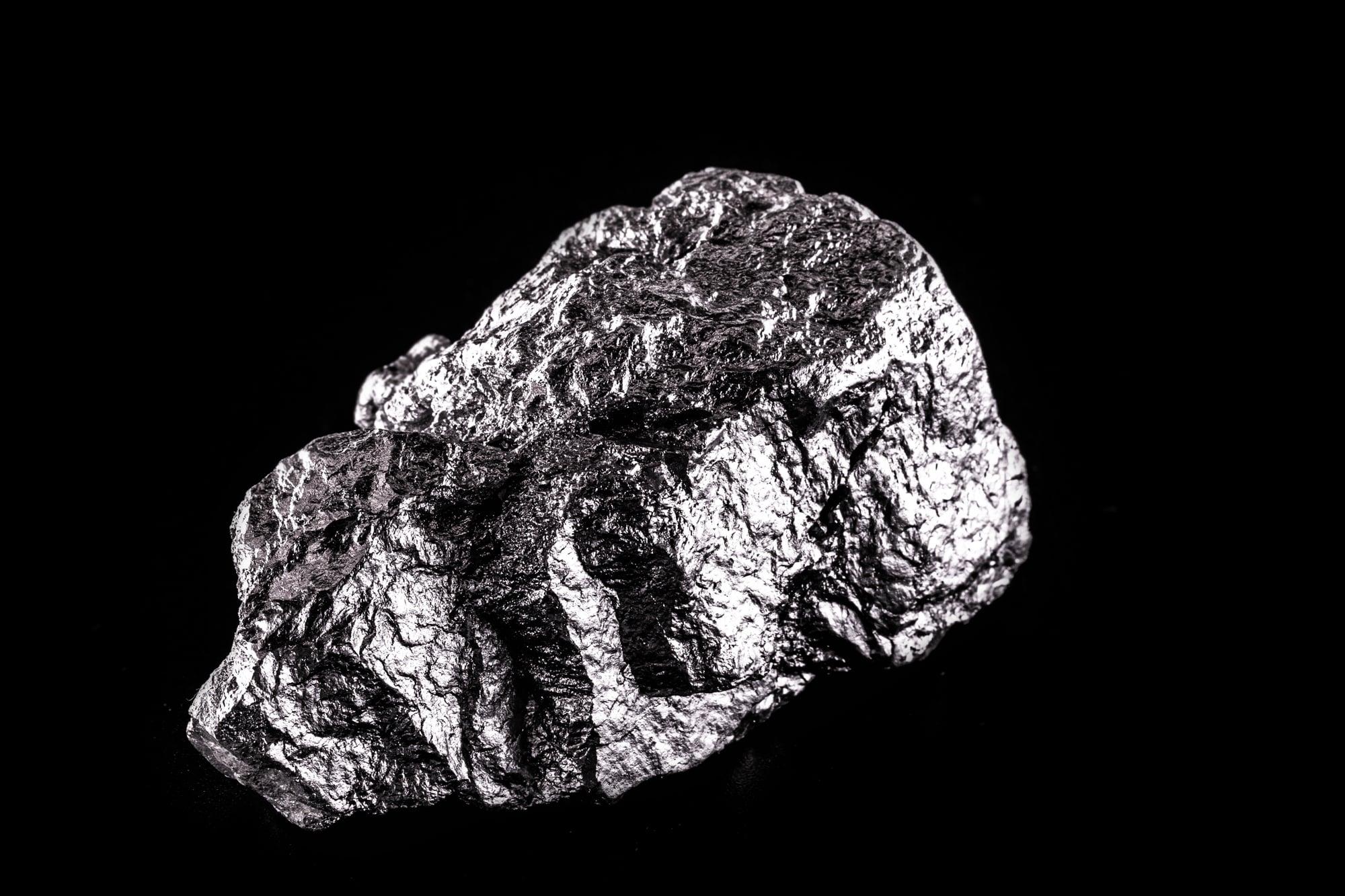
You’ve probably driven past a rhodium deposit without ever knowing it. This silvery-white metal is a key component in catalytic converters — the devices in car exhaust systems that reduce harmful emissions.
Rhodium is better than palladium at removing nitrous oxides from vehicle fumes, which is why car manufacturers prize it. But it’s extraordinarily rare, found mostly in South Africa alongside other platinum-group metals.
Its price swings wildly based on supply and industrial demand. Most people have never heard of rhodium, but it’s quietly one of the most valuable metals on the planet.
Iridium: The Metal That Resists Everything
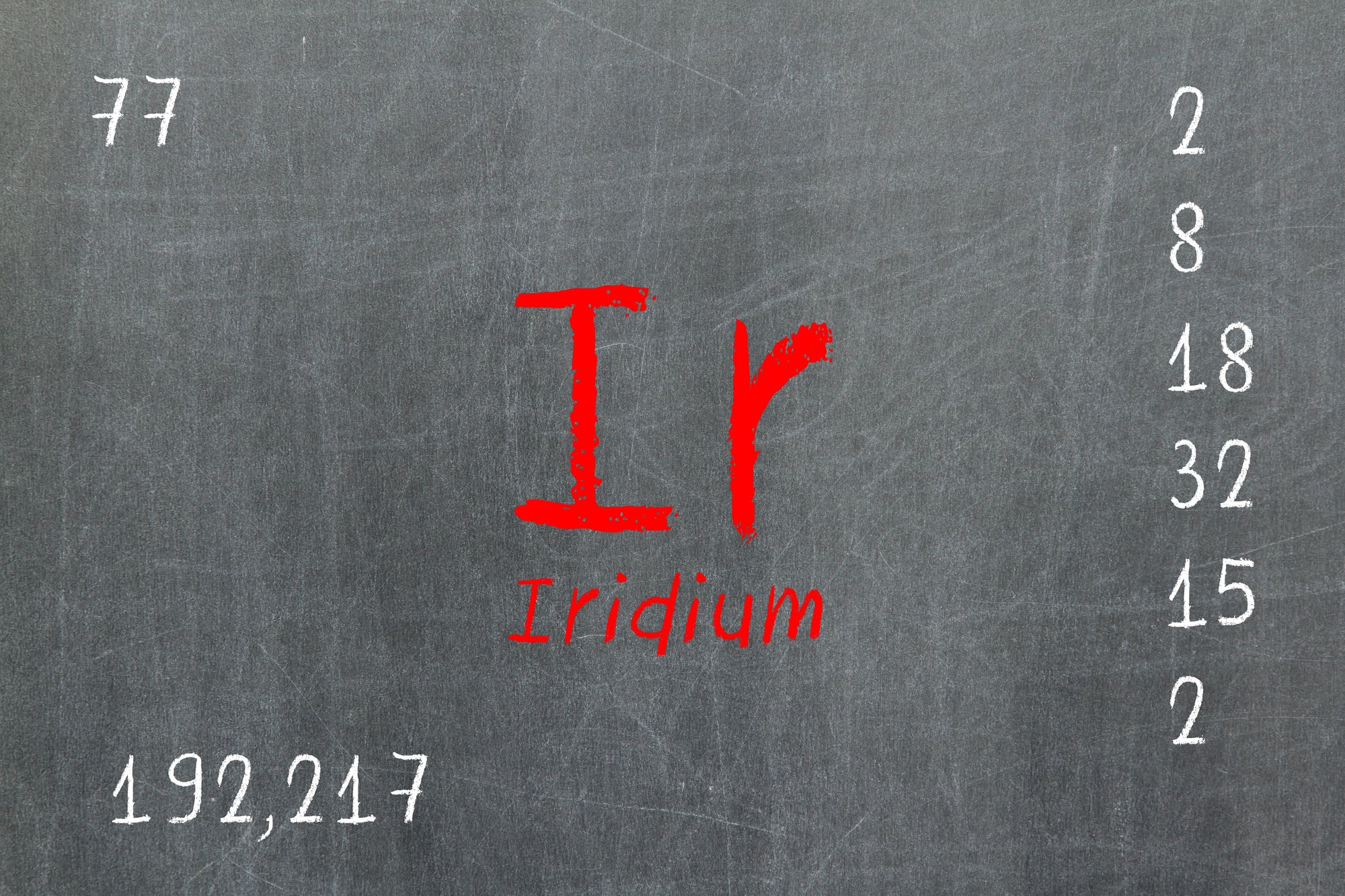
Iridium is the most corrosion-resistant element on Earth. It doesn’t rust.
It doesn’t dissolve in acids. It holds up under heat measured in thousands of degrees.
That’s why you’ll find it in pen tips, compass bearings, and laboratory crucibles. It’s a by-product of nickel and copper mining, which limits how much of it gets produced each year.
A gram costs roughly $140 to $170 — not as headline-grabbing as some entries on this list, but iridium is one of the rarest elements in the Earth’s crust. Its industrial value is hard to overstate.
Palladium: Rarer Than Gold, More Useful
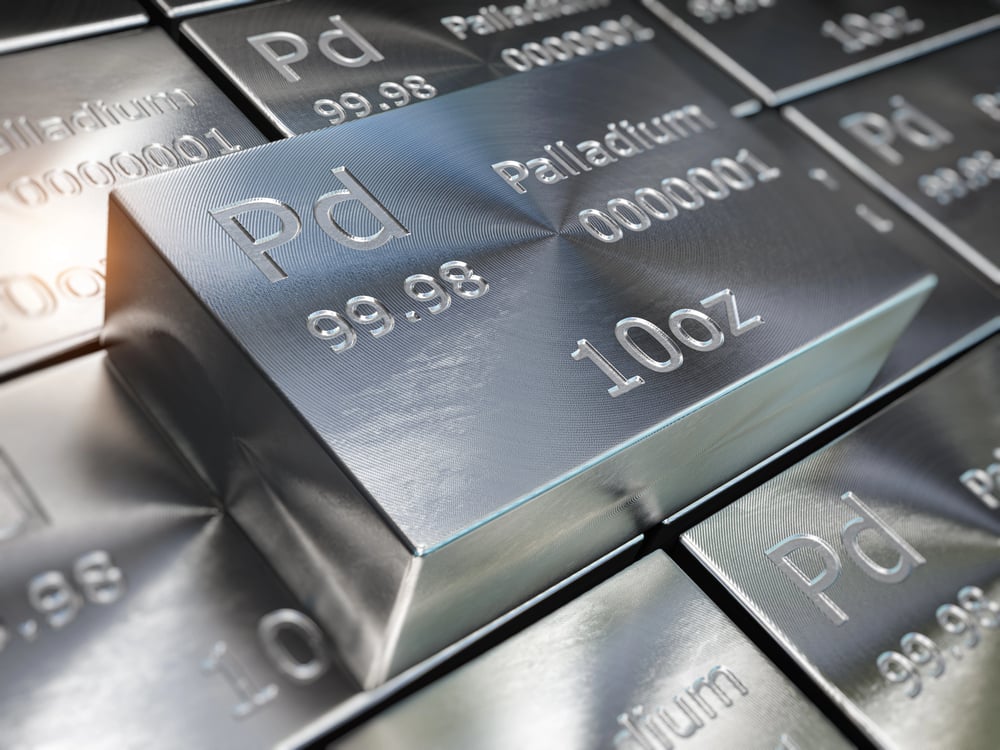
Palladium is another platinum-group metal that most people have never thought about, despite being everywhere in modern life. Over 80 percent of the world’s palladium goes into catalytic converters.
It’s also used in jewelry — sometimes marketed as “white gold” — and in electronics. Russia is the largest producer, which means global supply can be thrown into chaos by geopolitics.
During the war in Ukraine, sanctions on Russian exports pushed palladium prices to an all-time high of over $3,400 per ounce in March 2022. It’s a reminder that some of the most valuable materials on Earth aren’t glamorous.
They’re quietly essential.
Tritium: The Isotope That Glows
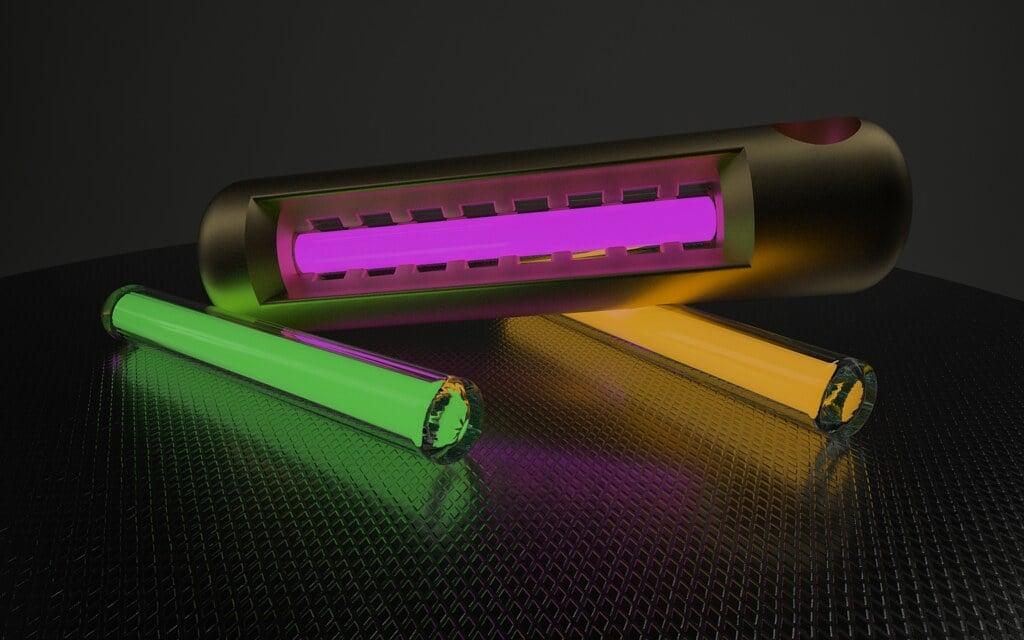
Tritium is a radioactive form of hydrogen, and it has a surprisingly visible role in everyday life. It’s the substance behind the glow-in-the-dark hands on certain watch faces — no batteries or light source needed.
The glow comes from tritium’s natural radioactive decay, which releases a faint but steady light. Producing it isn’t easy.
Tritium is created inside nuclear reactors by irradiating lithium, and it decays with a half-life of about 12 years. That means it has to be continuously produced to maintain any stable supply.
Beyond watch faces, tritium plays a role in nuclear weapons and in biomedical research as a tracer — a way to track how substances move through biological systems. A gram costs tens of thousands of dollars, but most applications require only a tiny fraction of that.
Plutonium: From Reactors to the Edge of the Solar System
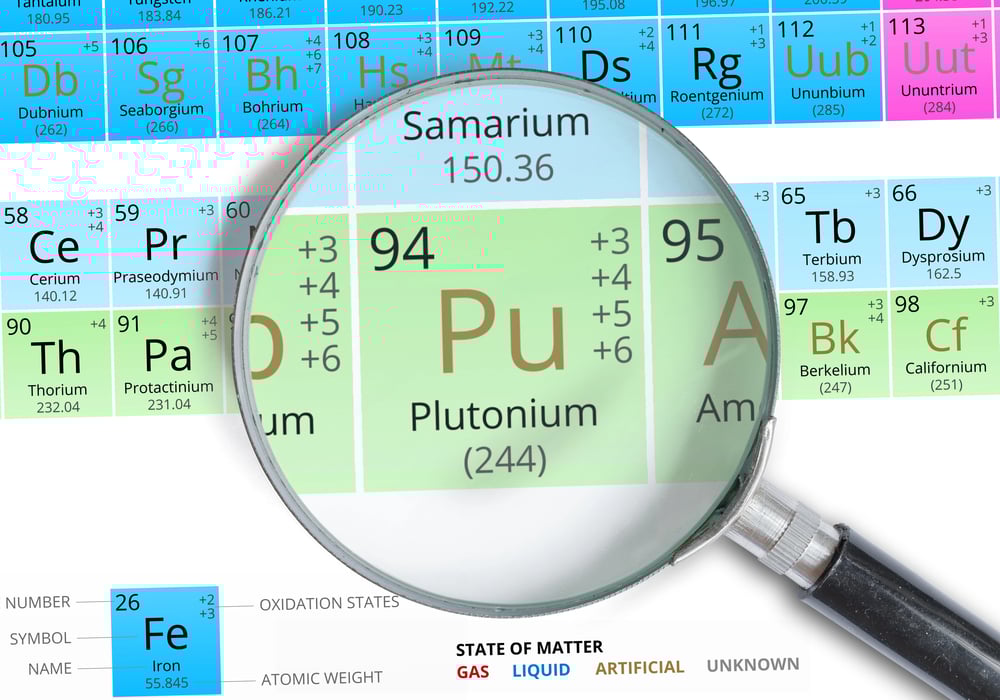
Plutonium has a reputation that overshadows its more interesting uses. Yes, it’s a key ingredient in nuclear weapons.
But it’s also the power source behind some of humanity’s farthest-reaching achievements in space. The Voyager 1 probe — currently over 15 billion miles from Earth — runs on plutonium-238 batteries that have kept it going for decades without a single replacement.
Pure-grade plutonium costs around $4,000 per gram, and it’s derived from the decay of uranium. It doesn’t occur naturally in meaningful quantities, which means nearly all of it has to be produced inside reactors.
Saffron: The Most Expensive Spice on Earth
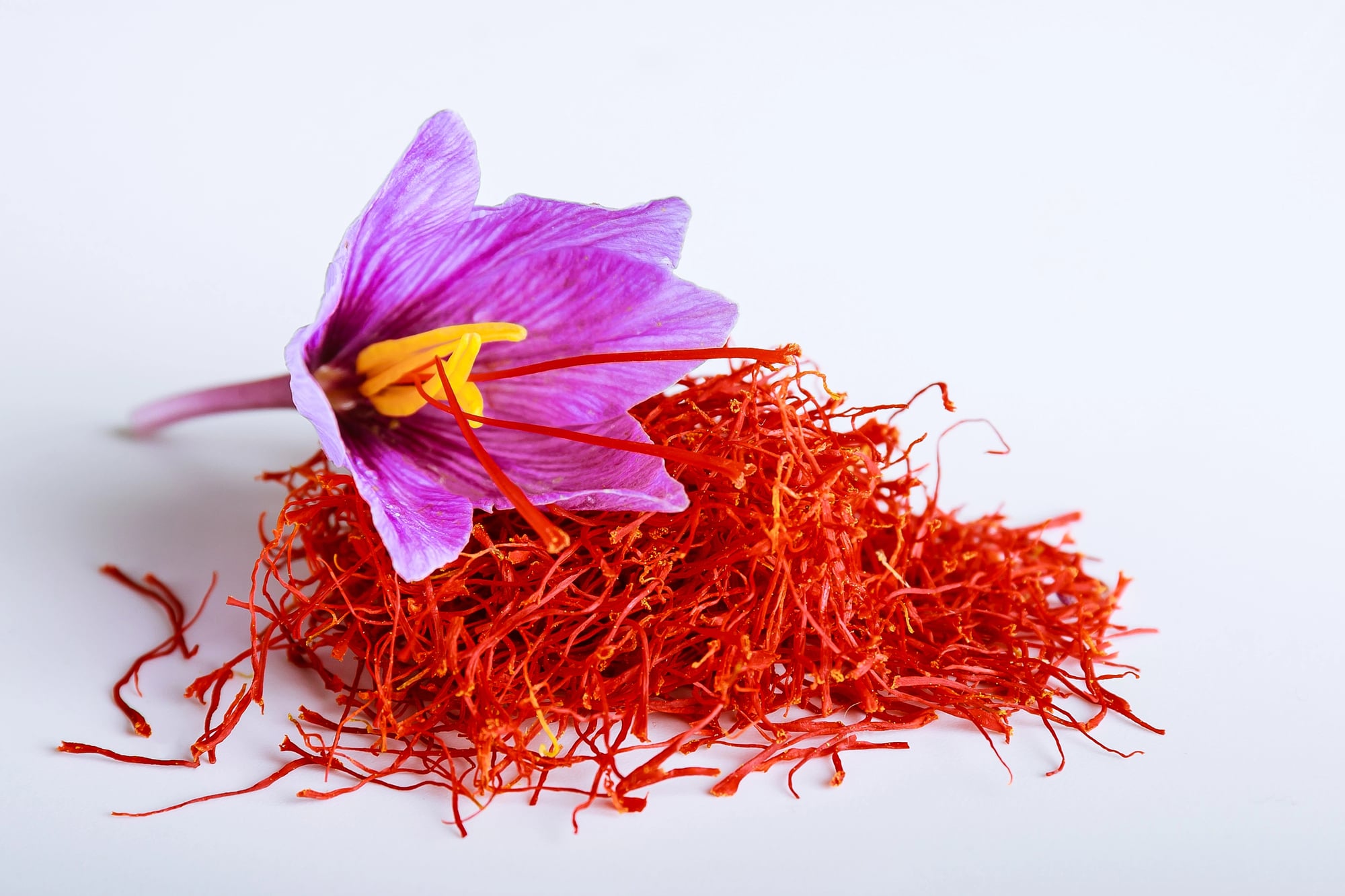
A few things here aren’t metals or stones. Take saffron – it’s just a spice, yet heavier than gold when measured by weight.
A single thread comes from the heart of a crocus blossom. Workers gather each piece by hand, always at first light, while petals are still open.
Machines can’t do this job; they’d crush the fragile parts too easily. One pound of saffron needs around 75,000 flowers to make.
Harvesting happens only twice a week during one short stretch each year. Most of the world’s crop sprouts in Iran, yet the most prized threads are pulled from blooms in Indian Kashmir.
Price tags shift wildly – lower quality might cost five dollars a gram, while top-tier batches climb past a hundred. Saffron shines through history like a thread of fire.
Back then, rulers reached for it – not just for meals but for robes and scents too. Baths soaked in it, some say, by conquerors crossing continents.
These days you’ll find it turning rice gold in Spain, lifting stews to life near the sea. Cost? It climbs higher than almost any other pinch of spice ever could.
The Weight of Rarity

Every one of these things shares a hidden thread – their lack. Not just low numbers, but deep unavailability.
One forms slowly under ancient pressure beneath rock layers. Another gets built in labs where machines hum for days without pause.
Then there’s the kind pulled from fields, petal by petal, until enough gathers to fill a small jar. Nature limits some, locking them behind geological odds.
Human effort blocks others, needing complex setups only a handful can run. A select few stand apart not due to how hard they are to find, but what happens when we finally hold them.
Their power lies in doing what nothing else manages. When your eyes land on polished jewelry and wonder about price tags, pause.
This world holds stuff so limited even precious metals seem common.
More from Go2Tutors!

- The Romanov Crown Jewels and Their Tragic Fate
- 13 Historical Mysteries That Science Still Can’t Solve
- Famous Hoaxes That Fooled the World for Years
- 15 Child Stars with Tragic Adult Lives
- 16 Famous Jewelry Pieces in History
Like Go2Tutors’s content? Follow us on MSN.



