15 Things Found in Every ’70s Garage
The 1970s garage wasn’t just a place to park the family station wagon—it was practically another room of the house, a sanctuary where Dad escaped to tinker with projects and kids learned how to use tools. These spaces served as workshops, storage units, and unofficial museums of American consumer culture all rolled into one.
Take a trip down memory lane as we explore the artifacts that made ’70s garages so distinct from today’s often sterile, minimalist spaces. Here is a list of 15 items you’d find in virtually every garage during the disco decade.
Wood Paneling

The quintessential ’70s aesthetic didn’t stop at the living room. Garages often featured dark wood paneling that absorbed light and created that characteristic amber glow.
These panels were typically made from cheap composite materials rather than actual wood, giving garages that distinct wood-grain look without breaking the bank. The paneling often darkened over time from car exhaust and workshop fumes, creating an aged patina that’s instantly recognizable.
Pegboard Tool Wall
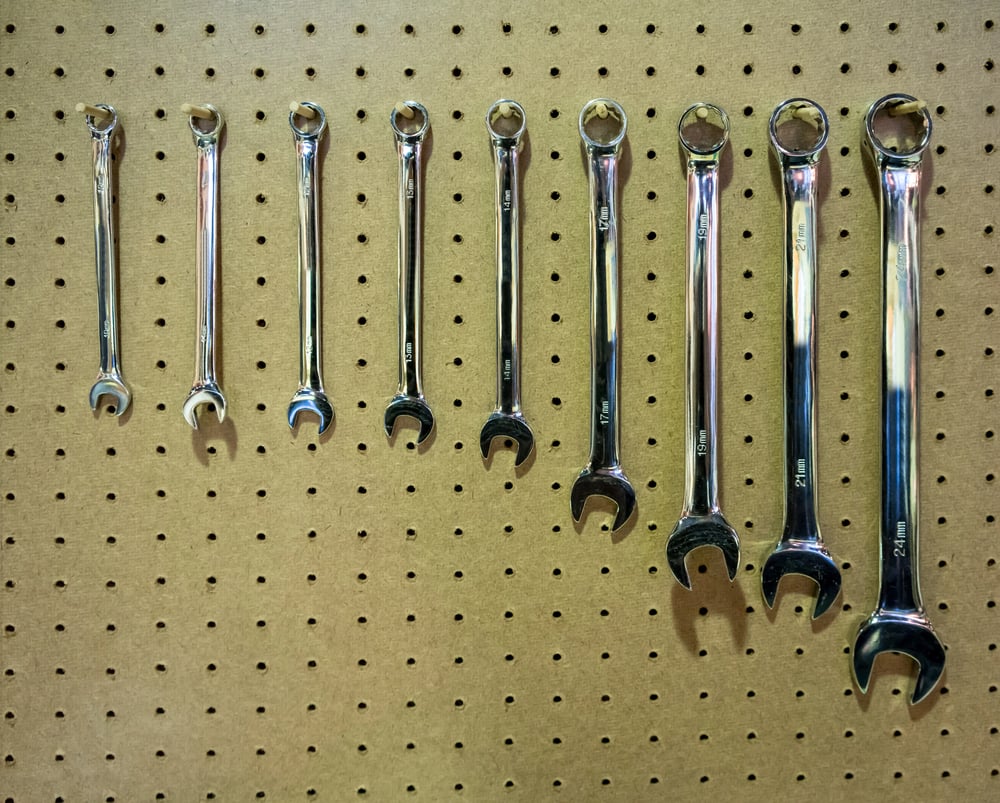
Long before fancy tool chests became the norm, the humble pegboard reigned supreme. These perforated hardboard panels covered garage walls and held everything from hammers to wrenches in full view.
Dad would often trace tool outlines directly on the pegboard so everyone knew exactly where things belonged. The pegboard system wasn’t just practical—it turned a collection of tools into a display that showcased the homeowner’s preparedness for any household emergency.
Metal Workbench

Heavy-duty metal workbenches with thick wooden tops stood as command centers in ’70s garages. These sturdy stations withstood decades of hammering, sawing, and the occasional frustrated bang of a fist when projects went sideways.
The surfaces told stories through their stains, burns, and gouges—each mark representing a home repair triumph or disaster. Most featured a mounted vise that could grip anything from pipes to model airplane parts.
Old Paint Cans

Every ’70s garage had that special corner where paint cans went to die. These rusty time capsules contained forgotten colors with groovy names like ‘Harvest Gold’ and ‘Avocado Green.’ Homeowners kept these partial cans for touch-ups that rarely happened, creating dusty towers that grew yearly.
The cans often featured those classic metal lids that required a screwdriver to pry open, usually resulting in paint splatters on the concrete floor below.
Gas Cans
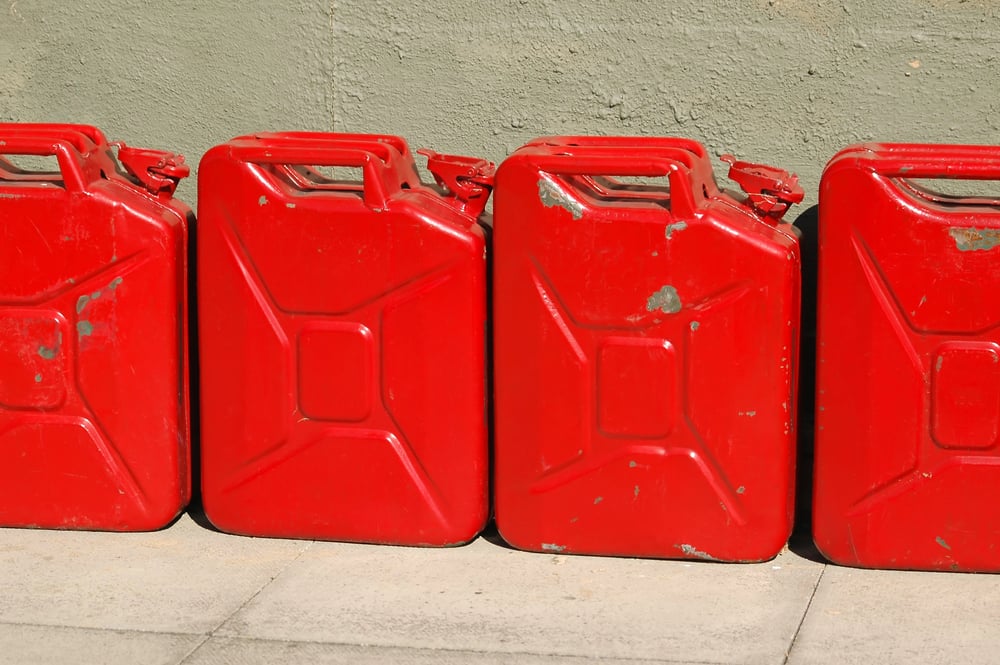
Red metal gas cans with flexible spout attachments were garage staples when gas stations closed on Sundays during the 1970s fuel crisis. Families kept these ready for emergencies or to fuel lawnmowers and other small engines.
The distinctive smell of gasoline would permeate the garage, mixing with motor oil and sawdust to create that unforgettable garage aroma. These sturdy containers were built to last decades, unlike today’s plastic versions with their complicated child-proof mechanisms.
Fluorescent Tube Lighting
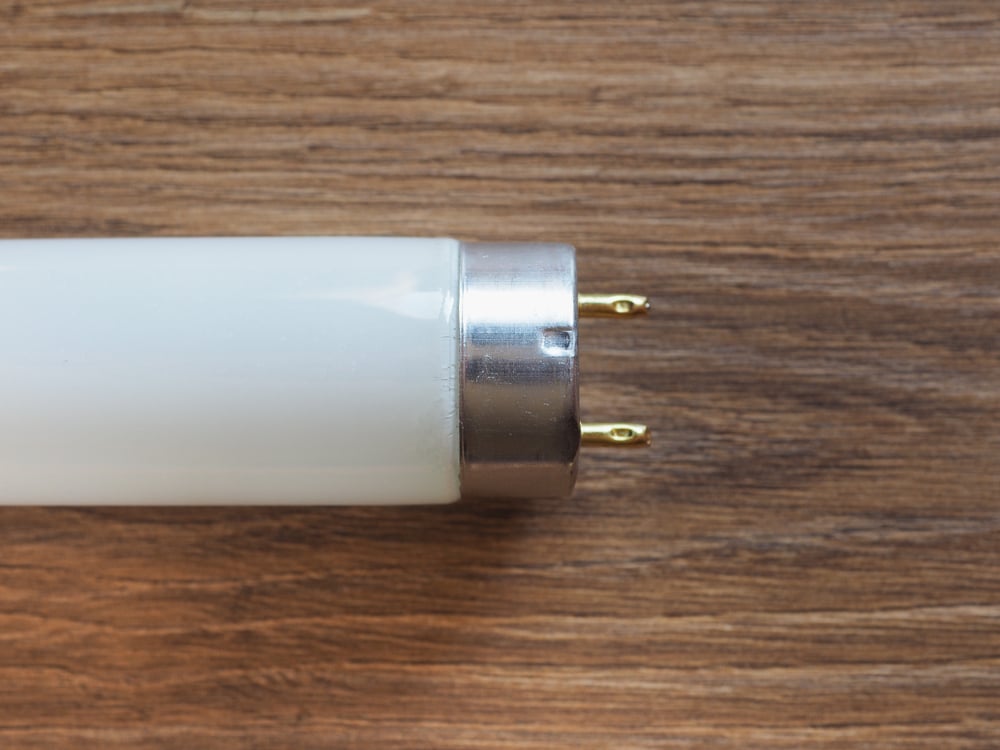
The harsh glow of fluorescent tube fixtures illuminated ’70s garages with an unmistakable bluish-white light. These long tubes hummed and sometimes flickered dramatically, especially in colder weather when they struggled to start up.
The light fixtures were typically mounted directly to the ceiling with minimal covering, creating harsh shadows and giving everything that utilitarian workshop feel. Many had pull-string switches that dangled at head-height, waiting to bonk unsuspecting tall visitors.
Lawn Chairs

Every garage contained a stack of aluminum folding lawn chairs with woven nylon webbing in bright colors. These lightweight seats emerged for barbecues and disappeared back into the garage when summer ended.
The webbing often frayed at the edges or sagged in the middle from years of use, but families kept them around anyway. They doubled as extra seating when Dad and his buddies gathered to watch sports on the portable TV while escaping the house.
Old License Plates
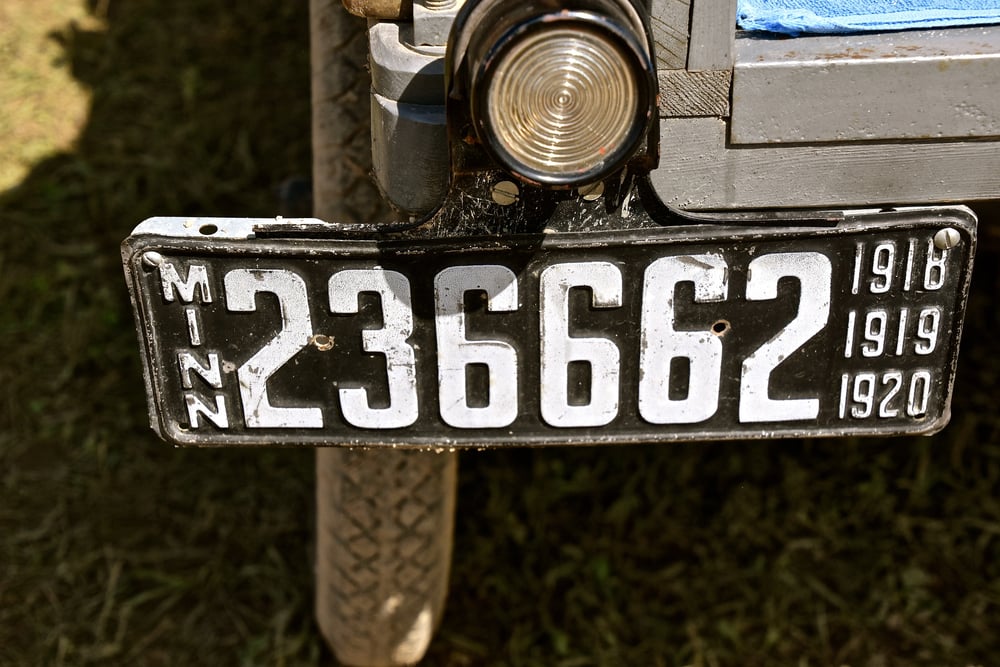
Expired license plates accumulated on garage walls as unofficial family timelines. Some homeowners displayed complete collections spanning decades, while others kept just a few meaningful years.
These metal rectangles recorded family history—the year they moved to a new state or bought their first new car. Kids often hammered the plates into uneven shapes or used them for art projects when parents finally deemed them disposable after years of dutiful storage.
Cardboard Boxes

An assortment of cardboard boxes labeled with a permanent marker housed holiday decorations, outgrown clothes, and forgotten hobbies. These cartons from appliance purchases or grocery stores found second lives as storage containers long before plastic tubs became affordable.
The dampness of garage environments meant these boxes often developed a distinctive musty smell and softened corners over time. Finding anything specific meant a treasure hunt through stacks that threatened to topple at any moment.
Extension Cords

Tangled nests of orange, brown, and green extension cords hung from nails or lurked in corners. These essential garage accessories powered everything from work lights to electric drills in an era before cordless tools dominated.
The older cords featured fabric coverings rather than plastic and sometimes showed worrying wear patterns that today’s safety standards wouldn’t tolerate. Most garages had at least one industrial-strength cord that could reach from one end to the other with length to spare.
Automotive Fluids
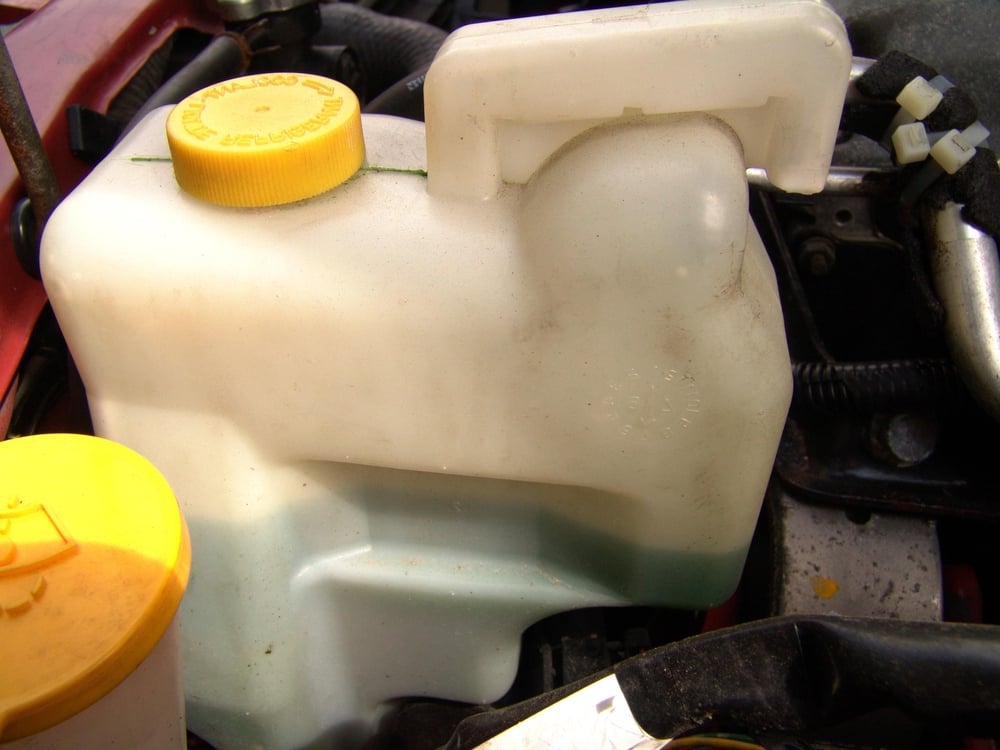
Shelves lined with partial containers of motor oil, transmission fluid, and antifreeze stood ready for weekend car maintenance sessions. These products came in metal cans with distinctive graphics or glass bottles that required special openers.
Homeowners performed their own oil changes and basic repairs, necessitating this chemical supply depot. Small spills created permanent stains on concrete floors, with each drip telling the story of a DIY repair job from years past.
Bike Repair Station

A dedicated space for bicycle maintenance occupied a corner in garages during the ’70s bike boom. This area typically featured an old coffee can filled with miscellaneous nuts and bolts, patches for inner tubes, and specialized tools for adjusting gears and brakes.
Kids’ bikes hung from ceiling hooks or leaned against walls in various states of repair, waiting for Dad’s attention on rainy weekends. The smell of chain oil and rubber permeated this zone, creating a distinct microclimate within the larger garage ecosystem.
Power Tools in Metal Cases
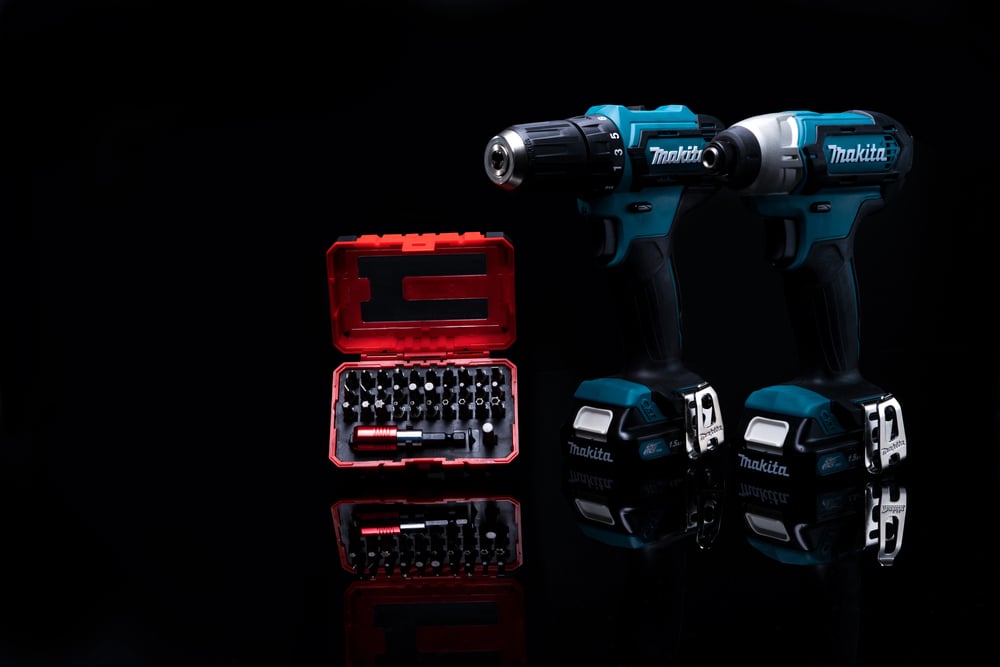
Heavy metal cases housed power tools like circular saws and drills, each with its molded interior perfectly fitted to the tool inside. These durable containers protected substantial investments in what were then expensive pieces of equipment.
The tools themselves weighed twice what modern versions do, with thick power cords and metal housings instead of plastic. Their weight conveyed seriousness of purpose—these weren’t toys but professional-grade instruments that demanded respect.
Leftover Building Materials
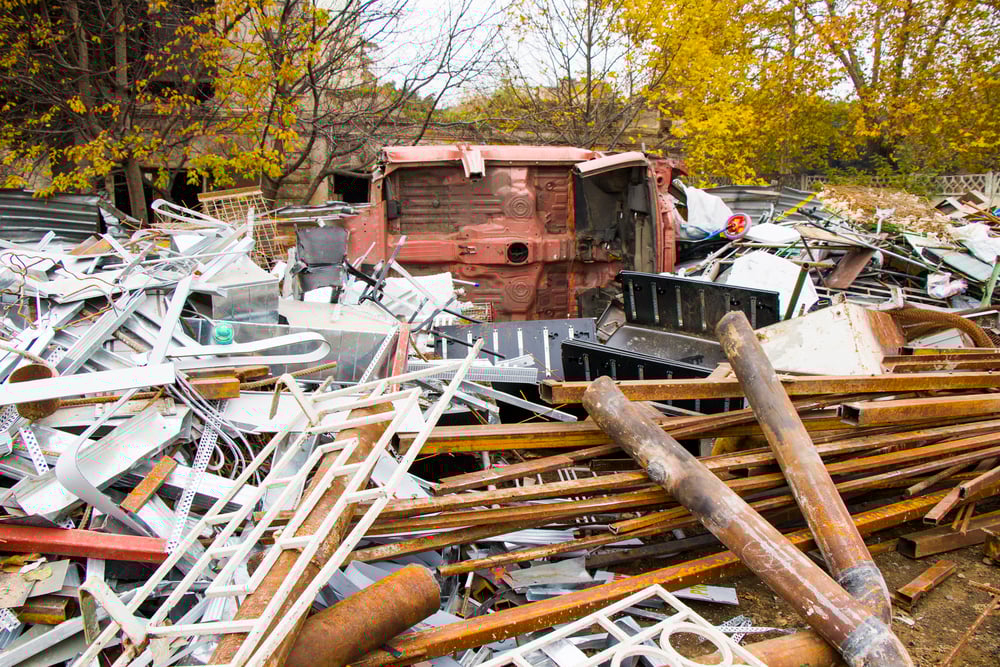
Every ’70s garage contained odd pieces of lumber, partial sheets of plywood, and random lengths of pipe saved from previous projects. The ‘might need it someday’ mindset meant nothing useful got thrown away, creating an improvised hardware store within reach.
These materials often came in handy for school projects or emergency repairs, vindicating the pack rat tendencies of their owners. Lumber typically rested against walls in roughly sorted piles that grew or shrank depending on current household projects.
Bowling Trophies and Memorabilia
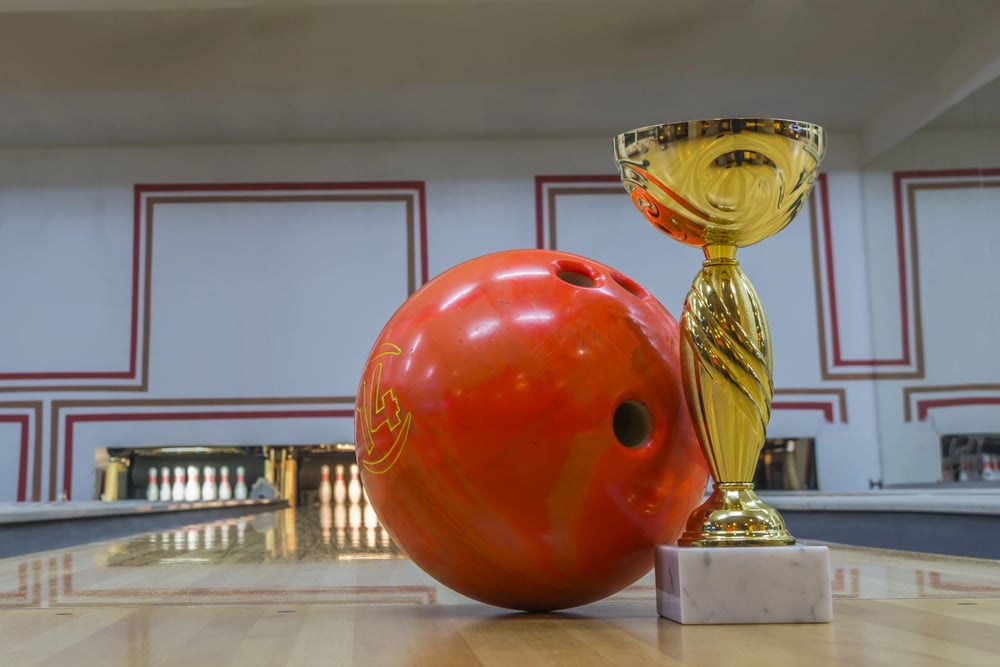
As league bowling peaked in popularity during the ’70s, garages became repositories for bowling gear and accolades. Trophies with golden figurines mid-bowl gathered dust on shelves, while personalized balls nestled in their special bags waited for Wednesday night leagues.
Custom shirts with embroidered names hung on hooks, ready for the next trip to the alley. These artifacts represented a significant social activity for many American families before video games and computers changed entertainment habits.
A Symbol of American Ingenuity

The ’70s garage represented American self-sufficiency at its finest—a place where problems got solved and hobbies flourished without YouTube tutorials or specialized equipment. These spaces evolved organically based on each family’s needs and interests, telling their stories through accumulated objects.
While today’s garages might be more organized and climate-controlled, they’ve lost some of the character that made their ’70s counterparts so memorable. The spirit of DIY creativity that those cluttered spaces fostered continues to influence how we think about home improvement and personal workspaces today.
More from Go2Tutors!

- The Romanov Crown Jewels and Their Tragic Fate
- 13 Historical Mysteries That Science Still Can’t Solve
- Famous Hoaxes That Fooled the World for Years
- 15 Child Stars with Tragic Adult Lives
- 16 Famous Jewelry Pieces in History
Like Go2Tutors’s content? Follow us on MSN.