The Most Expensive Perfumes Made From Rare Plants
Luxury has always worn scent as its signature. The most exclusive perfumes aren’t just bottled fragrances — they’re liquid treasures distilled from plants so rare that their very existence borders on myth.
These botanical ingredients command prices that would make diamonds blush, and the perfumes they create become objects of obsession for collectors who understand that true luxury isn’t just about what you wear, but about possessing something that perhaps fewer than a hundred people in the world will ever own.
Mysore Sandalwood
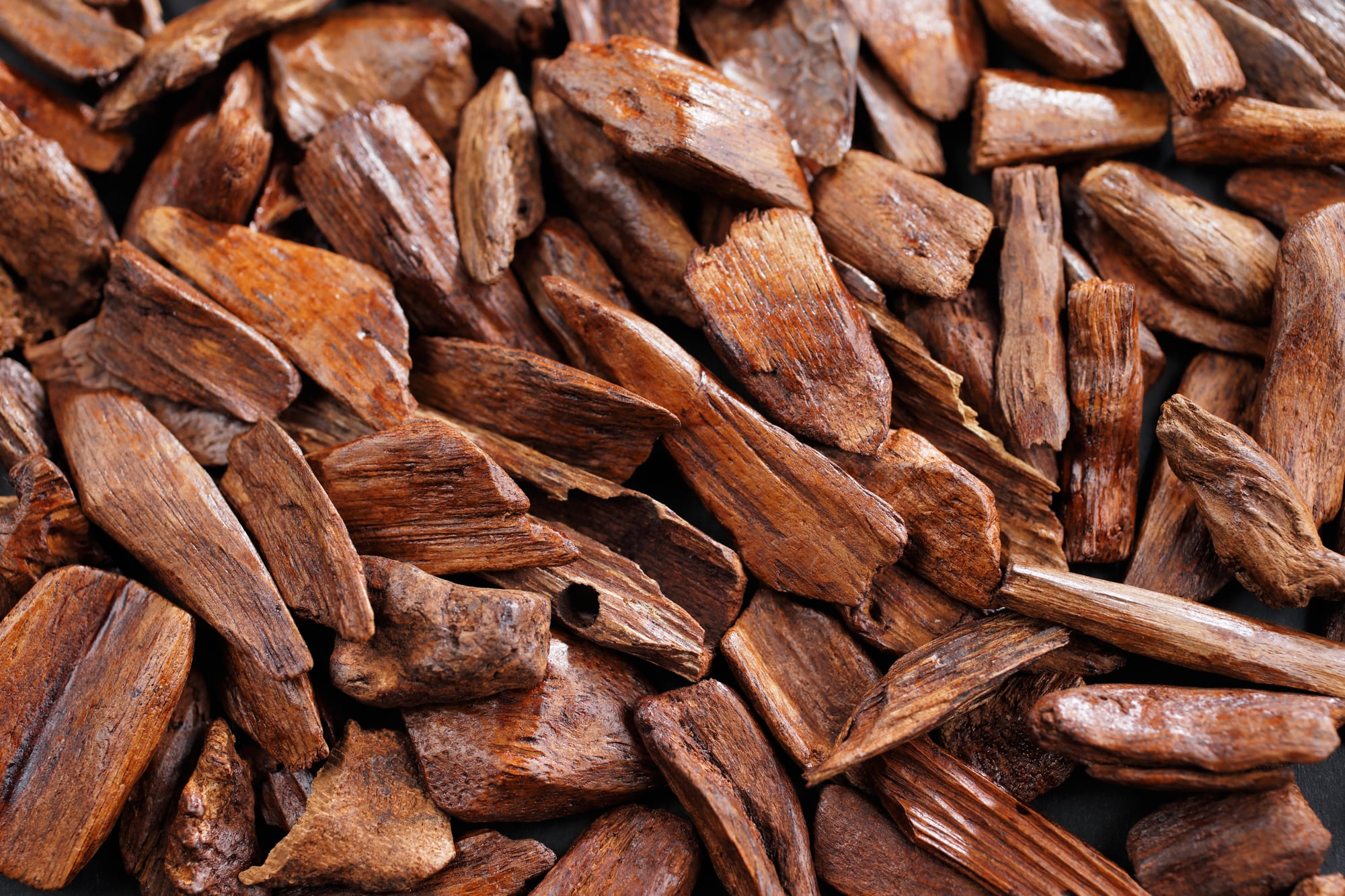
Mysore sandalwood has become perfumery’s ghost story. The Indian government banned its export decades ago, and what remains in perfume houses reads like inventory from a lost civilization.
Real Mysore sandalwood doesn’t just smell expensive — it carries the weight of extinction in every drop. When you find it in a fragrance, expect to pay $3,000 per ounce minimum.
Agarwood from Assam
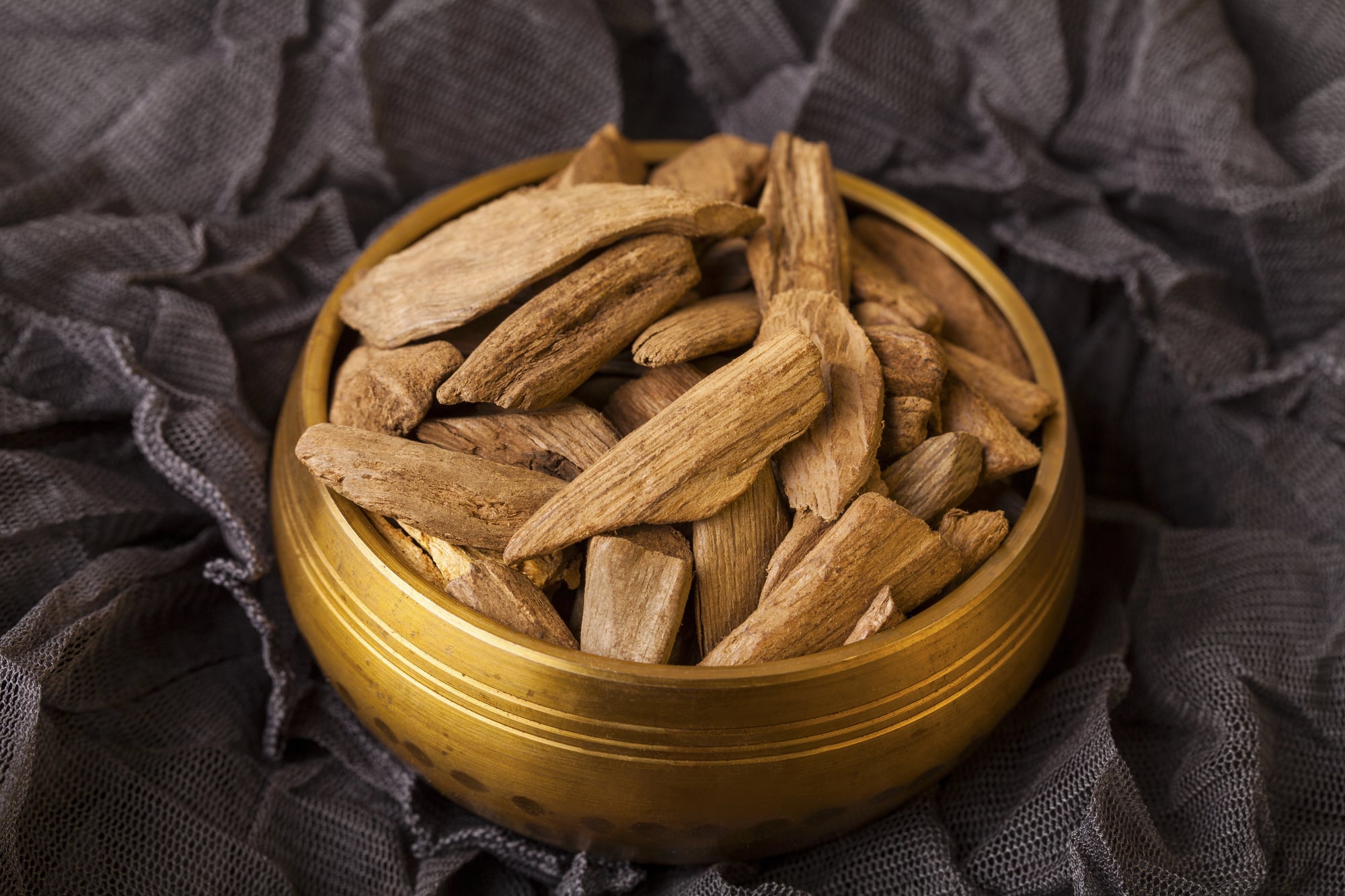
The infection of the Aquilaria tree creates something that shouldn’t exist: wood that smells like paradise rotting in slow motion. The scarcity isn’t just about supply chains or harvesting restrictions — damaged tree, perfect conditions, twenty years of waiting.
A single ounce of high-grade Assam agarwood oil costs more than most people’s cars. Perfumes containing even microscopic amounts can command $5,000 for a tiny bottle.
Tuberose de Grasse
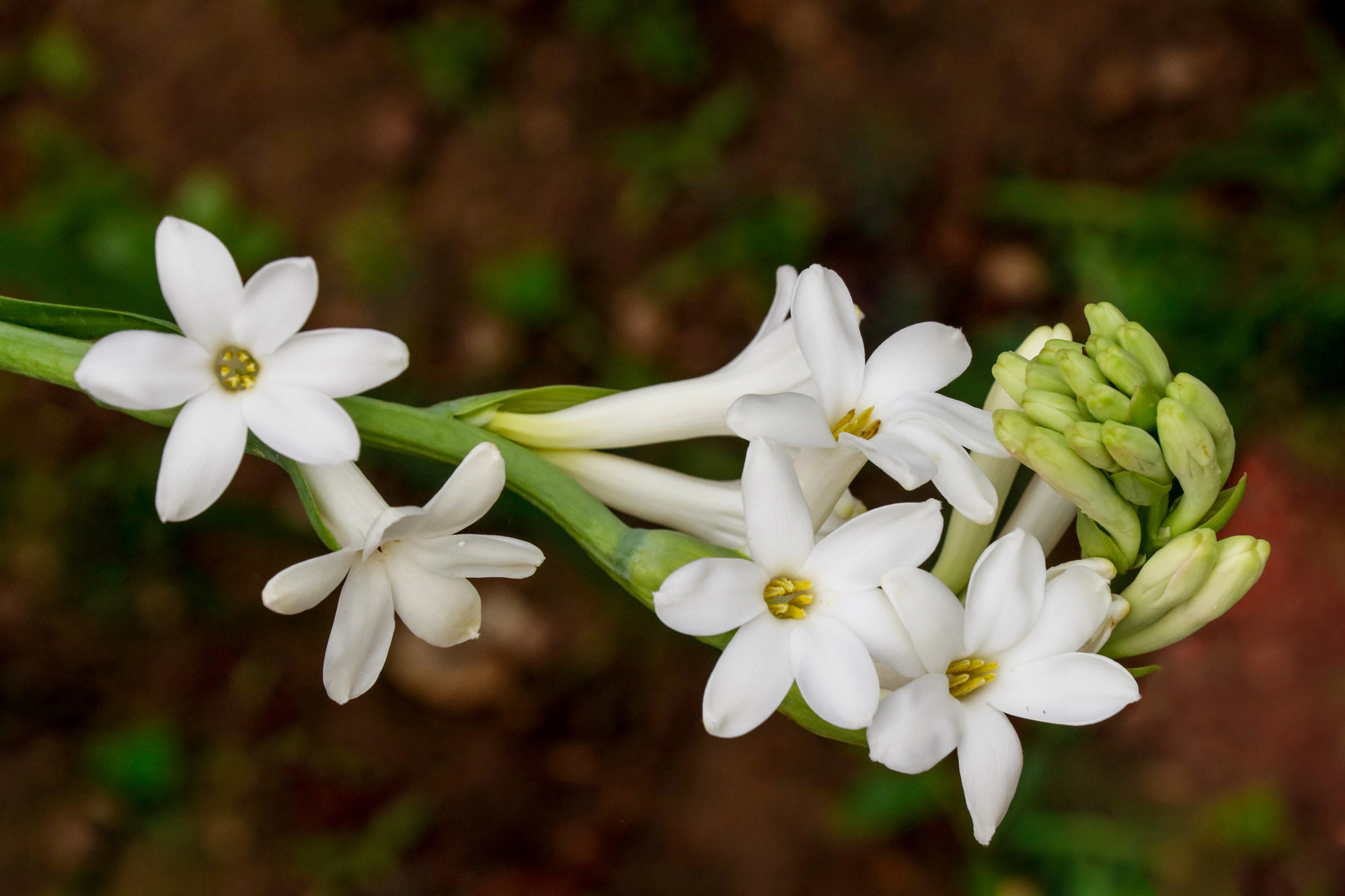
Tuberose speaks in whispers until nightfall, then announces itself like a lover who’s had enough of being ignored. The flowers from Grasse carry centuries of perfume-making tradition in their petals.
The scent blooms with an intensity that seems to mock the concept of subtlety. The most expensive tuberose perfumes capture both the flower’s porcelain appearance and its ruthless sensuality, costing $2,500 per ounce.
Bulgarian Rose Otto
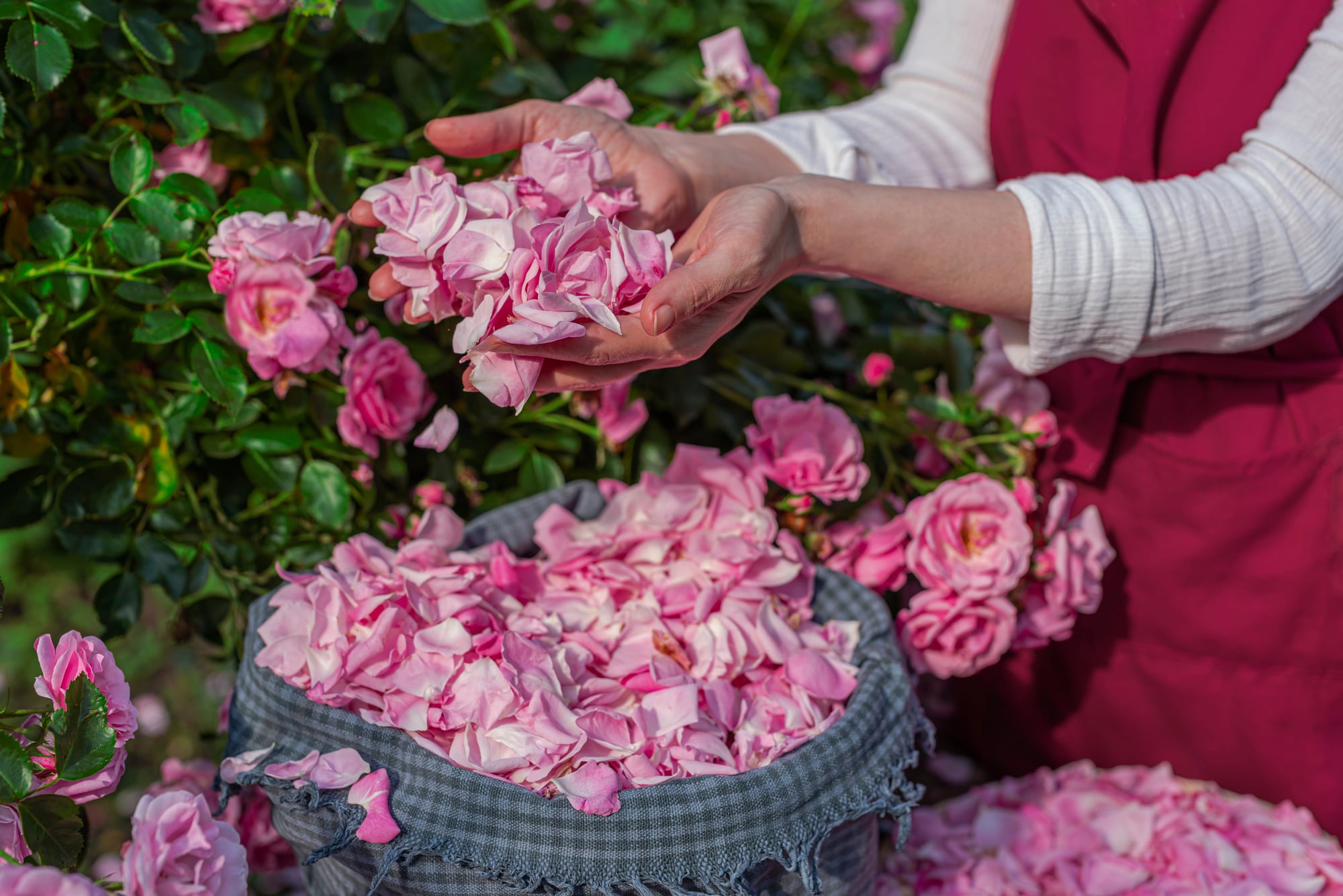
It takes roughly 60,000 rose blossoms — or several metric tons of petals — to produce a single kilogram of otto. Bulgarian roses are harvested at dawn before the sun burns off the essential oils.
Perfumes featuring genuine Bulgarian rose otto start at $4,000 per ounce. Scarcity multiplied by labor equals luxury that most people will never understand.
Cambodian Oud
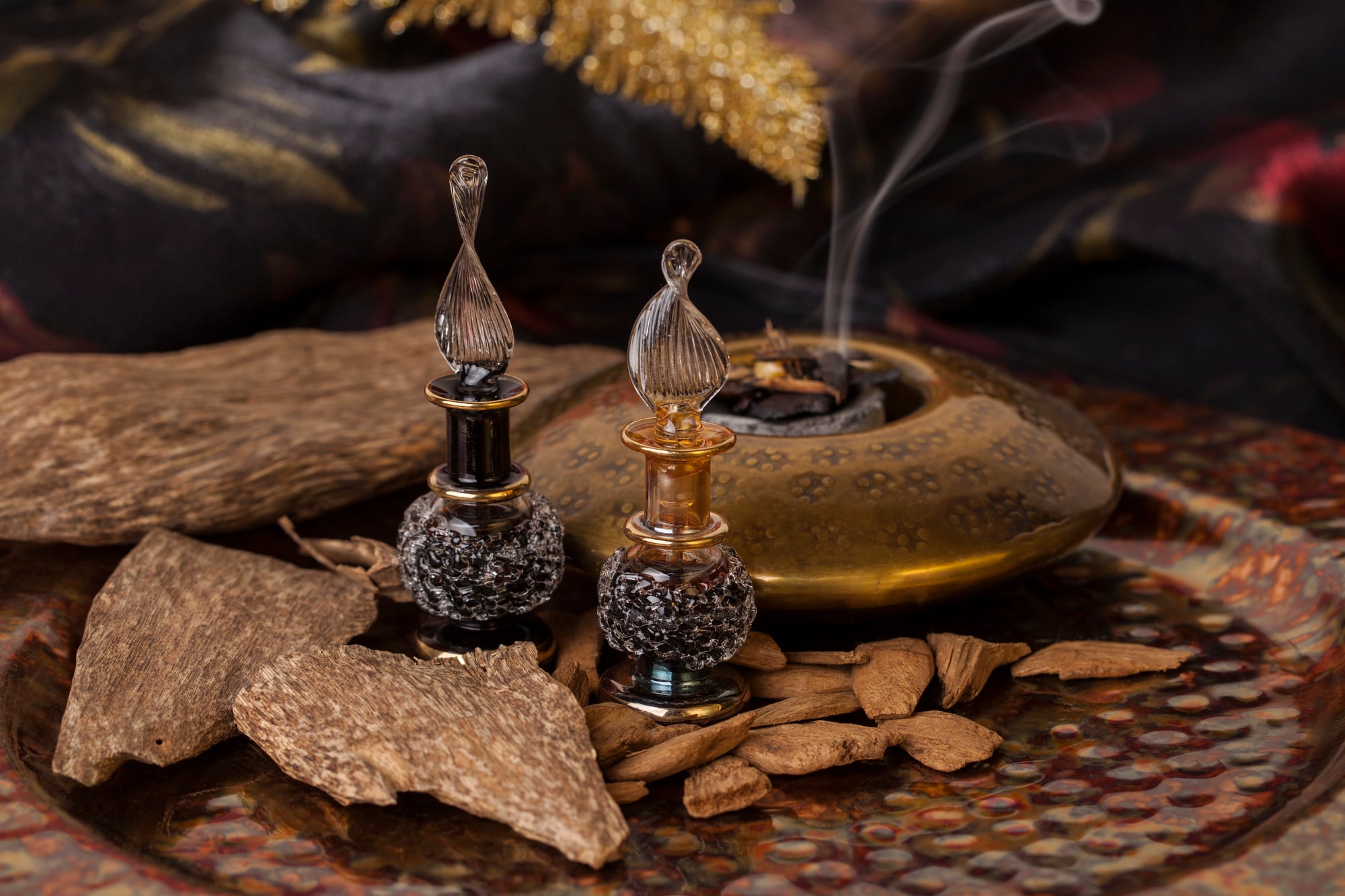
The Cambodian forest holds its secrets in dying trees, and oud hunters know exactly which wounds produce the most precious resin. It’s more like archaeological excavation, where experienced hands predict which sections yield liquid treasure.
Cambodian oud carries the jungle’s exhale and something “animalic” that bypasses the brain. The most exclusive Cambodian oud perfumes aren’t sold in stores — they’re commissioned, $8,000 for half an ounce.
Jasmine Sambac from India
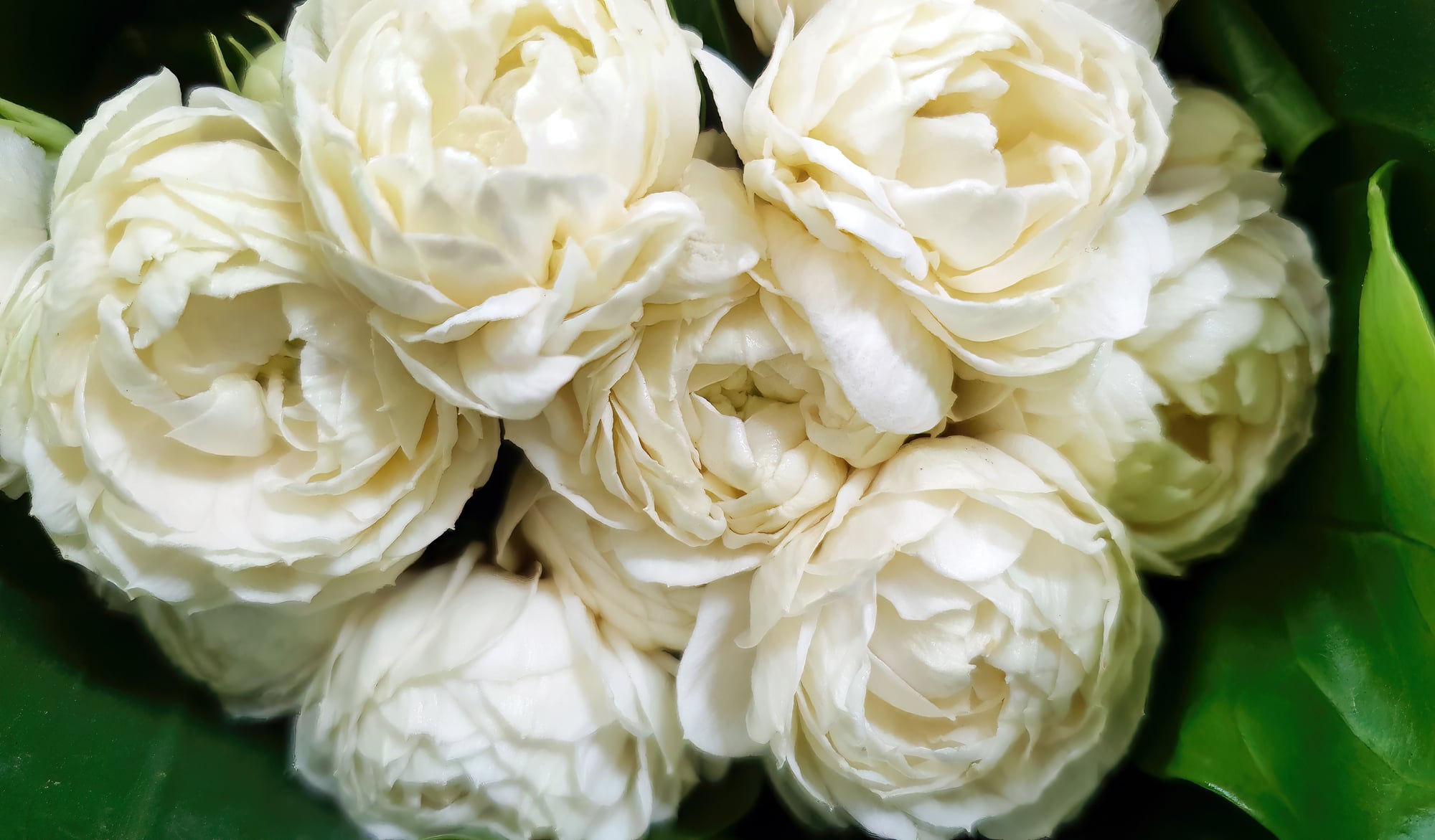
Jasmine sambac blooms only at night, and harvesters work by moonlight to capture flowers at peak potency. Timing isn’t romantic — jasmine loses its essential oils within hours of dawn.
Indian jasmine sambac releases fragrance in waves, creating layers that unfold over hours. Perfumes command $3,500 per ounce for flowers that exist at full power only a few hours each day.
Himalayan Spikenard
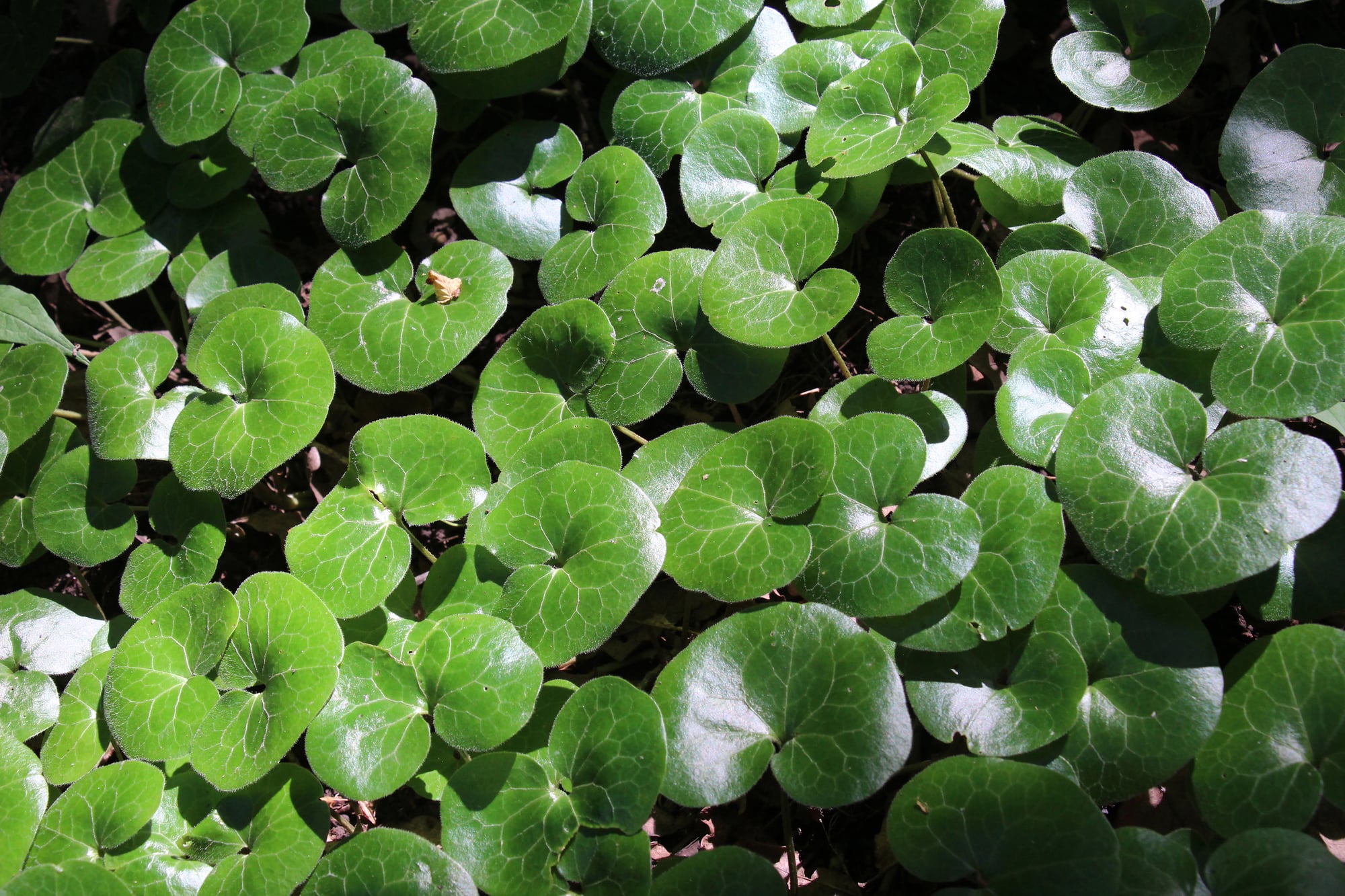
Spikenard grows in places where most plants surrender to altitude and cold. Himalayan spikenard thrives at elevations that thin the air and test human endurance.
The scent is earthy, medicinal, and ancient, carrying genetic memory from earlier versions of the earth. Bottles containing genuine spikenard start at $6,000 per ounce.
Orris Root from Florence
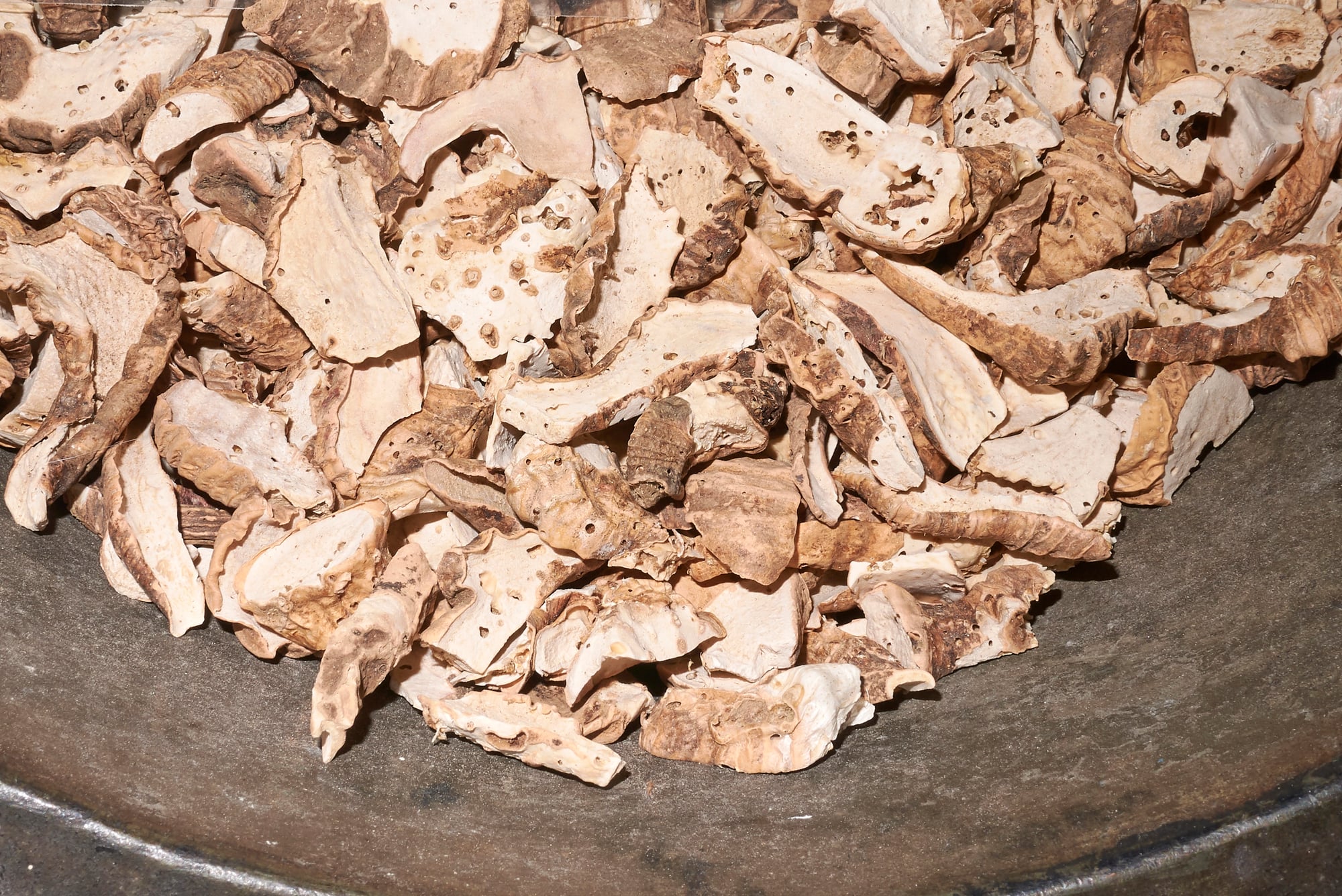
Orris root demands patience modern commerce can barely accommodate. Iris rhizomes must age three years to develop the violet-tinged fragrance prized in perfumery.
Florentine orris requires expertise bordering on alchemy, and bottles containing genuine root cost $4,500 per ounce. The price reflects both time and rarity.
Frankincense from Socotra
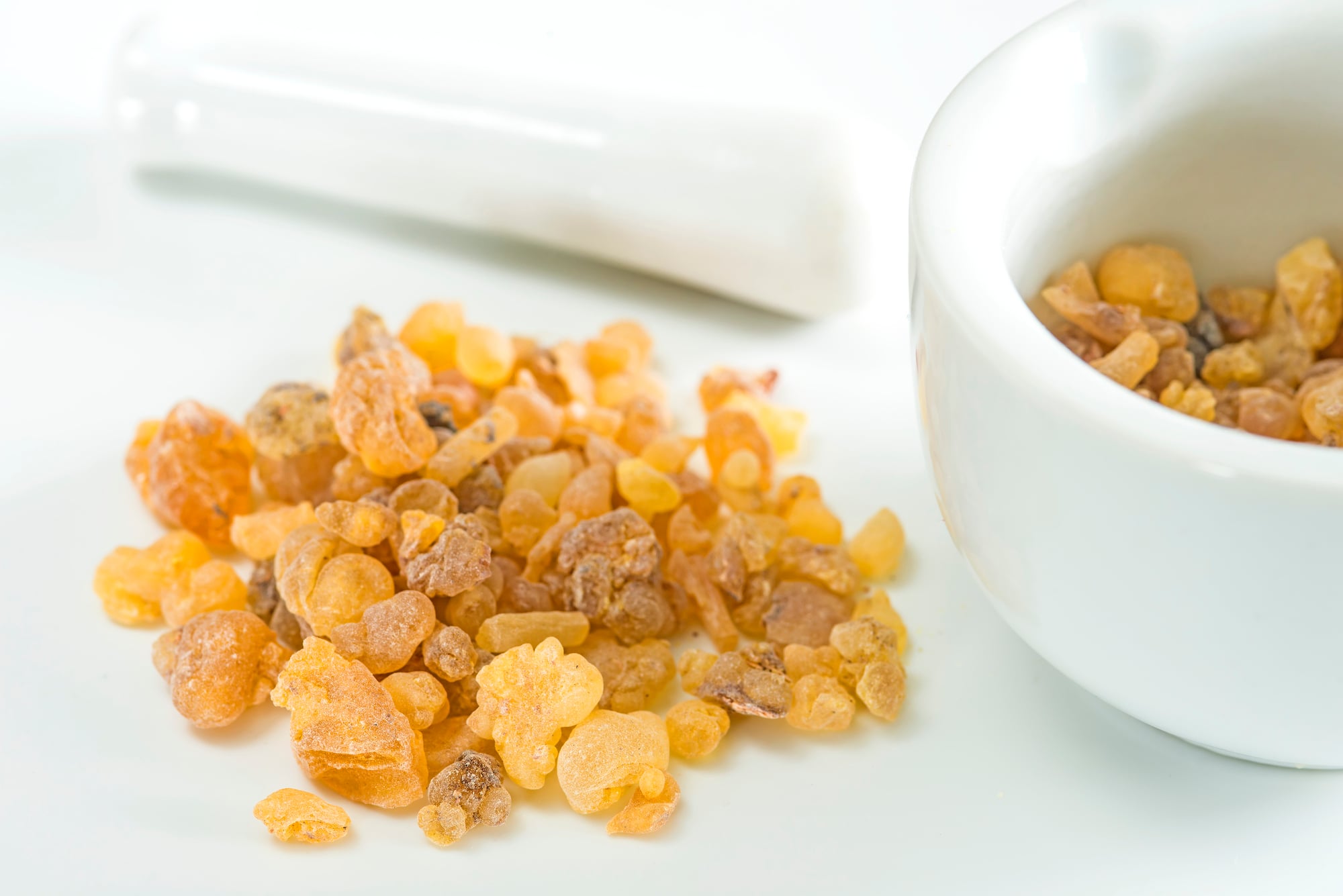
Socotra Island’s isolation preserves plant species found nowhere else on earth. Boswellia trees there produce frankincense resin with unique aromatic compounds.
Socotran frankincense burns differently, smells differently, and perfumes containing it start at $5,500 per ounce. The resin’s scent is genuinely “ethereal” and “otherworldly.”
Chinese Osmanthus
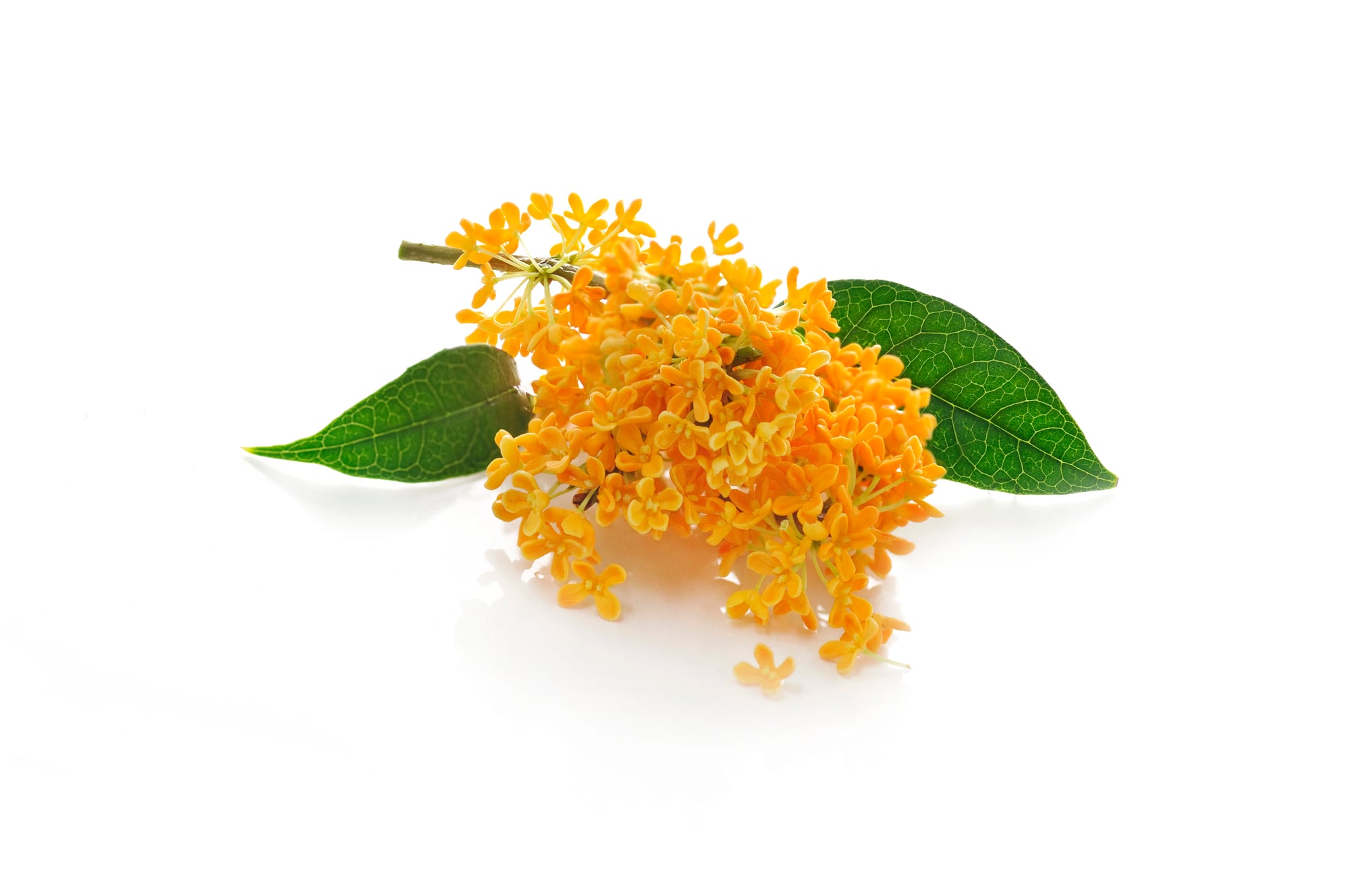
Osmanthus flowers smell simultaneously like apricots and leather, creating a paradoxical fragrance. Chinese osmanthus from Suzhou gardens produces the most complex version of this contradiction.
The harvest window lasts only days, and flowers must be processed immediately. Genuine Chinese osmanthus perfumes cost $3,200 per ounce and higher for vintage distillations.
Moroccan Blue Tansy
Blue tansy grows wild in Morocco’s Atlas Mountains, requiring botanical expertise and mountain climbing skills to harvest. The plant produces essential oil with a striking blue color from high concentrations of chamazulene.
Moroccan blue tansy oil smells therapeutic rather than merely beautiful. Perfumes featuring authentic oil command $4,200 per ounce.
Indonesian Ylang-Ylang
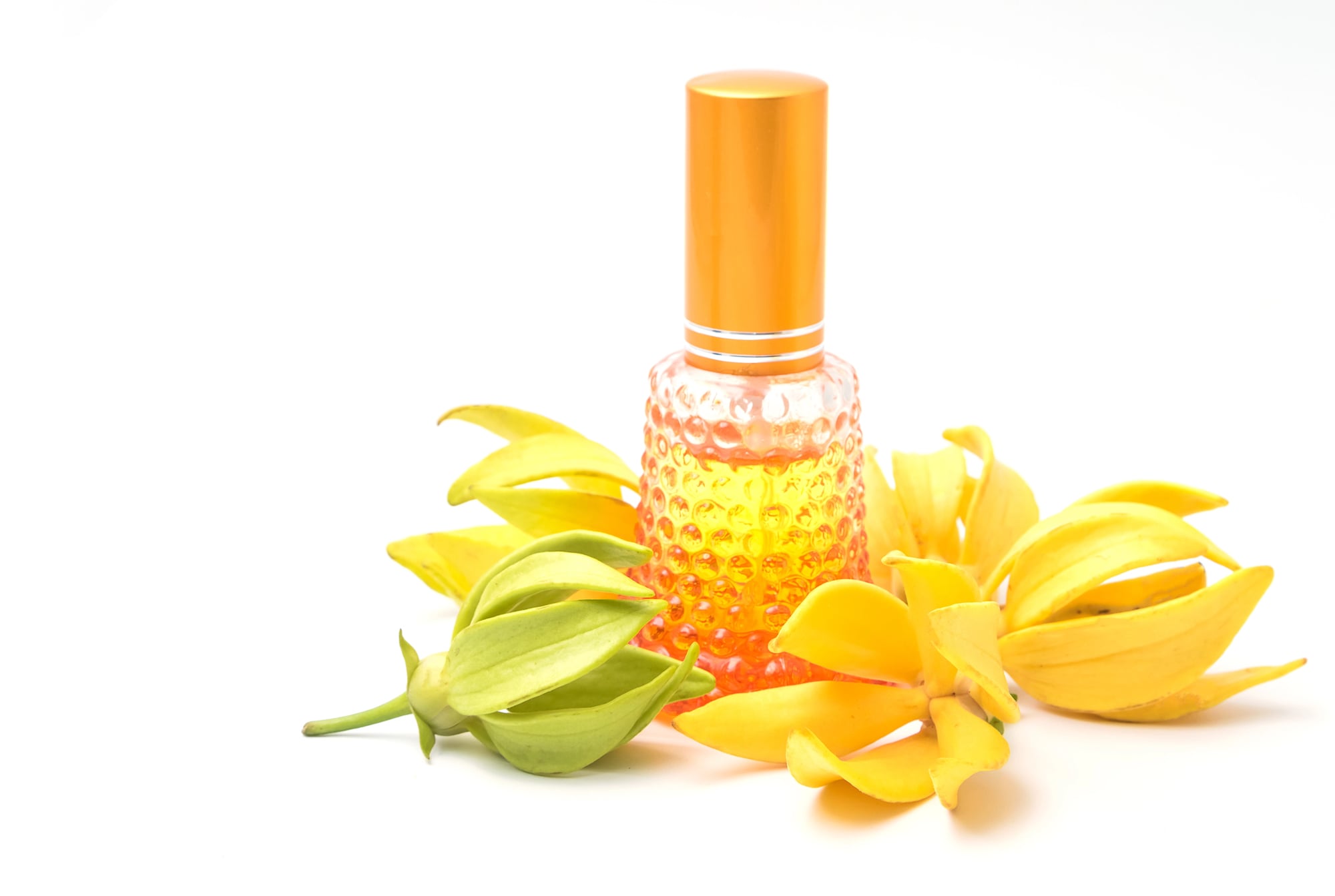
Ylang-ylang flowers produce essential oil through a graded distillation process. Extra grade comes first, followed by first, second, and third — each grade representing rising levels of rarity.
Extra-grade Indonesian ylang-ylang carries intoxicating floral intensity. The best oils, harvested at dawn and processed within hours, justify prices of $3,800 per ounce.
Ethiopian Myrrh
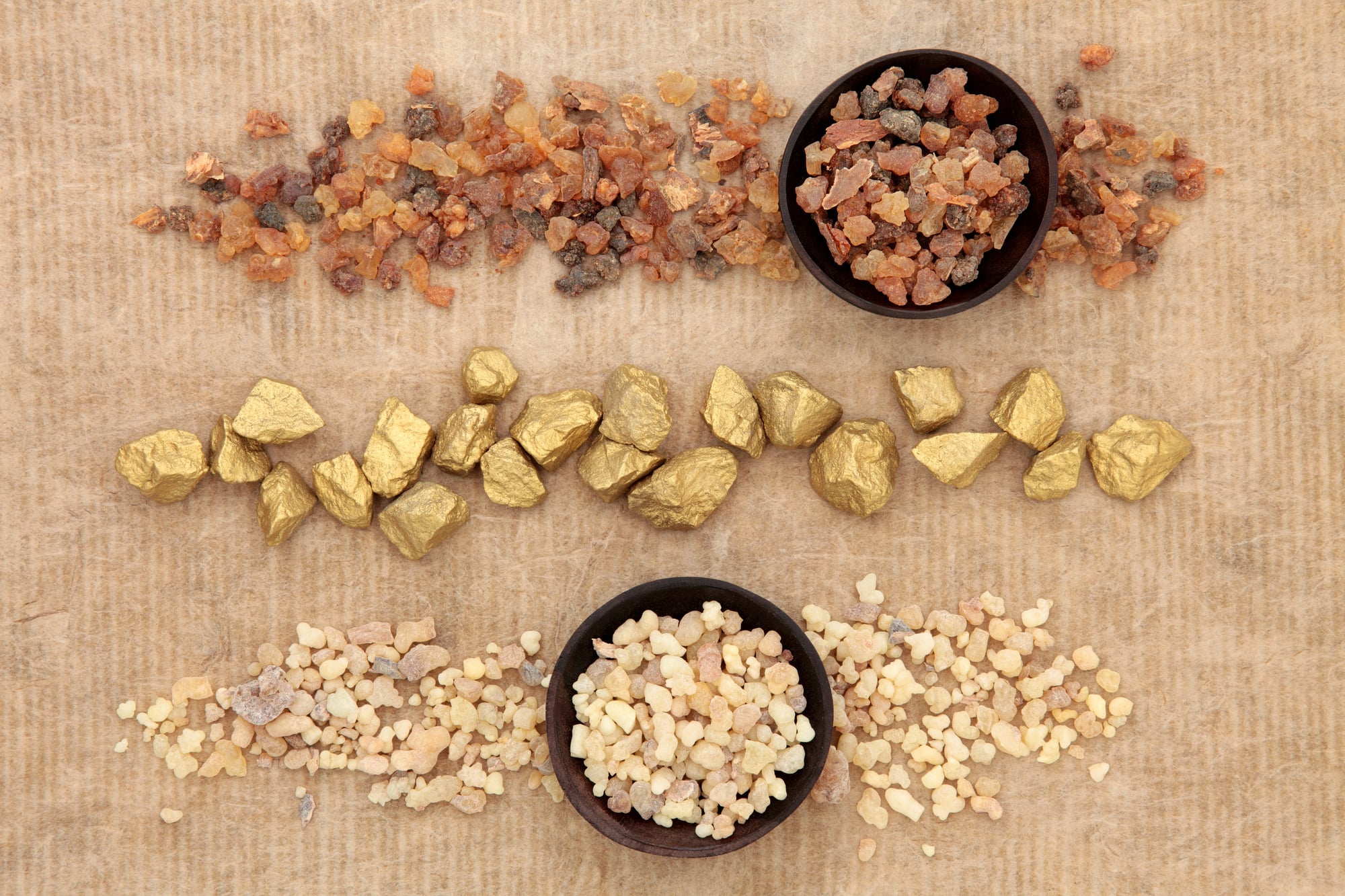
Ethiopian myrrh resin has been traded as currency, burned in temples, and preserved in royal tombs. Commiphora trees grow in arid highlands, producing resin that smells like incense mixed with earth and time.
Top-grade Ethiopian myrrh essential oil costs $4,800 per ounce. It captures thousands of years of aromatic tradition in liquid form.
When Rarity Becomes Art
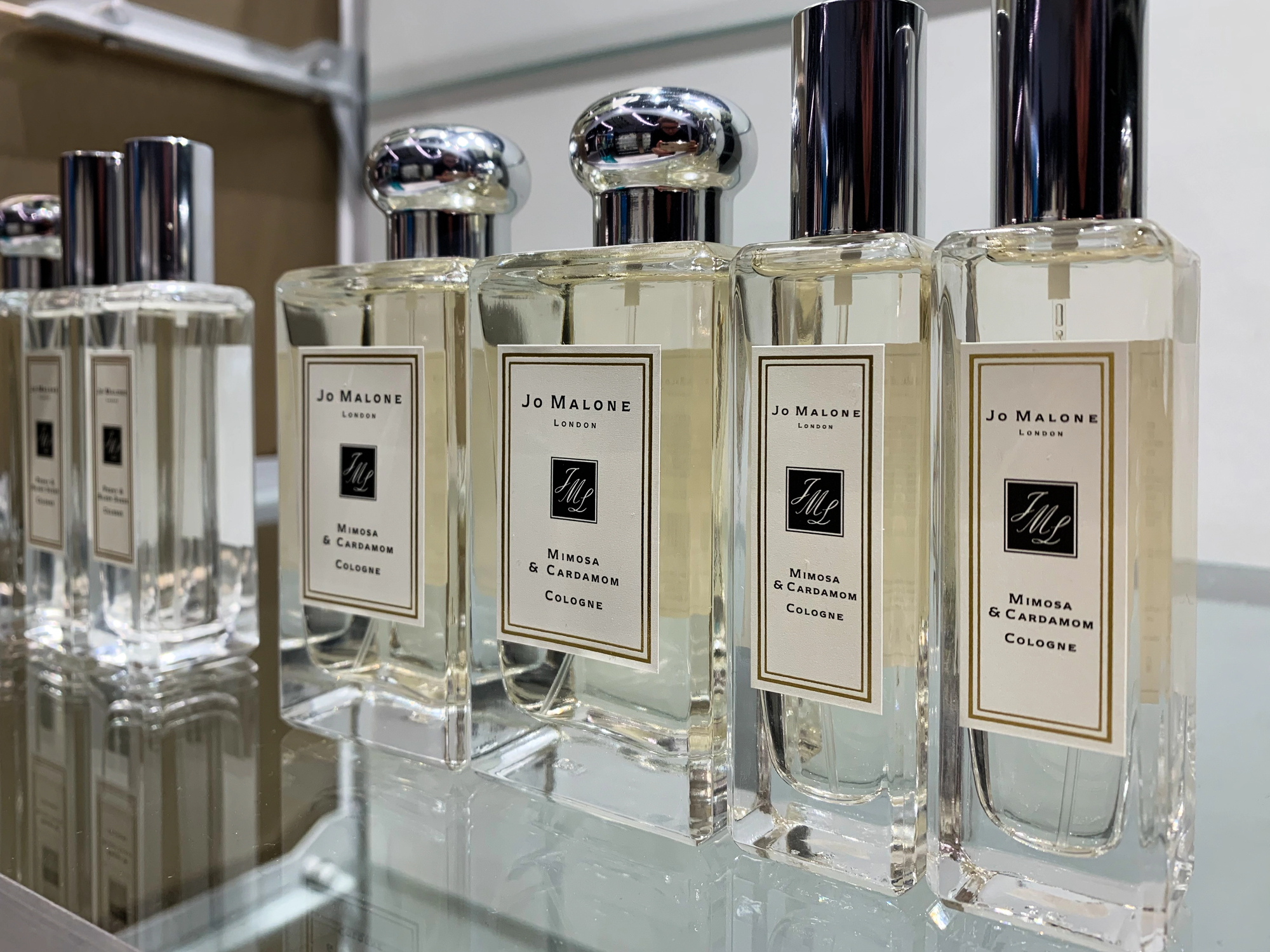
The most expensive perfumes made from rare plants aren’t just luxury items — they’re bottled arguments about what happens when scarcity meets artistry. They exist because someone decided the essence of endangered flowers and ancient trees deserved preservation.
Whether that preservation justifies the extraordinary cost depends on whether you believe some experiences of beauty are worth financial ruin, or at least serious reconsideration of your priorities.
More from Go2Tutors!

- The Romanov Crown Jewels and Their Tragic Fate
- 13 Historical Mysteries That Science Still Can’t Solve
- Famous Hoaxes That Fooled the World for Years
- 15 Child Stars with Tragic Adult Lives
- 16 Famous Jewelry Pieces in History
Like Go2Tutors’s content? Follow us on MSN.