The Most Expensive Sports Sponsorships in History
Money has always followed sport. But somewhere along the way, the numbers stopped being large and started being almost incomprehensible. A shoe deal that pays out over a billion dollars.
An airline with its name on a stadium for two decades. A soft drink company attached to the biggest tournament on earth.
The sponsorship industry has quietly become one of the most expensive arenas in all of business — and sports are at the center of it. Here’s a look at some of the biggest deals ever made.
Nike and the NFL: $7 Billion on the Biggest Stage in America
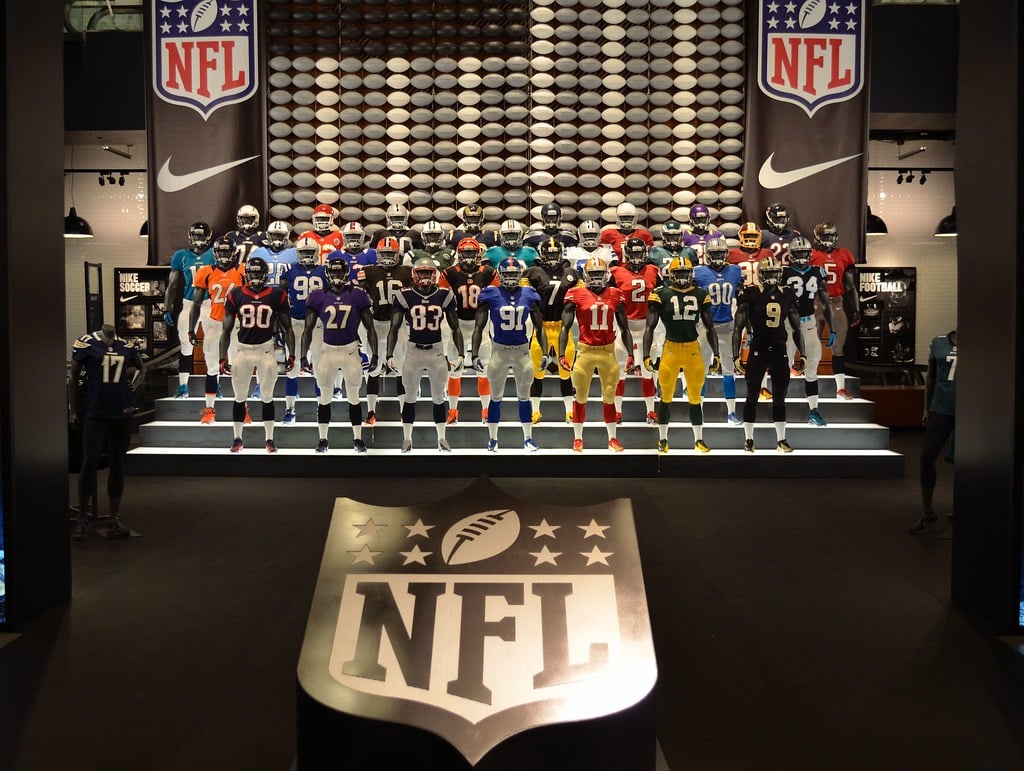
When Nike renewed its apparel deal with the NFL in 2020, it committed $7 billion over ten years. That means every jersey, every sideline jacket, every pair of socks worn on an NFL field belongs to Nike.
All 32 teams. Every week of the season.
The Super Bowl included. This isn’t just about clothing.
It’s about the most-watched sporting events in the United States, and the sheer volume of merchandise that flows from them. For Nike, the NFL deal is less a sponsorship and more a permanent reservation at the table.
Adidas and Manchester United: A Billion-Dollar Bet on a Global Brand
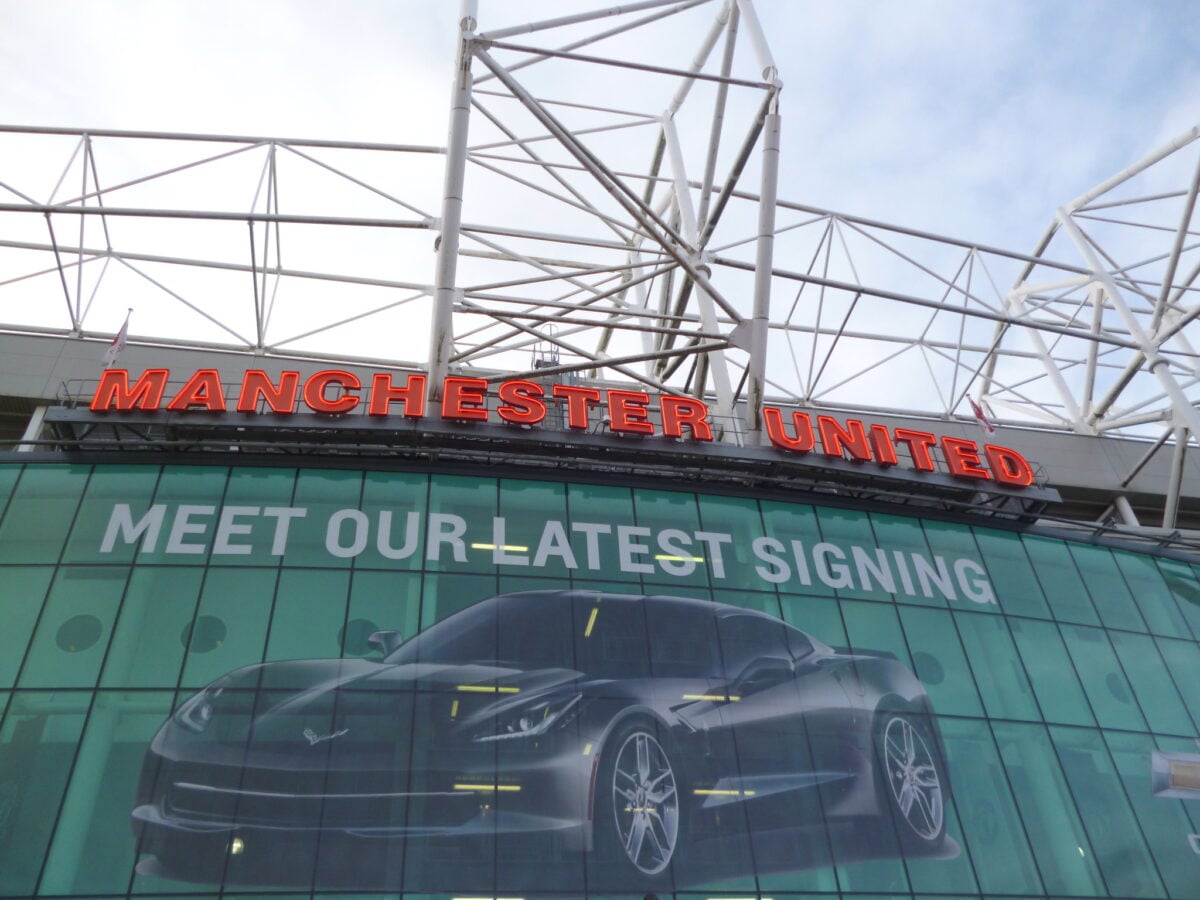
In 2015, Adidas agreed to pay £750 million — roughly $1.3 billion — over 20 years to become Manchester United’s kit supplier. It replaced Nike, which had held the deal before, and set a record for a single club partnership at the time.
The logic wasn’t hard to follow. Manchester United has a global supporter base that runs into the hundreds of millions. Their shirts get worn in Lagos, Jakarta, and Buenos Aires.
For Adidas, paying that kind of money wasn’t about football. It was about visibility in every timezone on earth.
Michael Jordan and Nike: The One That Started Everything
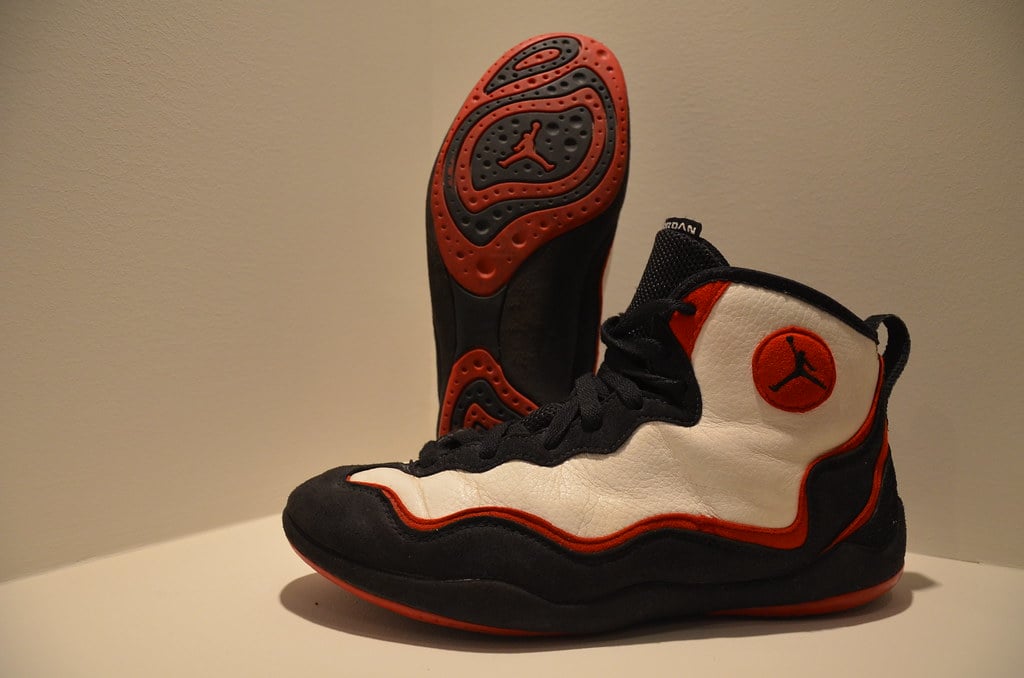
Before any of these mega-deals existed, there was a rookie from the Chicago Bulls and a company willing to break the rules to get him. Nike signed Michael Jordan in 1984, designed the Air Jordan sneakers specifically for him, and paid his $5,000-per-game NBA fines when he wore them in violation of the league’s uniform policy.
That rebellious origin story became part of the brand’s mythology. Over the decades since, Jordan has earned an estimated $1.3 billion from his Nike partnership — and Air Jordan remains its own billion-dollar business today, long after he retired.
No single athlete sponsorship has had more cultural or financial impact in the history of the industry.
LeBron James and Nike: The Lifetime Deal Worth Over a Billion
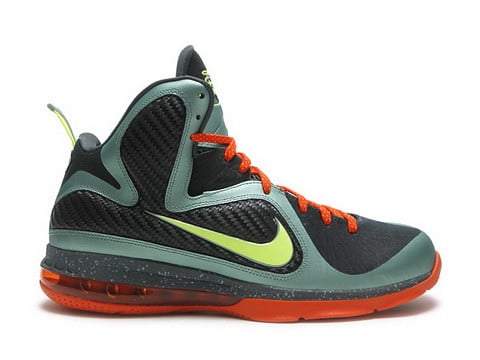
In 2015, LeBron James re-signed with Nike on a lifetime deal reported to be worth at least $1 billion. He was the first active NBA player to receive a lifetime contract from the brand, joining Jordan in that exclusive group.
What made it remarkable wasn’t just the money. It was the structure. Nike wasn’t paying for a few more seasons — they were paying for LeBron’s name and image indefinitely, including well into retirement.
Given how Jordan’s deal evolved after he stopped playing, that long-term bet makes a certain kind of sense.
Cristiano Ronaldo and Nike: The First Footballer to Go Lifetime
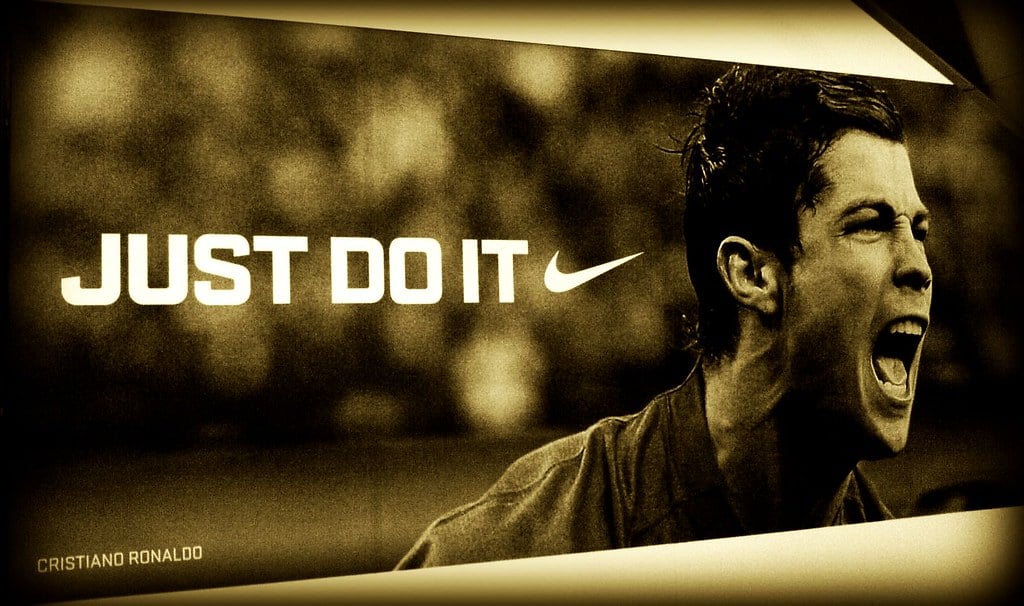
A year after LeBron, Cristiano Ronaldo signed his own lifetime deal with Nike in 2016, reportedly worth around $1 billion. He became the first footballer in history to receive that kind of arrangement from the sportswear giant.
Ronaldo had been with Nike since 2003, so the relationship was already long-established. But a lifetime deal represented a different kind of commitment entirely.
Nike wasn’t just buying his appearances on the pitch — they were investing in one of the most followed people on social media in the world, whose influence keeps compounding regardless of where he plays or how old he gets.
Lionel Messi and Adidas: Nike’s Rival Makes the Same Play
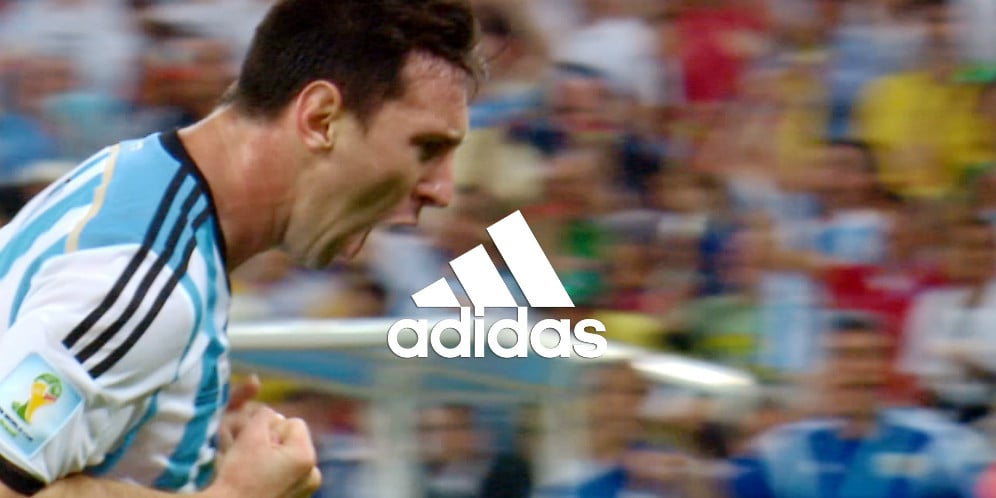
Not to be left behind, Adidas responded to the Ronaldo deal by signing Lionel Messi to his own reported lifetime deal in 2017, believed to be worth a similar figure approaching $1 billion.
The two greatest footballers of their generation, each locked into rival sportswear brands for life. There’s something almost cartoonishly perfect about the symmetry.
Adidas has had Messi’s boots since he was a teenager at Barcelona’s academy, and they weren’t about to let that relationship end just because someone else offered him more.
Emirates and Arsenal: 22 Years and $900 Million
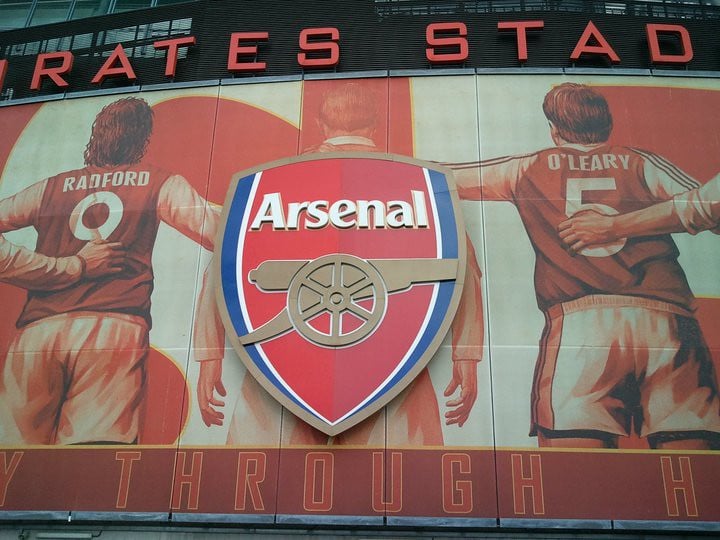
In 2006, Emirates Airlines secured both the naming rights to Arsenal’s stadium and a shirt sponsorship deal in one sweeping agreement worth around $900 million across 22 years.
It was one of the earliest and largest examples of a Middle Eastern brand buying its way into the heart of European football. The stadium in north London is still called the Emirates Stadium today.
Arsenal players still wear the airline’s logo on their shirts. And the deal helped establish a template that many other clubs and sponsors would follow — the long-term, multi-layered partnership that touches everything from the building itself to what the players wear on matchday.
Qatar Airways and FIFA: $770 Million to Own a World Cup
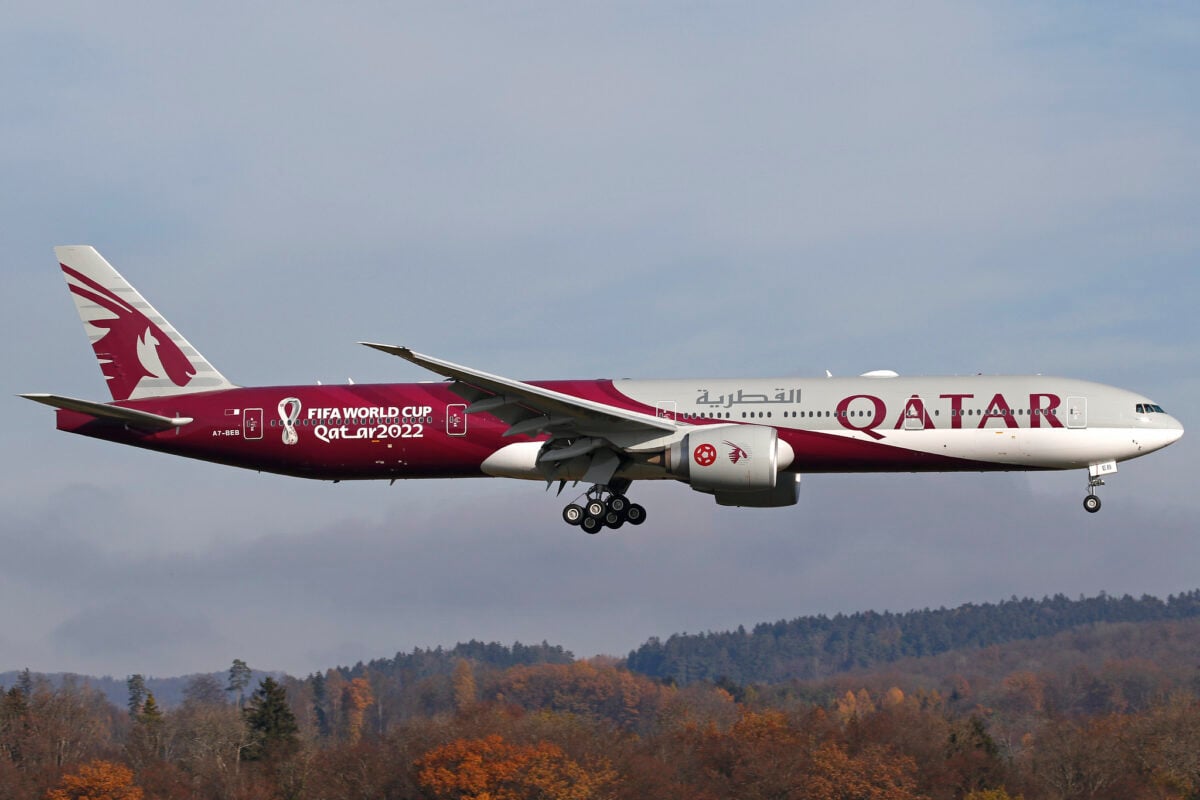
Ahead of the 2022 World Cup, Qatar Airways signed a deal with FIFA worth $770 million over five years, becoming one of the tournament’s top-tier partners alongside Adidas and Visa.
The deal was part of a broader pattern. Qatar had already purchased Paris Saint-Germain through state investment.
The World Cup itself was being hosted in Qatar. And the national airline was now a headline sponsor of the tournament.
Whether you view that as sophisticated brand strategy or as something else entirely depends on your perspective — but the price tag left no doubt about the intent.
Chevrolet and Manchester United: $559 Million on a Shirt
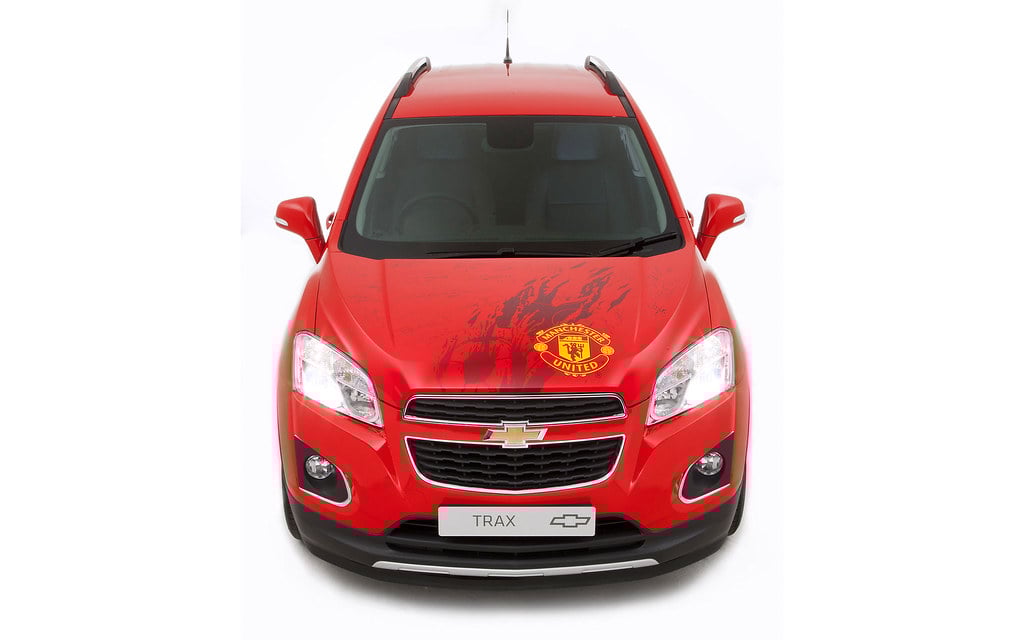
Before the Adidas kit deal arrived, Chevrolet was on the front of Manchester United’s shirt. The deal, signed in 2012 and worth $559 million over seven years, was one of the largest shirt sponsorships ever agreed to at the time.
The fit was unusual. General Motors was trying to grow Chevrolet in markets across Asia and Africa, and United’s global reach made financial sense. But many observers noted the strange sight of an American car brand on the chest of an English football club — and Chevrolet struggled to gain the traction they’d hoped for in those markets.
The deal ended in 2021, replaced by TeamViewer.
Kevin Durant and Nike: $300 Million Over Ten Years
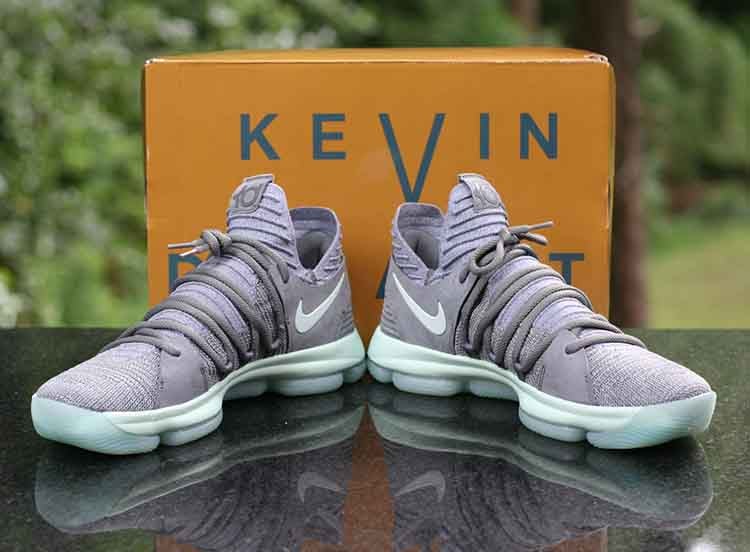
In 2014, Kevin Durant signed a ten-year extension with Nike worth up to $300 million, reportedly including a $50 million payment upon retirement. At the time, it was described as the largest single-athlete sponsorship deal in the United States.
Durant had already been with Nike before the extension, and the renewed deal came with an equity stake in the company — meaning he wasn’t just earning from the brand but actually owning a slice of it. That ownership model has become more common since, but Durant was among the first athletes to negotiate it at this scale.
Apple Music and the Super Bowl Halftime Show: $250 Million
For decades, Pepsi held the title sponsorship of the Super Bowl halftime show. Then Apple Music came along and reportedly outbid them to the tune of $250 million for a multi-year deal.
The halftime show reaches over 100 million viewers in a single night. The performing artist doesn’t get paid — the exposure is considered compensation enough, and the numbers back that up.
After Rihanna performed in 2023, her Spotify streams jumped by over 600% the following day. Apple Music paid $250 million for the right to put its logo at the center of that moment. Given the streaming wars they’re fighting, it’s hard to call that expensive.
Coca-Cola and FIFA: Half a Billion Dollars at the World Cup
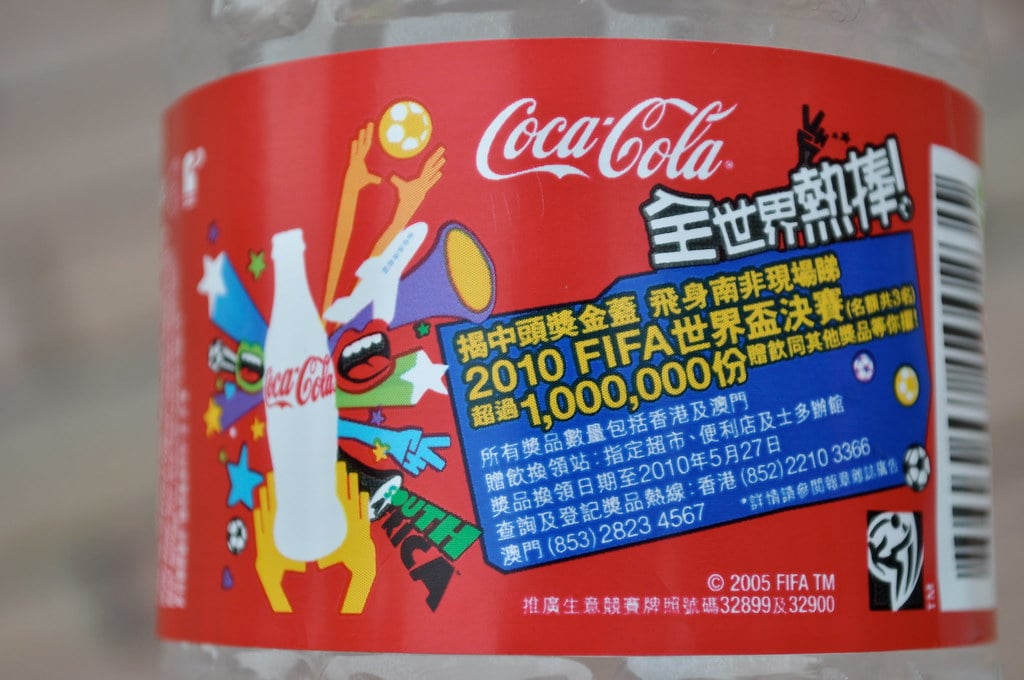
Coca-Cola has been a FIFA partner for decades, and its most recent sponsorship extension came in at over $500 million. That secures the brand’s place at future World Cup tournaments across television broadcasts, stadium branding, official merchandise, and global advertising campaigns.
For Coca-Cola, sports sponsorship isn’t a recent experiment — it’s a foundational part of how the company has built global brand recognition for over a century. The FIFA relationship is simply its most expensive expression.
Rolex and Formula 1: Precision as Brand Identity
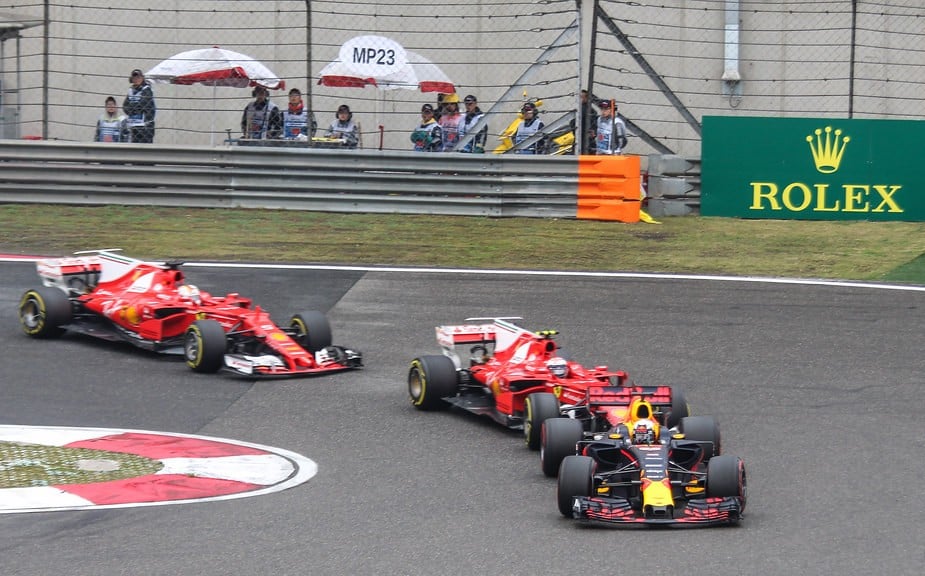
Timing matters most when margins are thin. Rolex keeps track at Formula 1 races, paid handsomely – said to be half a billion dollars. Looks natural, sure. A name tied to exactness backing a contest decided by tiny fractions of seconds.
Precision meets pace where every tick counts. Yet here’s the real prize Rolex gains – a link to a sport whose crowd has shifted dramatically lately.
Thanks to Netflix’s Drive to Survive, F1 now pulls in fans who are younger, richer, and spread wider across the world. Spotting the Rolex name during race events means being seen by precisely those people the company aims for.
That connection didn’t exist before.
Tiger Woods and Nike After 27 Years
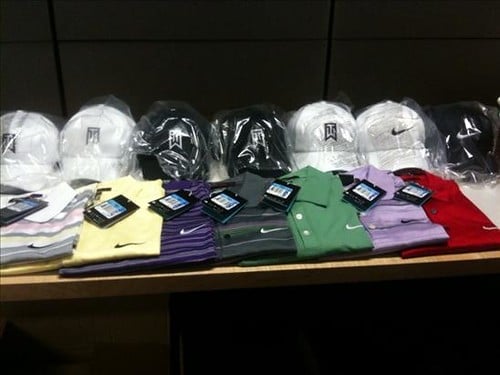
Right out of the gate in 1996, Tiger Woods teamed up with Nike just as he turned pro. That first contract sat at $40 million – huge back then – yet it ballooned over time thanks to several re-signings, ending near $200 million altogether.
Red shirts on Sundays turned into something everyone noticed. Campaigns sprang up around that look, built quietly but consistently. Though trouble followed later – swings gone wrong, moments away from greens – the support stayed fixed.
That steady presence carried on for nearly three decades. When the split finally came in 2024, it felt less like an end and more like a shift.
He stepped forward with gear stamped under his own name now: TW Apparel. Few partnerships run that long anymore.
Stephen Curry and Under Armour Creating a Brand Together
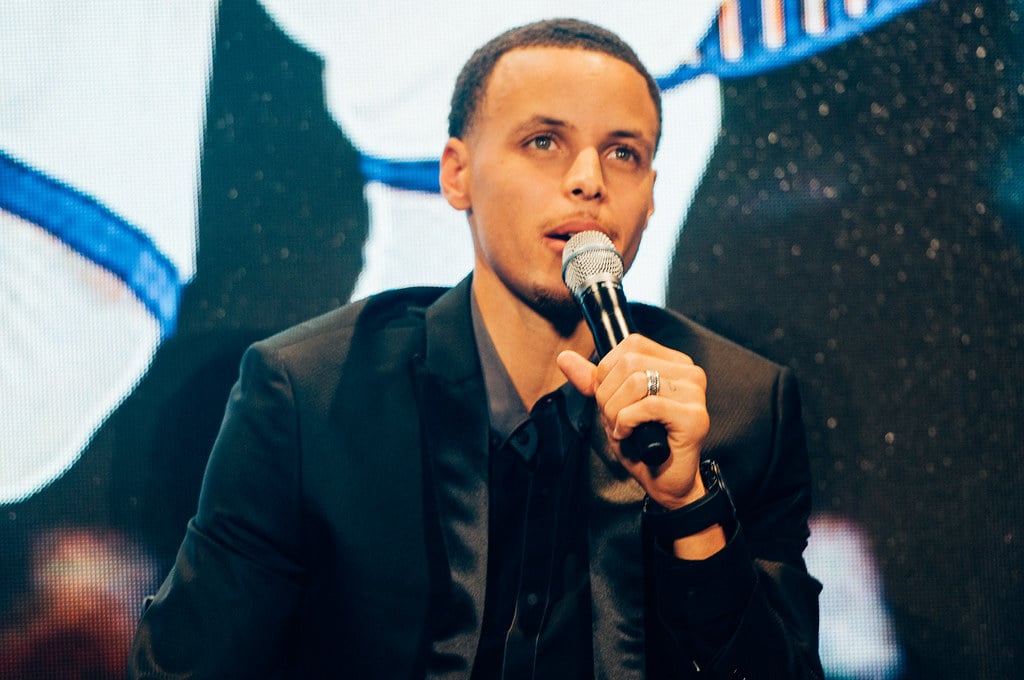
Back in 2013, Stephen Curry signed with Under Armour under quiet terms. His rise through titles and MVP honors changed everything slowly but surely.
That early agreement ballooned far beyond expectations because of his success on court. Reports now suggest the full value tops one billion dollars when factoring in stock ownership.
A new chapter opened when the Curry Brand launched in 2020, built around his influence. What began small became a defining alliance between athlete and brand.
Curry stepping onto the scene changed everything for Under Armour. Not long ago, they stood out only in workout clothes and gridiron equipment.
With him came something new: real presence in hoops, a space locked down by giants like Nike and Adidas for years on end. Suddenly, sneakers shaped the direction of an entire business.
Court wins turned into boardroom shifts without warning.
When Money Turns Into What Lasts

Money in sports deals often floats beyond reason. A thousand million spent to link a brand with one player.
Seven times that amount paid just to dress a whole league. Close to a billion handed over so an airline’s name can sit atop a venue near London’s edge.
Still, what ties it all down isn’t crowd numbers alone – it’s how deeply fans feel when they watch. A person won’t pick a vehicle after spotting a sponsor at the track.
They won’t open an account just because a brand flashes behind home plate. Yet those links stick, quietly shaping choices without clear proof or much thought.
Every time, the figures rise since nothing else pulls at emotions like branding does. Until another method shows up, growth won’t slow down.
More from Go2Tutors!

- The Romanov Crown Jewels and Their Tragic Fate
- 13 Historical Mysteries That Science Still Can’t Solve
- Famous Hoaxes That Fooled the World for Years
- 15 Child Stars with Tragic Adult Lives
- 16 Famous Jewelry Pieces in History
Like Go2Tutors’s content? Follow us on MSN.



