The Most Impressive Movie Makeup Effects
Movie magic happens in a lot of places, but some of the most unforgettable moments come from what artists can do with foam, latex, and paint.
Long before CGI took over Hollywood, makeup artists were turning actors into monsters, aging them fifty years, or creating creatures that still hold up decades later.
Even now, with all the digital tools available, practical makeup effects have a tangible quality that computers still struggle to match.
Let’s take a closer look at the transformations that pushed the boundaries of what’s possible with makeup alone.
The Elephant Man brought humanity to prosthetics
Picture spending eight hours in a makeup chair every single day, just so you can act through layers of latex and foam.
That was John Hurt’s reality for The Elephant Man in 1980.
Christopher Tucker created prosthetics that had to do something incredibly difficult: show severe facial deformities while still letting Hurt’s eyes, his soul really, shine through.
The pieces covered most of his face and head, recreating Joseph Merrick’s condition with painful accuracy.
But here’s what made it truly special. You never stopped seeing the person underneath.
The makeup didn’t steal the show.
It served the story.
The Academy didn’t even have a makeup category yet, but this film’s impact was so profound they created one just two years later.
An American Werewolf in London set the gold standard
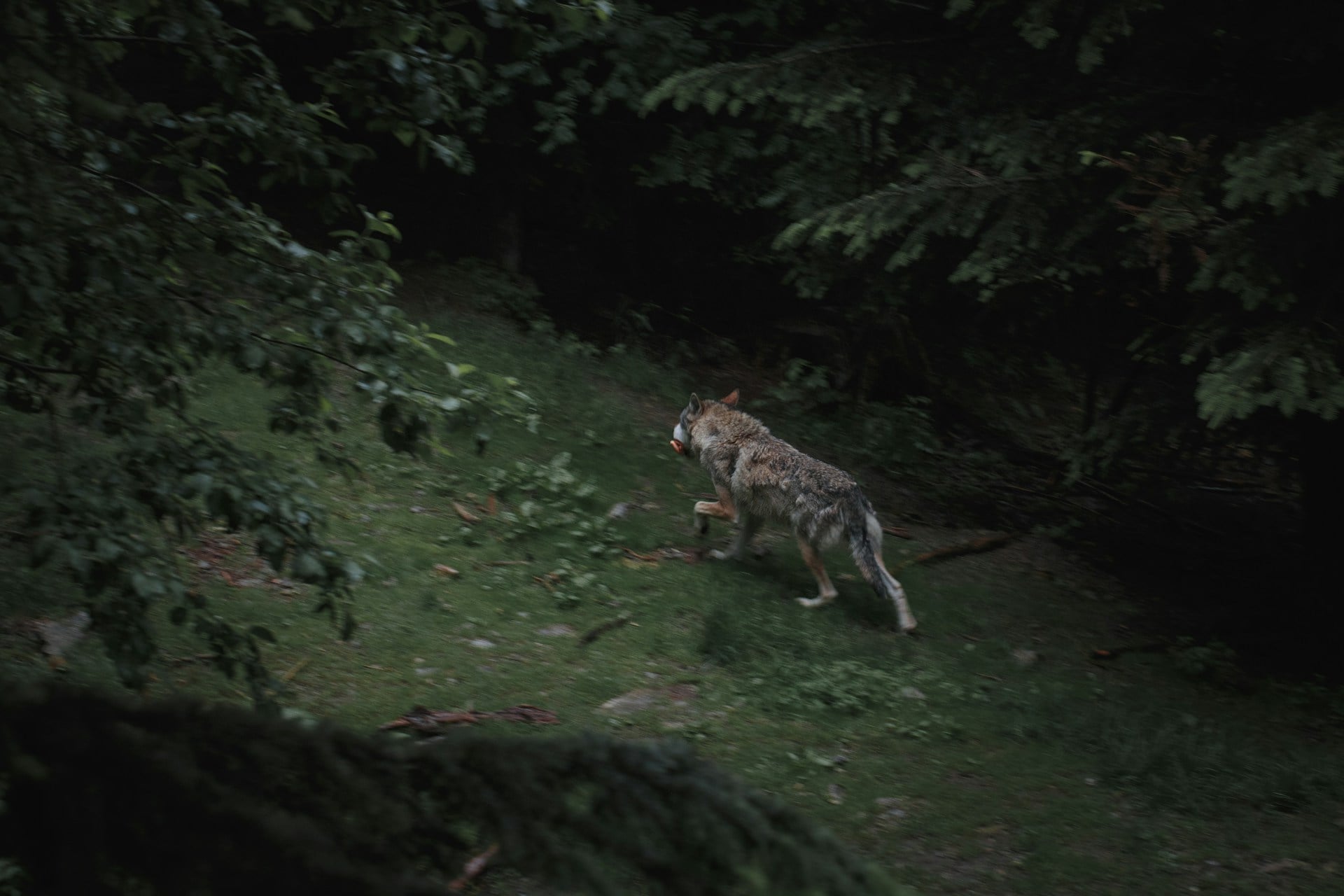
Rick Baker’s transformation sequence in 1981 is still the one every filmmaker points to when they want to explain what practical effects can do.
David’s transformation takes nearly three minutes of screen time.
You watch bones crack and shift.
Limbs extend.
A snout pushes through a human face.
It’s uncomfortable and mesmerizing.
Baker used mechanical puppets, prosthetic bladders that inflated under fake skin, and werewolf suits detailed enough to hold up in broad daylight.
That’s right, director John Landis filmed it with full lighting, no shadows to hide behind.
Everything had to be perfect.
The work won the very first Academy Award for Best Makeup, and forty years later, it remains unmatched.
Mrs. Doubtfire made cross-dressing completely convincing
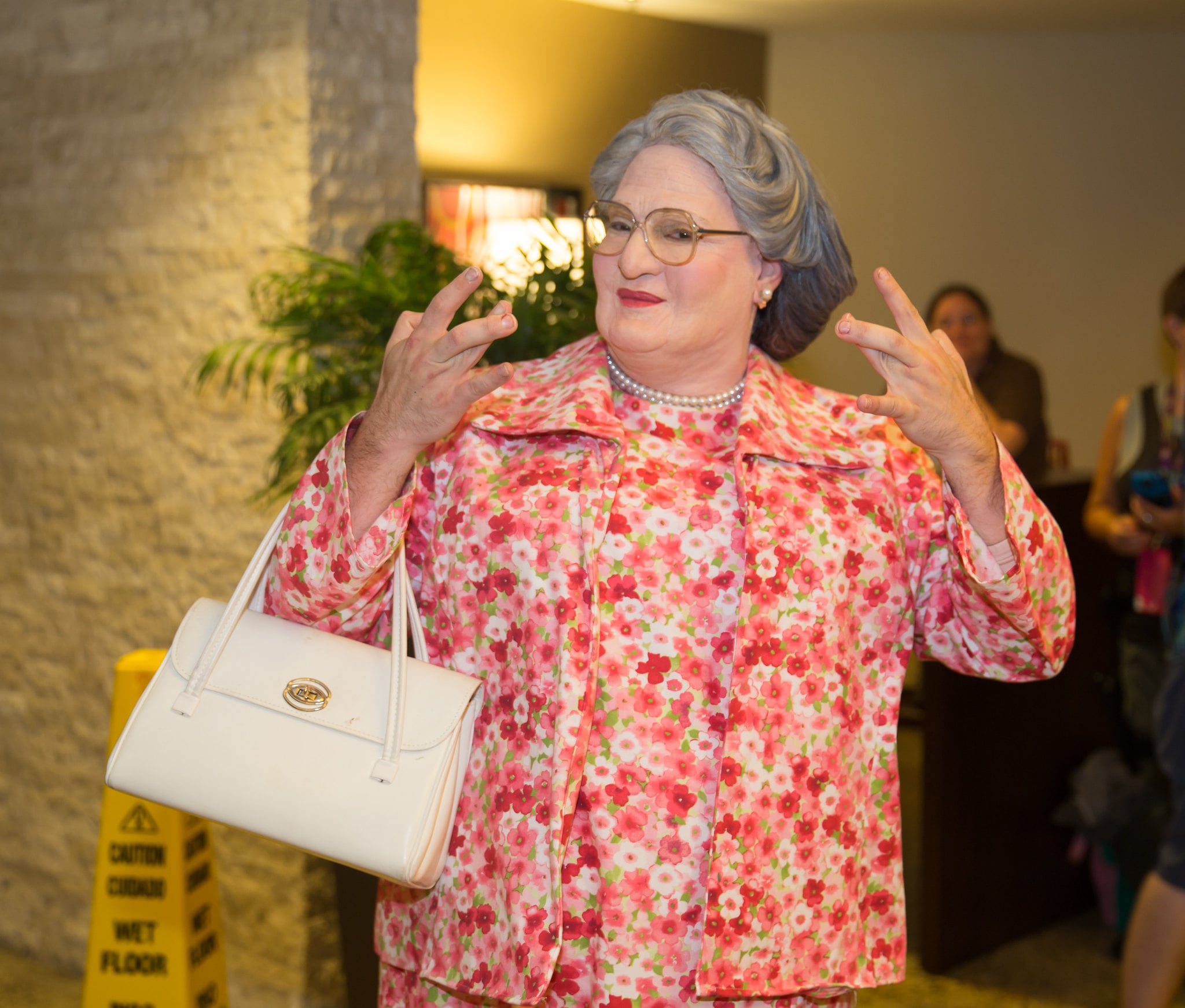
Robin Williams spent four and a half hours every morning becoming an elderly British woman, and the result was so good that audiences forgot they were watching one of the most recognizable faces in Hollywood.
Ve Neill and her team built facial prosthetics, custom wigs, and body padding that had to survive Williams doing what Williams did best: physical comedy, wild improvisation, and performing under hot studio lights for hours.
The makeup held up in every shot.
Close-ups.
Wide angles.
Dance sequences.
You completely believed this was a real person.
The Oscar they won felt deserved, and when the Smithsonian asked for the actual prosthetics, it confirmed what everyone already knew.
This was movie history.
The Fly showed body horror at its most disturbing

Jeff Goldblum’s slow transformation into Brundlefly required something most actors never experience: watching yourself decay over months of filming.
Chris Walas and Stephan Dupuis created stages of mutation that felt genuinely organic, not like a costume you put on.
The progression started subtle.
Fingernails falling off.
Skin texture changing.
Then it accelerated into full-body prosthetics that took five hours to apply and looked absolutely revolting in the best possible way.
The textures, the colors, the way everything seemed wet and wrong.
It worked because every stage felt connected to the last.
You tracked the disease.
You believed it was happening.
The Oscar was inevitable, and people still get squeamish watching it today.
Ed Wood recreated Bela Lugosi with eerie accuracy
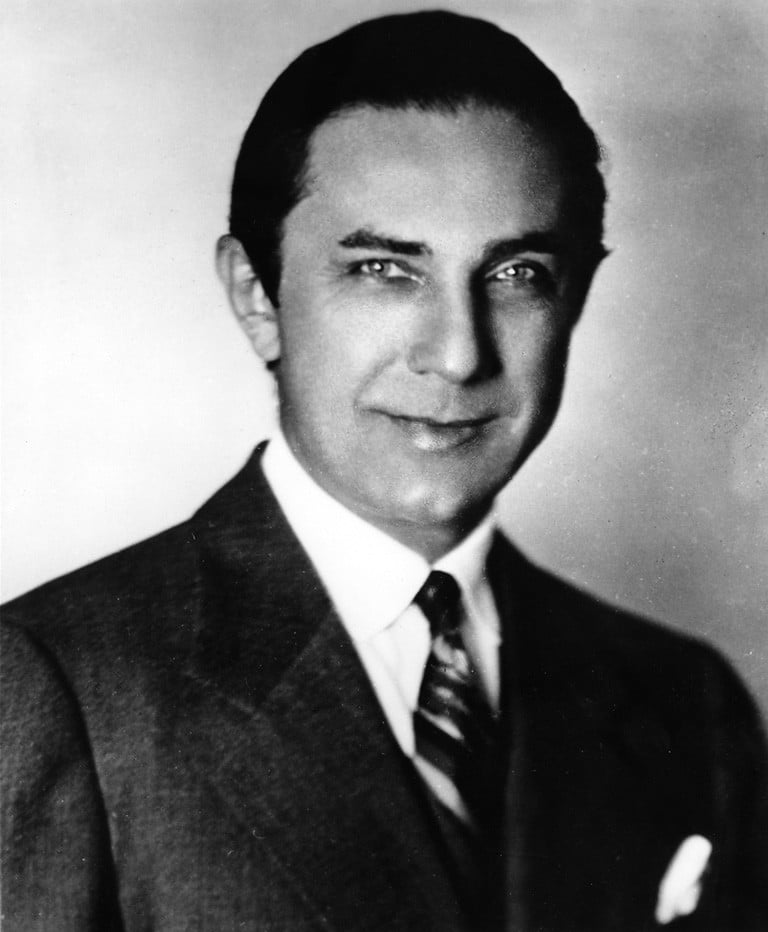
Transforming Martin Landau into Bela Lugosi for Tim Burton’s 1994 biopic was tricky because everyone knew what Lugosi looked like.
Ve Neill, Rick Baker, and Kevin Haney couldn’t fudge the details.
They studied photographs and old films obsessively, capturing Lugosi’s distinctive features down to the smallest detail.
The prosthetics took hours to apply daily.
When people who actually knew Lugosi saw the film, some said it felt like seeing a ghost.
The makeup didn’t just help Landau win Best Supporting Actor.
It won its own Oscar.
And it proved something important: effects should serve performance, not compete with it.
The Nutty Professor showcased multiple characters flawlessly
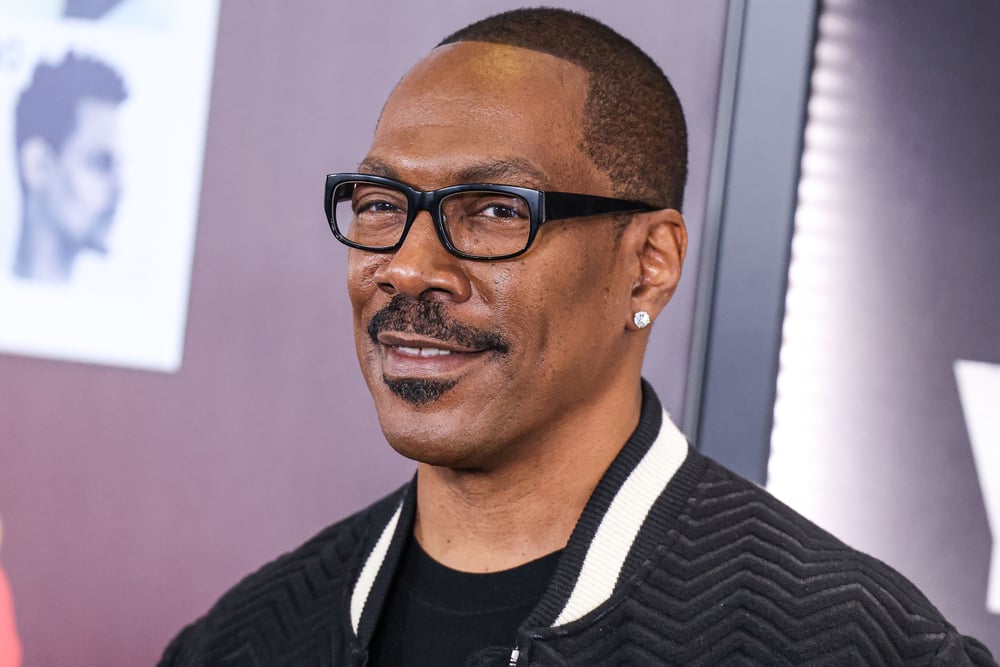
Eddie Murphy playing seven members of the Klump family could have been a cute gimmick that wore thin fast.
Instead, Rick Baker’s work made each character so distinct and believable that you forgot you were watching one person.
That dinner table scene where the whole family argues?
Different body suits, facial prosthetics, and character-specific details for each role.
The fat suits weighed up to fifty pounds.
Application took hours.
But Baker understood something crucial: the makeup had to let Murphy act.
Each character needed to feel like a complete person with their own mannerisms and personality.
The Oscar he won proved that comedy makeup deserves just as much respect as horror.
Hellboy created an icon through practical design
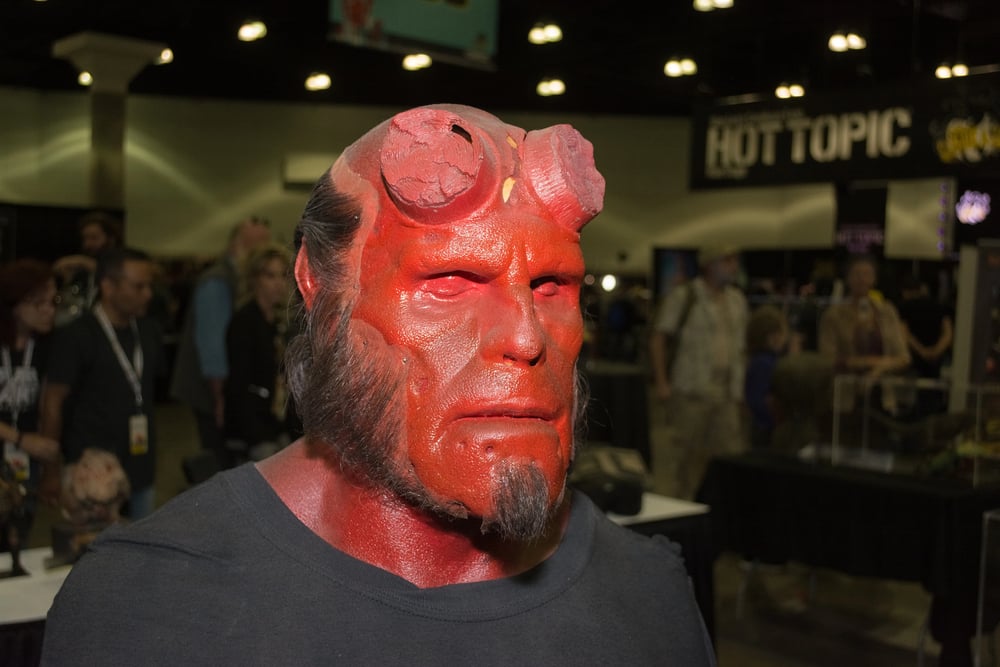
Ron Perlman sat in a makeup chair for four hours every single day to become Hellboy, and the commitment shows in every frame.
Jake Garber’s team built muscle suits, facial prosthetics, and those distinctive filed-down horns that became instantly iconic.
The red skin couldn’t look like body paint.
It had to seem natural, lived-in, real.
And it had to survive intense action sequences without falling apart.
What they achieved was something special: a demon who felt genuinely present.
Perlman could emote through everything.
You saw frustration, humor, sadness, all through layers of makeup.
When later films tried CGI versions, audiences immediately noticed something missing.
That physical weight.
That tangible presence.
You can’t fake that with computers.
Click aged Adam Sandler across decades convincingly
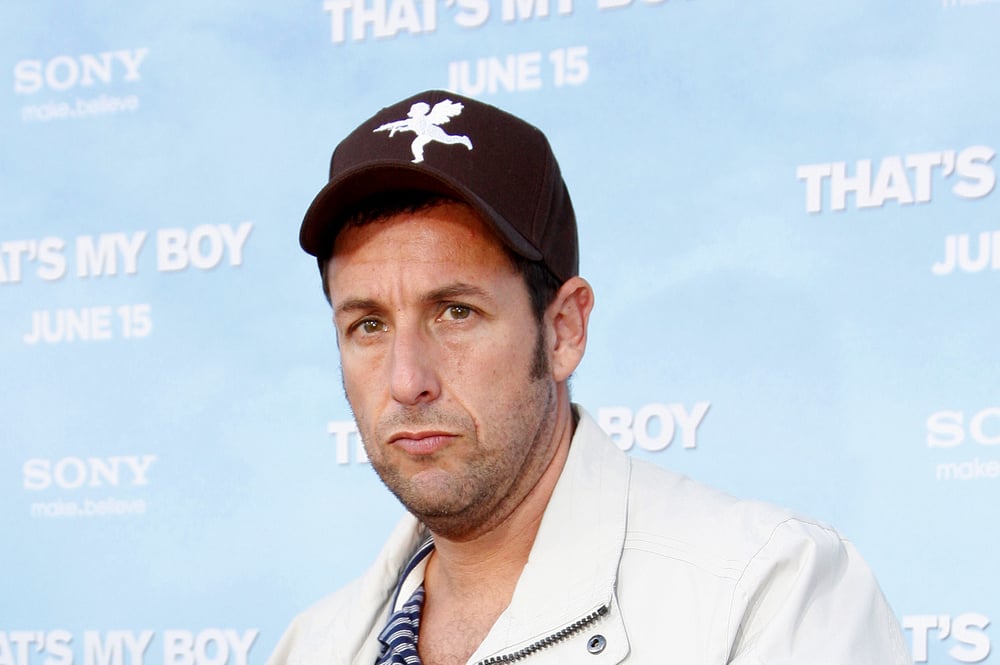
This 2006 comedy isn’t usually mentioned alongside makeup classics, but Kazuhiro Tsuji’s work aging Sandler from his forties into his nineties deserves serious recognition.
The old-age makeup for the final act took four hours to apply and used incredibly thin prosthetics that moved with Sandler’s expressions rather than restricting them.
Tsuji studied how skin actually ages, how gravity affects faces over time, how elderly people move differently.
The result looked nothing like the thick rubber masks you usually see.
You could still see Sandler’s character underneath all those years.
It demonstrated just how refined and sophisticated makeup effects had become since the earlier, heavier approaches.
The Curious Case of Benjamin Button blended makeup with digital technology
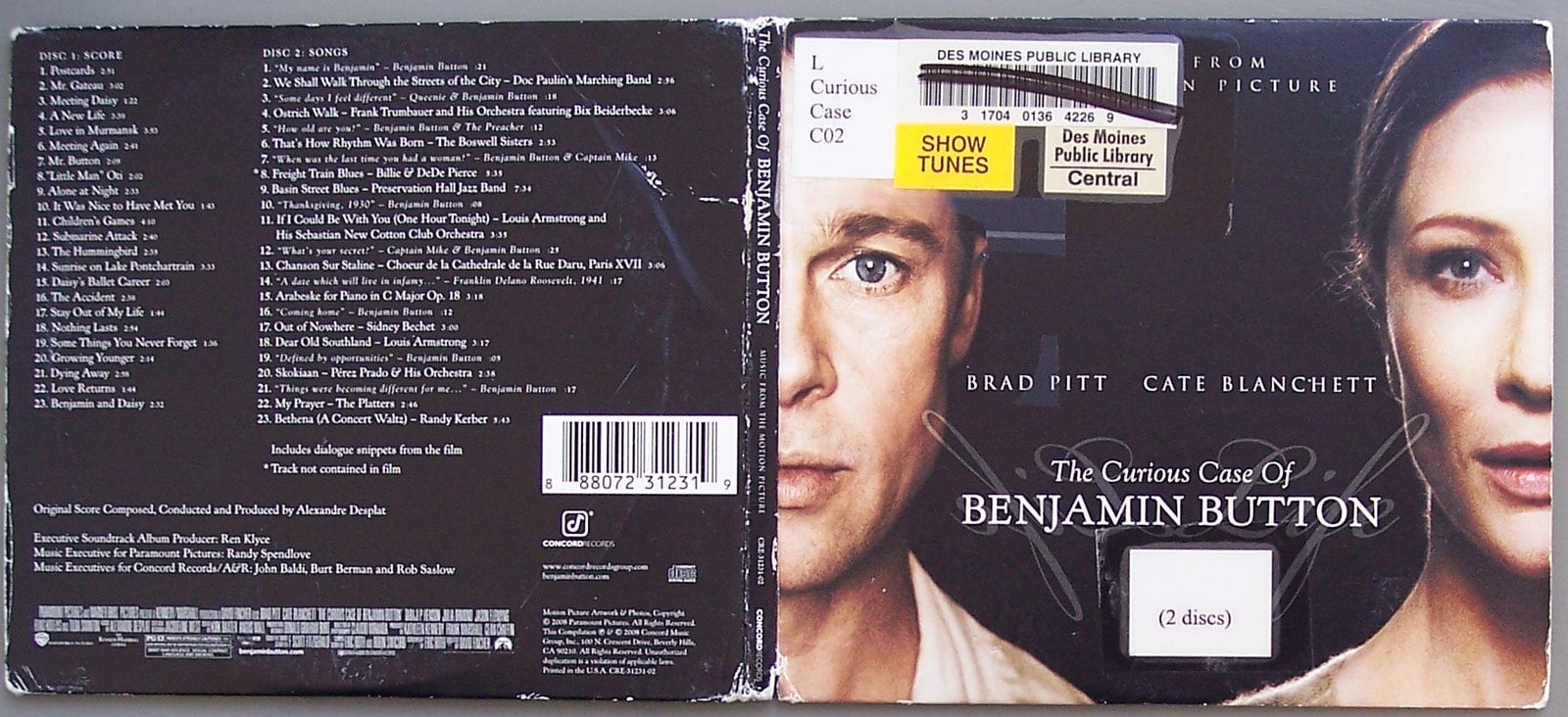
This film sparked endless debates about where makeup ends and visual effects begin, which is exactly what made it fascinating.
Greg Cannom created prosthetics for the middle portions of Benjamin’s reverse aging, designed specifically to be enhanced digitally rather than replaced entirely.
The collaboration required unprecedented precision because the makeup had to track perfectly with CGI additions.
It won the Oscar for Best Makeup, though some argued it belonged in visual effects instead.
Really, it belonged in both categories.
The film showed that the future wasn’t about choosing between practical and digital.
It was about making them work together seamlessly.
The Wolfman honored classic monster makeup with modern techniques

When Rick Baker returned to werewolf effects for the 2010 remake, he had a delicate balance to strike.
Honor the 1941 Lon Chaney Jr. original that inspired him as a kid, but use everything he’d learned in the three decades since An American Werewolf in London.
Benicio Del Toro spent three hours daily in the chair for the transformation.
The design kept that classic upright posture and expressive face rather than going for a quadrupedal creature.
Some critics dismissed the film, but the Academy recognized what Baker accomplished.
Another Oscar.
Another reminder that even surrounded by CGI monsters, practical makeup still carries tremendous power and emotional weight.
Darkest Hour transformed Gary Oldman into Winston Churchill
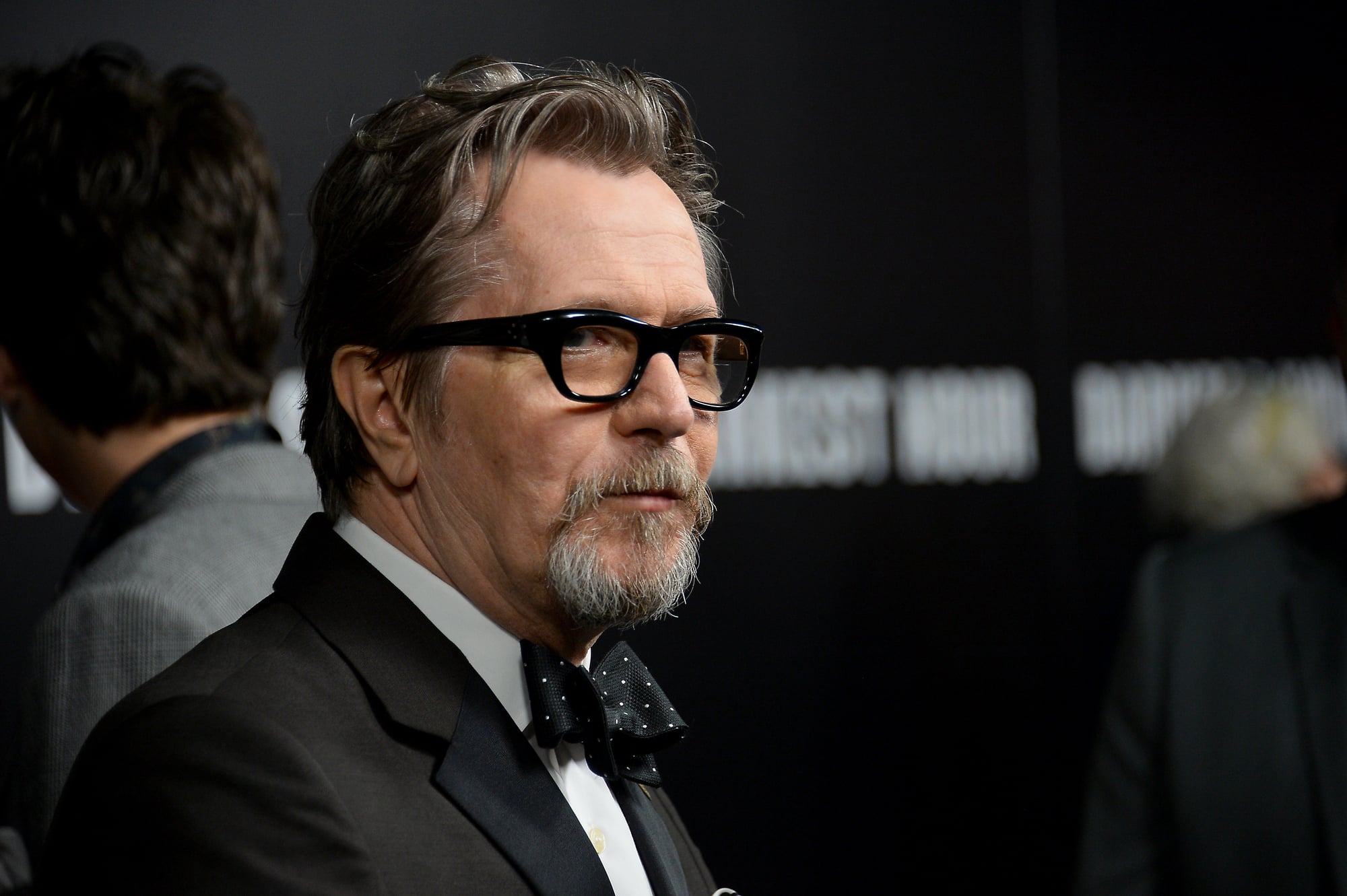
Kazuhiro Tsuji had actually retired from the film industry when Gary Oldman personally convinced him to come back for this transformation.
Good thing he did.
The prosthetics were so convincing that people watching trailers thought they were seeing archive footage.
Tsuji created incredibly thin, lightweight pieces that gave Oldman complete freedom to act.
He studied hundreds of photos and film clips, capturing Churchill’s jowls, his slight slouch, those distinctive facial proportions.
The application took three and a half hours, but the result didn’t look like makeup at all.
It looked like Oldman simply was Churchill.
The Oscar Tsuji won felt like vindication after two previous nominations without a win.
Vice made Christian Bale disappear into someone we all knew

Christian Bale gained forty pounds to play Cheney, but it was Greg Cannom’s prosthetics that completed a transformation so thorough it was almost disturbing.
Cheney was vice president during most viewers’ lifetimes.
Everyone knew his face.
That distinctive sneer, those heavy-lidded eyes, the overall facial structure.
Cannom had to account for Bale’s completely different bone structure and create pieces that looked natural under any lighting.
The daily application took considerable time throughout a lengthy shoot.
But it worked.
The Oscar confirmed what audiences already felt: they’d watched Cheney, not an actor playing him.
That’s the highest compliment makeup artistry can receive.
Bombshell recreated Megyn Kelly with surgical precision

Here’s a challenge: transform Charlize Theron into someone millions of people watched on television regularly.
Kazuhiro Tsuji, Anne Morgan, and Vivian Baker made it look easy, which of course meant it was incredibly difficult.
Side-by-side comparisons of Theron and Kelly were nearly identical.
They altered Theron’s nose, jawline, and overall facial proportions with prosthetics so seamless you couldn’t see them.
The team won their third consecutive Oscar, dominating the category like few have before or since.
And they proved something makeup artists have always known: creating real people is often harder than creating monsters.
Monsters can look however you want.
Real people have to look exactly right.
The Whale created a deeply human portrait through prosthetics
With The Whale, Adrien Moyer and Anne Morgan had an uncommon task: make makeup that viewers would hardly notice.
In order for Brendan Fraser to give one of the most emotionally unvarnished performances in recent memory, the prosthetics had to portray a 600-pound man.
The design prioritized realism and dignity over spectacle and caricature.
Fraser worked in makeup for hours every day for a demanding shoot that called for extreme vulnerability.
Fraser won Best Actor and received an Oscar nomination for the performance.
Audiences and critics remarked that his performance was never overshadowed by the makeup.
It made it possible.
That’s what separates great makeup from good makeup.
Maestro aged Bradley Cooper across Leonard Bernstein’s lifetime
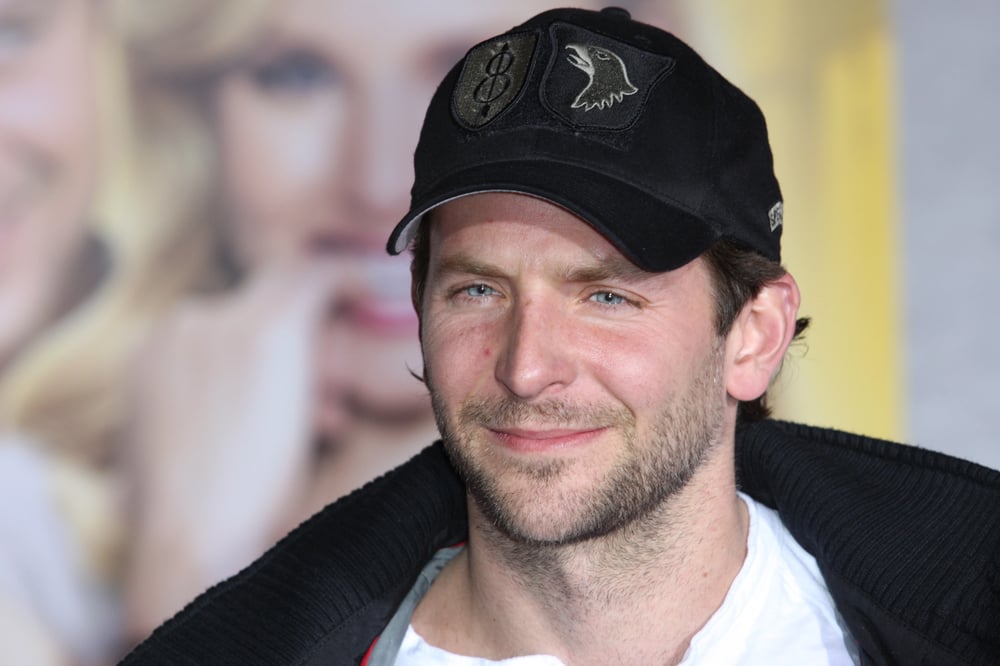
Kazu Hiro created multiple stages of aging for Cooper’s portrayal of the legendary conductor, tracking Bernstein from his thirties through his seventies.
The prosthetic nose sparked some controversy, but it was based on extensive research of Bernstein’s actual features.
The aging makeup showed subtle changes in skin texture, tone, and facial structure that reflected not just years passing but a life fully lived.
Hiro earned another Oscar nomination, adding to a track record that’s made him one of the most respected names in the field.
His work proves that makeup effects aren’t about showing off.
They’re about serving the story and the actor telling it.
Poor Things created a fantastical Victorian world through character design
Normal makeup couldn’t be created by Nadia Stacey and Mark Coulier because Yorgos Lanthimos doesn’t make normal films.
Poor Things needed characters that walked a fine line between being realistic and manufactured, feeling both historically accurate and purposefully odd.
Changes in Emma Stone’s hair and makeup that represented her emotional and mental growth helped to document her character development.
Prosthetics and designs for supporting characters had to fit the surreal tone of the movie without coming across as cartoonish.
Something significant was acknowledged by the Oscar they received: makeup effects can support a director’s unconventional vision while remaining rooted in character.
It’s okay to be weird sometimes.
Why practical effects still matter in a digital age
Computers can create literally anything these days, yet practical makeup effects keep winning Oscars and audience appreciation.
There’s something about knowing an actor actually wore that transformation rather than having it painted on later.
You can sense the difference even if you can’t articulate why.
The best modern films understand this and use both approaches strategically.
Makeup artists keep pushing boundaries with thinner prosthetics, better materials, and techniques that allow more natural movement and expression.
These transformations happen at four in the morning in a makeup trailer, one carefully applied piece at a time.
That human touch, that artistry, that’s something algorithms can’t replicate.
And honestly, that’s comforting.
Some movie magic still requires actual magic hands.
More from Go2Tutors!

- The Romanov Crown Jewels and Their Tragic Fate
- 17 Halloween Costumes Once Considered Taboo
- Famous Hoaxes That Fooled the World for Years
- 15 Child Stars with Tragic Adult Lives
- 16 Famous Jewelry Pieces in History
Like Go2Tutors’s content? Follow us on MSN.