The Most Secure Locations on the Planet
Security comes in many forms. Some places are protected by mountains of granite, others by armed guards and technology so advanced it seems like science fiction.
These locations store everything from gold reserves and government secrets to seeds that could one day save humanity. They represent the pinnacle of human ingenuity when it comes to keeping things safe from threats both external and internal.
The world’s most secure locations aren’t always where you’d expect them. Here is a list of places that have earned their reputation through layers of protection that would make even the most determined intruder think twice.
Fort Knox

The United States Bullion Depository at Fort Knox sits adjacent to a military base in Kentucky and holds roughly 5,000 tons of gold bars belonging to the American government. The vault itself hides in a basement behind a 250-ton door, while the building’s walls combine concrete lined with granite and reinforced steel to withstand direct attacks.
The entire site is surrounded by a military installation, and rumors persist about electric fences, landmines, and laser-triggered defense systems protecting the perimeter, though officials have never confirmed these details.
The White House
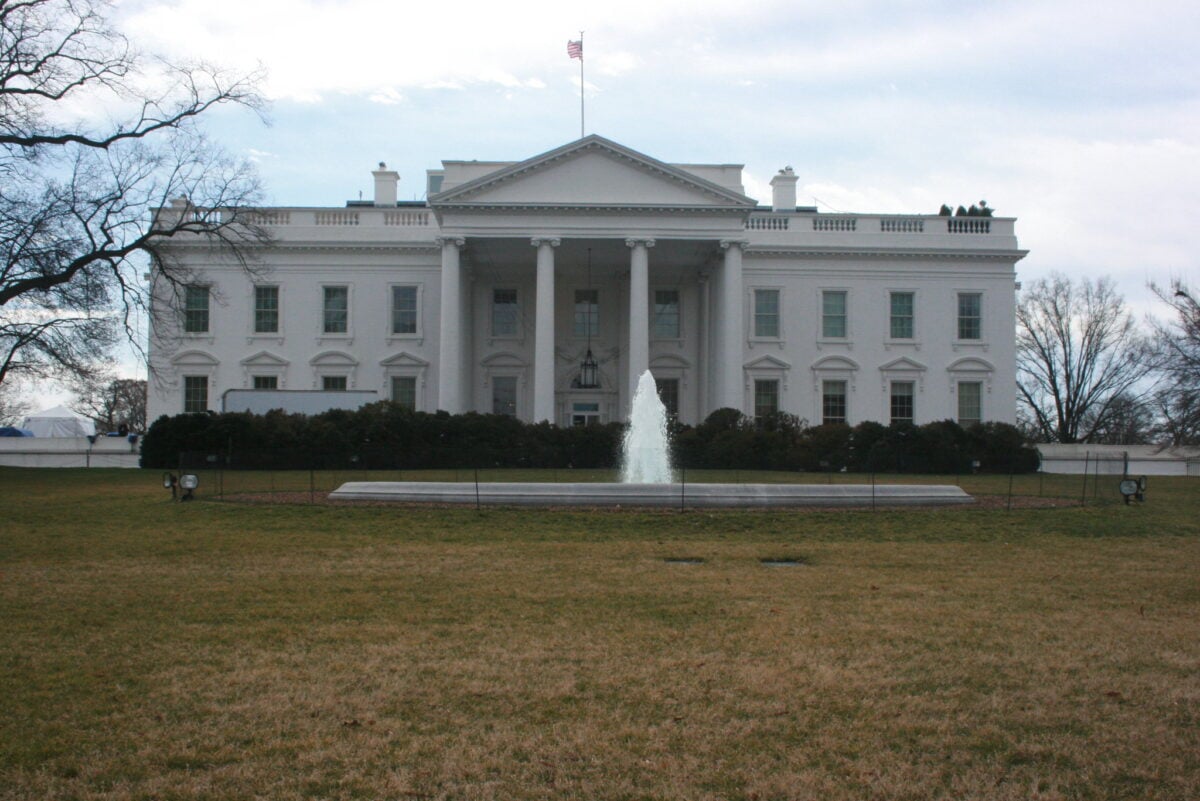
Home to the President of the United States, this 18-acre complex in Washington D.C. maintains security measures that operate both visibly and behind the scenes. An iron fence encircles the entire property, standing over seven feet tall with sensors that alert security when pressure is applied to the bars.
Bulletproof windows protect against projectiles, while underground facilities like the Presidential Emergency Operations Center and Situation Room can continue functioning even during a nuclear attack. A 15-mile no-fly zone covers the airspace above, and roof snipers maintain constant vigilance alongside Secret Service agents stationed throughout the grounds.
Area 51
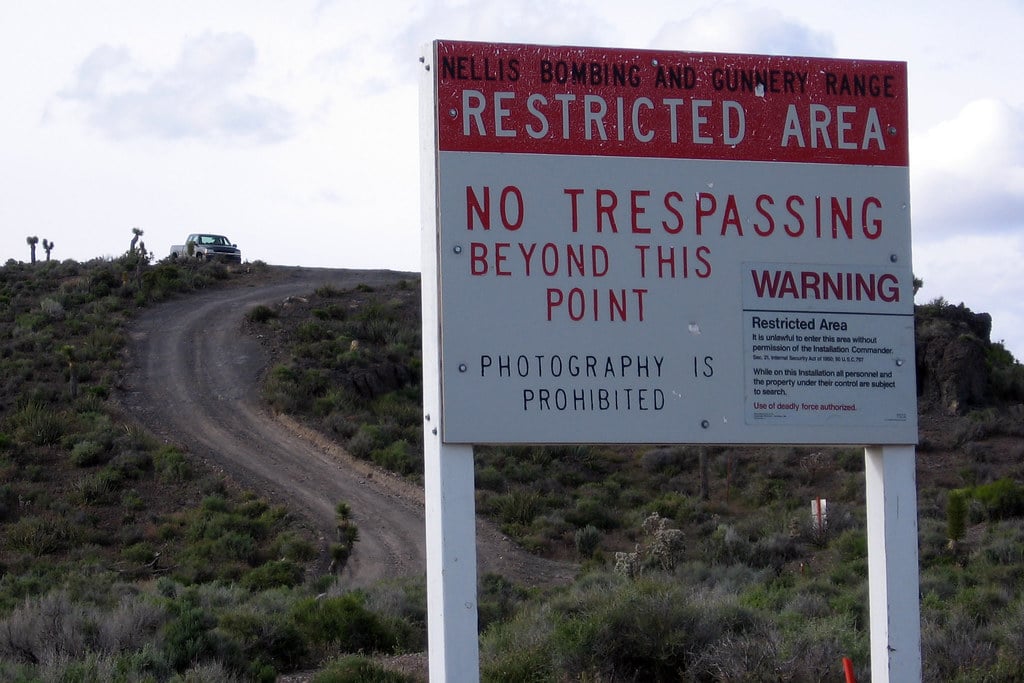
This military research facility in the Nevada desert, about 85 miles north of Las Vegas, gained legendary status for its secrecy. The U.S. government denied its existence until 2013, and what happens inside remains classified to this day.
Motion sensors and armed guard patrols monitor every inch of the restricted area, while a permanent no-fly zone prevents aircraft from getting too close. The facility likely extends deep underground, making most of its operations invisible even to satellite surveillance.
Vatican Secret Archives

More than 400 years of religious history sits behind locked doors in Vatican City, including handwritten letters from Michelangelo and transcripts of Galileo’s trial. The archives hold an estimated 35,000 volumes of documents spanning 53 miles of shelving, with access restricted to a tiny number of academic scholars who must renew their credentials every six months.
Journalists, students, and amateur historians are permanently forbidden from entering, and those granted permission can only view three pre-requested documents per day while under the watchful eye of the Swiss Guard.
Federal Reserve Bank of New York
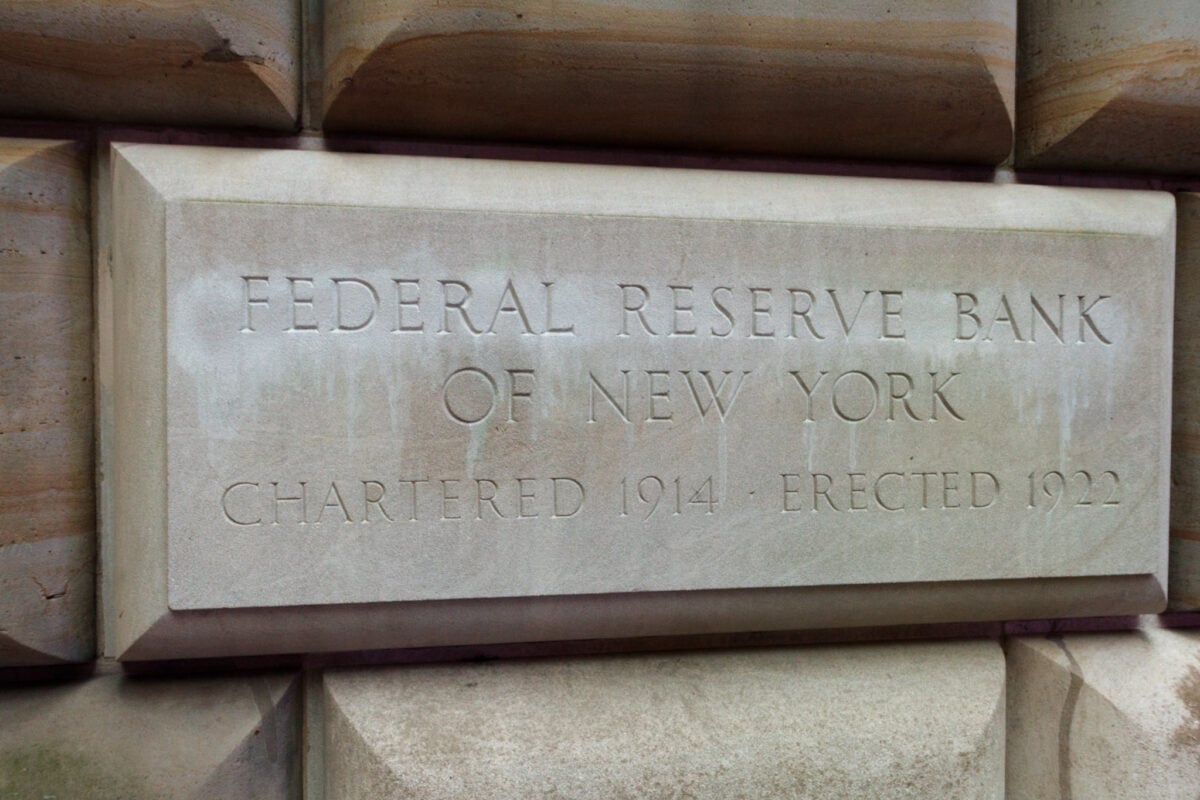
Eighty feet beneath Manhattan’s streets sits one of the world’s largest gold repositories, storing over 7,000 tons of the precious metal. A 90-ton steel cylinder encased in 140 tons of concrete and steel forms an airtight, watertight seal when the vault closes.
Time locks prevent anyone from opening it until the next business day, and security cameras monitor every movement around the clock. The gold sits in a three-story bunker system with reinforced concrete walls, while the New York Federal Police and armed Federal Reserve officers provide an additional layer of human protection.
Svalbard Global Seed Vault

On the remote Norwegian island of Spitsbergen, about 600 miles from the North Pole, this vault holds over 930,000 seed samples designed to restart agriculture after a global catastrophe. The entrance sits 430 feet above sea level to protect against flooding, with tunnels extending 1,640 feet into the mountainside.
Blast-resistant doors, airlocks, and motion sensors guard the interior, but the location itself provides the best security—frigid temperatures year-round, frequent avalanches, and polar bears that make unauthorized visits nearly impossible.
Cheyenne Mountain Complex
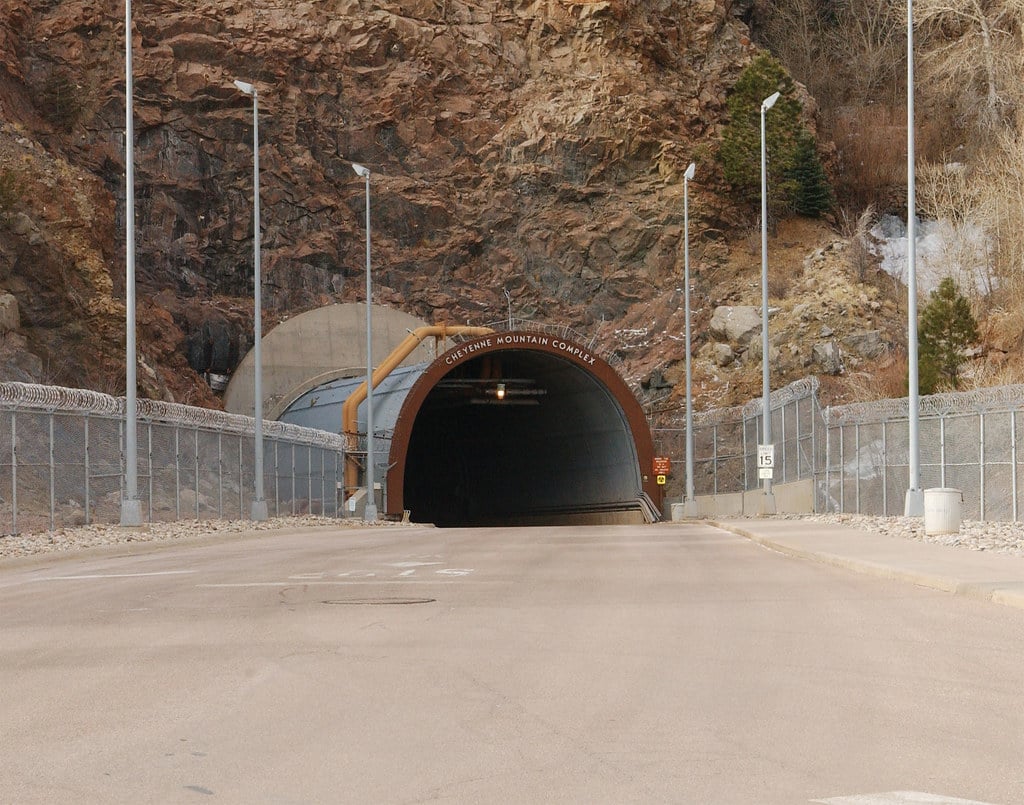
Buried 2,000 feet beneath granite in Colorado, this facility serves as NORAD’s alternate command center and can withstand a 30-megaton nuclear blast from just 1.5 miles away. The complex spans 5.1 acres and houses 15 buildings suspended on 1,300 steel springs to absorb shock waves.
It became fully operational in 1967 at a cost of $142 million, and today it functions as a self-contained city with its own power plant, water supply from mountain springs, and a 1.5 million-gallon emergency water tank. Three-foot-thick blast doors seal the entrance, and multiple security checkpoints ensure only authorized personnel pass through.
ADX Florence
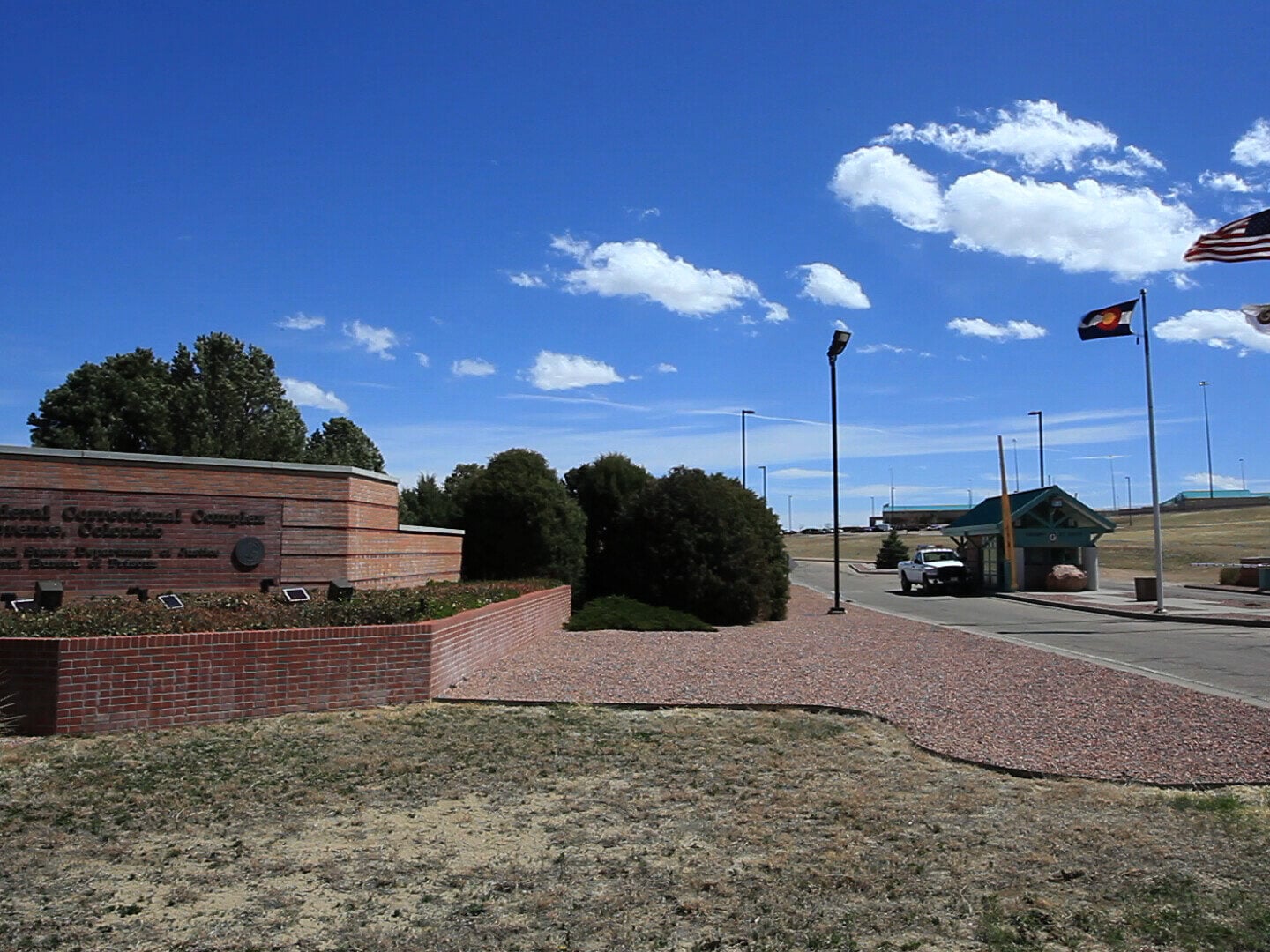
Known as the ‘Alcatraz of the Rockies,’ this supermax prison in Colorado holds America’s most dangerous federal inmates in conditions designed to prevent any possibility of escape. Since opening in 1994, no one has ever successfully escaped from ADX Florence.
Inmates spend 22 to 23 hours per day in soundproof, seven-by-twelve-foot cells with minimal human contact. Remote-controlled steel doors, motion detectors, and 1,400 cameras monitor every movement, while 12-foot razor-wire fencing, watchtowers, pressure pads, laser beams, and guard dogs create multiple layers of perimeter defense.
Iron Mountain Underground

This former limestone mine in Boyers, Pennsylvania, now houses one of the world’s most secure data storage facilities 220 feet underground. The 315-acre complex stores sensitive government records, corporate data, and even Bill Gates’s photo collection within 1.8 million square feet of developed space.
Armed guards, biometric authentication, and 24/7 monitoring protect the entrance, while the natural underground environment maintains stable temperatures and protects against natural disasters. The facility meets government-grade security standards including FedRAMP and FISMA HIGH certification.
Pionen Data Center

Built inside a Cold War nuclear bunker 100 feet beneath Stockholm’s streets, this Swedish facility can withstand a hydrogen bomb blast. A 16-inch-thick steel door guards the only entrance, while backup power comes from repurposed diesel engines originally designed for German submarines.
The interior looks like a James Bond villain’s lair, complete with waterfalls, greenhouses, and simulated daylight to make the work environment more pleasant. WikiLeaks used this facility’s colocation services in 2010, taking advantage of its triple-redundant internet connections and position 98 feet below solid granite.
Bank of England Gold Vault
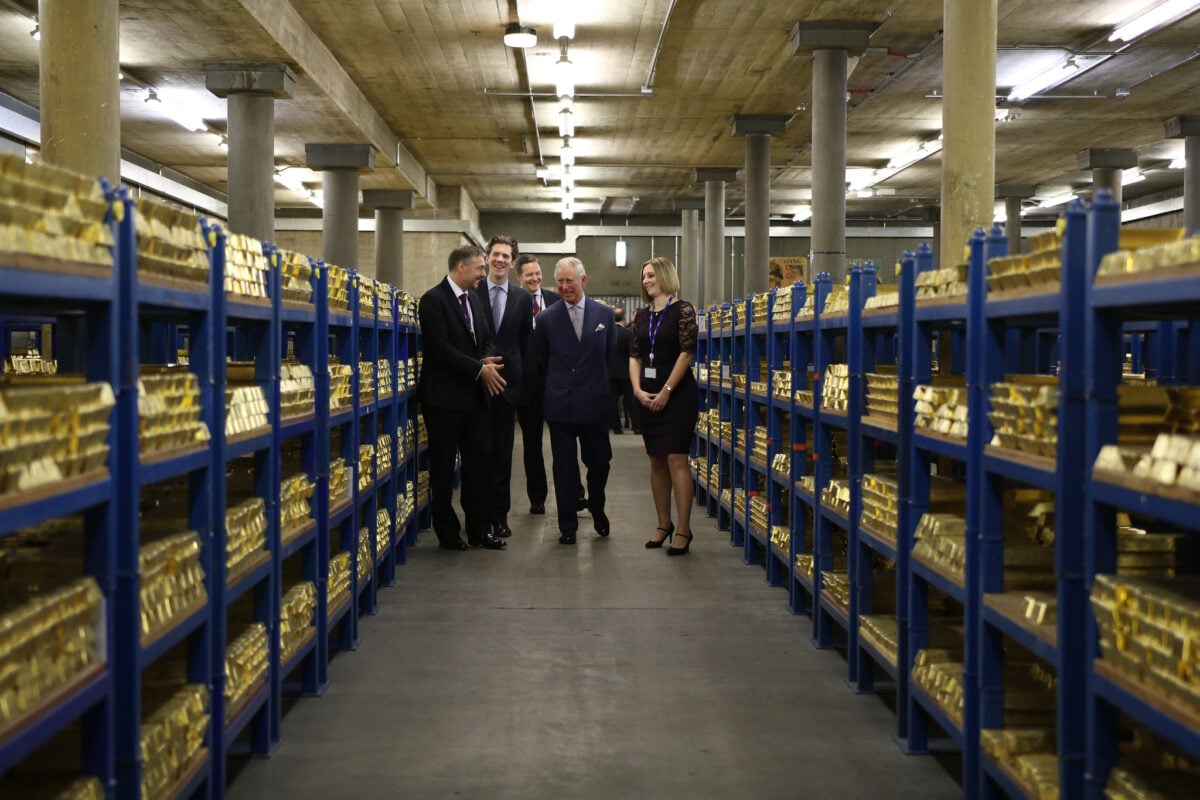
Beneath the streets of London, this vault holds over 400,000 gold bars—one of the largest reserves in the world. The main vault has no traditional door, only a narrow passage through a 90-ton steel cylinder that rotates within a steel and concrete frame.
When alarm systems trigger, guards can seal all areas and exit in less than 25 seconds. The vault sits at the bottom of a three-story bunker of other vaults stacked like strongboxes, all surrounded by reinforced concrete walls and monitored by dedicated armed protection forces.
Mount Weather

This emergency operations center sits 48 miles west of Washington D.C. in Virginia’s Blue Ridge Mountains, serving as the government’s continuity backup site. The 600,000-square-foot underground facility includes a hospital, crematorium, dining areas, sleeping quarters for 2,000 people, and its own power plant.
Only the President, Cabinet, and Supreme Court get private sleeping quarters, while everyone else makes do with cots. The site briefly activated during the 2015 regional power outage, demonstrating its readiness to house government leadership during national emergencies.
RAF Menwith Hill

This military base in North Yorkshire, England, functions as a communication and intelligence site for both the United States and United Kingdom. Heavy security and restricted access make it one of Europe’s most secretive locations, with the public prohibited from entering under criminal penalty.
The exact nature of operations inside remains classified, though distinctive white radomes dot the landscape. The facility’s role in monitoring global communications has made it a target of both curiosity and protest over the years.
Granite Mountain Records Vault
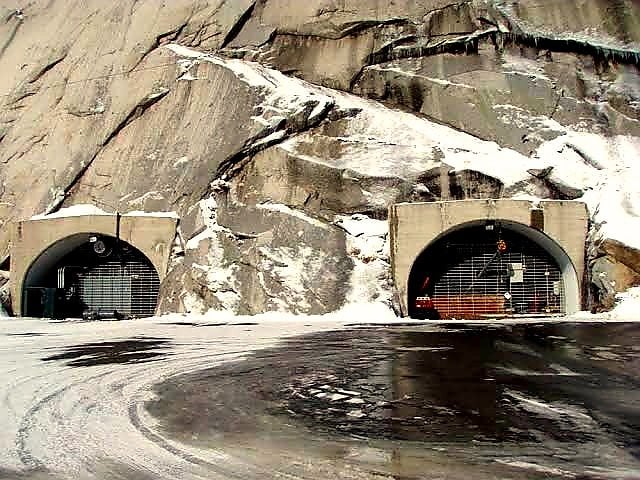
The Church of Latter-Day Saints stores genealogical records in this facility carved into Little Cottonwood Canyon in Utah, away from population centers. Armed guards patrol the perimeter in shifts while motion sensors, temperature controls, and heat sensors create overlapping security systems sensitive enough to detect small animals.
The records contain historical information passed from church leader to church leader, with access granted only to research officers with special authorization. The remote canyon location provides natural protection, making any approach easily detected.
North Korea Demilitarized Zone
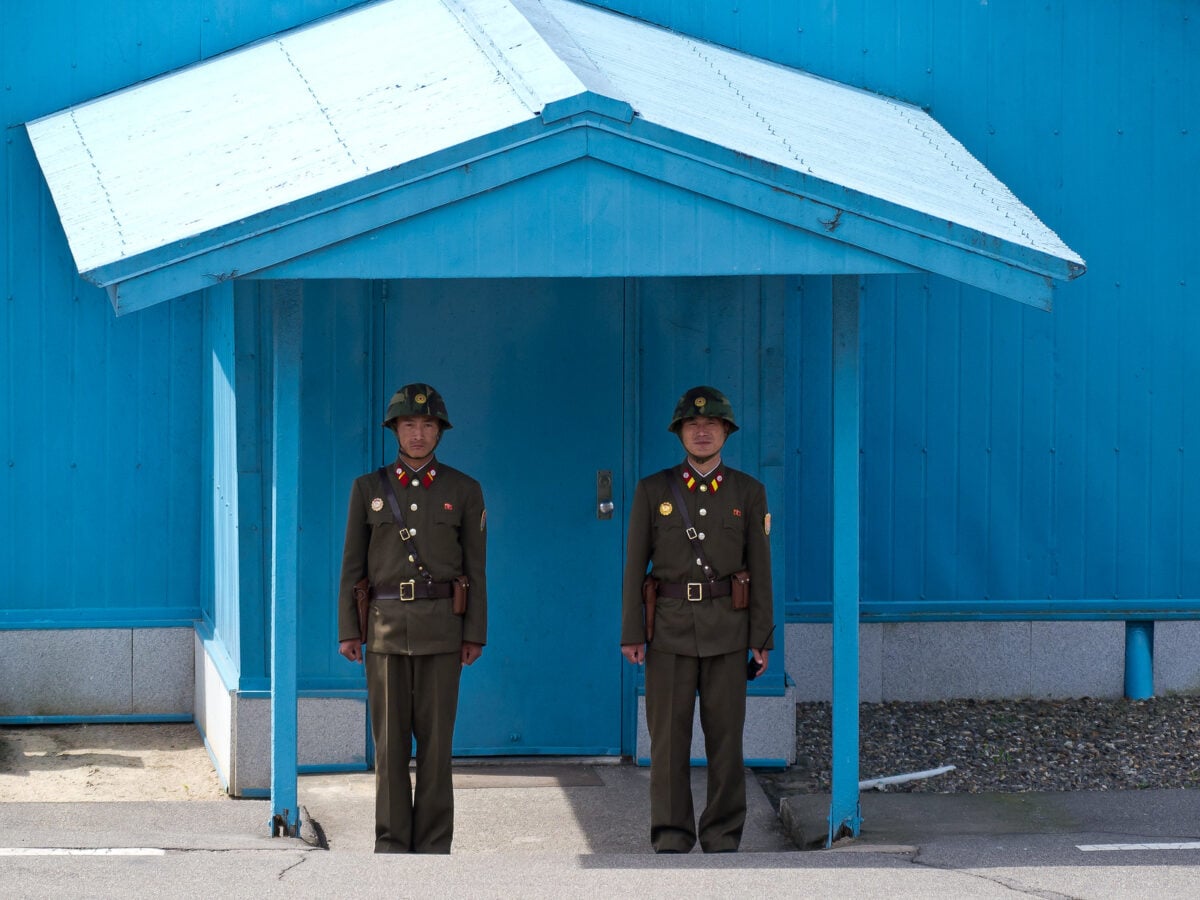
The border between North and South Korea remains one of the world’s most heavily militarized zones despite its name. Military guards from North Korea, South Korea, and United Nations forces maintain constant surveillance, ready to respond to any unauthorized crossing attempt.
The shallow waters of nearby rivers haven’t stopped desperate people from trying to cross, leading all three countries to station border patrols along the Tumen River where it meets China and Russia. Anyone attempting to cross faces fire from both sides, making survival nearly impossible.
Tumen River Border
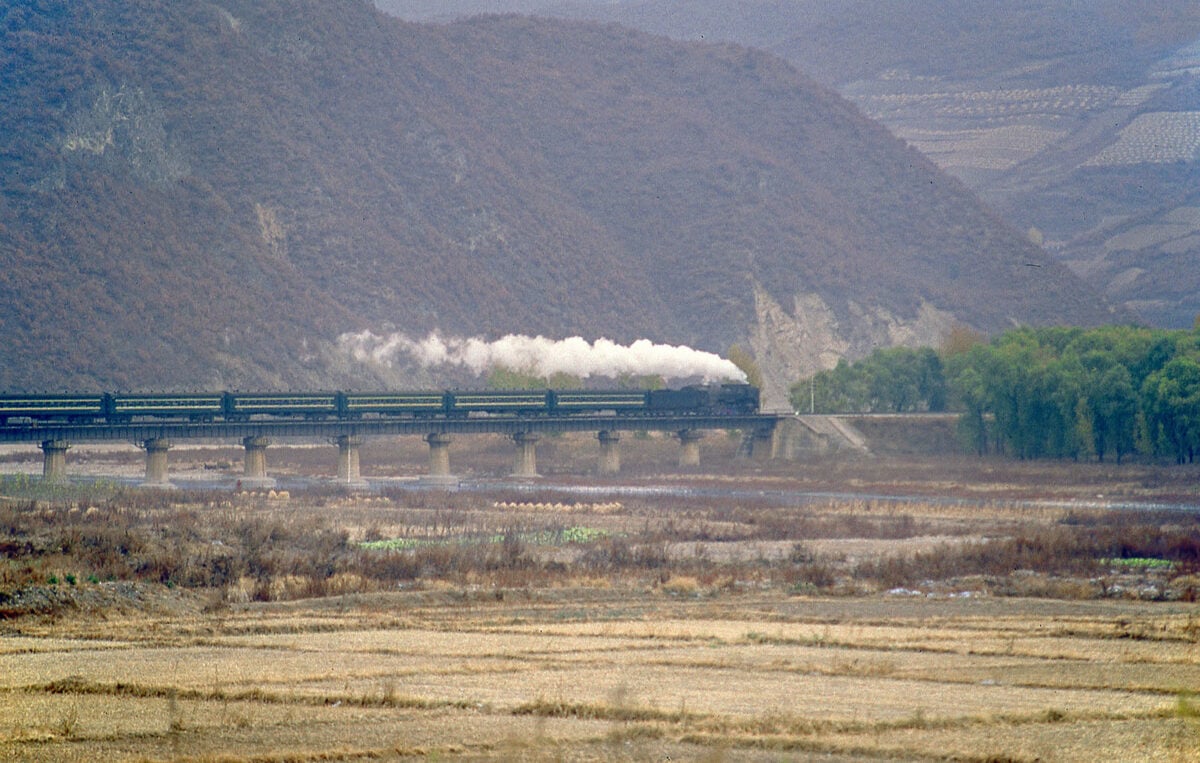
This river forms a natural barrier where North Korea, China, and Russia meet, heavily guarded to prevent North Korean defectors from escaping. Border patrol units from all three countries maintain constant watch over the shallow waters, which have become polluted over the years.
Despite the contamination and military presence, desperate individuals still attempt crossings during favorable conditions. The heightened security reflects each government’s determination to control population movement across their borders.
Federal Reserve Bank Vaults
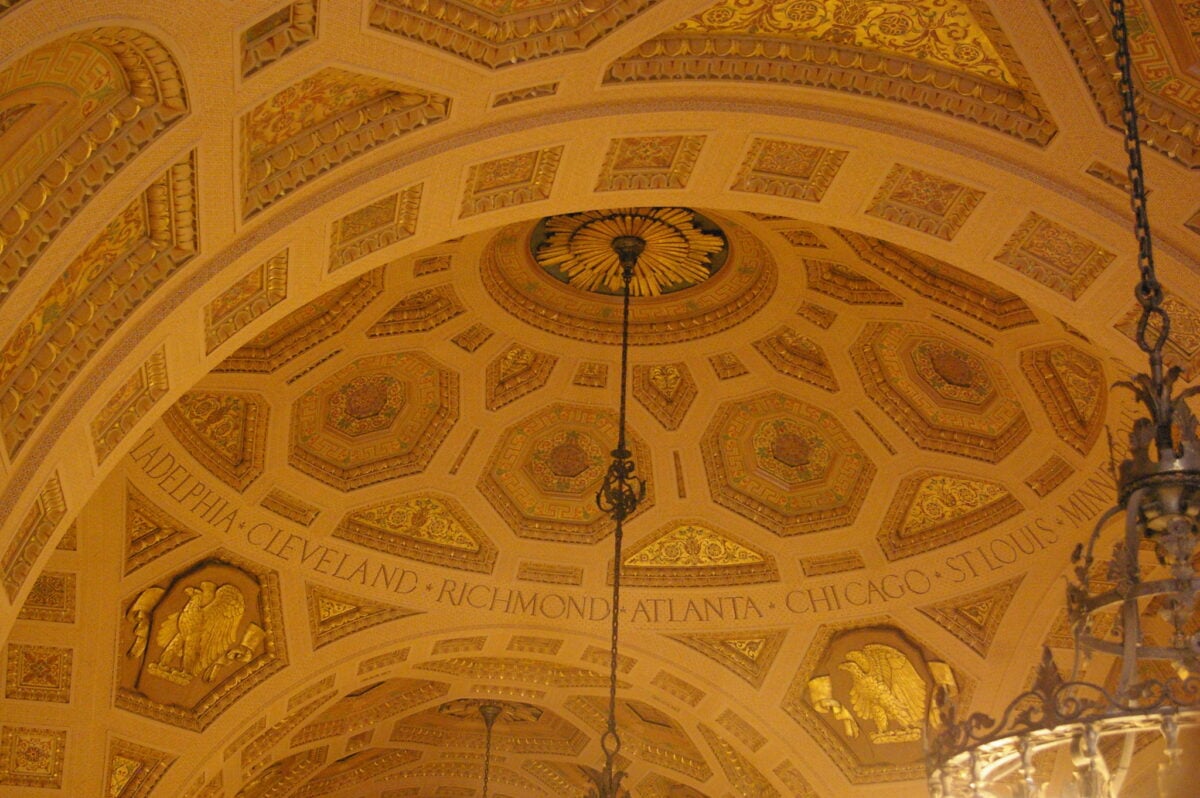
Beyond the famous New York location, the Federal Reserve system maintains multiple high-security vaults across the United States. These facilities protect not just gold but also currency, historical documents, and sensitive financial records.
Each vault employs similar security measures including time locks, reinforced construction, and armed guards, though specific details remain classified. The network ensures that America’s monetary system can continue functioning even if one location becomes compromised.
Where Protection Meets Purpose
These fortresses didn’t appear overnight—they evolved from Cold War paranoia, economic necessity, and the simple human need to protect what matters most. Today they serve purposes their original builders might not have imagined, from storing seeds for an uncertain future to protecting digital information in former nuclear bunkers.
The billions spent on granite mountains, steel doors, and underground lakes reflect a fundamental truth: some things are worth defending at any cost. Whether guarding gold, government continuity, or the genetic diversity needed to feed humanity after disaster, these locations stand ready to fulfill their missions when called upon.
More from Go2Tutors!

- The Romanov Crown Jewels and Their Tragic Fate
- 13 Historical Mysteries That Science Still Can’t Solve
- Famous Hoaxes That Fooled the World for Years
- 15 Child Stars with Tragic Adult Lives
- 16 Famous Jewelry Pieces in History
Like Go2Tutors’s content? Follow us on MSN.



